
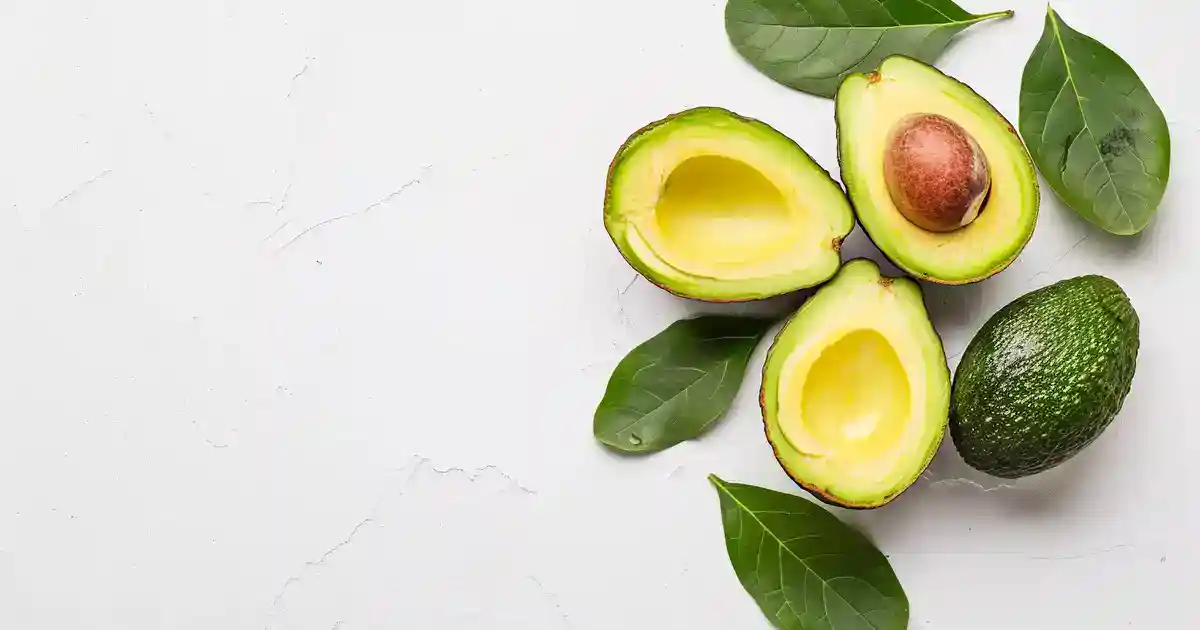
If you have ever reached for your bottle of avocado oil while cooking and paused mid-pour wondering whether the dog watching hopefully from across the kitchen could safely share whatever you were making, or if you have ever read a warning about avocados being toxic to dogs and immediately wondered whether that toxicity extended to avocado oil sitting in your pantry and the skin care products on your bathroom shelf, you have encountered one of the most genuinely confusing food safety questions in the entire landscape of dogs and human foods. I had that exact experience of contradictory information paralysis when a friend asked me whether avocado oil was safe for her dog after her veterinarian cautioned her about avocados generally — finding sources that said avocado oil was completely safe sitting directly alongside sources that said anything avocado-derived should be kept away from dogs entirely, with no clear explanation of why the two positions existed simultaneously or which one was actually grounded in the evidence. Understanding the complete picture of avocado oil and dogs — why avocado oil occupies a genuinely different safety category than avocado fruit flesh, skin, pit, and leaves, what the specific toxicity mechanism of avocados actually is and why refined avocado oil largely escapes it, what the legitimate nutritional benefits of avocado oil for dogs are and how to realize them safely, and where the genuine remaining cautions lie even for the safest avocado oil preparations — is exactly what this guide delivers with the evidence-based specificity and practical honesty that actually resolves the confusion rather than adding another contradictory layer to it.
Here’s the Thing About Avocado Oil and Dogs
Here is the foundational reality that reframes every avocado oil decision you will ever make for your dog — the toxicity concerns associated with avocados and dogs are real and legitimate but they are specific to particular parts of the avocado plant and to a specific compound called persin, and refined avocado oil produced through commercial extraction processes contains negligible to undetectable levels of persin in a way that places properly refined avocado oil in a genuinely different safety category than the avocado fruit, skin, pit, leaves, and bark that carry meaningful persin concentrations. Understanding that distinction is not a rationalization for feeding dogs something that is actually dangerous — it is the specific biological and chemical reality that explains why veterinary nutritionists and toxicologists who are fully aware of avocado toxicity in dogs can simultaneously acknowledge avocado oil as a reasonable dietary addition for dogs when used appropriately, a position that appears contradictory only until the persin distribution within the avocado plant is properly understood.
I never knew until I actually engaged with the veterinary toxicology literature that persin — the fungicidal toxin that the avocado plant produces throughout its tissues as a defense mechanism — is concentrated in the leaves, bark, skin, and pit of the avocado rather than in the oil-rich flesh, and that the commercial refining process used to produce high-quality avocado oil further reduces any residual persin content to levels that toxicologists consider negligible for canine exposure. The practical implication of this chemistry is that the same avocado that would produce respiratory distress, fluid accumulation, and cardiac complications in dogs through meaningful consumption of its leaves or bark produces an oil whose refined form does not deliver the persin load that drives those toxic outcomes — a distinction that the blanket avocado-is-toxic-to-dogs warning erases in a way that serves neither accuracy nor the dog owners trying to make informed decisions. What remains after understanding the persin distinction is not unlimited avocado oil enthusiasm but a more accurate risk framework that acknowledges both the genuine safety basis for refined avocado oil use and the genuine remaining considerations that prevent avocado oil from being a completely context-free addition to any dog’s diet.
What You Need to Know — Let’s Break It Down
Understanding the specific compounds involved in avocado toxicity, the processing differences between avocado oil types, and the nutritional profile of refined avocado oil gives you the interpretive foundation that makes the practical guidance throughout this guide coherent and applicable rather than a set of rules you are following without understanding why they exist. Persin is a polyhydroxylated fatty alcohol fungicide that the avocado tree produces in its leaves, bark, skin, and pit as a natural defense against fungal pathogens — a compound that is genuinely toxic to many animals including dogs, cats, birds, horses, cattle, and rabbits through mechanisms that affect cardiac muscle function and mammary gland tissue in particular. The concentration of persin follows a gradient within the avocado plant — highest in leaves and bark, significant in the skin and pit, present at lower levels in the flesh surrounding the pit, and at levels that commercial oil refining reduces to negligibility in properly processed avocado oil.
Cold-pressed avocado oil and refined avocado oil represent two distinct processing categories with meaningfully different persin retention profiles, and the distinction matters for dog owners evaluating avocado oil safety with the specificity that accurate risk assessment requires. Cold-pressed avocado oil — produced by mechanically pressing avocado flesh without heat or chemical processing — retains more of the full chemical profile of the source material including whatever residual persin was present in the flesh used, producing an oil that is richer in certain phytochemicals but also potentially higher in residual persin content than its refined counterpart. Refined avocado oil — produced through processes that include heat treatment, filtration, and sometimes chemical refining steps — removes or deactivates a larger proportion of persin along with other heat-sensitive compounds, producing the purer, higher-smoke-point oil that most commercially available culinary avocado oil represents. For dog feeding purposes, refined avocado oil is the appropriate choice precisely because the refining process that reduces its phytochemical complexity also reduces its persin content to the negligible levels that support its use as a safe dietary addition.
The nutritional profile of refined avocado oil is genuinely compelling from a canine dietary support perspective, and understanding what specific nutrients it provides helps you evaluate whether those nutrients address a genuine gap or support a genuine goal in your individual dog’s diet rather than simply adding calories to a diet that may already be nutritionally complete. Avocado oil is approximately seventy percent oleic acid — the same monounsaturated omega-9 fatty acid that makes olive oil nutritionally valued — a fatty acid that has demonstrated anti-inflammatory properties, supports cardiovascular health, enhances fat-soluble nutrient absorption, and contributes to healthy skin and coat condition in mammals including dogs. The remaining fatty acid profile includes meaningful amounts of palmitic acid, linoleic acid, and alpha-linolenic acid, providing a balanced fatty acid distribution that complements the dietary fat profile of most commercial dog foods without creating the omega-6 excess that some other supplemental oils introduce.
The Science Behind Avocado Oil Safety and Benefits for Dogs
What research actually shows about persin toxicity thresholds in dogs, oleic acid effects on canine health markers, and the processing chemistry of avocado oil production explains why the safety assessment of refined avocado oil for dogs differs from the safety assessment of whole avocado consumption and why the nutritional benefits attributed to avocado oil have a genuine mechanistic basis rather than being extrapolated uncritically from human nutrition research. The persin toxicity studies that established avocado as a concern for dogs used exposures involving avocado leaves, bark, unrefined plant material, or whole fruit including skin — not refined avocado oil — and the clinical presentations those studies documented reflected the persin concentrations in source materials that commercial oil refining substantially reduces. Veterinary toxicologists who have specifically addressed the avocado oil question in professional literature generally distinguish between avocado plant material toxicity and refined avocado oil, with the consensus position acknowledging negligible persin in refined oil as the basis for a different safety assessment than applies to avocado plant material.
Oleic acid research in dogs supports the skin and coat benefits that avocado oil proponents most frequently cite, with studies on omega-9 fatty acid supplementation in dogs demonstrating improvements in coat shine and texture, reduction in transepidermal water loss consistent with improved skin barrier function, and anti-inflammatory effects measurable in skin tissue — outcomes that are mechanistically coherent with what oleic acid does in mammalian skin biology and that align with the clinical observations of dog owners who supplement with oleic-acid-rich oils. The fat-soluble vitamin and nutrient absorption enhancement associated with oleic acid is particularly relevant for dogs consuming fat-soluble vitamins A, D, E, and K either through their commercial food or through supplementation, as dietary fat presence significantly enhances the intestinal absorption of these nutrients in a dose-responsive manner that makes even modest dietary fat addition nutritionally meaningful beyond its direct caloric and fatty acid contributions.
The vitamin E content of avocado oil — particularly high relative to many other culinary oils — provides antioxidant protection that benefits both the oil itself during storage and the dog’s antioxidant defense systems when consumed. Vitamin E as a lipid-soluble antioxidant protects cell membranes from oxidative damage in a way that is particularly relevant during periods of physiological stress, intense exercise, or inflammatory conditions, and the naturally high vitamin E content of avocado oil means that avocado oil supplementation delivers antioxidant support alongside its fatty acid benefits in a combined nutritional package that pure fatty acid supplements do not provide.
Here’s How to Actually Use Avocado Oil for Dogs
Start by selecting a high-quality refined avocado oil from a reputable producer — look for products that specify refined processing, have clear labeling about their extraction method, and do not contain any added ingredients or flavorings that could introduce new risks alongside the avocado oil itself. Avoid products labeled as cold-pressed or unrefined for dog feeding purposes, not because cold-pressed avocado oil is dramatically dangerous but because the additional processing certainty that refined oil provides is worth prioritizing when your goal is maximizing both safety and nutritional value simultaneously. Store avocado oil in a cool, dark location in a sealed container to prevent the oxidative rancidity that degrades both the flavor and the nutritional value of any unsaturated fatty acid-rich oil, and discard any oil that has developed an off smell, bitter taste, or unusual appearance that indicates oxidative degradation.
Here is the specific dosing framework that applies to avocado oil supplementation across dog size categories, because the caloric density of oil — approximately one hundred twenty calories per tablespoon — makes portion discipline genuinely important in a way that lower-calorie supplement additions do not require. For small dogs under twenty pounds, one quarter teaspoon of refined avocado oil added to food two to three times per week represents an appropriate supplemental addition that delivers the fatty acid and vitamin E benefits without contributing meaningful excess calories to the daily intake. For medium dogs between twenty and fifty pounds, one half teaspoon added to food two to three times per week provides the same benefit profile at a proportionally appropriate dose. For large dogs over fifty pounds, up to one teaspoon added to food two to three times per week represents a reasonable supplemental addition, though daily use at this level warrants monitoring for any weight changes given the caloric contribution of regular oil supplementation.
Introduce avocado oil gradually over one to two weeks rather than starting immediately at the intended regular dose, because the addition of any new fat source to a dog’s diet can cause temporary digestive adjustment including loose stool that gradual introduction substantially reduces. Begin with half the intended dose on the first few feedings, increase to the full intended dose after a week of tolerance, and monitor stool consistency and overall digestive comfort throughout the introduction period. Dogs who develop persistent loose stool following avocado oil introduction that does not resolve within one to two weeks of consistent use at appropriate doses warrant a reduction in dose or a conversation with their veterinarian about whether the fat addition is appropriate for their individual digestive profile.
Common Mistakes Dog Owners Make With Avocado Oil and Dogs
The most consequential category of mistake dog owners make in the avocado oil context is not the mistake of adding refined avocado oil to their dog’s diet — it is the mistake of reasoning from avocado oil safety to avocado safety generally, concluding that because refined avocado oil appears in discussions of beneficial supplements for dogs, avocados themselves must also be safe in appropriate portions. The persin distinction that makes refined avocado oil a different safety category than avocado plant material does not extend back to whole avocados — avocado flesh, skin, pit, and leaves remain genuinely hazardous for dogs, avocado-containing guacamole adds the additional hazards of garlic, onion, and excessive salt on top of avocado’s own risks, and the avocado oil safety framework provides zero basis for avocado fruit feeding regardless of how it might appear to follow logically from oil safety.
Using cold-pressed or unrefined avocado oil for dog supplementation under the assumption that less processing means more safety represents a misapplication of the natural-is-better reasoning that is sometimes valid in human nutrition contexts but that works against safety in the specific case of avocado oil — where the refining process that reduces phytochemical complexity is precisely the process that also reduces residual persin to negligible levels and makes the oil appropriate for canine consumption. Overdosing avocado oil under the reasoning that more healthy fat must produce proportionally more benefit is a mistake that most commonly produces weight gain and digestive upset rather than enhanced outcomes, because the dose-response relationship for fatty acid supplementation benefits reaches a plateau well below the amounts that might seem intuitively generous, while the caloric cost of excess oil addition continues accumulating linearly with every additional drop.
Failing to account for avocado oil’s caloric contribution when calculating a dog’s overall daily intake is a mistake that accumulates quietly over weeks and months into the gradual weight gain that owners sometimes attribute to metabolic changes or reduced activity before recognizing the caloric contribution of what they assumed was a trivial supplement addition. One teaspoon of avocado oil added daily to a small dog’s food represents a meaningful percentage of that dog’s total daily caloric allowance — a contribution that requires either intentional caloric offset elsewhere in the diet or acceptance of the weight implications that unaccounted caloric addition produces over time.
When Things Don’t Go as Planned
Your dog accessed whole avocados — whether from a bowl on the counter, a bag on the floor, or a backyard avocado tree — and consumed avocado flesh, skin, pit, or any combination of plant material, and you are trying to assess how urgently to respond? Contact your veterinarian or the ASPCA Animal Poison Control Center at 888-426-4435 immediately rather than monitoring at home, because the persin content of whole avocado material varies based on variety and ripeness in ways that make consumption amount alone an unreliable guide to risk level, and the pit presents a serious gastrointestinal obstruction risk independent of any persin concern that requires veterinary assessment for any dog who consumed a whole pit or significant pit fragment. Symptoms of persin toxicity to monitor for include respiratory distress, coughing, fluid retention, lethargy, and in severe cases cardiac abnormalities — symptoms that warrant emergency veterinary attention rather than continued home monitoring if they develop following avocado exposure.
Your dog has been receiving appropriate doses of refined avocado oil and has developed persistent loose stool that is not resolving with the dietary consistency that usually stabilizes new supplement introductions? Discontinue the avocado oil and allow the digestive system to return to its baseline before considering whether a reduced dose reintroduction is appropriate or whether a different oil supplementation approach — fish oil, flaxseed oil, or coconut oil — might deliver the supplemental fat benefits your dog needs through a source their digestive system tolerates more comfortably. Some dogs have individual fat digestion sensitivities that make any oil supplementation challenging regardless of the oil source, and persistent digestive disruption following avocado oil introduction in a dog with no prior oil supplementation history warrants a veterinary conversation about whether fat supplementation is the right approach for that specific dog’s gastrointestinal profile.
Advanced Considerations for Specific Dogs and Situations
Dogs with diagnosed pancreatitis history or documented fat sensitivity represent the population for whom avocado oil supplementation requires the most careful veterinary partnership before implementation, because the fat load that oil supplementation adds to the diet is precisely the dietary variable that veterinary management of pancreatitis most consistently restricts. A dog who experienced acute pancreatitis following a high-fat dietary exposure and whose veterinary management has emphasized low-fat feeding as a preventive strategy is not an appropriate candidate for avocado oil supplementation without explicit veterinary guidance that accounts for the pancreatitis history and current dietary fat tolerance assessment — a case where the general safety of refined avocado oil for dogs in general does not override the specific medical history that creates individual contraindication.
Overweight dogs represent a population where the caloric density of avocado oil requires particularly careful accounting, because the health goals of weight management and the supplemental fat benefits of avocado oil work in directly opposing directions — fat reduction supports weight loss while fat addition supports coat and skin health, and navigating that tension requires either accepting slower weight loss progress during supplementation or calculating precise caloric offsets in the food portion that maintain caloric balance despite the supplement addition. Working with a veterinarian or veterinary nutritionist to integrate avocado oil supplementation into an active weight management protocol produces better outcomes than either abandoning supplementation entirely or ignoring the caloric contribution and accepting slower progress toward weight targets.
Dogs receiving certain medications — particularly those affecting fat metabolism, pancreatic function, or fat-soluble vitamin absorption — warrant a pharmacological interaction review with their veterinarian before avocado oil supplementation begins, because the fat content and vitamin E concentration of avocado oil can affect both the absorption and the metabolism of co-administered medications in ways that require professional assessment rather than owner assumption of compatibility.
Ways to Make Avocado Oil Work for Your Dog
When I want to maximize the nutritional benefit of avocado oil addition while keeping the feeding experience positive and the portion management precise, I mix the measured avocado oil dose directly into my dog’s regular food rather than offering it separately — the integration into food ensures complete consumption of the intended dose, prevents the oil from being left behind in a separate dish, and creates a palatability enhancement that many dogs find appealing in a way that makes the regular supplement addition easy to maintain consistently. For dogs who receive raw or home-cooked diets where fat-soluble vitamin absorption is a specific nutritional consideration, adding avocado oil as the fat component of a meal that includes fat-soluble vitamins A, D, E, or K takes specific advantage of the absorption-enhancing effect of dietary fat on these nutrients in a targeted way that delivers more nutritional value per calorie than random oil addition to arbitrary meals.
Topical avocado oil application to dry, flaky, or irritated skin areas represents an additional use pathway that delivers the moisturizing and anti-inflammatory benefits of oleic acid directly to affected tissue without contributing to caloric intake — a particularly relevant option for dogs whose systemic fat intake is already at the upper appropriate limit but who have focal skin concerns that could benefit from the emollient properties of avocado oil applied as a conditioning treatment to affected areas. Each approach to incorporating avocado oil works within different dietary management contexts and individual dog needs as long as the core commitments to refined oil selection, appropriate dosing relative to body size, caloric accounting within overall dietary balance, gradual introduction with digestive monitoring, and complete avoidance of whole avocado products stay consistently maintained throughout.
Why This Approach to Avocado Oil Actually Works
Unlike the frustrating experience of encountering avocado oil questions with only the generic avocados-are-toxic-to-dogs warning as a reference point — a warning that is accurate about whole avocados but that provides zero useful information about refined avocado oil and that leaves dog owners either unnecessarily avoiding a genuinely beneficial supplement or dismissing the entire avocado safety concern in a way that creates risk — understanding the specific chemistry that distinguishes refined avocado oil from avocado plant material creates an informed framework that captures the genuine safety basis for avocado oil use while maintaining accurate awareness of the genuine avocado toxicity concerns that apply to other avocado forms. What makes this framework sustainable is that the decision structure — refined oil only, appropriate dose for body size, caloric accounting, gradual introduction, whole avocado avoidance maintained absolutely — is a coherent, repeatable approach that applies consistently every time avocado oil or avocado in any form comes up rather than requiring you to reconstruct your understanding from contradictory sources under time pressure.
The practical wisdom here is that avocado oil is a genuinely useful addition to the dog owner’s supplement toolkit when used with the specific knowledge of what makes it safe and beneficial — not a universal recommendation for every dog in every context, but a well-supported option for the right dogs in the right doses from the right source that delivers real skin, coat, and anti-inflammatory benefits grounded in the same oleic acid science that makes avocado oil valued in human nutrition. I had a genuine perspective shift when I was able to explain to my friend — the one whose veterinarian had cautioned about avocados — exactly why refined avocado oil occupied a different safety category than the whole avocados she was rightly avoiding, and watched her move from confused frustration with contradictory information to confident, specific understanding that allowed her to make an actual informed decision about her dog’s diet rather than simply avoiding everything avocado-adjacent out of unresolved uncertainty.
Real Success Stories and What They Teach Us
A holistic veterinarian I know shared that avocado oil is among the supplemental oils she most frequently recommends for dogs with chronic dry skin and dull coat presentations, specifically because the oleic acid profile delivers the skin barrier support and coat conditioning benefits that her clients are seeking while the refined oil’s negligible persin content addresses the safety concerns that make whole avocado an inappropriate recommendation — and that the dogs she has seen respond most dramatically to avocado oil supplementation are typically those whose commercial diets were already nutritionally complete in most respects but whose fat profile was not optimally supporting skin and coat health, making targeted fatty acid supplementation the specific intervention that produced visible improvement. Her clinical observation reinforces that avocado oil is most valuable as a targeted supplement for specific health support goals rather than a general addition to every dog’s diet regardless of individual need.
A dog owner in an online community I participate in documented her experience supplementing her senior Labrador’s diet with refined avocado oil over a twelve-week period for coat and joint support, sharing weekly photos that showed progressive improvement in coat condition from the dull, dry presentation that had developed as the dog aged through a gradual return to the shine and texture the dog had shown in younger years — an outcome she attributed to the combination of oleic acid skin support and vitamin E antioxidant effects that avocado oil’s nutritional profile delivers. Her documented experience aligns with the veterinary nutrition research on fatty acid supplementation and coat health in dogs showing that oleic acid-rich oil supplementation produces observable coat improvements in dogs whose dietary fat profile was not previously optimized for skin and coat support.
Questions People Always Ask About Avocado Oil and Dogs
Can dogs consume avocado oil safely? Refined avocado oil is considered safe for dogs in appropriate doses because the commercial refining process reduces persin — the toxin responsible for avocado toxicity in dogs — to negligible levels. Cold-pressed or unrefined avocado oil retains more of the original plant chemistry and is not the recommended form for dog supplementation. Whole avocados, avocado skin, pits, leaves, and bark remain genuinely hazardous for dogs regardless of refined oil safety.
Is avocado toxic to dogs? Avocado plant material including leaves, bark, skin, pit, and to a lesser extent the flesh is toxic to dogs through a compound called persin that causes respiratory distress, fluid retention, and cardiac complications in meaningful exposures. Refined avocado oil is a different case because the refining process removes persin to negligible levels, which is why refined oil is discussed differently from whole avocado in veterinary nutrition contexts.
What are the benefits of avocado oil for dogs? Refined avocado oil provides approximately seventy percent oleic acid — a monounsaturated fatty acid that supports skin barrier function, coat conditioning, anti-inflammatory response, and fat-soluble nutrient absorption. It also delivers naturally high vitamin E content that provides antioxidant support. These benefits are most relevant for dogs with dry skin, dull coat, or dietary fat profiles that do not optimally support skin and coat health.
How much avocado oil can I give my dog? A general dosing framework suggests one quarter teaspoon two to three times weekly for small dogs under twenty pounds, one half teaspoon two to three times weekly for medium dogs, and up to one teaspoon two to three times weekly for large dogs. Avocado oil is calorie-dense at approximately one hundred twenty calories per tablespoon, so caloric accounting within overall dietary balance is essential at any dose.
What should I do if my dog ate a whole avocado? Contact your veterinarian or the ASPCA Animal Poison Control Center at 888-426-4435 immediately. Whole avocado consumption presents both persin toxicity risk from the flesh, skin, and pit and serious gastrointestinal obstruction risk from the pit itself. Do not monitor at home and wait for symptoms — early veterinary guidance produces better outcomes than reactive management after symptoms develop.
Is avocado oil the same as avocado for dogs? No. Avocado oil — specifically refined avocado oil — differs from whole avocado in its persin content, which the refining process reduces to negligible levels. Whole avocado flesh, skin, pit, and leaves contain meaningful persin concentrations that produce toxicity in dogs. The safety basis for refined avocado oil use does not extend to whole avocados in any form.
Can I use avocado oil on my dog’s skin? Yes. Topical application of refined avocado oil to dry, flaky, or irritated skin areas delivers the moisturizing and anti-inflammatory benefits of oleic acid directly to affected tissue without contributing to caloric intake, making it a useful option for focal skin concerns in dogs whose overall dietary fat intake is already at an appropriate level.
Does avocado oil help with dog shedding? Avocado oil supports skin and coat health through its oleic acid and vitamin E content in ways that can reduce the dry, brittle coat condition that contributes to excessive shedding in some dogs. It is not a direct anti-shedding intervention but rather a nutritional support for the skin barrier and coat condition that, when improved, may reduce the shedding associated with poor coat health rather than the normal cyclical shedding that healthy dogs experience regardless of diet.
One Last Thing
Every chemistry explanation, every safety distinction, every dosing guideline, and every preparation protocol in this complete guide exists because understanding whether dogs can safely consume avocado oil with genuine toxicological grounding and honest practical methodology proves that the difference between confident, informed avocado oil use that delivers real health benefits and either unnecessary avoidance or uninformed use that misses critical safety distinctions is almost entirely determined by the specific, organized knowledge the owner brings to the decision. The best avocado oil outcomes for dogs happen when owners understand why refined oil differs from whole avocado, select refined oil specifically, dose appropriately for their dog’s size and caloric needs, introduce gradually with digestive monitoring, and maintain the absolute whole-avocado avoidance that the persin toxicity reality requires regardless of refined oil safety. You now have every chemical framework, every safety distinction, every dosing principle, and every preparation standard you need to make an informed, confident decision about avocado oil for your dog — choose refined, measure carefully, account for the calories, and give your dog the coat and skin support that the right oil in the right amount from the right source genuinely delivers.




