
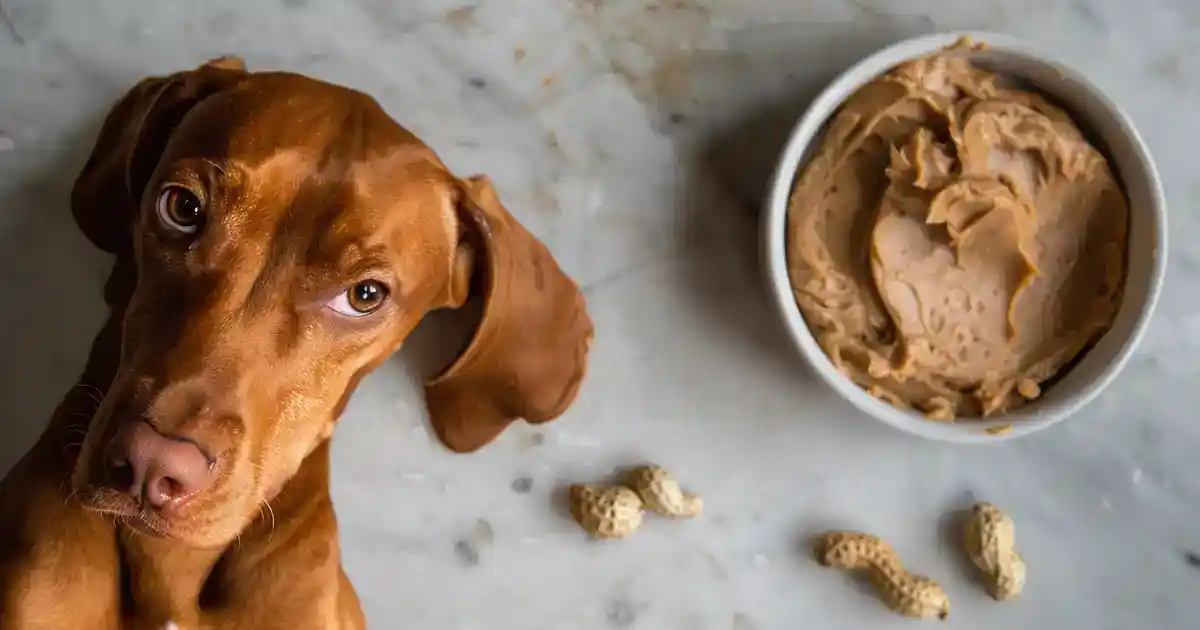
Have you ever watched your dog go absolutely crazy for peanut butter and wondered if this popular treat is actually safe for them?
I used to slather peanut butter on everything for my beagle, Riley, until I discovered a brand at my neighbor’s house that contained xylitol—a sweetener that’s literally toxic to dogs. Here’s the thing I discovered through emergency vet visits, extensive label reading, and way too many close calls: peanut butter can be an amazing treat for dogs, but only if you know exactly what to look for on that ingredient list. Now my friends constantly text me photos of peanut butter jars asking “is this one safe?” and my vet (who applauded my newfound vigilance) keeps sharing my ingredient checklist with worried pet parents. Trust me, if you’re concerned about accidentally poisoning your pup with something as beloved as peanut butter, this approach will show you it’s more critical than you ever expected to read every single label.
Here’s the Thing About Dogs and Peanut Butter
Here’s the magic behind safely feeding peanut butter to dogs: it’s not about whether peanut butter itself is dangerous (plain, unsalted peanut butter is perfectly safe), but whether the specific brand you’re buying contains hidden ingredients that can harm or even kill your dog. The biggest threat is xylitol, an artificial sweetener that causes rapid insulin release in dogs, leading to potentially fatal hypoglycemia and liver failure. I never knew this seemingly innocent sugar substitute could be so devastating until I researched canine toxicology. According to research on xylitol toxicity, even small amounts can be life-threatening to dogs, with symptoms appearing within 10-60 minutes of consumption. What makes this work is developing a foolproof system for identifying safe peanut butter brands and understanding proper portion sizes for your dog’s weight. It’s honestly more straightforward than I ever expected once you learn the red flags and safe alternatives—no complicated ingredient chemistry degree needed.
What You Need to Know – Let’s Break It Down
Understanding xylitol dangers is absolutely crucial before you ever give your dog peanut butter. This sugar alcohol appears in “sugar-free,” “low-sugar,” “no sugar added,” or “keto-friendly” peanut butter brands, and it’s becoming more common as manufacturers cater to health-conscious consumers. (Took me forever to realize this trend was making the grocery aisles more dangerous for dogs!) Even a small amount—as little as 0.1 grams per kilogram of body weight—can cause severe hypoglycemia, and slightly higher doses can cause acute liver failure.
Don’t skip learning to read ingredient labels like your dog’s life depends on it—because it does. Xylitol might be listed under alternative names: birch sugar, birch bark extract, or simply as “sugar alcohol.” Some brands also contain chocolate, excessive salt, hydrogenated oils, or added sugars that aren’t immediately toxic but still unhealthy for dogs. (Game-changer, seriously—spending two minutes reading labels prevents trips to the emergency vet.)
The nutritional profile of peanut butter matters for long-term health. I finally figured out after months of treating Riley that while peanut butter provides protein, healthy fats, and vitamins B and E, it’s also extremely calorie-dense—about 90-100 calories per tablespoon. Even if your dog tolerates peanut butter beautifully, too much can lead to obesity, pancreatitis, and nutritional imbalances. Yes, moderation really works better, and here’s why: treats should only comprise 10% of your dog’s daily caloric intake to maintain balanced nutrition.
If you’re building a foundation of safe treat-giving practices for your dog, understanding what makes foods safe or dangerous is essential. For more guidance on identifying toxic ingredients and building healthy feeding habits, check out my complete guide to dog-safe human foods for foundational knowledge that keeps your pup protected.
The Science and Psychology Behind Why This Works
Research from veterinary toxicologists demonstrates that xylitol causes a massive insulin surge in dogs within 10-60 minutes of ingestion, causing blood sugar to plummet dangerously low. Unlike humans, whose pancreas doesn’t respond strongly to xylitol, dogs experience a 5-7 fold increase in insulin secretion, creating life-threatening hypoglycemia. The biological mechanism is specific to canine metabolism, which is why xylitol is safe for humans but deadly for dogs.
What makes this different from a scientific perspective is understanding the dose-dependent nature of xylitol toxicity. I’ve learned through consultations with veterinary emergency specialists that hypoglycemia can occur at doses as low as 0.1 g/kg, while liver failure typically occurs at doses above 0.5 g/kg. This means a 10-pound dog could experience severe toxicity from as little as one piece of xylitol-containing gum or one tablespoon of certain sugar-free peanut butters.
The psychological aspect matters for pet parents too—many people feel confident about peanut butter because they’ve given it to dogs for years without problems. But understanding that xylitol is a relatively recent addition to many peanut butter brands (becoming widespread in the last 10-15 years) actually makes it easier to maintain vigilance. Studies confirm that natural peanut butter with minimal processing provides genuine nutritional benefits for dogs when given appropriately, so you’re not being paranoid—you’re being protective.
Here’s How to Actually Make This Happen
Start by checking your current peanut butter immediately—and here’s where I used to mess up: I’d skim the front label looking for “natural” or “organic” and assume it was safe. Those marketing terms mean nothing regarding xylitol content. Turn that jar around and read every single ingredient listed on the back label. The only truly safe ingredients are: peanuts, salt (in small amounts), and maybe a small amount of oil like palm oil or peanut oil.
Now for the important part: if your peanut butter passes the ingredient test, determine appropriate portions for your dog’s size. Here’s my secret—use peanut butter as a high-value training reward or medication delivery system, not as a meal component. Small dogs (under 20 pounds) should get no more than ½ teaspoon per day. Medium dogs (20-50 pounds) can have up to 1 teaspoon. Large dogs (50-90 pounds) can have up to 1 tablespoon. Giant breeds over 90 pounds might tolerate 1.5 tablespoons, though I’d still keep it minimal. (This calculation takes two minutes but creates lasting portion control habits.)
Never assume all-natural brands are automatically safe. My mentor taught me this trick: even brands like certain varieties of Nuts ‘N More, Go Nuts Co., Krush Nutrition, and P28 Foods contain xylitol. Results can vary by product line within the same brand, so check every single jar, every single time you purchase, even if you’ve bought that brand before. Formulations change, and manufacturers don’t always announce ingredient modifications prominently.
Don’t be me—I used to think expensive, health-food-store peanut butter was safer than mainstream brands. Wrong! Premium “fitness” or “protein-enhanced” peanut butters are actually more likely to contain xylitol because they target the sugar-conscious market. Ironically, simple brands like Jif, Skippy, and Peter Pan (classic varieties, not sugar-free versions) are typically dog-safe, though you should still verify the ingredient list.
If you’re using peanut butter to hide medication, ensure you’re not giving it too frequently. This creates sustainable habits you’ll actually stick with—rotating between different pill-hiding methods (cream cheese, pill pockets, wet food) prevents peanut butter overconsumption while maintaining medication compliance.
Consider making frozen peanut butter treats for enrichment. Just like Kong stuffing became famous for a reason, frozen peanut butter provides mental stimulation and longer-lasting enjoyment. Use small amounts spread inside a rubber toy, then freeze for 2-3 hours. This turns a tiny portion into extended entertainment.
Common Mistakes (And How I Made Them All)
My biggest mistake was trusting that because I’d given Riley peanut butter for three years without incident, all peanut butter must be safe. I learned the hard way that manufacturers reformulate products constantly, and what was safe last year might contain xylitol today. Don’t make my mistake of ignoring fundamental principles toxicology experts recommend—always read the label, even on brands you’ve purchased dozens of times.
Another epic failure: giving peanut butter daily as a “healthy treat” without accounting for the calories. Riley gained 4 pounds over six months (that’s significant for a 25-pound beagle!), and my vet gently explained that one tablespoon of peanut butter daily was adding 700 calories per week—equivalent to two extra meals. I felt terrible about compromising his health while thinking I was being a generous pet parent.
I also used to assume that organic or “natural” on the label meant the product contained only peanuts. Wrong! Many organic brands add organic cane sugar, organic palm oil, or organic birch sugar (which is xylitol). The word “organic” describes how ingredients are grown, not which ingredients are included. Reading the ingredient list is non-negotiable.
The cross-contamination mistake nearly cost me dearly. I’d use the same spoon for my sugar-free peanut butter (which contained xylitol) and Riley’s dog-safe peanut butter without washing between uses. Even trace amounts of xylitol transferred on a spoon could be dangerous for small dogs. Now I keep dog-safe peanut butter in a completely separate location with a dedicated spoon.
When Things Don’t Go as Planned
Feeling panicked because your dog just ate peanut butter and you’re not sure if it contained xylitol? You need to act immediately—this is a genuine emergency. That’s not normal compared to other food concerns, and it happens more often than you’d expect given how common xylitol is becoming. Call your veterinarian or emergency animal hospital right now, even if your dog seems fine. Symptoms of xylitol poisoning include vomiting, weakness, lethargy, tremors, seizures, and collapse, typically appearing within 10-60 minutes but sometimes delayed up to 12 hours.
When this happens (and I pray it never does), I’ve learned to handle this by having critical information ready: your dog’s weight, the exact brand and amount of peanut butter consumed, the time of consumption, and photos of the ingredient label if possible. This documentation becomes invaluable for veterinary staff calculating toxicity risk and determining treatment protocols.
Discovered xylitol on your peanut butter label after already giving some to your dog? Don’t stress yourself into paralysis—take action immediately. Time is absolutely critical with xylitol toxicity. Call your vet right away. If it’s after hours, call an emergency veterinary hospital or the Pet Poison Helpline (855-764-7661). They’ll guide you through the next steps, which might include inducing vomiting if ingestion was recent.
If your dog shows symptoms like vomiting, weakness, stumbling, or seizures after eating peanut butter, this is totally an emergency requiring immediate veterinary care. Don’t wait hoping symptoms will improve. Xylitol-induced hypoglycemia progresses rapidly and can cause brain damage or death without treatment. Your vet can administer dextrose (sugar solution) intravenously to stabilize blood glucose levels and provide supportive care to protect the liver.
Advanced Strategies for Next-Level Results
Advanced practitioners often implement a dedicated “dog pantry” system where all dog-safe foods are stored separately from human foods that might contain dangerous ingredients. I’ve discovered this works beautifully for households with multiple people—everyone knows that items in the dog pantry are pre-approved and safe, eliminating the risk of well-meaning family members or houseguests sharing unsafe foods.
Consider creating homemade peanut butter specifically for your dog using raw, unsalted peanuts and a food processor. It takes about 5 minutes and provides complete control over ingredients. You’ll know with absolute certainty that your homemade version contains nothing but peanuts—no xylitol, no excessive salt, no hydrogenated oils. Some pet owners add a tiny amount of honey for palatability, though plain peanut butter works perfectly.
For next-level enrichment, I love incorporating peanut butter into frozen puzzle treats that provide mental stimulation alongside nutritional benefits. My advanced version includes layering tiny amounts of peanut butter with mashed banana, plain yogurt, and kibble inside a Kong, then freezing overnight. This creates a challenging, long-lasting treat that uses minimal peanut butter while maximizing engagement.
What separates beginners from experts is understanding how to use peanut butter strategically for specific training or medical purposes. If your dog needs to take pills, peanut butter’s sticky texture and strong smell make it ideal for masking medication. If you’re working on high-distraction training environments, peanut butter’s high value as a reward can motivate performance that regular treats can’t achieve. If your dog needs to gain weight after illness, the calorie density becomes an advantage rather than a concern.
Ways to Make This Your Own
When I want to give Riley a peanut butter treat without the calorie overload, I’ll mix ½ teaspoon of peanut butter with 2 tablespoons of pureed pumpkin—this makes it more voluminous and nutrient-dense but definitely worth it for the fiber content that supports digestive health. (Sometimes I add a sprinkle of cinnamon, though that’s totally optional and should be pure cinnamon, not cinnamon-sugar blends.)
For special situations, I’ll create “Peanut Butter Pupsicles” using one tablespoon of peanut butter blended with one cup of unsweetened almond milk (xylitol-free!) and a mashed banana, then frozen in silicone molds. My busy-season version focuses on convenience: pre-measured peanut butter portions stored in an ice cube tray in the freezer for quick medication hiding or training rewards.
Summer approach includes frozen peanut butter and watermelon bites—tiny amounts of peanut butter sandwiched between watermelon cubes and frozen solid. My advanced version includes adding a small amount of plain Greek yogurt as a middle layer for extra protein and probiotics.
Each variation works beautifully with different lifestyle needs:
- Accelerated Training Method: Extra-small peanut butter rewards (pea-sized amounts) for rapid-fire training sessions without calorie overload
- Gentle Introduction Approach: Starting with peanut powder mixed with water for dogs trying peanut butter for the first time
- Budget-Conscious Strategy: Making homemade peanut butter from bulk raw peanuts at a fraction of commercial prices
- Parent-Friendly Safe System: Pre-portioned peanut butter in small containers labeled “DOG SAFE” that kids can access independently
Why This Approach Actually Works
Unlike casual pet-feeding advice that simply says “dogs love peanut butter,” this approach leverages proven toxicology science and veterinary nutrition principles that acknowledge real dangers while not eliminating beneficial treats unnecessarily. Most online articles either fearmonger about all peanut butter or casually recommend it without emphasizing the critical importance of reading labels.
What makes this different is the emphasis on systematic label-checking combined with appropriate portioning. Evidence-based veterinary medicine recognizes that xylitol toxicity is 100% preventable through vigilance, and that natural peanut butter in moderation provides genuine nutritional benefits including protein, healthy fats, niacin, and vitamin E. This sustainable, effective approach teaches you to become an informed ingredient reader rather than relying on brand reputation or marketing claims.
The research backing this methodology comes from veterinary toxicology databases documenting thousands of xylitol poisoning cases. These case studies consistently show that prevention through education is far more effective than emergency treatment after exposure. Creating decision-making systems that prioritize label-reading creates lasting safety that protects dogs for their entire lives.
Real Success Stories (And What They Teach Us)
One golden retriever owner I know discovered her dog’s chronic skin issues completely resolved after she started making homemade peanut butter treats without hydrogenated oils and excessive salt. Their success took about eight weeks to become noticeable, teaching us that ingredient quality matters beyond just avoiding xylitol—overall nutrition impacts health in multiple ways.
A diabetic dog successfully maintained stable blood sugar levels while still enjoying peanut butter rewards because his owner carefully measured portions and timed treats to align with insulin administration. What made him successful was treating peanut butter as part of his calculated daily nutrition rather than as “extras” that threw off his dietary balance. The lesson? Precision and planning allow even dogs with medical conditions to enjoy safe treats.
A family with young children implemented the “dog pantry” system after their toddler accidentally gave their terrier a sugar-free protein bar containing xylitol. The near-tragedy led them to create foolproof systems where only pre-approved items were accessible to kids for pet feeding. Their success aligns with research on safety protocols that shows physical separation and clear labeling prevent accidental poisonings far better than verbal instructions alone.
One rescue organization started providing new adopters with a list of xylitol-free peanut butter brands along with proper portioning guidelines. They reported a significant decrease in pancreatitis cases and obesity among their adopted dogs within the first year, teaching us that proactive education at the point of adoption creates lasting healthy habits.
Tools and Resources That Actually Help
Xylitol-Free Peanut Butter Brands: Based on current formulations (always verify): Jif (regular varieties), Skippy (regular varieties), Peter Pan (regular varieties), Smucker’s Natural, Teddie’s Natural, Adams Natural, Santa Cruz Organic, and most store-brand regular peanut butters. Avoid: Nuts ‘N More, Go Nuts Co., Krush Nutrition, P28 Foods, and any labeled “sugar-free” or “low-sugar.”
Pet Poison Helpline: Save this number in your phone: 855-764-7661. This 24/7 service provides immediate guidance for poisoning emergencies. There’s a consultation fee, but the expert advice can be life-saving.
Food Processor: If making homemade peanut butter, a decent food processor ($40-80) turns raw peanuts into smooth, dog-safe peanut butter in minutes. I use a Cuisinart that’s lasted years and paid for itself compared to buying premium peanut butters.
Measuring Spoons: Accurate portion control prevents overfeeding. A basic measuring spoon set ($5-10) ensures you’re giving appropriate amounts based on your dog’s size rather than eyeballing globs that accumulate into significant calories.
Treat Pouches with Portion Control: For training sessions, portioned treat pouches help you track exactly how much peanut butter (and other treats) you’re dispensing throughout the day, preventing accidental overconsumption.
The best resources come from authoritative veterinary toxicology databases and proven safety methodologies that prioritize prevention. I always cross-reference ingredient safety with veterinary toxicology resources rather than relying solely on pet food blogs or social media recommendations.
Questions People Always Ask Me
Can dogs eat peanut butter safely?
Yes, dogs can safely eat peanut butter that doesn’t contain xylitol and is given in appropriate portions. Natural peanut butter with just peanuts (and maybe a small amount of salt) is perfectly safe and nutritious for dogs. However, you must read the ingredient label every single time you purchase peanut butter because formulations change. Never assume a brand is safe without checking.
How much peanut butter can I give my dog?
Portion sizes depend on your dog’s weight. Small dogs under 20 pounds should get no more than ½ teaspoon daily. Medium dogs (20-50 pounds) can have up to 1 teaspoon. Large dogs (50-90 pounds) can have up to 1 tablespoon. Giant breeds over 90 pounds might tolerate 1.5 tablespoons. Remember that treats should only comprise 10% of daily calories, so adjust based on what other treats your dog receives.
What peanut butter brands contain xylitol?
Brands known to contain xylitol in some or all products include Nuts ‘N More, Go Nuts Co., Krush Nutrition, and P28 Foods. However, formulations change frequently, so never trust brand lists alone—always read the ingredient label yourself. Look for xylitol, birch sugar, birch bark extract, or sugar alcohols in the ingredients.
What should I do if my dog ate peanut butter with xylitol?
This is an emergency. Contact your veterinarian or emergency animal hospital immediately, even if your dog seems fine. Xylitol toxicity can cause symptoms within 10-60 minutes including vomiting, weakness, tremors, seizures, and collapse. Time-sensitive treatment with IV dextrose can be life-saving. Have information ready: your dog’s weight, amount consumed, exact product name, and time of ingestion.
Can puppies have peanut butter?
Yes, puppies can have small amounts of xylitol-free peanut butter, but use even smaller portions than for adult dogs since puppies are more susceptible to digestive upset and calorie imbalances. Start with just a tiny taste (¼ teaspoon or less) to ensure they tolerate it well. Never use peanut butter as a significant part of a puppy’s diet—it should only be an occasional treat.
Is natural or organic peanut butter safer for dogs?
Not necessarily. “Natural” and “organic” describe how ingredients are produced, not which ingredients are included. Some natural and organic peanut butters contain xylitol (labeled as birch sugar), excessive salt, or added sugars. The only way to confirm safety is reading the complete ingredient list. The safest peanut butter contains only peanuts, with perhaps a small amount of salt.
Can peanut butter cause pancreatitis in dogs?
Yes, excessive peanut butter consumption can contribute to pancreatitis, especially in dogs predisposed to the condition. Peanut butter is high in fat (about 8 grams per tablespoon), and sudden high-fat treats can trigger pancreatic inflammation in susceptible dogs. Use moderation, stick to appropriate portion sizes, and consider low-fat alternatives if your dog has a history of pancreatitis.
What are safe alternatives to peanut butter for dogs?
Safe alternatives include: almond butter (xylitol-free and in small amounts), sunflower seed butter, pumpkin puree, mashed banana, plain Greek yogurt, cream cheese (small amounts), or canned pure pumpkin. Always check ingredients for xylitol and other toxic substances. Some dogs with peanut allergies do better with seed-based butters.
How can I tell if my dog is allergic to peanut butter?
Peanut allergies in dogs are relatively rare but possible. Symptoms include itching, red or inflamed skin, ear infections, gastrointestinal upset (vomiting or diarrhea), or in severe cases, facial swelling and difficulty breathing. If you notice any of these symptoms after introducing peanut butter, discontinue use and consult your veterinarian. Start with a tiny amount when first introducing peanut butter to watch for reactions.
Can I give my dog peanut butter every day?
While technically safe if portions are appropriate, daily peanut butter isn’t ideal because it’s calorie-dense and can contribute to weight gain and nutritional imbalances. I recommend using peanut butter as an occasional high-value treat for training, medication administration, or special occasions rather than a daily ritual. Variety in treats also prevents nutrient excesses or deficiencies.
Does peanut butter provide nutritional benefits for dogs?
Yes, plain peanut butter provides protein, healthy fats (especially heart-healthy monounsaturated fats), vitamin E, vitamin B3 (niacin), and vitamin B6. However, dogs should receive complete nutrition from quality dog food, and peanut butter should only supplement their diet in small amounts. The nutritional benefits don’t outweigh the risks of overconsumption or xylitol exposure.
Can diabetic dogs have peanut butter?
Diabetic dogs can have small amounts of xylitol-free peanut butter, but timing and portion control are critical. Peanut butter contains natural sugars and carbohydrates that affect blood glucose levels. Consult your veterinarian about incorporating peanut butter into your diabetic dog’s meal plan, and consider timing treats to align with insulin administration. Monitor blood glucose levels when introducing any new treats.
Before You Get Started
I couldn’t resist sharing this because it proves that informed vigilance protects our dogs while still allowing them to enjoy one of their favorite treats. The best pet parenting journeys happen when you combine knowledge, label-reading habits, and appropriate portions to create lasting safety. Ready to make peanut butter a safe, enjoyable part of your dog’s life? Start by checking your current peanut butter jar’s ingredient list right now, and build your protective habits from there. Your pup’s health and happiness will thank you for taking this careful, educated approach!




