
Here’s My Story With This Recipe
I’ll be honest about frozen dog treats—I was skeptical about using organ meat until my vet explained how incredibly nutritious lamb tongue actually is for dogs. My rescue pup was super picky and had trust issues with new foods, but these frozen treats changed everything. Now he literally does a happy dance when he hears the blender running, and I love knowing I’m giving him something that’s basically a superfood disguised as a special treat. The best part? These keep him cool during hot summer days while providing serious nutrition that you just can’t get from store-bought frozen treats.
Here’s the Thing About This Dog Recipe
The secret to driving dogs wild with these frozen treats is the combination of rich lamb tongue with cooling yogurt and sweet peas. What makes this irresistible to pups is that lamb tongue has this incredibly savory flavor that dogs naturally crave, plus it’s packed with nutrients that support their overall health. I never knew organ meat could make dogs this happy until I tried this combo. The frozen texture creates the perfect summer treat that keeps them busy for ages, and it’s honestly safer than most commercial frozen dog treats that are loaded with artificial flavors and preservatives.
The Lineup – Let’s Talk Dog-Safe Ingredients (Safety First!)
Good lamb tongue is absolutely crucial for this recipe—I finally found a reliable source at my local butcher after three grocery stores had no clue what I was talking about. Don’t skip the cooking process; raw organ meat can harbor bacteria that’s not safe for our pups (learned this after my vet gave me a very serious talk about food safety). The tongue should be thoroughly cooked until tender, which usually takes about 2-3 hours of slow cooking.
Low-sodium broth is a game-changer here—regular broth has way too much salt for dogs, so always check those labels carefully. I always grab the organic, low-sodium versions because they taste better and don’t have weird additives (my dog can somehow tell the difference). Plain Greek yogurt works beautifully for probiotics, but skip any flavored versions that contain artificial sweeteners like xylitol (extremely toxic to dogs).
For the peas, I’ve discovered that frozen peas work just as well as fresh ones, and they’re honestly easier to mash when they’re cooked. Yes, peas are completely safe for dogs and actually provide great fiber and vitamins. I always grab extra ingredients because my neighbor’s dog somehow knows when I’m making these frozen treats and shows up at my door.
For more information about safe organ meats for dogs, check out the American Kennel Club’s guide to organ meat nutrition.
Here’s How We Create This Dog-Approved Magic
Start by cooking your lamb tongue thoroughly—here’s where I used to mess up frozen treat making by rushing this step. The tongue needs to be completely cooked through, tender, and cooled before you even think about the blender. I learned this the hard way when I tried to use partially cooked tongue and ended up with a texture that even my food-motivated pup rejected.
Now for the fun part (your dog will start getting excited from the blender noise)—dice that cooked lamb tongue into chunks that’ll blend easily. Don’t worry if you’re new to working with organ meat; it’s actually pretty straightforward once you get past any squeamishness. Add it to your blender with the low-sodium broth first, which helps everything blend smoothly.
Here’s my secret for perfect frozen dog treats: add the Greek yogurt gradually while blending. Too much at once can make the mixture too thick, and you’ll end up with chunks instead of that smooth, creamy texture dogs love. Drop in those cooked, mashed peas last—they add natural sweetness and a pop of color that makes these treats look as good as they taste.
Blend until it’s completely smooth and creamy, about 2-3 minutes depending on your blender’s power. Pour this mixture into ice cube trays or silicone molds—I prefer silicone because the treats pop out so much easier (trust me on this one). These go into the freezer for at least 4 hours, though I usually leave them overnight because patience isn’t my strong suit when my dog is giving me those expectant eyes.
Make sure they’re completely frozen before serving—partially frozen treats can be messy and won’t provide that satisfying crunch dogs love. For more refreshing summer dog treat ideas, try our watermelon and mint pupsicles recipe.
If This Happens, Don’t Panic
Mixture came out too thick to pour? You probably needed more broth—that’s common with organ meat, and it happens to everyone. I’ve learned to add broth gradually until it reaches a smoothie-like consistency. When this happens (and it will), just blend in an extra tablespoon of broth until it flows easily.
Treats won’t pop out of the molds? This usually means they need more freezing time or your molds are too deep. Don’t stress, just run warm water over the bottom of the molds for a few seconds—they’ll release much easier. I always double-check that my treats are solid throughout because partially frozen centers can be disappointing for eager pups.
If your dog seems hesitant about the organ meat flavor, try adding a tiny bit more plain yogurt next time—some dogs need to gradually adjust to richer flavors, and that’s totally normal.
When I’m Feeling Creative
When my senior dog needs extra joint support, I’ll add a pinch of turmeric to the mixture before blending (completely safe for dogs and great for inflammation). For special summer occasions, I love making these in fun shapes using bone-shaped silicone molds—they look adorable and my dog doesn’t care, but it makes me happy.
Sometimes I substitute the peas with cooked sweet potato for dogs who need extra fiber, though that changes the flavor profile slightly. My winter comfort version includes a tablespoon of plain pumpkin puree mixed right in with the yogurt. The extra-protein version gets a bit of cooked, unseasoned ground turkey added to the mix, though that’s totally optional and makes them more filling.
Why This Works So Well for Dogs
These lamb tongue frozen treats work so well because they combine high-quality organ meat protein with probiotics and natural vitamins that dogs need but often don’t get from commercial treats. Lamb tongue is incredibly nutrient-dense, providing iron, zinc, and B-vitamins that support everything from coat health to energy levels. Unlike store-bought frozen treats that often contain artificial flavors and preservatives, this recipe focuses on whole food ingredients that provide real nutritional benefits. My personal discovery about organ meat came from watching how much more vibrant my rescue dog became after adding these nutrient-dense treats to his routine—his coat got shinier and he had way more energy for our daily walks.
Things People Ask Me About Dog Treats
Can puppies eat these frozen treats?
Absolutely, but start with smaller portions—I usually make puppy-sized treats using mini ice cube trays. Always introduce organ meat gradually since it’s richer than regular protein sources, and check with your vet if your puppy has any digestive sensitivities.
How long do these frozen dog treats stay fresh?
These treats stay fresh in the freezer for up to 2 months in airtight containers. I usually make a big batch and portion them into weekly bags—they don’t lose any flavor or nutritional value when properly stored.
What if my dog has never eaten organ meat before?
Start with just a small piece to see how they react. Some dogs take to organ meat immediately, while others need time to adjust to the richer flavor. You can always reduce the lamb tongue and increase the yogurt ratio for the first batch.
Can I make these treats without a blender?
You could mash everything by hand, but the texture won’t be as smooth. A food processor works too, though you might need to scrape down the sides more often to get everything evenly mixed.
How many frozen treats can I give my dog per day?
These are pretty rich with the organ meat content, so I stick to the serving suggestions—one for small dogs, two for medium, three for large dogs. Remember, treats should only make up about 10% of your dog’s daily calories.
What’s the best way to serve these frozen treats?
I usually give these outside or on a towel since they can get messy as they melt. Some dogs like to lick them slowly, while others crunch right through—both ways are perfectly fine.
Are these treats safe for dogs with sensitive stomachs?
Start with smaller portions since organ meat can be rich for sensitive tummies. The probiotics in Greek yogurt actually help with digestion, but always introduce new foods gradually and watch for any adverse reactions.
Why I Had to Share This Dog-Approved Winner
I couldn’t resist sharing this recipe because watching dogs enjoy something that’s both delicious and incredibly nutritious is honestly the best feeling in the world. The best dog treat days are when you can spoil your furry family member with something that’s not just tasty, but actually supports their health in meaningful ways. These lamb tongue frozen treats have become our go-to summer indulgence, and I love knowing I’m giving my pup something that’s basically a superfood disguised as pure fun.
Print
The Ultimate Lamb Tongue Frozen Treats for Dogs
Description
Rich, nutritious, and refreshingly cool—these homemade frozen dog treats combine the superfood power of organ meat with probiotics and natural sweetness. Perfect for hot days and picky pups!
Prep Time: 10 minutes | Freezing Time: 4 hours | Total Time: 4 hours 10 minutes | Makes: 12-16 treats
Ingredients
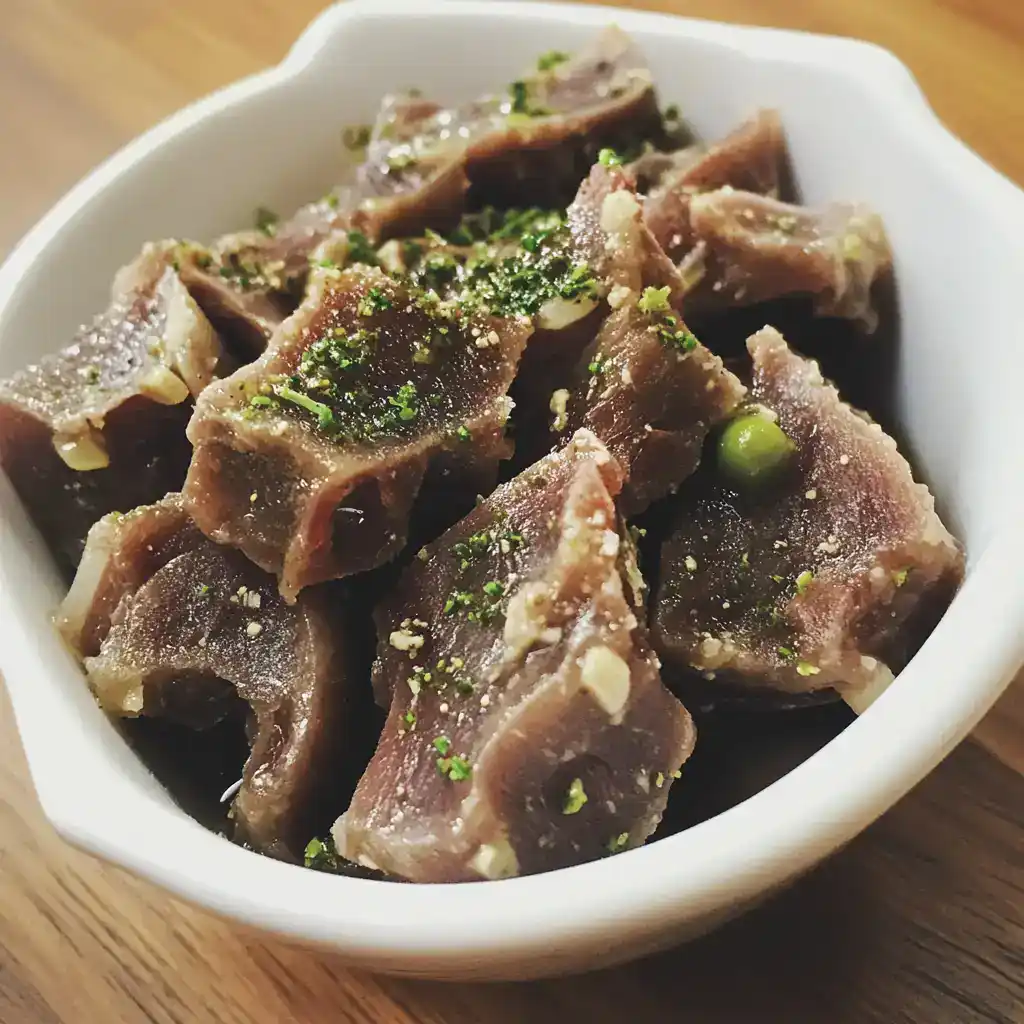
- 8 oz lamb tongue, thoroughly cooked and diced (nutrient-dense superfood for dogs)
- 1/2 cup low-sodium beef or chicken broth (never use regular broth—too much salt)
- 1/4 cup plain Greek yogurt (packed with probiotics for gut health)
- 1/4 cup peas, cooked and mashed (completely safe for dogs and full of vitamins)
Instructions
- Start with thoroughly cooked, cooled lamb tongue—this step is crucial for safety and texture, so don’t rush it.
- Dice the lamb tongue into blender-friendly chunks and add to your blender with the low-sodium broth first (helps everything blend smoothly).
- Add the plain Greek yogurt gradually while blending—too much at once makes it too thick and chunky.
- Drop in those cooked, mashed peas and blend until completely smooth and creamy, about 2-3 minutes.
- Pour the mixture into ice cube trays or silicone molds—silicone makes removal so much easier, trust me on this one.
- Freeze for at least 4 hours or until completely solid—patience is key for the perfect frozen texture.
- Pop out the treats and watch your pup go absolutely crazy with excitement (if they can wait for you to serve them).
Notes:
- Always ensure lamb tongue is thoroughly cooked before using—food safety comes first
- These can get messy as they melt, so serve outside or on a towel
- Start with smaller portions if your dog hasn’t had organ meat before
- The texture should be smooth and creamy when blended properly
Storage Tips:
- Keep frozen in airtight containers for up to 2 months
- Portion into weekly bags for easy access
- Don’t leave out to thaw—serve frozen for best texture and safety
- Label containers with the date so you know when to use them up
What Makes This Recipe Special:
These frozen treats provide complete nutrition with organ meat protein for muscle health, probiotics for digestive support, and natural vitamins from peas. Lamb tongue is incredibly nutrient-dense, offering iron, zinc, and B-vitamins that many commercial treats lack. The frozen format makes them perfect for hot weather while keeping dogs mentally stimulated as they work to enjoy their treat.
Mix It Up (Dog-Safe Variations):
Joint Support Version: Add a pinch of turmeric for natural anti-inflammatory benefits (great for active or senior dogs)
Sweet Potato Swap: Replace peas with cooked, mashed sweet potato for dogs who need extra fiber and beta-carotene
Extra Protein Boost: Add a tablespoon of cooked, unseasoned ground turkey for even more muscle-building protein
Sensitive Stomach Version: Reduce lamb tongue by half and increase Greek yogurt for dogs with delicate digestive systems




