
Here’s My Story With This Recipe
Ever wonder why your dog gets more excited about homemade treats than expensive store-bought ones? I used to panic every time my 8-year-old Golden Retriever Amber seemed dehydrated or had an upset stomach until I discovered these frozen chicken broth cubes that make him think every day is soup and popsicle day combined. Now Amber literally starts his signature “soup dance” when he sees me pulling out the ice cube trays, and my vet was thrilled to see how these hydrating, nutrient-packed cubes helped settle his sensitive stomach while keeping him cool during our brutal summer heat waves. Here’s the thing—these genius cubes combine all the hydrating benefits of quality broth with wholesome vegetables in the perfect frozen format that provides cooling relief and nutritional support simultaneously. Plus, I love knowing exactly what’s going into his belly (real broth and fresh vegetables, not artificial flavors or mystery ingredients).
Here’s the Magic About This Dog Recipe
The secret to driving dogs wild is that irresistible chicken broth flavor concentrated into perfect frozen cubes that deliver maximum taste satisfaction while providing essential hydration and cooling relief. What makes this irresistible to pups is honestly how the savory broth combines with tender vegetables to create this satisfying frozen experience that’s like getting a complete meal in popsicle form. Here’s the magic—low-sodium chicken broth provides gentle hydration that’s perfect for sensitive stomachs, while the vegetables add fiber, vitamins, and natural sweetness that makes these cubes incredibly appealing. It’s honestly safer and more beneficial than any commercial frozen treat I’ve ever found, with no weird stabilizers or artificial chicken flavoring.
The Lineup – Let’s Talk Dog-Safe Ingredients (Safety First!)
Low-sodium chicken broth (8 cups) is absolutely crucial—I finally learned to read labels carefully after discovering that regular chicken broth has way too much salt for dogs and can cause serious health problems. Don’t skip checking the sodium content because low-sodium broth is completely safe and incredibly beneficial for dogs, while high-sodium versions can stress their kidneys (learned this after my vet explained how much sodium is dangerous for Amber’s health).
Diced carrots (1 cup) work beautifully for adding natural sweetness and satisfying texture while providing beta-carotene that supports eye health and immune function. I always dice them into small, uniform pieces so they cook evenly and are easy for dogs to handle when frozen, and fresh carrots are completely safe and nutritious (way more beneficial than I expected for hydrating treats).
Diced sweet potatoes (1 cup) bring gorgeous orange color and natural sweetness while delivering fiber and vitamins that support digestive health and overall wellness. I prefer cutting them slightly smaller than the carrots since sweet potatoes can be harder when frozen, and they’re completely safe for dogs while providing incredible nutritional benefits.
Green peas (1/2 cup) add beautiful color contrast and natural protein while providing essential nutrients that support overall health. I always use fresh or frozen peas because they maintain better texture and nutritional value than canned versions, and they’re completely safe for dogs while adding natural sweetness that balances the savory broth perfectly.
Check out this helpful guide to hydrating foods for dogs for more cooling and hydrating treat ideas.
Here’s How We Create This Dog-Approved Magic
Here’s where the magic happens, and trust me, your dog will start drooling just from the incredible chicken broth aroma filling your kitchen. In a large pot, bring that gorgeous low-sodium chicken broth to a rolling boil—this is going to smell absolutely incredible and create the perfect base for the most hydrating frozen treats your dog has ever experienced.
Add the diced carrots, sweet potatoes, and green peas to the boiling broth, stirring gently to ensure even distribution. Now for the satisfying part (Amber will start doing his excited tippy-taps from the amazing vegetable soup smell)—reduce the heat and let everything simmer for about 20 minutes until the vegetables are tender and have absorbed some of that incredible broth flavor.
Here’s my secret for perfect frozen cubes—make sure the vegetables are completely tender because they’ll be harder to chew when frozen, and you want every cube to be easily enjoyable for dogs of all ages. The mixture should smell like the most delicious homemade soup and have vegetables that are fork-tender.
Let the mixture cool completely before pouring into ice cube trays—this is crucial because hot liquid can crack your trays and won’t freeze properly. Don’t be me—I used to try to speed this up and end up with warped trays and unevenly frozen cubes.
Pour the cooled mixture into ice cube trays, making sure each compartment gets a good mix of broth and vegetables—I use a ladle to ensure even distribution and usually get about 2-3 pieces of vegetables per cube. Every Golden Retriever deserves perfectly balanced frozen treats that provide both nutrition and satisfaction.
Freeze until completely solid, which usually takes 4-6 hours depending on your freezer temperature—patience creates the perfect texture that’s solid enough to handle but not so hard that dogs can’t enjoy them safely.
Here’s where convenience meets nutrition—pop the frozen cubes out of the trays and store them in freezer-safe bags with dates labeled. Amber has learned that the sound of cubes being transferred means frozen soup treats are ready, and he does his hopeful whimpering by the freezer door. Check out our bone broth ice pops for another hydrating frozen option your pup will love.
If This Happens, Don’t Panic
Cubes came out too soft or won’t hold their shape? You probably needed longer freezing time or your freezer temperature might be too warm, and that’s totally common with vegetable-heavy mixtures. When this happens (and it will), just give them extra freezing time or check that your freezer is properly maintaining temperature.
Vegetables seem too hard when frozen for your dog to enjoy comfortably? I’ve learned to cook them a bit longer next time until they’re really tender, since different vegetable sizes cook at different rates. Don’t stress if your first batch needs adjustments—frozen treats are more forgiving than you think.
If your dog seems uninterested like Amber did with my first attempt that had too many vegetables, try using more broth and fewer vegetables until you find the perfect ratio for your pup’s preferences. I always double-check that my broth smells appealing and isn’t too salty, because dogs can definitely tell the difference between quality broth and artificial versions.
When I’m Feeling Creative
When Amber needs extra digestive support during his sensitive stomach days, I’ll add a few pieces of cooked plain chicken to some of the cubes for extra protein and comfort food appeal. For special hot weather days, I’ll make them in larger molds so he has longer-lasting cooling relief during our most brutal summer afternoons.
My senior dog version includes smaller pieces of softer vegetables like well-cooked spinach or zucchini that are easier for older dogs to handle when frozen, though that’s totally optional since most senior dogs do fine with the regular recipe. Sometimes I add a tiny bit of plain, cooked rice for extra comfort and digestive support, but only when he’s been extra good during his medication routines.
The Secret Behind This Dog-Approved Recipe
The technique behind these frozen chicken broth cubes is all about combining hydration with nutrition while providing cooling relief—low-sodium chicken broth delivers gentle hydration that’s perfect for sensitive stomachs and hot weather, while the vegetables add fiber, vitamins, and natural flavors that make hydration enjoyable rather than medicinal. What sets this apart from commercial frozen treats is the use of real broth and whole vegetables instead of artificial flavors and fillers.
This approach works so much better than store-bought frozen treats because there are no artificial preservatives, colors, or stabilizers that sometimes cause digestive upset in sensitive dogs. My vet loves that these cubes actually contribute to Amber’s daily hydration and vegetable intake while providing natural cooling relief, and the individual serving size makes it easy to monitor intake and prevent overindulgence.
Things People Ask Me About Dog Treats
Can puppies eat these broth cubes?
Absolutely, just give them smaller portions and watch for any digestive changes since puppies have more sensitive systems than my 8-year-old Amber—the gentle hydration is actually great for growing dogs, especially during hot weather.
How long do these frozen cubes stay good?
Most homemade frozen broth cubes last about 3-4 months in the freezer when stored properly in airtight bags, though Amber’s batch never lasts more than a few weeks because he loves them so much during hot weather.
What if my dog doesn’t like vegetables?
You can make them with just low-sodium broth initially, then gradually add small amounts of vegetables as your dog gets used to the texture—most dogs love the broth flavor so much they don’t even notice the healthy additions.
Can I make these cubes ahead of time for summer?
These are perfect make-ahead treats since they need freezing time anyway and actually get more flavorful after the vegetables have time to infuse the broth. I usually make a huge batch when I know we have hot weather coming.
How many frozen cubes can I give my dog per day?
I stick to 2-4 cubes per day for Amber depending on their size and the weather, since they do provide calories from the vegetables—treats should only be about 10% of your dog’s daily calories, even hydrating ones.
What’s the best way to store these frozen treats?
Pop them out of trays and store in labeled freezer bags with dates. Don’t let them thaw and refreeze repeatedly—this affects texture and can impact food safety.
Are these cubes safe for senior dogs?
These frozen chicken broth cubes are actually perfect for senior dogs like Amber since the gentle hydration supports aging kidneys and the soft vegetables are easy on older teeth while still providing satisfying chewing.
Before You Head to the Kitchen
I couldn’t resist sharing this frozen chicken broth cube recipe because watching Amber’s pure joy when he gets his cooling soup popsicles reminds me that the best dog treat days are when hydration and nutrition come together in a format that makes hot weather bearable. The best dog treat days are when cooling relief tastes so good that your pup thinks they’re getting dessert while you know they’re getting essential hydration and vegetables with every refreshing, satisfying lick and chew.
Print
Frozen Chicken Broth Cubes
Description
Hydrating frozen treats that combine savory chicken broth with nutritious vegetables—your pup will think you discovered the secret to making soup into the perfect popsicle!
Prep Time: 15 minutes | Cook Time: 20 minutes | Freeze Time: 4-6 hours | Total Time: 5+ hours | Makes: 24-30 cubes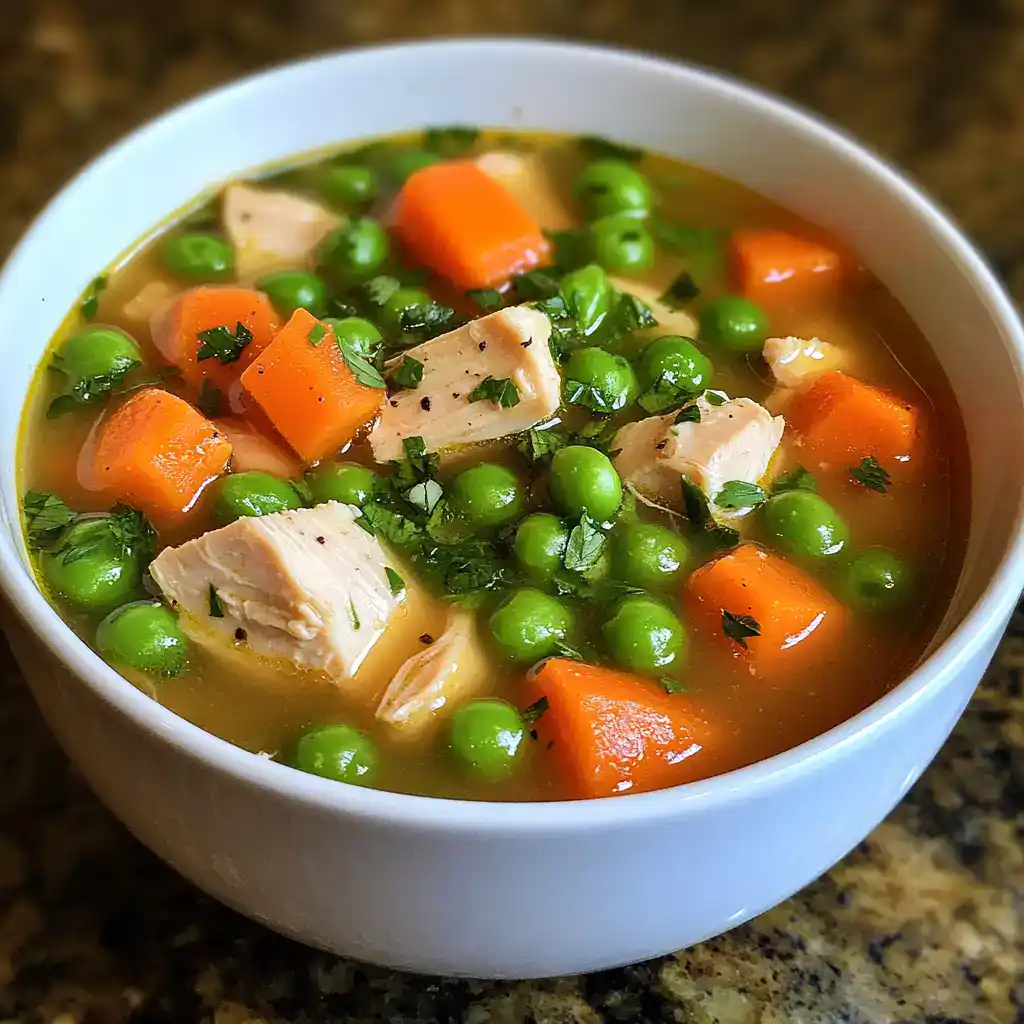
Ingredients
- 8 cups low-sodium chicken broth (check labels carefully for sodium content)
- 1 cup diced carrots (cut into small, uniform pieces for even cooking)
- 1 cup diced sweet potatoes (slightly smaller than carrots since they’re harder when frozen)
- 1/2 cup green peas (fresh or frozen work best for texture)
Instructions
- Start the magic: In a large pot, bring the low-sodium chicken broth to a rolling boil—your kitchen will smell absolutely incredible and your dog will start gathering hopefully from the amazing aroma.
- Add the goodness: Add diced carrots, sweet potatoes, and green peas to the boiling broth, stirring gently to ensure even distribution throughout the liquid.
- Simmer to perfection: Reduce heat and simmer for 20 minutes until all vegetables are fork-tender—they need to be really soft since they’ll be harder when frozen.
- Cool with patience: Let the mixture cool completely before proceeding—hot liquid can crack ice cube trays and won’t freeze properly, so patience creates the best results.
- Fill with care: Pour the cooled mixture into ice cube trays using a ladle to ensure each compartment gets a good mix of broth and vegetables—aim for 2-3 vegetable pieces per cube.
- Freeze until solid: Place in freezer for 4-6 hours until completely solid—good things come to dogs who wait for properly frozen treats.
- Store for convenience: Pop out frozen cubes and store in labeled freezer bags for easy access to cooling relief whenever your pup needs it!
Notes:
- Always use low-sodium broth—Amber’s kidney health depends on proper sodium levels
- Cook vegetables until very tender since they’ll be harder when frozen
- Don’t rush the cooling process or you’ll end up with cracked trays and uneven freezing
Storage Tips:
- Store in airtight freezer bags for up to 4 months for maximum freshness
- Label with dates and contents for easy identification
- Don’t let them thaw and refreeze repeatedly—this affects texture and food safety
What Makes This Recipe Special: These frozen chicken broth cubes provide gentle hydration for sensitive stomachs, essential nutrients from whole vegetables, and natural cooling relief for hot weather. The individual serving format makes it easy to monitor intake while the savory-sweet combination creates maximum appeal—it’s like giving your dog a nutritious soup that doubles as the perfect cooling treat for any weather.
Mix It Up (Dog-Safe Variations):
Bone Broth Boost: Substitute bone broth for chicken broth when you want extra joint-supporting nutrients for active or senior dogs
Turkey Harvest: Use low-sodium turkey broth and add small pieces of cooked turkey for extra protein and fall flavor
Senior Dog Softer Version: Add well-cooked spinach or zucchini instead of harder vegetables for easier handling by older pups like my 8-year-old Amber




