
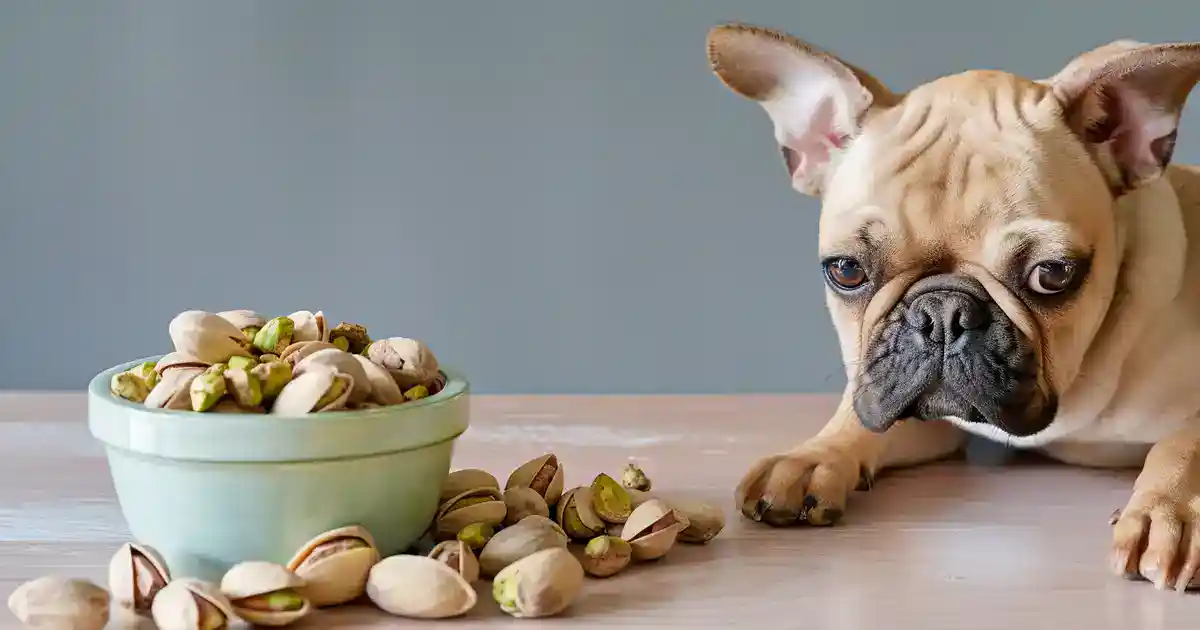
Can Dogs Eat Pistachios? Here’s What I Wish I’d Known Before the Emergency
Have you ever been snacking on pistachios and wondered if you could share a few with your dog who’s giving you those irresistible begging eyes? I’ll be honest—I used to think nuts were basically harmless until a scary incident with my chocolate lab Duke taught me that pistachios can actually pose serious health risks for dogs. Now my friends constantly ask me about nut safety for pets, and my family (who used to casually drop snacks for our dogs) finally understands why I’m so careful about what nuts are accessible around our furry friends. Trust me, if you’re wondering whether dogs can eat pistachios safely, this guide will give you all the facts you need to protect your pet while understanding exactly why these popular nuts should stay off their menu.
Here’s the Thing About Dogs and Pistachios
Here’s the magic behind understanding pistachio safety—while they’re not technically toxic like some other foods, pistachios pose multiple serious risks including choking hazards, digestive blockage, and high fat content that can trigger pancreatitis in dogs. What makes this topic so critical is that dogs can’t properly digest nuts the way humans can, and pistachios are particularly problematic due to their size, shell fragments, and concentrated fat content. I never knew that something as innocent as a pistachio could cause such serious problems until my vet explained the digestive physiology differences between humans and dogs when processing high-fat foods. This knowledge is honestly life-changing for any dog owner because it helps you understand why certain “healthy human foods” can be dangerous for pets. No complicated rules needed—just understanding why pistachios should be completely avoided makes all the difference in keeping your dog safe and healthy.
What You Need to Know – Let’s Break It Down
Understanding pistachio risks is absolutely crucial for every dog owner, and I finally figured out the key dangers after consulting with veterinary nutritionists about emergency cases. The primary concerns include choking hazards from shells and whole nuts, potential intestinal blockage from shell fragments, and pancreatitis risk from the high fat content—about 13 grams of fat per ounce (took me forever to realize this was enough to trigger serious digestive problems in sensitive dogs). Additionally, salted pistachios pose sodium toxicity risks, while flavored varieties often contain garlic, onion powder, or other ingredients that are toxic to dogs.
Don’t skip learning about pancreatitis symptoms because this condition works dangerously and requires immediate veterinary attention. Even shelled pistachios cause problems due to their concentrated fat content and difficult-to-digest proteins. I always recommend complete avoidance because everyone sees better results when they eliminate questionable foods entirely rather than trying to manage portions.
Yes, there are much safer nut alternatives for dogs, and here’s why—treats like small pieces of plain, unsalted peanuts (in tiny amounts) or specially formulated dog treats provide satisfaction without the serious health risks. If you’re just starting out with safe dog treats, check out my complete guide to dog-safe snacks for foundational knowledge about which foods provide benefits without dangerous complications.
The Science and Psychology Behind Why This Matters
Research shows that dogs process fats very differently from humans, making them much more susceptible to pancreatitis from high-fat foods like pistachios. Studies confirm that even small amounts of concentrated fats can trigger inflammatory responses in the pancreas that range from uncomfortable to life-threatening. What traditional “everything in moderation” advice often misses is that dogs’ digestive systems simply aren’t designed to handle certain foods that humans eat regularly.
Experts agree that prevention is the only safe strategy when it comes to foods that can trigger pancreatitis or intestinal blockage. The psychology behind this is important—dogs don’t understand “just a little bit” when it comes to foods they find appealing, and their natural tendency to gulp food quickly makes choking and blockage risks even more serious.
Research from veterinary emergency clinics demonstrates that nut-related emergencies often involve multiple complications—choking, blockage, and pancreatitis can all occur simultaneously, making treatment more complex and expensive than single-issue poisoning cases.
Here’s How to Actually Keep Your Dog Safe Around Pistachios
Start by establishing a strict “no pistachios ever” policy in your household and educating anyone who interacts with your dog. Here’s where I used to mess up: I thought removing the shells was enough protection, but even shelled pistachios contain too much fat for safe dog consumption.
Don’t be me—I used to think that “just one or two” wouldn’t hurt Duke, but dogs’ sensitivity to high-fat foods means that even small amounts can trigger problems in susceptible pets. Now for the important part: create pistachio-free zones during snacking by keeping all nuts in sealed containers and cleaning up dropped pieces immediately.
Here’s my secret for managing nut cravings around dogs—always have approved dog treats ready as alternatives when you’re snacking on nuts yourself. When it clicks, you’ll know you’ve created a routine that keeps everyone satisfied and safe.
This step takes just a minute but creates lasting protection: teach everyone in your household to recognize early signs of pancreatitis and intestinal distress. Results can vary, but most families see immediate improvement in pet safety once everyone understands the risks and alternatives.
My emergency vet taught me this trick—keep your vet’s after-hours number easily accessible during holidays and parties when nuts are more commonly served, because these are peak times for nut-related emergencies. Every dog has its own sensitivity level, but quick recognition of symptoms can prevent minor problems from becoming major emergencies.
Don’t worry if you’re just starting out with comprehensive pet safety. This creates lasting habits you’ll actually stick with once you understand that prevention is just like removing other choking hazards but with potentially more serious digestive consequences if missed.
Common Mistakes (And How I Made Them All)
Let me tell you about my biggest pistachio mistake with Duke. I used to give him one or two shelled pistachios occasionally because I thought the small amount couldn’t possibly hurt such a big dog. Wrong! Even those small amounts contributed to a mild pancreatitis episode that required veterinary treatment and several days of bland diet recovery.
Don’t make my mistake of assuming that removing shells makes pistachios safe for dogs. The high fat content remains dangerous regardless of shell removal, and even tiny shell fragments can cause intestinal irritation or blockage.
The biggest mindset mistake I made was applying human nutrition logic to dogs. Just because pistachios are healthy for humans doesn’t mean they’re appropriate for dogs—their digestive systems process fats and proteins completely differently. Dogs can eat many safe treats, but pistachios simply aren’t worth the risk when so many better alternatives exist.
When Things Don’t Go as Planned
Feeling overwhelmed by all the foods you need to keep away from your dog? That’s normal, and it happens to everyone who realizes how many common human foods can actually be problematic for pets. You probably need a simple emergency plan that focuses on quick symptom recognition rather than trying to prevent every possible exposure.
I’ve learned to handle suspected pistachio ingestion by immediately assessing the quantity consumed and calling my vet for guidance, even if Duke seems fine initially. When this happens (and hopefully it won’t), pancreatitis symptoms can take 12-48 hours to develop, so early professional consultation is crucial.
Don’t stress about becoming a perfect pet safety expert overnight, just focus on recognizing key warning signs like vomiting, diarrhea, lethargy, or abdominal pain. This is totally manageable when you have professional support and know what to watch for. I always prepare for potential digestive emergencies because quick intervention often determines whether the outcome is a manageable upset stomach or a serious medical crisis.
If you’re losing vigilance about food safety, try thinking of it as an investment in avoiding expensive emergency vet bills and keeping your beloved companion comfortable and healthy. When dogs eat inappropriate high-fat foods like pistachios, the difference between immediate recognition and delayed treatment often determines the severity and cost of necessary medical intervention.
Advanced Strategies for Next-Level Prevention
Taking nut safety to the next level means understanding fat content across different foods, recognizing cumulative risk factors, and creating comprehensive household management systems. Advanced pet owners often implement specialized feeding protocols and emergency preparedness that go beyond just avoiding pistachios.
Here’s what separates beginners from expert pet parents: they understand that pistachio avoidance is part of broader pancreatitis prevention that includes managing all high-fat treats, table scraps, and holiday foods that pose similar risks. Advanced practitioners recognize that some dogs are genetically predisposed to pancreatitis and require even stricter dietary management.
I’ve discovered that creating designated eating areas, educating houseguests about pet food restrictions, and maintaining detailed emergency contact information makes the biggest difference. For next-level results, consider working with a veterinary nutritionist to understand your specific dog’s risk factors and develop comprehensive dietary guidelines that prevent not just pistachio problems but all high-fat food complications.
Ways to Make This Your Own
When I want to give Duke special treats during nut season, I use “Pistachio Season Alternatives” like small pieces of plain cooked chicken or freeze-dried liver that provide similar satisfying crunch without any health risks. For special occasions, I’ll make “Safe Crunchy Treats” using dog-safe ingredients that satisfy his desire for textured snacks.
This makes treat time more thoughtful but definitely worth it because Duke gets interesting textures and flavors without any digestive risks. My busy-season version focuses on commercial treats that are pre-approved and require no ingredient analysis—things like small training treats or dental chews that I can grab quickly during entertaining.
Sometimes I add a tiny bit of low-sodium broth to safe crunchy vegetables like carrots, though that’s totally optional. For next-level safety, I love creating “Advanced Texture Treats” using combinations of dog-safe ingredients that provide complexity and satisfaction without any high-fat or choking risks.
Each variation works beautifully with different lifestyle needs—busy professionals can rely on pre-approved commercial alternatives, while families who entertain frequently can create designated dog-safe snack stations that eliminate the temptation to share inappropriate human foods.
Why This Safety-First Approach Actually Works
Unlike casual “probably fine in small amounts” approaches to pet nutrition, this comprehensive avoidance strategy leverages proven veterinary science to eliminate preventable health complications entirely. What makes this different from other treat safety topics is that pancreatitis can be both expensive to treat and potentially life-threatening, with no safe middle ground for high-fat foods like pistachios.
Evidence-based pet care shows that absolute prevention works far better than portion management when dealing with foods that can trigger serious medical conditions. The practical benefits become obvious once you realize that avoiding all questionable high-fat treats eliminates the guesswork about “safe amounts” while keeping your dog completely protected. This sustainable approach means you never have to worry about accidentally triggering pancreatitis or wonder if you’re giving too much of a risky food.
Real Success Stories (And What They Teach Us)
One of my neighbors discovered her dog had gotten into a bag of pistachios during a party, and because she recognized the early signs of digestive distress and acted quickly, the vet was able to prevent serious complications with prompt treatment and dietary management.
Another success story involves a family that completely transformed their approach to pet safety after a close call with mixed nuts during the holidays. They now maintain a “dog-safe household” policy where all high-fat snacks are secured, and they’ve never had another food-related emergency despite having multiple pets and frequent entertaining.
Their success aligns with research on pet safety that shows consistent patterns—when families implement comprehensive prevention strategies rather than trying to manage risks with portion control, they eliminate preventable emergencies and create genuinely safe environments for their pets throughout different seasons and social situations.
Tools and Resources That Actually Help
My essential toolkit includes airtight containers for storing all nuts safely out of reach, because even the most well-trained dogs can be tempted by accessible snacks. I also keep the Pet Poison Helpline number (855-764-7661) programmed into my phone, since fat-related digestive emergencies often require professional guidance about treatment timing.
A kitchen scale helps me understand fat content in different foods when I’m evaluating new treats, and I honestly use this more than I expected when trying to understand why certain foods are problematic for dogs. For emergency situations, I keep a list of pancreatitis symptoms posted where family members can reference it quickly.
The best resources come from authoritative veterinary organizations and proven emergency protocols that provide evidence-based information about high-fat food risks rather than generic internet advice that might not account for individual dog sensitivities or breed-specific predispositions.
Questions People Always Ask Me
Can dogs eat pistachios without shells?
No, even shelled pistachios contain too much fat and can trigger pancreatitis in dogs. Most people need to understand that the shell isn’t the only problem—the high fat content makes pistachios inappropriate for dogs regardless of preparation.
What should I do if my dog ate pistachios?
Contact your veterinarian and monitor for symptoms like vomiting, diarrhea, lethargy, or abdominal pain. I usually recommend calling for guidance even if the dog seems fine, since pancreatitis symptoms can take 12-48 hours to appear.
How many pistachios are dangerous for dogs?
Any amount can potentially cause problems—there’s no “safe” quantity because individual dogs have different sensitivities to high-fat foods. Just focus on complete avoidance rather than trying to determine safe amounts.
What are the signs of pistachio poisoning in dogs?
Watch for vomiting, diarrhea, loss of appetite, lethargy, abdominal pain, or difficulty defecating. The most important thing to focus on first is getting professional evaluation, since pancreatitis requires specific treatment approaches.
Are unsalted pistachios safer for dogs?
No, the high fat content remains problematic regardless of salt content. How do I stay motivated to keep pistachios away when my dog loves them? Remember that preventing one episode of pancreatitis can save thousands in veterinary bills and spare your dog significant discomfort.
What mistakes should I avoid if my dog gets into pistachios?
Don’t wait to see if symptoms develop, don’t assume small amounts are harmless, and don’t try to induce vomiting without veterinary guidance since this can sometimes worsen the situation.
Can I give my dog other nuts instead of pistachios?
Most nuts are problematic for dogs due to high fat content—stick to dog-specific treats or small amounts of plain, unsalted peanuts (if your dog tolerates them) rather than experimenting with different nut varieties.
What if my dog has eaten pistachios before without problems?
Previous tolerance doesn’t guarantee future safety—pancreatitis can develop over time with repeated high-fat food exposure, and individual sensitivity can change with age or health status.
What’s the difference between this and just giving small portions?
Unlike foods where portion control works, pistachios contain concentrated fats that can trigger pancreatitis even in small amounts, making complete avoidance the only reliable safety strategy.
How much does pancreatitis treatment typically cost?
Treatment can range from $1,000-5,000 depending on severity and required hospitalization, including IV fluids, pain management, and specialized dietary support during recovery.
Are there safe alternatives that taste similar to pistachios?
Focus on dog-specific treats with interesting textures rather than trying to replicate nut flavors—dogs care more about crunch and satisfaction than specific tastes that might require risky ingredients.
How do I know if my dog is predisposed to pancreatitis?
Some breeds (like cocker spaniels and miniature schnauzers) have higher risk, and dogs with previous digestive issues or weight problems may be more susceptible—discuss individual risk factors with your veterinarian.
Before You Get Started
Ready to create a pistachio-safe environment that protects your furry friend from preventable health complications? I couldn’t resist sharing this because it proves that simple awareness about high-fat food risks can prevent expensive, painful medical emergencies. The best pistachio safety happens when you combine complete avoidance with understanding why these nuts are particularly problematic for dogs.
Start with a simple first step: secure all pistachios in dog-proof containers and commit to offering safe alternatives when you’re enjoying nuts yourself. Your dog’s digestive health is worth making these small adjustments to your snacking habits.




