
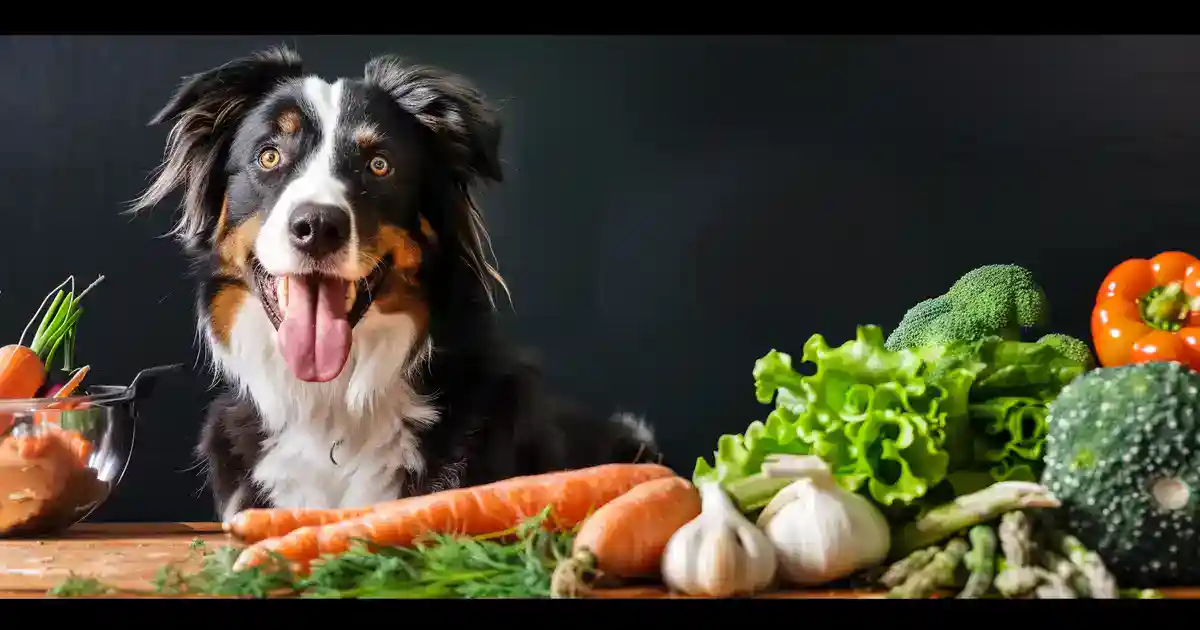
Have you ever stood in your kitchen chopping vegetables and wondered whether tossing a piece to your dog hovering hopefully at your feet was actually doing them any good — or whether you were just indulging a begging habit with something that looked healthy on the surface? I used to operate on a fuzzy mental rule that vegetables were probably fine for dogs because they were natural and plant-based, until I started actually researching which ones were genuinely beneficial, which ones were neutral, and which ones — onions, I’m looking at you — were outright dangerous despite being vegetables. Once I built a confident, well-researched list of safe vegetables dogs can eat and started incorporating them intentionally into my dog’s diet, the difference in his coat condition, digestion, and energy levels was genuinely remarkable. If you’ve been guessing, avoiding the question entirely, or just tossing random produce scraps and hoping for the best, this guide is going to give you a clear, specific, practical list you can actually use starting today.
Here’s the Thing About Safe Vegetables for Dogs
Here’s the magic that most dog owners miss entirely — vegetables aren’t just safe filler for a dog’s diet when chosen correctly, they’re genuinely functional foods that deliver real nutritional benefits dogs can’t always get from protein-focused commercial kibble alone. The secret to success is understanding that dogs, as omnivores, have the digestive machinery to extract meaningful nutrition from plant matter when it’s prepared correctly and offered in appropriate amounts. What makes this work is matching the right vegetable to the right preparation method for your dog’s size, digestive sensitivity, and health profile — because a raw carrot that’s perfect for a large breed could be a choking hazard for a toy breed, and a vegetable that’s brilliant for a healthy adult dog might need to be limited for a dog managing kidney disease. I never knew that something as humble as a plain steamed green bean could serve as both a satisfying low-calorie treat and a meaningful source of vitamins C and K until I started digging into the actual nutritional profiles of dog-safe produce. It’s honestly more nutritionally interesting than I ever expected. According to research on canine nutrition, plant-derived micronutrients including antioxidants, flavonoids, and dietary fiber contribute meaningfully to immune function, digestive health, and chronic disease prevention in dogs when incorporated as part of a balanced diet.
What You Need to Know — Let’s Break It Down
Understanding the foundational rules of feeding vegetables to dogs is absolutely crucial before you start loading up your dog’s bowl with produce, because the details of preparation and portion size matter as much as the choice of vegetable itself. Don’t skip this section thinking the list alone is sufficient — I made that mistake and gave my dog raw broccoli in far too large a quantity the first time I tried it, resulting in an evening of impressive and deeply unpleasant gas that neither of us enjoyed. The framework for feeding vegetables to dogs safely rests on four principles that apply across every item on this list. The first principle is preparation method, and I finally figured out after months of trial and error that lightly steaming most vegetables dramatically improves digestibility for dogs (game-changer, seriously) by breaking down cell walls that dogs lack the specific enzymes to efficiently process raw. The second principle is portion control — vegetables should make up no more than ten percent of your dog’s total daily caloric intake, used as treats or food toppers rather than meal replacements. The third principle is individual monitoring, because every dog responds differently to new foods and introducing one vegetable at a time allows you to identify any digestive sensitivities before they become a problem. The fourth principle is absolute avoidance of seasoning — every vegetable on this list should be served plain, with no salt, butter, oil, garlic, or onion in any form. If you’re building a comprehensive approach to homemade or supplemented dog nutrition, check out my complete guide to fresh food additions for dogs for a broader framework that puts these vegetables in context. Working in healthy vegetables for dogs alongside a balanced commercial or homemade diet creates a nutritional synergy that commercial food alone often cannot provide.
The Science and Psychology Behind Why This Works
The nutritional case for incorporating dog-safe vegetables into a dog’s diet is rooted in the gap between what commercial pet food provides and what a dog’s biological systems can optimally utilize. Most dry kibble is processed at high temperatures that degrade heat-sensitive vitamins and destroy beneficial plant compounds, meaning dogs fed exclusively commercial food often receive adequate macronutrients but suboptimal levels of certain antioxidants, phytonutrients, and fiber types. Whole vegetables, even in small supplemental amounts, deliver these compounds in their biologically active forms — vitamin C from broccoli, beta-carotene from carrots, lutein from leafy greens — in ways that processed food cannot replicate. The fiber content in many dog-safe vegetables also plays a specific and important role in feeding the beneficial bacterial populations of the canine gut microbiome, supporting the microbial diversity that underlies immune function, mental health, and digestive regularity. Research from leading veterinary nutrition programs demonstrates that dogs supplemented with whole food plant matter show measurable improvements in antioxidant status and inflammatory markers compared to controls on identical commercial diets, suggesting that even modest vegetable additions produce real physiological benefit. The psychological dimension is worth noting too — the act of preparing and offering fresh food to your dog strengthens the bond between you in a way that pouring kibble from a bag simply doesn’t, and that relationship enrichment has its own measurable effect on dog wellbeing.
Here’s How to Actually Make This Happen
Start by picking just one vegetable from this list to introduce this week rather than attempting to overhaul your dog’s entire treat routine at once — the single-vegetable introduction approach lets you monitor for any individual sensitivity and build both your confidence and your dog’s acceptance gradually. Here’s where I used to mess up: I would get enthusiastic about a new approach and introduce three or four new foods simultaneously, which meant I had no way of knowing which one caused the digestive upset that inevitably followed. Now for the important part — here is the practical framework that makes vegetable introduction genuinely sustainable. Prepare a small test portion of your chosen vegetable — roughly one to two tablespoons for a medium-sized dog — using the preparation method most appropriate for that specific vegetable as detailed in the list below. Offer it separately from your dog’s regular meal at first so you can observe their interest and any immediate reaction. Wait twenty-four hours and monitor for any changes in stool quality, energy, or appetite before considering it a successful introduction and adding it to regular rotation. Here’s my secret: I use a simple note on my phone to track which vegetables my dog has successfully tolerated, how he likes them prepared, and roughly how much I offer per serving — it takes thirty seconds to update and has saved me from repeating introduction mistakes multiple times. Results can vary significantly between individual dogs, and don’t worry if your dog initially refuses a vegetable they’ve never encountered before — offering it mixed into a food they already love or lightly warmed to enhance the aroma often converts a suspicious sniff into enthusiastic consumption within a few tries.
The 10 Safe Vegetables Dogs Can Eat
1. Carrots Carrots are arguably the single most universally recommended safe vegetable for dogs, and for good reason — they are crunchy, naturally sweet, low in calories, and deliver a genuinely impressive nutritional payload including beta-carotene, vitamin A, vitamin K, and potassium. The firm texture of a raw carrot also provides meaningful dental benefits by mechanically scrubbing plaque from teeth surfaces as your dog chews, making carrots one of the rare treats that actively supports oral health rather than compromising it. For large and medium breeds, whole raw baby carrots or large carrot sticks work beautifully as training treats or chew alternatives. For small breeds and puppies, cut carrots into thin coins or lightly steam them to reduce choking risk and improve digestibility. Frozen carrots are a brilliant teething remedy for puppies and a satisfying cool treat on hot days for dogs of any age.
2. Green Beans Plain green beans are one of the most underrated vegetables in the dog-safe produce category, consistently praised by veterinary nutritionists for their combination of low caloric density, high fiber content, and meaningful micronutrient profile including vitamins C, K, and A alongside manganese and silicon. For dogs who are managing their weight, the “green bean diet” — replacing a portion of calorie-dense kibble with plain green beans to maintain volume and satiety while reducing caloric intake — has genuine veterinary support as a short-term weight management strategy, though it should always be implemented with veterinary guidance rather than independently. Green beans can be served raw, steamed, or frozen depending on your dog’s preference, and they work equally well as a standalone treat, a food bowl topper, or an ingredient in homemade dog treats. The one non-negotiable here is plain preparation — canned green beans are acceptable only if they contain absolutely no added salt.
3. Broccoli Broccoli is genuinely one of the most nutritionally dense safe vegetables dogs can eat, delivering vitamin C, vitamin K, folate, and a class of compounds called isothiocyanates that have demonstrated anti-cancer properties in multiple research contexts. The caveat that every dog owner needs to understand before enthusiastically adding broccoli to their dog’s diet is the floret issue — broccoli florets contain isothiocyanates that, in large amounts, can cause significant gastrointestinal irritation in dogs, which is why broccoli should never exceed ten percent of your dog’s daily food intake and should ideally be offered as an occasional treat rather than a daily staple. Lightly steaming broccoli before offering it to dogs significantly reduces the gas-producing compounds that make raw broccoli the source of memorable digestive evenings. Broccoli stems, cut into appropriately sized pieces, are actually lower in the problematic compounds than the florets and tend to be better tolerated in regular rotation.
4. Cucumber Cucumbers are the perfect vegetable for dogs who need a low-calorie, hydrating treat that delivers a satisfying crunch without contributing meaningfully to caloric intake — a relevant consideration for the substantial number of companion dogs who are managing weight issues. Cucumbers are roughly ninety-six percent water by composition, which means they function simultaneously as a snack and a hydration supplement, particularly valuable during warm weather or for dogs who are reluctant drinkers. The nutritional profile includes vitamin K, vitamin C, magnesium, and potassium in modest but meaningful amounts. Cucumber should be served without the skin for dogs with sensitive stomachs, as the skin can be harder to digest, and seeds should be removed for small breeds. Cucumber spears, coins, or small cubes all work well depending on your dog’s size, and the mild flavor makes cucumbers one of the most universally accepted vegetables among even the pickiest dogs.
5. Sweet Potato Sweet potato occupies a special position on this list as perhaps the most nutritionally complete single vegetable a dog can consume — it delivers an exceptional concentration of beta-carotene, vitamin A, vitamin C, vitamin B6, potassium, and dietary fiber in a form that dogs find genuinely irresistible. The natural sweetness makes sweet potato one of the rare healthy foods that requires essentially zero persuasion to introduce, and its digestibility when cooked makes it an excellent choice for dogs with sensitive stomachs or those recovering from digestive upset. Sweet potato must always be served cooked — raw sweet potato is significantly harder to digest and can cause gastrointestinal distress — and should be prepared plainly without butter, salt, sugar, or the spices that typically accompany human sweet potato dishes. Baked, steamed, or boiled sweet potato can be served in chunks, mashed as a food topper, or dehydrated into chewy treats that store well and travel conveniently.
6. Peas Peas — including green peas, snow peas, and sugar snap peas — are a legitimately excellent source of plant-based protein, fiber, vitamins A, B, C, and K, and minerals including iron, zinc, and magnesium, making them one of the most nutritionally well-rounded vegetables on this list relative to their small size. Many commercial dog foods already include peas as an ingredient, which speaks to their established safety profile and nutritional value in canine diets. Fresh or frozen peas are preferable to canned peas, which often contain added sodium. Peas should not be offered to dogs with kidney disease because their purines can exacerbate kidney stress — this is one of the clearest examples of why individual health context matters when selecting vegetables for your dog. For healthy adult dogs, peas make excellent training treats due to their small size, appealing smell, and low caloric density.
7. Spinach Spinach earns its place on this list with a genuinely impressive nutritional resume — it is rich in vitamins A, B, C, and K, iron, antioxidants, and the eye-supporting compounds lutein and zeaxanthin — but it comes with an important caveat that elevates it to the occasional treat category rather than a daily staple. Spinach contains oxalic acid, a compound that in large amounts interferes with calcium absorption and can contribute to kidney stress over time. For healthy adult dogs offered spinach in sensible small portions on an occasional basis, this concern is largely theoretical — but dogs with existing kidney issues should avoid spinach entirely, and no dog should be eating it in large daily quantities regardless of health status. Small amounts of lightly steamed spinach mixed into food once or twice a week delivers genuine nutritional benefit without approaching the threshold where oxalic acid becomes a meaningful concern.
8. Zucchini Zucchini is an underappreciated gem in the dog-safe vegetable category — it is exceptionally low in calories, virtually fat-free, genuinely hydrating, and provides a useful complement of vitamins C and B6, potassium, and manganese without any of the caveats that complicate some of the other vegetables on this list. For dogs who need weight management without sacrificing treat frequency or volume, zucchini is arguably the single best vegetable to reach for because it delivers satisfying bulk and a pleasant mild flavor at almost zero caloric cost. Zucchini can be served raw or cooked, sliced into coins or cut into sticks depending on your dog’s size, and it is one of the few vegetables that both picky and enthusiastic eaters tend to accept readily. Summer gardens that produce zucchini in quantities that overwhelm the household are essentially producing an unlimited supply of free healthy dog treats, which is a framing that has personally helped me feel much better about the annual zucchini surplus situation.
9. Brussels Sprouts Brussels sprouts are one of the more polarizing vegetables on this list not because of any safety concern but because of their well-documented gas-producing properties, which are even more pronounced in dogs than in humans due to differences in gut bacterial composition. That said, the nutritional case for brussels sprouts is genuinely compelling — they are rich in vitamins K and C, folate, fiber, and a range of antioxidant compounds including kaempferol that have demonstrated anti-inflammatory properties in research settings. The practical approach to brussels sprouts for dogs is to offer them in very small amounts — one to three sprouts maximum depending on body size — on an infrequent basis, always steamed rather than raw to reduce the gas-producing sulforaphane concentration, and with realistic expectations about the digestive aftermath. For dogs without sensitive stomachs who tolerate them well, the nutritional benefits are real and worth the occasional aromatic inconvenience.
10. Celery Celery rounds out this list as one of the most refreshing, hydrating, and breath-freshening safe vegetables dogs can eat — a combination of qualities that makes it genuinely useful beyond pure nutrition. Celery contains vitamins A, C, and K alongside folate and potassium, and its high water content makes it another excellent hydration supplement particularly valued during warm seasons. The natural compounds in celery have been associated with freshening breath in dogs, which makes it a useful addition to the treat rotation for dogs whose oral hygiene could use additional support between brushings. Celery strings can be difficult for some dogs to chew and digest, so cutting celery into small pieces rather than offering long stalks reduces the risk of fibrous material causing digestive blockage. The satisfying crunch and mild flavor make celery broadly appealing even to dogs who reject stronger-flavored vegetables.
Common Mistakes (And How I Made Them All)
My most consistent mistake was massively overestimating appropriate portion sizes when I first started adding vegetables to my dog’s diet, operating on the logic that if small amounts were good, larger amounts would be proportionally better. The evening I discovered that this logic does not apply to broccoli or brussels sprouts remains vivid in my memory and in my dog’s presumably as well. I’ve also made the mistake of buying canned vegetables without reading the sodium content on the label, not realizing that even vegetables with no added salt written prominently on the front could contain significant sodium from natural liquid or processing. Another mistake I see constantly is people offering vegetables that have been prepared as part of a human dish — steamed broccoli that was finished with garlic butter, carrots that were roasted with onion, sweet potato that was mashed with salt and cream — without recognizing that the preparation completely negates the safety of the base vegetable. And my most embarrassing mistake was introducing five new vegetables in the same week when I first got excited about this topic, which made it completely impossible to determine which one caused the digestive disruption that followed and resulted in a frustrating two-week reset period.
When Things Don’t Go as Planned
Feeling concerned because your dog ate a new vegetable and now seems gassy, has loose stool, or is simply refusing to touch anything green regardless of how you prepare it? That’s completely normal, and it happens to essentially every dog owner who ventures into fresh food territory. I’ve learned to handle the digestive adjustment period by going back to the smallest possible portion size and the most digestible preparation method — lightly steamed, plain, offered in a quantity that seems almost insultingly small — before building back up again gradually. When a specific vegetable consistently causes digestive issues even in tiny amounts (and this does happen with individual dogs and specific vegetables), the right move is simply removing that vegetable from the rotation entirely and finding an alternative that provides similar nutritional benefits without the sensitivity response. If you’re losing enthusiasm because your dog is rejecting every vegetable you offer, try warming the vegetable slightly to enhance its aroma, mixing a tiny amount into something your dog already loves, or switching to a different item on this list with a stronger natural flavor that might be more appealing to your specific dog’s palate.
Advanced Strategies for Next-Level Results
Once you’ve successfully introduced several vegetables from this list and established a comfortable rotation, you can move into genuinely sophisticated nutritional strategy by thinking about vegetable selection in terms of targeted health support rather than just general supplementation. Advanced approaches in the functional canine nutrition community focus on using specific vegetables to address specific health goals — adding leafy greens rich in lutein and zeaxanthin for dogs showing early signs of vision changes, incorporating beta-carotene-rich orange vegetables for immune support during stressful periods like seasonal changes or travel, emphasizing high-fiber vegetables during periods of digestive irregularity to support microbiome balance. Batch cooking and freezing portioned vegetable additions once per week transforms daily fresh food supplementation from a time-consuming effort into a thirty-second scoop-and-serve routine that is genuinely sustainable long-term. The most advanced practitioners in the homemade and supplemented dog diet space work with a veterinary nutritionist to create a personalized vegetable rotation that complements their specific dog’s commercial food formula by filling the micronutrient gaps that formula leaves, which represents the gold standard of individualized nutritional support.
Ways to Make This Your Own
When I want faster results with a skeptical vegetable-refuser, my go-to approach is what I call the “Trojan Horse Technique” — blending a small amount of lightly steamed vegetable into a tablespoon of plain unsweetened pumpkin puree and mixing the whole thing into my dog’s regular food, where it disappears completely into the meal without giving him anything to visually reject. For the busy professional pet parent, Sunday batch cooking — roasting or steaming a week’s worth of safe vegetables in one session and portioning them into daily containers in the fridge — makes weekday fresh food addition a ten-second task rather than a daily cooking project. My budget-conscious version focuses on the seasonal produce aisle and whatever is cheapest that week from the safe list, rotating through whatever is abundant and affordable rather than maintaining a fixed weekly menu. For senior dogs who need extra digestive gentleness, my “Senior Veggie Protocol” uses exclusively cooked rather than raw vegetables, smaller portions than standard recommendations, and a slower introduction timeline of two weeks per new vegetable rather than one. My advanced version includes a rotating vegetable calendar that cycles through all ten items on this list over a ten-week period, ensuring nutritional variety without the monotony that can reduce a dog’s enthusiasm for any single item over time. Each variation works beautifully with different lifestyle needs, and the flexibility of this list means there is genuinely no household or schedule that cannot incorporate at least some of these vegetables in some form.
Why This Approach Actually Works
Unlike the vague advice to “add some vegetables to your dog’s diet” that leaves you without specifics, alternatives, or preparation guidance, this evidence-based list of safe vegetables dogs can eat gives you the precise information needed to make confident daily decisions that actually improve your dog’s nutritional profile rather than just feeling like they do. The reason this approach outperforms both exclusive commercial feeding and enthusiastic but uninformed fresh food addition is the combination of specificity and context — knowing not just which vegetables are safe but why they’re beneficial, how to prepare them correctly, and how much to offer transforms a well-intentioned impulse into a genuinely effective nutritional practice. What sets this apart from other vegetable guides is the honest inclusion of caveats and individual variation rather than presenting a simple universal list as though every dog responds identically to every food. I remember the moment this philosophy crystallized for me — I realized that feeding my dog well wasn’t about following a perfect protocol, it was about building enough knowledge to make good real-time decisions in my specific kitchen with my specific dog, and this list gave me exactly that foundation.
Real Success Stories (And What They Teach Us)
A close friend of mine had a middle-aged beagle who was significantly overweight and whose vet had recommended caloric reduction, but who was so food-motivated that reducing his meal size was creating genuine behavioral stress and persistent begging that was affecting the whole household. When she started replacing a portion of his kibble with plain green beans and raw carrot sticks — maintaining the volume and chewing satisfaction of his meals while dramatically reducing the caloric density — he lost the target weight over four months without a single incident of food-related behavioral distress. Her vet was genuinely impressed at the follow-up appointment. Another member of my online community shared that her rescue dog had a consistently dull, flaky coat despite being on a high-quality commercial food, and that adding a rotation of beta-carotene-rich vegetables including sweet potato, carrots, and small amounts of spinach produced visible coat improvement within six weeks that her groomer independently commented on without prompting. Their success aligns with research on whole food supplementation showing that bioavailable micronutrients from fresh plant sources produce measurable improvements in skin and coat health markers that synthetic supplement additions often fail to replicate. The common thread is consistency — small, regular additions of the right vegetables, maintained over weeks rather than days, produce the compound benefits that make the effort genuinely worthwhile.
Tools and Resources That Actually Help
The most practical tool I’ve added to my dog’s fresh food routine is a dedicated section of my weekly grocery list labeled “dog vegetables” that rotates through the items on this list systematically, ensuring variety without requiring any weekly decision-making about what to buy. A small food processor or grater makes it easy to add finely processed vegetables to food bowl meals for dogs who reject visible vegetable pieces — this preparation method is particularly effective for dogs who are suspicious of new textures in their food. For deeper reading on the nutritional science behind plant-based supplementation in canine diets and the specific research supporting individual vegetables, the best resources come from peer-reviewed veterinary nutrition research documenting the effects of whole food plant supplementation on health markers in companion dogs. A kitchen scale is genuinely useful for portioning vegetable additions accurately by weight, particularly during the introduction phase when you’re being careful about quantity. And as always, a veterinarian who knows your dog’s full health history — including any existing conditions like kidney disease or diabetes that affect which vegetables are appropriate for your specific dog — is the most important resource of all, because this list is a general guide and individual health context should always take precedence over general recommendations.
Questions People Always Ask Me
What is the single safest vegetable to start with for a dog who has never eaten fresh food? Carrots are almost universally recommended as the ideal starting vegetable for dogs new to fresh food — they are low-risk, low-calorie, naturally appealing in flavor and texture to most dogs, have no meaningful caveats for healthy adult dogs, and can be offered raw without any preparation beyond washing and cutting to appropriate size. If your dog is going to love any vegetable immediately without any persuasion, it is most likely to be a carrot.
How much vegetable is too much for a dog in a single day? The widely accepted guideline from veterinary nutritionists is that treats and food additions of all kinds, including vegetables, should not exceed ten percent of a dog’s total daily caloric intake. In practical terms, this means a few tablespoons of vegetable for a small dog and up to a half cup for a large breed, distributed throughout the day rather than offered all at once. Exceeding this threshold regularly can create nutritional imbalance over time even with perfectly safe vegetables.
Can dogs eat frozen vegetables straight from the freezer? Yes, and many dogs actually prefer frozen vegetables, particularly during warm weather when the cold temperature adds to the appeal. Plain frozen carrots and green beans make excellent teething toys for puppies and cooling treats for adult dogs. The freezing process does not meaningfully reduce the nutritional value of most vegetables and does not introduce any safety concerns as long as the frozen vegetables are plain with no added salt, sauce, or seasoning.
Are organic vegetables significantly safer for dogs than conventional produce? The toxicity concerns around the vegetables on this list are intrinsic to the vegetables themselves rather than related to pesticide residue, so organic versus conventional is not a primary safety distinction in the way it might be for the vegetables’ human consumers. That said, thoroughly washing all produce before offering it to your dog — conventional or organic — is a reasonable hygiene practice that removes surface residue regardless of growing method.
What vegetables should dogs absolutely never eat? The most important vegetables to keep away from dogs entirely are onions, garlic, leeks, chives, and shallots — all members of the allium family that cause red blood cell damage and can lead to hemolytic anemia even in relatively small amounts. Rhubarb is another vegetable that is toxic to dogs, as are raw potatoes and any part of the tomato plant other than fully ripe red tomato fruit in very small amounts. Corn on the cob, while not toxic in terms of the corn itself, poses a serious intestinal blockage risk from the cob and should never be offered to dogs.
Is this approach to vegetable feeding suitable for puppies? The general principles apply to puppies with some important modifications. Puppies have higher caloric requirements per pound of body weight than adult dogs, meaning the ten percent treat guideline applies to a smaller absolute caloric budget. Portion sizes should be appropriately scaled to the puppy’s small size, all vegetables should be cooked rather than raw to support digestibility in the developing digestive system, and introduction should be even more gradual than for adult dogs to allow the gut microbiome time to adjust.
How do I get a picky dog to eat vegetables when they refuse everything green? Start with the mildest flavored, most texturally appealing option — usually carrots or cucumber — in the smallest possible piece mixed into or placed directly on top of their regular food. Lightly warming the vegetable enhances its aroma, which is often what converts a reluctant sniffer into an enthusiastic eater. If mixing into food doesn’t work, try offering the vegetable piece by hand as a treat separate from the meal, which changes the social context entirely and often produces very different results.
Can I juice vegetables and add the juice to my dog’s water or food? Plain vegetable juice from dog-safe vegetables can be offered in small amounts mixed into food, but juicing removes the fiber that provides much of the digestive benefit of whole vegetables. It also concentrates the natural sugars and, in the case of vegetables with caveats like spinach, concentrates the potentially problematic compounds as well. Whole vegetables in appropriate portions are generally preferable to juice for most dogs.
What’s the best way to store prepared dog vegetables to save time during the week? Lightly steamed vegetables keep well in an airtight container in the refrigerator for three to four days, making Sunday batch preparation a highly practical approach to weekday fresh food addition. Many vegetables also freeze well after steaming — portioning them into ice cube trays before freezing creates pre-measured single-serving portions that can be thawed individually as needed, which is probably the most time-efficient system I’ve personally found.
Are sweet potatoes and regular white potatoes equally safe for dogs? No, and the distinction is important. Sweet potatoes are an excellent choice for dogs when cooked plainly. Regular white potatoes are safe for dogs when fully cooked and plain, but raw white potatoes contain solanine, a compound that can be toxic to dogs, so they should never be offered raw. Additionally, the glycemic profile of white potatoes makes them a less nutritionally ideal choice than sweet potatoes for dogs managing blood sugar or weight concerns.
What’s the difference between feeding vegetables as treats versus as meal toppers? Both approaches work well but serve slightly different purposes. Using vegetables as standalone treats is most effective for training, dental benefit, and as a caloric substitution for higher-calorie commercial treats. Using vegetables as meal toppers is most effective for adding micronutrients and fiber to the overall diet and for dogs who are unlikely to take treats enthusiastically. Many dog owners use both approaches simultaneously — vegetables as training treats during the day and a small amount of vegetable added to the food bowl at mealtimes.
How do I know if my dog is actually benefiting from added vegetables in their diet? The most visible indicators of improved nutrition from vegetable addition tend to appear in coat quality — improved shine and reduced shedding are often among the first changes owners notice, typically within four to six weeks of consistent supplementation. Improved stool consistency and regularity reflect the gut microbiome benefits of added fiber. Sustained energy levels and healthy weight maintenance are longer-term indicators. If you want objective confirmation, your vet can run routine bloodwork that includes markers for antioxidant status and inflammatory indicators that often improve with consistent fresh food supplementation.
Before You Get Started
I couldn’t resist putting this list together because it proves that improving your dog’s nutrition doesn’t require a complete diet overhaul, an expensive specialty food, or hours of meal preparation — it requires a bag of carrots, a few minutes of prep, and the confidence that comes from actually knowing which vegetables are safe and why. The best safe vegetables for dogs journeys start with a single carrot stick offered today, building into a sustainable rotation that your dog looks forward to and your vet notices at the next checkup. Your dog’s next great meal upgrade is probably already sitting in your produce drawer right now.




