
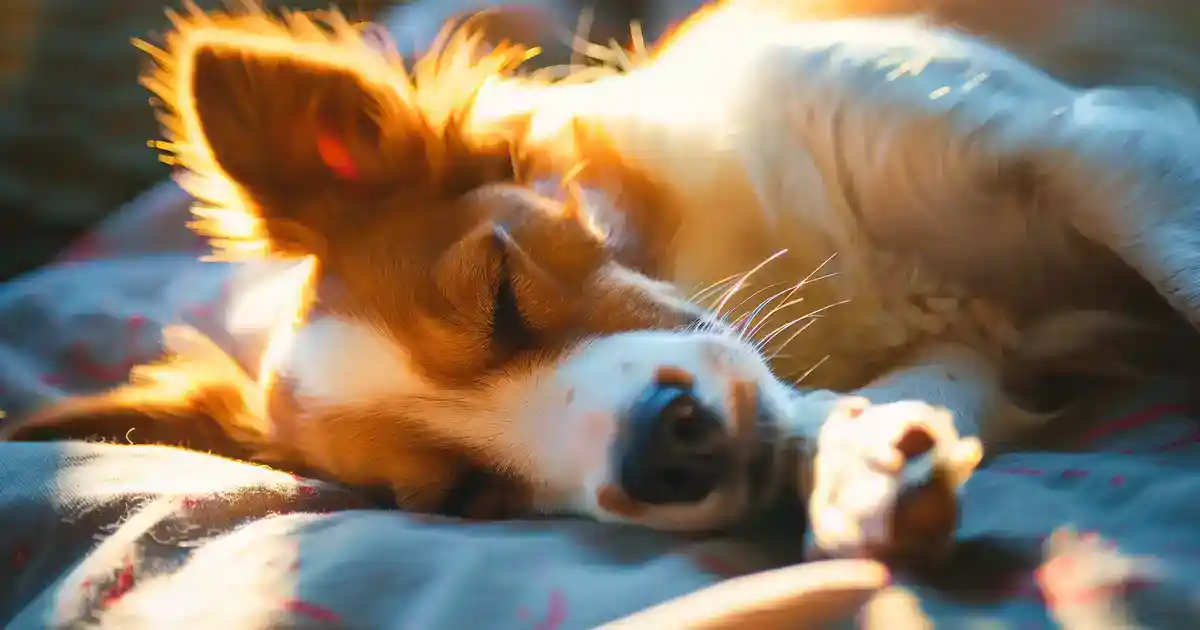
Have you ever watched your peacefully sleeping dog suddenly start twitching, paddling their legs like they’re running, and wondered whether it’s a normal part of dreaming or a sign of something wrong? I used to panic every time my Labrador’s paws started jerking during her naps, convinced she was having a seizure—turns out those twitches are actually one of the most normal, fascinating, and heartwarming aspects of healthy dog sleep. Now when my dog’s legs paddle wildly or her whiskers quiver during sleep, I know she’s in deep REM sleep dreaming about chasing squirrels or playing fetch, and I can instantly tell the difference between normal sleep twitching and movements that would actually need veterinary attention. Trust me, if you’ve been worried about your dog’s sleep movements or simply curious about what causes those adorable leg kicks and facial twitches, understanding the science behind sleep twitching will transform your midnight worry sessions into moments of appreciation for your dog’s active dream life and give you clear criteria for when movement during sleep is actually concerning.
Here’s the Thing About Dog Sleep Twitching
Here’s the magic: dog sleep twitching isn’t random or meaningless—it’s actually physical evidence of active dreaming during REM (rapid eye movement) sleep, where your dog’s brain replays and processes daily experiences while a temporary muscle paralysis system partially malfunctions just enough to let small movements “leak through” into visible twitches. According to research on sleep physiology, during REM sleep, the brainstem sends signals that temporarily paralyze most voluntary muscles to prevent animals from physically acting out their dreams, but smaller muscle groups like paws, facial muscles, and tails retain some activity, creating the twitching, paddling, and jerking movements we observe. I never knew something so common could reveal this much about brain function until I learned that those twitches are literally windows into my dog’s dreams—the movements mirror what’s happening in the dream itself. What makes this work is understanding that sleep twitching serves crucial functions: memory consolidation, skill practice, emotional processing, and neurological development, making those adorable paw paddles evidence of healthy brain activity rather than cause for concern. It’s honestly more scientifically fascinating than I ever expected, and no veterinary degree is needed to distinguish between normal sleep twitching and genuinely concerning movements that warrant professional attention.
What You Need to Know – Let’s Break It Down
Understanding dog sleep twitching is absolutely crucial because normal REM sleep movements can look alarming if you don’t know what to expect, while seizures or neurological problems that occur during sleep require immediate veterinary intervention—knowing the difference could literally save your dog’s life. The core concept involves recognizing that dogs cycle through distinct sleep stages: light sleep (easily awakened), deep sleep (very still and peaceful), and REM sleep (where twitching occurs as dreaming happens).
Don’t skip learning the characteristics of normal sleep twitching because this knowledge eliminates 99% of unnecessary midnight vet emergencies while ensuring you recognize the 1% of situations that genuinely need urgent care. Here’s what I finally figured out after years of dog ownership and countless worried consultations: normal sleep twitching has specific, predictable patterns—it occurs during REM sleep (about 20 minutes after falling asleep), involves small to moderate movements, the dog remains peacefully asleep, movements stop when you gently call their name or they naturally wake, and the dog is completely normal immediately upon waking (took me forever to realize these criteria, but once I did, I could confidently distinguish normal from abnormal every single time).
The physiological component is genuinely fascinating. During REM sleep, your dog’s brain becomes highly active—brain waves during REM actually resemble waking brain activity more than deep sleep patterns. The brainstem structure called the pons sends inhibitory signals that temporarily paralyze major muscle groups, preventing your dog from running across the room while dreaming about chasing a rabbit. However, this paralysis is incomplete, allowing smaller movements in extremities (paws, tail), facial muscles (whiskers, ears, muzzle), eye muscles (rapid eye movements under closed lids), and occasionally vocal cords (soft barks, whimpers, or growls). These “breakthrough” movements directly correspond to dream content—paddling legs suggest running dreams, mouthing movements indicate eating or carrying something, and facial twitches reflect sensory experiences in the dream.
The developmental aspect matters too. Puppies twitch more frequently and intensely during sleep because they spend more time in REM sleep (their brains process enormous amounts of new information daily) and their muscle paralysis system is still developing. Senior dogs might twitch differently due to changes in sleep architecture or reduced muscle control. I always recommend starting by observing your dog’s baseline twitching pattern when they’re young and healthy because everyone identifies concerning changes faster when they know what’s normal for their individual dog across their lifespan.
If you’re interested in understanding more about canine sleep cycles, dream behavior, and overall sleep health beyond just twitching, check out my comprehensive guide to dog sleep and dreams for foundational techniques that work alongside recognizing normal versus abnormal sleep movements.
The Science and Psychology Behind Sleep Twitching
Research from veterinary neurologists and sleep scientists demonstrates that sleep twitching in dogs serves the same functions as in humans: it’s a byproduct of the REM sleep process where memory consolidation, learning reinforcement, and emotional processing occur. Studies using EEG (electroencephalography) technology show that during the twitching episodes, dogs’ brain activity mirrors specific waking activities—when a dog’s legs paddle during sleep, the motor cortex regions controlling running show activation patterns identical to actual running.
What makes this different from a scientific perspective is that we now understand the specific neural mechanisms involved. The pons (in the brainstem) releases neurotransmitters that hyperpolarize motor neurons, effectively shutting down major muscle groups. Smaller muscles have less complete inhibition, allowing the twitching movements. This system evolved as a safety mechanism—without it, animals would physically enact their dreams, potentially causing injury. In landmark research, scientists who deactivated this inhibition system in laboratory animals observed them fully acting out elaborate dream sequences, confirming that the twitches we see are suppressed versions of complete dream behaviors.
Expert veterinary neurologists from leading universities confirm that the intensity and frequency of twitching correlates with dream vividness and the importance of the memory being processed. Dogs twitch more after days filled with novel experiences, intensive training, or exciting activities because their brains work harder during sleep to consolidate these valuable memories. The psychological component involves sleep serving as emotional regulation time—dogs process stress, practice skills, and mentally rehearse important behaviors during REM sleep, with twitching as the visible evidence of this internal processing.
I’ve noticed in my own experience that the behavioral context matters tremendously. My younger dog has more frequent, intense twitching after stimulating days at the dog park—her brain actively consolidating social experiences. My senior dog twitches less frequently overall but has distinctive patterns that I’ve learned to recognize as normal for her age. Research published by canine cognition experts indicates that adequate REM sleep with normal twitching is crucial for learning, memory, behavior, and even immune function—dogs deprived of REM sleep show significant cognitive and emotional problems.
Here’s How to Actually Recognize Normal Sleep Twitching
Start by learning to identify when your dog enters REM sleep—here’s where I used to mess up completely. I would see any movement during sleep and immediately worry, when actually twitching only occurs during specific REM periods that have distinctive warning signs. Don’t be me—I used to panic at every little movement instead of understanding the predictable REM sleep cycle!
Now for the important part: watch for the REM sleep progression pattern. Here’s my secret observation method that works every time—about 15-20 minutes after your dog falls asleep deeply, watch for these sequential signs: breathing becomes irregular (faster, then slower, then irregular), eyes begin moving rapidly under closed eyelids (you can often see this clearly), small facial twitches begin (whiskers, ears, muzzle), then larger twitches start in paws or legs, and soft vocalizations may occur. This observation approach takes just one or two complete sleep cycles of watching but creates permanent ability to predict when twitching will begin and recognize it as normal REM activity.
Next, learn the characteristics of normal sleep twitching. When my dog twitches normally, the movements include: rhythmic or patterned movements (like running motion), small to moderate intensity (not violent thrashing), involvement of small muscle groups (paws, face, tail, not full body convulsions), the dog remains peacefully asleep throughout, movements stop within a few minutes as REM cycle ends, and the dog is completely normal upon waking. Until you feel completely confident recognizing normal patterns, just observe multiple episodes noting these characteristics—when it clicks, you’ll immediately see how different normal twitching looks from concerning movements.
Learn to distinguish normal twitching from seizures—this is crucial for dog safety. Results vary by individual, but seizures during sleep typically include: sudden onset without the gradual REM sleep progression, violent, uncontrolled convulsions rather than rhythmic dream movements, full body rigidity or paddling (not just extremities), loss of bladder or bowel control, inability to wake the dog during the episode, and post-episode confusion, disorientation, or abnormal behavior that lasts minutes to hours (normal twitching: dog wakes up perfectly normal).
Here’s what veterinary neurologists taught me about red flags that warrant immediate attention: twitching that wakes the dog and they seem confused or distressed, movements that become progressively more violent, episodes lasting longer than 2-3 minutes, multiple episodes in short succession, twitching accompanied by unusual behaviors when awake, or any episode you’re genuinely unsure about—always better to check than assume. Just like distinguishing medical emergencies from normal behavior in any context, but with specific focus on sleep movements. Every dog has unique baseline patterns, so don’t worry if you’re just starting to learn what’s normal for your specific pup. This creates lasting confidence that you’ll actually maintain because understanding when to worry and when to simply enjoy watching your dog dream becomes second nature once you know the key distinctions.
Common Mistakes (And How I Made Them All)
My biggest mistake? Waking my dog every single time she twitched because I thought she needed help or was having a nightmare. I disrupted crucial REM sleep cycles dozens of times, actually harming her cognitive function and memory consolidation, because I didn’t understand the fundamental principle experts recommend about never waking a twitching dog unless they’re in genuine distress. Don’t make my mistake of interrupting normal dreaming—those twitches are healthy brain activity that should complete undisturbed!
Another epic failure: I filmed my dog’s sleep twitching and brought the video to my vet in a panic, only to be told it was completely, perfectly normal REM sleep. I wasted time, money, and emotional energy because I didn’t educate myself about basic dog sleep behavior before assuming the worst. I’ve learned that understanding normal before panicking about abnormal saves everyone stress and unnecessary vet visits while still maintaining appropriate vigilance for genuine problems.
Here’s the mindset mistake that trips up most people: assuming twitching indicates physical discomfort, nightmares, or problems rather than healthy brain function. While dogs can occasionally have unpleasant dreams, the vast majority of twitching represents normal, beneficial memory processing. The tactical mistake many owners make is not establishing baseline twitching patterns when their dog is young, making it impossible to recognize concerning changes in frequency, intensity, or character as the dog ages.
I also made the mistake of comparing my dog’s twitching to other dogs and worrying when hers looked different. Dogs have enormous individual variation in twitching frequency and intensity based on breed, age, personality, activity level, and how much REM sleep they need. Some dogs barely twitch at all while others look like they’re running marathons in their sleep—both can be completely normal for those individuals.
When Things Don’t Go as Planned
Feeling uncertain about whether your dog’s twitching is normal or concerning? You probably need to video record several episodes with timestamps showing how long after falling asleep they occur and what the dog is like immediately after, then show your vet for professional assessment—and that’s totally normal because distinguishing complex movements is genuinely difficult without training. I’ve learned to handle this by keeping my phone charged on the nightstand, ready to document anything that seems off so I have objective data rather than panicked descriptions.
Progress stalled in understanding your dog’s normal twitching pattern? That’s totally manageable—sleep observation requires patience and often needs to happen at inconvenient times when you’d rather be sleeping yourself. When this happens (and it will), try setting up a pet camera with night vision to record sleep sessions you can review later. Don’t stress, just approach it systematically by watching recorded footage to identify when REM sleep occurs and what your dog’s typical twitching looks like.
What if your dog’s twitching suddenly changes dramatically—much more intense, much more frequent, or accompanied by other concerning signs? This warrants veterinary evaluation because sudden changes can indicate new neurological issues, medication effects, metabolic problems, pain that’s disrupting sleep quality, or developing seizure disorders that require diagnosis and treatment. I always prepare for this possibility by knowing my dog’s baseline so well that significant deviations are immediately obvious rather than vague worries.
If you’re losing steam trying to analyze every sleep movement, remember that overall wellbeing matters more than perfect twitching assessment. When you evaluate dog sleep twitching within the broader context of health—Is your dog alert and normal when awake? Eating well? Showing no signs of neurological problems during waking hours? Getting adequate sleep without excessive daytime drowsiness?—the motivation to understand sleep behaviors comes naturally because you’re assessing complete health, not obsessing over isolated movements.
Advanced Strategies for Supporting Healthy Sleep and Twitching
Once you’ve confirmed your dog’s twitching is normal, here’s what separates reactive owners from proactive ones: implementing lifestyle and environmental factors that enhance REM sleep quality, support healthy dream activity, and ensure twitching represents beneficial cognitive processing rather than disrupted, poor-quality sleep. Advanced practitioners understand that waking life directly impacts sleep quality and dream content.
My personal discovery about supporting healthy sleep twitching? Adequate daytime mental and physical stimulation dramatically increases REM sleep quality and dream activity. I’ve noticed that on days with varied, engaging activities—training, exercise, novel experiences—my dog’s sleep shows longer REM periods with more active, seemingly purposeful twitching as her brain consolidates those valuable memories. That’s incredibly rewarding because I’m literally providing experiences worth dreaming about!
Taking this to the next level means understanding factors that disrupt healthy twitching. Poor sleep environments (too hot, too cold, uncomfortable bedding, excessive noise), insufficient daytime exercise leading to restless sleep, anxiety or stress preventing deep sleep, pain or discomfort interrupting sleep cycles, and certain medications or health conditions can all reduce REM sleep quality. When and why to address these factors? If your dog seems tired despite sleeping for hours, shows behavioral issues, has difficulty learning, or has reduced twitching compared to their baseline, optimizing sleep quality can dramatically improve cognitive function and overall wellbeing.
Different life stages benefit from stage-appropriate sleep support. Puppies need 18-20 hours daily with ample REM sleep for brain development—ensuring they get this without constant disruption is crucial for lifelong cognitive health. Adult dogs need 12-14 hours with quality REM cycles for maintenance and memory. Senior dogs often need more total sleep (14-16+ hours) but may have reduced REM quality—supporting their sleep through comfortable bedding, pain management, and consistent routines helps maintain cognitive function despite aging.
Ways to Make This Your Own
When I want to create the most sleep-supportive environment for my dogs’ healthy twitching and dreaming, I specifically provide comfortable, appropriately sized orthopedic beds in quiet locations away from household traffic, maintain consistent sleep schedules that respect their natural circadian rhythms, ensure adequate daytime mental and physical stimulation, keep sleeping areas at comfortable temperatures (slightly cool is ideal for most dogs), use white noise or fans to mask disruptive sounds, and minimize nighttime disruptions including my own urge to check on them constantly. This is more intensive but definitely worth it because quality REM sleep affects literally every aspect of health, behavior, learning, and emotional regulation.
For budget-friendly approaches when you can’t implement expensive interventions, I focus on free but impactful changes: protecting sleep from unnecessary disruptions, providing adequate exercise matched to your dog’s needs, maintaining consistent routines, and simply educating yourself to recognize normal twitching so you’re not constantly worrying or waking your dog. These cost nothing but dramatically improve sleep quality and your peace of mind.
Sometimes I add specific supplements or interventions for dogs with sleep issues—melatonin for senior dogs with disrupted circadian rhythms (under veterinary guidance), calming aids for anxious dogs whose stress prevents deep REM sleep, or pain management for dogs whose discomfort interrupts sleep cycles—though all of these are optional depending on individual needs. For next-level sleep optimization, I love combining twitching observation with comprehensive wellness tracking—my advanced version includes correlating daytime activities with that night’s dream intensity, sleep duration, and overall restfulness, then adjusting routines to maximize restorative sleep.
The Natural Observation Approach works beautifully for most dogs—just understand what normal twitching looks like and protect their REM sleep from disruption. The Intervention Method involves systematic sleep assessment, environmental optimization, potential medical treatment for sleep disorders, and comprehensive lifestyle modifications for dogs with significant sleep problems affecting quality of life or showing abnormal twitching patterns. Each variation adapts to different situations, whether you’re living with a young, healthy dog who sleeps perfectly or managing sleep issues in an anxious or senior companion.
Why Understanding Sleep Twitching Actually Improves Your Dog’s Life
Unlike ignoring all twitching as meaningless or panicking about every movement, this informed understanding leverages proven neuroscience about sleep architecture and dream physiology that most dog owners completely overlook. The underlying principle is both scientifically grounded and practically valuable: REM sleep with normal twitching is essential for cognitive health, emotional regulation, memory consolidation, and overall wellbeing—protecting and appreciating this process rather than disrupting it serves your dog’s best interests.
What sets this apart from other approaches is recognizing that sleep isn’t passive downtime but active, essential brain work where learning consolidates, memories form, skills practice, and emotional experiences process. Dogs who get adequate, undisrupted REM sleep are better behaved, learn faster, handle stress more effectively, and maintain better physical health. My personal discovery moment came when I stopped waking my dog during twitching episodes and noticed dramatic improvements in her daytime behavior—the connection between quality sleep and optimal functioning became undeniable.
This evidence-based understanding compares to the “wake them if they twitch” folk wisdom or the opposite “ignore everything” approach by adding crucial nuance—most twitching is healthy and should be undisturbed, but specific red flags do require attention. We’re not being neglectful or hypervigilant; we’re being informed and appropriately responsive. The approach is sustainable and effective because once you understand normal twitching patterns and concerning red flags, you’ll confidently support healthy sleep throughout your dog’s entire life while catching genuine problems early when they’re most treatable.
Real Success Stories (And What They Teach Us)
One friend’s Jack Russell Terrier twitched so intensely during sleep—violent leg paddling, loud vocalizations, dramatic movements—that the owner was convinced something was wrong and considered expensive neurological testing. After filming several episodes and consulting with a veterinary neurologist, she learned this was just her dog’s naturally exuberant dream style reflecting his high-energy personality. Understanding it was normal saved thousands in unnecessary testing and eliminated months of worry. The lesson: dramatic twitching isn’t automatically problematic—context and other health indicators determine whether it’s concerning.
Another success story involves someone whose senior dog’s twitching decreased significantly over several months. Rather than dismissing this as normal aging, she discussed it with her vet, who discovered the dog had developed arthritis pain that was preventing deep, restorative REM sleep. After implementing pain management, the dog’s twitching returned to previous levels and her daytime energy and mood improved dramatically. Their success aligns with research showing sleep quality directly reflects overall health status—changes in sleep patterns often indicate developing health issues before obvious symptoms appear.
Different situations reveal different lessons. One owner noticed her rescue dog had extremely agitated twitching with distressed vocalizations during sleep. Working with a veterinary behaviorist, they implemented anxiety-reduction protocols that gradually transformed the dog’s sleep from agitated to peaceful over several months, with twitching becoming calmer and more relaxed. The transformation in sleep quality paralleled improvements in waking anxiety—sleep behavior reflected and revealed her emotional healing journey. The lesson is always the same: twitching patterns provide valuable windows into cognitive, emotional, and physical health, and understanding what’s normal enables recognition of meaningful changes.
Tools and Resources That Actually Help
The book “The Domestic Dog: Its Evolution, Behavior and Interactions with People” edited by James Serpell includes excellent chapters on canine sleep and neurological development that completely changed my understanding of sleep behaviors including twitching. I reference sections constantly when questions arise. For video resources, search YouTube for “dog REM sleep twitching” to see amazing examples across different breeds and ages—watching these helps you recognize the wide range of normal presentation.
Free observation is your most valuable tool—simply watching your dog sleep through several complete cycles (each about 90 minutes) teaches you their individual pattern of light sleep, deep sleep, and REM sleep with twitching. I personally use a basic pet camera with night vision ($40-80) positioned near my dog’s bed so I can monitor sleep patterns without hovering over them, which allows me to hear concerning sounds or see unusual movements without constantly disrupting their rest.
For sleep environment optimization that supports healthy twitching, quality orthopedic beds ($75-200 depending on size) ensure physical comfort doesn’t interrupt REM cycles, especially crucial for senior dogs or those with joint issues. White noise machines ($20-40) or fans mask household sounds that might wake dogs during crucial dream periods. Temperature control through appropriate bedding (cooling mats for dogs who overheat, warmer beds for dogs who get cold) prevents discomfort from interrupting sleep cycles.
For dogs with abnormal twitching or sleep issues, your vet might recommend sleep studies, neurological examinations, or EEG monitoring to distinguish normal from pathological movements. The best resources come from authoritative veterinary neurology sources and proven sleep research organizations. The American Kennel Club’s resources on dog sleep behaviors and the American College of Veterinary Internal Medicine provide excellent supplementary information grounded in actual veterinary medicine.
Questions People Always Ask Me
Is it normal for dogs to twitch a lot while sleeping?
Yes, completely normal! Most dogs twitch regularly during REM sleep, which occurs multiple times during sleep periods. Some dogs are more dramatic twitchers than others based on personality, breed, age, and how vivid their dreams are. As long as the twitching follows the normal pattern (occurs during REM sleep, movements are rhythmic or purposeful-looking, dog wakes up normally), even frequent or intense twitching is usually just enthusiastic dreaming.
How can I tell if my dog is having a seizure or just dreaming?
Key differences: Normal twitching starts gradually during REM sleep (15-20 minutes after falling asleep), involves small to moderate movements, the dog stays peacefully asleep, stops within a couple minutes, and the dog is immediately normal upon waking. Seizures typically have sudden onset, violent uncontrolled convulsions, full body rigidity, possible loss of bladder/bowel control, difficulty waking the dog, and post-seizure confusion lasting minutes to hours. When uncertain, always video the episode and consult your vet immediately.
Should I wake my dog up when they’re twitching during sleep?
Generally no, unless they seem genuinely terrorized or at risk of injuring themselves. Normal twitching represents crucial REM sleep where memory consolidation and learning occur—waking them disrupts these essential processes. If you must intervene for safety, never touch them suddenly (they might react instinctively); instead, call their name softly from a distance or make gentle sounds until they naturally wake.
Why do my dog’s legs paddle like they’re running while sleeping?
Your dog is likely dreaming about running! During REM sleep, the brain replays daytime activities, and the muscle paralysis system isn’t complete—it allows small movements to “leak through.” Paddling legs indicate the motor cortex is firing running patterns just as it would during actual running, but the temporary paralysis prevents full execution. It’s evidence your dog is dreaming about one of their favorite activities!
Do puppies twitch more than adult dogs?
Yes! Puppies spend more time in REM sleep (sometimes up to 90% of sleep time) because their developing brains process enormous amounts of new information. They also have less developed muscle inhibition during REM, allowing more dramatic twitching. As dogs mature, they spend less total time in REM and their muscle paralysis system becomes more effective, typically resulting in less intense (though still very normal) twitching.
What does it mean if my senior dog has stopped twitching during sleep?
Reduced twitching in senior dogs can indicate several things: decreased REM sleep quality (common in aging), pain or discomfort preventing deep sleep, cognitive decline affecting sleep architecture, or simply individual variation. If accompanied by other changes (lethargy, confusion, mobility issues), discuss with your vet. Sometimes implementing pain management or cognitive support supplements can improve sleep quality and restore normal twitching.
Can medications affect my dog’s sleep twitching?
Yes, certain medications can affect sleep architecture and twitching. Sedatives, some seizure medications, pain medications, and drugs affecting the nervous system can all alter REM sleep quality and twitching patterns. If you notice changes in sleep behavior after starting new medications, mention this to your vet—dosage adjustments or medication changes might improve sleep quality.
Is it bad if my dog twitches every time they sleep?
Not at all! Dogs cycle through REM sleep multiple times during any significant sleep period, and twitching during each REM cycle is completely normal and healthy. Some dogs are more consistently expressive dreamers than others. What matters is that the twitching follows normal patterns, the dog is healthy when awake, and there are no other concerning symptoms. Consistent twitching during sleep actually indicates healthy, regular REM sleep cycles.
Why does my dog’s face twitch but not their legs, or vice versa?
Different dream content activates different motor regions! Facial twitching (whiskers, ears, muzzle, nose) often indicates dreams involving sensory experiences—sniffing, tracking scents, facial expressions, or eating. Leg twitching indicates movement dreams—running, walking, digging. The specific muscles twitching reveal what type of activity the dog is mentally experiencing in their dream. Both types are completely normal.
Can I do anything to give my dog better dreams and healthier twitching?
Absolutely! Provide engaging, positive daytime experiences worth dreaming about—varied activities, training, play, novel experiences, and quality time together. Ensure comfortable sleep environments that allow undisrupted REM cycles. Adequate exercise promotes deeper sleep. Manage anxiety or pain that might disrupt sleep quality. Basically, a rich, happy waking life produces rich, healthy dream life with normal twitching as evidence of good sleep quality.
What if my dog seems distressed by their own twitching or wakes up scared?
This is relatively rare but can happen, especially with particularly intense dreams. If your dog wakes from twitching episodes and seems disoriented or frightened, provide calm, gentle reassurance without making a big fuss (which can increase anxiety). If this happens frequently, discuss with your vet whether anxiety management or sleep disorder evaluation might help. Most dogs, however, wake from normal twitching completely calm and immediately ready for whatever comes next.
At what age do puppies start twitching during sleep?
Puppies begin showing REM sleep twitching extremely early—often within the first week or two of life. Newborn puppies actually spend most of their sleep time in “activated sleep” (similar to REM) with visible twitching, which is thought to be crucial for early neurological development. This is completely normal and indicates healthy brain development. Puppy twitching tends to be more frequent and dramatic than adult dog twitching.
Before You Get Started
Ready to transform those moments of midnight worry into peaceful appreciation for your dog’s active dream life while maintaining smart vigilance for the rare situations that actually need attention? Start with a simple first step: tonight, observe your sleeping dog for just 30-45 minutes, watching for the progression from deep sleep into REM sleep with its characteristic twitching, and note how your dog looks and acts when they naturally wake up. I couldn’t resist sharing this because it proves that the best dog ownership often involves educated observation rather than constant intervention—those twitching paws and quivering whiskers are evidence of healthy brain activity, vivid dreams about your shared experiences, and the sophisticated neurological processes that make your dog the conscious, thinking, feeling companion you love. The best relationships with our dogs happen when we understand and respect their natural behaviors, protecting essential processes like REM sleep while staying appropriately alert for genuine health concerns—and now you have both the scientific knowledge and practical criteria to distinguish between adorable dreaming and situations requiring veterinary attention, giving you the confidence to let your dog dream peacefully while sleeping soundly yourself!




