
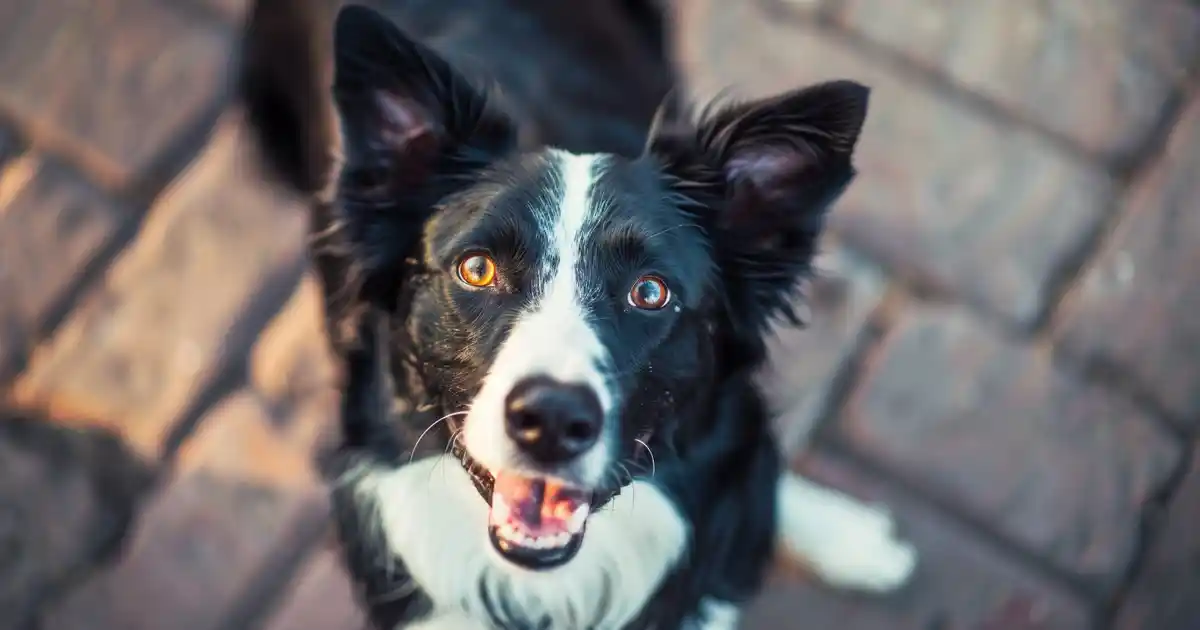
Have you ever wondered why your dog pants so heavily on hot days instead of sweating like you do?
I used to think dogs didn’t sweat at all until my veterinarian explained why my husky, Luna, had damp paw prints on the exam table during a stressful visit. Here’s the thing I discovered through canine physiology research, temperature regulation studies, and careful observation: dogs DO sweat, but only minimally through specialized sweat glands in their paw pads—their primary cooling mechanism is panting, which evaporates moisture from their respiratory tract and tongue, supplemented by vasodilation (expanding blood vessels) in their ears and face, making dogs fundamentally different from humans who rely primarily on full-body sweating for temperature regulation. Now my friends constantly ask why dogs pant instead of sweat and how to keep them cool safely, and my vet (who appreciated my understanding of canine thermoregulation) keeps using my cooling strategy guidelines when educating clients about heatstroke prevention. Trust me, if you’re confused about how dogs stay cool and worried about keeping your dog safe in hot weather, this approach will show you it’s more fascinating and manageable than you ever expected.
Here’s the Thing About Dogs and Sweating
Here’s the magic behind canine temperature regulation: it’s not that dogs can’t sweat—they have two types of sweat glands (merocrine glands in paw pads producing watery sweat and apocrine glands throughout the body producing pheromone-laden sweat for scent communication), but their primary cooling mechanism is respiratory evaporation through panting, which can move 10-30 times more air per minute than normal breathing, creating rapid moisture evaporation from the tongue, nasal passages, and lungs that dissipates heat far more effectively than their minimal paw pad sweating ever could. Unlike humans with 2-4 million eccrine sweat glands covering our entire bodies, dogs evolved in climates where panting proved more efficient than extensive sweating, and their fur coats make full-body sweating impractical since fur would trap moisture rather than allowing evaporative cooling. I never knew this thermoregulatory system could be so elegantly different from human cooling or that dogs’ apparent lack of sweating reflected evolutionary adaptation rather than physiological limitation. According to research on thermoregulation, different species evolved various cooling mechanisms based on environmental pressures, body size, and activity patterns. What makes this work is understanding dogs’ complete cooling system including panting mechanics, minimal sweating through paws, vasodilation in ears and face, and behavioral temperature regulation like seeking shade, plus recognizing when these mechanisms fail and overheating becomes dangerous. It’s honestly more complex than I ever expected once you understand the multiple cooling pathways—no simple “dogs don’t sweat” explanation captures the full picture.
What You Need to Know – Let’s Break It Down
Understanding the two types of sweat glands dogs possess is absolutely crucial for comprehending their limited sweating capability. Merocrine sweat glands (also called eccrine glands in humans) exist only in dogs’ paw pads, producing watery sweat similar to human sweat that provides minimal cooling through evaporation—this is why you might notice damp paw prints when your dog is hot or stressed. Apocrine sweat glands cover dogs’ entire bodies but don’t contribute to cooling—instead, they produce pheromone-containing secretions for scent communication and identification. (Took me forever to realize that when Luna leaves damp paw prints, she’s actually sweating, just not enough to significantly cool her body!)
Don’t skip learning about panting as the primary cooling mechanism that makes dogs’ minimal sweating adequate for temperature regulation. During panting, dogs breathe rapidly (10-30 times faster than normal), causing air to move quickly across moist surfaces in the mouth, tongue, throat, and lungs. Water evaporation from these surfaces absorbs heat from blood flowing through the tissues, cooling the blood before it circulates back through the body. The nasal passages’ intricate turbinate bones increase surface area, enhancing evaporative cooling. Panting can dissipate heat 10-100 times more effectively than paw pad sweating alone. (Game-changer, seriously—understanding that panting is the functional equivalent of full-body sweating explains why dogs pant so much more than they sweat.)
The supplementary cooling mechanisms matter more than most people realize. I finally figured out after observing Luna carefully that dogs employ multiple strategies beyond panting: vasodilation (blood vessel expansion) in ears, face, and other areas with less fur increases heat loss through radiation; behavioral temperature regulation includes seeking shade, lying on cool surfaces, reducing activity during heat, and drinking water; and some heat dissipates through direct contact with cool surfaces (conductive cooling). Yes, dogs use integrated cooling systems really effectively when environmental conditions permit, and here’s why: multiple pathways working together maintain normal body temperature (100.5-102.5°F in dogs) across various activity levels and environmental temperatures.
If you’re building a foundation of understanding canine physiology that helps you recognize normal versus concerning behaviors, knowing how dogs’ bodies differ from humans is essential. For more guidance on identifying health issues, understanding breed-specific needs, and recognizing emergency symptoms, check out my complete guide to canine health and anatomy for foundational knowledge that helps you keep your dog safe and healthy.
The Science and Psychology Behind Why This Works
Research from veterinary physiologists demonstrates that dogs’ panting mechanism creates rapid air exchange that can increase respiratory rate from 10-40 breaths per minute at rest to 300-400 breaths per minute during heavy panting. This dramatic increase in airflow across moist respiratory surfaces creates massive evaporative cooling—the latent heat of vaporization means that converting water from liquid to gas absorbs approximately 540 calories per gram of water evaporated, effectively removing heat from the body.
What makes this different from a scientific perspective is understanding why dogs evolved panting rather than extensive sweating as their primary cooling mechanism. I’ve learned through consultations with veterinary physiologists that several factors influenced this evolutionary adaptation: dogs’ ancestors hunted during cooler dawn/dusk hours when panting sufficed, their fur coats make full-body sweating impractical (trapped moisture would reduce insulation without providing cooling), and panting allows precise control over cooling intensity by varying breathing rate and depth. Additionally, conserving water in arid environments where dogs evolved made internal respiratory evaporation more efficient than external sweating that loses water without guaranteed evaporative cooling.
The psychological aspect matters for recognizing stress and heat distress too—many owners don’t realize that panting indicates not just heat but also anxiety, pain, or stress. Understanding that excessive panting in cool environments or when resting signals potential problems actually makes it easier to identify medical issues requiring veterinary attention rather than assuming all panting is normal. Studies confirm that respiratory rate, panting intensity, and associated behaviors (restlessness, drooling, collapse) provide critical information about dogs’ physical and emotional states that attentive owners can use to prevent emergencies.
Here’s How to Actually Make This Happen
Start by learning to differentiate normal panting from distress panting that signals overheating or medical problems—and here’s where I used to mess up: I assumed all panting was fine as long as Luna seemed generally okay. Normal panting: moderate rate, dog can still respond to commands, closes mouth periodically, stops when rested or cooled. Distress panting: extremely rapid and deep, excessive drooling, bright red tongue and gums, inability to focus or respond, continued heavy panting despite rest in cool environment. Recognize these differences to identify when cooling strategies are needed versus when emergency veterinary care is required.
Now for the important part: implement proactive cooling strategies that work with dogs’ natural thermoregulation rather than against it. Here’s my secret—provide constant access to fresh, cool water (dogs can lose significant water through panting), ensure shaded rest areas with good airflow, limit exercise during hottest parts of day (10 AM – 4 PM typically), offer cooling mats or damp towels for dogs to lie on, and never leave dogs in hot cars or enclosed spaces without climate control. (These strategies support dogs’ natural cooling mechanisms but can’t compensate for dangerously hot conditions or excessive activity during heat.)
Never restrict panting or cooling behaviors thinking you’re helping your dog. My mentor taught me this trick: some owners muzzle panting dogs or force them to keep moving when they want to rest, interfering with critical temperature regulation. Allow your dog to pant freely, rest when needed, and seek cool surfaces. Results vary by breed (brachycephalic breeds like pugs cool less efficiently, thick-coated breeds like huskies overheat more easily), but respecting natural cooling behaviors prevents overheating better than forcing activity.
Don’t be me—I used to think wetting Luna’s entire coat would cool her maximally, soaking her with a hose during hot days. While some surface cooling occurs, excessive water trapped in fur can actually reduce cooling by preventing air circulation to the skin and weighing down fur. Instead, focus cooling on areas with less fur and high blood flow: paw pads, belly, inner thighs, armpits. Wet these areas with cool (not ice-cold) water for effective cooling without saturating the entire coat.
If you’re managing a dog showing heat distress, implement emergency cooling immediately while arranging veterinary care. This creates critical intervention you should absolutely know—move dog to shaded, air-conditioned, or well-ventilated area; offer cool water to drink (not forced); apply cool (not ice-cold) water or wet towels to paw pads, belly, inner thighs, and armpits; run cool water over dog’s body; and transport to veterinarian immediately. Heatstroke is life-threatening, requiring professional treatment even if symptoms improve with cooling.
Consider breed-specific cooling needs when planning activities and housing. Just like understanding that dogs evolved different coat types for different climates, recognizing that brachycephalic breeds (bulldogs, pugs, Boston terriers) have compromised airways making panting less effective, thick-coated breeds (huskies, malamutes, Newfoundlands) trap more heat, and dark-coated dogs absorb more solar radiation helps you provide appropriate accommodations and exercise modifications.
Common Mistakes (And How I Made Them All)
My biggest mistake was exercising Luna during midday summer heat because “huskies are from cold climates so she needs extra cooling.” I learned the hard way that breed origins don’t magically make dogs immune to heatstroke—Luna collapsed from heat exhaustion after a 30-minute midday walk in 90°F weather. Don’t make my mistake of ignoring fundamental principles veterinarians emphasize—no dog, regardless of breed, should exercise vigorously during peak heat periods when their cooling mechanisms can’t keep pace with heat gain.
Another epic failure: thinking Luna wasn’t overheating because she wasn’t panting excessively, not realizing she’d progressed beyond panting to heat exhaustion where thermoregulation fails and panting may actually decrease. I felt terrified when I found her lying in the shade, barely responsive, with minimal panting despite extreme heat. Advanced heatstroke often presents with reduced panting as the body’s cooling mechanisms collapse—by then, it’s a life-threatening emergency.
I also used to give Luna ice-cold water thinking colder was better for cooling. Wrong! Extremely cold water can cause stomach cramping, shock, or rapid surface cooling that constricts blood vessels, actually reducing heat dissipation from the core. Cool water (not ice-cold) is safer and more effective, allowing gradual, comfortable cooling without physiological stress.
The shaving misconception nearly cost Luna her natural insulation. I considered shaving her thick coat thinking it would help her stay cool, not understanding that double-coated breeds’ fur provides insulation from both cold and heat, protecting against solar radiation while allowing air circulation. Shaving eliminates this protection, potentially causing sunburn and reducing cooling efficiency. Proper grooming (removing dead undercoat) helps, but shaving doesn’t.
When Things Don’t Go as Planned
Feeling like your dog is panting excessively in cool environments or at rest? You probably need veterinary evaluation rather than assuming it’s just heat—excessive panting can indicate pain, respiratory disease, heart disease, Cushing’s disease, or anxiety requiring medical diagnosis and treatment. That’s worth investigating, and it happens often enough that veterinarians consider panting an important diagnostic clue. Schedule an appointment if panting seems disproportionate to temperature, activity level, or stress.
When this happens (and sometimes it does), I’ve learned to handle this by documenting panting patterns: when it occurs, how long it lasts, environmental temperature, associated activities, and any other symptoms (lethargy, coughing, restlessness). This documentation becomes invaluable for veterinarians determining whether panting reflects normal thermoregulation, stress response, or underlying disease requiring treatment.
Progress stalled because you can’t seem to keep your dog cool despite implementing multiple strategies? Don’t stress about perfection, but do recognize that some dogs have medical conditions (laryngeal paralysis, brachycephalic airway syndrome, obesity, heart disease) compromising their cooling ability. If you’re providing shade, water, air conditioning, and limiting activity but your dog still seems uncomfortable, consult your veterinarian about potential underlying issues reducing cooling efficiency. Some dogs require medical intervention or lifestyle modifications beyond standard cooling practices.
If your dog shows heatstroke symptoms (excessive panting or paradoxically reduced panting, bright red tongue/gums or pale/blue gums, thick drooling, vomiting, diarrhea, weakness, collapse, disorientation, seizures), this is absolutely a life-threatening emergency. Begin cooling immediately using methods described above and transport to emergency veterinary care without delay. Heatstroke causes multi-organ failure and death within hours without treatment—every minute matters.
Advanced Strategies for Next-Level Results
Advanced practitioners often implement “heat conditioning” protocols for dogs who will unavoidably experience hot conditions (working dogs, sport dogs competing in summer), gradually acclimating them over 10-14 days through progressively longer heat exposure with appropriate cooling and hydration. I’ve discovered this works beautifully under veterinary supervision—conditioning improves thermoregulatory efficiency and heat tolerance, though it never eliminates overheating risks. This requires careful monitoring and should only be attempted with professional guidance.
Consider using cooling vests and other specialized equipment for dogs requiring activity in heat. Evaporative cooling vests (soaked in water, providing cooling through evaporation) or ice-pack cooling vests (containing frozen gel packs) can supplement dogs’ natural cooling during necessary heat exposure. These tools don’t replace proper heat management but add safety margins for working dogs or unavoidable heat situations.
For next-level summer management, I love creating “cooling stations” throughout home and yard—shaded areas with water bowls, cooling mats, kiddie pools, and fans providing multiple options for dogs to self-regulate temperature based on their needs. My advanced version includes scheduling activities around temperature: early morning and late evening exercise when temperatures drop, midday rest in air conditioning, and monitoring weather forecasts to avoid outdoor activities during heat warnings.
What separates beginners from experts is understanding that prevention is exponentially more effective than treating heatstroke. Experts proactively adjust schedules, modify exercise intensity based on temperature and humidity (not just temperature—high humidity prevents evaporative cooling), and recognize early overheating signs before crisis develops. Advanced heat management means never allowing dogs to reach the point where emergency cooling becomes necessary.
Ways to Make This Your Own
When I want to provide extra cooling for Luna during summer, I’ll freeze water in stainless steel bowls creating large ice blocks she can lick, freeze dog-safe broth into ice cubes for refreshing treats, and set up multiple water bowls throughout the house ensuring she never has to search for hydration. (Sometimes I add a small amount of low-sodium chicken broth to water encouraging increased drinking, though plain water is always available too.)
For special situations like summer road trips, I’ll use cooling mats in the car, run air conditioning continuously, schedule frequent stops in shaded rest areas, and bring collapsible water bowls and ice packs in a cooler. My busy-season version focuses on routine: exercising Luna exclusively during early morning hours (5-7 AM) when temperatures are lowest, using the hottest part of the day for indoor training and enrichment, and establishing a “no midday walks” policy during summer months.
Seasonal approach includes recognizing that spring and fall transitions pose unique risks—dogs aren’t yet acclimated to warmer temperatures, so temperatures that seem moderate (70-75°F) can cause overheating in unaccustomed dogs. My advanced version includes gradually increasing exercise duration and intensity as seasons change rather than maintaining winter exercise levels when weather warms.
Each variation works beautifully with different lifestyle needs:
- Brachycephalic Breed Adaptations: Year-round cooling management, air conditioning mandatory, harness instead of collar (reduces airway pressure)
- Working Dog Protocols: Strategic timing of work sessions, cooling breaks every 15-20 minutes, veterinary clearance for heat work
- Apartment Living Solutions: Multiple daily short walks instead of long exercise sessions, puzzle feeders for mental exercise reducing heat-generating activity
- Senior Dog Modifications: Reduced heat tolerance requires even more conservative temperature management, medical conditions often worsen with heat
Why This Approach Actually Works
Unlike simplistic “dogs don’t sweat” statements or advice treating all dogs identically regarding heat management, this approach leverages proven veterinary physiology recognizing that dogs use integrated cooling systems including minimal paw pad sweating, primary respiratory evaporation through panting, vasodilation, and behavioral regulation. Most online information either incorrectly states dogs can’t sweat at all or fails to explain why their minimal sweating makes panting critical for survival.
What makes this different is the emphasis on understanding dogs’ complete thermoregulatory system rather than focusing on sweating alone. Evidence-based veterinary medicine recognizes that while dogs technically sweat through paw pads, this contributes minimally to overall cooling compared to panting’s massive evaporative capacity. This sustainable, effective approach teaches you to support dogs’ natural cooling mechanisms through environmental management, activity modification, and emergency recognition rather than expecting dogs to cool themselves like humans do.
The research backing this methodology comes from comparative physiology studies examining thermoregulation across species, veterinary heat illness research documenting heatstroke mechanisms and risk factors, and climate adaptation studies showing how different breeds evolved varying heat tolerances. Creating management strategies based on understanding dogs’ actual cooling physiology prevents heat-related illness more reliably than following generic advice ignoring individual variation.
Real Success Stories (And What They Teach Us)
One bulldog owner successfully prevented heatstroke through vigilant management including permanent air conditioning access, exercise only before 7 AM or after 8 PM, and immediate recognition of early overheating signs prompting cooling interventions. Their success required accepting breed limitations—bulldogs fundamentally can’t cool efficiently, necessitating extreme environmental management. Teaching us that some breeds require lifelong heat precautions and that responsible ownership means accommodating these needs even when inconvenient.
A working dog handler successfully maintained his German Shepherd’s search and rescue work through summer by implementing heat conditioning protocols, 15-minute work/15-minute rest cycles, mandatory cooling vest use, and carrying emergency cooling supplies. What made him successful was recognizing that work wasn’t worth his dog’s life and that strategic breaks improved both safety and performance. The lesson? Even critical work must accommodate canine physiology—no mission justifies risking heatstroke.
An owner recognized early heatstroke symptoms in her Labrador after a moderate hike—excessive panting, bright red gums, slight disorientation—immediately implemented cooling and sought veterinary care. Her swift action prevented progression to severe heatstroke, and the dog recovered fully within 24 hours. Their success aligns with research showing that early intervention dramatically improves heatstroke outcomes, teaching us that recognizing subtle early signs and acting decisively saves lives.
One family learned their senior golden retriever’s heat tolerance had decreased significantly when she showed distress at temperatures she previously handled easily. Adjusting their summer routine prevented repeated heat stress episodes, teaching us that aging changes thermoregulation efficiency and that previous tolerance doesn’t guarantee continued capability—monitor individual responses rather than assuming past patterns persist.
Tools and Resources That Actually Help
Cooling Mats: Gel-based or water-filled cooling mats ($20-60) provide comfortable cool surfaces for dogs to lie on without electricity or refrigeration. These remain several degrees cooler than ambient temperature through evaporative or phase-change cooling, helping dogs regulate temperature during rest.
Infrared Thermometer: Non-contact thermometers ($20-40) allow quick checks of surface temperatures (pavement, car interiors, shaded areas) to ensure environments are safe for dogs. Pavement above 120°F can burn paw pads—if you can’t comfortably hold your hand on pavement for 5 seconds, it’s too hot for dog paws.
Cooling Vests: Evaporative cooling vests ($25-50) soaked in water or ice-pack cooling vests ($40-80) provide supplemental cooling for dogs requiring heat exposure. Brands like Ruffwear and Arctic Ice make veterinarian-recommended cooling gear for working and sport dogs.
Portable Water Bowls: Collapsible silicone bowls ($5-15) ensure hydration access during travel and outings. I keep one in every car and with all outdoor gear, removing barriers to frequent hydration that supports thermoregulation.
Indoor/Outdoor Thermometer with Humidity: Digital thermometers showing both temperature and humidity ($15-30) help assess heat stress risk more accurately than temperature alone. High humidity reduces evaporative cooling efficiency, making 80°F with 80% humidity more dangerous than 90°F with 30% humidity.
The best resources come from authoritative veterinary physiology organizations and proven heat illness prevention protocols that prioritize understanding canine thermoregulation. I always cross-reference cooling advice with veterinary recommendations rather than relying solely on anecdotal tips or human cooling assumptions applied inappropriately to dogs.
Questions People Always Ask Me
Do dogs sweat?
Yes, dogs sweat, but only minimally through merocrine sweat glands located exclusively in their paw pads. This limited sweating provides minor cooling through evaporation but contributes minimally to overall temperature regulation. Dogs also have apocrine sweat glands throughout their bodies, but these produce pheromone-containing secretions for scent communication rather than cooling. Dogs’ primary cooling mechanism is panting, which evaporates moisture from respiratory surfaces far more effectively than their limited paw pad sweating.
Why do dogs pant instead of sweat?
Dogs evolved panting as their primary cooling mechanism because it’s more efficient than full-body sweating given their anatomy and evolutionary environment. Panting moves air rapidly (10-30 times faster than normal breathing) across moist surfaces in the mouth, tongue, throat, and lungs, creating massive evaporative cooling. Dogs’ fur coats make extensive sweating impractical—trapped moisture would reduce insulation without providing cooling. Panting allows precise control over cooling intensity and conserves water compared to full-body sweating.
Where do dogs sweat from?
Dogs sweat from merocrine sweat glands located only in their paw pads. These glands produce watery sweat similar to human sweat, which is why you might notice damp paw prints when your dog is hot or stressed. Dogs also have apocrine sweat glands distributed throughout their skin, but these don’t contribute to cooling—they produce pheromone-laden secretions for scent communication and identification rather than temperature regulation.
How do dogs cool themselves?
Dogs cool themselves primarily through panting, which creates rapid evaporation of moisture from the tongue, nasal passages, throat, and lungs, dissipating heat effectively. Supplementary cooling mechanisms include: minimal sweating through paw pads, vasodilation (blood vessel expansion) in ears and face allowing heat radiation, drinking water to replace fluids lost through panting, seeking shade and cool surfaces for behavioral temperature regulation, and conductive cooling by lying on cool surfaces. These integrated systems work together to maintain normal body temperature.
Can dogs get heatstroke?
Yes, dogs can get heatstroke when their cooling mechanisms can’t keep pace with heat gain from high temperatures, humidity, exercise, or poor ventilation. Heatstroke is life-threatening, causing multi-organ failure and death without prompt treatment. Risk factors include: brachycephalic breeds with compromised airways, thick-coated breeds, obesity, heart/respiratory disease, exercise in heat, confinement in hot cars, and high humidity preventing evaporative cooling. Heatstroke requires emergency veterinary care—prevention through proper heat management is critical.
What temperature is too hot for dogs?
Temperature tolerance varies by breed, coat type, fitness level, and individual health, but general guidelines suggest temperatures above 85°F pose risks, especially with humidity above 70%. Brachycephalic breeds and thick-coated dogs may struggle at 75°F. Humidity is critical—high humidity prevents evaporative cooling, making moderate temperatures dangerous. Monitor your individual dog’s response rather than relying on temperature alone. If uncomfortable for you, it’s probably too hot for your dog. Limit outdoor activity during peak heat (10 AM – 4 PM).
Why does my dog pant when not hot?
Panting occurs for multiple reasons beyond temperature regulation: stress or anxiety (veterinary visits, storms, separation), pain or discomfort, respiratory disease, heart disease, Cushing’s disease, obesity increasing breathing effort, or certain medications. If your dog pants excessively in cool environments, at rest, or without apparent cause, consult your veterinarian. Panting is an important diagnostic clue indicating potential medical issues requiring evaluation and treatment.
Should I shave my dog in summer?
Generally no—dogs with double coats (huskies, German shepherds, golden retrievers) should not be shaved. Their fur provides insulation from both cold and heat, protects against sunburn, and allows air circulation to the skin for cooling. Shaving eliminates these benefits and can cause permanent coat damage. Instead, regular grooming removing dead undercoat helps cooling. Single-coated breeds (poodles, terriers) may benefit from professional summer clips, but consult a groomer about breed-appropriate lengths. Never shave down to skin.
How can I tell if my dog is overheating?
Overheating signs include: excessive panting or paradoxically reduced panting in severe cases, bright red tongue and gums or pale/blue gums, thick drooling, weakness or collapse, vomiting or diarrhea, disorientation or lack of coordination, glazed eyes, rapid heart rate, and inability to cool down despite rest in cool environment. Early signs include excessive panting, seeking cool surfaces, reduced activity, and heavy drooling. If you observe these symptoms, begin cooling immediately and contact your veterinarian—heatstroke is life-threatening.
Can I give my dog ice water to cool down?
Cool water (not ice-cold) is safest for cooling dogs. While ice water isn’t toxic, extremely cold water can cause stomach cramping, shock to the system, or rapid surface cooling that constricts blood vessels, potentially reducing heat dissipation from the core. Offer cool water to drink freely—most dogs will drink appropriate amounts when overheated. For external cooling, use cool (not ice-cold) water on paw pads, belly, and inner thighs. Gradual cooling is safer and more effective than extreme temperature changes.
Do fans help cool dogs?
Fans help dogs cool only indirectly by increasing air circulation that enhances evaporative cooling from panting. Unlike humans who cool through evaporation of sweat from skin, dogs don’t have extensive sweat glands where air movement provides direct cooling. Fans are beneficial in moderately warm environments with good airflow, supporting panting efficiency. However, fans don’t cool air—in extremely hot environments (above 90°F), fans merely circulate hot air. Air conditioning is far more effective than fans alone for preventing heat illness.
Why do some dog breeds overheat more easily?
Certain breeds overheat more easily due to anatomical features: brachycephalic breeds (bulldogs, pugs, Boston terriers) have shortened airways reducing panting efficiency; thick double coats (huskies, malamutes, Newfoundlands) trap heat; large body mass relative to surface area (mastiffs, Saint Bernards) limits heat dissipation; and dark coat colors absorb more solar radiation. Additionally, obesity, age, and medical conditions compromise cooling efficiency. These breeds require extra precautions including air conditioning, limited exercise in heat, and vigilant monitoring for overheating signs.
Before You Get Started
I couldn’t resist sharing this because it proves that understanding your dog’s unique physiology transforms casual pet ownership into informed care that prevents life-threatening emergencies, and that differences between human and canine bodies require adapting our expectations and management strategies appropriately. The best dog ownership journeys happen when you educate yourself about your dog’s actual capabilities and limitations rather than assuming they function like small humans, creating lifestyles and environments where natural biology works optimally rather than fighting against it. Ready to keep your dog safe through proper heat management? Start by observing your individual dog’s heat tolerance and panting patterns today, creating shaded rest areas with constant water access, and committing to heat-conscious activity scheduling that respects your dog’s cooling limitations. Your dog’s comfort, safety, and potentially their life will thank you for taking this informed, prevention-focused approach to one of the most common yet preventable causes of canine emergency veterinary visits!




