
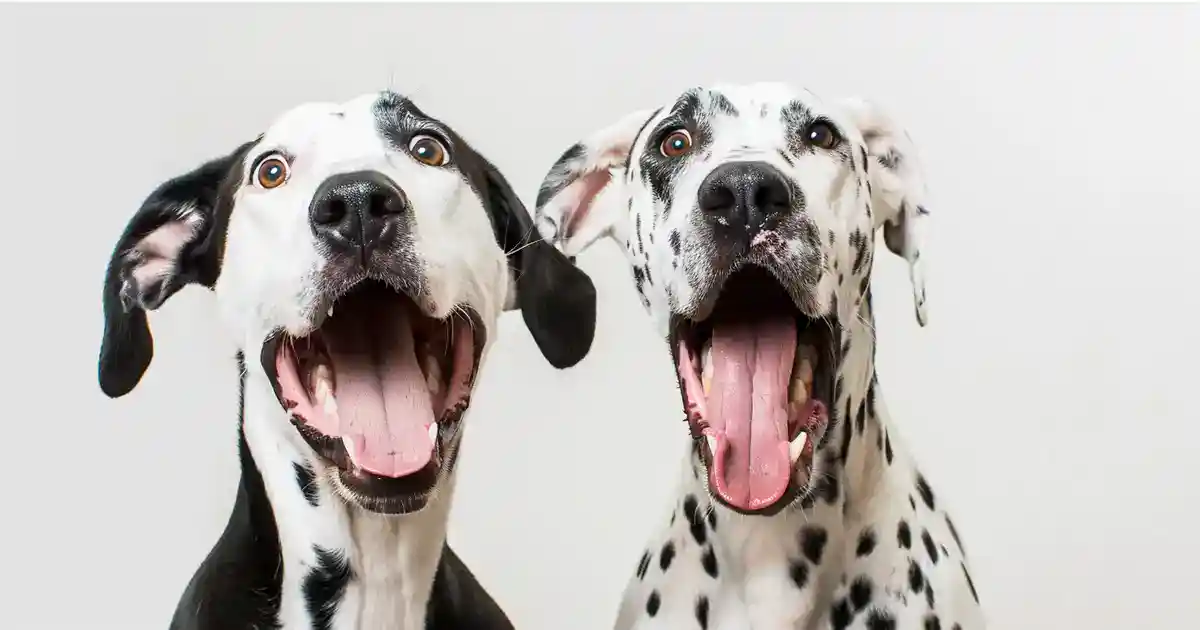
Have you ever wondered why your dog pants heavily when it’s not hot and they haven’t been exercising, and what this rapid breathing actually reveals about their emotional distress? I used to think my dog was just out of shape or had breathing problems when he’d pant intensely during thunderstorms, car rides, and vet visits, until I discovered these eye-opening insights that completely changed how I recognize his anxiety, help him cope with stressors, and prevent panic from escalating into full meltdowns. Now my friends constantly ask how I knew their dogs were terrified during fireworks before any shaking or hiding occurred, and my family (who thought panting only meant heat or exertion) keeps asking for advice after I explained why their dog pants excessively during seemingly normal situations. Trust me, if you’re worried about missing critical anxiety signals or not understanding why your dog’s breathing becomes rapid and shallow in certain situations, this approach will show you it’s more doable than you ever expected.
Here’s the Thing About Stress Panting
Here’s the magic: stress panting is one of the most visible and reliable anxiety indicators dogs display, appearing when psychological distress triggers the sympathetic nervous system to accelerate breathing regardless of temperature or physical exertion levels. What makes understanding stress panting actually work is recognizing that this anxiety-driven breathing looks and sounds distinctly different from normal exercise or heat-related panting, yet most people miss this critical distinction and either ignore it or misattribute it to physical causes. I never knew this rapid, shallow breathing pattern could predict everything from separation anxiety to phobia escalation until I started connecting panting episodes to emotional triggers rather than environmental temperature. This combination creates amazing results because once you understand what situations trigger stress panting in your dog and what it signals about their anxiety level, you can implement calming strategies, remove stressors, prevent panic attacks, and help your dog develop better coping mechanisms over time. It’s honestly more doable than I ever expected—no complicated systems needed, just awareness of the differences between stress panting and other panting types, plus understanding common anxiety triggers. According to research on dog behavior, stress panting results from activation of the sympathetic nervous system during anxiety or fear, serving as both a physiological stress response and a visible behavioral indicator that appears consistently before more dramatic anxiety behaviors like escape attempts, destructive behavior, or aggression.
What You Need to Know – Let’s Break It Down
Understanding the fundamentals of stress panting is absolutely crucial, and I’m going to break this down so you never miss this anxiety signal again (took me forever to realize this). Don’t skip learning what stress panting looks like compared to normal panting—this is the foundation everything else builds on. Stress panting typically appears faster (higher respiratory rate), shallower (less deep breathing), and often sounds different (sometimes quieter, sometimes noisier) than temperature-regulation panting, and I finally figured out that the context and accompanying body language matter more than the panting itself after documenting hundreds of anxiety episodes.
The physical characteristics of stress panting are your first recognition points (game-changer, seriously). This rapid, often shallow breathing pattern appears when dogs feel anxious, fearful, or overwhelmed, typically showing respiratory rates of 100-200+ breaths per minute compared to normal exercise panting at 30-40 breaths per minute. My ability to recognize stress panting’s distinctive appearance—faster, shallower, sometimes with mouth less open—transformed my anxiety recognition, and learning these visual distinctions has enabled early intervention before panic peaks.
Stress panting differs from temperature/exercise panting in critical ways. I always recommend understanding these distinctions because everyone sees the anxiety implications faster when they understand stress panting appears in cool, comfortable environments, doesn’t resolve with rest or cooling, persists throughout stressful situations, and accompanies other anxiety signals like body tension, whale eye, lip licking, or yawning.
The common triggers for stress panting work as diagnostic clues revealing your dog’s specific anxiety profile. Yes, identifying what consistently produces stress panting helps you understand your dog’s individual fears and stressors, and here’s why: some dogs stress pant during social situations (people, other dogs), others during environmental triggers (storms, fireworks), others during separation, and still others during restraint or handling (absolutely crucial to identify your dog’s specific trigger profile).
Stress panting intensity varies with anxiety level, creating a useful gauge for intervention timing. Mild stress produces slightly elevated panting that comes and goes, while severe anxiety creates rapid, continuous panting that persists until the stressor is removed or the dog exhausts their stress response.
Stress panting often appears alongside other anxiety indicators including trembling, pacing, whining, drooling, dilated pupils, avoidance behaviors, or destructive actions. The combination provides the complete emotional picture and confirms that panting reflects psychological rather than physical causes.
Chronic stress panting indicates ongoing anxiety requiring comprehensive behavioral intervention rather than just situation management. Dogs experiencing generalized anxiety may show baseline panting elevation even in seemingly calm environments.
If you’re just starting out with understanding comprehensive canine anxiety signs and behavioral intervention strategies, check out my foundational guide to recognizing and managing dog anxiety disorders for essential techniques that complement stress panting recognition and treatment approaches.
The Science and Psychology Behind Why This Works
Stress panting results from activation of the sympathetic nervous system—the body’s fight-or-flight response—during psychological distress. This activation increases heart rate, blood pressure, and respiratory rate regardless of actual oxygen needs or temperature. The accelerated breathing serves multiple functions: preparing the body for physical response to perceived threats, releasing tension through physical action (similar to how humans might pace or fidget when anxious), and potentially communicating distress to social companions.
Traditional approaches to anxious dogs often fail because people don’t recognize stress panting as an anxiety indicator, instead attributing it to heat, exercise, or “just how my dog breathes.” The critical early warning this signal provides goes unrecognized, causing owners to miss opportunities for intervention before anxiety escalates to panic, aggression, or learned helplessness.
The psychological aspect is fascinating: stress panting appears on a predictable continuum from mild anxiety (slightly elevated breathing) to moderate anxiety (obvious rapid panting) to severe anxiety/panic (extreme rapid panting with other distress signals). When you start reading this continuum accurately, you can gauge your dog’s emotional state in real-time and adjust your approach before they reach threshold where learning and coping become impossible.
Studies from veterinary behaviorists demonstrate that dogs displaying stress panting show elevated cortisol levels, increased heart rate variability indicating sympathetic activation, and physiological markers of distress. Research from leading animal behavior scientists demonstrates that recognizing and responding to stress panting reduces anxiety duration and intensity, prevents escalation to more serious behaviors, and enables effective behavior modification by allowing work below threshold where learning actually occurs.
Here’s How to Actually Make This Happen
Start by documenting situations where your dog pants when temperature and activity level don’t explain it. Here’s where I used to mess up: I tried to identify stress panting without systematically tracking when it appeared and what triggered it. Spend one week noting every panting episode—record the situation, temperature, your dog’s activity in the past hour, and what else was happening. This log reveals patterns showing which situations produce stress panting versus normal panting.
Now for the important part: learn to distinguish stress panting from other panting types using the context-and-characteristics method. My mentor taught me this trick: ask four questions—Is it hot or was there recent exercise? (If no, likely stress) Is the panting rapid and shallow rather than deep and steady? (If yes, likely stress) Are other anxiety signals present? (If yes, confirms stress) Does it resolve with rest/cooling or persist? (Persisting = stress). When it clicks, you’ll know, because you’ll immediately recognize anxiety-driven breathing patterns.
Step three is creating your dog’s individual stress panting trigger profile. This step takes 1-2 weeks of documentation but creates lasting change in your anxiety management capabilities. Don’t worry if you’re just starting out—begin by simply noting every stress panting episode and what was happening. Common triggers include: thunderstorms and fireworks, car rides, veterinary visits, grooming appointments, being left alone, meeting strangers, encounters with other dogs, loud noises, novel environments, restraint or handling, children approaching, or specific locations with negative associations.
Here’s my secret: I video my dog during known stressors specifically to document stress panting patterns and accompanying body language. Results can vary, but this technique reveals the complete anxiety picture including subtle signals I miss while managing the situation. Until you feel completely confident recognizing stress panting in real-time, video documentation provides invaluable learning material and proof for veterinary behaviorists if professional help becomes needed.
Learn the typical anxiety escalation sequence where stress panting appears early. Don’t be me—I used to wait until obvious distress before intervening. The typical progression looks like: trigger appears → body tension begins → stress panting starts → other calming signals appear (lip licking, yawning) → pacing or restlessness develops → if stress continues, escape attempts, destructive behavior, or aggression emerge. Just like catching a snowball before it becomes an avalanche, but completely different from the crisis intervention most people practice, this early recognition enables prevention rather than damage control.
Master immediate response strategies when you spot stress panting. Every situation has its own challenges, but universal approaches include: remove or distance from the trigger when possible, redirect to familiar calming activities, implement previously trained relaxation protocols, provide safe spaces, use calming aids if appropriate, and never punish anxiety since it increases distress. If panting is severe or doesn’t respond to your interventions, consult a veterinary behaviorist.
Practice long-term anxiety reduction strategies based on identified stress panting triggers. Systematic desensitization and counter-conditioning address the underlying fears causing stress panting episodes. This creates lasting habits you’ll actually stick with because addressing root causes eliminates the problem rather than just managing symptoms repeatedly.
Common Mistakes (And How I Made Them All)
My biggest mistake? Attributing all rapid panting to heat or exercise without considering emotional triggers, missing months of escalating anxiety in my dog. I learned this the hard way when his separation anxiety worsened to the point of destructiveness because I never recognized his stress panting when I prepared to leave. Don’t make my mistake of ignoring context-inappropriate panting—it’s your dog’s primary anxiety communication before more dramatic behaviors appear.
Another epic failure: punishing my dog for behaviors driven by anxiety (pacing, whining) while ignoring the stress panting that preceded them, which only increased his distress. When stress panting appeared during thunderstorms, I corrected the pacing that followed rather than recognizing both as anxiety indicators requiring comfort and management. That backwards approach worsened his storm phobia dramatically.
I also ignored the medical rule-out for way too long. Not all rapid panting is stress-related—heart disease, respiratory problems, pain, and metabolic disorders can also cause increased respiratory rate. Learn from this experience: if stress panting appears suddenly without clear triggers, or if your dog’s anxiety treatment doesn’t reduce panting, veterinary examination is essential to rule out medical causes.
The trap of “flooding” my anxious dog by forcing exposure despite severe stress panting nearly destroyed his confidence. When he stress panted intensely at the dog park, I thought “he needs more exposure to get used to it” and kept bringing him. That approach increased his fear rather than resolving it. Recognizing stress panting as a signal to work below threshold would have enabled actual progress.
The mistake of not recognizing that some dogs mask stress panting led to missing anxiety in stoic individuals. Some dogs, especially those punished for anxiety displays in the past, suppress visible stress signals including panting until they reach crisis levels. Watching for subtle panting increases and other small anxiety indicators becomes even more critical with these dogs.
When Things Don’t Go as Planned
Feeling overwhelmed by how frequently your dog stress pants once you start noticing it? You probably need professional help from a veterinary behaviorist if anxiety appears pervasive. That’s not failure—it’s recognition that your dog needs comprehensive treatment potentially including behavior modification and anti-anxiety medication. I’ve learned to handle this by distinguishing between situational anxiety (specific triggers, manageable with training) and generalized anxiety (pervasive, requiring professional intervention).
Progress stalled on reducing stress panting frequency despite your best efforts? When this happens (and it will), reassess whether you’re truly working below threshold during desensitization or inadvertently flooding your dog. This is totally manageable—go slower, increase distance from triggers, use higher-value reinforcement, or consult a certified behavior consultant for protocol refinement. Sometimes progress requires professional guidance to identify training errors preventing improvement.
Your dog’s stress panting seems random without identifiable triggers? Don’t stress, just remember that some triggers aren’t obvious—distant sounds humans can’t hear, visual stimuli we don’t notice, scent cues, or even internal sensations like gastrointestinal discomfort can trigger anxiety. Keep a detailed log including time of day, location, recent events, and everything happening in the environment when stress panting appears. Patterns often emerge revealing hidden triggers.
If you’re losing steam on anxiety work, try focusing on one practical application: using stress panting recognition to make one specific situation better—car rides, vet visits, or storm responses. When stress panting awareness helps you implement successful intervention for that one context, the visible improvement in your dog’s quality of life reignites motivation better than trying to fix everything simultaneously.
Advanced Strategies for Next-Level Results
Once you’ve mastered basic stress panting recognition, start quantifying patterns to guide treatment intensity and track progress objectively. Advanced practitioners often implement specialized monitoring techniques including respiratory rate measurements during stressor exposure at various distances or intensities. For instance, documenting that stress panting at 120 breaths per minute appears when strangers are 20 feet away but only 60 breaths per minute at 40 feet away provides concrete data for desensitization planning.
Study your dog’s individual stress panting intensity scale for next-level anxiety management. My advanced version includes rating panting from 1-10 based on respiratory rate, sound, and accompanying body language, then using this scale to ensure training sessions maintain anxiety below 3-4 where learning occurs. Working systematically at intensities that produce minimal stress panting creates faster progress than randomly exposing to triggers.
Learn to identify the earliest, subtlest stress panting increases that appear when anxiety first begins. For next-level results, I love catching that initial respiratory rate increase—maybe just 10-15 breaths per minute above baseline—when triggers appear at threshold distance, allowing immediate management before full stress response develops.
Master reading stress panting in combination with heart rate monitoring using fitness trackers designed for dogs. Taking this to the next level means correlating objective heart rate data with observable stress panting, providing comprehensive physiological assessment of anxiety levels during various situations and treatments.
Combine stress panting recognition with systematic medication assessment when pharmacological intervention becomes necessary. Advanced anxiety treatment includes monitoring whether medication reduces stress panting frequency and intensity during known triggers, providing objective data about treatment effectiveness beyond behavioral observations alone.
Ways to Make This Your Own
The Trigger-Specific Method: When I want to address one major anxiety source, I focus exclusively on stress panting patterns during that specific trigger—storms, separation, car rides—implementing targeted desensitization for that context. This makes it more intensive on one issue but definitely worth it for dogs with one overwhelming anxiety source.
The Quantitative-Tracking Approach: For comprehensive anxiety treatment, I systematically count respiratory rates during various situations weekly, graphing data to track improvement objectively. My measurement protocol treats stress panting frequency and intensity as primary treatment outcome measures, removing subjective assessment bias.
The Safe-Space Training Focus: Sometimes I prioritize teaching stress panting as a cue to seek a designated safe space—crate, bed, specific room—where the dog has learned relaxation and safety associations. For next-level results, I love seeing dogs voluntarily go to their safe space at the first sign of trigger exposure, self-managing anxiety before human intervention becomes necessary.
The Medication-Assisted Modification combines stress panting monitoring with appropriately prescribed anti-anxiety medication, using panting reduction as one metric for dosage effectiveness. Each variation works beautifully for different anxiety severity levels, ensuring dogs with severe anxiety get the pharmacological support they need for successful behavior modification.
The Professional Behaviorist Protocol includes systematic stress panting documentation during intake assessments, using panting patterns to diagnose anxiety type and severity, monitoring panting changes throughout treatment to assess progress, and adjusting intervention intensity based on stress panting feedback during sessions.
Why This Approach Actually Works
Unlike ignoring stress panting or misattributing it to physical causes, this approach leverages the actual neurological and physiological basis of anxiety-driven breathing to recognize and respond to emotional distress appropriately. What makes this different is that you’re reading stress panting as a window into your dog’s autonomic nervous system activation, allowing intervention during psychological distress before behavioral escalation occurs.
The science backs this up: behavioral research demonstrates that dogs whose stress signals (including panting) receive appropriate responses show decreased anxiety over time through conditioning and increased sense of safety. Early intervention based on stress panting recognition prevents anxiety from reaching levels that impair learning, allowing successful behavior modification. Ignoring stress panting and continuing exposure creates flooding effects that worsen anxiety rather than resolving it.
My personal discovery about why this works came when I realized that acknowledging my dog’s stress panting and responding with support rather than exposure actually decreased how quickly panting appeared and how intense it became during gradual desensitization. He learned that communication was heard and help was coming, reducing his panic response. That positive feedback loop proves stress panting recognition enables successful anxiety treatment rather than hindering it.
Real Success Stories (And What They Teach Us)
One client completely resolved their dog’s storm phobia by recognizing stress panting as the earliest indicator and implementing counter-conditioning at that first signal rather than waiting until full panic appeared. For two years, they’d only intervened after shaking, hiding, and destructiveness began. Once they started classical conditioning positive associations at the first sign of stress panting during distant thunder, progress accelerated dramatically. Within four months, the dog maintained normal breathing during most storms and sought comfort rather than panicking.
Another success story involved someone who recognized their dog’s stress panting during car rides indicated severe motion sickness and anxiety, not just “disliking cars.” That recognition led to veterinary consultation revealing the motion sickness component, medication prescription, and systematic desensitization. Treating both medical and behavioral components reduced stress panting by 95% and enabled previously impossible car travel for veterinary care and activities.
A particularly inspiring example was someone working with a severe separation anxiety case whose dog stress panted for hours after departures, causing hyperthermia risk. By recognizing stress panting severity indicated the anxiety was beyond what training alone could address, they sought veterinary behaviorist consultation leading to appropriate anti-anxiety medication combined with behavior modification. Within six weeks, stress panting during absences decreased from constant to brief episodes only during first minutes. Within three months, the dog rested calmly during departures. Their success aligns with behavioral research showing that severe anxiety often requires pharmacological support to reduce arousal enough for learning to occur, and stress panting severity helps identify cases requiring medication.
Tools and Resources That Actually Help
“The Anxious Dog” by Sarah Kalnajs provides comprehensive coverage of anxiety indicators including stress panting, with protocols for systematic desensitization and counter-conditioning that use stress panting as a treatment gauge.
Respiratory rate tracking apps or simple timer-based counting enable objective measurement of stress panting patterns. Recording breaths per minute during various situations provides concrete data tracking anxiety levels and treatment progress over time.
Heart rate monitor fitness trackers designed for dogs (like FitBark or similar) provide physiological data correlating with stress panting, offering objective anxiety assessment beyond behavioral observation alone. These reveal whether interventions actually reduce physiological stress or just suppress visible symptoms.
Video documentation system for recording stress panting episodes allows retrospective analysis of triggers, progression patterns, and treatment effectiveness. Comparing videos from early treatment versus later treatment provides tangible evidence of progress when day-to-day changes feel imperceptible.
Professional consultation with veterinary behaviorists or certified behavior consultants who can observe your dog’s stress panting patterns and accompanying anxiety indicators provides expert assessment and customized treatment plans. The best resources come from board-certified veterinary behaviorists and International Association of Animal Behavior Consultants members who maintain evidence-based treatment approaches for anxiety disorders.
Questions People Always Ask Me
How long does it take to become proficient at recognizing stress panting?
Most people start identifying obvious stress panting (rapid breathing during storms, vet visits, or clear triggers) within 1-2 weeks of learning what to watch for. Distinguishing subtle stress panting from normal breathing typically takes 3-4 weeks of practice measuring respiratory rates and observing context. I usually recommend starting by documenting all panting episodes for one week with context notes—patterns revealing stress panting versus other types emerge quickly. The basics come fast once you start actively tracking rather than passively noticing.
What if my dog seems to stress pant constantly even at home?
This indicates generalized anxiety disorder requiring comprehensive treatment including veterinary behaviorist consultation and likely medication combined with behavior modification. Chronic, pervasive stress panting significantly impairs quality of life and doesn’t resolve with simple management strategies. Don’t wait hoping it improves—persistent inappropriate panting warrants professional intervention. Some dogs need pharmacological support to reduce baseline anxiety enough for behavior modification to work.
Is recognizing stress panting suitable for complete beginners with no training experience?
Yes, and honestly, stress panting is one of the most visible anxiety indicators once you know to look for context rather than just the panting itself. Start by noting when your dog pants in situations that aren’t hot and don’t follow exercise—those episodes deserve investigation as potential stress. Don’t stress about measuring exact respiratory rates initially—just notice rapid breathing in cool, calm contexts. Understanding specific triggers and appropriate responses builds naturally from basic recognition.
Can stress panting patterns differ significantly between individual dogs?
Definitely, and individual anxiety profiles vary dramatically. Some dogs stress pant only during specific triggers (storms, separation) while others show generalized anxiety with frequent panting. Some dogs’ stress panting appears extreme and obvious (rapid, loud, persistent) while others show subtler increases requiring careful observation. What matters is knowing your individual dog’s patterns—their baseline, their triggers, their intensity levels—rather than comparing to generic descriptions.
What’s the most critical thing to do immediately when I spot stress panting?
I always recommend assessing whether you can remove or reduce the stressor immediately—create distance, remove the trigger, redirect attention, or end the exposure. Don’t push through hoping they’ll “get used to it,” don’t punish anxiety-driven behaviors, and don’t ignore it assuming it will resolve on its own. If stress panting is severe and doesn’t respond to your interventions, or if you can’t identify/remove the stressor, consult a veterinary behaviorist for professional assessment and treatment planning.
How do I stay motivated when reducing stress panting feels like slow progress?
Keep objective data showing improvement even when day-to-day experiences feel static. Took me forever to realize this, but tracking metrics like respiratory rate during standard test exposures, duration until panting stops after trigger removal, or intensity ratings weekly reveals progress that subjective assessment misses. Compare data from week one to week twelve rather than comparing today to yesterday. Concrete evidence of improvement maintains motivation when progress feels imperceptible.
What mistakes should I avoid when starting to recognize stress panting?
Don’t assume all rapid breathing is stress without considering medical causes—rule out cardiac, respiratory, pain, and metabolic issues with veterinary examination if panting appears suddenly or persists despite anxiety treatment. Avoid flooding approaches that maintain exposure despite severe stress panting, hoping the dog will “get over it.” Never punish anxiety or stress-driven behaviors. Don’t ignore breed-specific considerations—brachycephalic breeds need adapted assessment. And please, don’t delay professional help if anxiety is severe or pervasive.
Can I combine stress panting recognition with training approaches I’m already using?
Absolutely, and you should! Stress panting recognition dramatically improves any anxiety treatment by providing real-time feedback about emotional state. This works beautifully with systematic desensitization—advance closer to triggers only when stress panting remains minimal, retreat when panting increases. Using stress panting as your primary treatment gauge ensures you’re working below threshold where learning actually occurs rather than inadvertently flooding and worsening anxiety.
What if I’ve tried recognizing stress panting but struggle to distinguish it from normal panting?
Context is your most reliable guide—stress panting appears when temperature and recent activity don’t explain it. Try this approach: for one week, measure and record your dog’s respiratory rate (count breaths for 15 seconds, multiply by four) during clearly relaxed rest, after exercise, in warm conditions, and during known stressors. Compare these measurements—stress panting typically shows dramatically elevated rates (often 100-200+ breaths per minute) compared to normal rest (15-30) or even exercise recovery (30-40).
How much does learning to recognize and address stress panting typically cost?
Basic recognition costs nothing except observation time and attention. Free resources include veterinary websites explaining anxiety indicators, observation practice with your own dog, and noting context-behavior patterns. If anxiety requires professional treatment, costs vary: behavior modification books cost $15-30, online anxiety courses range from $50-200, certified behavior consultant consultations cost $100-300+ per session, and veterinary behaviorist appointments (when medication is needed) cost $300-600 initially plus medication expenses. Severe anxiety requires investment, but quality of life improvements are immeasurable.
What’s the difference between stress panting and pain panting?
Both show elevated respiratory rates in inappropriate contexts, but pain panting typically accompanies specific movements, positions, or when touching certain body areas, while stress panting correlates with psychological triggers (storms, separation, social situations). Pain panting often appears with other pain indicators like limping, reluctance to move, postural changes, or vocalization. Stress panting appears with other anxiety signals like body tension, whale eye, pacing, or avoidance. When uncertain, veterinary examination rules out pain causes before assuming anxiety.
How do I know if I’m making real progress reducing stress panting?
You’ll notice stress panting appears less frequently—triggers that previously caused panting no longer do, or panting intensity decreases during unavoidable triggers. You’ll observe faster recovery—panting stops more quickly once triggers pass or are removed. You’ll catch yourself thinking “we just did X and he didn’t stress pant at all” about situations that previously always caused it. Objective measurements like respiratory rate during standard trigger exposures show decreasing trends over weeks or months. Progress shows in reduced frequency, intensity, and duration rather than complete elimination immediately.
Before You Get Started
I couldn’t resist sharing this because it proves that recognizing stress panting transforms you from accidentally worsening anxiety through exposure to becoming your dog’s most effective anxiety treatment partner. The best stress panting recognition journeys happen when you approach this as learning to read your dog’s autonomic nervous system activation rather than just noticing heavy breathing, allowing yourself to intervene at the earliest moment when anxiety is most treatable and before panic makes learning impossible. Remember, your dog has been stress panting as communication about their emotional overwhelm all along, trying to tell you “I’m scared,” “this is too much,” or “I need help” long before resorting to more dramatic anxiety behaviors like destruction, escape attempts, or aggression—now you’re finally learning to see and honor that vulnerable early warning. Start this week by simply noting every panting episode with context—temperature, recent activity, what’s happening, other behaviors—without judgment or immediate intervention. Just observe and discover your dog’s stress panting patterns first. Build momentum from there. Your dog will thank you in the language of reduced anxiety—fewer panic episodes, better stress resilience, stronger trust, and the profound relief that comes from having someone who recognizes distress and provides help before situations become overwhelming. You’re learning to hear what their breathing is telling you about their emotional state, and that skill is the foundation of every successful anxiety treatment.




