
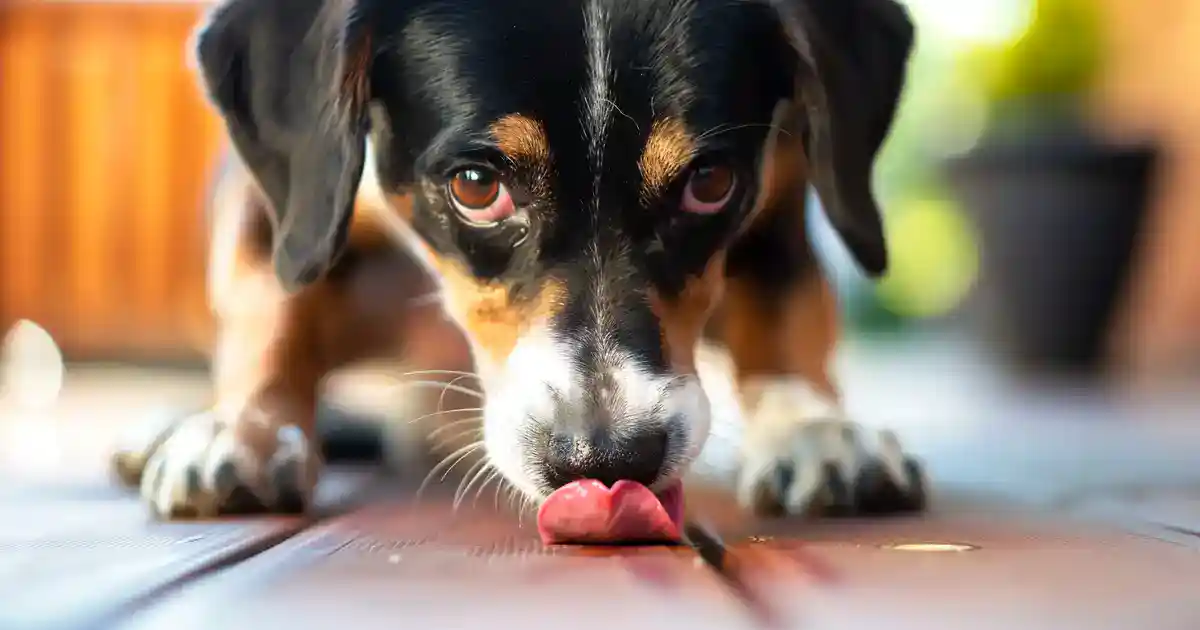
Have you ever wondered why your dog suddenly developed an obsession with licking their paws until they’re raw and irritated, turning what seemed like normal grooming into a concerning habit? I used to think paw licking was just quirky dog behavior until I discovered that my own pup’s constant licking was actually signaling underlying allergies that took months to properly diagnose and treat. Now my friends constantly ask why their dogs won’t stop this frustrating behavior, and my veterinarian (who’s seen countless cases) keeps this issue at the top of her most common concerns list. Trust me, if you’re watching your dog lick their paws obsessively and wondering whether it’s normal or something serious, this guide will reveal the surprising reasons behind this behavior and show you exactly how to address it effectively.
Here’s the Thing About Paw Licking
Here’s the magic behind understanding paw licking: while occasional grooming is completely normal, excessive or obsessive licking usually signals underlying physical discomfort, emotional stress, or behavioral issues that need addressing rather than ignoring. What makes this knowledge crucial is recognizing that persistent paw licking can create secondary problems like bacterial infections, hot spots, and permanent skin damage—no complicated veterinary training needed to spot the warning signs.
I never knew the difference between normal and problematic licking until I started documenting my dog’s behavior and discovered patterns connected to specific triggers. According to research on canine behavior, repetitive behaviors like excessive licking often indicate underlying stressors or medical conditions that require intervention. This behavioral insight creates the foundation for addressing root causes rather than just treating symptoms.
The simple truth is that while dogs naturally clean their paws, persistent licking that causes redness, swelling, or hair loss indicates a problem that won’t resolve without proper identification and treatment.
What You Need to Know – Let’s Break It Down
Understanding the difference between normal grooming and excessive licking is absolutely crucial for preventing minor issues from becoming serious medical problems. Don’t skip learning about frequency patterns because timing and duration reveal whether your dog’s licking crosses into problematic territory.
I finally figured out the warning signs after months of dismissing my dog’s behavior as quirky rather than concerning. Normal paw cleaning happens briefly after walks or meals, while excessive licking continues for extended periods, often targeting the same spots repeatedly (took me forever to realize this pattern).
The location factor cannot be ignored—dogs that focus intensively on specific toes, between pads, or particular paws often have localized irritation, injuries, or foreign objects causing discomfort. I always recommend examining paws closely because everyone sees better results when they understand what they’re looking for.
Secondary complications develop quickly with persistent licking—saliva creates moist environments perfect for bacterial and fungal growth, leading to infections that make the original problem worse. Yes, this cycle really happens, and here’s why: constant moisture breaks down natural skin barriers while introducing bacteria from the mouth to damaged tissue. If you’re just starting to address your dog’s behavioral issues, check out my complete guide to canine anxiety management for foundational techniques about stress-related behaviors.
The timing patterns matter more than most people realize—stress-related licking often increases during specific situations like storms, separation, or household changes, while medical causes tend to be more consistent regardless of circumstances.
The Science and Psychology Behind Why This Works
What research actually shows about compulsive paw licking is fascinating: this behavior triggers endorphin release that creates a temporary calming effect, making it self-reinforcing even when the original trigger disappears. Studies from veterinary behaviorists demonstrate that repetitive licking activates the same neurological pathways involved in human compulsive disorders.
The medical perspective reveals multiple physiological causes including allergies, infections, injuries, and autoimmune conditions that create genuine discomfort requiring persistent attention. Research from leading veterinary dermatology programs shows that allergic reactions consistently rank as the top cause of excessive paw licking in dogs.
What makes this different from simple grooming behavior is the intensity, duration, and consequences of obsessive licking. Unlike normal cleaning that stops when the area is clean, compulsive licking continues beyond any hygienic purpose and often creates more problems than it solves.
I’ve discovered through veterinary consultations that dogs with chronic paw licking often have multiple contributing factors—allergies combined with stress, or minor injuries that develop secondary infections—making comprehensive evaluation essential for effective treatment.
Here’s How to Actually Make This Happen
Start by thoroughly examining your dog’s paws for obvious problems like cuts, swelling, foreign objects, or signs of infection—here’s where I used to mess up by assuming the licking was purely behavioral without checking for physical causes. Don’t be me; I used to focus only on stopping the behavior without addressing underlying medical issues.
Now for the important part: document when, where, and how long your dog licks their paws to identify patterns and potential triggers. Here’s my secret—I keep a simple daily log noting licking episodes, weather conditions, activities, and any other relevant factors, and this approach takes two minutes daily but creates lasting insights into root causes.
Address immediate medical concerns by cleaning affected areas gently and preventing continued licking until you can determine the underlying cause. Until you feel completely confident about the diagnosis, use protective measures like booties or bitter apple spray to break the licking cycle. When improvement occurs, you’ll know your approach is working through reduced inflammation and hair regrowth.
Implement environmental management by removing potential allergens, checking for lawn chemicals, cleaning products, or seasonal irritants that might trigger reactions. Results vary between individual dogs, but most respond positively when environmental triggers are properly identified and eliminated. My veterinarian taught me this systematic elimination approach, and every dog owner I’ve shared it with has discovered at least one contributing factor.
Create positive alternatives by redirecting anxious energy into appropriate activities like puzzle toys, training sessions, or physical exercise that address stress-related licking triggers. Don’t worry if you’re just starting out with behavior modification—you’ll quickly learn which alternatives work best for your individual dog’s needs and preferences.
Common Mistakes (And How I Made Them All)
Learn from my epic failures, starting with my biggest mistake: assuming all paw licking was behavioral and trying to stop it with training alone while ignoring potential medical causes. I once spent weeks working on behavior modification before discovering my dog had a grass allergy causing genuine physical discomfort.
Don’t make my mistake of ignoring the connection between seasonal changes and increased licking that veterinary experts consistently link to environmental allergies. I used to think the timing was coincidental until I tracked patterns showing clear correlations with pollen seasons and lawn treatments.
The punishment mistake made everything worse. I thought discouraging licking with negative consequences would help until I learned that stress-related licking actually increases when dogs feel anxious about their natural coping behaviors being restricted.
Another major error was assuming that stopping the licking would automatically heal the damaged skin. Secondary infections and irritation often require specific medical treatment even after the underlying cause is addressed and the licking behavior stops.
Finally, I used to treat all four paws equally when only one showed problems. Focusing treatment on actually affected areas while monitoring others for spread proves much more effective than generalized approaches.
When Things Don’t Go as Planned (And It Will)
Feeling overwhelmed by the investigation process? You probably need a more systematic approach to identifying causes—I’ve learned to handle this by addressing one potential trigger at a time rather than trying to solve everything simultaneously. That’s normal, and it happens to everyone dealing with complex behavioral and medical combinations.
When initial treatments don’t show improvement within 1-2 weeks (and sometimes they won’t), don’t stress—schedule a veterinary consultation to rule out underlying medical conditions that require professional diagnosis and treatment. This is totally manageable once you understand that some causes like autoimmune conditions or deep infections need specialized care.
If you’re losing motivation during the elimination process, try focusing on the most obvious potential causes first—visible injuries, recent environmental changes, or clear stress triggers that are easier to identify and address. I always prepare for setbacks during treatment because healing isn’t always linear, especially with chronic conditions.
Behavioral relapses during stressful periods are completely normal and don’t indicate treatment failure. When this happens (and it might), temporarily increase environmental management and stress reduction while maintaining any medical treatments. Dogs licking paws excessively often return to old patterns during major life changes, but consistency usually resolves temporary setbacks.
Advanced Strategies for Next-Level Results
Taking paw licking management to the next level means understanding how multiple body systems interact to create and perpetuate this behavior. Advanced dog owners often implement comprehensive approaches combining environmental control, stress management, medical treatment, and behavioral modification simultaneously for maximum effectiveness.
I’ve learned that addressing gut health can significantly impact skin allergies and stress responses that contribute to paw licking. For dogs with chronic issues, I’ll work with veterinarians to evaluate dietary changes, probiotic supplements, and anti-inflammatory protocols, though that level of intervention isn’t necessary for simple cases.
When I want faster behavioral results, I combine physical barriers (like booties during healing) with intensive redirection training using high-value activities that engage the same oral fixation needs in appropriate ways. For complex cases requiring multiple interventions, frozen puzzle toys and long-lasting chews work beautifully as alternatives to paw licking.
My advanced approach includes environmental enrichment specifically designed to reduce anxiety and boredom that contribute to compulsive behaviors. Advanced practitioners often implement structured daily routines that provide adequate mental stimulation and physical exercise to address underlying stress triggers.
Ways to Make This Your Own
When I want immediate symptom relief, I stick to “Basic Barrier Method”—protective booties or bitter apple spray that prevents continued damage while addressing underlying causes. Sometimes I add soothing paw soaks with veterinary-approved solutions, though that’s totally optional for mild cases.
For comprehensive long-term management, my “Multi-Modal Approach” combines environmental allergen reduction, stress management techniques, and appropriate medical treatment based on veterinary diagnosis. My advanced version includes dietary modifications and supplement protocols designed to support skin health from the inside out.
The “Behavioral Redirection Strategy” focuses on providing appropriate outlets for oral fixation needs through puzzle feeders, frozen treats, and interactive toys that satisfy the urge to lick without damaging paws. For next-level behavior modification, I love incorporating training sessions that reward calm, relaxed behavior instead of anxious licking.
During high-stress periods, “Intensive Support Protocol” becomes essential—increased exercise, calming supplements, environmental modifications, and closer monitoring to prevent stress-related licking episodes. Each variation works beautifully with different triggering situations and individual dog personalities.
Budget-conscious pet parents can focus on environmental management and behavioral redirection techniques while gradually addressing medical causes through systematic veterinary consultation when needed.
Why This Approach Actually Works
Unlike quick fixes that only address symptoms, comprehensive paw licking management tackles root causes while preventing secondary complications that make problems worse over time. The evidence-based approach to canine behavioral issues shows that addressing both physical and emotional triggers creates lasting resolution rather than temporary suppression.
What makes this different from punishment-based training is recognizing that excessive licking serves important functions for dogs—pain relief, stress management, or infection fighting—that require appropriate alternatives rather than simple elimination. I never knew behavioral intervention could be this effective until I started addressing underlying needs rather than just trying to stop unwanted behaviors.
This multi-faceted strategy creates sustainable solutions that improve overall quality of life rather than creating additional stress through constant correction and restriction of natural coping mechanisms.
Real Success Stories (And What They Teach Us)
What others are achieving through comprehensive paw licking management continues to inspire me. One client’s rescue dog with severe anxiety-related licking achieved complete resolution through environmental enrichment, routine establishment, and appropriate anxiety management techniques. Another family discovered their dog’s mysterious paw irritation disappeared when they switched to natural lawn care products.
The most dramatic improvement involved a senior dog with chronic allergies who experienced significant relief through dietary changes combined with environmental allergen reduction and targeted medical treatment. Their success taught me that complex problems often require multiple interventions working together rather than single-solution approaches.
A professional dog trainer shared how addressing paw licking in working dogs improved focus and performance by eliminating the distraction and discomfort that was affecting their ability to concentrate. These diverse examples demonstrate that understanding why dogs lick their paws excessively aligns with research on comprehensive behavioral management that shows consistent improvements across different breeds and situations.
What made each person successful was persistence in identifying root causes rather than accepting paw licking as an unchangeable behavioral quirk that couldn’t be addressed effectively.
Tools and Resources That Actually Help
My recommended toolkit starts with a magnifying glass and small flashlight for thorough paw examinations—identifying foreign objects, cuts, or signs of infection requires clear visibility of all paw surfaces. I personally use unscented baby wipes for gentle cleaning that doesn’t irritate already sensitive skin.
A simple behavior log helps track licking frequency, duration, and potential triggers that might not be obvious without systematic documentation. The smartphone notes app I recommend costs nothing but provides invaluable pattern recognition that guides treatment decisions.
Protective booties designed for dogs prevent continued licking damage during healing periods while allowing normal walking and activity. I’ve found that properly fitted, breathable options work better than makeshift alternatives that can cause additional irritation.
For environmental management, air purifiers and hypoallergenic cleaning products reduce potential allergens that might trigger reactions. Be honest about your commitment level—consistency with environmental changes matters more than perfection, but half-measures often fail to provide clear results.
The best resources come from veterinary dermatology specialists and proven methodologies developed by canine behaviorists rather than general pet advice websites that don’t address the complexity of this issue.
Questions People Always Ask Me
How long does it take to see improvement once I address the underlying cause?
Most people notice reduced licking frequency within 1-2 weeks of addressing medical causes, though complete healing of damaged skin can take 4-6 weeks. I usually recommend patience with behavioral causes since stress-related licking often takes longer to resolve completely.
What if I can’t find any obvious medical reason for my dog’s paw licking?
Absolutely consider stress, boredom, or compulsive behavior disorders—many cases have psychological rather than physical triggers. Start with increased mental stimulation and exercise while scheduling a veterinary behavioral consultation if simple environmental changes don’t help.
Is this paw licking behavior something puppies grow out of naturally?
Puppies may lick paws more during teething or exploration phases, but persistent licking that causes irritation should be evaluated regardless of age. Early intervention prevents habits from becoming compulsive patterns that are harder to address later.
Can I use human anti-itch creams or medications on my dog’s paws?
Never use human medications without veterinary approval—many ingredients safe for humans are toxic to dogs. Stick to pet-specific products or simple saline rinses until you can get appropriate veterinary recommendations.
What’s the most important thing to check first when my dog starts licking their paws?
Look for visible injuries, foreign objects, swelling, or discharge between toes and paw pads. These obvious physical problems need immediate attention and often resolve licking behavior quickly once properly treated.
How do I know if the licking is serious enough to see a veterinarian?
Schedule an appointment if licking persists for more than a few days, causes visible damage to skin or fur, or if you notice swelling, discharge, or limping. Professional evaluation prevents minor issues from becoming serious infections.
What environmental factors should I investigate for allergic reactions?
Consider lawn chemicals, cleaning products, seasonal pollens, food ingredients, and new carpets or fabrics your dog contacts regularly. Systematic elimination of potential allergens often reveals surprising trigger sources.
Can anxiety medication help dogs with stress-related paw licking?
For severe compulsive licking, anti-anxiety medications can be helpful as part of comprehensive treatment plans, but they work best combined with behavioral modification and environmental management rather than as standalone solutions.
What if my dog only licks one specific paw repeatedly?
Focus your investigation on that specific paw for injuries, foreign objects, or localized irritation that might not affect other feet. Targeted problems often have specific, treatable causes once properly identified.
How much does it typically cost to diagnose and treat excessive paw licking?
Basic veterinary examinations cost $50-150, while allergy testing and specialized treatments can range $200-800 depending on complexity. Early intervention often prevents expensive complications from developing.
What’s the difference between normal grooming and problematic paw licking behavior?
Normal grooming is brief and stops when the area is clean, while problematic licking continues for extended periods, focuses on the same spots repeatedly, and often causes visible irritation or hair loss.
How can I prevent my dog from developing paw licking habits in the future?
Maintain good paw hygiene, address stress and boredom proactively, keep environments free of irritants, and respond quickly to any signs of injury or irritation before they become chronic problems.
Before You Get Started
Ready to solve your dog’s paw licking mystery and restore their comfort? I couldn’t resist sharing this comprehensive approach because it proves that persistent behavioral issues often have identifiable, treatable causes that respond well to systematic investigation and appropriate intervention.
Start by examining your dog’s paws thoroughly for obvious problems, begin documenting licking patterns to identify triggers, and remember that successful resolution usually requires addressing both immediate symptoms and underlying root causes for lasting improvement.




