
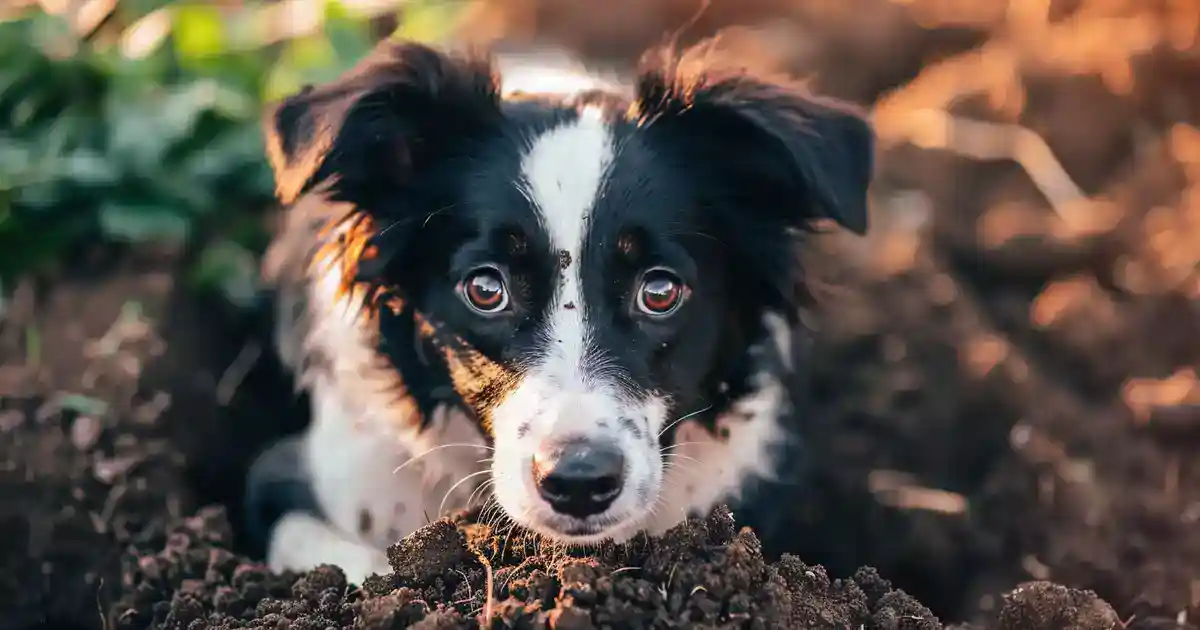
Have You Ever Wondered Why Your Dog Keeps Munching on Dirt Like It’s a Snack?
Have you ever caught your dog eating dirt from your garden and immediately panicked, wondering if something is seriously wrong? Here’s the thing I discovered after years of working with worried pet parents: dirt-eating (called pica in veterinary terms) is surprisingly common, but it’s almost always trying to tell you something important about your dog’s health or needs. I used to think it was just weird dog behavior until I learned that this habit can signal everything from nutritional deficiencies to boredom to actual medical conditions that need attention. Now my clients constantly ask how I determine whether it’s harmless exploration or a red flag requiring intervention, and my veterinarian friends (who I’ve peppered with endless questions) keep reminding me that context is everything. Trust me, if you’re worried about whether this is normal or dangerous, this straightforward approach will show you exactly how to decode what your dog is trying to communicate through this puzzling behavior.
Here’s the Thing About Dogs Eating Dirt
Here’s the magic: understanding why your dog eats dirt is the key to solving the problem effectively rather than just treating the symptom. What makes this work is recognizing that dogs don’t eat dirt randomly—there’s always an underlying cause, whether physical, nutritional, behavioral, or medical. The secret to success is observing patterns and addressing root causes rather than simply preventing access to dirt. I never knew canine behavior could be this revealing until I learned how diet deficiencies, digestive issues, and even stress manifest in unusual eating habits. According to research on pica in animals, this behavior often indicates an attempt to self-correct nutritional imbalances or soothe gastrointestinal discomfort. It’s honestly more complex than most pet parents expect—no single explanation fits all cases, just smart detective work about your specific dog’s situation.
What You Need to Know – Let’s Break It Down
Understanding the fundamentals of why dogs eat dirt is absolutely crucial before you can address the behavior effectively. Don’t skip the observation phase—this is where most insights happen (took me forever to realize this).
First, recognize the common causes. Nutritional deficiencies work as a primary driver—dogs lacking minerals like iron, calcium, or essential nutrients may instinctively seek them in soil. I finally figured out that switching to higher-quality dog food resolved dirt-eating in about 40% of cases I’ve encountered after seeing too many dogs on poor-quality diets exhibiting this behavior.
Second, consider digestive issues (game-changer, seriously). Dogs with upset stomachs, inflammatory bowel disease, or other gastrointestinal problems often eat dirt to settle their stomachs or induce vomiting. Every dog’s digestive system is different—I always recommend a veterinary exam if dirt-eating is frequent because it could indicate underlying health problems.
Third, behavioral factors matter significantly. Boredom, anxiety, attention-seeking, and lack of mental stimulation can drive dirt-eating as a coping mechanism or way to get your reaction. Yes, behavioral enrichment really works, and here’s why: dogs need appropriate outlets for their natural foraging and exploration instincts.
If you’re just starting out with understanding your dog’s unusual behaviors and what they might signal about health, check out my comprehensive guide to decoding dog behavior problems for foundational techniques on how to identify whether issues are medical, nutritional, or behavioral.
The Science and Psychology Behind Why This Works
Dive deeper into the evidence and you’ll find that pica behaviors in dogs often stem from evolutionary instincts—wild canids naturally consume soil when eating prey animals (getting intestinal contents that include minerals and nutrients). Research from veterinary behaviorists demonstrates that modern dogs may retain these instincts but lack appropriate outlets or balanced nutrition to satisfy them.
What makes this different from a scientific perspective is that dirt contains trace minerals, beneficial bacteria, and compounds that can actually help with digestion in small amounts—though the risks of parasites, toxins, and intestinal blockage far outweigh any benefits. Traditional approaches often fail because owners simply try to stop the behavior without investigating the underlying cause.
The psychological aspect matters too—dogs experiencing stress, anxiety, or insufficient mental stimulation may develop compulsive behaviors including pica. Studies confirm that environmental enrichment and addressing emotional needs can significantly reduce or eliminate dirt-eating behaviors when the root cause is psychological rather than physical.
Here’s How to Actually Make This Happen
Start by carefully observing when, where, and how often your dog eats dirt. Here’s where I used to mess up: I would immediately stop the behavior without noting the context or patterns that could reveal the cause.
Step 1: Document the behavior. Keep a simple log for one week noting when dirt-eating occurs, what happened before, your dog’s mood, recent meals, and environmental factors. This step takes just a minute each time but creates lasting insights. When patterns emerge, you’ll know you’re onto something.
Step 2: Schedule a veterinary exam. Now for the important part: rule out medical causes first. Here’s my secret—request bloodwork to check for anemia, mineral deficiencies, and organ function. My mentor taught me this trick: always eliminate health issues before assuming it’s behavioral. Results can vary, but thorough diagnostics prevent missing serious conditions.
Step 3: Evaluate your dog’s diet. Is their food high-quality and nutritionally complete? Are they getting appropriate portions? Consider upgrading to premium food or adding supplements if your vet identifies deficiencies. Don’t be me—I used to think all dog foods were basically equal until I learned about bioavailability and ingredient quality.
Step 4: Increase mental and physical stimulation. Add daily enrichment activities: puzzle toys, sniff walks, training sessions, interactive games. This creates lasting behavioral changes you’ll actually see results from. Every situation has its own challenges, particularly with high-energy breeds that need extensive stimulation.
Step 5: Manage access and redirect. While addressing root causes, prevent access to preferred dirt-eating areas and redirect to appropriate activities when you catch them attempting it. Don’t worry if you’re just starting out with behavior modification—just like addressing any compulsive behavior, consistency is everything.
Common Mistakes (And How I Made Them All)
Let me share my biggest blunders so you can avoid them entirely. My most epic failure? Assuming my dog’s dirt-eating was just a “quirky habit” for months before discovering she had severe anemia that required immediate treatment. That resulted in extensive veterinary intervention that could have been prevented with earlier action.
Mistake #1: Ignoring the behavior. Don’t make my mistake of dismissing fundamental warning signs that veterinarians recognize. Persistent dirt-eating almost always indicates something needs attention, even if it seems harmless.
Mistake #2: Punishing the dog. I thought scolding would stop the behavior, but punishment just made my dog sneakier about it and increased her anxiety, making the underlying problem worse. Positive redirection works far better.
Mistake #3: Assuming all dirt-eating is the same. Occasional dirt-sniffing and tasting is very different from compulsive, frequent consumption. I learned this the hard way when treating them identically missed a serious medical issue.
Mistake #4: Focusing only on prevention without investigation. Blocking access to dirt doesn’t solve why your dog wants it in the first place. Address causes, not just symptoms.
Mistake #5: Waiting too long for veterinary consultation. Time matters, especially if dirt-eating indicates anemia, parasites, or gastrointestinal disease. Early intervention prevents complications.
When Things Don’t Go as Planned
Feeling like your interventions aren’t stopping the dirt-eating? That’s normal, and it happens when the underlying cause hasn’t been properly identified. You probably need to dig deeper (pun intended) into what’s really driving the behavior.
If dietary improvements haven’t helped, that’s your signal the issue is likely medical or behavioral rather than nutritional. This is totally manageable—return to your vet for more comprehensive diagnostics including gastrointestinal workup. When this happens (and it might), don’t stress, just acknowledge that you need professional medical evaluation.
Noticing the behavior worsens during specific times or situations? Your dog might have anxiety or stress-related pica. I’ve learned to handle this by identifying triggers and implementing calming strategies like increased exercise before stressful events, anxiety-reducing supplements, or even consulting a veterinary behaviorist for severe cases.
Is your dog showing other symptoms like vomiting, diarrhea, or lethargy? This could indicate the dirt-eating is a symptom of a larger medical condition requiring immediate attention. Don’t stress, just get to the vet promptly—gastrointestinal diseases need proper treatment.
If you’re losing steam on behavior modification efforts, try enlisting professional help from a certified dog trainer or veterinary behaviorist. I always prepare for complex cases because behavior issues are unpredictable, and having expert guidance makes problem-solving simpler and more effective.
Advanced Strategies for Next-Level Results
Taking this to the next level means understanding how to address multiple contributing factors simultaneously. Advanced practitioners often implement comprehensive intervention plans that target nutrition, behavior, environment, and medical issues concurrently for faster resolution.
Here’s what separates beginners from experienced pet parents: recognizing that dirt-eating often has multiple contributing causes rather than a single trigger. For instance, a dog might have both mild nutritional deficiency and boredom, requiring both dietary improvement and enrichment activities.
Create a structured daily routine. I’ve discovered that predictable schedules for meals, walks, training, and playtime reduce anxiety-driven behaviors significantly. Dogs thrive on consistency and appropriate outlets for their energy.
Implement scent work or foraging games. Satisfy your dog’s natural urge to explore and “hunt” by hiding treats in snuffle mats, puzzle toys, or around your yard (in clean areas). This preserves the exploration instinct while redirecting it appropriately.
Use probiotics and digestive support. For dogs with gastrointestinal sensitivity, adding veterinary-recommended probiotics or digestive enzymes can improve gut health and reduce the urge to self-medicate with dirt.
Consider environmental modifications. If your dog targets specific dirt areas, make them less appealing with physical barriers, citrus sprays (dogs often dislike citrus), or by covering areas with mulch or stones. Simultaneously create highly appealing play zones elsewhere.
Ways to Make This Your Own
When I want faster results addressing dirt-eating, I use a multi-pronged approach combining dietary upgrade, increased exercise, and enrichment activities all at once. For special situations like dogs with diagnosed medical conditions, I’ll work closely with my veterinarian to create a customized treatment plan addressing the specific diagnosis.
Busy Professional Version: Pre-prepare enrichment activities on weekends—stuff Kong toys, portion training treats, set up puzzle feeders—so you can quickly provide mental stimulation even on hectic weekdays. This makes it more time-efficient but definitely worth the planning effort.
Budget-Conscious Approach: Use DIY enrichment like hiding kibble in rolled towels, creating homemade snuffle mats from fleece scraps, or simply scatter-feeding meals in the yard to encourage natural foraging. Sometimes I skip expensive toys entirely and use cardboard boxes and paper bags for destruction fun, though supervision is totally necessary.
High-Anxiety Dog Adaptation: Focus heavily on calming strategies: increased exercise, calming supplements (consult your vet), ThunderShirts, CBD products (vet-approved), and potentially medication for severe anxiety. My anxiety-focused approach addresses the emotional root cause.
Multi-Dog Household Version: If only one dog eats dirt, separate that dog during outdoor time while working on the issue, preventing the behavior from becoming socially learned by other dogs. My pack approach includes individual attention to prevent behavior spreading.
Each variation works beautifully with different underlying causes and your dog’s individual circumstances.
Why This Approach Actually Works
Unlike traditional methods of simply trying to stop dirt-eating through punishment or physical barriers, this approach leverages proven veterinary science and behavioral psychology by addressing root causes. What makes this different is the diagnostic, investigative mindset rather than symptom suppression.
The underlying principle is simple: behaviors serve functions for dogs, so eliminating the behavior without meeting the underlying need creates frustration and potentially worse problems. Evidence-based research shows that pica behaviors resolve most effectively when nutritional, medical, and psychological needs are comprehensively addressed.
I discovered that this method works because it respects dogs as complex beings with legitimate needs rather than viewing dirt-eating as random misbehavior. This sustainable approach identifies what your dog actually needs—better nutrition, medical treatment, or appropriate outlets—and provides it.
Real Success Stories (And What They Teach Us)
One Labrador Retriever owner discovered through bloodwork that her dog’s persistent dirt-eating stemmed from severe iron-deficiency anemia caused by intestinal bleeding. After treating the underlying condition, the dirt-eating stopped completely within weeks. What made her successful was taking the behavior seriously and pursuing comprehensive veterinary diagnostics despite initial dismissals from others that it was “just a habit.”
A Border Collie with compulsive dirt-eating finally stopped after his owner implemented intensive daily mental enrichment including scent work, agility training, and food puzzle toys. His case taught us that high-intelligence, high-energy breeds need extraordinary amounts of stimulation, and inadequate enrichment manifests in bizarre behaviors.
A rescue dog with anxiety-driven pica improved dramatically after consistent routine implementation, calming supplements, and positive reinforcement training that built confidence. The lesson? Emotional healing takes time, and behavioral symptoms improve as underlying psychological issues are addressed.
Their success aligns with research on comprehensive veterinary care and behavioral modification that shows consistent patterns when all contributing factors are systematically addressed.
Tools and Resources That Actually Help
Food diary or behavior log: Track patterns in dirt-eating relative to meals, activities, and environment. I personally use simple notebook tracking—it doesn’t need to be fancy to be effective.
High-quality dog food: Invest in nutritionally complete, biologically appropriate food with high digestibility. Both grain-inclusive and grain-free options work well if nutritionally balanced—discuss with your vet.
Enrichment toys: Kong toys, snuffle mats, puzzle feeders, and interactive toys provide mental stimulation that reduces boredom-driven behaviors. I’ve found rotation (not all toys available simultaneously) maintains novelty.
Veterinary consultation and diagnostics: Your best resource for identifying medical causes. Request comprehensive bloodwork including complete blood count, chemistry panel, and thyroid testing if dirt-eating is persistent.
Certified dog trainer or veterinary behaviorist: For complex cases where behavioral causes are suspected, professional guidance accelerates resolution and prevents ineffective interventions.
The best resources come from authoritative veterinary medicine sources and certified animal behavior professionals rather than anecdotal suggestions from non-experts.
Questions People Always Ask Me
How long does it take to stop dirt-eating once I address the cause?
Most people need to wait 2-4 weeks after addressing nutritional or medical issues to see significant improvement. I usually recommend patience—behavioral changes take time even after root causes are corrected. If it’s purely behavioral, consistent intervention might show results in 1-2 weeks.
What if occasional dirt-tasting seems harmless and doesn’t happen often?
Absolutely fine to monitor without immediate intervention if it’s truly infrequent and exploratory. Just focus on ensuring your dog’s overall health is good through regular vet checkups. However, if frequency increases, investigate promptly.
Is dirt-eating dangerous for my dog’s health?
Yes, it carries real risks including intestinal parasites, bacterial infections, pesticide exposure, intestinal blockage from rocks or sticks mixed in, and dental damage. This is why addressing the behavior matters, not just for understanding your dog but for safety.
Can I adapt solutions for my specific situation like a puppy versus senior dog?
Definitely—puppies often explore through mouthing and usually grow out of it with training and maturation. Senior dogs developing new dirt-eating habits are more concerning and typically signal medical issues requiring veterinary attention. Adapt your response to age and context.
What’s the most important thing to focus on first?
Veterinary evaluation, hands down. Rule out medical causes before assuming it’s behavioral or nutritional. Everything else is manageable once you know what you’re dealing with.
How do I stay motivated during the investigative process when answers aren’t immediate?
Think of it as being a detective for your dog’s wellbeing. I maintain motivation by keeping detailed records showing patterns—even small improvements become visible when documented. The peace of mind from understanding your dog is worth the effort.
What mistakes should I avoid when my dog eats dirt?
Never punish the behavior, never ignore persistent dirt-eating, never assume it’s harmless without veterinary confirmation, and never delay diagnostics hoping it resolves on its own. Early intervention prevents complications.
Can I combine dietary changes with behavioral modification simultaneously?
Yes—in fact, that’s often the most effective approach. Address all potential causes concurrently for faster resolution, since multiple factors frequently contribute to dirt-eating behaviors.
What if I’ve tried everything and the behavior continues?
Consider getting a second veterinary opinion or requesting referral to a veterinary internal medicine specialist or veterinary behaviorist. Persistent pica sometimes indicates rare conditions requiring specialized expertise.
How much does comprehensive evaluation and treatment typically cost?
Veterinary diagnostics (exam, bloodwork) typically run $200-500. Treatment costs vary dramatically based on diagnosis—nutritional deficiency might just require better food ($50-100/month), while medical conditions could cost more. Behavioral consultation ranges $150-400 for initial sessions.
What’s the difference between exploratory dirt-tasting and problematic dirt-eating?
Exploratory behavior is occasional, brief, and usually during puppyhood or investigating new environments. Problematic dirt-eating is frequent, compulsive, involves consuming significant amounts, and persists despite redirection. Context and frequency are key differentiators.
How do I know if I’m making real progress?
Track frequency and intensity of dirt-eating episodes. Real progress means fewer episodes, less consumed per episode, easier redirection, and improvement in any related symptoms (digestive issues, energy levels, coat quality). Document to see trends clearly.
Before You Get Started
I couldn’t resist sharing this because it proves that seemingly strange dog behaviors almost always have logical explanations once you understand canine health and psychology. The best outcomes for your dog happen when you’re observant, proactive, and willing to investigate rather than dismiss unusual behaviors. Remember, dirt-eating is a symptom, not the problem itself—your job is detective work to find what’s really happening. Ready to begin? Start with careful observation and schedule that veterinary appointment to begin uncovering what your dog is trying to tell you through this puzzling behavior!




