
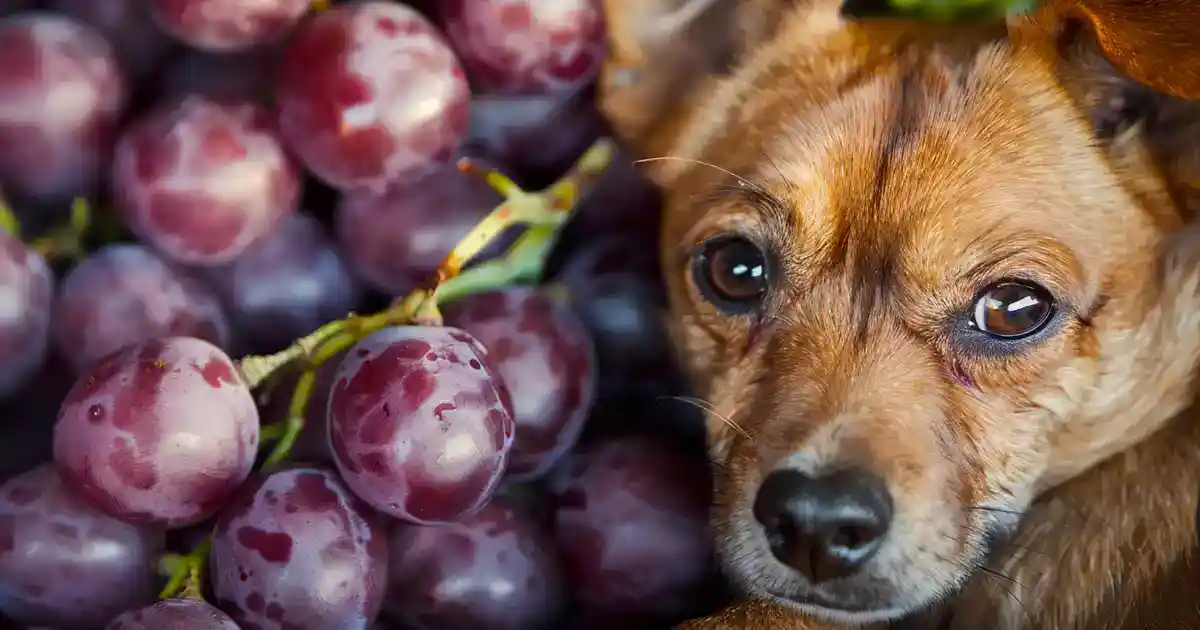
Have you ever dropped a grape while snacking and panicked when your dog gobbled it up before you could stop them? I used to think grapes were just another healthy fruit I could share with my pup, until I discovered the terrifying reality of grape toxicity that completely changed how I handle food around my dog. Now I’m hypervigilant about keeping grapes and raisins away from every dog I encounter, and I’ve learned exactly what to do if accidental ingestion happens. Trust me, if you’ve been confused about why this seemingly innocent fruit is actually one of the most dangerous foods for dogs, this guide will show you the life-threatening truth is more serious than you ever expected.
Here’s the Thing About Grape Toxicity
Here’s the reality: grapes and raisins can cause sudden, severe kidney failure in dogs, and scientists still don’t fully understand why some dogs experience catastrophic reactions while others seem unaffected. What makes this truly alarming is knowing that there’s no safe amount established—even a single grape has caused kidney failure in some dogs, while others have eaten handfuls with no apparent effect. I never knew something so common in human diets could be so unpredictably lethal to dogs. According to research on grape and raisin toxicity, the toxic substance remains unidentified despite extensive investigation, making prevention the only reliable protection. This unpredictability creates genuine danger because you cannot know whether your individual dog will be severely affected until it’s potentially too late. It’s honestly more frightening than I ever expected once you understand that no amount is proven safe, and immediate veterinary intervention is absolutely critical if ingestion occurs.
What You Need to Know – Let’s Break It Down
Understanding that the toxic agent in grapes remains unknown is absolutely crucial for grasping why this poisoning is so unpredictable. I finally figured out that without knowing what causes the toxicity, we can’t determine safe amounts, predict which dogs are vulnerable, or identify whether specific grape varieties are more dangerous (game-changer in terms of taking this seriously).
Don’t skip learning about acute kidney injury as the primary danger—this is what makes grape toxicity potentially fatal. I always emphasize that kidney damage can begin within hours of ingestion and may not show symptoms immediately, because everyone needs to understand the urgent timeline.
All forms of grapes are dangerous, but you’ll need to know that raisins are especially concentrated since they’re dehydrated grapes. Yes, baked goods, trail mix, and any product containing grapes or raisins poses the same risk and here’s why: cooking or processing doesn’t eliminate whatever causes the toxicity (took me forever to internalize this).
Individual susceptibility varies dramatically and unpredictably. If you’re building a comprehensive understanding of canine health, check out my guide to toxic foods dogs should never eat for foundational knowledge on protecting your pup from common dietary dangers.
The Science and Psychology Behind Why This Works
Research from leading veterinary toxicologists demonstrates that grape and raisin toxicity causes acute renal (kidney) failure through mechanisms that remain frustratingly unclear despite decades of investigation. The biological truth is that the toxic compound hasn’t been definitively identified—researchers have investigated pesticides, heavy metals, mycotoxins, and various grape compounds without conclusive results.
Studies confirm that affected dogs develop acute tubular necrosis (kidney cell death) leading to complete kidney failure if untreated. What makes this different from a scientific perspective is the mysterious individual variability—some dogs tolerate significant amounts while others experience life-threatening toxicity from minimal exposure, with no clear pattern based on breed, size, age, or previous exposure.
Traditional assumptions often fail because people think “natural” fruits must be safe or that small amounts couldn’t cause harm. The mental and emotional aspects matter too—understanding this unpredictable danger creates appropriate vigilance without paranoia, allowing you to protect your dog while maintaining a reasonably relaxed home environment by simply keeping grapes and raisins completely inaccessible.
Here’s How to Actually Make This Happen
Start by completely eliminating grapes and raisins from anywhere your dog can access them. Here’s where I used to mess up: keeping grapes in a fruit bowl on the counter, not realizing my dog could reach it when motivated.
Step 1: Remove all grape products from dog-accessible areas. Check for grapes, raisins, trail mix, raisin bread, grape juice, and any foods containing these ingredients. This step takes fifteen minutes but creates lasting safety in your home.
Step 2: Educate everyone in your household, especially children who might share snacks. Don’t be me—I used to assume everyone knew, then discovered my kid had been occasionally tossing grapes to our dog as treats. Now for the important part: clear, repeated education prevents accidental poisoning. When it clicks for everyone, you’ll know—grapes become automatically off-limits.
Step 3: Know the emergency protocol before you need it. Results depend on immediate action, so have your veterinarian’s number and the nearest emergency vet clinic information readily available. My mentor taught me this trick: program both into your phone under names you’ll find quickly during panic.
Step 4: If ingestion occurs, contact your veterinarian or animal poison control immediately—don’t wait for symptoms. Every situation has its own challenges, but the treatment window is narrow, and inducing vomiting within 2 hours significantly improves outcomes. Don’t worry about seeming paranoid—veterinarians would rather you call unnecessarily than wait too long.
Step 5: Never induce vomiting at home without veterinary guidance. This creates potential complications you’ll want to avoid because improper technique can cause aspiration pneumonia or other dangers. Just like other veterinary emergencies but with completely different protocols, grape toxicity becomes manageable when you follow proper emergency procedures immediately.
Common Mistakes (And How I Made Them All)
My biggest blunder? Thinking “just one grape” couldn’t possibly hurt because I’d heard stories of dogs eating many grapes without apparent problems. Don’t make my mistake of ignoring the documented cases where single grapes caused kidney failure—unpredictability means you cannot safely experiment or make assumptions.
I also fell into the trap of not taking raisins seriously because they seemed less “fresh” and therefore somehow less dangerous. Speaking from experience, raisins are actually more concentrated and potentially more toxic per piece than grapes, making them especially dangerous in foods where they’re easy to overlook.
Another epic failure: keeping grapes accessible because “my dog isn’t interested in them,” not understanding that food interest can change instantly and unexpectedly. The resulting close call taught me that prevention means complete elimination, not just hoping your dog won’t be curious.
The mindset mistake I made was comparing my dog to others who’d eaten grapes without problems, assuming my dog would be similarly resilient. Sometimes individual susceptibility creates vastly different outcomes, and you discover your dog’s vulnerability only after it’s too late. The tactical error? Not educating houseguests and pet sitters thoroughly about this specific danger, assuming general “no people food” instructions covered it.
When Things Don’t Go as Planned
Your dog ate a grape and you’re panicking? Call your veterinarian or animal poison control immediately—right now, not after reading this entire section. Time is critical, and professional guidance determines the appropriate response based on amount consumed, time since ingestion, and your dog’s specifics.
Progress monitoring after treatment requires vigilance. I’ve learned to handle recovery by following veterinary instructions precisely regarding fluid therapy, kidney function monitoring through blood tests, and dietary modifications. When complications occur (and they can), maintaining close veterinary communication makes all the difference.
Don’t stress if your vet recommends hospitalization—this is standard protocol for grape ingestion because IV fluids and kidney function monitoring require clinical settings. This is totally manageable with modern veterinary care, though it’s expensive and stressful, reinforcing why prevention matters so much.
If you’re feeling guilty after an accidental exposure, understand that accidents happen despite best intentions. Evidence-based response and learning from the incident can help prevent future occurrences while your dog receives the urgent care they need.
Advanced Strategies for Next-Level Results
Advanced prevention protocols often include training dogs to refuse food from the ground or unknown sources. I’ve discovered that solid “leave it” and “drop it” commands provide additional protection layers when prevention measures fail or during situations outside your controlled environment.
For multi-pet households or homes with children, targeted management strategies make a significant difference. Color-coded containers, designated dog-free snacking zones, and consistent family protocols reduce accidental exposure risks. When and why to implement these strategies depends entirely on your household’s specific risk factors and supervision capabilities.
What separates beginners from experts is understanding comprehensive household management that extends beyond just avoiding grapes. I’ve learned that teaching everyone in the household about multiple toxic foods simultaneously creates better overall safety culture than addressing dangers individually as incidents occur.
Different household types require different approaches: homes with young children need more stringent physical barriers, multi-dog households require careful feeding supervision, and homes with frequent guests benefit from visible reminder signs and brief educational moments for visitors.
Ways to Make This Your Own
When I want maximum safety assurance, I use the Zero Tolerance Protocol that eliminates all grape products from my home entirely, choosing alternative fruits for the whole family. This makes it more restrictive but definitely worth it for complete peace of mind.
For special situations with children who love grapes, I’ll switch to the Designated Zone Approach where grapes are consumed only in specific dog-free areas with immediate cleanup. My busy household version focuses on simplified fruit choices that everyone can safely share—apples, bananas, and blueberries replace grapes entirely.
During holiday seasons when fruit baskets and baked goods appear, my approach includes extra vigilance and immediate inspection of any food gifts. Sometimes I add redundant safety measures like baby gates during meal times, though that’s totally optional—they just provide additional barriers when household activity levels increase.
For next-level protection, I love the Comprehensive Education Method that ensures every household member, pet sitter, dog walker, and regular visitor understands this specific danger. My budget-conscious version includes prevention rather than relying on expensive emergency veterinary care after incidents.
Each variation works beautifully with different living situations—apartment dwellers might rely more on strict household education, while families with yards need protocols for outdoor eating and dropped food management.
Why This Approach Actually Works
Unlike casual approaches that minimize grape danger or rely on luck, this framework leverages proven toxicological principles that prioritize prevention since treatment options are limited and outcomes uncertain. The underlying reality recognizes that without understanding the toxic mechanism or predicting individual susceptibility, absolute avoidance is the only reliable protection.
What sets this apart from other strategies is the combination of acknowledging scientific uncertainty while implementing practical safeguards. We don’t need to fully understand why grapes are toxic to know they definitely are toxic to at least some dogs with potentially fatal consequences.
Research shows that early intervention dramatically improves outcomes when exposure occurs—dogs treated within 2 hours have significantly better prognoses than those who reach veterinary care after symptoms develop. I discovered through veterinary colleagues that this works because kidney damage progresses rapidly once initiated, making the narrow treatment window absolutely critical. This evidence-based, precautionary, and uncompromising approach creates genuine protection for dogs whose individual vulnerability remains unknown until potentially too late.
Real Success Stories (And What They Teach Us)
One family I know rushed their dog to the emergency vet within 30 minutes of witnessing grape ingestion—aggressive treatment including induced vomiting, activated charcoal, and 48-hour IV fluid therapy resulted in complete recovery with no kidney damage. What made them successful was immediate action without waiting for symptoms, which often don’t appear until kidney damage has progressed.
Another friend discovered her dog had consumed an entire container of raisins hours earlier when she found the empty package. Despite the delay and significant quantity consumed, intensive hospitalization with IV fluids and kidney support for five days resulted in survival, though with some permanent kidney function reduction. The lesson here? Even delayed treatment sometimes saves lives, so never assume it’s “too late” to seek care.
I’ve seen a child-proofing strategy save a puppy’s life when a toddler dropped grapes during snack time—the baby gate preventing the puppy from accessing the eating area meant no exposure despite the spill. Different preventive approaches work, but this taught me that physical barriers provide reliable protection when human behavior is unpredictable.
Their experiences align with veterinary toxicology research that shows consistent patterns: immediate intervention provides the best outcomes, but even delayed treatment offers survival chances, making veterinary consultation critical regardless of timing. The variability in individual cases reinforces that you cannot predict your dog’s response.
Tools and Resources That Actually Help
ASPCA Animal Poison Control Center (888-426-4435) provides 24/7 professional guidance for toxic exposures. I keep this number programmed in my phone because calling true experts immediately makes all the difference during emergencies.
Pet first aid apps with toxic food databases help identify dangers in real-time when you’re unsure. Honestly, these free resources changed everything about my confidence handling unexpected situations with food around my dog.
Secure food storage containers with locks or dog-proof mechanisms prevent curious dogs from accessing dangerous foods. I learned that standard containers often fail against determined dogs, making truly secure storage essential.
Emergency vet clinic information saved in multiple accessible locations ensures you don’t waste critical time searching during panic. The relationship with both your regular veterinarian and nearest emergency clinic provides seamless care during off-hours incidents.
The best resources come from veterinary toxicology databases and proven medical literature on grape toxicity management. Both preventive information and emergency protocols exist—prioritize guidance from veterinary toxicologists and poison control specialists over anecdotal stories about dogs who “were fine” after eating grapes.
Questions People Always Ask Me
Why can’t dogs have grapes when they seem so harmless?
Grapes and raisins contain an unidentified toxic substance that causes acute kidney failure in dogs. Despite appearing harmless to humans, they’re among the most dangerous foods for dogs because the toxicity is unpredictable, potentially severe from even small amounts, and creates irreversible kidney damage if untreated.
How many grapes are toxic to dogs?
There’s no established safe amount—toxicity varies unpredictably by individual dog. Cases of kidney failure have occurred from as few as 4-5 grapes in a 20-pound dog, while some dogs have consumed much larger quantities without apparent harm. Because we cannot predict individual susceptibility, no amount should be considered safe.
What happens if my dog eats one grape?
Even a single grape could potentially cause kidney failure in susceptible dogs, though outcomes vary widely. Contact your veterinarian or animal poison control immediately regardless of amount consumed. They’ll guide you based on your dog’s size, time since ingestion, and other factors to determine whether inducing vomiting or other interventions are necessary.
Are raisins more dangerous than grapes?
Raisins are concentrated dried grapes, potentially making them more toxic per piece since the water has been removed. Both are equally dangerous in principle, but raisins’ smaller size means dogs can consume more quickly, and they’re often hidden in baked goods where owners don’t notice them.
What are the symptoms of grape poisoning in dogs?
Initial symptoms within 6-12 hours include vomiting, diarrhea, lethargy, loss of appetite, and abdominal pain. As kidney failure develops over 24-72 hours, symptoms progress to decreased urination, increased thirst, weakness, and potentially seizures or coma. However, waiting for symptoms wastes the critical early treatment window.
Can some dog breeds eat grapes safely?
No breed has been proven safe from grape toxicity. While individual dogs of any breed might tolerate grapes without apparent harm, no breed-specific immunity exists. The unpredictable nature means every dog should avoid grapes regardless of breed, size, or previous exposure history.
How long after eating grapes will a dog show symptoms?
Symptoms typically begin within 6-12 hours but kidney damage progresses over 24-72 hours. Some dogs show no symptoms initially despite developing kidney failure. This is why immediate veterinary contact is critical—waiting for symptoms means waiting until kidney damage has already begun.
What should I do immediately if my dog eats grapes?
Call your veterinarian or ASPCA Animal Poison Control (888-426-4435) immediately. Do not wait for symptoms. If instructed, bring your dog to the vet right away—treatment is most effective within the first 2 hours and may include induced vomiting, activated charcoal, and IV fluid therapy to prevent kidney damage.
Are there safe fruit alternatives to grapes for dogs?
Yes, many fruits are safe for dogs including apples (without seeds), bananas, blueberries, strawberries, watermelon (without seeds or rind), and cantaloupe. These provide healthy treats without the unpredictable danger grapes pose, making them better choices for sharing with your pup.
Can dogs develop immunity to grapes over time?
No, and previous tolerance doesn’t guarantee future safety. Some dogs have eaten grapes without problems initially, then developed toxicity from later exposure. Never assume your dog is immune based on past experiences—every exposure carries unpredictable risk regardless of history.
How is grape toxicity treated in dogs?
Treatment involves inducing vomiting if recent ingestion, administering activated charcoal to bind toxins, and aggressive IV fluid therapy for 48-72 hours to support kidney function and prevent damage. Blood tests monitor kidney values, and hospitalization is typically required. Early treatment dramatically improves outcomes, but severe cases may require dialysis or have poor prognoses despite intervention.
Why don’t scientists know what makes grapes toxic to dogs?
Despite extensive research, the exact toxic compound remains unidentified. Investigators have ruled out pesticides, heavy metals, and many natural grape compounds. The mystery persists, possibly because multiple factors contribute or because the toxin is a rare compound not yet isolated. Regardless, the toxicity itself is well-documented even without understanding the mechanism.
Before You Get Started
I couldn’t resist sharing this because it proves that some dangers hiding in plain sight deserve absolute vigilance rather than casual awareness. The best protection for your dog happens when you treat grape toxicity with the seriousness it deserves—complete avoidance, immediate action if exposure occurs, and thorough education for everyone who interacts with your dog. Ready to begin? Start by removing all grape products from dog-accessible areas in your home right now, program your veterinarian’s number and animal poison control into your phone, and have a clear conversation with every household member about this specific danger—that simple prevention protocol alone could save your dog’s life when seconds count.




