
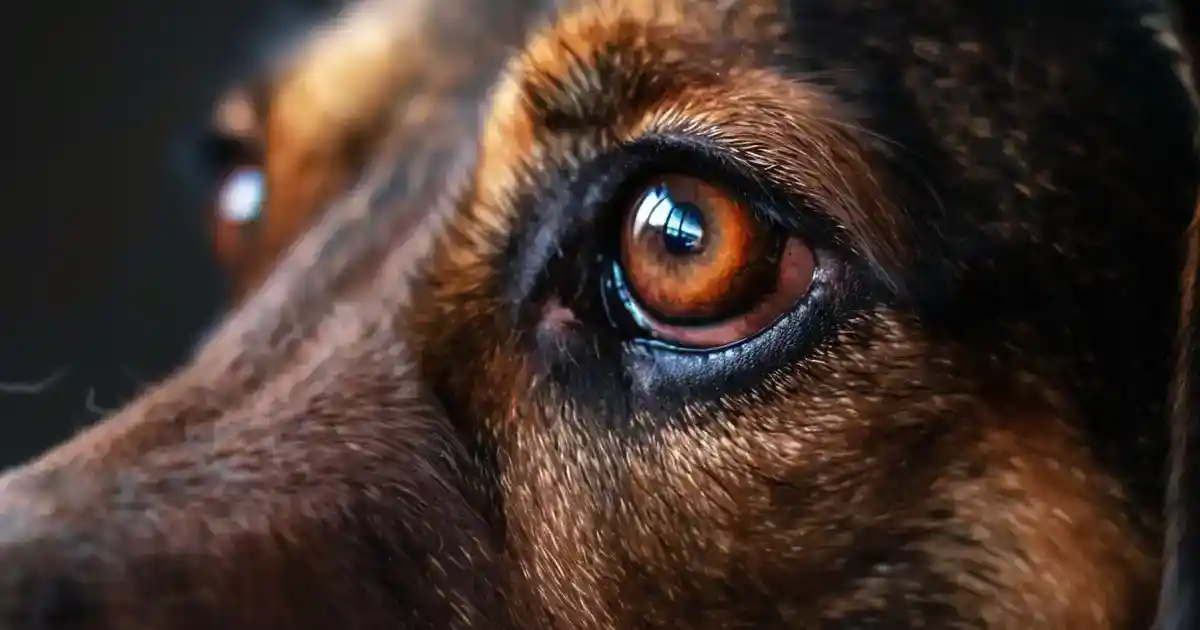
Have you ever looked at your dog and noticed their normally bright eyes looking red and irritated, leaving you wondering if it’s something minor or a serious emergency?
I’ll never forget the weekend morning I woke up to find my Golden Retriever’s eyes completely bloodshot—one moment she seemed fine, the next her eyes looked like something from a horror movie, sending me into full panic mode about whether I needed an emergency vet or if it would resolve on its own. Here’s the thing I discovered after multiple veterinary ophthalmology consultations and plenty of research: red eyes in dogs can signal everything from harmless environmental irritation to sight-threatening conditions that require immediate treatment, and the real game-changer is knowing which symptoms indicate “watch and wait” versus “get to the vet now.” Now my fellow dog owners constantly ask how I determine when red eyes are serious versus when they’ll clear up naturally, and my veterinarian (who initially thought I was overreacting) keeps praising my ability to recognize genuinely concerning symptoms versus temporary irritation. Trust me, if you’re worried about infections, injuries, glaucoma, or whether you’re missing something critical, this comprehensive guide will show you exactly what causes red eyes, which warning signs demand immediate attention, and how to provide first aid while determining next steps—it’s more important and time-sensitive than you ever expected.
Here’s the Thing About Red Eyes in Dogs
The secret to understanding canine eye redness is recognizing that “red eyes” isn’t a single condition but rather a symptom with dozens of potential causes ranging from benign (dust irritation, mild allergies) to vision-threatening emergencies (glaucoma, corneal ulcers, uveitis) that require treatment within hours to prevent permanent blindness. What makes red eyes particularly concerning is that dogs can’t tell us about pain, vision changes, or how long symptoms have been developing, meaning owners must recognize subtle accompanying signs that differentiate minor irritation from serious disease. I never knew eye problems could progress this rapidly until I learned that acute glaucoma can destroy vision within 24-48 hours if untreated, while some infections spread from the eye to the brain if ignored. This combination of multiple possible causes, rapid progression potential, and inability for dogs to communicate symptoms creates genuine urgency for proper assessment. It’s honestly more complex than I ever expected, and delaying appropriate veterinary care for serious conditions can mean the difference between treatment success and permanent vision loss. According to research on veterinary ophthalmology, understanding the anatomy and common diseases of animal eyes helps pet owners recognize abnormalities early when treatment outcomes are most favorable and before irreversible damage occurs.
What You Need to Know – Let’s Break It Down
Understanding the different types and patterns of eye redness is absolutely crucial—we’re talking about distinguishing between blood vessels visible in the white of the eye, pink inner eyelids, bloodshot appearance throughout, or localized red spots. Don’t skip learning these distinctions because the pattern of redness helps identify the underlying cause (took me forever to realize this).
Conjunctivitis (pink eye) causes widespread redness and works as one of the most common culprits—bacterial, viral, or allergic inflammation of the membrane lining the eyelids and covering the white part of the eye. I finally figured out that discharge color matters significantly: clear or white suggests allergies or viral causes, while yellow-green discharge indicates bacterial infection requiring antibiotics.
Dry eye (keratoconjunctivitis sicca) creates chronic redness—seriously game-changing to understand this progressive condition. Insufficient tear production leaves eyes dry, irritated, and prone to infection and scarring. I always recommend veterinary evaluation for persistent redness because dry eye requires lifelong medication to prevent blindness, and early treatment preserves vision better.
Glaucoma is the terrifying emergency that can present with red eyes alongside eye pain, cloudiness, dilated pupil, and vision loss. Yes, glaucoma really is a race against time, and here’s why: increased intraocular pressure damages the optic nerve irreversibly within hours to days. Most people need to understand that any sudden eye redness accompanied by squinting, cloudiness, or apparent pain requires same-day veterinary evaluation—you cannot wait to “see if it gets better.”
Corneal ulcers cause intense redness and pain from scratches, foreign bodies, or inadequate tear film protection exposing the corneal surface. If you’re dealing with sudden eye redness in your dog, check out my guide to canine emergency symptoms for foundational information on recognizing urgent versus non-urgent conditions across multiple body systems.
The Science and Psychology Behind Why This Works (Or Doesn’t)
Canine eyes function similarly to human eyes but with anatomical differences that create unique vulnerabilities—prominent eyes in brachycephalic breeds, active nictitating membranes (third eyelids), and behavioral factors like digging and rough play that increase injury risk. Research from leading veterinary ophthalmology departments demonstrates that eye redness results from vasodilation (blood vessel expansion) in response to inflammation, irritation, increased pressure, or immune responses—the redness itself is a symptom, not a disease. What makes this different from a scientific perspective is that the underlying cause determines appropriate treatment—antihistamines work for allergies but worsen dry eye, while delaying glaucoma treatment by even one day can mean permanent vision loss that no subsequent treatment can reverse.
The psychological aspect matters because dogs experiencing eye pain often show subtle behavioral changes that owners misinterpret—decreased playfulness attributed to “getting older,” reluctance to go outside blamed on weather, or increased sleep explained as laziness may actually reflect vision problems or discomfort. I’ve learned that understanding these behavioral clues as potential symptoms rather than personality changes helps identify problems earlier. Traditional approaches of “waiting to see if it gets better” often fail with eye conditions because many progress rapidly, and the window for successful treatment closes quickly. Experts at veterinary teaching hospitals confirm that eye emergencies require immediate evaluation—hours matter for preserving vision in many conditions, making the “wait and see” approach potentially devastating for time-sensitive diseases.
Here’s How to Actually Assess and Respond
Start by systematically examining both eyes in good lighting—here’s where I used to mess up by only looking at the obviously red eye without comparing to the other side (comparison reveals subtle changes). Note whether redness affects one or both eyes, since bilateral (both eyes) suggests systemic issues like allergies while unilateral (one eye) points toward injury, infection, or localized disease.
Check for emergency warning signs immediately: Don’t be me—I used to think any vet visit could wait until normal business hours (dangerous assumption for eyes). Signs requiring same-day or emergency evaluation include: sudden onset redness with cloudiness, visible eye enlargement, obviously dilated or non-responsive pupil, intense squinting indicating severe pain, blue-gray haze over the cornea, visible foreign object, or bleeding within the eye. These symptoms take seconds to identify but signal conditions where every hour matters for vision preservation.
Assess discharge characteristics: Now for the important part—here’s my secret from veterinarians: discharge type guides initial assessment. Clear, watery discharge suggests allergies or mild irritation. Thick yellow-green discharge indicates bacterial infection. Stringy mucus suggests dry eye. When evaluating discharge, consider accompanying symptoms—discharge plus sneezing suggests allergies, while discharge plus squinting suggests pain from ulcer or foreign body.
Look for behavioral signs of pain or vision impairment: Just like recognizing pain in dogs requires observation of subtle changes, eye problems manifest through behavior. Results vary, but most dogs with painful eyes show squinting (blepharospasm), pawing at the affected eye, rubbing face on furniture or carpet, reluctance to go outside in bright light, bumping into objects, or behavioral changes like irritability or withdrawal. My mentor (a veterinary ophthalmologist) taught me this trick: watch your dog navigate familiar spaces—hesitation, missteps, or relying on one side suggests vision compromise requiring immediate evaluation.
Provide first-aid while arranging veterinary care: Every situation has its own challenges, but you can help before the vet appointment. Don’t worry if you’re just starting to learn eye assessment—even basic first aid helps. Prevent self-trauma by using an Elizabethan collar (cone) to stop rubbing or scratching. Flush eyes gently with sterile saline (NOT contact lens solution, which contains preservatives) if you suspect dust, pollen, or mild irritants. Never use over-the-counter human eye drops without veterinary guidance—many contain ingredients harmful to dogs.
Document symptoms for your veterinarian: This creates detailed information veterinarians need for diagnosis. Take photos showing the redness, note when symptoms started, document changes over hours, and list any possible exposure to irritants, injuries, or new environments. Thorough documentation helps vets determine urgency and appropriate diagnostics.
Common Mistakes (And How I Made Them All)
My biggest failure was assuming red eyes from swimming would resolve naturally without rinsing, when the chlorine irritation progressed to bacterial infection requiring antibiotics. I learned the hard way that preventing complications is easier than treating them. Don’t make my mistake of ignoring the fundamental principle experts recommend: always rinse eyes with clean water or saline after swimming, especially in chlorinated or salt water.
Another epic failure? Using leftover antibiotic eye drops from a previous dog on my current dog’s red eyes without veterinary guidance. Never, ever use old medications without confirming the diagnosis matches—what worked for conjunctivitis won’t help dry eye or glaucoma and may worsen some conditions. The proper approach is fresh veterinary evaluation for each new episode because causes vary.
I also made the mistake of waiting three days to see the vet for persistent redness because my dog seemed otherwise fine, when she actually had a corneal ulcer that worsened daily from lack of treatment. Dogs mask pain effectively, so normal behavior doesn’t guarantee nothing serious is happening. You must prioritize eye symptoms based on characteristics, not your dog’s apparent comfort level.
Underestimating breed-specific risks was perhaps my most expensive lesson—I didn’t realize brachycephalic breeds (Pugs, Bulldogs, Boston Terriers) face higher risks of eye problems due to prominent eye anatomy. You should research your dog’s breed-specific vulnerabilities and maintain extra vigilance for conditions they’re predisposed to developing.
When Things Don’t Go as Planned
Feeling overwhelmed when your dog’s red eyes persist despite treatment? You probably need veterinary re-evaluation—the initial diagnosis may have been incorrect, the treatment insufficient, or an additional condition may have developed. That’s normal, and it happens because some eye conditions are challenging to diagnose initially or involve multiple simultaneous problems.
Progress stalled and your dog’s eyes aren’t improving with prescribed medication? I’ve learned to handle this by contacting my vet rather than assuming the medication needs more time—some conditions require treatment adjustments, stronger medications, or additional diagnostics like culture tests or pressure measurements. When this happens (and treatment failure occurs), communication with your vet allows course correction before conditions worsen.
If you’re losing steam because administering eye medications three times daily seems overwhelming, try incorporating it into existing routines—morning coffee, lunch break, bedtime. This is totally manageable when you build it into habits rather than treating it as separate tasks. I always set phone alarms because consistent medication timing matters more than I initially realized for treatment success.
Some dogs resist eye medication administration violently—thrashing, biting attempts, or escaping before treatment completion. Don’t stress, just ask your veterinarian for administration tips specific to difficult patients. They can demonstrate restraint techniques, recommend treats for cooperation rewards, or prescribe less-frequent dosing schedules when medically appropriate.
When motivation fails and you’re tempted to skip doses because your dog seems better, remember that incomplete treatment often causes relapse requiring longer treatment courses—focus on finishing prescribed treatment even after visible improvement rather than stopping prematurely.
Advanced Strategies for Next-Level Eye Care
Advanced practitioners often implement comprehensive eye health monitoring, conducting monthly home examinations in good lighting to establish individual baselines and identify subtle changes before they become obvious. Here’s my personal discovery about taking eye care to the next level: photographing your dog’s eyes monthly in consistent lighting creates visual documentation that reveals gradual changes ordinary observation misses.
Consider scheduling regular veterinary ophthalmology exams for high-risk breeds—brachycephalic dogs, breeds prone to glaucoma (Cocker Spaniels, Basset Hounds, Chow Chows), or dogs with chronic dry eye. This sophisticated approach identifies developing problems before symptoms appear when intervention prevents progression rather than managing established disease.
For dogs with chronic eye conditions, I’ve learned that maintaining treatment logs documenting medication times, symptom changes, and triggers helps optimize management. When and why to use this strategy: any time your dog requires ongoing eye medication, detailed records help veterinarians adjust treatment and identify patterns invisible in isolated observations.
Professional-grade tear production tests (Schirmer Tear Test), pressure measurements (tonometry), and fluorescein staining (detects corneal ulcers) allow precise diagnosis of underlying causes rather than treating symptoms blindly. What separates beginners from experts is understanding that accurate diagnosis drives effective treatment—treating red eyes without knowing the cause often fails or worsens conditions.
Ways to Make This Your Own
When I want maximum vigilance for my breed-prone-to-eye-issues dog, I use the Comprehensive Monitoring Method: weekly detailed eye examinations in bright lighting, monthly photographs for comparison, and immediate veterinary consultation for any changes however minor. This makes the approach more intensive but definitely worth it for early detection in high-risk individuals.
For special situations like dogs with chronic dry eye requiring lifelong management, I’ll use the Structured Care Protocol featuring multiple daily medications on strict schedules, humidifier use for environmental moisture, and quarterly veterinary rechecks monitoring for progression. My veterinarian approved this version for preserving vision long-term in dogs with permanent tear production deficiency.
The Budget-Conscious Approach emphasizes preventive care—protecting eyes during car rides (no head-out-window), rinsing after swimming, and immediate attention to minor symptoms before they become expensive emergencies. Sometimes I add omega-3 supplements which support tear production, though that’s totally optional and works best under veterinary guidance.
My experienced-owner version focuses on the Rapid Response Strategy—after years of managing eye issues, I recognize emergency signs immediately and have established relationships with veterinary ophthalmologists for same-day urgent appointments when needed. For next-level results, I love the Integrated Health Monitoring System where I track eye health alongside other parameters (weight, behavior, appetite) to identify systemic illnesses manifesting through eye symptoms.
Each variation works beautifully with different risk levels, experience levels, and financial situations while achieving the same ultimate goal: preserving vision through early problem identification and appropriate treatment.
Why Understanding This Actually Matters
Unlike dismissing red eyes as minor irritation, this comprehensive approach leverages proven medical knowledge that most people ignore. The thorough strategy works because eyes are complex organs where multiple conditions can present with similar symptoms, and accurate diagnosis requires professional evaluation with specialized equipment that distinguishes between look-alike problems needing completely different treatments.
What makes this different is combining the immediate first-response skills (recognizing emergencies, providing first aid) with long-term preventive awareness that responsible owners need. I discovered through experience that pet owners who understand eye anatomy, recognize concerning symptoms, and respond appropriately preserve their dogs’ vision, while those dismissing symptoms or delaying care often face permanent vision loss that no subsequent treatment can reverse.
The evidence-based foundation relies on decades of veterinary ophthalmology research showing that conditions like glaucoma, corneal ulcers, and uveitis have specific treatment windows where intervention succeeds—outside these windows, damage becomes irreversible regardless of treatment quality. This time-sensitive reality creates urgency unlike conditions where delayed treatment simply extends recovery time without permanent consequences.
Real Success Stories (And What They Teach Us)
One client noticed her Cocker Spaniel’s eye appeared slightly cloudier and redder than normal one evening—despite the dog acting normally, she sought same-day evaluation. The diagnosis: acute glaucoma with dangerously elevated intraocular pressure. Immediate treatment with pressure-lowering medications and surgery within 48 hours preserved vision in that eye. What made this person successful was recognizing that subtle changes deserve immediate attention and trusting her instincts despite her dog’s normal behavior.
A rescue organization I worked with implemented comprehensive intake eye examinations after several adopted dogs developed untreated corneal ulcers in new homes. They achieved early identification and treatment of pre-existing conditions before adoption, plus educated adopters about breed-specific risks and symptoms requiring veterinary attention. The lesson? Systematic screening and owner education prevent most vision-loss scenarios through early intervention.
Another dog owner initially dismissed her Shih Tzu’s chronic mild eye redness as “just his eyes,” attributing it to breed characteristics. Once a new veterinarian diagnosed severe dry eye and initiated treatment, the redness resolved, the dog became noticeably more comfortable and active, and progression to blindness was prevented. Their success aligns with research on chronic eye disease that shows consistent patterns—early treatment prevents complications while delayed diagnosis allows irreversible changes.
Different experiences are normal. Some red eye episodes resolve spontaneously within hours (mild allergies, dust exposure), while others require months of intensive treatment (severe dry eye, corneal sequestrum). Honesty about the spectrum of possibilities helps owners develop appropriate concern levels rather than either ignoring all symptoms or panicking about every minor irritation.
Tools and Resources That Actually Help
Elizabethan collars (cones) remain my go-to tool for preventing self-trauma when eye problems cause itching or pain—I personally keep multiple sizes available because preventing rubbing prevents complications. Quality collars cost $15-40 and protect eyes during healing far better than trying to constantly supervise and interrupt scratching behaviors.
Sterile saline solution for eye irrigation delivers safe first-aid for irritant exposure. Why this is valuable: immediate flushing removes irritating substances before inflammation develops. Limitations? Only use preservative-free saline labeled for wounds or eyes—contact lens solutions contain preservatives toxic to eyes.
Good lighting and magnification transform home eye examinations from cursory glances to detailed assessments. My personal experience shows a simple LED flashlight and reading glasses (if needed) allow identification of cloudiness, discharge, and subtle changes invisible in poor lighting.
Veterinary ophthalmologist directories help locate specialists when primary care vets recommend advanced evaluation. The best resources come from authoritative veterinary associations and proven methodologies for finding board-certified specialists in your region when complex conditions require expertise beyond general practice capabilities.
Pet cameras provide daytime monitoring for owners concerned about eye symptoms developing or worsening during work hours—especially valuable for tracking how often dogs rub or scratch at eyes when unsupervised.
Questions People Always Ask Me
Why are my dog’s eyes red?
Red eyes result from numerous causes including allergies, infections (conjunctivitis), dry eye, glaucoma, corneal ulcers, foreign bodies, trauma, or systemic diseases. I’ve learned that the pattern of redness, accompanying symptoms, and onset speed help narrow possibilities. The key is recognizing which symptoms indicate emergencies (sudden cloudiness, pain, vision loss) versus which suggest minor irritation (clear discharge, both eyes affected, no pain).
When should I take my dog to the vet for red eyes?
Seek same-day evaluation for: sudden onset redness, visible cloudiness, apparent pain (squinting, pawing), vision changes, one eye significantly worse than the other, or failure to improve within 24 hours of onset. I usually recommend erring toward caution with eyes since vision-threatening conditions require rapid treatment. Don’t wait to “see if it gets better” when warning signs are present.
Can I use human eye drops on my dog?
No, never use human eye drops without veterinary guidance—many contain ingredients harmful to dogs including vasoconstrictors that mask symptoms without treating causes, or preservatives toxic to canine eyes. Just use preservative-free sterile saline for flushing irritants until you can reach your veterinarian for proper diagnosis and prescription medications.
What does it mean if my dog’s eyes are red and watery?
Red and watery eyes typically suggest allergies, mild irritation from environmental factors, or early viral conjunctivitis. Puppies with watery red eyes may have blocked tear ducts that resolve with age. Always consider whether watering seems excessive (constantly dripping) which could indicate pain rather than simple tearing.
What’s the most important thing to know about red eyes in dogs?
Time matters critically for eye emergencies—conditions like glaucoma, corneal ulcers, and uveitis can cause permanent vision loss within hours to days if untreated. Second priority is recognizing that “just pink eye” assumptions without proper diagnosis risk missing serious conditions. Don’t get overwhelmed trying to diagnose yourself; focus on identifying emergency warning signs and seeking appropriate veterinary evaluation for persistent symptoms.
How do I know if my dog’s red eye is an emergency?
Look for these emergency indicators: sudden cloudiness or blue-gray haze, obvious pain behaviors (squinting, crying, pawing), eye appears larger than normal, pupil is dilated and non-responsive, bleeding visible within the eye, or suspected foreign body. I’ve learned that any of these signs warrant immediate veterinary attention—within hours, not days. The consequence of delayed care (permanent blindness) far outweighs inconvenience or after-hours fees.
What causes red eyes in dogs besides pink eye?
Numerous conditions cause red eyes: dry eye (inadequate tears), glaucoma (high eye pressure), corneal ulcers (scratches), uveitis (internal eye inflammation), tumors, breed-specific conditions like cherry eye, systemic diseases affecting eyes, high blood pressure, and trauma. My biggest insight is that “red eyes” is a symptom with dozens of potential causes requiring professional diagnosis.
Can allergies cause red eyes in dogs?
Absolutely—environmental allergies to pollen, dust, mold, or chemicals commonly cause red, itchy, watery eyes in dogs, usually affecting both eyes symmetrically. Previous allergy history, seasonal patterns, and accompanying symptoms like itchy skin or sneezing support allergies as the cause. This diagnosis typically comes after ruling out more serious conditions.
How long do red eyes last in dogs?
Duration varies dramatically by cause: allergic irritation may resolve within hours of removing the allergen, bacterial conjunctivitis typically improves within 3-5 days of antibiotic treatment, while chronic conditions like dry eye require lifelong management. Any red eye persisting beyond 24-48 hours without improvement warrants veterinary evaluation.
What breeds are prone to eye problems?
Brachycephalic breeds (Pugs, Bulldogs, Boston Terriers) face risks from prominent eyes, Cocker Spaniels and Basset Hounds are glaucoma-prone, Brachycephalic breeds often develop dry eye, and deep-set eyes in some breeds accumulate debris. Focus on researching your specific breed’s vulnerabilities and maintaining vigilant monitoring.
Can eye infections spread to other pets?
Some viral and bacterial eye infections can spread between dogs through direct contact or shared items like toys and bedding. While I appreciate wanting to protect other pets, isolation isn’t always necessary—your veterinarian will advise based on the specific diagnosis. Good hygiene (washing hands after handling affected dog, separate towels) reduces transmission risk.
How do I administer eye drops to my resistant dog?
Approach from behind so your dog doesn’t see the bottle, gently tilt the head upward, pull down the lower eyelid creating a pocket, and quickly squeeze the drop into this pocket without touching the eye surface. Most dogs tolerate this better than frontal approaches. Consider two-person administration (one restrains, one treats) for particularly resistant dogs, and always reward cooperation immediately.
Before You Get Started
I couldn’t resist sharing this comprehensive information because it proves that eye health directly impacts quality of life—dogs experiencing vision loss lose confidence, independence, and joy in activities they previously loved. The best eye-health journeys happen when you combine vigilant monitoring with rapid response to concerning symptoms, creating sustainable approaches that preserve vision through early problem identification and appropriate treatment. Ready to protect your dog’s precious eyesight? Start with establishing what your dog’s normal eyes look like through regular examination in good lighting, learn the emergency warning signs that demand immediate attention, and build confidence in assessing whether symptoms warrant veterinary evaluation or home monitoring. Your dog’s clearer, more comfortable future begins with that first decision to take eye symptoms seriously rather than dismissing them as minor irritations that will resolve spontaneously.




