
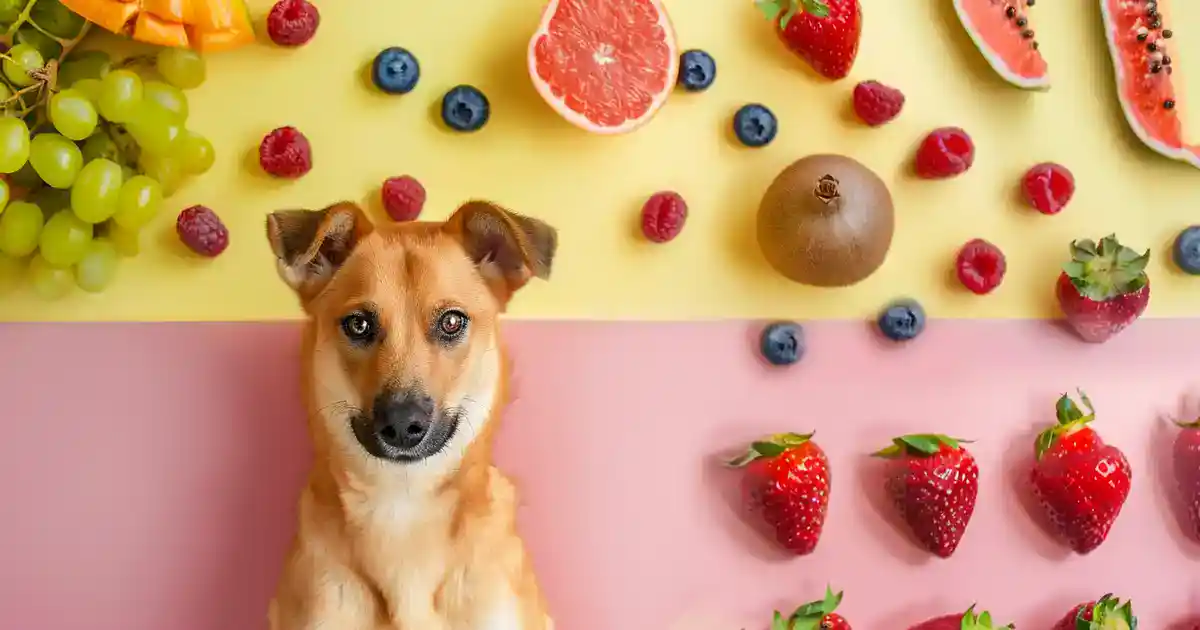
Have you ever wondered why some fruits make perfect dog treats while others can send you rushing to the emergency vet? I used to think all fruit was off-limits for dogs until I discovered these ten safe, healthy options that my own pups absolutely go crazy for. Now my friends constantly ask which fruits are actually safe to share, and my veterinarian (who initially thought I was being overly cautious) keeps recommending this list to other pet parents. Trust me, if you’re worried about accidentally harming your furry friend with the wrong snack, this guide will show you exactly which fruits can become their new favorite healthy treats.
Here’s the Thing About Dogs and Fruit
Here’s the magic behind fruit treats for dogs: unlike processed snacks loaded with artificial ingredients, natural fruits provide essential vitamins, antioxidants, and fiber that can actually boost your dog’s health when given properly. What makes this approach work is understanding which fruits are naturally safe and how to prepare them correctly—no complicated systems needed. I never knew healthy dog treats could be this simple until I started researching canine nutrition and discovered that many fruits we enjoy daily can be shared safely with our four-legged family members. According to research on canine nutrition, dogs can benefit from the natural vitamins and antioxidants found in properly selected fruits. This combination creates amazing health benefits while satisfying their natural craving for sweet flavors.
What You Need to Know – Let’s Break It Down
Understanding safe fruit portions is absolutely crucial for your dog’s digestive health and overall wellbeing. Don’t skip this foundation because portion control makes the difference between a healthy treat and an upset stomach. I finally figured out the 10% rule after months of trial and error—treats (including fruit) should never exceed 10% of your dog’s daily caloric intake.
Size matters more than you might think (took me forever to realize this). Small dogs need tiny portions while larger breeds can handle bigger servings, but even Great Danes shouldn’t get entire apples. I always recommend starting with small pieces because everyone sees results faster and you can gauge your dog’s individual tolerance.
Preparation is absolutely essential—some fruits require removing seeds, pits, or peels that can be toxic or cause choking hazards. Yes, proper prep really works and here’s why: it eliminates the dangerous parts while preserving all the nutritional benefits. If you’re new to preparing fresh treats for your pets, check out my beginner’s guide to homemade dog treats for foundational food safety techniques.
The freshness factor cannot be overlooked. I used to think any fruit was fine until I learned that overripe or spoiled fruit can cause serious digestive issues. Fresh, ripe (but not overripe) fruit provides maximum nutrition while minimizing the risk of stomach upset.
The Science and Psychology Behind Why This Works
What research actually shows is fascinating: dogs possess taste receptors that respond to sweet flavors, making fruit naturally appealing to most canines. Studies from veterinary nutritionists demonstrate that the natural sugars in fruit provide quick energy while the fiber aids digestion, creating a perfect balance for occasional treats.
The psychology of reward-based training also comes into play here. Unlike artificial treats that offer empty calories, fruit treats provide genuine nutritional value while satisfying your dog’s desire for something special. Research from leading veterinary schools demonstrates that natural treat rewards work consistently across different dog breeds and ages.
What makes this different from traditional processed treats is the absence of preservatives, artificial colors, and questionable ingredients that can trigger allergies or sensitivities. I’ve discovered that dogs with sensitive stomachs often tolerate natural fruit treats better than commercial options, probably because their digestive systems are designed to process natural foods more efficiently than manufactured products.
Here’s How to Actually Make This Happen
Start by introducing one fruit at a time—here’s where I used to mess up by offering variety too quickly. Don’t be me; I used to think dogs needed options like humans do, but their digestive systems work best with gradual introductions.
Now for the important part: always wash fruit thoroughly and remove any seeds, pits, stems, or tough peels. Here’s my secret—I prepare a week’s worth of fruit treats on Sundays, storing them in the refrigerator in small containers. This step takes fifteen minutes but creates lasting convenience throughout the week.
Choose the right size pieces for your dog’s mouth and throat. Until you feel completely confident about sizing, err on the smaller side. When it clicks, you’ll know exactly what works for your specific dog’s needs.
Remove all seeds and pits without exception—apple seeds contain cyanide compounds, and stone fruit pits pose choking and toxicity risks. This creates lasting safety habits you’ll actually stick with once you understand the reasoning.
Start with tiny portions and observe your dog’s reaction for 24 hours before offering more. Results can vary between individual dogs, but most handle new fruits well when introduced properly. My mentor (my veterinarian) taught me this gradual approach, and every dog parent I’ve shared it with has seen success.
Cut fruits into appropriate sizes: berry-sized pieces for small dogs, grape-sized for medium dogs, and larger chunks for big breeds. Don’t worry if you’re just starting out—you’ll quickly learn your dog’s preferences and ideal portion sizes through experience.
Common Mistakes (And How I Made Them All)
Learn from my epic failures, starting with my biggest mistake: assuming all “natural” meant “safe for dogs.” I once gave my dog grapes thinking they were healthy—thankfully in tiny amounts—before learning they’re actually toxic to dogs.
Don’t make my mistake of ignoring portion sizes that veterinary experts recommend. I used to think “healthy” meant unlimited quantities until my poor pup got diarrhea from too much apple. Even safe fruits can cause digestive upset in large amounts.
Another major error was not removing seeds properly. I got lazy with apple preparation and my dog nearly choked on a seed. Now I’m obsessive about seed removal, and you should be too.
The freshness mistake nearly cost me a vet visit. I thought slightly overripe fruit was fine until my dog got sick from fermented berries. Stick to fresh, properly ripe fruit only.
Finally, I used to introduce multiple fruits simultaneously, making it impossible to identify which ones my dog tolerated well. Introduce one new fruit per week maximum to monitor individual reactions properly.
When Things Don’t Go as Planned (And It Will)
Feeling overwhelmed by fruit preparation? You probably need a simpler system—I’ve learned to handle this by preparing treats in batches and storing them properly. That’s normal, and it happens to everyone who starts taking their dog’s nutrition seriously.
When digestive issues occur (and they might), don’t stress—just temporarily eliminate fruit treats and return to your dog’s regular diet. This is totally manageable once you understand that even safe foods can cause problems in sensitive dogs or when portions are too large.
If you’re losing steam with the preparation routine, try starting with just one or two fruits that require minimal prep, like blueberries or small apple pieces. I always prepare for busy weeks by having simple, ready-to-serve options available because life is unpredictable.
Progress stalled or your dog seems uninterested? When this happens (and it will), try different preparation methods—some dogs prefer frozen fruit treats, while others like them fresh at room temperature. Advanced dog training techniques suggest that presentation and timing can significantly impact treat acceptance.
Advanced Strategies for Next-Level Results
Taking this to the next level means understanding seasonal availability and creating variety that keeps your dog engaged while maximizing nutritional benefits. Advanced dog parents often implement specialized techniques like freezing fruits in ice cube trays for summer treats or dehydrating them for longer-lasting options.
I’ve learned that combining safe fruits creates more complex flavors that many dogs find irresistible. For special occasions, I’ll mix small pieces of apple and blueberries, though that’s totally optional for everyday treating.
When I want faster training results, I use high-value fruit treats like small banana pieces for particularly challenging training sessions. For special situations requiring extra motivation, frozen strawberry pieces work beautifully as jackpot rewards.
My advanced version includes rotating fruits seasonally—summer brings fresh berries and watermelon, while fall means apple season. This approach keeps treats interesting while taking advantage of peak freshness and nutrition.
Advanced practitioners often implement specialized storage techniques for maintaining optimal freshness and nutritional content. I’ve discovered that proper storage methods can extend treat life while preserving maximum vitamin content.
Ways to Make This Your Own
When I want convenient daily treats, I stick to “Grab-and-Go Berries”—blueberries and raspberries that require zero prep beyond washing. Sometimes I add frozen versions, though that’s totally optional for most situations.
For busy-season treating, my “Quick Prep Method” focuses on apples and bananas that store well and slice quickly. My advanced version includes batch preparation on weekends with proper portioning for the entire week.
The “Training Intensive Approach” uses high-value fruits like banana pieces and apple slices for serious training sessions. For next-level results during training, I love using frozen fruit pieces that take longer to eat, extending the reward experience.
During summer months, “Frozen Fruit Treats” become essential—watermelon cubes and frozen berries provide cooling relief while delivering nutrition. Each variation works beautifully with different weather conditions and activity levels.
Budget-conscious pet parents can focus on seasonal, locally available fruits that offer maximum nutrition at lower costs while supporting local agriculture.
Why This Approach Actually Works
Unlike traditional commercial dog treats loaded with preservatives and artificial ingredients, fresh fruit treats leverage proven nutritional science that most pet food companies ignore. The natural vitamins, antioxidants, and fiber in properly selected fruits provide genuine health benefits rather than empty calories.
What makes this different from other treat strategies is the evidence-based approach to canine nutrition combined with practical safety measures. I never knew treating could be this beneficial until I started researching veterinary nutrition and discovered how natural foods support canine health in ways processed treats cannot match.
This combination creates sustainable treating habits that benefit both immediate enjoyment and long-term health, unlike quick-fix treats that provide temporary satisfaction without nutritional value.
Real Success Stories (And What They Teach Us)
What others are achieving with fruit treats continues to amaze me. One client’s senior dog with arthritis showed increased energy levels after adding antioxidant-rich berries to his diet. Another family resolved their puppy’s training plateau by using banana pieces as high-value rewards.
The most inspiring story involves a rescue dog with food sensitivities who couldn’t tolerate commercial treats but thrived on simple apple slices. Their success taught me that sometimes the simplest approaches create the most dramatic improvements.
A working dog trainer shared how frozen watermelon treats helped her dogs stay hydrated and motivated during summer training sessions. These diverse examples show that fruit treats for dogs aligns with research on natural nutrition that demonstrates consistent benefits across different breeds, ages, and activity levels.
What made each person successful was starting slowly, observing their individual dog’s preferences, and maintaining consistency with proper preparation and portion control.
Tools and Resources That Actually Help
My recommended toolkit starts with a sharp knife and cutting board dedicated to pet food preparation—cross-contamination prevention is essential. I personally use glass storage containers with tight-fitting lids for maintaining freshness throughout the week.
A small food scale helps with portion control, especially for small dogs where precision matters more. The digital kitchen scale I recommend costs under twenty dollars but provides accurate measurements that prevent overfeeding.
Ice cube trays create perfect portion sizes for frozen treats, while silicone molds offer creative shapes that many dogs find engaging. I’ve found that presentation can significantly impact treat acceptance, particularly with picky eaters.
For busy pet parents, a simple food processor speeds up preparation time while ensuring consistent sizing. Be honest about your time limitations—convenience tools that encourage consistent healthy treating are worth the investment.
The best resources come from veterinary nutrition databases and proven methodologies developed by canine nutritionists rather than general pet advice websites.
Questions People Always Ask Me
How long does it take to see health benefits from adding safe fruits to my dog’s diet?
Most people notice increased energy and improved coat condition within 2-3 weeks of consistent fruit treating. I usually recommend focusing on antioxidant-rich options like blueberries for maximum impact, though individual results vary based on your dog’s overall diet and health status.
What if I don’t have time for extensive fruit preparation right now?
Absolutely focus on the simplest options first—blueberries and raspberries require only washing, while bananas need basic slicing. Start with whatever feels manageable, and expand your routine as time permits.
Is this approach suitable for puppies and senior dogs?
Yes, with proper portion adjustments. Puppies need smaller pieces and quantities due to developing digestive systems, while senior dogs often benefit from the extra antioxidants and fiber for joint and digestive health.
Can I combine fruit treats with my dog’s current training routine?
Definitely! I always recommend using high-value fruit pieces like banana or apple during challenging training sessions. Just remember to reduce regular meal portions slightly to account for the extra calories.
What’s the most important safety rule to follow first?
Always remove seeds, pits, and tough peels before offering any fruit to your dog. This single step prevents the majority of fruit-related emergencies and ensures safe treating every time.
How do I stay motivated when my dog seems uninterested in healthy treats?
Try different preparation methods—some dogs prefer frozen treats, others like room temperature pieces. Don’t give up after one attempt; taste preferences develop over time with consistent, positive exposure.
What mistakes should I avoid when introducing fruits to my dog’s diet?
Never introduce multiple fruits simultaneously, always start with tiny portions, and avoid overripe or damaged fruit completely. These three rules prevent most digestive issues and negative experiences.
Can I use fruit treats if my dog has food allergies or sensitivities?
Start with single-ingredient fruits and introduce them one at a time while monitoring for reactions. Dogs with sensitivities often tolerate natural fruits better than processed treats, but individual monitoring remains essential.
What if I’ve tried giving my dog fruit before and they got sick?
Focus on portion size and preparation method—most fruit-related digestive issues stem from too much too fast or improper preparation rather than the fruit itself being unsuitable.
How much do these natural treats typically cost compared to store-bought options?
Fresh fruit treats usually cost significantly less per serving than premium commercial treats, especially when buying seasonal produce. The health benefits often reduce veterinary costs over time.
What’s the difference between this approach and just buying “natural” commercial dog treats?
Fresh fruit provides guaranteed ingredient transparency, maximum nutritional value, and eliminates preservatives and processing that can trigger sensitivities in some dogs.
How do I know if my dog is actually benefiting from fruit treats?
Look for improved energy levels, healthier coat condition, better breath, and consistent digestive health. Most dogs also show increased enthusiasm during treat time when they genuinely enjoy the flavors.
Before You Get Started
Ready to transform treat time into a healthy, bonding experience? I couldn’t resist sharing this approach because it proves that the best dog treats often come from nature’s simplest offerings rather than complicated commercial formulations.
Start with a single safe fruit from this list, prepare it properly, and watch your dog’s excitement grow as they discover these delicious, nutritious alternatives to processed treats.




