
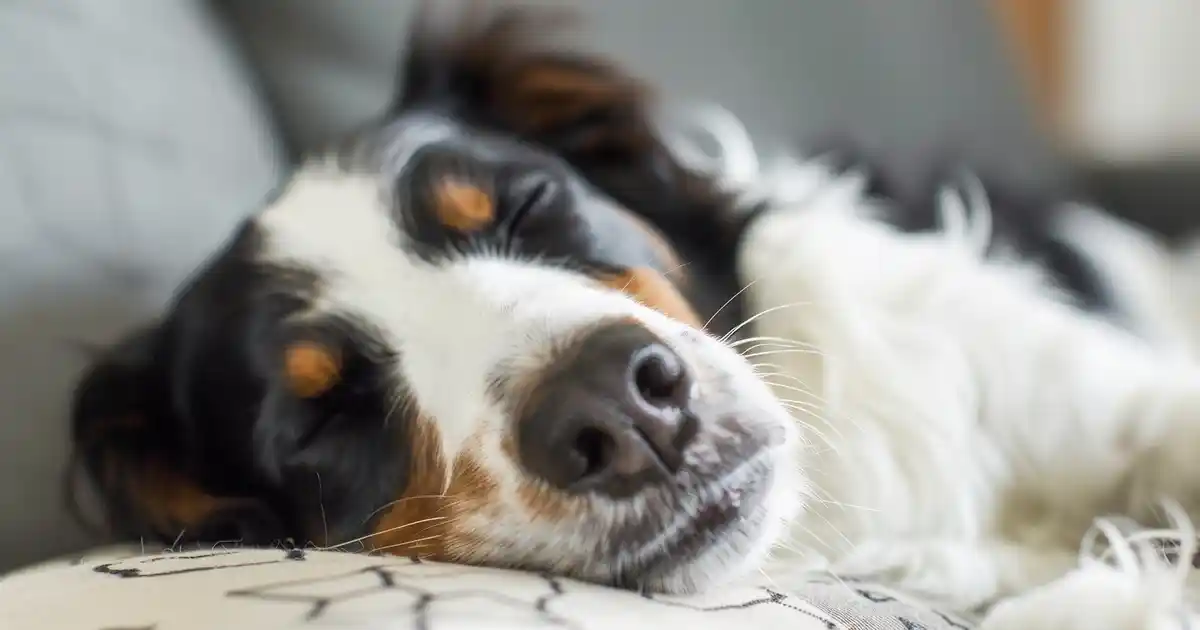
Have you ever wondered what’s going through your dog’s mind when their paws start twitching and they make those adorable little yips during naptime?
I used to think my Border Collie Luna was just having random muscle spasms during sleep, until I learned about canine sleep cycles and realized she was actually dreaming—possibly replaying her favorite activities from the day. Now, after three years of observing her sleep patterns and researching canine neuroscience, I’m that person who gets genuinely excited watching dogs sleep at the park, and other owners constantly ask me what all those movements and sounds mean. Trust me, if you’ve ever worried whether those twitches are normal or wondered if your dog dreams about you, this approach will show you it’s more fascinating than you ever expected.
Here’s the Thing About Dog Dreams
Here’s the magic: dogs experience sleep cycles remarkably similar to humans, complete with REM (rapid eye movement) sleep where most dreaming occurs, and they likely dream about their daily experiences just like we do. According to research on sleep science, mammals share fundamental brain structures and sleep patterns that support dreaming—and this applies beautifully to our canine companions. What makes dog dreams so fascinating is that their brain activity during REM sleep mirrors patterns seen in humans, suggesting they’re processing memories, practicing skills, and possibly experiencing emotions. It’s honestly more relatable than I ever expected—their dreams probably include chasing squirrels, playing fetch, eating treats, and yes, spending time with you. This combination creates amazing insights into their inner mental lives and emotional experiences.
What You Need to Know – Let’s Break It Down
Understanding how dogs sleep and dream is absolutely crucial before you can interpret what all those adorable sleep behaviors mean. Don’t skip this part because it’ll help you understand why your dog’s nighttime (and naptime) behaviors are completely normal and what they reveal about canine cognition.
The Sleep Cycle Basics: I finally figured out that dogs go through multiple sleep stages just like humans after months of researching veterinary neuroscience. They experience light sleep, deep sleep, and REM sleep where most dreaming happens (game-changer, seriously). Dogs typically enter REM sleep about 20 minutes after falling asleep, and smaller dogs dream more frequently than larger breeds—Luna has dream cycles every 10 minutes or so, while my friend’s Great Dane might only dream once or twice per nap.
Brain Activity During Dreams: Dog dreams work beautifully because their brains remain active during REM sleep, processing the day’s experiences and consolidating memories. The hippocampus (the memory center) lights up during dreams, suggesting they’re replaying activities and interactions (took me forever to realize this was basically their brain’s way of practicing and learning even while sleeping). Scientists have observed that the same brain regions activate during dreaming as when dogs are awake and engaged in activities.
Signs Your Dog Is Dreaming: Yes, those movements really indicate dreaming and here’s why: during REM sleep, dogs experience temporary muscle paralysis (called atonia) that prevents them from physically acting out their dreams, but some movement still occurs. Twitching paws, paddling legs, wagging tails, eye movements, soft barks, whimpers, and even snoring are all normal. If you’re just starting out with understanding your dog’s behavior, check out my beginner’s guide to canine body language for foundational techniques on reading your dog’s signals in all situations.
The Science and Psychology Behind Why This Works
Dive deeper into the evidence and you’ll find that dog dreams aren’t just cute—they’re backed by fascinating neurological research. In the 1960s, scientists discovered that when they temporarily disabled the part of the brain that causes muscle paralysis during REM sleep in dogs, the animals would physically act out their dreams. They observed dogs running, playing, and even “hunting” invisible prey while still asleep, confirming that dogs genuinely dream about activities they perform while awake.
From a psychological perspective, dreaming serves crucial functions for cognitive development and emotional processing. Research from leading veterinary neuroscientists at MIT and Harvard demonstrates that dogs likely dream to consolidate memories, process emotional experiences, and practice survival skills. Puppies dream more than adult dogs because their brains are rapidly developing and processing enormous amounts of new information daily. What makes this different from simply “resting” is that dreaming actively strengthens neural pathways, helping dogs remember training, navigate their environment, and form emotional bonds with their families.
Here’s How to Actually Recognize Dream Behavior
Start by observing your dog during their sleep cycles without disturbing them—this is purely about understanding, not intervention. Here’s where I used to mess up: I’d wake Luna up whenever she started twitching because I worried something was wrong. Don’t be me—I used to think every movement meant distress, but proper observation reveals that most dream behaviors are completely normal and even beneficial.
Step 1: Watch the Sleep Progression – After your dog falls asleep, notice how their breathing changes. Initially, it’s slow and regular during light sleep. This step takes about 10-20 minutes and creates the foundation for understanding when REM sleep begins.
Step 2: Identify REM Sleep Signs – Now for the important part: watch for rapid eye movements under closed eyelids, irregular breathing patterns, and the beginning of twitching or small movements. My vet taught me this trick—when you see eyes moving rapidly beneath the lids, that’s your signal that dreaming has begun. When it clicks, you’ll know—you can almost see the dream playing out through their movements.
Step 3: Observe Dream Content Clues – Here’s my secret: pay attention to the specific movements. Leg paddling often suggests running or chasing. Jaw movements might indicate eating or chewing. Tail wagging could mean happy interactions. Vocalizations like soft barks, whimpers, or growls might reflect dream scenarios involving other animals or people. Every dog has their own patterns—Luna’s herding dreams involve intense paw twitching and focused eye movements.
Step 4: Note Frequency and Duration – Don’t worry if you’re just starting out. Track how often and how long your dog dreams. Puppies and senior dogs typically dream more frequently. Results can vary, but most dogs spend about 10-12% of their total sleep time in REM sleep, where dreaming occurs.
Step 5: Resist the Urge to Wake Them – Unless your dog seems genuinely distressed (continuous crying, severe thrashing), let them dream undisturbed. This creates lasting benefits because uninterrupted REM sleep is crucial for memory consolidation and emotional processing. I learned this the hard way after repeatedly waking Luna and noticing she seemed more anxious during the day.
Common Mistakes (And How I Made Them All)
Let me tell you about my epic failures so you can avoid them. First huge mistake: waking Luna up every time she made noise or moved during sleep because I thought she was having a nightmare. This disrupted her sleep cycles and actually made her more restless overall. Dogs need to complete their REM cycles just like humans do.
Second mistake: assuming all movement during sleep meant dreaming. Sometimes dogs twitch during non-REM sleep too, and I’d get overly excited thinking every little movement was a dream. Now I wait for the cluster of REM indicators—rapid eye movements, irregular breathing, and sustained twitching—before concluding they’re actually dreaming.
Third mistake: projecting human dream content onto Luna. I’d say things like “She’s dreaming about that scary dog at the park!” when really, I had no way of knowing. Don’t make my mistake of ignoring fundamental principles that experts recommend: we can make educated guesses about dog dreams based on their activities and movements, but we can’t know for certain what specific narratives they’re experiencing.
Fourth mistake: worrying that aggressive dream behaviors (like growling or snapping movements) meant my dog was developing behavioral issues. My trainer explained that dream aggression is completely normal—dogs process all types of experiences during sleep, including defensive or protective scenarios. It doesn’t indicate anything about their waking temperament.
When Things Don’t Go as Planned (And It Will)
Feeling like your dog seems distressed during dreams? You probably need to evaluate whether it’s genuine distress or normal dream activity. That’s normal, and it happens to everyone—distinguishing between dreams and nightmares can be tricky. I’ve learned to handle this by watching for intensity and duration. Brief whimpers or small cries are usually fine, but prolonged, escalating distress might warrant gentle waking.
Progress stalled because your dog isn’t showing obvious dream signs? This is totally manageable. Some dogs dream more subtly than others, with minimal physical manifestations. When this happens (and it will with certain personalities), don’t assume they’re not dreaming. They might just have less visible REM activity, or you might be missing the subtle eye movements that indicate dreaming.
Noticing your senior dog dreams more intensely or frequently than before? I always prepare for age-related changes because older dogs often experience different sleep patterns. If you’re seeing increased dream activity alongside confusion when waking, excessive sleeping, or disorientation, consult your vet about cognitive dysfunction syndrome. Sometimes implementing supportive care for senior dogs requires patience and veterinary guidance to ensure their comfort and cognitive health.
Advanced Strategies for Understanding Dream Patterns
Taking this to the next level means tracking and analyzing your dog’s dream patterns over time to gain deeper insights into their mental life. Advanced practitioners often implement specialized observation techniques like keeping dream journals that note activities from the day and corresponding dream behaviors at night, video recording sleep sessions to catch patterns you might miss in real-time, or correlating dream frequency with exercise levels, training sessions, or environmental changes.
One discovery I’ve made over time: dogs often dream about emotionally significant or novel experiences. After Luna’s first agility class, she had incredibly active dreams that night—her paws were paddling like crazy and she kept making excited little yips. I’ve noticed that days with more mental stimulation or social interaction lead to more vivid, longer dream episodes.
For dogs recovering from trauma or adjustment periods, monitoring dreams provides valuable insights. A rescue dog might initially have more restless sleep and potentially distressing dreams as they process past experiences, but over time, as they feel secure, their dream patterns typically become calmer. What separates beginners from experts is understanding that dreams reflect your dog’s emotional state and daily experiences—they’re windows into your dog’s processing of their world.
Ways to Make This Your Own
The Scientific Observer Approach: When I want to really understand Luna’s patterns, I keep a detailed journal noting her activities during the day and dream behaviors at night. This makes analysis more intensive but definitely worth it since you can identify clear correlations between experiences and dream content.
The Supportive Sleep Environment Version: For optimal dreaming, I focus on creating the perfect sleep space—comfortable bedding, appropriate temperature, minimal disruptions, and a consistent sleep schedule. Sometimes I add calming music or white noise, though that’s totally optional. These environmental factors enhance sleep quality, which means better, more restorative dreaming.
The Breed-Specific Understanding: My approach varies by breed since different breeds have different sleep patterns. Herding breeds like Luna dream frequently and intensely, often with lots of leg movement. Sight hounds might have dreams with more visual tracking (eye movements). Working breeds often dream about their jobs—my friend’s retriever clearly dreams about swimming and fetching.
The Enrichment-Based Strategy: For next-level dream enhancement, I love providing varied experiences during the day specifically to enrich Luna’s dream content. New walking routes, puzzle toys, social interactions, and training challenges all give her brain more interesting material to process during sleep.
The Wellness Monitoring Method: I use dream observation as one indicator of overall health. Changes in sleep patterns, dream frequency, or unusual dream behaviors can signal stress, illness, or cognitive issues, prompting me to investigate further or consult our vet.
Why This Understanding Actually Works
Unlike anthropomorphizing our dogs with unfounded assumptions, understanding canine dreams through scientific evidence creates genuine insight into their cognitive and emotional lives. The proven neurological similarities between human and canine sleep architecture mean we can make evidence-based conclusions about their dream experiences rather than just guessing.
What makes this different from other interpretation strategies is grounding observations in actual neuroscience research. You’re not just projecting human experiences onto your dog; you’re recognizing that similar brain structures produce similar phenomena across mammalian species. This approach is effective because it respects both the similarities and differences between human and canine consciousness. Each observation works beautifully when you understand the biological foundations—puppies need more REM sleep for development, active dogs dream more vividly, and all dogs use dreams to process their waking experiences.
Real Success Stories (And What They Teach Us)
My friend Sarah’s anxious rescue dog, Cooper, showed dramatic improvement in her understanding of his emotional state through dream observation. She noticed his early dreams were restless with distressed vocalizations, but as he settled into his new home over six months, his dreams became calmer with more tail wagging and content sounds. What made Sarah successful was using dream patterns as one indicator of Cooper’s emotional healing, adjusting his routine and environment to support better sleep and, consequently, better dreams.
Another success story comes from a dog trainer I know who uses dream observation to gauge training effectiveness. She noticed that dogs learning new skills dream more actively on training days, with movements corresponding to the skills practiced. After particularly successful sessions, dogs would “practice” those skills in their sleep—paws moving through positions, heads turning as if watching for cues. The lesson here: dreams provide feedback about what’s sticking in your dog’s memory and what might need more practice.
Then there’s Luna herself, whose dream patterns helped me identify when she needed more mental stimulation. During periods when I was busy and our routines were boring, her dreams became less frequent and less vivid. Once I enriched our activities, her dream activity increased noticeably. Their success aligns with research on cognitive enrichment that shows mentally stimulated dogs have more active, healthy brain function including during sleep.
Tools and Resources That Actually Help
Pet Camera with Night Vision: I swear by the Furbo or Wyze cameras that let you monitor your dog’s sleep even when you’re not home. Being able to review footage helps you catch dream patterns you might otherwise miss.
Sleep Tracking Apps: While designed for humans, apps like Sleep Cycle can actually pick up sounds your dog makes during sleep, helping you identify when REM cycles occur based on vocalizations.
Dream Journal or Notes App: Simple but effective—I use the Notes app on my phone to quickly record observations about Luna’s daily activities and subsequent dream behaviors. The best resources come from veterinary behavioral research and neuroscience studies that help you understand the biological basis of what you’re observing.
Comfortable Sleep Environment: Quality orthopedic beds, especially for senior dogs, support better sleep architecture. I use a memory foam bed for Luna that helps her achieve deeper, more restorative sleep.
Consultation Resources: Always consult with your veterinarian if your dog’s sleep patterns change dramatically or if you notice signs of sleep disorders. The American Kennel Club and veterinary behaviorist resources provide excellent foundational information about normal canine sleep behavior.
Questions People Always Ask Me
Do all dogs dream?
Yes, all dogs dream, though the frequency and intensity vary by age, breed, and individual personality. Puppies and senior dogs typically dream more than middle-aged adults. Most dogs can safely dream and it’s a normal, healthy part of their sleep cycle—no intervention needed unless they seem genuinely distressed.
What are dogs most likely dreaming about?
Dogs probably dream about their daily experiences—playing, eating, walking, interacting with family members and other animals, and any novel or emotionally significant events. Most experts agree they dream about activities they perform while awake, essentially replaying and processing their experiences through their dreams.
How can I tell if my dog is having a nightmare?
Absolutely, just focus on the intensity and your dog’s response upon waking. Normal dreams involve some movement and soft sounds, but nightmares might include more intense vocalizations (louder whining, yelping), more violent movements, and possible signs of distress like rapid panting when they wake. If your dog wakes from a “nightmare” and seems disoriented or anxious, gentle reassurance helps.
Should I wake my dog up if they’re having a bad dream?
Don’t stress, but approach this carefully. Generally, it’s best to let dreams run their course since waking a dog abruptly from deep sleep can be disorienting and even cause them to snap reflexively. If you must wake them due to severe distress, do so gently by calling their name softly from a distance rather than touching them suddenly.
Do puppies dream more than adult dogs?
Yes, puppies dream significantly more than adult dogs because their brains are rapidly developing and processing enormous amounts of new information daily. They spend a higher percentage of sleep time in REM sleep—sometimes up to 90% of their sleep involves dreams compared to about 20% in adult dogs.
Why does my dog twitch and paddle their legs during sleep?
When given during REM sleep, these movements are your dog physically expressing their dreams. The temporary muscle paralysis that normally prevents full movement during dreams isn’t complete, allowing some motion to occur. This is totally normal—they’re likely dreaming about running, playing, or chasing something.
Can dogs have recurring dreams?
While we can’t ask them directly, it’s highly likely dogs experience recurring dreams, especially about activities they perform regularly or events that made strong impressions. Most people observe that their dogs show similar dream behaviors repeatedly, suggesting they might be processing the same types of experiences over time.
Do different breeds dream differently?
Absolutely! Breed tendencies often show up in dream behaviors. Herding breeds might show more intense leg movements (herding imaginary sheep), retrievers might make swimming motions, and pointing breeds might “point” during sleep. This creates breed-specific patterns that reflect their instinctual behaviors and common activities.
How long do dog dreams last?
I’ve learned to observe that dream cycles vary by size—smaller dogs have shorter, more frequent dreams (lasting 1-2 minutes every 10 minutes during sleep), while larger dogs have longer dreams (up to 5-10 minutes) that occur less frequently. Individual variation exists, but these are general patterns researchers have identified.
Is it normal for my senior dog to dream more than they used to?
This happens, and age-related changes in sleep architecture can increase dream frequency or intensity. However, if accompanied by confusion, disorientation upon waking, or excessive sleeping, consult your vet about possible cognitive dysfunction syndrome or other age-related conditions.
Can I influence what my dog dreams about?
While you can’t control dream content directly, you absolutely can influence it indirectly. Providing varied, enriching experiences during the day gives your dog more interesting material to process during sleep. Training sessions, new activities, social interactions, and mental challenges all contribute to more active, engaging dream content.
What’s the difference between dreaming and seizures during sleep?
This makes identification crucial for health reasons. Dreams involve movements during REM sleep with normal breathing patterns, and dogs wake normally afterward. Seizures involve rigid muscle contractions, paddling with stiff legs, possible loss of bowel/bladder control, excessive drooling, and disorientation lasting well after the episode. If you suspect seizures rather than dreams, seek immediate veterinary care.
Before You Get Started
I couldn’t resist sharing this because it proves that understanding our dogs on a deeper level doesn’t require expensive technology or professional expertise—just patient observation and genuine curiosity. The best dog-human relationships happen when we recognize our dogs as complex beings with rich internal lives, including their dream worlds. Ready to begin? Start by simply watching your dog sleep during their next nap, noting when their eyes start moving rapidly and what movements follow. Trust the process, resist the urge to wake them, and appreciate this window into their mental life. Your dog’s consciousness is more fascinating than we often acknowledge—and honestly, watching Luna “run” in her dreams never stops being one of my favorite parts of sharing life with her!




