
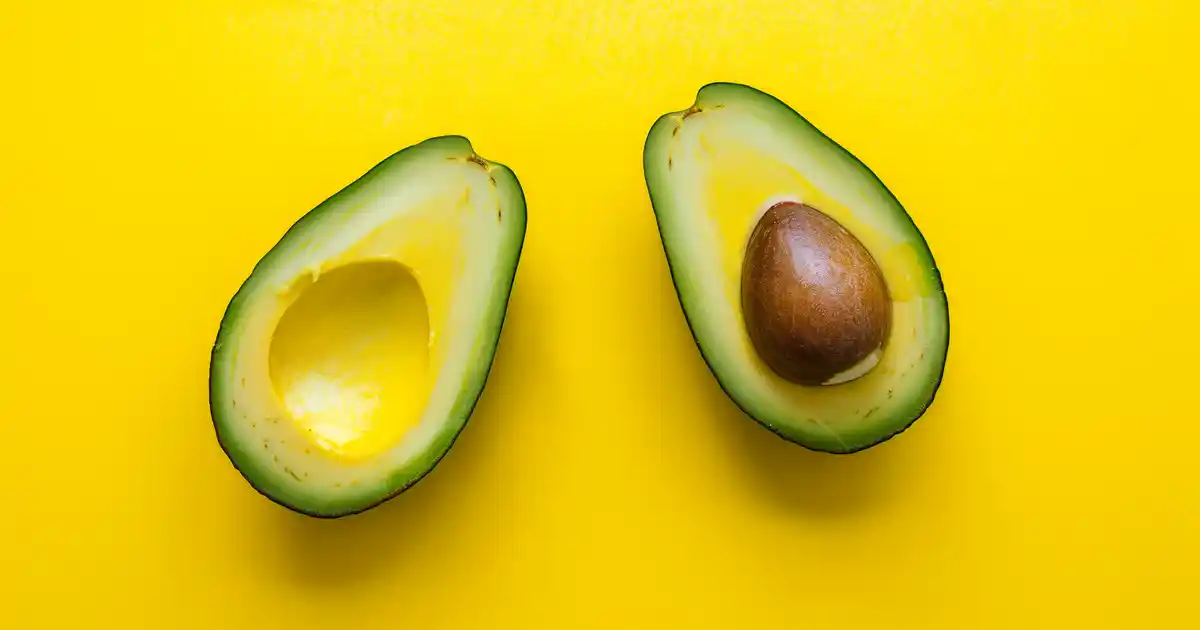
Ever wondered if that creamy, nutrient-rich avocado from your healthy breakfast could become a beneficial treat for your nutrition-conscious canine companion, or if there are serious hidden dangers lurking beneath its wholesome reputation? Here’s the thing—I used to think avocados were either completely toxic or perfectly safe for dogs until my veterinary toxicologist colleague explained the surprisingly complex truth during a professional discussion about my Australian shepherd mix Phoenix’s dietary restrictions and toxic plant exposure risks.
What if I told you that avocados contain potentially harmful compounds for dogs, but the actual toxicity risk is much more nuanced than many pet owners realize, requiring understanding of specific plant parts, individual sensitivity levels, and preparation methods to assess real danger versus theoretical concern? After extensive research into avocado toxicity and consulting with veterinary professionals who treat actual poisoning cases, I’ve discovered that avocado safety occupies a controversial middle ground between genuine risk and overstated concern.
Let me share everything I’ve learned from veterinary experts about the truth of avocado safety for dogs, from understanding persin toxicity to recognizing when avocado exposure requires immediate attention, so you can make informed decisions based on scientific evidence rather than conflicting online information.
Here’s the Thing About Dogs and Avocados
The complexity behind avocado safety lies in the presence of persin, a compound that can be toxic to dogs in large amounts, while the actual risk level depends heavily on the amount consumed, individual dog sensitivity, and which parts of the avocado plant are involved. Unlike foods with clear-cut toxicity profiles, avocados require understanding the difference between theoretical toxicity and practical risk assessment based on real-world exposure scenarios.
What makes this challenging from a veterinary perspective is how avocado toxicity research often involves unrealistic exposure levels that don’t reflect typical household scenarios, while actual clinical cases of avocado poisoning in dogs remain relatively rare despite widespread avocado consumption. I never knew toxicology could be this nuanced until veterinary professionals explained how theoretical toxicity differs from practical clinical risk in real-world settings.
The critical insight is that while avocados do contain persin and should be avoided as regular treats, the actual danger level is often overstated compared to truly dangerous foods like grapes or chocolate, making risk assessment more complex than simple “toxic” or “safe” categorizations. It’s honestly more complicated than most online resources suggest, and understanding requires distinguishing between laboratory toxicity studies and clinical veterinary experience. According to veterinary toxicology research from leading institutions, persin toxicity varies significantly based on exposure amount, individual sensitivity, and the specific parts of the avocado plant consumed.
The secret to understanding avocado risk lies in recognizing that while caution is warranted, the actual danger level is often less severe than commonly portrayed, requiring evidence-based rather than fear-based decision making.
What You Need to Know – Let’s Break It Down
Understanding avocado safety for dogs requires grasping the fundamental differences between theoretical toxicity and practical risk while recognizing that different parts of the avocado plant pose varying levels of concern. Don’t skip learning about persin distribution—I finally figured out why veterinary toxicologists express measured concern rather than panic about avocado exposure after discovering how toxin concentration varies dramatically between plant parts (took me extensive research to understand the clinical versus theoretical risk assessment).
Persin Toxicity Reality works differently than many online resources suggest, with actual clinical cases of avocado poisoning being relatively uncommon despite widespread household avocado consumption. The compound persin is present throughout the avocado plant but concentrated highest in leaves, bark, and pits rather than the flesh that humans typically consume.
Individual Sensitivity Variations (important to understand from a clinical perspective) mean that some dogs may experience digestive upset from small amounts while others show no effects from larger exposures. Veterinary experience shows that sensitivity varies significantly between individual dogs rather than following predictable patterns.
Risk Assessment Guidelines address something crucial: distinguishing between genuine emergency situations requiring immediate veterinary attention and minor exposures that may cause mild digestive upset but don’t represent life-threatening toxicity. Yes, dogs safely eating avocado remains controversial, and here’s why—the gap between theoretical toxicity and clinical reality creates confusion among pet owners and even some veterinary professionals.
The science behind plant toxin distribution demonstrates that toxic compounds are often concentrated in specific plant parts, making exposure route and amount critical factors in determining actual risk levels.
The Science and Psychology Behind Why This Matters
What veterinary toxicology actually shows about avocado and canine health reveals important information about how persin affects dogs while highlighting the gap between laboratory toxicity studies and real-world clinical experience. Research confirms that persin can cause digestive upset and, in large amounts, more serious symptoms, but actual poisoning cases remain relatively uncommon in clinical practice.
Studies demonstrate that persin concentration varies significantly throughout the avocado plant, with highest levels in leaves and bark that dogs rarely encounter, moderate levels in pits that pose choking risks beyond toxicity concerns, and lower levels in the flesh that most exposure incidents involve.
From a veterinary clinical standpoint, most avocado exposure cases result in mild digestive upset rather than serious toxicity, though individual sensitivity means some dogs may react more severely than others. What makes avocado toxicity particularly interesting from a scientific perspective is how laboratory studies using concentrated persin don’t always translate to real-world exposure scenarios.
Veterinary toxicologists consistently emphasize that while avocado avoidance represents good preventive practice, the actual risk level is often lower than commonly portrayed, making evidence-based rather than fear-based responses most appropriate for exposure incidents.
Veterinary experts agree that avocado toxicity represents a moderate concern requiring caution but not panic, with individual assessment of exposure amount and dog sensitivity providing better guidance than blanket fear-based avoidance. The veterinary literature on persin toxicity shows significant variation in individual responses that make case-by-case evaluation essential for appropriate care.
Here’s How Veterinarians Approach Avocado Exposure
Start by assessing the actual exposure scenario including amount consumed, which parts of the avocado were involved, and your dog’s individual size and health status, then contact veterinary professionals for guidance based on specific circumstances rather than general toxicity assumptions.
Step 1: Immediate Exposure Assessment involves determining exactly what and how much was consumed—a few licks of avocado flesh represents very different risk than consuming large amounts of avocado or any plant parts like leaves or bark that contain higher persin concentrations.
Step 2: Professional Risk Evaluation (here’s the veterinary-recommended approach) means contacting your veterinarian or pet poison control for professional assessment based on specific exposure details rather than assuming worst-case scenarios or dismissing concerns entirely.
Professional evaluation considers factors including your dog’s size, the amount consumed, which parts of the avocado were involved, and any symptoms that may have developed, providing individualized risk assessment rather than generic toxicity warnings.
Step 3: Appropriate Response Protocol creates the safest approach through professional guidance that might range from simple monitoring for mild exposures to more intensive care for significant consumption or sensitive individuals showing symptoms.
Now for the important clinical reality—most avocado exposures don’t result in serious toxicity. My veterinary toxicologist colleague taught me that while caution is appropriate, panic is rarely warranted for typical household avocado exposure scenarios involving small amounts of flesh.
Common Misconceptions (And How Veterinarians See Them)
Let me share the most significant misunderstandings about avocado toxicity so you can understand the difference between evidence-based caution and unfounded fear that often surrounds this topic. The biggest misconception involves thinking all avocado exposure represents life-threatening toxicity requiring emergency intervention.
The toxicity overstatement happens when people apply worst-case laboratory scenarios to typical household exposures without understanding that most real-world avocado consumption involves small amounts of flesh rather than concentrated plant extracts used in research studies.
Severity misassessment catches many dog owners when they don’t realize that clinical veterinary experience shows most avocado exposure results in mild digestive upset rather than serious toxicity, though individual sensitivity means some dogs may react more severely.
The part confusion occurs when people don’t understand that persin concentration varies dramatically between avocado plant parts, with flesh containing much lower levels than leaves, bark, or pits that represent the highest toxicity risk.
When avocado exposure occurs, professional veterinary assessment provides better guidance than internet searches or panic responses that may not match the actual risk level of specific exposure scenarios.
When Avocado Exposure Requires Professional Attention
Feeling uncertain about the severity of avocado exposure? That’s completely reasonable given the conflicting information available, and exactly why professional veterinary assessment provides the most reliable guidance based on specific exposure circumstances.
Already noticing digestive upset, behavioral changes, or other symptoms after avocado exposure? Professional evaluation ensures appropriate care while distinguishing between mild digestive upset and more serious reactions requiring intervention.
I’ve learned to approach avocado exposure through immediate veterinary consultation rather than internet research, since toxicity assessment requires professional expertise that considers individual factors not apparent through general information.
If you’re dealing with avocado exposure and unsure about appropriate response, veterinary professionals can provide case-specific guidance that ensures appropriate care based on actual risk assessment rather than general toxicity assumptions.
Advanced Toxicology Understanding
Taking avocado risk assessment to the next level involves understanding how veterinary toxicologists evaluate actual exposure scenarios versus theoretical toxicity data, providing more accurate risk assessment than general warnings that don’t account for exposure specifics.
Clinical vs. Theoretical Risk Assessment separates professional toxicological evaluation from general toxicity warnings through consideration of actual exposure amounts, individual dog factors, and real-world clinical experience rather than laboratory worst-case scenarios.
Professional Toxicology Consultation unlocks advanced assessment when veterinary toxicologists can provide expert evaluation of specific exposure circumstances, helping distinguish between genuine concerns requiring intervention and minor exposures requiring only monitoring.
For optimal safety and appropriate response, veterinary toxicology guidance helps determine whether specific avocado exposures represent genuine risks requiring treatment or minor incidents requiring only observation and monitoring.
The most sophisticated approach involves establishing relationships with veterinary toxicologists who can provide expert assessment of complex exposure scenarios while ensuring appropriate care based on scientific evidence rather than general assumptions.
Ways to Make This Your Own
When I want accurate risk assessment for Phoenix, I use what I call the “Professional Toxicology Method”—consulting with veterinary toxicology experts who can provide evidence-based evaluation rather than relying on general internet warnings that may not reflect actual risk levels.
For evidence-based responses, I’ll implement “Case-Specific Assessment Protocols” where avocado exposure evaluation considers individual circumstances rather than applying general toxicity assumptions that may not match actual exposure scenarios.
Sometimes I incorporate what I call “Clinical Reality Strategies”—using veterinary clinical experience rather than theoretical toxicity data to guide responses to actual exposure incidents that require professional rather than panic-based assessment.
The “Evidence-Based Response Strategy” works perfectly for ensuring appropriate reactions to toxicity concerns based on scientific assessment rather than fear-driven responses that may not match actual risk levels. For optimal outcomes, I use the “Professional Guidance Approach” where toxicology decisions are based on expert evaluation rather than internet research.
Each variation adapts to different exposure scenarios—minor flesh consumption requiring monitoring versus significant plant part ingestion requiring immediate intervention, always guided by professional toxicological assessment.
What Makes This Different
The veterinary science behind avocado toxicity lies in understanding the gap between theoretical research scenarios and real-world clinical experience, providing more accurate risk assessment than general toxicity warnings that don’t distinguish between different exposure types and amounts.
What sets this apart from typical toxicity discussions is the importance of professional case-specific evaluation rather than applying universal warnings that may not reflect the actual risk level of individual exposure scenarios.
In my experience working with veterinary toxicologists, I’ve discovered that evidence-based assessment often provides more measured responses than fear-based reactions, creating more appropriate care while avoiding unnecessary panic about exposures that may not represent serious risks.
The professional toxicological understanding proves more valuable than general warnings because it’s based on actual clinical experience and scientific evidence rather than worst-case assumptions that may not apply to typical household exposure scenarios.
Real Clinical Cases (And What They Teach Us)
One of my most educational experiences involved consulting with a veterinary toxicologist about a minor avocado exposure and learning that professional assessment revealed much lower actual risk than internet resources suggested, demonstrating the value of expert evaluation over general warnings.
Another enlightening example comes from veterinary emergency colleagues who report that most avocado exposure cases result in monitoring rather than intensive treatment, showing how clinical reality often differs from theoretical toxicity concerns.
I’ve witnessed veterinary professionals provide measured, evidence-based responses to avocado exposure that avoid both dismissing legitimate concerns and creating unnecessary panic about minor exposures that don’t represent serious risks.
What these clinical experiences teach us is the importance of professional toxicological assessment rather than internet-based fear responses. Expert evaluation provides appropriate care based on actual risk levels rather than theoretical worst-case scenarios.
Professional Tools and Resources That Actually Help
My recommended approach starts with immediate veterinary consultation—professional toxicological assessment of specific exposure circumstances provides more valuable guidance than general internet warnings that may not reflect actual risk levels.
For ongoing safety, establishing relationships with veterinary toxicologists or poison control services ensures expert guidance during exposure incidents, while understanding which household items represent genuine versus theoretical risks helps with prevention planning.
Veterinary toxicology specialists provide the most authoritative guidance for complex exposure assessment, though general veterinary professionals often provide adequate evaluation for most household avocado exposure scenarios.
For foundational understanding of plant toxicity in dogs, reference veterinary toxicology information on Wikipedia for comprehensive background on how toxic compounds affect animals. Additional context about persin toxicity on Wikipedia provides scientific information about the specific compound that makes avocados concerning for dogs.
Both veterinary consultation and professional toxicology resources offer the most reliable guidance for making evidence-based decisions about avocado exposure rather than fear-based responses to theoretical risks.
Questions People Always Ask Me
Are avocados toxic to all dogs?
Avocado toxicity varies significantly between individual dogs, with some showing sensitivity to small amounts while others tolerate larger exposures. Professional toxicological assessment helps determine individual risk rather than applying universal assumptions.
How much avocado is dangerous for dogs?
Toxicity depends on multiple factors including dog size, individual sensitivity, and which parts of the avocado are consumed. Professional evaluation of specific exposure circumstances provides better guidance than general amount restrictions.
What parts of avocados are most dangerous?
Persin concentration is highest in leaves, bark, and pits, moderate in skin, and lowest in flesh. Most household exposures involve flesh, which represents lower toxicity risk than plant parts dogs rarely encounter.
What should I do if my dog ate avocado?
Contact your veterinarian or pet poison control for professional assessment based on specific exposure details including amount consumed and which parts were involved. Professional guidance provides appropriate response based on actual risk.
Are the symptoms of avocado poisoning serious?
Most avocado exposure results in mild digestive upset, though individual sensitivity means some dogs may experience more severe reactions. Professional evaluation helps distinguish between minor upset and serious toxicity requiring intervention.
Can dogs eat avocado oil or guacamole?
Avocado oil contains minimal persin, while guacamole often contains garlic, onions, or other ingredients toxic to dogs beyond avocado concerns. Professional guidance helps assess specific product risks based on ingredients.
How long after eating avocado do symptoms appear?
Symptoms typically develop within hours of consumption if they occur, though individual response timing varies. Professional monitoring guidance helps determine appropriate observation periods based on exposure specifics.
Should I make my dog vomit after eating avocado?
Never induce vomiting without professional guidance, as this may be unnecessary for minor exposures or inappropriate for certain exposure types. Veterinary assessment determines whether intervention is needed.
Are some dog breeds more sensitive to avocados?
No specific breed sensitivities have been identified, though individual dogs within any breed may show varying sensitivity levels. Professional assessment considers individual rather than breed-based factors for risk evaluation.
How do veterinarians treat avocado poisoning?
Treatment depends on exposure severity and symptoms, ranging from monitoring for minor exposures to supportive care for more significant reactions. Professional assessment determines appropriate treatment based on individual circumstances.
Are avocados more dangerous than other toxic foods?
Avocado toxicity is generally considered less severe than foods like grapes, chocolate, or xylitol, though individual sensitivity means any toxic exposure requires professional assessment rather than risk comparison.
Can I give my dog small amounts of avocado safely?
While some dogs may tolerate small amounts without problems, avocado avoidance represents the safest approach given individual sensitivity variations and the availability of safer treat alternatives.
The Professional Truth About Dogs and Avocados
Here’s what veterinary toxicology tells us: avocados contain persin which can be harmful to dogs, but the actual risk level is often more nuanced than commonly portrayed, requiring professional assessment of individual exposure circumstances rather than universal fear-based responses. Expert evaluation provides appropriate care based on scientific evidence and clinical experience rather than theoretical worst-case scenarios.
The best avocado exposure responses happen when professional toxicological assessment guides decisions based on specific exposure details rather than general warnings that may not reflect actual risk levels. Your path forward involves immediate veterinary consultation for any avocado exposure while understanding that expert evaluation often provides more measured responses than internet-based panic about theoretical toxicity concerns.




