
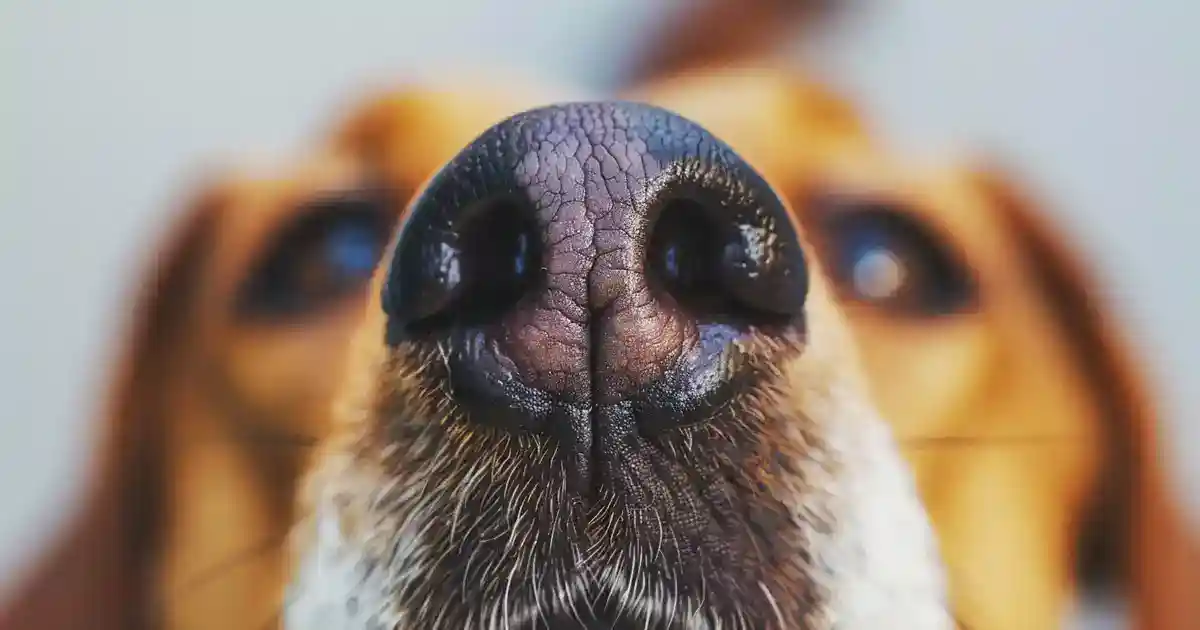
Have You Ever Wondered Why Your Dog’s Nose Is Always on Overdrive?
Have you ever wondered why your dog seems completely obsessed with sniffing every single blade of grass, fire hydrant, and random spot on the sidewalk during walks? I used to get so frustrated when my dog would stop every few feet, nose glued to the ground, while I just wanted to get some exercise. But here’s the thing I discovered—that incredible sniffing behavior isn’t annoying or random at all. It’s actually how dogs experience and understand their entire world, and once I learned to embrace it, our walks became so much more enjoyable for both of us. Now my friends constantly ask why my dog seems so much calmer and happier, and honestly, it all comes down to letting him do what his nose was designed for. Trust me, if you’re worried about those long, sniff-filled walks being a waste of time, this approach will show you they’re more valuable than you ever expected.
Here’s the Thing About Dog Sniffing Behavior
Here’s the magic—dogs experience the world primarily through scent, and their olfactory capabilities are honestly mind-blowing compared to ours. According to research on canine olfaction, dogs possess up to 300 million scent receptors in their noses compared to our measly six million, and the part of their brain dedicated to analyzing smells is about 40 times larger than ours. What makes this work is understanding that when your dog sniffs, they’re not being stubborn or disobedient—they’re reading their environment like we read our phones. I never knew allowing natural sniffing behavior could be this simple for improving my dog’s mental health and overall happiness. This combination of respecting their biological needs while maintaining structured walks creates amazing results. It’s honestly more doable than I ever expected, and no complicated training systems are needed. The life-changing part? When you embrace your dog’s sniffing instincts, you’ll notice reduced anxiety, better behavior, and a more sustainable approach to exercise that actually enriches their life instead of just tiring them out physically.
What You Need to Know – Let’s Break It Down
Understanding why dogs sniff is absolutely crucial to becoming a better dog owner (took me forever to realize this). Dogs use their noses to gather information about other animals, people, and changes in their environment—it’s basically their version of checking social media, reading the news, and catching up with friends all at once. Don’t skip learning about the vomeronasal organ, also called Jacobson’s organ, which allows dogs to detect pheromones and chemical signals that are completely invisible to us. I finally figured out that my dog wasn’t ignoring my commands during walks after months of frustration—he was actually processing critical sensory information that his brain desperately needed.
The duration and intensity of sniffing sessions really matter too. Most dogs need at least 15-20 minutes of dedicated sniffing time during walks, though some breeds with stronger scenting instincts (like Beagles and Bloodhounds) need even more. I always recommend starting with “sniff walks” where the entire purpose is letting your dog explore with their nose, because everyone sees results faster when dogs get this mental stimulation regularly. If you’re just starting out with understanding canine behavior, check out my beginner’s guide to dog body language for foundational techniques that complement sniffing behavior knowledge.
Different types of sniffing tell you different things about what your dog is experiencing. Ground sniffing works beautifully for tracking scents and gathering territorial information, but you’ll need to watch for obsessive circling which might indicate anxiety. Air sniffing happens when dogs detect scents carried on the wind—game-changer, seriously. Short, quick sniffs usually mean your dog is investigating something new, while long, deep inhales suggest they’re analyzing complex scent information (yes, decoding messages left by other dogs really takes that much concentration).
The Science and Psychology Behind Why This Works
Research shows that sniffing is one of the most mentally stimulating activities dogs can engage in, often more tiring than physical exercise alone. Studies confirm that dogs allowed to sniff during walks show significantly lower stress levels and display calmer behavior at home compared to dogs rushed through walks focused only on physical movement. Experts agree that the act of scenting activates the seeking system in dogs’ brains, releasing dopamine and creating feelings of satisfaction and accomplishment. What makes this different from a simple walk is that sniffing allows dogs to make choices and solve problems—they decide where to investigate, how long to spend gathering information, and what scents deserve their attention. This autonomy is incredibly important for mental health, just like how we feel better when we have control over our daily activities. The psychological benefits extend beyond the walk itself, as dogs who regularly engage in scenting activities tend to be less destructive at home, sleep better, and show fewer anxiety-related behaviors. Traditional approaches often fail because they focus exclusively on physical exhaustion without addressing dogs’ cognitive needs, leaving them mentally understimulated even when physically tired.
Here’s How to Actually Make This Happen
Start by designating specific “sniff time” during your walks, and here’s where I used to mess up—I’d give my dog 30 seconds here and there, then get impatient and drag him along. Don’t be me; dogs need substantial blocks of time to truly benefit from scenting activities. Begin with a 10-15 minute dedicated sniff walk where your only job is to follow your dog’s nose (this step takes just a few minutes to explain but creates lasting change in your relationship).
Now for the important part—let your dog lead the pace during sniff sessions. Use a longer leash, around 6-10 feet, which gives them freedom to explore while you maintain control. Here’s my secret: I mentally prepare for sniff walks differently than exercise walks, reminding myself that this is enrichment time, not cardtime. When it clicks and you stop viewing sniffing as an inconvenience, you’ll know because walks become enjoyable instead of frustrating.
Choose environments with high scent diversity for maximum engagement. Parks with varied terrain, neighborhoods with other dogs, or nature trails offer rich sensory experiences. My mentor taught me this trick—rotate locations regularly so your dog encounters new scents, preventing boredom and keeping their brain actively engaged. Every dog has their own favorite spots, but variety keeps the activity mentally challenging.
Balance sniff walks with structured exercise walks where you set the pace and direction. This creates boundaries while still honoring your dog’s needs. Don’t worry if you’re just starting out—most dogs adapt quickly to different walk types, especially when you use consistent verbal cues like “go sniff” versus “let’s walk.” Results can vary depending on your dog’s age, breed, and personality, but you’ll typically notice improved behavior within a few weeks.
Set boundaries for safety and practicality. Until you feel completely confident about what your dog is investigating, gently redirect them away from potentially hazardous items or areas where sniffing isn’t appropriate (like near restaurants or in someone’s yard). This approach works with positive reinforcement—reward your dog when they respond to redirects, then allow them to return to sniffing appropriate areas. Just like teaching any behavior, consistency matters, but this creates sustainable habits you’ll actually stick with because it works with your dog’s natural instincts instead of against them.
Common Mistakes (And How I Made Them All)
Don’t make my mistake of thinking that faster walks equal better exercise—I used to rush my dog through walks, constantly pulling him away from interesting scents, and wondered why he seemed anxious and destructive at home. The biggest error dog owners make is viewing sniffing as a problem behavior that needs correction rather than a fundamental need that deserves respect. I learned the hard way that when I ignored my dog’s sniffing needs, he started exhibiting stress behaviors like excessive barking and chewing.
Another epic failure? Not distinguishing between healthy exploratory sniffing and obsessive, anxious sniffing. There’s a difference, and I completely missed it for months. Healthy sniffing looks relaxed and curious, with your dog moving naturally from spot to spot. Obsessive sniffing involves frantically circling the same area repeatedly, accompanied by tense body language—that’s anxiety, not exploration, and it requires a different approach.
I also made the mistake of allowing sniffing in dangerous situations. My dog once stuck his nose into a pile of trash that could have contained harmful substances, and I wasn’t paying attention because I was on my phone. Stay engaged during sniff sessions—you’re not just standing there, you’re supervising and ensuring your dog’s safety. Speaking from experience, being present matters more than you think.
When Things Don’t Go as Planned
Feeling overwhelmed because your dog seems obsessed with one particular spot and won’t move on? You probably need to assess whether they’re investigating a legitimate interesting scent or displaying anxious behavior. That’s normal, and it happens to everyone who allows more sniffing freedom. When this happens (and it will), I’ve learned to handle it by giving my dog about two minutes at the spot, then using a cheerful “let’s go” command with a gentle leash guide to encourage movement. Don’t stress—just redirect their attention to a new area where fresh scents await.
Progress feeling stalled because walks are taking forever and you’re not getting anywhere? This is totally manageable by alternating between sniff segments and walking segments. I always prepare for this by planning routes where I know there are good sniffing spots interspersed with stretches where we maintain momentum. When motivation fails, remind yourself that mental stimulation from sniffing often tires dogs more effectively than pure physical exercise—cognitive behavioral techniques for anxiety management in dogs often emphasize the importance of scenting activities.
If your dog starts pulling excessively toward every scent, that’s a training opportunity, not a reason to eliminate sniffing time. The solution involves teaching loose-leash walking separately from sniff sessions, so your dog learns to wait for permission rather than dragging you around. If you’re losing steam with training, try shorter, more frequent sniff walks rather than long, unstructured sessions that frustrate both of you.
Advanced Strategies for Next-Level Results
Once you’ve mastered basic sniff walks, taking this to the next level means incorporating formal scent work activities that challenge your dog’s olfactory abilities even further. Advanced practitioners often implement specialized techniques like nose work classes or DIY scent detection games at home. I discovered that hiding treats or favorite toys around the house or yard and encouraging my dog to find them using only his nose created incredible mental enrichment, especially on days when weather prevented outdoor walks.
Consider introducing your dog to different scenting disciplines based on their interests and abilities. Tracking involves following a scent trail over distance and terrain—it’s perfect for dogs who love ground sniffing. Detection work teaches dogs to identify specific scents like essential oils, which taps into their natural abilities in a structured way. Some dogs excel at air scenting, where they locate hidden objects or people by detecting airborne particles, which works beautifully for high-energy breeds who need serious mental challenges.
Advanced techniques include teaching your dog to discriminate between scents, identifying one target smell among many distractors. This accelerates their cognitive development and provides intense mental stimulation. When working at this level, understand that sessions should be shorter—about 10-15 minutes—because the concentration required is exhausting. What separates beginners from experts is recognizing that quality of sniffing enrichment matters more than quantity, and structured scent games provide more cognitive benefits than aimless wandering.
Ways to Make This Your Own
When I want faster mental stimulation results, I create indoor scent games using cardboard boxes, muffin tins, or paper bags where I hide treats for my dog to discover. For busy professionals who struggle with long walk times, this sniffing enrichment can happen entirely inside your home or apartment. The Accelerated Sniffing Method combines outdoor sniff walks with indoor scent work to provide maximum mental stimulation in minimum time—it makes daily enrichment more intensive but definitely worth it for high-energy or anxious dogs.
My parent-friendly version focuses on involving kids in creating scent games, which teaches children about canine behavior while providing enrichment for the dog. Sometimes I add essential oils to cotton balls hidden around the yard for advanced scent discrimination training, though that’s totally optional and better for experienced dogs. For special situations like bad weather or recovery from injury when walks aren’t possible, I’ll set up elaborate indoor scent trails throughout the house.
The Gentle Sniffing Approach works beautifully for senior dogs or those with mobility issues—it involves shorter outdoor sessions combined with low-impact indoor games that don’t require much physical movement. My busy-season version focuses on quick five-minute scent sessions multiple times daily instead of one long walk, which fits better into hectic schedules. For next-level results, I love combining sniffing enrichment with puzzle feeders at mealtime, making dogs work their noses to access their food. My Advanced Scentwork Strategy includes teaching specific scent alerts where dogs indicate when they’ve found a target smell, which takes basic sniffing to a training sport level.
Why This Approach Actually Works
Unlike traditional exercise-focused walks that primarily address physical needs, this approach leverages proven biological and psychological principles that honor how dogs naturally experience their world. The effectiveness comes from working with canine instincts rather than against them—dogs are olfactory creatures, and their brain structure reflects this specialization. Evidence-based research on canine cognition shows that mental enrichment through scenting activities reduces stress hormones, improves overall wellbeing, and creates more balanced, calm dogs.
What sets this apart from other behavioral strategies is that it requires no special equipment, works for dogs of all ages and breeds, and actually strengthens your bond because you’re respecting your dog’s fundamental nature. Most people ignore the power of sniffing enrichment, focusing instead on physical exhaustion as the solution to behavioral problems. But sustainable improvements come from meeting both physical and mental needs simultaneously. The proven psychological principles behind this method explain why dogs allowed regular sniffing time show fewer anxiety behaviors, improved focus during training, and better overall temperament compared to dogs whose sniffing is constantly restricted.
Real Success Stories (And What They Teach Us)
One of my dog-owning friends had a reactive rescue dog who barked and lunged at other dogs during walks. After implementing dedicated sniff walks where her dog could investigate the environment at his own pace, his reactivity decreased dramatically within a month. What made him successful was the combination of mental enrichment from sniffing plus the calming effect of being allowed to gather information about his surroundings without pressure. The lesson? Dogs who feel in control of their environment often display less fear-based reactivity.
Another success story involves an elderly dog who seemed depressed and lethargic. His owner assumed he was just aging and slowing down, but after introducing regular scent enrichment activities—both outdoor sniff walks and indoor scent games—the dog’s energy and enthusiasm returned significantly. Their success aligns with research on senior dog cognition that shows continued mental stimulation delays cognitive decline and maintains quality of life. Different timelines apply for different dogs, but the consistent pattern shows that honoring sniffing needs improves wellbeing regardless of age.
I’ve also seen working breed dogs whose destructive behaviors at home completely resolved once owners provided adequate sniffing enrichment. Border Collies, German Shepherds, and Belgian Malinois especially need jobs for their brains, not just their bodies. What these cases teach us is that breed-specific needs matter—high-drive dogs require more intensive mental challenges, and scent work provides a perfect outlet.
Tools and Resources That Actually Help
Long leashes (6-10 feet) give your dog freedom to explore while maintaining your control—I personally use a lightweight long line for sniff walks and a standard 6-foot leash for structured walks. The distinction helps my dog understand which type of walk we’re doing. Harnesses work better than collars for sniff walks because they prevent neck strain when dogs pull toward interesting scents, and front-clip harnesses give you better steering control without discomfort for your dog.
For indoor enrichment, snuffle mats are game-changers—these fabric mats with multiple hiding spots make dogs use their noses to find scattered treats, simulating foraging behavior. I invested in one two years ago and use it several times weekly when weather prevents outdoor activities. Puzzle feeders that dispense food when dogs manipulate them correctly combine problem-solving with scenting, providing dual enrichment. Be honest about limitations though—some dogs destroy these toys quickly, so durability matters.
Consider taking a nose work class if you want structured training in scent detection. These classes teach both you and your dog formal scenting skills, and the best resources come from certified instructors through organizations like the National Association of Canine Scent Work (NACSW). Books like “Nose Work: The Best Tool for Building Confidence and Focus” provide excellent guidance for home practice. Free alternatives include YouTube tutorials on DIY scent games and online communities where owners share creative enrichment ideas. Apps that track your dog’s activities can help you ensure you’re providing adequate sniffing time—I use one that reminds me when we haven’t done enrichment activities for a few days.
Questions People Always Ask Me
How long should I let my dog sniff during walks?
Most dogs need at least 15-20 minutes of dedicated sniffing time during walks, though some breeds with stronger scenting instincts need more. I usually recommend starting with one 20-minute sniff walk daily and adjusting based on your dog’s behavior—if they seem calmer and happier at home, you’ve found the right balance. Absolutely focus on quality over quantity; even 10 minutes of engaged, exploratory sniffing beats 30 minutes of rushed walking where sniffing is constantly interrupted.
What if I don’t have time for long sniff walks right now?
Then break it into smaller sessions throughout the day—three 10-minute sniff sessions often work better than one 30-minute walk for busy schedules. Indoor scent games provide excellent mental stimulation when outdoor time is limited. Most people need flexibility in their routines, and fortunately sniffing enrichment adapts easily to your schedule. The important part is consistency, not duration.
Is this sniffing approach suitable for complete beginners?
Yes, it’s perfect for anyone at any experience level because you’re simply allowing natural behavior instead of teaching complex commands. New dog owners sometimes worry they’re being too permissive, but this isn’t about lack of boundaries—it’s about understanding canine needs. Start with short sniff sessions in safe environments and gradually expand as you both gain confidence.
Can I adapt this method for my specific situation?
Absolutely, and that’s what makes it so sustainable. Apartment dwellers can create indoor scent games, people with mobility issues can do stationary outdoor sessions where the dog explores around them, and multi-dog households can either do individual sniff walks or teach dogs to sniff cooperatively. The core principle—respecting your dog’s olfactory needs—applies regardless of your circumstances.
What’s the most important thing to focus on first?
Just let your dog sniff without constantly pulling them along (game-changer for most people). That single change often creates immediate improvements in behavior and happiness. Don’t stress about fancy scent work or structured games initially—simply allowing freedom to explore with their nose during regular walks provides substantial benefits before you add anything else.
How do I stay motivated when walks take so much longer?
Reframe your perspective—you’re not losing time, you’re investing in your dog’s mental health and your relationship. When progress feels slow or you’re impatient, remind yourself that 20 minutes of sniffing might tire your dog more than an hour of brisk walking. I’ve learned that the calmer behavior at home and reduced anxiety make the extra walk time completely worthwhile.
What mistakes should I avoid when starting to allow more sniffing?
Don’t allow sniffing in dangerous areas or of potentially harmful substances—stay engaged and supervise. Avoid the mistake I made of thinking all sniffing is good; obsessive, anxious circling needs redirection. Don’t completely eliminate structure either; dogs still need boundaries and shouldn’t be allowed to drag you wherever they want. Balance freedom with leadership.
Can I combine this with other training approaches I’m already using?
Definitely, and this actually enhances other training because mentally satisfied dogs focus better during training sessions. Sniffing enrichment complements positive reinforcement training, loose-leash walking practice, and virtually any other method. The key is keeping sniff time separate from training time—they serve different purposes and shouldn’t be mixed.
What if I’ve tried letting my dog sniff before and it made walks chaotic?
You probably need more structure around when and where sniffing happens. Teach a “go sniff” cue that signals permission, and practice loose-leash walking separately so your dog learns they can’t pull toward every scent. Chaos usually means unclear communication about expectations, not that sniffing freedom doesn’t work. Clear boundaries make freedom sustainable.
How much does implementing this approach typically cost?
Basically nothing if you’re just allowing more sniffing during walks—that’s completely free. If you want to add enrichment tools, a long leash costs $15-25, a snuffle mat runs $20-40, and nose work classes range from $100-200 for a multi-week session. But honestly, the core approach requires zero financial investment, just a shift in mindset.
What’s the difference between this and just letting my dog do whatever they want?
Structure and intention. This approach involves deliberately providing sniffing opportunities while maintaining boundaries, not abandoning all rules. You’re still the leader, you still set safe parameters, and you still require basic obedience. The difference is you’re meeting your dog’s biological needs for mental stimulation through scenting rather than viewing their natural behavior as problematic.
How do I know if I’m making real progress?
Watch for calmer behavior at home, reduced destructive tendencies, better focus during training, improved sleep, and a generally happier demeanor. Most dogs show noticeable changes within 2-4 weeks of consistent sniffing enrichment. Your dog should seem more satisfied after walks, not just physically tired, and you’ll likely notice they settle down faster when you return home.
Before You Get Started
I couldn’t resist sharing this approach because it proves that the simplest solutions—honoring your dog’s natural instincts—often create the most profound changes. The best dog sniffing enrichment journeys happen when owners let go of what they think walks should look like and embrace what their dogs actually need. Ready to transform your walks and your relationship? Start with just one dedicated sniff session this week and notice the difference in your dog’s happiness and behavior. Your pup’s incredible nose has been waiting for permission to truly experience the world—now’s the perfect time to give it.




