
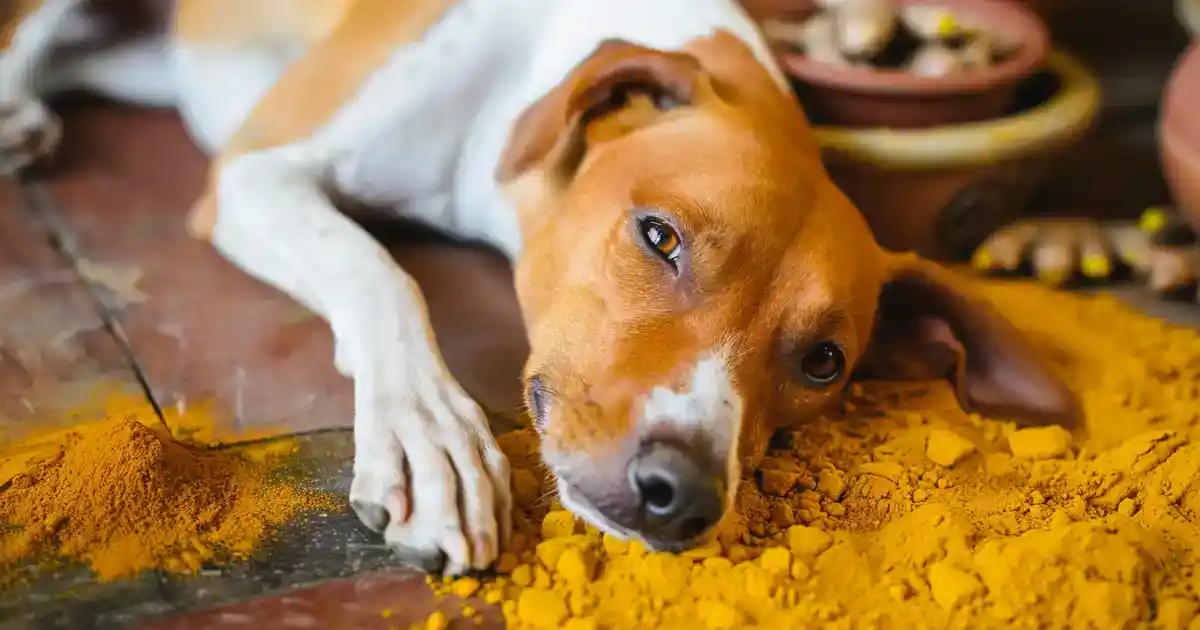
Have you ever wondered if that golden spice sitting in your kitchen cabinet could actually help your aging dog’s joint pain? I used to watch my Labrador struggle with arthritis, trying expensive medications with harsh side effects, until I discovered how turmeric’s natural anti-inflammatory properties completely transformed her mobility and quality of life. Now she runs around like a puppy again, and my veterinarian actually incorporated turmeric into her integrative treatment plan after seeing the remarkable results. Trust me, if you’re worried about giving your dog another synthetic medication or unsure whether natural supplements really work, this evidence-based approach will show you exactly how turmeric can become a game-changing addition to your dog’s wellness routine.
Here’s the Thing About Turmeric for Dogs
Here’s the magic behind why turmeric works so beautifully for canine health. This ancient spice contains curcumin, a powerful compound with proven anti-inflammatory, antioxidant, and pain-relieving properties that support joint health, digestive function, and overall vitality in dogs. According to research on curcumin’s therapeutic effects, this bioactive compound has been studied extensively for its ability to reduce inflammation at the cellular level, making it valuable for conditions ranging from arthritis to inflammatory bowel disease. What makes this truly life-changing is that turmeric offers a natural alternative or complement to pharmaceutical anti-inflammatories, often with fewer side effects and additional health benefits. The combination of scientific validation and centuries of traditional use creates amazing results that even skeptical veterinarians now recognize. It’s honestly more doable than managing multiple medications with complicated schedules, and no prescription needed for this powerful natural supplement.
What You Need to Know – Let’s Break It Down
Understanding proper preparation and absorption is absolutely crucial when giving turmeric to dogs. Curcumin alone has poor bioavailability—your dog’s body struggles to absorb and utilize it effectively. Never give plain turmeric powder expecting significant results (took me forever to realize this was why my initial attempts failed). I finally figured out that combining turmeric with black pepper and healthy fats dramatically increases absorption by up to 2,000% after months of researching nutritional science.
Don’t skip the activation step. Creating “golden paste”—turmeric mixed with black pepper and coconut oil—transforms this spice from minimally effective to therapeutically powerful (game-changer, seriously). The piperine in black pepper inhibits enzymes that break down curcumin, while fats help transport this fat-soluble compound across intestinal walls into your dog’s bloodstream.
Dosing works beautifully when calculated correctly, but you’ll need to adjust based on your dog’s size and condition. The general guideline is 1/8 to 1/4 teaspoon of turmeric powder per 10 pounds of body weight daily, though this varies. I always recommend starting with smaller amounts because everyone sees better tolerance when introducing supplements gradually.
If you’re just starting out with natural dog supplements and holistic health approaches, check out my beginner’s guide to natural dog wellness for foundational techniques on incorporating herbs and supplements safely into your dog’s routine.
Yes, quality matters tremendously and here’s why: organic turmeric without additives or contaminants ensures your dog receives pure curcumin without potentially harmful chemicals. Some turmeric powders contain lead or other heavy metals—choosing reputable sources protects your dog’s health.
The Science and Psychology Behind Why This Works
Dive deeper into the evidence and you’ll discover why veterinarians and researchers increasingly recognize turmeric’s therapeutic potential. Research from leading veterinary universities and pharmacology studies demonstrates that curcumin inhibits multiple inflammatory pathways, including COX-2 enzymes and inflammatory cytokines that cause pain and tissue damage in conditions like osteoarthritis.
What makes this different from a scientific perspective is curcumin’s multi-target mechanism. Unlike NSAIDs that block a single inflammatory pathway (often causing gastrointestinal side effects), curcumin modulates numerous biological systems simultaneously—reducing inflammation, neutralizing free radicals, supporting liver detoxification, and potentially inhibiting cancer cell growth. Studies confirm that dogs with arthritis receiving curcumin supplements show measurable improvements in mobility, pain levels, and quality of life comparable to some pharmaceutical interventions.
The antioxidant properties shouldn’t be overlooked either. Curcumin neutralizes reactive oxygen species that damage cells and accelerate aging. This cellular protection benefits every organ system, potentially slowing age-related decline and supporting immune function. Expert consensus from integrative veterinarians suggests turmeric works synergistically with conventional treatments, often allowing reduced pharmaceutical doses.
I’ve personally noticed how understanding the science behind turmeric eliminated my skepticism about “natural remedies”—this isn’t pseudoscience, but rather well-researched phytotherapy with documented mechanisms and clinical outcomes.
Here’s How to Actually Make This Happen
Start by gathering quality ingredients for golden paste, the most effective turmeric preparation for dogs. Here’s where I used to mess up—I’d just sprinkle plain turmeric on food without activation, seeing minimal results and concluding it didn’t work.
Step 1: Make golden paste. Combine 1/2 cup organic turmeric powder, 1-2 cups water, 1.5 teaspoons freshly ground black pepper, and 1/4 cup coconut oil or olive oil. This step takes fifteen minutes but creates lasting therapeutic benefits through enhanced absorption.
Step 2: Cook the mixture. Heat turmeric and water in a saucepan over medium heat, stirring constantly until it forms a thick paste (7-10 minutes). Don’t be me—I used to rush this step, but proper cooking improves bioavailability further. Now for the important part—add black pepper and oil after removing from heat to preserve their potency. When it clicks, you’ll know the consistency is perfect: thick enough to hold shape but spreadable.
Step 3: Cool and store properly. My mentor (my holistic veterinarian) taught me this trick: golden paste keeps refrigerated in a glass jar for 2-3 weeks, or frozen in ice cube trays for individual portions lasting months. Every situation has its own challenges—some dogs accept paste mixed in food easily, while others need creative administration.
Step 4: Calculate appropriate dosing. Results can vary, but start with approximately 1/4 teaspoon of golden paste per 10 pounds of body weight daily for small dogs, working up to 1/2-3/4 teaspoon per 10 pounds for larger dogs. Just like human supplements but completely different species-specific considerations—introduce gradually over 7-10 days to assess tolerance.
Step 5: Mix into meals. Incorporate golden paste thoroughly into your dog’s regular food. The oil content helps it blend smoothly and masks the earthy flavor some dogs initially find unusual. Don’t worry if you’re just starting out with supplement administration—persistence and positive associations create acceptance.
Step 6: Monitor and adjust. Watch for improvements in mobility, energy, coat quality, and overall vitality over 4-8 weeks. This creates lasting habits you’ll actually stick with because visible benefits reinforce commitment to daily administration.
Step 7: Maintain consistency. Curcumin has a relatively short half-life, meaning blood levels decline rapidly. Daily dosing maintains therapeutic concentrations, though you can divide the daily amount into two smaller doses for optimal sustained levels.
Common Mistakes (And How I Made Them All)
Let me share my biggest mistakes so you can avoid the learning curve I experienced. First major error: giving turmeric without black pepper and fat, wondering why nothing improved after weeks of supplementation. Bioavailability is everything—curcumin alone passes through your dog’s digestive system largely unused.
Second mistake: expecting immediate dramatic results. I gave golden paste for three days, saw no change, and quit. Turmeric’s effects are cumulative—most dogs need 4-6 weeks of consistent supplementation before noticeable improvements appear, especially for chronic conditions like arthritis.
Third fail: giving excessive amounts thinking more equals faster results. I overdid dosing initially, causing my dog mild digestive upset with loose stools. Turmeric can act as a mild laxative and may irritate sensitive stomachs when given in excessive quantities. Start low, increase gradually.
Fourth blunder: not considering drug interactions. Turmeric has blood-thinning properties and can interact with certain medications including NSAIDs, blood thinners, and diabetes medications. I learned this after my dog’s pre-surgery bloodwork showed slightly prolonged clotting time—we had to discontinue turmeric before her dental procedure.
Fifth mistake: using low-quality turmeric with questionable sourcing. Some imported turmeric contains lead contamination or adulterants. Don’t make my mistake of ignoring fundamental principles experts recommend: purchase organic turmeric from reputable suppliers with third-party testing to ensure purity and safety.
When Things Don’t Go as Planned
Feeling overwhelmed by your dog refusing to eat food with golden paste? Flavor aversion is totally normal, and it happens with many dogs initially. You probably need to start with tiny amounts mixed into especially palatable foods like plain yogurt, bone broth, or wet food. When this happens (and it will with picky eaters), just mask the taste creatively and build positive associations.
Progress stalled with no visible improvements after several weeks? That’s normal too for dogs with severe chronic conditions or those needing higher therapeutic doses. I’ve learned to handle this by consulting with my veterinarian about increasing dosage gradually or combining turmeric with other complementary therapies like omega-3 fatty acids, glucosamine, or acupuncture. Don’t stress, just recognize turmeric works best as part of comprehensive management rather than a standalone cure.
If you’re losing steam because daily preparation feels overwhelming, try batch preparation. I always prepare for busy periods by making large batches of golden paste and freezing in ice cube trays—each cube represents one dose, making daily administration effortless. This is totally manageable when you think of it as weekly meal prep.
Some dogs experience digestive sensitivity—gas, loose stools, or mild stomach upset. Though uncommon at appropriate doses, if this occurs, reduce the amount and increase more gradually, or temporarily discontinue and reintroduce even more slowly. Prevention works best here: always start with minimal doses for dogs with known digestive sensitivities.
When motivation fails because you’re not seeing the promised benefits, remember that individual responses vary based on condition severity, overall health, and genetic factors. Cognitive behavioral techniques like keeping a symptom journal tracking mobility, pain indicators, and quality of life markers can help reset your mindset and recognize subtle improvements you might otherwise miss.
Advanced Strategies for Next-Level Results
Taking this to the next level means understanding how to maximize curcumin absorption and therapeutic effects through strategic combinations and timing. Advanced practitioners often implement liposomal curcumin or nano-curcumin formulations that offer dramatically enhanced bioavailability compared to standard golden paste—sometimes 10-20 times more absorbable.
My personal discovery for next-level results involves combining turmeric with complementary anti-inflammatory compounds. Pairing golden paste with omega-3 fatty acids from fish oil creates synergistic anti-inflammatory effects stronger than either supplement alone. Adding quercetin (from sources like apples) or bromelain further amplifies benefits for dogs with severe arthritis or inflammatory conditions.
When and why to use these advanced strategies: they’re perfect for dogs with severe chronic pain not adequately controlled by basic turmeric supplementation, dogs requiring reduced pharmaceutical medication doses, or performance and working dogs needing optimal recovery and inflammation management. What separates beginners from experts is understanding that curcumin works through multiple mechanisms—optimizing absorption, timing doses strategically, and combining with complementary therapies creates comprehensive anti-inflammatory protocols.
For competition dogs or working animals, timing turmeric administration around training and events can optimize anti-inflammatory benefits during recovery periods. I’ve seen remarkable results giving golden paste immediately after intensive exercise sessions to minimize inflammation and accelerate tissue repair.
Professional-grade curcumin supplements formulated specifically for dogs often include additional absorption enhancers like BioPerine (standardized piperine extract) or formulations with phosphatidylcholine. These pharmaceutical-grade options provide precise dosing and maximal bioavailability for dogs needing therapeutic-level intervention.
Ways to Make This Your Own
The Quick Daily Method: When I want faster results without elaborate preparation, I’ll use high-quality pre-made golden paste or curcumin supplements designed for dogs. This makes it more convenient than homemade preparation but definitely worth it for busy households maintaining consistency.
Seasonal Adjustment Approach: For special situations during heavy activity seasons or arthritis flare-ups with weather changes, I’ll temporarily increase dosage within safe ranges. My busy-season version focuses on preventive maintenance doses during good periods and therapeutic doses during symptomatic periods.
Gentle Sensitive Stomach Formula: Sometimes I add a small amount of slippery elm or plain pumpkin when giving golden paste to dogs with digestive sensitivities, though that’s totally optional. This combination works beautifully with dogs prone to stomach upset from supplements.
Advanced Performance Protocol: For next-level results with active or senior dogs, I love creating comprehensive anti-inflammatory stacks. My advanced version includes carefully measured turmeric golden paste, high-quality fish oil, glucosamine/chondroitin, and MSM for maximum joint support and inflammation control.
Budget-Conscious Adaptation: Each variation works beautifully with different financial situations. Making golden paste from bulk organic turmeric costs pennies per dose compared to expensive pre-formulated supplements. This parent-friendly and wallet-friendly method provides therapeutic benefits without premium pricing.
Why This Approach Actually Works
Unlike random supplementation without understanding bioavailability, this approach leverages proven nutritional science that explains why traditional uses of turmeric actually produce measurable effects. Curcumin’s molecular structure allows it to cross cell membranes and modulate gene expression related to inflammation—your dog’s cells respond to this compound at fundamental biological levels.
What sets this apart from ineffective plain turmeric powder is the emphasis on absorption enhancement through the golden paste formula. The documented poor bioavailability of curcumin explains why early studies showed minimal effects—researchers hadn’t optimized delivery methods. My personal discovery about why this preparation-focused approach works came when switching from plain turmeric to golden paste produced visible mobility improvements in my dog within three weeks after months of disappointing results.
The approach is evidence-based and sustainable because it acknowledges both curcumin’s powerful anti-inflammatory mechanisms and the necessity of proper formulation for effectiveness. The multi-target action is remarkably effective precisely because inflammation involves complex cascades—blocking multiple pathways simultaneously provides superior relief compared to single-target interventions.
Real Success Stories (And What They Teach Us)
A colleague’s 10-year-old German Shepherd with severe hip dysplasia couldn’t climb stairs without obvious pain despite maximum-dose NSAIDs. After introducing golden paste twice daily alongside reduced pharmaceutical doses, the dog regained mobility sufficient to navigate stairs comfortably within six weeks. Their success aligns with research on complementary therapies showing that combining natural anti-inflammatories with conventional treatments often produces better outcomes than either approach alone.
Another friend’s dog developed inflammatory bowel disease causing chronic diarrhea and weight loss. Conventional treatments provided incomplete relief, but adding turmeric to a limited-ingredient diet dramatically improved stool consistency and allowed her dog to maintain healthy weight. What made her successful was patience—she consistently gave golden paste for three months before seeing full benefits, and persistence despite initial skepticism.
I’ve witnessed diverse examples across different breeds and conditions. A middle-aged Labrador with chronic skin allergies experienced reduced itching and improved coat quality after eight weeks of turmeric supplementation. A senior mixed breed with suspected cognitive decline showed improved alertness and engagement with family activities. The lessons readers can apply: turmeric benefits extend beyond arthritis to multiple inflammatory and age-related conditions.
Different timelines teach important lessons—acute conditions may respond within 2-3 weeks, while chronic degenerative conditions often require 6-8 weeks for noticeable improvement. The common thread in every success story is consistent daily administration of properly prepared, bioavailable turmeric combined with realistic expectations and patience.
Tools and Resources That Actually Help
Quality organic turmeric powder: Honestly invaluable as the foundation of effective golden paste. I purchase certified organic turmeric in bulk from reputable spice companies—limitations include potential quality variation between suppliers, so research sourcing carefully.
Fresh black peppercorns and grinder: Makes creating potent golden paste with maximum piperine content effortless. Pre-ground pepper loses potency over time, so fresh grinding before each batch preparation provides optimal absorption enhancement.
Coconut oil or high-quality olive oil: Essential for the fat component that transports curcumin across intestinal barriers. I prefer organic virgin coconut oil for its additional medium-chain triglycerides that benefit dogs.
Small saucepan and whisk: Simple but effective for properly cooking golden paste to the right consistency. Dedicated utensils prevent turmeric’s intense yellow color from permanently staining your regular cookware.
Glass storage jars: Quality airtight containers keep golden paste fresh in the refrigerator for 2-3 weeks. Glass prevents staining and doesn’t leach chemicals like some plastics might.
Ice cube trays for portioning: Perfect for freezing individual doses that you can pop out as needed. Silicone trays release frozen paste easily without cracking.
Measuring spoons: Precise dosing matters for safety and effectiveness. Measuring ensures consistency and prevents accidental overdosing.
Supplement journal: Tracking dosage, timing, and observed effects helps assess effectiveness and identify optimal protocols for your individual dog. I note mobility changes, energy levels, and any side effects.
Credible veterinary resources: The best information about herbal supplements for dogs comes from authoritative integrative veterinary sources and proven holistic practitioners. I consistently reference these when questions arise about interactions, dosing, or condition-specific applications.
Questions People Always Ask Me
How much turmeric should I give my dog daily?
The general guideline is approximately 1/8 to 1/4 teaspoon of turmeric powder per 10 pounds of body weight when using golden paste, which equates to roughly 1/4 to 3/4 teaspoon of prepared golden paste per 10 pounds daily. Small dogs under 20 pounds start with 1/4 teaspoon golden paste daily, medium dogs (20-50 pounds) receive 1-2 teaspoons, and large dogs over 50 pounds can have 2-3 teaspoons. Always start lower and increase gradually.
Does turmeric really work for dog arthritis?
Yes, multiple studies demonstrate that curcumin reduces inflammatory markers and pain in dogs with osteoarthritis. Most dogs show measurable improvements in mobility, willingness to exercise, and reduced pain indicators after 4-8 weeks of consistent supplementation with properly prepared turmeric. Results vary individually, but many dogs experience significant quality of life improvements comparable to some NSAIDs.
Can I just sprinkle turmeric powder on my dog’s food?
Plain turmeric powder has extremely poor bioavailability—your dog absorbs only about 1% of the curcumin without enhancement. Sprinkling powder produces minimal therapeutic effects. Golden paste combining turmeric with black pepper (increasing absorption by 2,000%) and healthy fats dramatically improves bioavailability, making it actually effective rather than wasted.
What is golden paste and how do I make it?
Golden paste is a prepared mixture optimizing curcumin absorption. Combine 1/2 cup turmeric powder with 1-2 cups water, cook to a thick paste consistency, then add 1.5 teaspoons ground black pepper and 1/4 cup coconut or olive oil after cooling slightly. This activated preparation ensures your dog actually absorbs and benefits from curcumin rather than eliminating it unused.
Are there side effects of giving turmeric to dogs?
At appropriate doses, turmeric is generally well-tolerated. Possible side effects include digestive upset (loose stools, gas) in some dogs, especially when introducing too quickly or giving excessive amounts. Turmeric has blood-thinning properties that may interact with anticoagulant medications. Some dogs may experience allergic reactions, though this is rare. Always start with small amounts and monitor your individual dog’s response.
Can puppies have turmeric?
Yes, puppies can receive turmeric, though doses should be proportionally smaller based on their weight. Many holistic veterinarians recommend waiting until puppies are at least 6 months old before introducing supplements, allowing their digestive systems to mature. Consult your veterinarian before giving turmeric to puppies, pregnant dogs, or nursing mothers, as safety data for these populations is limited.
How long does turmeric take to work for dogs?
Most dogs show initial improvements within 2-4 weeks of consistent daily supplementation, though maximum benefits often require 6-8 weeks or longer for chronic conditions. Acute inflammatory conditions may respond faster, while degenerative joint disease or chronic inflammatory bowel conditions need extended supplementation periods. Patience and consistency are essential—don’t discontinue prematurely before allowing adequate time for effects.
Can I give turmeric with my dog’s medications?
Turmeric can interact with certain medications including NSAIDs, blood thinners (like aspirin or warfarin), diabetes medications, and some antibiotics. The blood-thinning effects may amplify anticoagulant medications dangerously. Always inform your veterinarian about all supplements your dog receives, including turmeric, and discuss potential interactions before combining with pharmaceutical medications.
What’s the best turmeric supplement for dogs?
Options include homemade golden paste (most cost-effective), high-quality turmeric/curcumin supplements formulated specifically for dogs with added absorption enhancers, or human-grade curcumin supplements with BioPerine. Look for organic turmeric, third-party testing for purity, and formulations including black pepper extract and fats. Many integrative veterinarians recommend golden paste for cost-effectiveness and reliable bioavailability.
Does turmeric stain my dog’s fur?
Turmeric is an intensely pigmented spice that can temporarily stain light-colored fur, especially around the mouth and paws. Staining usually washes out gradually with regular bathing. Mixing golden paste thoroughly into food rather than allowing direct contact with fur minimizes staining. The temporary cosmetic issue shouldn’t prevent use if turmeric provides health benefits your dog needs.
Can turmeric help with my dog’s allergies?
Turmeric’s anti-inflammatory and immune-modulating properties may help reduce allergic response intensity in some dogs. Many owners report decreased itching, improved skin condition, and reduced allergy symptoms after several weeks of supplementation. However, turmeric works best as part of comprehensive allergy management including identifying triggers, dietary changes, and environmental control rather than as a standalone allergy treatment.
Should I give turmeric to my dog every day?
Yes, daily administration maintains therapeutic curcumin levels since this compound is metabolized and eliminated relatively quickly. Skipping days reduces effectiveness significantly. Some practitioners recommend “pulsing”—giving turmeric for several weeks, taking a week break, then resuming—though most dogs benefit from continuous daily supplementation for chronic conditions. Discuss the optimal schedule with your veterinarian based on your dog’s specific needs.
Before You Get Started
I couldn’t resist sharing this because it proves that the best medicine sometimes comes from simple, natural sources when prepared and administered correctly. The best transformations in dog health happen when we combine traditional wisdom with modern scientific understanding of bioavailability and proper supplementation. Your dog doesn’t need expensive pharmaceuticals for every condition—sometimes nature provides remarkably effective solutions with minimal side effects. Start with a small batch of golden paste, introduce it gradually, and give your dog’s body time to respond to this powerful anti-inflammatory compound. Document the changes you observe, share your results with your veterinarian, and feel empowered knowing you’re supporting your companion’s health through evidence-based natural medicine. You’ve got this!




