
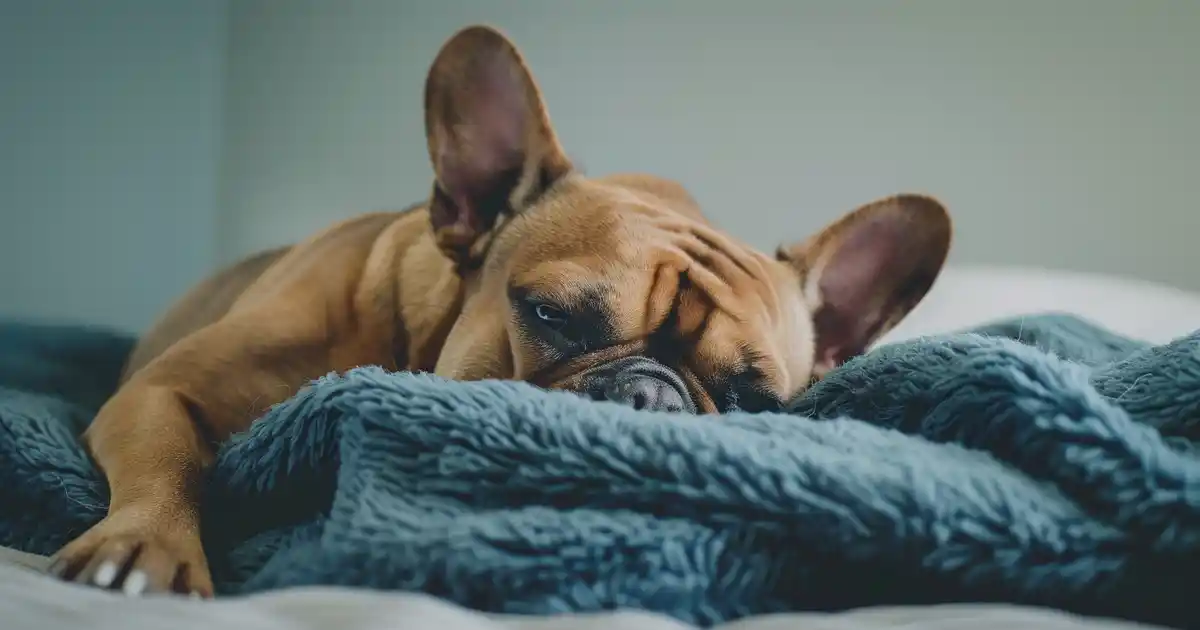
Have you ever laid awake at 3 AM listening to your dog pace, whine, or restlessly change positions, wondering why they can’t just settle down and sleep?
I used to think my Australian Shepherd Riley was just being difficult during his nighttime wakeful episodes until I discovered that canine insomnia has specific, treatable causes that were making his nights miserable. Now when friends complain about their dogs keeping them awake with restless behavior, I get to share the often-overlooked medical and environmental factors that disrupt canine sleep. Here’s the thing I discovered: dog insomnia isn’t about stubbornness or bad behavior—it’s almost always a red flag signaling pain, anxiety, cognitive issues, or environmental problems that desperately need addressing. Trust me, if you’ve been losing sleep because your dog can’t sleep, understanding the root causes of canine insomnia will help you identify solutions that restore peaceful nights for both of you and address underlying health issues before they progress.
Here’s the Thing About Dog Insomnia
The magic of addressing canine insomnia lies in recognizing that dogs are naturally good sleepers who only experience persistent sleep difficulties when something is genuinely wrong. When dogs struggle to fall asleep, wake frequently throughout the night, or seem restless during their normal sleeping hours, they’re communicating distress about physical discomfort, psychological anxiety, or environmental conditions preventing natural rest. According to research on sleep disorders, insomnia in mammals indicates disruption of normal sleep-wake cycles through various physiological or psychological mechanisms that require identification and intervention. It’s honestly more serious than most pet parents realize—chronic sleep deprivation affects dogs’ immune function, cognitive abilities, emotional regulation, and overall health in ways that compound over time if left unaddressed. What makes canine insomnia particularly challenging is that dogs can’t verbally communicate what’s bothering them, requiring observant owners to decode behavioral clues and work with veterinarians to identify underlying causes. The secret to resolving insomnia is understanding that it’s never just a behavioral quirk but always a symptom of correctable problems ranging from medical conditions to inadequate daytime exercise to environmental stressors that proper intervention can eliminate.
What You Need to Know – Let’s Break It Down
Understanding canine insomnia requires recognizing several key categories of causes that disrupt normal sleep patterns. Pain and medical conditions are absolutely crucial to identify first—I finally figured out after veterinary examination that Riley’s nighttime restlessness stemmed from undiagnosed hip dysplasia causing discomfort when lying down (took me forever to connect his pacing to physical pain). Don’t skip investigating anxiety and stress factors because separation anxiety, noise phobias, changes in routine, or household tension create hypervigilance that prevents dogs from relaxing into sleep.
Cognitive dysfunction syndrome affects senior dogs similarly to human dementia, disrupting their internal clocks and causing nighttime confusion and wakefulness that didn’t exist in their younger years. If you’re interested in understanding more about recognizing health problems through behavioral changes and supporting your dog’s overall wellness, check out my guide to canine health warning signs for foundational insights into identifying when behaviors indicate medical issues.
Environmental factors like temperature extremes, uncomfortable bedding, excessive noise, or inadequate darkness work together to create conditions incompatible with quality sleep. Yes, exercise and mental stimulation deficiencies really contribute to insomnia, and here’s why: dogs with pent-up physical energy and unstimulated minds simply aren’t tired enough for sleep when nighttime arrives, resulting in restlessness that owners interpret as insomnia but actually reflects inadequate daytime activity. Dietary issues including late feeding times, food sensitivities, or caffeine-containing substances can disrupt sleep through digestive discomfort or stimulant effects that prevent natural drowsiness.
The Science and Psychology Behind Why This Works
Research from veterinary sleep medicine and animal behavior specialists demonstrates that canine insomnia shares physiological mechanisms with human sleep disorders while having species-specific triggers requiring tailored approaches. Studies on pain and sleep show that chronic discomfort activates stress response systems that maintain cortisol elevation and prevent the neurological transition into sleep stages, explaining why arthritic dogs often experience nighttime restlessness when lying still intensifies joint pain awareness. What makes this different from a scientific perspective is that dogs’ social nature means anxiety-based insomnia often stems from attachment issues or environmental insecurity that solitary species wouldn’t experience.
The psychological dimension reveals that dogs with insufficient daytime mental engagement literally lack the cognitive fatigue necessary for sleep, while anxious dogs remain hypervigilant scanning for threats rather than relaxing into vulnerable rest states. I’ve learned through veterinary behaviorists that punishment-based training or household tension creates chronic stress states incompatible with quality sleep regardless of physical tiredness. Expert research on canine sleep disorders confirms that senior dogs with cognitive dysfunction experience circadian rhythm disruption where their internal clocks malfunction, causing day-night confusion that manifests as nighttime wakefulness and daytime sleeping.
The neurological mechanisms involve complex interactions between pain pathways, stress hormones, neurotransmitter systems regulating wakefulness, and circadian rhythm controls that can be disrupted by medical conditions, environmental factors, or psychological states. For instance, hypothyroidism alters metabolic rhythms affecting sleep-wake cycles, while anxiety disorders create persistent norepinephrine elevation that maintains the brain in alert states incompatible with sleep initiation.
Here’s How to Actually Solve Canine Insomnia
Start by scheduling comprehensive veterinary examination to identify or rule out medical causes including pain conditions, hormonal imbalances, neurological issues, or age-related cognitive changes. Here’s where I used to mess up—I tried behavioral solutions for Riley’s insomnia without addressing his underlying hip pain, wasting months on ineffective interventions while his discomfort continued disrupting his sleep. Now for the important part: implement appropriate pain management if physical discomfort is identified, because when it clicks, you’ll often see immediate dramatic improvements in sleep quality once pain no longer prevents comfortable rest.
Provide significantly increased daytime exercise tailored to your dog’s physical capabilities because adequate physical tiredness is foundational to nighttime sleep readiness. Don’t be me—I used to think one morning walk sufficed, but dogs need multiple exercise sessions totaling at least 60-90 minutes daily for medium-to-large active breeds to achieve the physical tiredness that promotes quality sleep. This step takes commitment but creates lasting sleep improvements you’ll actually see in how readily your dog settles at night.
Make sure your dog receives substantial mental stimulation through training, puzzle toys, scent work, or interactive play because cognitive fatigue is equally important as physical tiredness for promoting sleep. My mentor taught me this trick: schedule an engaging training session or challenging puzzle toy 1-2 hours before bedtime to create mental tiredness that facilitates faster sleep onset until dogs feel completely ready for rest.
Results can vary, but most dogs whose insomnia stems from correctable causes show noticeable improvement within 1-2 weeks of addressing underlying problems, though chronic anxiety may require longer behavioral modification or pharmaceutical intervention. Address environmental sleep barriers by ensuring comfortable temperature (68-72°F), quiet or white noise conditions, complete darkness or dim red lighting, and orthopedic bedding that supports aging joints. This creates lasting sleep quality you’ll actually observe in reduced nighttime restlessness and more continuous sleep periods. Every situation has its own challenges—senior dogs with cognitive dysfunction may need medication rather than environmental changes alone, while young anxious dogs might require comprehensive behavior modification addressing separation issues or general fearfulness.
Common Mistakes (And How I Made Them All)
Don’t make my mistake of assuming insomnia is purely behavioral without investigating medical causes. I spent weeks implementing sleep training techniques for Riley before discovering his physical pain, delaying appropriate treatment and allowing him to suffer unnecessarily while ineffective behavioral interventions failed repeatedly. Another epic failure was punishing nighttime restlessness thinking Riley was being intentionally disruptive, when actually his pacing and whining were distress signals about genuine discomfort I was punishing him for communicating.
I also used to exercise Riley intensely right before bedtime thinking he’d crash immediately, but overstimulation too close to sleep time actually increased arousal and delayed sleep onset rather than promoting rest (learned that after consulting with a veterinary behaviorist). Ignoring gradual onset was another mistake—I couldn’t pinpoint when Riley’s occasional restless nights became chronic insomnia because the progression happened slowly, normalizing abnormal patterns until they seemed like his standard behavior.
The biggest mistake pet parents make is accepting insomnia as unchangeable or age-related without investigation, because even senior dogs deserve treatment for pain, anxiety, or cognitive dysfunction rather than resignation to poor quality of life that proper intervention could significantly improve.
When Things Don’t Go as Planned
Feeling frustrated because interventions haven’t improved your dog’s insomnia? You probably need to examine whether multiple factors are contributing simultaneously, whether initial treatments need dosage adjustments, or whether additional diagnostic testing might reveal overlooked conditions. That’s normal when sleep problems have complex causes, and it happens to everyone dealing with multifaceted health issues. I’ve learned to handle this by systematically addressing one variable at a time—first pain, then anxiety, then environment—to identify which interventions generate meaningful improvements without changing everything simultaneously and losing ability to determine what actually helps, and when this happens (and it will), patience with gradual problem-solving becomes essential.
Progress stalled after initial improvements in sleep patterns? Don’t stress, just check whether your dog has developed tolerance to medications requiring adjustment, whether new stressors have emerged, or whether seasonal changes have altered environmental conditions affecting sleep. This is totally manageable by maintaining close communication with your veterinary team and adjusting management approaches based on ongoing monitoring. When motivation fails to continue addressing your dog’s insomnia, remembering the health consequences of chronic sleep deprivation can help sustain your commitment. If you’re losing steam implementing multiple interventions, try focusing on the highest-impact factors first—pain management and adequate exercise typically generate the most dramatic improvements before addressing subtler environmental or dietary factors.
Advanced Strategies for Managing Complex Insomnia
Taking your understanding of canine sleep disorders to the next level involves recognizing patterns that point toward specific underlying causes requiring targeted intervention. Advanced practitioners often implement detailed sleep logs documenting exact timing of restlessness, environmental conditions, daily activities, and any behavioral or physical symptoms accompanying sleep difficulties to identify patterns invisible through casual observation. I’ve discovered that video monitoring throughout nights reveals whether dogs wake from external stimuli, internal discomfort, or spontaneous arousal without apparent triggers, providing diagnostic clues about underlying mechanisms.
Consider the relationship between medication timing and sleep quality because some drugs affect alertness or drowsiness, requiring administration schedule adjustments to avoid disrupting natural sleep-wake cycles. Another advanced insight involves recognizing breed-specific vulnerabilities—herding breeds may experience anxiety-related insomnia more frequently, while giant breeds often have pain-related sleep disruption from joint stress their body structure creates.
Expert-level dog parents also understand the importance of circadian rhythm support through consistent schedules, appropriate light exposure patterns, and timed feeding that reinforces natural daily cycles rather than disrupting them. For next-level insomnia management, combine pharmaceutical interventions like trazodone or melatonin with behavioral modifications and environmental optimization rather than relying on single-modality approaches for complex sleep disorders. Advanced strategies include consulting veterinary neurologists for dogs whose insomnia persists despite comprehensive intervention, since unusual conditions like narcolepsy or neurological diseases might require specialized diagnosis and management.
Ways to Prevent Insomnia Development
When I want to maintain healthy sleep patterns in my dogs proactively, I’ll establish consistent daily routines that include adequate exercise, mental stimulation, and predictable sleep schedules reinforcing natural circadian rhythms. For special situations like introducing new pets or family members that might disrupt sleep, my approach focuses on gradual transitions with extra reassurance and maintenance of core routines that provide stability during change. This makes adjustments less stressful but definitely requires planning and commitment from everyone in the household.
My preventive approach includes regular veterinary wellness examinations that identify emerging health issues before they progress to causing sleep disruption, because early intervention prevents problems from becoming entrenched. Sometimes I add calming supplements like L-theanine or chamomile for dogs showing early stress signs, though that’s totally dependent on veterinary approval and individual dogs’ needs and sensitivities.
For next-level sleep health maintenance, I monitor my dogs for subtle behavior changes that might indicate developing problems—increased restlessness, changes in sleep position preferences, or altered response to normal bedtime cues all warrant investigation before they evolve into chronic insomnia. My senior-focused version includes proactive pain management and cognitive support supplements that address age-related changes before they significantly impact sleep quality.
Each life stage requires different preventive strategies—puppies need structured sleep training that establishes healthy patterns from the start, adults benefit from consistent routines and regular health monitoring, and seniors require proactive management of emerging age-related conditions before they disrupt sleep. Summer approach includes ensuring adequate cooling since overheating commonly disrupts canine sleep during warm months, while my busy-season version focuses on maintaining minimum exercise standards even when schedules compress because inadequate daytime activity is among the most common causes of preventable insomnia.
Why Quality Sleep Matters for Canine Health
Unlike occasional restless nights that all dogs experience, chronic insomnia leverages destructive physiological processes that compromise immune function, accelerate aging, impair learning, and reduce quality of life. The reason persistent sleep deprivation specifically damages health is because restorative processes including tissue repair, memory consolidation, toxin clearance, and hormonal regulation occur primarily during sleep stages that insomnia prevents. Evidence-based veterinary research shows that chronically sleep-deprived dogs demonstrate weakened immune responses, increased inflammation markers, cognitive decline, behavioral problems, and reduced lifespan compared to dogs achieving adequate quality rest.
What makes addressing insomnia different is recognizing that sleep isn’t a luxury but a biological necessity whose disruption creates cascading health consequences extending far beyond mere tiredness. The sustainable aspect comes from understanding that resolving insomnia’s underlying causes rather than just forcing rest through sedation creates lasting sleep quality improvements that support optimal health across all body systems.
Real Success Stories (And What They Teach Us)
One friend discovered their senior Golden Retriever’s insomnia resulted from undiagnosed arthritis—after starting pain management including NSAIDs and joint supplements, the dog’s nighttime restlessness completely resolved within two weeks and he returned to sleeping peacefully through entire nights. Another success story involved a family whose rescue dog experienced severe anxiety-related insomnia until they implemented comprehensive behavior modification including desensitization training, pheromone diffusers, and ultimately short-term anti-anxiety medication that allowed the dog to finally relax enough for normal sleep. What made each person successful was refusing to accept insomnia as normal and persistently investigating until they identified specific causes requiring specific interventions.
I’ve seen diverse outcomes where some dogs respond dramatically to single treatments like increased exercise while others require multifaceted approaches addressing pain, anxiety, environment, and routine simultaneously before sleep normalizes. The lessons readers can apply include viewing insomnia as a medical symptom deserving investigation rather than a behavioral problem requiring punishment, and understanding that appropriate intervention often completely resolves sleep difficulties when underlying causes receive proper attention. Their success aligns with research on sleep disorders showing that targeted treatment of identified causes produces superior outcomes compared to nonspecific sedation approaches that don’t address why dogs can’t sleep naturally.
Tools and Resources That Actually Help
Orthopedic memory foam beds specifically designed for joint support can dramatically improve sleep quality for dogs whose insomnia stems from pain when lying on inadequate surfaces—I personally use Big Barker beds that have eliminated Riley’s discomfort-related restlessness. White noise machines or calming music designed for canine hearing ranges help mask environmental sounds that might trigger waking in anxious or hypervigilant dogs.
Adaptil pheromone diffusers or collars provide synthetic calming pheromones that reduce anxiety in many dogs, supporting better sleep quality in those whose insomnia has stress-related components. Puzzle toys and interactive feeders used 1-2 hours before bedtime provide mental stimulation that creates cognitive tiredness facilitating sleep onset—I rotate through Kong toys, snuffle mats, and lick mats that consistently help Riley settle more readily.
Books like “From Fearful to Fear Free” by Marty Becker provide deeper insights into managing canine anxiety that often underlies insomnia in behaviorally healthy dogs. The best resources come from authoritative veterinary organizations and proven sleep medicine specialists who combine diagnostic expertise with evidence-based treatment protocols. Prescription medications including trazodone, gabapentin, or melatonin can support better sleep when behavioral and environmental interventions prove insufficient, though I always emphasize these require veterinary supervision and work best when combined with non-pharmaceutical approaches addressing root causes. Activity monitors like FitBark track your dog’s nighttime restlessness quantitatively, providing objective data about whether interventions improve sleep or concerns are justified.
Questions People Always Ask Me
What causes insomnia in dogs?
Common causes include pain conditions like arthritis, anxiety disorders, cognitive dysfunction in seniors, inadequate daytime exercise or mental stimulation, environmental factors like temperature or noise, medical issues including hormonal imbalances, and dietary problems or late feeding times—most cases involve multiple contributing factors requiring comprehensive assessment.
How do I know if my dog has insomnia or just different sleep preferences?
True insomnia involves difficulty falling asleep despite tiredness, frequent waking throughout normal sleep periods, restless pacing or position changes, signs of distress like whining or panting, and daytime fatigue or behavioral changes—occasional restless nights are normal while persistent patterns over weeks indicate genuine sleep disorders.
Can anxiety cause insomnia in dogs?
Absolutely, anxiety is among the most common causes of canine insomnia, with separation anxiety, noise phobias, generalized anxiety disorder, and environmental stressors all creating hypervigilance that prevents dogs from relaxing into sleep despite physical tiredness requiring behavioral intervention or medication.
What’s the first step if my dog can’t sleep at night?
Schedule comprehensive veterinary examination to identify or rule out pain, medical conditions, or cognitive dysfunction before implementing behavioral interventions, since treating underlying physical causes often resolves insomnia completely while forcing behavioral solutions onto sick dogs proves ineffective and allows conditions to progress.
Will more exercise fix my dog’s insomnia?
Only if inadequate physical activity is the primary cause—many dogs need increased exercise as one component of insomnia treatment, but those with pain, anxiety, or medical conditions require targeted interventions addressing specific underlying problems before exercise adjustments generate meaningful sleep improvements.
Can diet affect my dog’s ability to sleep?
Definitely, late feeding times cause digestive activity incompatible with sleep, food sensitivities create inflammation and discomfort disrupting rest, nutritional deficiencies affect neurological function including sleep regulation, and some ingredients have stimulant properties that delay sleep onset or reduce sleep quality.
What medications help dogs with insomnia?
Common veterinary-prescribed options include trazodone for anxiety-related insomnia, gabapentin for pain-related sleep disruption, melatonin for circadian rhythm support, and sileo or alprazolam for noise phobia management—all require veterinary supervision and work best combined with non-pharmaceutical interventions addressing underlying causes.
What mistakes should I avoid when dealing with dog insomnia?
Never punish nighttime restlessness, don’t assume it’s purely behavioral without medical investigation, avoid intense exercise immediately before bedtime, resist sedating without identifying causes, don’t accept chronic insomnia as normal aging, and never force dogs to “stay in bed” when genuine discomfort or needs prevent sleep.
Do senior dogs naturally develop insomnia?
While seniors may experience some sleep architecture changes, persistent insomnia typically indicates treatable conditions like arthritis pain, cognitive dysfunction syndrome, or other age-related diseases rather than inevitable aging—appropriate management significantly improves sleep quality and overall wellbeing in most geriatric dogs.
How long does it take to fix dog insomnia?
Timeline depends entirely on underlying causes—pain management may improve sleep within days, anxiety modification might require weeks to months, cognitive dysfunction needs ongoing medication management, and complex cases with multiple factors may show gradual improvement over 4-8 weeks as comprehensive interventions accumulate effects.
What’s the difference between insomnia and restless sleep?
Insomnia involves difficulty initiating or maintaining sleep with prolonged wakefulness, while restless sleep includes frequent position changes and brief wakings but overall adequate sleep duration—both warrant investigation though insomnia typically indicates more severe underlying problems requiring urgent intervention.
How do I track my dog’s sleep patterns accurately?
Use detailed logs documenting bedtime, sleep onset time, number and duration of wakings, morning wake time, and any behaviors or symptoms accompanying sleep difficulties, or utilize activity monitors that objectively track movement patterns throughout nights providing quantitative data about sleep quality.
Before You Get Started
I couldn’t resist sharing this because it proves that your dog’s sleepless nights aren’t about being difficult—they’re desperate attempts to communicate that something is genuinely wrong and needs your help. The best journeys toward restoring peaceful sleep happen when we view insomnia as the medical symptom it truly is rather than a behavioral annoyance, investigating underlying causes with the urgency they deserve. Ready to begin solving your dog’s insomnia? Start by scheduling that veterinary appointment you’ve been postponing and begin documenting sleep patterns objectively, because identifying the specific causes affecting your individual dog is the essential first step toward nights where everyone in your household finally sleeps peacefully.




