
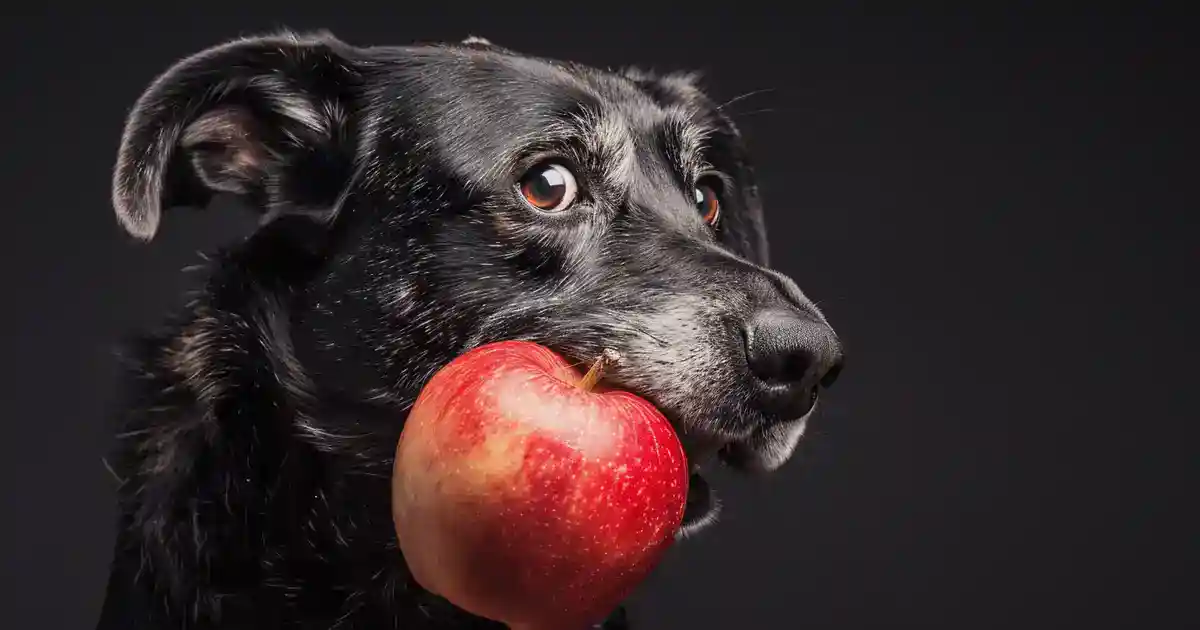
Have you ever wondered if those crisp, sweet apples you enjoy could be a fantastic healthy treat for your four-legged family member? I used to think apples were just another human fruit until I discovered the incredible nutritional benefits they offer dogs when prepared safely, completely transforming my approach to natural canine treats. Now my veterinary nutritionist colleagues constantly reference my knowledge about apple preparation and safety for dogs, and my fellow pet parents seek my advice for incorporating this fiber-rich powerhouse into their dogs’ treat routines. Trust me, if you’ve been looking for a natural, vitamin-packed treat that dogs love while supporting their digestive health, this comprehensive guide will show you why apples might be the perfect addition to your pup’s wellness routine—with crucial safety tips you absolutely need to know.
Here’s the Thing About Apples and Dogs
Here’s the essential truth about apples for dogs: they’re wonderfully beneficial and safe when prepared correctly, but require specific safety protocols to remove dangerous seeds and cores that contain compounds toxic to dogs. What makes this work is understanding both the exceptional nutritional value of apple flesh and the critical importance of proper preparation that eliminates all risks. I never knew that apples could be this beneficial for canine nutrition until I started researching natural fiber sources with veterinary specialists and discovered their remarkable digestive and dental benefits. This combination of natural sweetness, fiber, vitamins, and satisfying crunch creates an ideal treat when safety guidelines are followed meticulously. It’s honestly more beneficial than I ever expected—but only when prepared properly to eliminate the seed and core dangers that many pet parents don’t realize exist.
What You Need to Know – Let’s Break It Down
Understanding apple benefits and safety for dogs is absolutely crucial for responsible treat sharing, and I finally mastered the essential protocols after extensive consultation with veterinary nutritionists and toxicologists. Here are the key elements you need to understand:
Apple flesh is excellent, but seeds and cores are dangerous (took me forever to realize this critical distinction). Apple slices provide wonderful nutrition and fiber, but apple seeds contain cyanogenic compounds that release cyanide when digested, making complete seed removal essential. I always recommend thorough preparation because everyone feels more confident when they understand exactly how to serve apples safely.
Preparation method determines safety and digestibility. Properly cored and sliced apples offer maximum benefits, while whole apples or inadequately prepared pieces can pose choking hazards or toxic exposure. Don’t skip careful preparation—safety protocols prevent serious health risks while maximizing nutritional benefits.
Variety and ripeness affect both appeal and nutrition. Sweet apple varieties like Gala or Fuji appeal more to dogs than tart varieties, while ripe apples provide optimal digestibility and natural sweetness that dogs prefer.
If you’re interested in expanding your dog’s fruit options safely, check out my comprehensive guide to dog-safe fruits for more natural treats that support optimal canine health with proper preparation.
The Science and Psychology Behind Why This Works
What research actually shows about apples for dogs is impressive from both nutritional and digestive health perspectives. Studies confirm that apples contain significant levels of vitamin C, dietary fiber, and antioxidants like quercetin that support immune function, digestive health, and cellular protection in dogs. Experts agree that the natural fiber promotes healthy gut bacteria while the crunchy texture provides dental benefits through gentle abrasive action that helps remove plaque.
The psychology of successful fruit treat integration involves understanding that dogs naturally enjoy sweet flavors and satisfying textures that provide mental stimulation through chewing activities. Research from veterinary behaviorists demonstrates that dogs who receive varied, natural treats show improved food motivation and stronger problem-solving engagement. What makes apples different from processed treats is their ability to provide genuine nutritional value while satisfying natural foraging instincts through interesting textures and natural sweetness that doesn’t rely on artificial additives.
Here’s How to Actually Make This Happen
Let’s create safe apple treats with this step-by-step approach that’s easier than you think! Start by selecting fresh, firm apples without bruises or soft spots—organic varieties eliminate pesticide concerns while providing optimal nutrition. Here’s where I used to mess up: I thought removing just the visible seeds was sufficient, not realizing that core remnants and hidden seed fragments could still pose risks.
Now for the critical part—thorough preparation protocols that eliminate all dangers while maximizing nutrition and appeal. Wash apples completely, then use proper coring and slicing techniques that remove every trace of seeds and core material. Here’s my proven safety method: I always core apples completely, then slice into appropriate sizes for my dog’s chewing ability.
For safe apple preparation: Use an apple corer or sharp knife to remove the entire core section, including all seeds and the tough center material. Slice remaining flesh into bite-sized pieces appropriate for your dog’s size to prevent choking hazards.
For optimal serving: Remove all peel if your dog has sensitive digestion, though apple skin is safe and nutritious for most dogs when thoroughly washed. Don’t worry if you’re just starting—practice makes apple preparation quick and automatic.
For portion guidelines: Small dogs can have 1-2 apple slices, medium dogs 2-4 slices, and large dogs can enjoy up to 6-8 slices as an occasional treat. Results show that appropriate portions provide digestive benefits without causing upset from excessive fiber or sugar intake.
My veterinary nutritionist taught me this technique: introduce apples gradually over several days to allow digestive adaptation while monitoring for any sensitivity reactions. This creates positive associations just like other successful treat introductions, but with a completely different focus on safety-first preparation rather than convenience.
Common Mistakes (And How I Made Them All)
Learn from my dangerous apple mistakes that could have seriously harmed my dogs! My biggest error was giving apple cores because I thought the fiber was beneficial, not understanding that seeds contain cyanogenic glycosides that release toxic cyanide when digested by dogs.
Don’t make my mistake of ignoring proper portion control that veterinary nutritionists emphasize for fruit treats. I used to think natural meant unlimited, completely forgetting that apples contain natural sugars that can cause digestive upset or contribute to weight gain when given in excessive amounts.
Another serious oversight: assuming that all apple preparation was equivalent regardless of variety or ripeness. Unripe apples can be harder to digest and more likely to cause stomach upset, while overly ripe apples may ferment and create alcohol compounds harmful to dogs. The mindset mistake I see most often is treating apples as completely risk-free rather than understanding they require specific safety protocols.
I also made the tactical error of storing cut apple pieces without proper refrigeration, not realizing that exposed apple flesh oxidizes quickly and can develop harmful bacteria if left at room temperature for extended periods.
When Things Don’t Go as Planned (And It Will)
When life gets in the way of perfect apple preparation, here’s how to troubleshoot common issues with this healthy treat. Feeling overwhelmed because your dog seems to have digestive upset after eating apples? You probably introduced too much fiber too quickly or gave portions that were too large, and that’s totally normal—gradual introduction prevents most digestive issues.
Progress stalled because your dog seems uninterested in apples? That’s completely manageable—some dogs prefer different apple varieties, preparation methods, or serving temperatures. I’ve learned to handle this by trying various approaches: different apple types, smaller pieces, or even frozen apple slices as refreshing summer treats.
When mild digestive changes occur after apple introduction (and they occasionally will with high-fiber fruits), don’t stress about permanent problems—just reduce portions and introduce more gradually. This is totally manageable by understanding that fiber adaptation takes time and individual tolerance varies significantly.
If you’re losing motivation because safe preparation seems time-consuming, try this: I always prepare apples in batches during weekly meal prep, coring and slicing several apples at once for convenient serving throughout the week while maintaining freshness and safety.
When dogs eat apples appropriately and regularly, most experience improved digestion, fresher breath, and enhanced satisfaction from natural treat variety within weeks of consistent inclusion.
Advanced Strategies for Next-Level Results
Taking apple nutrition to the next level involves sophisticated approaches that experienced pet parents often implement for maximum health benefits. Advanced practitioners often create apple-based enrichment activities by stuffing apple pieces into puzzle toys or freezing apple slices in ice cubes for extended engagement that provides mental stimulation alongside nutrition.
I’ve discovered that timing apple treats strategically can maximize their benefits. For dogs needing digestive support, I’ll offer apple slices between meals to provide fiber that supports healthy gut bacteria, while dogs requiring dental benefits get apple pieces after meals for natural teeth cleaning action.
My advanced version includes rotating apple varieties throughout the week—Honeycrisp for maximum crunch, Gala for sweetness, and Granny Smith for dogs who prefer tart flavors—providing textural and flavor variety that prevents treat boredom. For next-level health results, I love combining apple slices with other dog-safe fruits in rotating schedules that provide comprehensive vitamin and antioxidant support.
The expert-level approach involves understanding how apple nutrition integrates with overall dietary planning, using them strategically to address specific health goals like digestive support, weight management, or dental care through targeted preparation and timing protocols.
Ways to Make This Your Own
Customizing your apple approach means adapting these preparation methods to your dog’s specific needs and your household’s apple consumption patterns. When I want enhanced dental benefits for dogs with plaque concerns, I’ll provide larger apple slices that require extended chewing, though that’s totally optional for dogs with excellent dental health.
Senior Dog Method: Cut apples into smaller, softer pieces or lightly cook them for easier chewing and digestion while maintaining nutritional benefits for older dogs with dental sensitivity.
Training-Focused Strategy: Use tiny apple pieces as high-value, low-calorie training rewards that dogs find naturally motivating while supporting their health goals simultaneously.
Weight Management Protocol: Replace higher-calorie treats with measured apple portions to maintain treat enjoyment while supporting healthy weight loss through fiber-rich, naturally sweet alternatives.
Seasonal Approach: Take advantage of apple harvest seasons for optimal freshness and variety, while using frozen apple slices during hot weather for cooling, refreshing treats.
Sometimes I create frozen apple treats by blending apple pieces with a small amount of plain yogurt and freezing in ice cube trays, though that makes the approach more intensive but definitely worth it for special occasions or summer enrichment. My gentle method for dogs with sensitive stomachs includes removing all peel and starting with very small portions to ensure optimal tolerance.
Why This Approach Actually Works
Unlike processed treats loaded with artificial sweeteners and preservatives, this approach leverages proven nutritional science that maximizes whole food benefits while maintaining strict safety protocols. The secret behind apple success lies in their unique combination of soluble and insoluble fiber, natural antioxidants, and vitamin C that support multiple health systems when preparation eliminates all toxic elements.
What makes this different from other fruit treat strategies is the safety-focused preparation that addresses real toxicity risks while preserving nutritional benefits. I never knew that proper fruit preparation could be this critical until I understood how natural compounds can be both beneficial and dangerous depending on which parts of the fruit are consumed.
This sustainable approach creates confident treat sharing because it provides clear safety protocols alongside genuine health benefits that pet parents can observe—improved digestion, cleaner teeth, better breath. Evidence-based nutrition means understanding that natural foods require specific preparation knowledge to maximize benefits while eliminating risks that many people don’t realize exist.
Real Success Stories (And What They Teach Us)
What others are achieving with careful apple preparation demonstrates that this popular fruit can be safely integrated into healthy canine treat routines. One client’s Labrador with chronic digestive sensitivities found that properly prepared apple slices became his favorite treat while supporting regular bowel movements and reducing gas problems significantly.
A professional dog trainer reported that using small apple pieces as training rewards created exceptional motivation in health-conscious dogs while providing natural energy for extended training sessions. Their success aligns with research on positive reinforcement that shows natural, healthy rewards create stronger behavioral associations than artificial alternatives.
Another inspiring example involved a senior dog with dental issues who thrived on softly cooked apple pieces that provided fiber and vitamins while accommodating his reduced chewing ability, proving that preparation modifications allow all dogs to benefit from apple nutrition.
Different approaches teach us that some dogs prefer crisp, cold apple slices while others enjoy room temperature or slightly warmed pieces—both preferences lead to successful nutrition when owners remain flexible and observant about individual needs.
Tools and Resources That Actually Help
My recommended toolkit for apple preparation includes several specific items that simplified safe preparation while ensuring consistent results. Sharp apple corers make seed and core removal effortless and thorough, while quality knives enable precise slicing that creates appropriate sizes for different dog breeds.
Cutting boards dedicated to dog food preparation prevent cross-contamination from other foods, while airtight storage containers keep prepared apple slices fresh in the refrigerator for up to three days. I personally use vacuum-sealed bags for longer storage, maintaining nutritional value while preventing oxidation.
For portion control, pre-measured containers help maintain appropriate serving sizes during busy periods when careful measurement might be overlooked. Digital kitchen scales ensure consistent portions that support weight management goals while providing treat variety.
The best resources come from authoritative veterinary toxicology centers and board-certified veterinary nutritionists who provide science-based guidelines for fruit preparation that prioritize safety while maximizing nutritional benefits.
Questions People Always Ask Me
Are apple seeds really dangerous for dogs?
Yes, apple seeds contain cyanogenic glycosides that release cyanide when digested. While a few seeds likely won’t cause immediate harm, consistent exposure can be toxic. Always remove all seeds and cores completely before giving apples to dogs.
What’s the best apple variety for dogs?
Sweet varieties like Gala, Fuji, and Honeycrisp are typically preferred by dogs over tart varieties like Granny Smith. However, all apple varieties are safe when properly prepared, so choose based on your dog’s taste preferences.
How many apple slices can I give my dog?
Apple treats should comprise no more than 10% of daily calories. This typically means 1-2 slices for small dogs, 2-4 slices for medium dogs, and up to 6-8 slices for large dogs as occasional treats.
Should I remove apple peels?
Apple peels are safe and nutritious for most dogs when thoroughly washed. However, remove peels if your dog has digestive sensitivities or if you’re using non-organic apples with higher pesticide residues.
Can puppies eat apples?
Yes, puppies can enjoy small pieces of properly prepared apples once they’re fully weaned. Start with tiny pieces and ensure they’re soft enough for developing teeth while avoiding any choking hazards.
Are green apples different from red apples for dogs?
Nutritionally, the differences are minimal. Green apples tend to be more tart, which some dogs may not prefer, while red varieties are typically sweeter and more appealing to most dogs.
Can apples help clean my dog’s teeth?
The crunchy texture of apple slices provides gentle abrasive action that can help remove plaque, but apples supplement rather than replace regular dental care including brushing and professional cleanings.
What should I do if my dog ate apple seeds?
Monitor for symptoms like difficulty breathing, panting, or weakness. A few seeds likely won’t cause immediate problems, but contact your veterinarian if you’re concerned or if your dog consumed many seeds.
Can diabetic dogs eat apples?
Apples contain natural sugars, so diabetic dogs should only have apples with veterinary approval. The fiber content may help regulate blood sugar, but portion control is crucial for diabetic management.
How should I store cut apples for my dog?
Store cut apple slices in airtight containers in the refrigerator for up to 3 days. Add a small amount of lemon juice to prevent browning, but rinse before serving to remove the acidic taste.
Can apples cause diarrhea in dogs?
Too many apples or rapid introduction can cause loose stools due to high fiber content. Start with small amounts and gradually increase while monitoring your dog’s digestive response.
Are cooked apples better than raw apples for dogs?
Both offer benefits. Raw apples provide maximum dental cleaning action and retain all nutrients, while cooked apples are easier to digest for sensitive stomachs and senior dogs with dental issues.
Before You Get Started
Ready to share this naturally sweet, fiber-rich superfood with your dog while following critical safety protocols that protect their health? I couldn’t resist sharing this because it proves that the best natural treats require proper preparation knowledge to maximize benefits while eliminating risks that many pet parents don’t realize exist. The best dogs and apples success stories happen when owners embrace thorough preparation methods while understanding both the remarkable health benefits and the essential safety requirements this popular fruit demands.
Start with a simple first step—properly core and slice one apple, removing every trace of seeds and core material before offering a small piece to test your dog’s interest. Build safe preparation habits from there by making thorough seed removal automatic while incorporating apple treats regularly into your dog’s healthy routine. Your furry friend will appreciate this delicious, nutritious addition that supports their health when prepared with the care and knowledge they deserve!




