
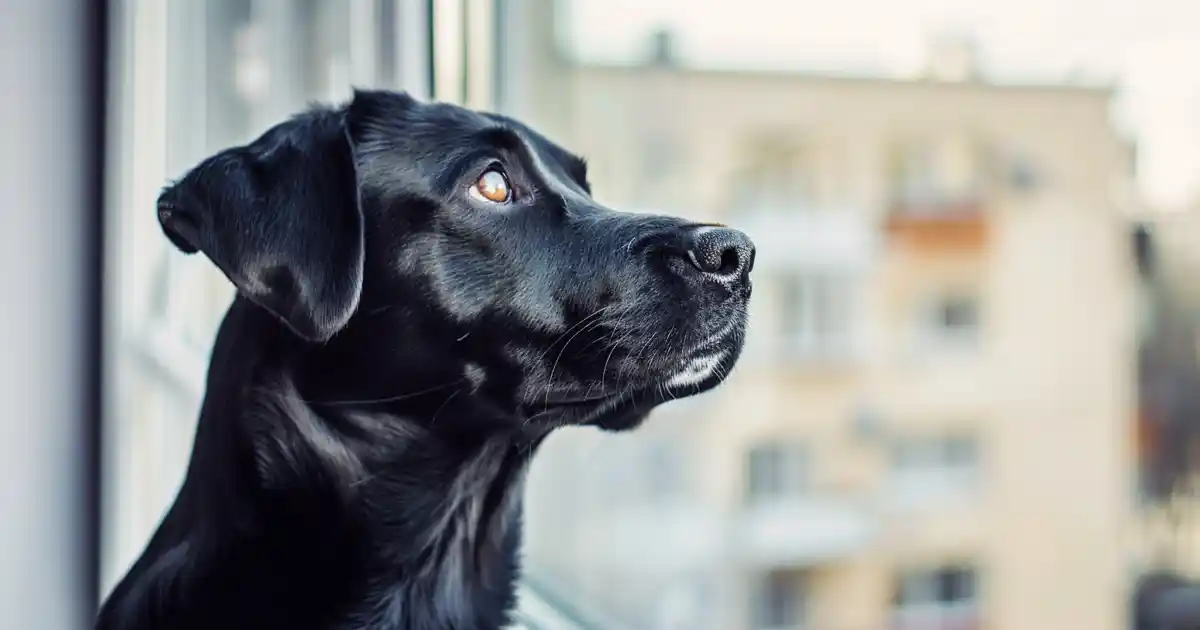
Have you ever wondered why building dog confidence seems impossible until you discover the right approach? I used to think creating a brave, self-assured dog was only for people who got lucky with naturally bold puppies, until I discovered these simple strategies that completely changed my perspective. Now my friends constantly ask how I managed to transform my hesitant, unsure dog into a confident companion who tackles new experiences with enthusiasm, and my family (who thought my timid pup would always be a wallflower) keeps asking what my secret is. Trust me, if you’re worried about whether your shy dog will ever develop the confidence to fully enjoy life, this approach will show you it’s more doable than you ever expected. Building dog confidence isn’t about pushing them into scary situations—it’s about creating success experiences, celebrating brave moments, and providing a life-changing foundation of security that allows their true personality to shine through without fear holding them back.
Here’s the Thing About Building Dog Confidence
Here’s the magic: confidence building works when you stop comparing your dog to others and start systematically creating situations where your dog can succeed, make choices, and discover their own capabilities. What makes this approach effective is the combination of controlled exposure, abundant positive reinforcement, respecting your dog’s pace, and celebrating micro-achievements that build momentum. I never knew that confidence building could be this rewarding when I stopped forcing my dog to “just try” things and started scaffolding experiences so success was inevitable. According to research on behavioral psychology, confidence in dogs develops through repeated experiences of successful problem-solving and positive outcomes, which literally strengthens neural pathways associated with approach behaviors rather than avoidance. This combination creates amazing results because you’re not just exposing your dog to things—you’re engineering situations where bravery is rewarded and competence is built systematically. It’s honestly more doable than I ever expected, especially when you realize that even naturally timid dogs can develop remarkable confidence when given proper support. No complicated systems needed, just patience, creativity in setting up success experiences, and understanding that confidence grows through accumulation of victories, not through sink-or-swim exposure.
What You Need to Know – Let’s Break It Down
Understanding that confidence isn’t one-size-fits-all is absolutely crucial—some dogs need confidence with other dogs, some with people, some with environments, and many need work in multiple areas. I finally figured out that my dog’s specific confidence gaps determined my training priorities after months of trial and error. Your dog might be brave with dogs but nervous around people, or confident at home but anxious in new places. Identifying your dog’s specific confidence challenges guides your approach.
Don’t skip the foundation of basic obedience training (took me forever to realize this). When dogs know what’s expected and can successfully perform behaviors on cue, it builds enormous confidence. A dog who knows they can “sit,” “down,” and “come” reliably feels competent and capable. This mastery is game-changing, seriously, because it creates a foundation of “I can do things successfully” that transfers to new situations.
Choice and agency build confidence faster than anything else. Dogs who learn they have control over their environment—they can approach or retreat, they can make decisions, they can solve problems—develop intrinsic confidence that stays with them. I always recommend incorporating choice into training because everyone sees results faster when dogs feel empowered rather than constantly directed or forced.
Success experiences are the currency of confidence. Yes, confidence-building techniques really work, and here’s why: every time your dog attempts something slightly challenging and succeeds, dopamine is released and neural pathways associated with “I can do this” are strengthened. If you’re just starting out with confidence building activities, check out my beginner’s guide to positive reinforcement training for foundational techniques that will help you create abundant success experiences while building skills.
Body language and advocacy matter enormously. When you learn to read your dog’s subtle signals of discomfort or uncertainty, you can intervene before experiences become overwhelming. Your role as advocate—protecting your dog from unwanted interactions, giving them space when needed, removing them from situations beyond their capability—builds trust that you’ll keep them safe, which paradoxically helps them become braver.
The Science and Psychology Behind Why This Works
Research from leading universities demonstrates that this approach works consistently across different dogs because it leverages the neuroscience of learning and emotional development. Studies confirm that confidence is built through mastery experiences—situations where individuals successfully navigate challenges—which increases self-efficacy beliefs and willingness to attempt new challenges.
Experts agree that flooding or forcing dogs into overwhelming situations typically backfires because it can create learned helplessness where dogs stop trying, or it sensitizes them to triggers, making future attempts even more difficult. The psychology of lasting confidence building involves creating slightly challenging experiences where success is highly probable, then gradually increasing difficulty as competence grows.
What makes this different from a scientific perspective is understanding that confidence isn’t simply lack of fear—it’s an active belief in one’s ability to handle situations successfully. When we create abundant opportunities for dogs to problem-solve, make choices, and experience success, we’re building genuine self-efficacy. The mental and emotional aspects are foundational because a dog who believes “I can handle this” approaches life completely differently than a dog who believes “things happen to me that I can’t control.”
Here’s How to Actually Make This Happen
Start by assessing your dog’s current confidence baseline across different contexts. Here’s where I used to mess up—I assumed confidence in one area meant confidence everywhere, but my dog who was bold with other dogs was terrified of novel objects. Create a simple assessment: How does your dog handle new people? New dogs? New environments? Novel objects? Loud noises? This step takes fifteen minutes but creates clarity about where to focus confidence-building efforts.
Now for the important part: start with easy wins in your dog’s weakest confidence area. Don’t worry if you’re just starting out—begin ridiculously easy where success is virtually guaranteed. If your dog is nervous about novel objects, start with something barely novel (a cardboard box) rather than something truly strange (an umbrella opening). When it clicks, you’ll see your dog’s body language change from tentative to curious to confident as successes accumulate.
Begin foundation confidence exercises using the “Can You Do This?” game. My mentor taught me this trick: present your dog with a very simple challenge—step over a low object, touch a target, go around a cone—and lavishly reward success. Gradually increase difficulty microscopically. Practice this five to ten minutes twice daily. Don’t be me—I used to set challenges too difficult too fast, which created frustration and eroded confidence rather than building it.
Address confidence with people systematically if that’s a gap area. If your dog is wary of strangers, use consent-based interaction protocols where your dog approaches people rather than people approaching your dog. Have helpers sit sideways, avoid eye contact, toss treats without reaching toward your dog, and let your dog set the pace for interaction. Results can vary, but this approach builds confidence because your dog learns they control the interaction.
Practice confidence-building during walks through environmental enrichment. Every situation has its own challenges, but allowing your dog to explore at their pace, sniff thoroughly, and occasionally make route choices builds confidence in their ability to navigate the world. Use “sniffari” walks where your dog leads and chooses what to investigate, just like canine enrichment experts recommend but with a completely different focus—you’re building environmental confidence and decision-making rather than just providing exercise.
Work on problem-solving skills through puzzle toys and training games. This creates lasting confidence you’ll actually stick with because it integrates into enrichment routines. Start with easy puzzles your dog can solve independently, gradually increasing difficulty. Success at problem-solving builds generalized confidence—dogs who learn “I can figure things out” approach novel situations with curiosity rather than fear.
Implement confidence-building through trick training where success is guaranteed. Teach simple tricks like spin, shake, or high-five using luring and shaping. Until your dog experiences regular training success and feels competent, confidence in other areas remains fragile. Celebrate achievements enthusiastically—your excitement communicates that your dog accomplished something noteworthy, reinforcing their sense of capability.
Common Mistakes (And How I Made Them All)
Don’t make my mistake of ignoring fundamental principles experts recommend: pushing too fast because you want quick progress. I entered my under-confident dog in a group training class too early, overwhelming her and setting back months of confidence work. Confidence building requires moving at your dog’s pace, which is almost always slower than you hope. Rushing creates setbacks that take longer to recover from than patient progression would have taken.
Comparing your dog to others destroys confidence for both of you. I constantly compared my tentative dog to my friend’s naturally bold dog, which made me frustrated and impatient—emotions my dog absorbed, which further undermined her confidence. Every dog’s temperament and confidence journey is unique. Some dogs develop confidence quickly; others need years. Your dog’s timeline is valid regardless of how it compares to others.
Forcing interaction or exposure “for their own good” is catastrophically counterproductive. When my dog clearly signaled discomfort around a overly-enthusiastic child, I forced the interaction because I didn’t want to seem rude. My dog’s confidence around children plummeted and took months to rebuild. Advocating for your dog’s boundaries builds trust and ultimately confidence—they learn you won’t force them into situations they can’t handle.
Accidentally punishing tentative attempts crushes confidence. When my dog finally approached a scary object after weeks of work, someone laughed at her cautious approach. I didn’t defend her, and she retreated. Every brave moment, no matter how small it seems to humans, deserves celebration and protection. Confidence is built through countless small brave moments—dismissing or mocking them teaches dogs that bravery isn’t worth the risk.
Expecting confidence to transfer automatically between contexts set me up for disappointment. My dog became confident on our regular walking route but was still nervous in completely new environments. Confidence is often context-specific initially—dogs need to build it separately in different situations before it generalizes into overall bold temperament.
When Things Don’t Go as Planned
Feeling frustrated because your dog’s confidence isn’t improving despite your efforts? You probably need to slow down even more and make success experiences even easier. This is totally normal—most people dramatically underestimate how slow confidence building should proceed. I’ve learned to handle this by literally cutting my difficulty progressions in half, staying at each level twice as long as I initially planned, and accepting that slow progress is still progress.
Progress stalled after promising initial improvements? That’s normal, and it happens to everyone working on confidence. Sometimes dogs plateau while consolidating gains before the next leap forward. Other times, you’ve hit the edge of your dog’s current comfort zone and need to build more foundation before advancing. When this happens (and it will), don’t stress—just maintain current level work, continue creating success experiences, and trust that readiness for the next step will emerge.
Is your dog suddenly less confident after a setback experience? Scary encounters, traumatic incidents, or even just particularly overwhelming days can temporarily reverse confidence gains. I always prepare for setbacks because they’re inevitable—a reactive dog lunging at yours, a loud noise startling them during a brave moment, or simply too many challenges happening too close together. Return to easier levels temporarily, rebuild confidence foundations, and gradually progress again. Recovery is usually faster than initial building.
If you’re losing motivation because progress feels invisible, try documenting brave moments daily even if they seem trivial. Your dog looked at something scary from a distance? That’s progress. They recovered from a startle in five minutes instead of an hour? Progress. Took two steps toward something novel before retreating? Progress. These micro-improvements accumulate into transformation, but they’re easy to miss without intentional tracking.
Dealing with a dog whose lack of confidence stems from genetics or early life experiences rather than just lack of exposure? Some dogs are born with more cautious temperaments or experienced critical period trauma that affects baseline confidence. This doesn’t mean confidence can’t improve, but it means accepting your dog’s personality and working within it rather than expecting them to become an extroverted social butterfly if that’s not their nature.
Advanced Strategies for Next-Level Results
Advanced practitioners often implement specialized techniques for accelerated results once foundational confidence exists. Consider agility or parkour training even without competition goals—navigating novel obstacles, making physical choices, and succeeding at athletic challenges builds enormous confidence. I discovered this made a huge difference with my under-confident dog because the physical mastery translated to emotional confidence in other areas.
Implement “confidence classes” specifically designed for shy or fearful dogs. These specialized group classes create controlled socialization with other under-confident dogs and understanding handlers, providing social confidence building without the overwhelm of regular classes. The structured environment allows tentative dogs to interact at their pace with others who won’t push boundaries.
Use scent work and nose games specifically for confidence building. Teaching dogs to search for hidden treats or scents gives them a job they can successfully complete independently, building enormous confidence in their abilities. When practiced regularly, dogs who master scent work carry that “I’m good at this” confidence into other contexts.
Explore trick training progression where each new trick builds on previous success. Start with simple tricks, gradually increasing complexity as your dog’s confidence and competence grow. Dogs who become “good students” develop learning confidence—they expect to succeed at new challenges because they have a history of success.
Consider body work like TTouch or massage that helps dogs become comfortable with handling and their own bodies. For dogs whose lack of confidence manifests as body sensitivity or handling issues, systematic desensitization to touch combined with confidence building in other areas creates more well-rounded confidence.
Ways to Make This Your Own
When I want faster results with dogs who have specific rather than generalized confidence issues, I’ll use the Targeted Confidence Protocol. This involves intensive work on the specific confidence gap (stranger anxiety, environmental confidence, dog-dog confidence) with daily structured exercises and abundant success experiences. This makes it more intensive but definitely worth it for dogs whose confidence issues are localized rather than pervasive.
For special situations like severely under-confident dogs with possible genetic shyness, I’ll implement the Acceptance-Based Approach. My realistic version focuses on improving quality of life and expanding comfort zones within your dog’s temperamental reality rather than expecting dramatic personality transformation. Sometimes I add professional consultation with a veterinary behaviorist about supportive medication, though that’s totally optional—definitely discuss with your vet.
Summer approach includes more outdoor confidence adventures like hiking new trails, visiting dog-friendly patios, and exploring beaches or parks during quiet times. For next-level results, I love incorporating my Adventure-Based Confidence Building protocol, which systematically introduces novel, positive experiences that stretch confidence zones. My advanced version includes structured socialization opportunities with balanced, confident dogs who model brave behavior.
The Puppy-Specific Adaptation works beautifully with young dogs during critical socialization periods. Each variation works when you emphasize abundant positive exposure to novel stimuli, careful socialization with appropriate dogs and people, and building foundation skills that create competence. The Senior Dog Version adapts for older dogs developing confidence later by moving even more slowly, accommodating physical limitations, and celebrating smaller victories appropriate for their life stage.
Budget-Conscious Confidence Building doesn’t require expensive classes or equipment. You can use household objects for novel object confidence work, practice in free public spaces, teach tricks using online tutorials, and create DIY agility equipment from items at home. The core principles remain the same regardless of budget—success experiences, choice, gradual progression, and celebration build confidence whether you spend money or not.
Why This Approach Actually Works
Unlike traditional methods that might emphasize dominance or simply exposing dogs to everything, this approach leverages proven psychological principles that most people ignore: self-efficacy theory, which demonstrates that confidence develops through mastery experiences, not just exposure. The science behind this method recognizes that forcing dogs into situations doesn’t build genuine confidence—it may create dogs who tolerate situations while internally stressed, which isn’t the same as true confidence.
Evidence-based research shows that choice and agency dramatically impact confidence development because they create internal locus of control—dogs learn that their actions influence outcomes, building genuine self-assurance. This proven approach is sustainable because it builds intrinsic confidence rather than learned compliance. A truly confident dog approaches challenges thinking “I can handle this” rather than “I must endure this.”
I never knew that confidence building could be this transformative when I started. Understanding the why behind techniques—that we’re building self-efficacy through engineered success experiences and teaching dogs they have agency—made everything click. What makes this approach different is recognizing that confidence isn’t simply desensitization to scary things; it’s an active belief in one’s capabilities that develops through problem-solving, choice, and repeated success. Build that foundation, and dogs approach life with curiosity and enthusiasm rather than hesitation and fear.
Real Success Stories (And What They Teach Us)
One dog owner had a rescue who cowered from everything—people, dogs, novel objects, new environments. Traditional training focused on exposure, which overwhelmed the dog further. By implementing systematic confidence building—starting with trick training for success experiences, gradually introducing novel objects at the dog’s pace, using choice-based interactions with people, and celebrating every brave moment—over a year this dog transformed. She now enjoys dog parks, greets strangers confidently, and tackles new experiences with enthusiasm. What made her successful was the owner’s patience in building confidence systematically rather than forcing exposure.
Another under-confident dog was terrified of other dogs due to a traumatic attack as a puppy. His owner wanted him to enjoy dog parks and play dates, but forcing interaction intensified the fear. By implementing parallel walks at safe distances from calm dogs, rewarding brave glances toward other dogs, very gradually decreasing distance over months, and arranging careful introductions with extremely mellow dogs—within eight months this dog developed several dog friends and could navigate dog-friendly spaces calmly. The lesson here is that confidence with triggers requires respecting thresholds and building positive associations slowly.
A family had a shy dog who hid from visitors and refused to explore new environments. Instead of forcing interaction or dragging him into situations, they implemented confidence building through problem-solving games, trick training, and allowing him to approach visitors on his terms while visitors ignored him initially. They practiced exploring novel environments with no pressure, letting him investigate at his pace with abundant rewards for brave exploration. Within six months, he greeted visitors with tail wags and explored new places with curiosity. Their success aligns with research showing that choice-based approaches build genuine confidence more effectively than forced exposure.
I’ve seen dogs whose natural temperament will always lean toward cautious, but who developed enough confidence to enjoy life fully within their personality. Success isn’t always creating an outgoing, bold dog—sometimes it’s a naturally reserved dog who feels secure enough to explore, interact, and enjoy experiences at their comfort level. The commitment to honoring temperament while expanding capabilities defines success.
Tools and Resources That Actually Help
High-value rewards are essential for confidence building because you need to make brave moments incredibly worthwhile. I personally use tiny pieces of real chicken, steak, cheese, or freeze-dried liver because confidence work requires powerful positive associations. Regular kibble doesn’t create the “wow, that was worth being brave!” response that builds momentum.
Novel objects for confidence building exercises can be anything—cardboard boxes, umbrellas, plastic bags, traffic cones, children’s toys. I gradually introduce these in non-threatening ways, rewarding investigation. The limitation is moving too fast—confidence building requires introducing novelty so gradually dogs are curious rather than scared.
Agility equipment or DIY obstacles build physical confidence that translates emotionally. Low platforms to step on, tunnels to go through, balance beams to walk across—these create mastery experiences. You don’t need expensive equipment; homemade obstacles from household items work beautifully.
Target sticks or touch pads give shy dogs an active task to focus on rather than just passively enduring situations. Teaching “touch” where your dog boops a target gives them something to do successfully, building confidence through action rather than just exposure.
The best resources come from certified professional dog trainers specializing in confidence building like those certified through the CCPDT or similar organizations. I always recommend working with trainers who use exclusively positive methods and understand the difference between desensitization and confidence building—they’re related but not identical. Books like “Confidence” by Malena DeMartini and “Help for Your Fearful Dog” by Nicole Wilde provide excellent guidance.
Questions People Always Ask Me
How long does it take to see results with confidence building?
Most people need to adjust expectations because confidence development timelines vary dramatically based on temperament, age, previous experiences, and how under-confident your dog is initially. I usually recommend expecting subtle improvements within two to four weeks—maybe your dog investigates something novel they would have avoided before, or approaches a person one step closer. Significant transformation often takes three to six months for moderate confidence issues, potentially a year or more for severely under-confident dogs. Some dogs show steady progress while others make sudden leaps after long plateaus. The key is celebrating micro-improvements because confidence builds through accumulation of countless small brave moments.
What if I don’t have time for formal training sessions right now?
Absolutely—just focus on creating daily success experiences and allowing choices rather than scheduling separate sessions. Reward brave moments whenever they naturally occur, let your dog make decisions during walks, celebrate successful problem-solving during enrichment activities. Even five minutes twice daily of structured confidence exercises adds up significantly. That said, consistency matters enormously—sporadic work produces slower results than brief daily practice. Integrate confidence building into normal life rather than treating it as separate formal training.
Is this approach suitable for complete beginners?
Yes, because the fundamental principles—create success experiences, reward brave behavior, respect your dog’s pace, allow choices—are straightforward even if implementation requires patience and observation skills. You don’t need professional training expertise to help an under-confident dog build self-assurance. However, dogs with severe fear or trauma-based confidence issues should involve a certified professional who can assess whether underlying anxiety requires additional intervention. Knowing when to seek help is responsible, not an admission of failure.
Can I adapt this method for my specific situation?
Definitely! The core principles—success experiences, choice, gradual progression—work universally, but implementation should match your dog’s specific confidence gaps and your lifestyle. Have a dog nervous around people? Focus confidence work there. Have a dog who’s environmentally anxious? Emphasize novel environment exploration. Have limited space? Use novel objects and trick training. The method is flexible because confidence issues vary wildly, but underlying principles of building self-efficacy through engineered success remain constant.
What’s the most important thing to focus on first?
Creating abundant success experiences in any area is the absolute foundation before tackling specific confidence challenges. Trick training, easy puzzle toys, simple problem-solving games—these build foundational “I’m capable” beliefs that support confidence work in challenging areas. Simultaneously, identify and protect against negative experiences that would undermine confidence. Only after you’ve created a pattern of regular success should you begin systematically addressing specific confidence gaps, starting with the easiest ones to build momentum.
How do I stay motivated when progress feels impossibly slow?
I’ve learned that documenting brave moments daily helps immensely—take videos monthly showing your dog’s growing confidence with specific challenges. Keep a journal noting every brave behavior, no matter how tiny. These concrete records show progress when it feels invisible. Connect with other owners of under-confident dogs who understand the slow nature of this work. Remember that confidence building is fundamentally about countless small moments accumulating into transformation—expecting dramatic change quickly sets you up for frustration. Slow progress is still progress and is actually more sustainable than forced rapid change.
What mistakes should I avoid when starting confidence building?
The biggest mistakes are pushing too fast because you’re impatient, comparing your dog’s timeline to others, forcing interactions your dog clearly wants to avoid, punishing or dismissing tentative brave attempts, expecting confidence to generalize automatically between contexts without separate building, and believing that simple exposure creates confidence when it often just creates tolerance or learned helplessness. Avoid “tough love” approaches that claim dogs need to be forced past fear—genuine confidence grows through success and choice, not through sink-or-swim exposure.
Can I combine this with other approaches I’m already using?
As long as the other approaches are purely positive, choice-based, and focused on building competence rather than demanding compliance, absolutely. Clicker training, trick training, enrichment activities, and positive socialization all support confidence building beautifully. However, any methods using corrections, punishment, flooding, or force fundamentally undermine confidence work because they remove agency and create fear of making mistakes. Multiple positive approaches work synergistically—confidence built through trick training supports confidence in social situations, which supports environmental confidence—but mixing positive and punitive methods sabotages the self-efficacy you’re trying to build.
What if I’ve tried similar methods before and failed?
Previous “failure” often reflects moving too fast, inconsistent practice, inadvertently creating negative experiences that outweighed positive ones, or simply stopping before momentum built. Confidence building requires extraordinary patience and consistency that’s easy to underestimate. This time, commit to moving slower than feels necessary, practicing more consistently even in tiny increments, protecting against negative experiences more carefully, and persisting through plateaus. Also consider whether professional guidance would help identify where your approach needs adjustment. Your “failure” might simply mean you needed support, slower pacing, or longer persistence than you initially attempted.
How much does implementing this approach typically cost?
The basics are incredibly affordable—high-value treats, some novel objects from around your house, maybe a target stick total under $30. Free resources like library books, YouTube videos from certified trainers, and online communities provide education. If you want formal classes, confidence-building group classes run $100-200 for multi-week sessions. Private training consultations cost $75-150 per session. You can build confidence with essentially no budget using household items, free spaces, and online resources, or you can invest in classes and equipment—the core principles work regardless. The biggest investment is time and patience, which cost nothing monetarily but require immense dedication.
What’s the difference between this and traditional obedience training?
Traditional obedience training teaches specific behaviors through repetition and compliance—dogs learn to follow commands. Confidence building teaches dogs to believe in their own capabilities through success experiences and choice—dogs learn “I can handle challenges.” Obedience training is about what dogs can do; confidence building is about how dogs feel about what they can do. Obedience creates competence; confidence work creates self-assurance. Ideally, you do both—competence at obedience actually supports confidence because mastery builds self-efficacy—but they’re fundamentally different goals. A dog with perfect obedience but no confidence is a compliant dog who doesn’t believe in themselves.
How do I know if I’m making real progress?
Progress markers include: willingness to investigate novel objects or situations your dog previously avoided, faster recovery from startling experiences, more relaxed body language in previously stressful contexts, voluntarily approaching rather than retreating from challenges, increased play and exploratory behavior generally, trying new behaviors during training rather than only offering known safe ones, and most importantly—approaching life with curiosity rather than constant vigilance. Sometimes progress looks subtle—your dog’s tail up instead of tucked, or ears forward instead of back. Sometimes it’s your dog attempting something they would have refused before, even if they don’t fully succeed. Trust your observations, track progress in writing, and celebrate everything because confidence grows through accumulation of countless brave moments that each seem tiny individually but create transformation collectively.
Before You Get Started
I couldn’t resist sharing this because it proves that under-confident dogs aren’t doomed to fearful, limited lives—they’re capable souls who bloom when given systematic support, abundant success experiences, and the gift of choice. The best confidence-building journeys happen when you release the pressure to compare your dog to others and instead focus on celebrating your individual dog’s brave moments, respecting their pace, and engineering situations where success is inevitable. Remember, you’re not just training behaviors; you’re fundamentally building your dog’s belief in their own capabilities, expanding their world one success at a time until they approach life with enthusiasm rather than hesitation. Ready to begin? Start with easy wins and build momentum from there—your dog’s emerging confidence is worth every moment of patience you invest in their journey.




