
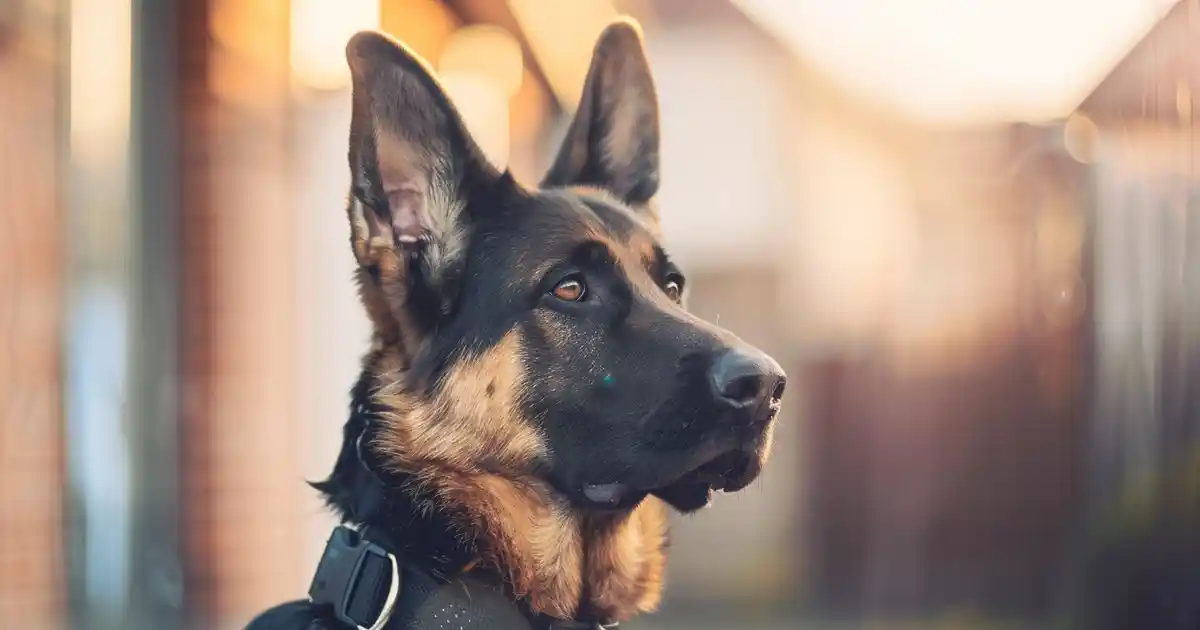
Have you ever wondered whether you should actively develop your guard dog breed’s natural protective instincts, or if doing so might transform your family companion into an uncontrollable liability—a question that becomes critically important when you realize that the difference between a well-trained guardian providing valuable security and a dangerous aggressive dog creating legal nightmares lies entirely in whether protective drives are developed through professional ethical methods emphasizing control and discrimination, or through amateur encouragement of aggression without proper foundation training? I used to think that simply owning a German Shepherd or Rottweiler automatically provided protection and that encouraging their “natural” guarding instincts through praise when they acted aggressive would enhance security, until a certified protection trainer explained that guardian breeds’ protective drives are indeed genetic and real but require extensive foundation training in obedience, socialization, bite inhibition, and handler control before any protection work begins, and that amateur attempts to “unleash” protective instincts typically create dangerous, anxious, aggressive dogs rather than reliable guardians. My perspective transformed completely when I learned that professional protection training paradoxically creates more controlled, socially appropriate dogs than doing nothing or amateur encouragement, because systematic training teaches when protection is appropriate, establishes absolute handler control even during high arousal, and builds confidence replacing the anxiety-driven defensive aggression many “protective” untrained dogs display. Now my friends constantly ask whether they should develop their guardian breed’s protective instincts, how to do so safely and ethically, and how to distinguish appropriate guardian development from dangerous aggression encouragement, and honestly, once you understand what professional protection training actually involves, why amateur attempts are dangerous, and the ethical responsibilities of owning genuinely protective dogs, you’ll make informed decisions about whether guard dog development is appropriate for your situation. Trust me, if you’re considering developing guard dog instincts, concerned about liability and ethics, or managing a guardian breed whose natural drives need appropriate channeling, understanding this complex topic is more essential than you ever expected.
Here’s the Thing About Guard Dog Instincts
The magic behind safely developing guard dog instincts isn’t about encouraging aggression or “letting dogs be dogs”—it’s actually about understanding that true professional protection training is a highly specialized discipline requiring years of handler education, extensive foundational training establishing absolute obedience and control, systematic development of discrimination between threat and non-threat scenarios, and ethical framework recognizing that creating dogs capable of controlled aggression carries profound legal, moral, and practical responsibilities. Guard dog instincts encompass multiple components: territorial awareness (monitoring boundaries and unusual events), threat assessment (discriminating between benign and dangerous situations), warning displays (barking, posturing to deter threats without physical contact), controlled protective response (physical intervention only when necessary and appropriate), and critically, responsiveness to handler direction (ceasing protective behavior immediately on command). According to research on working dogs and protection training, legitimate protection training used for police K9s, military working dogs, and professionally-trained personal protection dogs involves rigorous multi-year programs emphasizing obedience foundation, environmental stability, bite work with extensive control training, scenario discrimination, and handler safety—drastically different from backyard encouragement of aggression. What makes understanding this topic so crucial is that guardian breeds genuinely possess protective drives that will manifest whether you train them or not, making the choice not whether these instincts exist but whether you develop them systematically through professional methods creating control and discrimination, manage them through extensive socialization creating appropriate baseline behavior, or inadvertently create dangerous expression through neglect, poor socialization, or amateur encouragement. I never knew protection work could be this systematically rigorous once you understand that professional protection trainers spend years learning their craft, that ethical protection training requires extensive preliminary evaluation ensuring dogs have appropriate temperament (confident, not fearful or anxious), and that the goal is creating dogs who protect appropriately while being exemplary citizens in all other contexts (took me forever to realize that protection-trained police dogs are often friendlier and more socially stable than untrained pet dogs because their training created confidence, control, and discrimination rather than encouraging indiscriminate aggression). This combination of understanding genetic guardian drives, recognizing when professional development is appropriate versus when management alone is best, implementing extensive foundational training before any protection work, and accepting the profound ethical and legal responsibilities creates the framework for responsible decisions about guard dog development, and honestly, it’s far more complex and serious than popular media suggests.
What You Need to Know – Let’s Break It Down
Understanding guard dog instincts starts with recognizing that protective drives are absolutely real in guardian breeds—they’re not fabrications or anthropomorphic projections but documented genetic behavioral predispositions resulting from centuries of selective breeding—however, possessing genetic potential doesn’t mean those instincts should be actively developed in every dog or that amateur attempts will create positive outcomes. Don’t skip this part because it’ll help you understand when protection development is appropriate, when it’s contraindicated, and what proper development actually involves versus dangerous shortcuts.
I finally figured out after consulting multiple protection trainers and veterinary behaviorists that guard dog instinct development involves three distinct approaches with vastly different outcomes: (1) Professional protection training (systematic multi-year program through qualified trainers creating controlled protective responses on command with absolute handler control—appropriate for specific working roles or serious personal protection needs with qualified committed handlers), (2) Managed natural drives (extensive socialization and training creating confident, appropriately cautious dogs who retain natural guardian awareness without formal protection development—appropriate for most guardian breed family dogs), (3) Amateur encouragement of aggression (praising aggressive displays, inadequate socialization, deliberate arousal of territorial aggression—creates dangerous, anxious, legally liable dogs and should never be done) (took me forever to realize that for 95% of guardian breed owners, option 2 is most appropriate—their dogs provide security through presence, alerting, and natural cautious demeanor without needing formal protection training).
First, you’ll want to understand what guardian breeds’ instincts actually involve genetically. Guardian breeds (German Shepherds, Rottweilers, Doberman Pinschers, Belgian Malinois, Giant Schnauzers, livestock guardian breeds) were selectively bred for: heightened alertness and environmental awareness, natural suspicion of strangers and unusual events, territorial instincts protecting defined spaces, courage and willingness to confront threats, strong bonds to family/flock creating motivation to protect, and critically, biddability and handler-focus allowing direction of protective responses. The key is recognizing these are predispositions that manifest across a spectrum—some individuals show strong drives, others moderate, some minimal—and that environmental factors (socialization, training, experiences) dramatically influence how genetic predispositions express.
Second, temperament requirements for protection work matter enormously (game-changer, seriously). Appropriate temperament: Confident (not fearful or anxious), socially stable (appropriate with people and dogs during normal situations), high trainability and handler-focus, appropriate courage (investigates rather than flees from novel stimuli), strong nerve (recovers quickly from stress), and critically, clear “off-switch” (can shift from high arousal to calm when situation changes). Inappropriate temperament: Fear-based aggression or anxiety, excessive shyness or social avoidance, low trainability or handler-focus, inappropriate arousal (difficulty calming down from excitement), weak nerve (prolonged stress responses), or any signs of unpredictable aggression. I always emphasize that protection trainers reject the majority of dogs evaluated for temperament—dogs lacking appropriate temperament should never undergo protection training as this creates dangerous unpredictable animals.
Third, the ethical and legal framework cannot be separated from the training decision. Owning a protection-trained dog means: accepting profound legal liability for any bites or injuries, implementing strict management preventing unauthorized protective responses, maintaining extensive training throughout the dog’s life, ensuring all household members can control the dog, never allowing children to handle or direct protection responses, carrying substantial liability insurance, and accepting that even appropriate protection can result in legal consequences, lawsuits, and potential loss of your dog. If you’re just starting your journey with guardian breed ownership, check out my beginner’s guide to responsible guardian breed ownership for foundational knowledge about managing protective drives appropriately.
The Science and Psychology Behind Why This Works
Research from leading working dog programs demonstrates that effective protection training produces dogs with superior impulse control, environmental stability, and handler responsiveness compared to untrained dogs because the training systematically builds these capacities. Studies of police K9 programs show that protection-trained working dogs show lower inappropriate aggression rates than general pet dog populations because their training created clear discrimination about when aggression is appropriate, established absolute handler control, and built confidence replacing anxiety-driven defensive aggression.
What’s fascinating is that behavioral science reveals aggression and protection are not synonymous—aggression represents a spectrum of behaviors ranging from fear-based defensive displays to predatory attack sequences, while professional protection involves teaching specific controlled bite work in response to handler commands within defined scenarios. The neurological and training principles involve: impulse control (ability to suppress immediate aggressive urges when commanded), arousal modulation (shifting between calm and protective states on cue), discrimination learning (distinguishing threat from non-threat scenarios), and operant conditioning (protection behaviors coming under stimulus control through careful shaping and reinforcement).
The evolutionary context provides important perspective. Dogs evolved from wolves who cooperatively defended territory and pack members, providing genetic foundation for guardian behaviors. Humans then selectively bred specific dog populations enhancing these protective drives while selecting against them in other populations (companion breeds), creating modern guardian breeds with heightened protective predispositions. However, even in guardian breeds, appropriate expression requires learning—genetics provides potential, but environment and training determine actual expression.
I’ve personally experienced how professional consultation transformed my understanding. When I consulted a police K9 trainer about my German Shepherd’s protective displays, they evaluated his temperament and recommended against formal protection training (he showed some anxiety-based defensive responses making him inappropriate candidate) while providing guidance on channeling his natural alertness through obedience, confidence-building, and appropriate socialization. This professional assessment prevented me from pursuing protection training that would have been counterproductive and potentially dangerous. The mental and emotional aspects matter just as much as the technical training—when you understand that protection training requires extensive handler education, absolute commitment to ongoing training and control, and acceptance of serious legal and ethical responsibilities, everything about the decision process changes from “this would be cool” to “is this genuinely necessary and am I truly prepared for the commitment.”
Here’s How to Actually Make This Happen (Responsible Approach to Guard Dog Instincts)
CRITICAL DISCLAIMER: This guide provides information about guard dog instinct development for educational purposes. Formal protection training should ONLY be pursued through qualified professional trainers after thorough temperament evaluation and with full understanding of legal and ethical responsibilities. Most guardian breed owners should pursue Option 2 (managed natural drives through socialization and training) rather than formal protection development.
Step 1: Conduct Honest Assessment – Is Protection Development Appropriate?
Before even considering protection training, honestly assess whether this path is genuinely appropriate for your situation, your dog, and your capabilities.
Questions requiring honest answers:
Legitimate need: Do you have genuine security needs requiring protection-trained dog? (Personal protection in high-risk profession/situation, property protection in rural/remote settings, working role requiring protection capabilities) OR is this motivated by ego, status, or perceived “coolness”? If motivations are not legitimate security needs, protection training is inappropriate.
Appropriate dog temperament: Has your dog been professionally evaluated by qualified protection trainer confirming appropriate temperament? Does your dog show confidence, environmental stability, appropriate social behavior, trainability, and lack of fear-based or anxiety-driven aggression? If temperament is inappropriate, protection training is dangerous and contraindicated.
Handler commitment and capability: Can you commit to multi-year training process, ongoing maintenance training throughout dog’s life, extensive management preventing unauthorized responses, substantial financial investment ($5,000-$15,000+ for comprehensive programs), and accepting legal liability and ethical responsibilities? If not fully committed, protection training is irresponsible.
Legal and insurance considerations: Have you researched local laws about protection-trained dogs, consulted with liability insurance providers about coverage, and consulted with attorney about legal implications? Are you prepared for potential legal consequences even from appropriate protective responses?
Household appropriateness: Do all household members understand the dog will be a serious working animal requiring special handling? Are there young children who could inadvertently trigger or direct protective responses? Can all adults in household control the dog?
Only proceed if answers indicate genuine need, appropriate dog, committed capable handler, and suitable household situation. For most people, honest assessment concludes protection training is inappropriate—natural guardian awareness through proper socialization and training provides adequate security without the profound commitments and risks.
Step 2A: For Those Pursuing Protection Training – Find Qualified Professional Trainer
If assessment indicates protection training is appropriate, finding qualified ethical trainer is absolutely essential—amateur training or unqualified trainers create dangerous dogs.
Trainer qualification indicators:
Credentials and experience: Minimum several years working with protection dogs, preferably background in police K9 or military working dogs, membership in professional organizations (NAPD – North American Police Work Dog Association), references from law enforcement or previous clients, and willingness to provide detailed information about methodology and philosophy.
Training philosophy: Emphasizes extensive obedience foundation before any protection work, requires temperament evaluation rejecting inappropriate candidates, uses balanced training methods with clear communication and control, opposes purely compulsion-based or purely permissive methods, and prioritizes handler safety and dog welfare.
Program structure: Multi-stage program requiring extensive preliminary training, systematic progression through increasing challenges, scenario variety teaching discrimination, and ongoing maintenance training requirements. Legitimate programs take months to years, not weeks.
Ethical standards: Refuses to train inappropriate temperaments, educates handlers about legal responsibilities and limitations, opposes training for illegal purposes or ego gratification, emphasizes that protection is serious working skill not entertainment or status symbol, and maintains high standards for both dogs and handlers.
Facility and methods: Appropriate training facility with proper equipment, uses professional equipment (bite suits, hidden sleeves, proper decoys), demonstrates clear control methodology, and maintains high safety standards.
Never attempt protection training without qualified professional guidance—the results are consistently dangerous, legally problematic dogs rather than reliable guardians.
Step 2B: For Those NOT Pursuing Formal Protection (Majority of Owners) – Manage Natural Drives Through Foundation Training
For most guardian breed owners, appropriate approach involves extensive socialization and training allowing natural protective awareness while ensuring appropriate, controlled, socially-acceptable baseline behavior.
Management and training approach:
Extensive socialization: During critical periods (before 16 weeks) and ongoing throughout life, expose to diverse people, environments, sounds, experiences in positive contexts. This creates appropriate discrimination (familiar/normal is safe, genuinely unusual warrants caution) rather than fear-based suspicion of everything novel.
Solid obedience foundation: Train reliable recall, heel, stay, down, and leave-it commands using positive reinforcement methods. This establishes communication and control during arousing situations when protective instincts might activate. Dogs must reliably respond to commands even during high arousal.
Confidence building: Provide varied positive experiences, training challenges, environmental exposure, and successful problem-solving opportunities. Confident dogs show appropriate controlled protective responses; fearful dogs show excessive anxiety-driven defensive aggression.
Appropriate alerting: Reward when your dog notices and alerts to unusual events (“Good alert, thank you!”), investigate yourself, then direct dog to calm behavior. This channels natural vigilance into useful function while establishing that you make final threat assessments.
Managing territorial behavior: Teach calm behavior during arrivals (place command, settle on mat), practice positive associations with visitors, and redirect excessive territorial displays. Natural guardian awareness is valuable; excessive territorial aggression is problematic.
This approach allows guardian breeds to fulfill natural drives (environmental monitoring, appropriate caution, family bonding) while being exemplary citizens—providing security through presence and alertness without creating liability through aggression.
Step 3: Build Essential Foundation Skills Before Any Protection Work
Every dog undergoing protection training requires extensive foundation training establishing control, responsiveness, and appropriate baseline behavior before protection work begins.
Foundation requirements (typically 6-12 months minimum):
Perfect obedience: Reliable off-leash obedience including recall from high distraction, position changes (sit/down/stand) from distance, prolonged stays under distraction, and heeling with attention regardless of environment. Dog must respond immediately to verbal commands and hand signals.
Impulse control: Demonstrated ability to suppress immediate urges when commanded—leave valuable items, disengage from exciting stimuli, remain calm during high arousal, and shift from arousal to calm on cue.
Environmental stability: Comfortable and appropriate in diverse environments including crowds, novel locations, various surfaces and sounds. Shows curiosity and confidence rather than fear or excessive reactivity.
Social stability: Appropriate behavior with people and dogs during normal interactions—friendly or neutral with properly-introduced strangers, controlled around other dogs, no fear-based or unprovoked aggression.
Bite inhibition and “out” command: Before any bite work, dogs must demonstrate soft mouth during play and reliably release objects/sleeves immediately on “out” command. This creates foundation for controlled bite work with immediate cessation on command.
Arousal modulation: Can shift from calm to excited to calm based on handler cues and situation changes. Shows clear “off-switch” calming quickly when stimulation ends.
Only after these foundations are absolutely solid should any protection work begin—attempting protection training without these foundations creates uncontrollable dangerous dogs.
Step 4: Understand Protection Training Progression (Professional Guidance Required)
For those working with professional trainers, understanding training progression helps set appropriate expectations.
Typical progression (under professional guidance):
Foundation phase (6-12 months): Obedience, environmental stability, social stability, building prey drive through controlled play, introducing equipment (sleeves, bite suits) as play objects without aggression.
Bite work introduction (months 12-18): Teaching controlled biting on hidden sleeve or suit during play-based scenarios, establishing immediate “out” command releasing bite instantly, building full strong bites with proper technique, and maintaining control throughout.
Alerting and bark training: Teaching alert bark on command, sustained barking on cue, immediate cessation on command, and discrimination (alerting to unusual events, calm with normal situations).
Scenario training (months 18-24+): Introducing varied protection scenarios (home invasion, street attack, car protection), teaching discrimination (threat versus non-threat), practicing handler-directed protection (protecting on command, ceasing on command), and advanced control during high arousal.
Ongoing maintenance: Throughout dog’s life, regular training maintains skills, control, and responsiveness. Protection training is never “finished”—it requires lifetime commitment.
This progression takes years and extensive financial investment—shortcuts create dangerous uncontrolled dogs rather than reliable guardians.
Step 5: Implement Strict Management and Ongoing Training Responsibilities
Every protection-trained dog requires strict management preventing unauthorized protective responses and maintaining control.
Management requirements:
Never allow unsupervised interaction: Protection-trained dogs require constant supervision during any interaction with unfamiliar people. Never assume they’ll discriminate appropriately without handler direction.
Clear communication: All household members must understand dog’s capabilities and handling requirements. No children should handle or direct protection-trained dogs.
Environmental control: Secure yard preventing access to passing pedestrians, clear signage warning of guardian dog, and controlled access to property preventing unauthorized entry triggering protective responses.
Ongoing training maintenance: Weekly minimum training sessions maintaining obedience and control, periodic refresher protection training with professional trainer, and regular socialization maintaining appropriate baseline social behavior.
Liability protection: Substantial liability insurance covering dog bites and injuries (many standard homeowner policies exclude protection-trained dogs), legal consultation about local regulations, and documented training records proving responsible professional development.
These responsibilities continue throughout the dog’s life—protection-trained dogs are working animals requiring working animal management standards, not typical family pets.
Common Mistakes (And How I Made Them All)
Don’t make my mistake of encouraging my German Shepherd’s aggressive territorial displays toward visitors, believing I was enhancing his natural protective instincts. This created an uncontrollable territorial aggressive dog who couldn’t distinguish invited guests from intruders, requiring extensive behavior modification and creating liability concerns. This taught me that amateur encouragement of aggression creates problems, not protection.
Another epic failure: considering protection training for my anxious rescue dog who showed fear-based defensive aggression, misinterpreting her aggression as “protective drive.” A professional trainer evaluated her and immediately identified that her aggression stemmed from fear and anxiety—precisely the temperament contraindication for protection work. Attempting protection training would have intensified her anxiety and created a genuinely dangerous dog.
The biggest mistake people make is pursuing protection training for ego, status, or entertainment rather than legitimate security needs—treating serious working dog development as hobby or status symbol. Research from veterinary behaviorists and legal experts shows that protection-trained dogs whose owners lack commitment to ongoing management and training create the majority of serious bite incidents and devastating lawsuits.
I’ve also watched friends attempt DIY protection training using internet videos or backyard trainers, creating unpredictable aggressive dogs who bite inappropriately, don’t respond to commands during arousal, and show fear or anxiety during normal situations. Learn from collective mistakes: protection training requires professional qualified trainers—amateur attempts consistently create dangerous outcomes.
When Things Don’t Go as Planned (And It Will)
Feeling overwhelmed by your guardian breed’s natural protective displays and unsure whether to encourage, manage, or modify them? You probably need professional evaluation from certified behavior consultant or qualified protection trainer who can assess temperament, provide guidance about appropriate approach, and determine whether formal protection training is appropriate or whether management and socialization is better path. That’s completely normal—these are complex decisions requiring expert input.
Discovering your protection-trained dog (or dog you attempted to train) shows excessive aggression, difficulty controlling responses, or fear-based behaviors? This is serious situation requiring immediate intervention from veterinary behaviorists and potentially re-evaluation of whether dog should continue protection work. When protection training creates problems rather than solutions, comprehensive professional assessment determines whether behavior modification, management, or difficult decisions about rehoming are necessary.
Facing legal consequences from your guardian dog’s protective response even if you believe response was appropriate? Many owners discover too late that legal system doesn’t always agree with owner’s assessment of threat appropriateness. When legal issues arise, immediate consultation with attorney experienced in dog bite cases becomes essential—these situations can result in devastating financial judgments, loss of your dog, and criminal charges in some jurisdictions.
The reality is that protection training is serious undertaking with serious consequences—some dogs temperamentally inappropriate for this work will show dangerous behavior if training is attempted, some handlers lack commitment or capability for ongoing management creating liability situations, and even appropriate protection can result in legal consequences requiring acceptance of these risks before pursuing this path.
Advanced Strategies for Next-Level Results
Once you’ve established strong foundation (for those working with professional trainers), advanced protection work involves understanding nuanced concepts like civil versus fight drive in protection work, discrimination training for complex scenarios, building working relationship where handler and dog function as team, and understanding how to maintain protection skills while preserving excellent social behavior in non-working contexts.
Advanced understanding includes recognizing different types of protection work serve different purposes: personal protection (handler protection during attacks), property protection (territorial guarding of space), police work (apprehension, handler protection, crowd control), military working dogs (patrol, detection combined with protection), and livestock guardians (protecting flocks/herds from predators). Each requires specialized training approaches.
For handlers of working protection dogs, understanding maintenance requirements, recognizing subtle signs of stress or anxiety affecting performance, and knowing when to consult with trainers about problems elevate effectiveness and safety.
What separates casual interest from serious professional approach is recognizing that protection work is a discipline requiring years of dedicated study, accepting that majority of dogs are inappropriate for this work, and understanding that creating controllable protective responses paradoxically requires more extensive training and control than managing natural drives through socialization alone.
Ways to Make This Your Own (Customizing Your Approach)
When working with qualified protection trainer (for those pursuing this path), customizing training to your specific needs (personal protection, property protection, specific threat scenarios) ensures training matches your legitimate security requirements.
For the majority of guardian breed owners NOT pursuing formal protection, customizing management approach based on your dog’s individual protective drive level creates appropriate balance. High-drive individuals may need more active management and extensive socialization; lower-drive individuals may need minimal intervention.
For different guardian breeds, understanding breed-typical protective expression patterns (German Shepherds versus Rottweilers versus livestock guardians show different typical patterns) allows breed-informed management.
Each variation works for different situations:
- Professional Protection Development: Comprehensive formal training for legitimate working roles (police K9s, military dogs, professional personal protection, serious security needs)
- Managed Natural Drives: Extensive socialization and training for family guardian breeds (majority of German Shepherds, Rottweilers, Dobermans as family companions)
- Minimal Protection: Accepting minimal guardian drives in companion breeds or low-drive individuals (Golden Retrievers, low-drive guardian breed individuals)
- Behavior Modification: Addressing problematic protective aggression requiring professional intervention (fear-based aggression, excessive territorial behavior, inappropriate aggression)
Why This Approach Actually Works
Unlike amateur encouragement of aggression or neglectful handling of guardian breeds’ natural drives, this approach leverages professional expertise, behavioral science, ethical framework, and legal awareness to create informed responsible decisions about guard dog development. The evidence clearly shows that professional systematic training creates more controlled safer outcomes than amateur attempts or neglect.
What makes this different from simplistic “unleash your dog’s protective instincts” narratives is recognition that protection training is serious professional discipline requiring years of commitment, extensive preliminary training, appropriate temperament selection, and acceptance of profound legal and ethical responsibilities—not casual weekend activity or ego-driven status pursuit.
I discovered through consultation with multiple protection trainers and veterinary behaviorists that for most guardian breed family dogs, extensive socialization and training creating confident appropriate baseline behavior provides adequate security while avoiding the commitments and risks of formal protection training. Their natural presence, alerting, and cautious demeanor toward strangers offers significant security benefits without requiring formal protection development.
The approach is ethically sustainable because it prioritizes dog welfare, public safety, legal responsibility, and honest assessment over ego gratification or status seeking. It’s not about whether we can develop protection—it’s about whether we should, whether we’re capable of doing so responsibly, and whether outcomes justify the commitments and risks.
Real Success Stories (And What They Teach Us)
One police K9 handler successfully developed multiple working protection dogs through rigorous professional training programs, creating dogs who apprehended suspects effectively while being safe around children and public during off-duty time. The extensive training created clear discrimination and absolute handler control. The lesson? Professional systematic training creates controlled reliable protection far superior to amateur attempts.
Another owner with German Shepherd initially considering protection training consulted professional trainer who evaluated dog and recommended against protection training due to some anxiety-based responses. Following trainer’s advice, owner pursued extensive socialization and confidence-building instead, creating an excellent family companion who provides security through presence and alerting without formal protection training. Their success shows that honest temperament assessment and acceptance of professional guidance prevents dangerous misguided training attempts.
One owner attempted DIY protection training using YouTube videos, creating uncontrollable aggressive dog requiring extensive behavior modification to address the problems the amateur training created. After investing far more money in behavior modification than professional training would have cost, owner learned that shortcuts in protection work create dangerous expensive problems.
Different paths suit different situations and dogs. Most guardian breed family dogs thrive with extensive socialization and training managing natural drives appropriately. Small percentage with appropriate temperament, committed capable handlers, and legitimate needs may appropriately pursue professional protection training. All should avoid amateur encouragement of aggression.
Tools and Resources That Actually Help
For those pursuing professional protection training, finding qualified trainers through organizations like North American Police Work Dog Association (NAPD) or working dog clubs ensures proper guidance.
Books on protection work including “K9 Decoys and Aggression: A Manual for Training Police Dogs” by Dr. Andrew Rebmann provide professional perspectives on legitimate protection training (though not DIY guides—these explain what professional training involves).
For guardian breed owners managing natural drives, books on breed-specific behavior and training provide breed-informed guidance.
Professional consultations with certified behavior consultants (IAABC, CBCC-KA) or veterinary behaviorists (DACVB) help assess whether protective displays are appropriate or problematic and provide guidance on management.
Liability insurance specifically covering working dogs or protection-trained dogs provides essential financial protection.
Legal consultation with attorneys experienced in dog bite cases helps understand local laws and liability issues before pursuing protection training.
Questions People Always Ask Me
Should I develop my German Shepherd/Rottweiler/Doberman’s protective instincts?
For most family dogs, no—extensive socialization and training managing natural drives provides adequate security without the commitments and risks of formal protection training. Only pursue protection training if you have legitimate security needs, appropriate dog temperament confirmed by professional evaluation, and full commitment to ongoing training, management, and legal responsibilities. Consult qualified protection trainer for honest assessment.
How do I know if my dog has appropriate temperament for protection training?
Only qualified protection trainers can assess this through systematic temperament evaluation. General indicators: confidence (not fear or anxiety), appropriate social behavior, high trainability, environmental stability, courage investigating novel stimuli, and strong nerve. Fear-based aggression, anxiety, low trainability, or unpredictable aggression indicate inappropriate temperament. Never assume temperament without professional evaluation.
Can I train my dog for protection myself using online resources?
Absolutely not—amateur protection training consistently creates dangerous uncontrolled dogs. Professional protection training requires years of handler education, appropriate facilities and equipment, experienced decoys, and systematic progression. DIY attempts using videos create aggressive dogs who bite inappropriately, don’t respond to commands, and pose serious liability. If you cannot afford professional training, protection training is not appropriate for you.
At what age should protection training begin?
Foundation training (obedience, socialization, confidence building) begins in puppyhood. Actual protection work (bite work, scenario training) doesn’t begin until foundations are solid and dog is physically mature—typically 18-24+ months. Attempting protection work too early creates problems. Extensive foundation training precedes any protection development.
Will protection training make my dog aggressive toward everyone?
Properly conducted professional protection training creates clear discrimination—dogs are friendly/neutral in normal situations, protective only in appropriate threat scenarios under handler direction. However, amateur training or inappropriate temperament dogs often show generalized aggression because they lack discrimination training or were anxiety-driven from start. This is why professional training and appropriate temperament are essential.
What if my dog shows protective behavior without any training?
This is normal for guardian breeds—they possess genetic predispositions expressing as natural caution, territorial awareness, and alerting. Manage through extensive socialization creating appropriate discrimination, training reliable control commands, and rewarding appropriate alerting while redirecting excessive displays. Most guardian breeds show some natural protective awareness requiring management, not formal development.
How much does professional protection training cost?
Comprehensive professional programs typically cost $5,000-$15,000+ depending on program length, location, and whether dog boards during training or handler attends sessions. Ongoing maintenance training adds additional costs. This substantial investment reflects the years of trainer expertise, specialized facilities and equipment, and extensive program duration required for legitimate protection training.
Is protection training legal everywhere?
Laws vary dramatically by jurisdiction. Some areas restrict ownership of protection-trained dogs, require special permits or licensing, impose strict liability for any bites, or have breed-specific legislation affecting guardian breeds. Research local laws and consult attorneys before pursuing protection training. Legal environments can make ownership of protection-trained dogs impractical or cost-prohibitive.
What happens if my protection-trained dog bites someone inappropriately?
You face potentially devastating legal consequences including civil lawsuits (often six-figure settlements), criminal charges in some jurisdictions, mandatory euthanasia of your dog, homeowner insurance cancellation, and difficulty obtaining future coverage. Protection-trained dogs are held to higher standards—you may be liable even for bites that would be defensible with untrained dogs. This is why extensive training, management, and liability insurance are essential.
Can I have a protection-trained dog with young children in the household?
This is extremely high-risk and most professional trainers advise against it. Children cannot control protection-trained dogs, may inadvertently trigger protective responses, and create unpredictable situations. If you insist on having both, requires: absolute separation when unsupervised, children never handling dog, and complete adult control at all times. Most trainers recommend waiting until children are older or foregoing protection training for family safety.
How do I find a qualified protection trainer versus someone dangerous?
Look for: professional credentials and background (police K9 or military working dog experience), membership in professional organizations, references from law enforcement or previous clients, emphasis on extensive foundation training and temperament evaluation, balanced training philosophy, appropriate facilities and equipment, and willingness to educate about legal responsibilities and limitations. Avoid: trainers emphasizing aggression over control, lack of professional background, unwillingness to reject inappropriate candidates, promises of quick results, or purely compulsion-based methods.
Before You Get Started
I couldn’t resist sharing this final critical insight because it proves what professional protection trainers, veterinary behaviorists, and legal experts already know—developing guard dog instincts through formal protection training is a serious professional undertaking carrying profound legal, ethical, and practical responsibilities that the vast majority of dog owners are neither prepared for nor genuinely require, and understanding that guardian breeds’ natural protective awareness managed through extensive socialization and training provides adequate security for most families while avoiding the commitments and risks of formal protection work transforms the decision from ego-driven pursuit of “cool protection dog” to informed responsible assessment of genuine needs and capabilities. Ready to make informed decision? Start by conducting brutally honest assessment of whether you have legitimate security needs requiring protection-trained dog versus wanting this for ego or status, have your dog professionally evaluated by qualified protection trainer confirming appropriate temperament (most dogs are inappropriate candidates), understand that professional protection training costs $5,000-$15,000+ and requires lifetime ongoing training commitment, research local laws and liability insurance requirements understanding legal implications, accept that protection-trained dogs require strict management preventing unauthorized responses and that even appropriate protection can result in devastating legal consequences, and recognize that for most guardian breed family dogs, extensive socialization and training managing natural drives through confidence-building and appropriate baseline behavior provides excellent security without the profound commitments and risks of formal protection development—your willingness to prioritize responsible informed decision-making over ego gratification literally determines whether you create a genuinely useful reliable guardian or a dangerous legally problematic aggressive dog whose destructive outcomes could have been completely prevented through honest assessment and appropriate professional guidance or management-focused approaches.




