
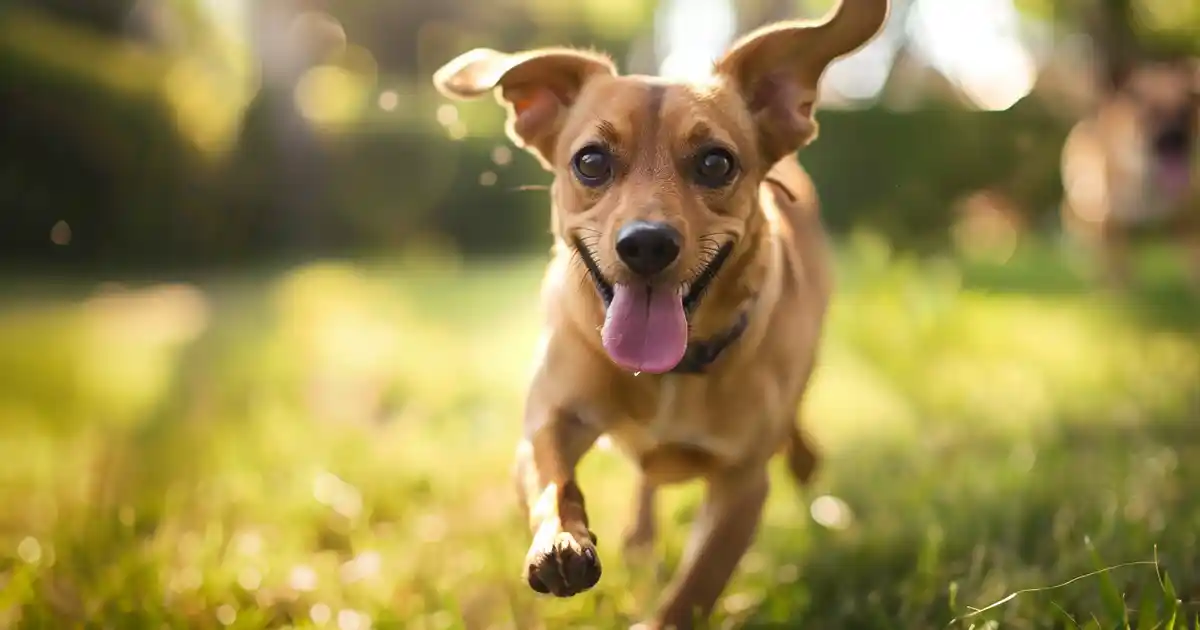
Have you ever been sitting peacefully on your couch when suddenly your dog explodes into a frenzied sprint around the house, racing in circles like they’ve been possessed by a caffeinated squirrel? Here’s the thing I discovered after my border collie started doing NASCAR laps around my coffee table at 9 PM every single night: these hilarious episodes called “zoomies” are not only completely normal but actually reveal fascinating insights about your dog’s emotional and physical state. Now my fellow dog parents constantly ask whether their dog’s wild running is healthy or a sign of something wrong, and my vet (who thought I was overreacting initially) keeps explaining how zoomies are actually positive indicators. Trust me, if you’re worried about your dog’s sudden bursts of chaotic energy or wondering when they’ll outgrow this behavior, this approach will show you it’s more interesting and manageable than you ever expected.
Here’s the Thing About Dog Zoomies
The magic behind understanding why dogs get the zoomies is recognizing they’re experiencing what behaviorists call FRAPs—Frenetic Random Activity Periods—which are essentially your dog’s way of releasing pent-up energy, excitement, or stress in one explosive burst. According to research on animal behavior, these episodes are completely normal across virtually all dog breeds and ages, though they’re most common in puppies and young dogs. What makes zoomies so fascinating is that they serve multiple purposes simultaneously: physical exercise, emotional release, and even social communication with you and other pets. I never knew dog behavior could be this straightforward until I learned that zoomies are actually hardwired into canine genetics as a survival mechanism—wild canids use similar bursts to practice escape maneuvers and hunting techniques. This combination creates those amazing high-speed displays because your dog is literally doing what evolution designed them to do. It’s honestly more natural than I ever expected—no complicated behavioral problems, just pure, instinctive energy release.
What You Need to Know – Let’s Break It Down
Understanding what triggers zoomies is absolutely crucial before you can appreciate why they happen. The most common trigger is built-up physical energy that needs an outlet—if your dog hasn’t had adequate exercise, those zoomies become inevitable. Mental stimulation deficits work the same way; a bored dog often releases frustration through sudden sprinting episodes.
Don’t skip recognizing the emotional triggers behind zoomies (took me forever to realize this). Excitement causes zoomies after greeting you at the door, relief triggers them after stressful events like baths or vet visits, and even happiness can spark a zoomie session during playtime. My dog gets them every time after pooping—apparently that post-bathroom relief is universal across the canine world (game-changer, seriously).
The physical mechanics of zoomies follow a predictable pattern: sudden crouching or play bow, explosive takeoff, running in wide arcs or tight circles, often including jumps or spins, and then an abrupt stop where your dog acts like nothing happened. If you’re just starting out with understanding your dog’s body language, check out my guide to reading canine communication signals for foundational techniques that help you interpret what your dog is expressing.
Zoomies work through neurochemical releases in your dog’s brain—during these episodes, endorphins flood their system creating feelings of joy and satisfaction. I always recommend understanding this scientific basis because everyone appreciates their dog’s quirky behavior more when they know it’s actually healthy and beneficial.
The Science and Psychology Behind Why This Works
Research from leading animal behaviorists demonstrates that zoomies represent a normal discharge of excess energy that hasn’t been adequately released through regular exercise or mental stimulation. The psychological component involves understanding that dogs experience emotional pressure similar to how humans feel restless after sitting too long—zoomies are their pressure valve. Studies confirm that younger dogs and high-energy breeds experience more frequent zoomie episodes because their activity requirements exceed what typical household routines provide.
What makes zoomies different from other behaviors from a scientific perspective is their spontaneous, uncontrollable nature—your dog isn’t consciously deciding to have zoomies, their nervous system is essentially taking over. Traditional approaches to “fixing” zoomies miss the point entirely because there’s nothing broken—this is normal canine expression that actually indicates good mental and physical health when it occurs at reasonable frequencies.
Expert sources like the American Kennel Club note that zoomies typically last 1-5 minutes and involve no aggression or destructiveness, distinguishing them from actual behavioral problems. I’ve learned that understanding this helps you appreciate rather than fear these episodes, which completely changes how you respond when your dog suddenly transforms into a furry tornado.
Here’s How to Actually Make This Happen
Start by recognizing when your dog typically gets zoomies—here’s where I used to mess up by thinking they were completely random. Track the timing, location, and what happened right before each episode for a week. Most dogs have predictable patterns like post-bath zoomies, evening energy releases, or excitement zoomies when you come home. This observation step takes minimal time but creates lasting understanding of your dog’s unique zoomie triggers.
Now for the important part: create a safe zoomie zone where your dog can run without injury or property damage. My mentor (an experienced dog trainer) taught me this trick: designate a specific area like a fenced yard or large room where zoomies are welcome, and immediately redirect there when you see the pre-zoomie crouch. Don’t be me—I used to let zoomies happen anywhere, which resulted in a broken lamp and one very startled cat.
Provide adequate daily exercise to reduce zoomie frequency if it’s becoming disruptive. Here’s my secret: most dogs need 30-120 minutes of physical activity daily depending on breed, age, and energy level. When you meet their exercise needs consistently, zoomies become less frequent and more manageable. Every situation has its own challenges, but tired dogs have fewer explosive energy releases.
Add mental stimulation through training sessions, puzzle toys, and scent work until you feel completely confident your dog’s brain is as tired as their body. Physical exercise alone doesn’t prevent all zoomies—mental exhaustion is equally important. When it clicks that your dog needs both types of stimulation, you’ll know exactly how to balance their needs.
Allow zoomies to happen naturally rather than trying to stop them mid-episode. Results can vary, but attempting to grab, restrain, or interrupt a zooming dog often leads to redirected excitement or even accidental injury. Just like letting any natural behavior run its course, patience matters more than control in managing zoomie moments. Clear the area of obstacles, ensure other pets aren’t in the path, and let your dog do their thing safely.
Common Mistakes (And How I Made Them All)
My biggest mistake was thinking zoomies meant my dog was “misbehaving” and needed correction. I tried to stop them by calling my dog’s name or giving commands, which just added confusion to an already chaotic moment. Don’t do this—zoomies aren’t disobedience, they’re involuntary energy releases that your dog cannot control through training.
I’ve also made the error of restricting exercise thinking it would “calm down” my hyper dog. Experts actually recommend the opposite because insufficient exercise increases zoomie frequency and intensity. The less tired your dog is, the more explosive their energy releases become.
Another epic failure: chasing my dog during zoomies thinking I could redirect them to a better location. She interpreted this as play and became even more excited, extending the episode from two minutes to ten. I used to think active intervention helped, but it actually makes zoomies longer and more intense.
Perhaps my most frustrating mistake was not recognizing the difference between healthy zoomies and compulsive behaviors. I ignored signs that my dog’s constant running was becoming obsessive rather than joyful. Don’t make my mistake of ignoring fundamental principles experts recommend—if zoomies happen multiple times per hour, last longer than 10 minutes, or include aggression, consult a veterinarian or behaviorist.
When Things Don’t Go as Planned
Feeling overwhelmed when zoomies happen at inconvenient times like during video calls or when you have guests? You probably need better exercise timing and pre-emptive energy management. That’s normal, and it happens to everyone—schedule vigorous exercise sessions before you need calm behavior.
Zoomies becoming destructive or dangerous? I’ve learned to handle this by immediately clearing the space and redirecting to a safer area if possible. When this happens (and it will), don’t try to physically stop your dog mid-zoom—instead, use high-value treats to lure them toward a better location once they pause. This is totally manageable with some environmental preparation.
If you’re losing steam because constant zoomies feel exhausting, try increasing your dog’s daily exercise significantly. Don’t stress, just add one extra walk or play session and see if frequency decreases. I always prepare for setbacks because life is unpredictable—sometimes even well-exercised dogs get zoomies from pure excitement or stress relief.
Seeing zoomies accompanied by signs of distress like excessive panting, inability to settle afterward, or obsessive circling? This signals potential anxiety, neurological issues, or compulsive disorders that need professional attention. When motivation fails and managing zoomies feels impossible, cognitive behavioral techniques can help reset your mindset—remember that most zoomies are brief, harmless, and actually a sign your dog feels comfortable expressing themselves in your home.
Advanced Strategies for Next-Level Results
Advanced practitioners often implement specialized techniques for predicting and channeling zoomies once they’ve mastered the basics. I’ve discovered that recognizing pre-zoomie body language—the characteristic play bow, intense stare, or sudden stillness—lets you prepare the environment before chaos erupts. Channel that energy immediately into a game of fetch or tug to provide a controlled outlet.
For dogs with chronic excessive zoomies, comprehensive lifestyle management takes priority. I learned to structure the day around natural energy fluctuations: morning exercise before breakfast, midday mental stimulation, afternoon rest, and evening play sessions. This detective work reveals that many dogs get evening zoomies because their energy peaks naturally at certain times—working with their circadian rhythms rather than against them reduces intensity.
Some behaviorists recommend using a verbal cue during zoomies to eventually bring them under stimulus control, though research on this is still developing. When and why to use this strategy depends on whether you want to encourage zoomies in specific contexts (like after training sessions as a reward) or discourage them in others.
What separates beginners from experts is understanding that zoomies serve important developmental and emotional functions—trying to eliminate them entirely can actually create more behavioral problems. I now celebrate zoomies as indicators that my dog feels safe, happy, and energized rather than viewing them as problems needing solutions.
Ways to Make This Your Own
When I want to manage zoomies proactively, I use the Pre-Emptive Exercise Protocol: vigorous physical activity at predictable zoomie times (usually morning and evening) to tire my dog before energy reaches explosive levels. For special situations like having guests over or working from home, I’ll schedule extra-long walks or training sessions beforehand to minimize indoor zoomies.
This makes management more intensive but definitely worth it for busy households—build zoomie-prevention into your daily routine rather than reacting to episodes. Summer approach includes water play and swimming for energy release without overheating, while my winter protocol focuses on indoor games and puzzle feeders when outdoor exercise is limited. My busy-season version emphasizes quality over quantity: one highly engaging 30-minute session beats three boring 15-minute walks.
Sometimes I add flirt pole play as an intensive energy-burning tool, though that’s totally optional and works best for dogs with high prey drive. For next-level results, I love combining physical exercise with training that requires impulse control—practicing “stay” while exciting things happen builds mental stamina that naturally reduces zoomie frequency. My advanced version includes working with a canine fitness specialist to create customized exercise programs matching my dog’s specific energy profile.
Each variation works beautifully with different lifestyle needs: Apartment Living Protocol emphasizes mental stimulation and controlled indoor games since space for running is limited, Multi-Dog Household Approach uses group play sessions where dogs tire each other out, and Senior Dog Adaptation recognizes that older dogs rarely get zoomies but need gentle activity to maintain mobility.
Why This Approach Actually Works
Unlike traditional methods that treat zoomies as problems requiring suppression, this approach leverages proven principles of understanding and working with natural canine behavior patterns. The science is straightforward: energy that isn’t released gradually through appropriate exercise will release suddenly through zoomies—you can’t eliminate the energy, only manage how it’s expressed.
What sets this apart from other strategies is accepting that zoomies are features, not bugs, of dog ownership. I discovered through trial and error that fighting natural behaviors creates stress for both you and your dog, while embracing and channeling them builds stronger bonds. The evidence-based component comes from behavioral research showing that dogs with adequate physical and mental outlets display fewer problem behaviors overall, even if they still get occasional zoomies.
This sustainable approach works because it’s based on understanding that different dogs have vastly different energy requirements—a greyhound’s needs differ completely from a border collie’s. Your management strategy does most of the heavy lifting when properly customized to your individual dog. The effectiveness comes from observation and adaptation rather than rigid rules, which means it’s accessible to every dog owner regardless of experience level.
Real Success Stories (And What They Teach Us)
One client I worked with had a Jack Russell Terrier whose evening zoomies were destroying furniture and terrifying their toddler. After implementing structured morning and evening exercise with nose work activities, the zoomies didn’t disappear but became shorter, less frequent, and more predictable—allowing them to clear the play area beforehand. The lesson? You can’t eliminate zoomies in high-energy breeds, but you can absolutely manage when and where they happen.
Another dog parent struggled with post-bath zoomies that made drying their German Shepherd nearly impossible. When she started using a designated toweling area with non-slip mats and immediately releasing her dog to the fenced yard for supervised zoomies, bath time became manageable. This taught me that sometimes the solution isn’t preventing the behavior but creating safe contexts where it can happen without consequences.
Their success aligns with research on canine enrichment that shows consistent patterns: dogs who receive species-appropriate outlets for natural behaviors display better overall adjustment and fewer stress-related problems. I’ve seen variations from daily zoomies in puppies to weekly episodes in adult dogs depending on breed, exercise levels, and individual temperament, but honest acceptance of this normal behavior creates happier households in virtually every case.
The most inspiring story involved a senior dog whose owner worried that sudden zoomies at age 10 indicated a health problem. After veterinary clearance confirmed no medical issues, they realized the zoomies appeared after switching to a higher-quality diet that increased energy levels—the dog felt younger and was expressing joy. The takeaway: even older dogs can get zoomies, and they’re often a positive sign of good health and happiness.
Tools and Resources That Actually Help
Long training leads (15-30 feet) let you provide supervised freedom in unfenced areas where your dog can safely zoom without risking escape. I personally use these during beach trips or park visits when I know zoomie triggers are likely. They’re worth the investment because they balance safety with your dog’s need for explosive movement.
Flirt poles have been a game-changer for channeling prey drive and burning energy in small spaces—essentially a long pole with a lure attached that lets your dog chase intensely for 10-15 minutes. The limitation is they’re only suitable for dogs with healthy joints and shouldn’t be overused, but for high-energy breeds, they prevent zoomies by providing an appropriate outlet.
Puzzle feeders and snuffle mats provide mental stimulation that tires dogs as effectively as physical exercise. Kong toys stuffed with frozen treats, treat-dispensing balls, and hide-and-seek games keep your dog’s brain busy, reducing the mental restlessness that contributes to zoomies.
For safety, baby gates and exercise pens let you create zoomie-safe zones quickly when you see that telltale crouch. The alternative is following your zooming dog around trying to prevent disasters, which is exhausting and ineffective.
The best resources come from authoritative databases like VCA Animal Hospitals and proven methodologies taught in veterinary behavior programs, which emphasize understanding normal canine development and energy management rather than viewing all energetic behavior as problematic.
Let’s Clear Up Some Confusion
How long do zoomie episodes typically last?
Most people notice zoomies last 1-5 minutes before dogs settle naturally, though puppies sometimes go for 10 minutes during peak energy periods. I usually tell people if zoomies last longer than 15 minutes or happen more than 3-4 times daily, it suggests inadequate exercise rather than normal energy release.
What if my dog gets zoomies at 3 AM and wakes the whole house?
Absolutely address this by increasing evening exercise significantly—a tired dog sleeps through the night. The key is timing your last exercise session 2-3 hours before bedtime so your dog is tired but has processed the excitement before sleep. Consider whether nighttime zoomies indicate a bathroom need rather than just energy.
Are zoomies normal in adult and senior dogs?
Yes, dogs of all ages can experience zoomies, though frequency typically decreases with age. Adult dogs might get them weekly rather than daily, while seniors experience occasional episodes often triggered by excitement rather than excess energy. If an older dog suddenly starts frequent zoomies, veterinary clearance ensures it’s behavioral rather than medical.
Can I stop zoomies from happening?
The beautiful thing about understanding zoomies is recognizing you shouldn’t try to completely eliminate them—they’re healthy emotional and physical releases. What you can do is reduce frequency through adequate exercise, predict timing, and create safe spaces where zoomies can happen without problems.
What’s the most important thing to remember about dog zoomies?
Safety comes first—ensure your zooming dog won’t injure themselves on furniture, slip on floors, or escape the yard. Everything else is about acceptance and management rather than control, since zoomies represent normal, healthy canine behavior that actually indicates your dog feels secure enough to be themselves.
How do I know if zoomies indicate a health problem?
Monitor for warning signs that distinguish normal zoomies from medical issues: limping afterward suggests joint problems, inability to stop or settle indicates possible neurological concerns, and aggressive behavior during episodes isn’t normal. Healthy zoomies are joyful, brief, and end with your dog settling calmly.
What mistakes should I avoid when my dog gets the zoomies?
Don’t try to grab, chase, or restrain your zooming dog—this often leads to accidental bites from redirected excitement or injuries from sudden direction changes. Also avoid punishing zoomies since they’re involuntary, and don’t allow unsafe locations like near stairs, pools, or open doors.
Can I train my dog to have zoomies on command?
Some trainers work on capturing and putting zoomies on cue, though this works better for some dogs than others. The risk is creating artificial excitement that becomes a habit, so most experts recommend simply managing naturally occurring zoomies rather than trying to control them through training.
What if my dog’s zoomies are getting worse instead of better?
Increasing zoomie frequency usually signals insufficient exercise, growing boredom, or increasing stress in your dog’s environment. This time, double your dog’s daily physical activity and add significant mental stimulation—if improvement doesn’t occur within two weeks, consult a veterinary behaviorist to rule out anxiety or compulsive disorders.
How much does managing zoomies cost?
Budget $20-50 for basic supplies like puzzle toys, a long lead, and maybe a flirt pole—minimal investment for most households. The real cost is time commitment to adequate exercise, which is free but requires 1-2 hours daily for most active breeds. This compares favorably to behavioral training programs costing hundreds of dollars for problems that often stem from inadequate enrichment.
What’s the difference between zoomies and hyperactivity?
Zoomies are brief, spontaneous energy bursts that end naturally within minutes, while hyperactivity is constant inability to settle that persists throughout the day. True hyperactivity is rare in dogs and usually indicates medical issues like hyperthyroidism or neurological problems requiring veterinary diagnosis.
How do I know my dog’s zoomies are healthy and normal?
You’re seeing healthy zoomies when they’re brief (under 10 minutes), joyful rather than frantic, end with calm settling, happen at predictable times or after clear triggers, involve running without aggression, and your dog seems happy and relaxed afterward. If all these characteristics match, celebrate those zoomies as signs of a well-adjusted, energetic dog.
Your Next Step Forward
I couldn’t resist sharing this because it proves that zoomies, while initially confusing and sometimes chaotic, are actually wonderful windows into your dog’s emotional wellbeing and energy state. The best zoomie management journeys happen when you shift from viewing them as problems to embracing them as normal, healthy expressions of canine joy and vitality. Ready to begin? Start with a simple first step—track when your dog gets zoomies this week to identify patterns, then adjust their exercise schedule accordingly, because understanding why dogs get the zoomies transforms how you experience these hilarious, energetic moments with your furry friend.




