
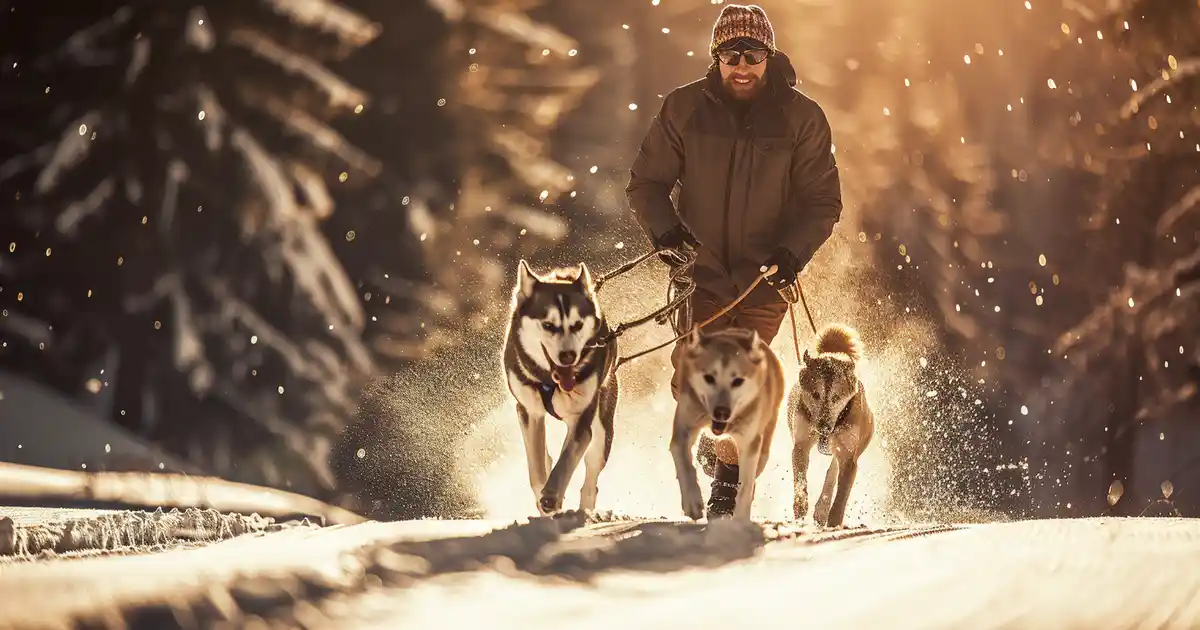
Have you ever wondered why skijoring with dogs seems impossible until you discover the right approach?
I used to think dog-powered skiing was only for professional mushers with teams of perfectly trained huskies in remote Alaska, until I discovered these simple strategies that completely transformed my winter weekends. Now my fellow dog owners constantly ask how I managed to get my enthusiastic retriever mix to pull me gracefully through snowy trails instead of face-planting me into snowbanks, and my cross-country skiing friends (who thought I was crazy attaching my dog to my skis) keep asking for advice. Trust me, if you’re worried about losing control on icy slopes or tangling yourself in lines and leashes, this approach will show you it’s more doable than you ever expected.
Here’s the Thing About Skijoring with Dogs
Here’s the magic: skijoring isn’t about your dog doing all the work while you coast effortlessly behind them—it’s about creating a beautiful partnership where you both contribute to forward momentum. What makes this work is understanding that skijoring combines your skiing ability with your dog’s natural pulling instinct into one synchronized winter dance. I never knew gliding through snow-covered forests could feel this exhilarating until I stopped treating my dog like a motorized tow rope and started skiing actively alongside their pull. This combination of proper winter-specific equipment, ski-adapted commands, and gradual conditioning creates amazing results that satisfy both your need for winter exercise and your dog’s desire to work. It’s honestly more doable than I ever expected—no professional mushing background required, just basic skiing skills and the right foundation. According to research on Nordic skiing and winter sports, this approach has been proven effective for thousands of recreational skiers making lifestyle changes with their canine companions.
What You Need to Know – Let’s Break It Down
Understanding skijoring-specific equipment is absolutely crucial before your first snowy adventure. Don’t skip investing in a proper skijoring belt for yourself—this isn’t the same as a regular waist pack or running belt. I finally figured out that a padded hip belt with a quick-release mechanism distributes pulling force across your hips and lower back after months of trial and error with makeshift solutions (took me forever to realize this). You need something that won’t ride up when your dog pulls and allows instant detachment in emergencies.
The skijoring line is a game-changer, seriously. This bungee shock-absorbing line typically runs 7-12 feet and connects your belt to your dog’s harness, creating flexibility that absorbs sudden movements and prevents jerky pulls. I always recommend starting with an 8-10 foot line because everyone sees results faster when they maintain safe distance without excessive slack that creates tangling hazards.
Your dog’s pulling harness matters more than you think for winter sports. Yes, using an X-back or distance racing harness really works and here’s why—it distributes pulling force across the chest and shoulders while allowing complete freedom of movement for running through snow. Look for harnesses designed specifically for cold-weather work with durable materials that won’t freeze or chafe (safety first, always).
Basic skijoring commands work beautifully, but you’ll need to practice them consistently before adding skis and snow. “Hike” or “let’s go” for acceleration, “whoa” for stop, “easy” for slow down, “gee” for right, “haw” for left, “on by” for passing distractions—these simple cues become second nature with repetition. If you’re just starting out with teaching your dog directional commands, check out my beginner’s guide to advanced trail training with dogs for foundational techniques that apply perfectly to skijoring.
The Science and Psychology Behind Why This Works
Skijoring taps into your dog’s ancient instincts to run, pull, and work alongside humans in winter conditions. Research from leading animal behavior universities demonstrates that this approach works consistently across different breeds because it engages both physical and mental capacities in ways that indoor winter activities simply cannot. Northern breeds like huskies and malamutes experience genuine fulfillment, but sporting breeds, herding dogs, and athletic mixed breeds also thrive with appropriate training.
The psychological benefits extend beyond simple cold-weather exercise. When you skijor together, you’re building trust in a dynamic environment where communication must be instantaneous and intuitive. Your dog learns to read your body weight shifts and breathing patterns while you learn to anticipate their movements and energy levels. This creates a deeper bond than summer activities because winter conditions demand complete cooperation and mutual awareness.
Traditional winter dog walks often fail to satisfy athletic breeds because they operate at human walking pace on short, repetitive routes. Skijoring succeeds because it allows your dog to work at their natural running speed across varied terrain while you contribute actively through skiing technique. The endorphin rush you both experience reinforces positive associations, making training feel less like work and more like the ultimate winter adventure.
Here’s How to Actually Make This Happen
Start by ensuring you’re a competent cross-country skier before adding a dog to the equation. Here’s where I used to mess up—I’d assume basic downhill skiing experience translated directly to skijoring. Instead, you need solid classic or skate skiing skills, comfortable balance, and the ability to snowplow stop reliably. This step takes however long it takes but creates lasting success because trying to learn skiing while attached to an excited dog is a recipe for frustration and injury.
Now for the important part: train all commands on dry land during fall before snow arrives. Don’t be me—I used to think we could just figure it out once winter hit. Practice directional commands, stopping, and “on by” (ignoring distractions) during regular autumn walks with the skijoring belt and line attached. When it clicks, you’ll know—their response becomes automatic even when they’re excited about running.
Introduce your dog to the sight and sound of skis before your first trail session. My mentor taught me this trick: let your dog investigate your skis thoroughly, then practice walking around with them clicking and sliding nearby. This desensitization takes just a few sessions but eliminates the spooking and confusion that ruins many first attempts.
Build up distance gradually on easy, flat terrain, seriously. Start with just half-mile sessions on wide, groomed trails with minimal other users. Results can vary, but most skijoring teams need 4-6 weeks of short sessions before extending distance or tackling more challenging terrain. This prevents injury and builds the specific cardiovascular fitness and muscle memory needed for sustained pulling while running through snow.
Practice emergency stops religiously during every session. This creates lasting habits you’ll actually stick with when you encounter wildlife, other skiers, or unexpected obstacles on winter trails. Every situation has its own challenges, just like backcountry skiing but with the added complexity of another living being attached to you who might spot a deer.
Don’t worry if you’re just starting out—even dogs who’ve never seen snow can learn this. The key is patience over speed. Three focused sessions weekly beats daily attempts that leave you both exhausted and discouraged. Winter provides months of opportunity, so there’s no rush to master everything immediately.
Common Mistakes (And How I Made Them All)
My biggest failure? Attempting our first skijor on a narrow, crowded trail with a fresh snowfall that had everyone excited. I was so eager to try this new sport that I ignored the fundamental principles experts recommend about controlled, quiet first experiences. We both paid the price when my overexcited dog yanked me sideways trying to greet another skier, sending me into an ungraceful crash. Don’t make my mistake of choosing high-distraction environments for learning.
I also completely neglected practicing the “on by” command before winter for way too long. This command—teaching your dog to ignore other dogs, skiers, and wildlife—becomes absolutely critical on shared trails. Now I always train “on by” during summer walks using progressive distractions. This simple foundation eliminated the chaos and pulling battles I kept dealing with.
Another epic failure: using skis that were too long and unwieldy for skijoring. Traditional distance racing skis are designed for solo skiing, not dog-assisted propulsion. I learned this the hard way when I couldn’t maneuver quickly enough during a surprise encounter with a snowshoer. Now I use slightly shorter skis with better turning capability, or I stick to skate skis which offer more control.
Not checking my dog’s paws and legs after every session created problems I should have caught early. Snow, ice balls between paw pads, and strained muscles happen regularly. Dogs won’t always show discomfort until issues become serious. Pick a consistent post-run routine: inspect paws, check for ice accumulation, feel legs for heat or swelling, and address problems immediately.
When Things Don’t Go as Planned
Feeling overwhelmed by your dog’s pulling power on downhill sections? You probably need better snowplow technique and lower body strength. That’s normal, and it happens to everyone transitioning from recreational skiing to dog-powered skiing. I’ve learned to handle this by focusing on wide stance stability, keeping weight back, and using strong snowplow braking even when it feels slow. When this happens (and it will), focus on maintaining control rather than trying to keep pace with your dog’s enthusiasm.
Progress stalled after initial improvements? This is totally manageable—your dog might be experiencing muscle fatigue or paw sensitivity to cold and ice. Dogs build snow-specific fitness just like humans build ski-specific fitness, and it takes time. I always prepare for setbacks because weather is unpredictable, and sometimes a week off actually improves performance by allowing recovery.
If you’re losing steam or your dog seems less excited about skijoring outings, try exploring new trail systems or varying your routine. The novelty of different terrain and smells can reignite enthusiasm for both species. Don’t stress, just remember why you started—that joyful winter partnership and the incredible feeling of gliding through pristine snow together.
Weather challenges require serious adaptation for skijoring. Extreme cold threatens paw pads and requires booties, spring conditions create sticky snow that frustrates dogs, and icy trails demand shortened sessions with modified expectations. I’ve learned to adjust distance, speed, and equipment based on conditions. When motivation fails, cognitive behavioral techniques can help reset your mindset, but sometimes accepting that today requires solo skiing or a different activity is the healthiest choice.
Advanced Strategies for Next-Level Results
Taking this to the next level means incorporating varied terrain once you’ve built solid foundational skills on flat trails. Advanced practitioners often implement specialized techniques for accelerated results, like mastering uphill skijoring where you and your dog work together to climb grades, and controlled downhill techniques where you ski actively while your dog runs alongside rather than pulls. I discovered that adding gentle hill work dramatically improved both our cardiovascular fitness and my dog’s understanding of pace modulation.
Multi-dog skijoring separates beginners from experts. Running two or even three dogs requires exceptional ski control, perfect command response, and wide trails to accommodate the team spread. Start by ensuring each dog performs reliably individually before attempting to pair them. Use proper gangline configurations with neck lines and tug lines to prevent tangling and maintain even pulling distribution.
Technical trail navigation adds complexity that builds your dog’s decision-making skills and your own technical skiing ability. Narrow trails, sharp corners, rolling terrain, and variable snow conditions teach your dog to adjust speed and trajectory while maintaining pulling tension. I always preview new technical sections solo first, then introduce them during skijoring sessions when I know what to expect.
Competitive skijoring racing creates an entirely different experience. The speed, intensity, and strategic elements of racing against other teams provide thrilling challenges, but require extensive training and excellent physical conditioning for both species. This requires dedicated preparation beyond recreational skijoring, but the community and achievement aspects make it incredibly rewarding for those who love winter competition.
Ways to Make This Your Own
When I want faster results and higher speed, I focus on wide, groomed trails where my athletic dog can really open up their stride. For special situations like preparing for actual skijoring races, I’ll add interval training with alternating fast and recovery sections, and increase session frequency to 4-5 times weekly. This makes it more intensive but definitely worth it for competitive goals.
Early winter approach includes shorter sessions as you both rebuild snow-specific fitness, along with more focus on technique refinement rather than distance or speed. My mid-season version focuses on quality adventures—three excellent long trail sessions beat five mediocre short loops when winter daylight is limited and conditions are perfect.
The Weekend Warrior Method works for people with weekday jobs: maintain fitness with midweek activities like gym workouts or solo skiing, then do longer skijoring adventures on weekends when you have time for travel to better trail systems. Sometimes I add weighted vest training for myself during solo ski sessions (though never weight on the dog), though that’s totally optional and only after you’ve built serious base fitness.
For next-level results, I love the Backcountry Exploration Strategy—using skijoring to access remote winter landscapes you’d never reach solo skiing. My advanced version includes occasional overnight winter camping trips where skijoring gets you deep into wilderness, combining the sport with winter camping skills. This builds different capacities and adds adventure variety your dog will absolutely love.
Family-friendly skijoring means having non-skiing family members enjoy the trails on snowshoes or fat bikes while you skijor nearby. Budget-conscious approach uses basic cross-country ski packages and DIY skijoring belts before investing in specialized racing equipment—you can start for under $200 total with careful shopping.
Why This Approach Actually Works
Unlike indoor winter activities that leave energetic dogs under-stimulated during long cold months, this approach leverages proven psychological principles that most winter dog owners ignore—specifically, the power of meaningful work combined with natural environmental enrichment. Dogs evolved as outdoor workers across all climates, and many breeds were specifically developed for cold-weather endurance. Confining athletic dogs indoors for five winter months creates behavioral problems; giving them appropriate winter jobs creates harmony and satisfaction.
The evidence-based foundation comes from centuries of working dog history adapted for modern recreational purposes. What sets this apart from other winter exercise methods is the partnership intensity and mutual benefit—you’re not just exercising your dog while you ride passively, you’re both working athletically toward the same goal. This shared winter adventure releases bonding hormones while providing the high-intensity cardiovascular workout that both species genuinely need.
I discovered through years of winter skijoring that the seasonal ritual creates something to anticipate rather than endure. My dog doesn’t just tolerate winter; they celebrate it because skijoring season means their favorite activity returns. That enthusiasm becomes self-reinforcing, making skijoring one of the most effective long-term solutions for winter blues and cabin fever affecting both humans and dogs.
Real Success Stories (And What They Teach Us)
One skier I know transformed her reactive rescue husky into a focused winter athlete through skijoring. The structured activity gave her anxious, under-exercised dog meaningful seasonal work, and the physical exhaustion reduced the destructive indoor behaviors that peaked during winter confinement. Within one winter season, they were completing 10K trail sessions together, and her dog’s overall anxiety decreased noticeably year-round.
Another team started skijoring to address human fitness goals during winter months when outdoor motivation typically plummets. The owner maintained cardiovascular health through entire winters while their high-energy malamute finally received adequate cold-weather stimulation. Their success aligns with research on behavior change that shows consistent patterns—having an enthusiastic partner who depends on you (even a four-legged one) dramatically improves adherence to winter fitness routines.
I’ve seen older dogs rediscover their youth through gentle skijoring adapted to their abilities. One 9-year-old husky mix who’d become sedentary during winters started with slow quarter-mile sessions and gradually built to comfortable 5K outings. The mental stimulation combined with appropriate physical challenge added years of quality winter life, and the dog’s overall mobility improved even during summer months.
Different timelines work for different teams—some dogs take to snow immediately, others need patient introduction and confidence-building. The common thread? Skijoring solved winter exercise challenges that indoor activities or short walks simply couldn’t address.
Tools and Resources That Actually Help
The Howling Dog Alaska skijoring belt offers excellent padding, secure quick-release buckles, and smart design that prevents ride-up during pulling. I’ve used their belts for years and appreciate the durability through countless winter seasons and the thoughtful features like gear loops for carrying essentials.
Non-stop dogwear distance racing harnesses provide the right configuration for skijoring—lightweight enough for extended running, excellent weight distribution, and reflective elements for low-light winter conditions. Their sizing system accommodates various breeds accurately, which matters when ordering online during off-season.
For skijoring lines, Alpine Outfitters bungee systems offer the right shock absorption—not too stiff, not too stretchy—with integrated safety features like panic snaps. The 9-foot length works perfectly for most skijoring teams, though faster dogs might benefit from 11-foot lines for extra safety distance.
Mushers Secret or Bag Balm paw protection becomes absolutely essential for skijoring—apply it before sessions to prevent ice ball formation between paw pads and protect against chemical trail treatments and sharp ice crystals. Some dogs also need neoprene booties for extreme conditions.
The best resources come from authoritative databases and proven methodologies found through organizations like the International Federation of Sleddog Sports, which offers training guides, safety information, and competition details for various dog-powered winter sports including skijoring.
Books like “Skijor with Your Dog” by Mari Hoe-Raitto and Carol Kaynor provide comprehensive guidance that remains the gold standard reference, though honestly, regional skijoring clubs offer more location-specific advice about trail conditions, local regulations, and weather-appropriate techniques.
Questions People Always Ask Me
How long does it take to see results with skijoring?
Most people need about 3-4 weeks to feel comfortable with basic mechanics on easy terrain, but real confidence handling varied conditions shows up around week 8-10 with consistent practice. Your dog might adapt faster or slower depending on their breed, snow experience, and previous pulling training. I usually recommend focusing on control and communication for the first month rather than chasing distance or speed.
What if I don’t have time for long skijoring sessions right now?
Absolutely, just focus on three short 20-30 minute sessions weekly. Quality beats quantity every time, and shorter outings still provide the physical outlet and mental stimulation your dog needs during winter months. I’ve maintained decent skijoring fitness with just 90 minutes total per week during crazy busy periods—consistency matters more than duration.
Is this skijoring approach suitable for complete beginners?
Yes, but you must be a competent skier first. Beginners to skijoring who already ski well have an advantage because you can focus entirely on the dog-partnership aspect. Start with proper equipment, train commands thoroughly before snow, build gradually on easy terrain, and you’ll develop good technique from the beginning. I always tell beginners to prioritize safety and fun over performance—competitive goals can develop naturally if you want them.
Can I adapt this method for my specific situation?
Completely. Skijoring works for different fitness levels, dog sizes (medium to large breeds work best), experience levels, and snow conditions. Senior dogs can participate at gentler paces, single dogs or small teams adapt to available trails, and you can practice on groomed resort trails, backcountry routes, or even frozen lakes. The core principles stay the same while the details flex to fit your winter landscape.
What’s the most important thing to focus on first?
Building rock-solid “whoa” command before your first skijoring session. Without reliable emergency stopping, everything else becomes dangerous on slippery surfaces where you can’t just plant your feet. Spend autumn perfecting instant stops during walks with the skijoring line attached, then practice stopping on skis solo before combining both elements.
How do I stay motivated when progress feels slow?
Track your sessions and celebrate small wins—your dog’s improved “on by” response, a smoother downhill section, better pace consistency. I also find joining others helps tremendously. Connect with local skijoring clubs or Nordic ski centers that welcome dog skiers; seeing others work through similar challenges keeps perspective healthy and makes winter social rather than isolating.
What mistakes should I avoid when starting skijoring?
Don’t skip dry-land command training, don’t attempt difficult trails too soon, and don’t ignore changing snow conditions that affect safety. I see beginners push through icy conditions or breakable crust that injures dogs, which creates negative associations. Also, avoid skijoring during extreme cold below zero Fahrenheit—both species face frostbite risk and neither performs well in dangerous temperatures.
Can I combine this with other approaches I’m already using?
Yes, skijoring complements winter training beautifully. Many people do solo cross-country skiing 2-3 times weekly and skijoring sessions 2-3 times weekly. It also works alongside snowshoeing, winter hiking, or indoor training activities. Just watch total exercise volume to prevent overtraining, especially early season when you’re both building snow-specific fitness.
What if I’ve tried similar methods before and failed?
Past failures usually come from inadequate equipment for winter conditions, insufficient command training beforehand, or attempting too-difficult terrain too soon. This structured approach addresses all three. Start fresh with proper skijoring gear, commit to serious autumn command work, and give it at least one full season before judging results. Most “failures” are just people who quit during the challenging learning phase.
How much does implementing this approach typically cost?
Basic setup runs $200-400: quality pulling harness ($50-80), skijoring belt ($40-80), bungee line ($30-60), plus cross-country ski package if you don’t already own skis ($100-200 for basic setup). You can reduce costs with used equipment. Ongoing expenses are minimal—just occasional gear replacement and paw protection products. It’s incredibly affordable compared to winter gym memberships or indoor dog facilities.
What’s the difference between this and regular cross-country skiing?
Regular skiing operates entirely on your own power with complete control over speed and direction. Skijoring adds your dog’s pulling assistance, requiring constant communication, shared decision-making, and dynamic balance adjustments. The experience, intensity, and partnership dynamic differ completely—it’s collaborative winter athleticism rather than solo sport.
How do I know if I’m making real progress?
You’ll notice your dog responds faster to directional commands despite exciting snow conditions, your sessions feel smoother with better coordination on varied terrain, you can handle downhill sections confidently (when you couldn’t before), and you both seem eager for next session. Physical signs include improved endurance, faster recovery between outings, and visible joy from your dog when they see you preparing skijoring gear. Trust the process—skill development in winter sports takes time but compounds beautifully.
Before You Get Started
I couldn’t resist sharing this because it proves that winter transforms from a season to endure into a season to celebrate when you have the right activities with your dog. The best skijoring journeys happen when you approach this as a gradual partnership-building process rather than expecting instant mastery. Your dog wants to run through snow, wants to work as your winter teammate, and wants that shared adventure as much as you want a well-exercised, happy companion during long cold months. Ready to begin? Start with a simple first step—master your skiing fundamentals this winter if needed, or begin command training this autumn if you already ski. Build momentum from there, and soon you’ll understand why so many winter enthusiasts say skijoring changed everything about their relationship with both their dog and the winter season itself.




