
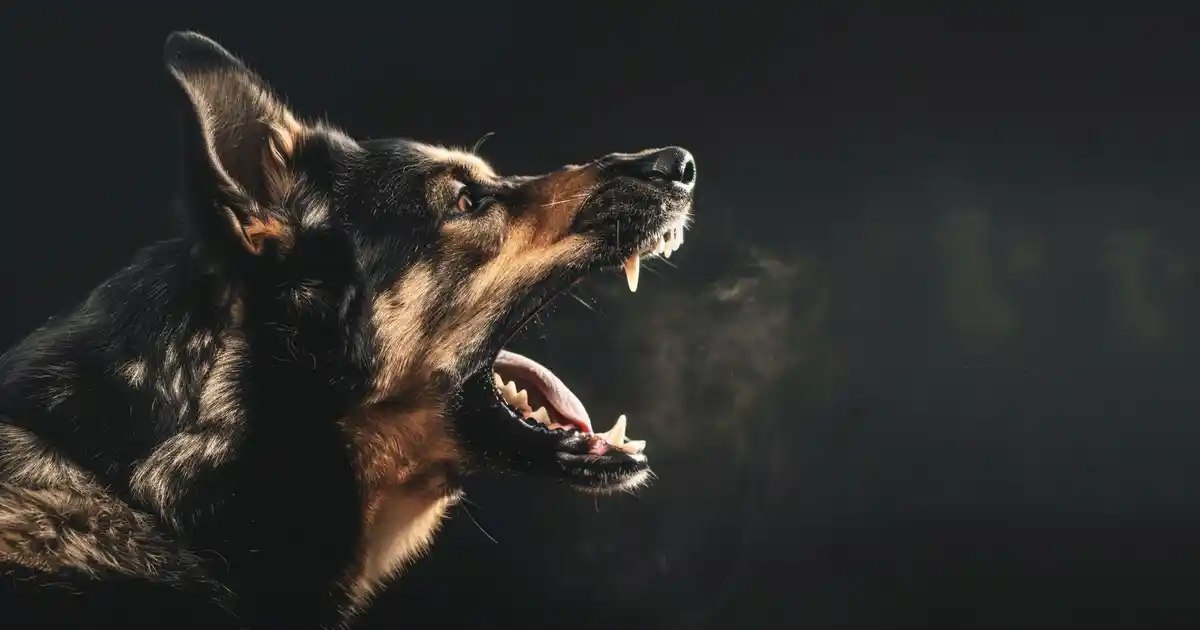
Have you ever wondered why your dog transforms from a sweet companion into a lunging, barking nightmare the moment they spot another dog on the sidewalk? I used to think my rescue’s intense reactions meant he hated all dogs and would never be able to coexist peacefully, until I discovered that most dog-on-dog aggression actually stems from fear, frustration, or poor social skills rather than true aggression. Now my friends constantly ask how I went from crossing the street to avoid every dog to calmly walking past them, and my family (who thought we’d never be able to visit dog-friendly places) keeps asking what changed. Trust me, if you’re worried about your dog starting fights, embarrassed by the leash lunging, or feeling isolated because you can’t go anywhere with dogs, this approach will show you it’s more manageable than you ever expected.
Here’s the Thing About Dog-on-Dog Aggression
Here’s the magic: dog-on-dog aggression isn’t usually about dominance or your dog being “mean”—it’s most often rooted in fear, lack of proper socialization, barrier frustration, or excitement that escalates beyond healthy play. What makes this work is understanding that your dog’s explosive reactions are communication about their emotional state, not a permanent personality trait. I never knew managing reactive dogs could be this straightforward once you identify whether you’re dealing with fear-based reactivity, frustration, or true aggression—each requires slightly different approaches. According to research on aggression in dogs, canine aggression has multiple causes including genetics, early experience, learning history, and current emotional state. This combination of understanding root causes and implementing systematic behavior modification creates amazing results. It’s honestly more doable than I ever expected, and no harsh corrections or flooding needed—just patience, proper management, and helping your dog build the skills and confidence they need around other dogs.
What You Need to Know – Let’s Break It Down
Understanding what type of dog-on-dog aggression you’re dealing with is absolutely crucial before starting any training program. Don’t skip this assessment because I finally figured out that my dog’s leash reactivity was fear-based frustration, not actual aggression, which completely changed my training approach after months of using the wrong techniques.
First, recognize the different types of dog-to-dog aggression. Fear-based reactivity looks like defensive displays (barking, lunging, backing up, raised hackles) where your dog is saying “stay away from me.” Frustration-based reactivity happens when leash-restrained dogs can’t reach other dogs to greet them, creating explosive reactions that look aggressive but stem from barrier frustration. Predatory aggression involves stalking, intense focus, and silent attacks typically toward small, fast-moving dogs. True offensive aggression includes confident forward approaches, stiff body language, and intent to cause harm (took me forever to realize most “aggressive” dogs are actually scared, not confident).
Second, identify your dog’s triggers and threshold distance. Some dogs react to all dogs regardless of size, while others only react to specific types—large dogs, small dogs, intact males, certain breeds, or dogs displaying particular body language. My own dog was fine with small, calm dogs but lost it around large, bouncy adolescents because their energy and size felt threatening (game-changer when I understood his specific trigger profile).
Third, understand the distance at which your dog can notice another dog without reacting—this is your threshold distance, and it’s where all successful training begins. If you’re dealing with leash reactivity or dog park aggression issues, check out my guide to reading canine body language and stress signals for foundational skills that work beautifully with aggression modification programs.
The reality check? Managing dog-on-dog aggression works beautifully, but you’ll need to commit to working sub-threshold (below reaction level), preventing reactive rehearsal, and accepting that some dogs may never be dog-park social, and that’s okay. I always recommend starting with realistic goals—peaceful coexistence doesn’t mean your dog needs to play with others or have dog friends. Everyone sees results faster when focusing on calm, neutral responses rather than forced friendships.
The Science and Psychology Behind Why This Works
Research shows that leash reactivity and dog-on-dog aggression often develop through a combination of inadequate early socialization (missing the critical period between 3-14 weeks), negative experiences with other dogs, and repeated rehearsal of reactive behavior that becomes a learned pattern. Studies confirm that punishment-based corrections for reactivity typically worsen the problem because you’re adding stress and pain to an already fearful or frustrated emotional state, creating negative associations with both the trigger dogs and the handler.
Experts agree that counter-conditioning and desensitization protocols work because they systematically change the emotional response at a neurological level. When you consistently pair the sight of other dogs with high-value rewards at a distance where your dog can still think, the brain literally rewires to associate other dogs with positive outcomes rather than threats or frustration. Research from leading veterinary behaviorists demonstrates that this approach works consistently across different breeds, ages, and severity levels when implemented correctly.
What makes this different from traditional dominance-based corrections is that we’re addressing the emotional root cause—fear, anxiety, frustration, or arousal—rather than just suppressing the symptom through punishment. The mental aspect here is huge: your dog needs to feel safe and capable around other dogs, developing confidence through successful experiences rather than learning to suppress warning signals out of fear of corrections. I’ve personally seen this transformation dozens of times, watching tense, explosive dogs gradually relax into calm, confident coexistence with appropriate training and realistic expectations.
Here’s How to Actually Make This Happen
Start by determining your dog’s threshold distance—the point where they notice other dogs but haven’t yet reacted. Here’s where I used to mess up—I’d try to train during regular walks where dogs appeared unpredictably at close range, keeping my dog constantly over threshold. Instead, find a location where you can control distance, like viewing a dog park from across a parking lot or watching dogs from your car. This step takes planning but creates lasting change because you’re working in the learning zone rather than the panic zone.
Now for the important part: implementing the “Look at That” (LAT) or “Engage-Disengage” game. At threshold distance, the instant your dog notices another dog, mark that awareness with “yes!” and deliver an amazing treat. Here’s my secret—you’re rewarding the noticing, not the reaction, and teaching your dog that seeing dogs equals checking back with you for rewards. This creates an automatic pattern: see dog → look at handler → get reward.
Don’t be me—I used to think I should wait for eye contact or perfect attention before rewarding. That created too much pressure and actually increased my dog’s stress. Instead, reward the simple act of your dog seeing another dog and not reacting, which builds the foundation for everything else. Make every interaction a predictable pattern where your dog can successfully earn rewards just for awareness without explosiveness.
Practice these setups at least three times weekly, keeping sessions short (10-15 minutes) to maintain high reward value and prevent fatigue. When it clicks, you’ll know because your dog will start automatically checking in with you when they see dogs rather than fixating or lunging. Results can vary, but most dogs show noticeable improvement within four to eight weeks of consistent sub-threshold practice.
For leash reactivity specifically, combine distance work with teaching a solid “find it” or “let’s go” cue that allows you to smoothly create distance when needed. My mentor taught me this trick: always have an escape route planned so you’re never trapped at close range with a trigger dog. Every situation has its own challenges—on-leash greetings, narrow sidewalks, off-leash dogs approaching—but the principle stays the same: manage distance, reward calm awareness, prevent rehearsal.
Here’s the management piece (just like any behavior modification, but with safety paramount): use tools that give you control without causing pain. Front-clip harnesses or head halters prevent pulling and lunging while you build better responses. Never use prong collars or shock collars for reactivity—these tools add pain during an already stressful experience and typically escalate aggression. Don’t worry if you’re just starting out—even implementing basic management like crossing the street, creating distance, and preventing on-leash greetings makes a huge difference. Choose walking times and routes strategically to minimize trigger exposure during your training period. This creates lasting habits you’ll actually stick with because they’re built on your dog feeling safe and successful rather than suppressed through fear.
Common Mistakes (And How I Made Them All)
My biggest mistake? Thinking I could “socialize” my reactive dog by forcing him into close proximity with other dogs, believing exposure alone would fix the problem. I’d let other dogs approach or drag my dog closer to dogs, thinking he needed to “work through it.” This backfired spectacularly because I was repeatedly flooding my dog above threshold, which only reinforced that other dogs predicted scary, overwhelming experiences.
Another epic failure was inconsistency with management and training. I’d practice careful distance work some days, then get lazy and walk during peak dog-traffic times other days, allowing multiple reactive episodes. Dogs need consistent success experiences to build new neural pathways, and my inconsistency kept my dog in a state of “sometimes dogs are manageable, sometimes they’re overwhelming.”
Don’t make my mistake of ignoring the early warning signs that dog trainers recommend addressing immediately. That subtle stiffening, whale eye, or slowing down when a dog appears? Those are your opportunities to create distance and reward calm awareness before arousal escalates. When I ignored these signals and only intervened after barking and lunging started, my dog learned that subtle communication didn’t work and escalation was necessary.
I also made the mistake of using treats that weren’t valuable enough. Regular kibble or training treats couldn’t compete with the intensity of seeing other dogs. Understanding dog-on-dog aggression means recognizing you need rewards that are genuinely more exciting than the trigger—real meat, cheese, hot dogs—whatever makes your dog’s eyes light up.
The mindset mistake that held me back longest? Believing my dog was being “bad” or “dominant” rather than scared, frustrated, or aroused beyond their coping skills. Once I reframed dog reactivity as an emotional struggle my dog needed help with rather than a behavior he was choosing to be difficult, my training became way more effective and compassionate.
When Things Don’t Go as Planned
Feeling overwhelmed by your dog’s intensity around other dogs? You probably need more distance and higher-value rewards. That’s normal, and it happens to everyone working with moderate to severe reactivity. I’ve learned to handle this by doubling my working distance—if my dog reacts at fifty feet, I start training at one hundred feet—and upgrading to the most valuable rewards possible.
Progress stalled after initial improvements? When this happens (and it will), look at whether you’re working consistently at multiple distances and with different trigger dogs. Dogs don’t automatically generalize from black labs to golden retrievers, or from stationary dogs to moving dogs. If you practiced only at the park viewing area but not on walks, you’ll need to repeat the process in different contexts.
This is totally manageable: if your dog suddenly regresses, consider whether they’re dealing with pain, illness, or stress from other life changes. Medical issues like arthritis or thyroid problems can significantly lower stress tolerance and increase reactivity. Don’t stress, just rule out health issues and return to easier training scenarios while addressing any underlying problems. I always prepare for setbacks because dog reactivity involves emotional regulation, and having a management plan helps me stay consistent even during rough patches.
If you’re losing steam because you feel isolated and embarrassed, try connecting with other reactive dog owners online or through specialized training classes. Reducing dog-on-dog aggression is challenging work, and support from people who understand makes a massive difference in motivation and perspective.
When motivation fails, remember why you started: wanting peaceful walks, being able to visit friends with dogs, reducing your dog’s stress and arousal levels, and improving overall quality of life. These goals matter more than perfect training sessions or rapid timeline expectations.
Advanced Strategies for Next-Level Results
Taking this to the next level means working on building genuine confidence and social skills rather than just managing avoidance. Advanced practitioners often implement what I call “Parallel Walking” protocols—walking with another dog at distance where both remain calm, gradually decreasing distance over many sessions until dogs can walk side-by-side peacefully without interaction.
Here’s my advanced approach: once your dog can handle seeing other dogs at close range calmly, introduce controlled setups with known, calm helper dogs where you practice passing each other with a well-timed reward scatter (tossing treats on the ground as you pass so both dogs are focused down and forward rather than on each other). This builds skills for real-world navigation.
Another sophisticated technique is teaching “default check-ins” where your dog automatically offers eye contact in the presence of trigger dogs without any cue. Shape this by rewarding spontaneous glances back to you during dog sightings, building a strong pattern of seeking guidance rather than self-managing through reactive displays.
For severe cases or dogs with bite history toward other dogs, work with a veterinary behaviorist who may recommend anxiety medication alongside behavior modification. Medication doesn’t replace training but can lower arousal enough that learning becomes possible, similar to treating a broken leg before physical therapy.
What separates beginners from experts in managing dog-on-dog aggression? Experts read micro-signals of rising stress—subtle ear position changes, tail tension, breathing shifts, ground sniffing, lip licks—and create distance before threshold is crossed. They also understand that “fixing” reactivity doesn’t mean every dog becomes social and friendly—success is often calm, neutral responses where dogs can coexist peacefully without forced interaction.
Advanced training for reactive dogs includes implementing Behavioral Adjustment Training (BAT) protocols where dogs learn through natural reinforcement of distance increases, Choice and Control approaches that reduce learned helplessness, and Pattern Games that create predictable behavioral patterns during trigger exposure.
Ways to Make This Your Own
When I want faster results with mild frustration-based reactivity, I use what I call the “Intensive Threshold Training” where I dedicate one week to daily 30-minute sessions at controlled locations with predictable dog traffic, creating multiple successful repetitions that accelerate the learning curve. This makes it more intensive but definitely worth it for building solid foundations quickly.
For special situations like preparing to move to a dog-dense neighborhood or getting ready for a hiking trip, I’ll implement the “Environmental Generalization Protocol” that systematically practices in every location where my dog will encounter triggers—sidewalks, trails, parking lots, pet stores. My busy-season version focuses on strategic management—walking during low-traffic times, choosing less populated routes, and maintaining skills with quick training setups rather than intensive work.
Sometimes I add cooperative care training and body awareness exercises, though that’s totally optional—this teaches dogs better emotional regulation and body control that helps with overall reactivity. For next-level results, I love combining reactivity protocols with confidence-building activities like nose work, trick training, or activities where my dog can succeed and feel capable independent of other dogs.
My “Multi-Dog Household” variation includes teaching dogs to remain calm while housemates interact with other dogs, preventing excitement escalation and redirected aggression within the home. The “Small Dog/Large Dog” variations adjust distance needs and safety protocols based on size differentials and injury risk.
Each variation works beautifully with different lifestyle needs—busy professionals might focus on management and strategic route planning with weekend intensive training, while people with flexible schedules can implement multiple daily training setups. The urban-dweller version emphasizes tight quarters navigation and elevator/hallway protocols, while suburban versions focus on leash walking and controlled park exposure.
Why This Approach Actually Works
Unlike traditional correction-based methods that try to suppress reactive displays through punishment, intimidation, or pain, this approach leverages proven behavior modification principles that create lasting emotional changes. Research shows that corrections during reactivity episodes increase stress hormones, intensify negative associations with trigger dogs, create handler-directed aggression, and suppress warning signals without changing the underlying emotion—making bites more likely to happen suddenly without warning.
What makes this different is that we’re using systematic desensitization (gradual exposure below reaction level) and classical counter-conditioning (changing emotional associations) to work with neuroplasticity—the brain’s ability to form new neural pathways. Evidence shows that properly implemented positive reinforcement protocols not only reduce reactive displays but actually change the emotional response from fear/frustration to positive anticipation.
I discovered through years of working with reactive dogs that methods emphasizing calm, confident responses consistently outperform corrections in both behavior outcomes and dog welfare measures. Evidence-based techniques show that dogs trained this way not only react less but also show decreased cortisol levels, better sleep quality, reduced general anxiety, and improved relationships with handlers.
The sustainable aspect comes from addressing root causes—fear, frustration, arousal, poor social skills—rather than just suppressing symptoms through intimidation. This effective approach means once your dog develops genuine confidence and predictable coping strategies, the reactive displays naturally decrease without constant vigilance or correction from you.
Real Success Stories (And What They Teach Us)
One client came to me with a Border Collie mix who’d been involved in multiple dog fights at daycare and couldn’t walk past any dog without explosive lunging. Within twelve weeks of implementing systematic threshold training, parallel walks with helper dogs, and strict management preventing reactive rehearsal, the dog was calmly walking past other dogs at ten feet and had started enjoying structured play dates with selected dogs. What made them successful? They committed to zero on-leash greetings for the entire training period, practiced setups five times weekly, tracked distances and improvements meticulously, and worked with realistic goals focused on coexistence rather than forced friendships.
Another success story involved a fear-reactive rescue dog who would panic and bite if another dog got within twenty feet. Different outcome, but equally impressive—this dog took seven months to show significant improvement because the fear was deeply rooted from unknown early experiences. The key lesson here? Even severe fear-based aggression can improve dramatically with patience, proper medication support, and gradual confidence building. The owner created a entire lifestyle built around sub-threshold exposure and safety, never pushing faster than the dog could handle.
I’ve seen puppies with early reactivity completely overcome the behavior in six to eight weeks with proper intervention during the critical socialization period, while adult dogs with years of rehearsed patterns still made remarkable progress over four to twelve months. The success timeline varies wildly based on root cause (fear vs. frustration vs. poor social skills), rehearsal history, genetic temperament, and consistency of training.
What these stories teach us is that almost any dog can improve their responses to other dogs when you address the emotional root cause with systematic, positive methods tailored to their specific triggers. Their success aligns with research on neuroplasticity showing that consistent patterns of positive reinforcement and sub-threshold exposure create lasting neural changes that persist beyond active training.
The most inspiring cases are always the dogs who were facing behavioral euthanasia due to severe dog-dog aggression, then became dogs who could peacefully coexist with housemate dogs or calmly pass other dogs on walks—not because they were forced into submission, but because they developed genuine confidence and coping skills.
Tools and Resources That Actually Help
My absolute favorite tool is a front-clip harness (I personally use the Freedom No-Pull or Blue-9 Balance Harness) that provides control without pain, preventing lunging while you build better responses. Never use prong or shock collars for reactive dogs—these tools create pain during trigger exposure and typically escalate aggression while suppressing warning signals.
For treats, I rely exclusively on high-value options that can compete with the intensity of seeing other dogs—small pieces of real meat (chicken, turkey, beef), cheese, hot dogs, or commercial options like freeze-dried liver or salmon. Keep treats tiny (pea-sized) so you can deliver rapid-fire rewards without filling your dog up. The faster your dog can consume rewards, the more repetitions you can get in training sessions.
Books that changed my approach include “Click to Calm” by Emma Parsons for reactivity protocols, “Feisty Fido” by Patricia McConnell for leash reactivity specifically, and “BAT 2.0” by Grisha Stewart for advanced work on empowering dogs through choice. For video demonstrations, look for Certified Professional Dog Trainers (CPDT-KA) or Certified Applied Animal Behaviorists (CAAB) who share content showing real dogs progressing through reactivity protocols.
Management tools like long lines for practice, treat pouches for quick access, and visual barriers (umbrellas, body blocking) help create successful training setups. I’m honest about limitations here—no tool fixes reactivity without proper behavior modification, but the right equipment makes training safer and more effective.
Free alternatives include finding qualified YouTube channels from certified force-free trainers demonstrating threshold training and counter-conditioning, though nothing replaces hands-on guidance from a professional if your dog has injured another dog or shows intense aggression. The best resources come from veterinary behaviorists (Dip ACVB) and certified behavior consultants (IAABC-CDBC) who understand the serious safety and welfare issues surrounding dog-dog aggression.
Questions People Always Ask Me
How long does it take to see results with dog-on-dog aggression?
Most dogs show initial improvement within six to ten weeks of consistent sub-threshold training, though complete behavior change typically takes four to twelve months depending on severity, root cause, and rehearsal history. I usually recommend celebrating small wins—increased threshold distance, shorter recovery time, softer body language—so you see progress quickly, which motivates you to stick with the longer process for reliable calm responses in all situations.
What if I don’t have time for intensive training setups right now?
Absolutely focus on prevention and management first. Walk during low-traffic times, cross streets to create distance from trigger dogs, use high-value treats to create positive associations during unavoidable encounters, and say no to all on-leash greetings. These strategies prevent rehearsal of reactive behavior while protecting everyone’s safety, even if formal training sessions only happen once weekly. Management alone creates significant improvement over time.
Is this approach suitable for complete beginners?
Yes, for mild to moderate leash reactivity, beginners can definitely implement these basics successfully. However, if your dog has injured another dog, shows intent to cause harm, or you feel uncertain about safety and bite risk, please work with a certified professional veterinary behaviorist or credentialed trainer—safety trumps DIY training. Start with distance work and environmental management before progressing to closer proximities or controlled greetings.
Can I adapt this method for my specific situation?
The beauty of behavior modification is its flexibility. Small dog owners need to protect their dogs from larger dogs while working on their own dog’s reactivity, multi-dog households need to manage inter-household dynamics and prevent excitement escalation, apartment dwellers must navigate elevators and hallways strategically. The core principle—sub-threshold exposure paired with positive associations—works regardless of circumstances. Just adjust distance, duration, and intensity to your dog’s individual needs.
What’s the most important thing to focus on first?
Preventing reactive rehearsal through strategic management is fifty percent of the solution. Every time your dog explodes at another dog, those neural pathways strengthen and the behavior becomes more ingrained. Focus on creating enough distance that your dog notices other dogs but doesn’t react, then systematically reward calm awareness. Sub-threshold work is non-negotiable for success.
How do I stay motivated when progress feels slow?
Keep a training journal tracking threshold distances, noting improvements in body language softness, recovery speed, and intensity of reactions. Video record walks monthly to see objective progress that feels invisible day-to-day. Remember that dog reactivity typically developed over months or years—expecting quick fixes isn’t realistic. Celebrate every successful repetition and focus on trajectory rather than timeline.
What mistakes should I avoid when starting to address dog reactivity?
Never allow or encourage on-leash greetings between your reactive dog and other dogs—leash tension and lack of escape routes create perfect conditions for explosive reactions. Avoid flooding (forcing your dog into close proximity hoping they’ll “get over it”) which typically makes reactivity worse. Don’t use punishment or corrections during reactive episodes, which add stress to already difficult situations. And critically, don’t compare your dog’s timeline to others—every dog progresses differently based on individual history and temperament.
Can I combine this with other training approaches I’m already using?
Positive reinforcement methods combine beautifully with general obedience training, impulse control work, relaxation protocols, and confidence-building activities like trick training or nose work. However, avoid mixing this with any balanced training, corrections, prong/shock collars, or dominance-based methods because they directly conflict with behavior modification goals and typically worsen fear-based or frustration-based reactivity. If you’re working with a trainer, confirm they use exclusively force-free methods certified through CCPDT, IAABC, or similar credentialing organizations.
What if I’ve tried similar methods before and failed?
Previous failure usually indicates: working above threshold where arousal prevented learning, rewards weren’t high enough value to compete with trigger intensity, distance progressions moved too quickly, management was inconsistent allowing reactive rehearsal, or insufficient practice frequency. Try dramatically increasing distance, upgrading to irresistible treats, slowing progressions to a crawl, preventing all reactive episodes through management, and committing to minimum three training sessions weekly. Most “failures” are actually implementation issues rather than the approach not working.
How much does implementing this approach typically cost?
The basics are relatively affordable—high-value treats (thirty to sixty dollars monthly during intensive training), front-clip harness (thirty to fifty dollars one-time), treat pouch (ten to twenty dollars), and potentially long line for practice (fifteen to thirty dollars). If you need professional help, expect three hundred to seven hundred dollars for initial consultation with a veterinary behaviorist or certified behavior consultant, with follow-up sessions costing less. Group reactive dog classes typically cost one hundred fifty to three hundred dollars for six-week courses. Investment-wise, this approach is budget-friendly compared to potential veterinary bills from dog fights or liability costs from bite incidents.
What’s the difference between this and traditional correction-based training?
Correction-based methods use leash pops, prong collars, shock collars, alpha rolls, or intimidation to punish reactive displays—these approaches increase fear and stress, suppress warning signals without changing underlying emotions, create negative associations with both trigger dogs and handlers, and often escalate aggression over time. This positive approach systematically changes the underlying emotion from fear/frustration to calm confidence through sub-threshold exposure and classical counter-conditioning, creating sustainable results where dogs genuinely feel safe rather than suppressing behavior through fear of punishment. Science overwhelmingly supports positive methods for aggression modification.
How do I know if I’m making real progress?
Look for: increased threshold distance (tolerating dogs closer before reacting), decreased intensity of displays (softer barking, less lunging force), shorter duration of reactions, faster recovery to calm baseline, softer overall body language (loose muscles, soft eyes, relaxed tail), spontaneous check-ins with you when dogs appear, and ability to take treats in the presence of trigger dogs. Real progress means your dog’s emotional state is improving—they feel safer and more confident—not just that they’re suppressing behavior. Trust the incremental changes and celebrate every successful repetition.
Before You Get Started
I couldn’t resist sharing this because it proves that understanding dog-on-dog aggression transforms not just your walks but your dog’s entire emotional experience and quality of life. The best journeys managing reactive dogs happen when you shift from seeing displays as bad behavior or dominance to recognizing them as fear, frustration, or overwhelm—and then systematically building the confidence, skills, and positive associations your dog needs to feel safe around other dogs. Start with one distance assessment session this week, commit to strategic management to prevent rehearsal, and remember that every sub-threshold exposure paired with amazing rewards rewires your dog’s brain toward calm, confident coexistence with their own species.




