
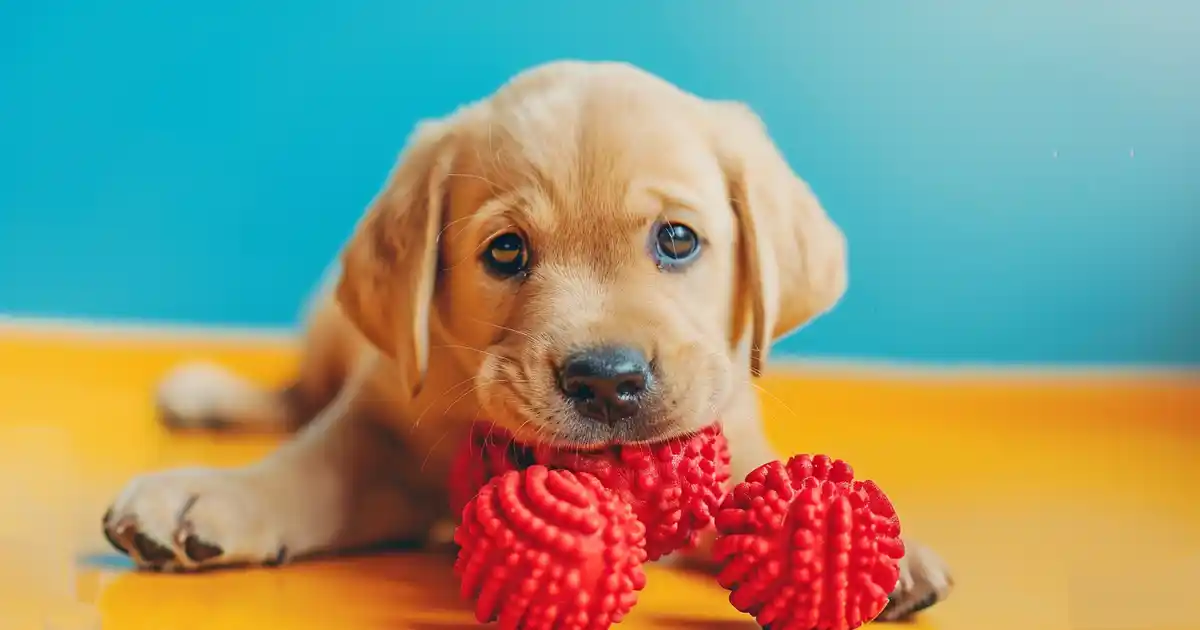
Have you ever wondered why choosing the right toys for your puppy feels so overwhelming until you actually understand what to look for? I used to walk into every pet store feeling completely lost, grabbing anything colorful and squeaky without giving it a second thought. Then one afternoon, my energetic Border Collie puppy tore apart a cheap rubber toy within minutes and swallowed three small pieces before I could even react. A panicked vet visit and a very expensive lesson later, I completely rethought how I approached puppy toys. That single experience taught me that not every toy labeled “for dogs” is actually safe for your growing fur baby. If you’re a new puppy parent who grabs toys off the shelf based purely on looks and price, this guide is going to completely change how you shop. Trust me, once you understand what makes a toy genuinely safe, you’ll never blindly grab another one again — and your puppy will be happier, healthier, and far more entertained too.
Here’s the Thing About Puppy-Safe Toys
Here’s the magic behind choosing toys your puppy can actually enjoy without you spending every waking moment worrying: it’s not about buying the most expensive toys on the market or avoiding toys altogether. It’s about understanding the specific qualities that make a toy safe for a growing, chewing, enthusiastically destructive little fur baby. What makes this approach so effective is how straightforward it becomes once someone breaks down the criteria clearly. I never knew there was so much to consider when buying a puppy toy until I started researching after my scary experience, and honestly, the knowledge completely transformed how I shop. The secret to success is knowing what questions to ask before you buy. It’s honestly more doable than I ever expected, and once you internalize these principles, picking safe toys becomes second nature. According to research on canine enrichment and behavior, mental and physical stimulation through appropriate toys is essential for healthy puppy development and helps prevent destructive behaviors later in life.
What You Need to Know — Let’s Break It Down
Understanding the core principles of puppy toy safety is absolutely crucial before you head to the pet store or start browsing online. Don’t skip this part — it forms the foundation of every smart toy-buying decision you’ll ever make.
Size matters more than you think. A toy that’s too small becomes a choking hazard the moment your puppy gets curious enough to put it in their mouth. I finally figured out after my scary experience that the general rule is simple: if a toy can fit entirely inside your puppy’s mouth, it’s too small. (Took me forever to realize this.) Always size toys to your puppy’s current breed and age, and remember that puppies grow fast — what’s safe today might need replacing in a few weeks.
Material quality is everything. Not all rubber, plastic, or fabric is created equal. Cheap toys made from low-quality materials can break apart easily, release toxic dyes or chemicals, or contain small components that snap off without warning. Game-changer, seriously — once you start paying attention to what toys are actually made of, you’ll notice a dramatic difference in durability and safety.
Supervision changes everything. Some toys are designed for supervised play only, while others are built to withstand unsupervised chewing. Understanding this distinction is critical. I always recommend checking the manufacturer’s guidelines because everyone sees results faster when they match the toy to the right context.
Your puppy’s chewing strength matters. Puppies go through intense chewing phases, especially during teething, and their jaw strength increases rapidly as they grow. A toy that seemed indestructible last month might fall apart this month. Yes, puppy toy safety really does require reassessing your toy collection regularly — here’s why: a toy that starts to show signs of wear becomes significantly more dangerous than it was when it was new.
If you’re just starting out with keeping your new puppy entertained and safe, check out my guide to building a healthy puppy play routine for foundational tips on enrichment and development.
The Science and Psychology Behind Why This Works
Here’s something fascinating that most new puppy parents completely overlook: the psychology behind why puppies chew in the first place is directly connected to toy safety. Puppies chew for several critical reasons — their teeth are growing and gums are itching during teething, they’re exploring their environment through their mouths, they’re working through boredom or anxiety, and chewing actually helps release endorphins that make them feel good. When you provide the right toys, you’re not just keeping them entertained — you’re actively supporting healthy behavioral and physical development.
From a developmental science perspective, puppies who are given appropriate, safe chewing outlets develop better jaw strength, healthier teeth, and significantly fewer destructive behaviors as they mature into adult dogs. Studies confirm that puppies deprived of appropriate chewing opportunities are far more likely to redirect that need onto shoes, furniture, electrical cords, and other household items that pose serious safety risks.
The psychology of enrichment also plays a critical role. Toys that provide mental stimulation — like puzzle toys and treat-dispensing toys — tap into a puppy’s natural problem-solving instincts and keep their developing brain engaged. Research from animal behaviorists consistently shows that mentally stimulated puppies are calmer, more confident, and better behaved overall. The Association of Professional Dog Trainers emphasizes that appropriate toy selection and enrichment are foundational elements of responsible puppy ownership and healthy development.
Here’s How to Actually Make This Happen
Start by sorting through every toy your puppy currently owns and evaluating each one honestly. Here’s where I used to mess up: I kept toys around long after they started showing wear because I felt guilty throwing them away. The truth is, a damaged toy is significantly more dangerous than no toy at all. If it’s torn, cracked, has loose pieces, or feels like it’s starting to fall apart, it goes in the trash immediately.
Step one: Assess your puppy’s size, age, and chewing strength. Before buying anything new, take a realistic inventory of where your puppy currently falls on the chewing spectrum. A tiny eight-week-old Chihuahua has completely different needs than a four-month-old Labrador going through heavy teething. This step takes about five minutes but ensures every toy you buy is actually appropriate for your specific puppy.
Step two: Choose toys made from high-quality, non-toxic materials. Look for toys made from natural rubber, sturdy nylon, or tightly woven rope. Avoid anything made from thin plastic, foam, or materials that feel flimsy or smell strongly of chemicals. Now for the important part — check for any small detachable parts like squeakers, buttons, eyes, or ribbons. If any of these components can be pulled free, the toy is not safe for unsupervised play. Don’t be me — I used to ignore loose squeakers until I realized they were actually a serious swallowing hazard.
Step three: Categorize your toys by supervision level. Sort your puppy’s toys into two groups: toys safe for unsupervised chewing and toys meant only for interactive play. Tough rubber toys, sturdy Kong-style toys, and durable chew toys generally fall into the unsupervised category. Plush toys, toys with squeakers, rope toys, and anything with smaller components should only come out when you’re actively watching. When it clicks that not every toy is meant for every situation, you’ll know you’re thinking like a truly safety-conscious puppy parent.
Step four: Rotate toys regularly. Keeping all of your puppy’s toys out at once leads to boredom and more aggressive chewing — which increases the chance of toys breaking. I learned this the hard way after noticing my puppy completely ignored toys that had been sitting around for weeks but went absolutely crazy for toys that reappeared after being put away. Results can vary, but most puppies respond enthusiastically to a fresh rotation every few days.
Step five: Inspect toys before and after every play session. This becomes a quick habit once you start doing it. Before you hand over a toy, give it a fast visual check. After play, look for any new cracks, tears, or loose pieces. My mentor taught me this trick: squeeze rubber toys firmly — if they crack or show white stress lines beneath the surface, they’re starting to break down and need to be replaced.
The Essential Categories of Puppy-Safe Toys
Chew Toys These are the absolute backbone of any puppy toy collection. Durable rubber chew toys — like Kong brand toys — are specifically designed to withstand aggressive chewing and come in sizes matched to different dog breeds and ages. They can also be stuffed with treats or peanut butter (xylitol-free, always) to provide mental stimulation alongside physical chewing satisfaction. A good chew toy is genuinely one of the most valuable investments you can make for your puppy’s health and happiness.
Puzzle and Treat-Dispensing Toys These toys tap into your puppy’s natural problem-solving instincts and provide mental enrichment that goes far beyond simple chewing. Treat-dispensing toys require your puppy to figure out how to release the treats inside, which keeps their developing brain actively engaged. They’re especially fantastic for high-energy breeds and puppies who tend toward destructive behavior when bored. Just make sure any treats used inside are puppy-appropriate and appropriately sized.
Rope Toys Natural cotton rope toys are great for interactive tug-of-war games and teething relief. They’re soft on developing teeth and gums, which makes them especially popular during the heavy teething phase. However, rope toys should always be supervised play toys — loose rope fibers can be pulled free and swallowed, potentially causing serious intestinal blockages. Never leave your puppy alone with a rope toy.
Plush and Stuffed Toys Many puppies love carrying plush toys around and cuddling with them, and softer toys can be comforting during the stressful adjustment period of coming to a new home. The key is choosing plush toys without small plastic eyes, buttons, or stuffing that can be easily pulled out. Some brands make puppy-safe plush toys with embroidered features and reinforced seams specifically designed to withstand some chewing. These should still be supervised, but they can be wonderful comfort companions.
Teething Toys During the teething phase — typically between three and six months of age — puppies desperately need appropriate outlets for their aching gums. Rubber teething toys, especially ones that can be frozen, provide both chewing satisfaction and soothing cold relief. These are specifically designed for developing teeth and are softer than standard adult chew toys. Investing in good teething toys during this phase makes an enormous difference in both your puppy’s comfort and your household’s survival.
Interactive and Tug Toys These toys are designed specifically for play between you and your puppy, building your bond while providing physical exercise and mental stimulation. Look for sturdy handles, reinforced stitching, and materials that won’t break apart under tension. Interactive toys are wonderful for burning energy during those explosive puppy zoomie sessions and are a fantastic way to build a strong, trusting relationship with your growing fur baby.
Common Mistakes (And How I Made Them All)
Don’t make my mistake of buying toys purely based on how cute or colorful they look. I used to fill my shopping cart with the most visually appealing toys in the store without ever considering whether they were actually safe for my specific puppy. A adorable toy that falls apart in thirty seconds is worse than no toy at all.
I also made the error of assuming that “made for dogs” automatically means safe. The pet toy market is massive and largely unregulated, which means the quality and safety standards vary enormously from brand to brand. Some cheap toys contain toxic dyes, unsafe plastics, or components that detach dangerously easily. Always research the brand and read other owners’ reviews before buying.
Another huge mistake? Underestimating how fast puppies destroy toys. I used to buy single toys at a time, only to find them shredded within hours. Building a small collection of durable, high-quality toys from the start is dramatically more cost-effective and safer than constantly replacing cheap ones.
Finally, many puppy parents forget to account for their puppy’s growing strength. A toy that was perfect at eight weeks might be completely inadequate — and potentially dangerous — by twelve weeks. Regularly reassessing your puppy’s toy collection as they grow is an essential part of keeping them safe.
When Things Don’t Go as Planned
What if your puppy destroys every toy you buy within hours? That’s completely normal for high-energy breeds and puppies in the middle of heavy teething phases. The solution isn’t giving up on toys — it’s upgrading to toys specifically rated for aggressive chewers. I’ve learned to handle this by looking for toys explicitly labeled as “indestructible” or “for power chewers” and matching the size rating to my puppy’s breed.
What if your puppy shows zero interest in the toys you’ve bought? That’s totally manageable and happens more often than you’d think. Some puppies are simply more selective than others. Try different textures, materials, and types — a puppy who ignores a rubber toy might go absolutely crazy for a rope toy or a crinkly toy. I always prepare for setbacks because finding the right toy for your specific puppy sometimes takes a little experimentation.
What if your puppy swallows a piece of a toy? Don’t stress into paralysis, but do act immediately. If the piece is small and your puppy seems comfortable, monitor them closely for the next 24 hours for any signs of digestive distress. If the piece is large, if your puppy seems uncomfortable, or if you see vomiting, lethargy, or refusal to eat, call your vet right away. Time and the size of the piece are the two most critical factors.
What if you simply can’t afford high-quality toys? Start with one or two genuinely good chew toys and supplement with safe DIY options — a knotted old towel, a frozen stuffed Kong made from things you already have in your kitchen, or a safe, sturdy household item your puppy can carry around. Not every enrichment option needs to come from a store.
Advanced Strategies for Next-Level Results
Once you’ve mastered the basics of puppy toy safety, it’s time to think more strategically about enrichment. One advanced technique is creating a “toy rotation schedule” — keeping only two or three toys available at any given time and swapping them out every three to four days. This keeps your puppy’s interest high, reduces aggressive destruction from boredom, and actually extends the life of your toys significantly.
Another advanced approach is incorporating food-based enrichment toys into your puppy’s daily routine. Frozen Kongs, snuffle mats, and treat puzzles provide mental stimulation that goes far beyond what a simple chew toy offers. These toys tap into your puppy’s natural foraging instincts and can keep them occupied and calm for surprisingly long periods.
Consider also matching toy complexity to your puppy’s developmental stage. Young puppies need simpler toys that focus on teething and basic chewing, while older puppies thrive with more challenging puzzle toys that push their problem-solving abilities. Gradually increasing the difficulty as your puppy grows keeps them engaged and mentally sharp.
For next-level results, I love incorporating training into toy play. Using toys as rewards during training sessions creates a powerful positive association and makes your puppy even more enthusiastic about engaging with their toys in healthy, appropriate ways.
Ways to Make This Your Own
When I want maximum entertainment with minimal supervision stress, I do what I call the “Fortress Method.” I invest in three or four genuinely indestructible chew toys and rotate them on a schedule, so my puppy always has something safe and engaging to work on even when I’m busy.
For my “Budget-Conscious Version,” I focus on one high-quality Kong toy and one sturdy rope toy, then supplement with safe DIY enrichment options made from household items. The total initial investment was under thirty dollars, and it covers the vast majority of my puppy’s needs.
My “High-Energy Breed Approach” prioritizes puzzle toys, treat-dispensing toys, and interactive toys that burn mental energy alongside physical energy. Border Collies, Huskies, and similar breeds need stimulation that goes far beyond simple chewing.
For the “Teething Phase Emergency Kit,” I keep a dedicated basket of frozen rubber teething toys, cold chew toys, and soft plush comfort toys that rotate specifically during the intense teething months. This makes the uncomfortable phase so much more manageable for both my puppy and me.
Each variation works beautifully with different lifestyle needs, and there is genuinely no single right way to build your puppy’s toy collection.
Why This Approach Actually Works
Unlike the traditional approach of simply grabbing whatever toy catches your eye at the pet store, this method leverages proven principles of developmental enrichment and safety assessment that most new puppy owners completely overlook. The evidence-based strategy is simple: match the toy to your puppy’s specific size, age, chewing strength, and developmental needs, and you eliminate the vast majority of toy-related risks while maximizing the benefits.
What sets this apart from simply buying expensive toys and hoping for the best is the systematic, thoughtful framework it provides. Every purchasing decision is informed by clear criteria, every toy serves a specific developmental purpose, and the entire system grows and evolves alongside your puppy. This sustainable approach to puppy enrichment builds genuine confidence and transforms toy shopping from something stressful into something you actually enjoy.
Real Success Stories (And What They Teach Us)
A friend of mine, a first-time puppy parent with an incredibly destructive young Labrador, told me she completely rebuilt her puppy’s toy collection using these exact principles after her pup destroyed and partially swallowed several cheap toys in the first month. After switching to appropriately sized, high-quality chew toys and implementing a rotation schedule, her puppy not only stopped destroying toys so aggressively but actually settled down significantly during the day. Her success aligns with research on behavior change that shows appropriate enrichment creates lasting improvements in a puppy’s overall temperament and behavior.
Another person I know struggled for weeks to find toys that would hold up against her young German Shepherd’s powerful chewing. After learning to properly assess chewing strength and match toy durability accordingly, she found a combination of heavy-duty rubber toys and sturdy tug toys that finally kept her energetic pup happily engaged without constant replacement.
Tools and Resources That Actually Help
Kong brand chew toys are genuinely the gold standard for durable, safe puppy chewing. They come in different sizes and difficulty levels matched to different breeds and ages, and they can be stuffed with treats to provide enrichment that lasts for hours. I personally keep at least three on hand at all times.
A toy chest or basket designated specifically for puppy toys keeps everything organized, makes rotation easy, and gives your puppy a visual cue about where their toys live. This simple organizational tool also makes it easier to spot any toys that are starting to show wear.
The ASPCA’s pet safety resources include guidance on toy safety alongside their extensive toxic food and plant databases. It’s a comprehensive, trustworthy resource worth bookmarking for any aspect of puppy safety.
A size guide chart posted near where you store your puppy’s toys serves as a quick visual reminder to always match toy size to your puppy’s current size — especially important during those rapid growth spurts.
Online communities of experienced dog owners are fantastic free resources for toy recommendations, brand reviews, and real-world feedback on what actually holds up against determined puppy chewers. The best resources come from experienced dog owners and veterinary-backed pet safety organizations.
Questions People Always Ask Me
How do I know if a toy is safe for my specific puppy? The most important factors are size, material quality, and the presence of any detachable parts. If the toy can fit entirely in your puppy’s mouth, it’s too small. If it’s made from thin, flimsy material or has loose components, it’s not safe for unsupervised play. I usually recommend starting with toys explicitly rated for your puppy’s breed size.
What if I don’t have time to supervise every single play session? Focus your unsupervised toy budget on the most durable chew toys available — sturdy rubber toys like Kongs are specifically designed to withstand solo chewing safely. Save plush toys, rope toys, and anything with smaller components for times when you’re actively watching. I usually recommend having at least two or three unsupervised-safe toys on hand at all times.
Is this guide suitable for puppies of all breeds and sizes? Absolutely, just focus on adjusting your size and durability selections based on your specific breed. A tiny Chihuahua puppy needs completely different toys than a growing Great Dane. Always match the toy’s size rating and chewing strength rating to your puppy’s current size and age.
Can I use household items as toys for my puppy? Definitely, with some important caveats. Sturdy items like old towels knotted into rope toys or empty cardboard boxes can provide great enrichment. Just avoid anything with sharp edges, toxic materials, small detachable components, or anything that could cause choking or intestinal blockage if swallowed.
What’s the most important thing to focus on first? Removing any toys that are showing signs of wear or damage. If you can only do one thing today, go through your puppy’s current toys and pull out anything that’s torn, cracked, or falling apart. A damaged toy is always more dangerous than having no toy at all.
How do I keep my puppy from destroying toys so quickly? Upgrading to higher-quality, more durable toys is the single most effective solution. Also, implementing a toy rotation schedule dramatically reduces the aggressive destruction that comes from boredom with the same toys. I usually recommend keeping only two or three toys available at any given time.
What mistakes should I avoid when buying puppy toys? Never buy based solely on appearance or price. Never assume “made for dogs” automatically means safe. Never ignore signs of wear on existing toys. And never underestimate how quickly your puppy’s chewing strength is growing.
Can I combine commercial toys with DIY enrichment activities? Absolutely. Frozen Kongs stuffed with safe foods, snuffle mats made from fleece fabric, and cardboard box puzzles are all wonderful supplements to a commercial toy collection. Mixing commercial and DIY enrichment keeps things interesting and budget-friendly.
What if my puppy has already swallowed part of a toy? Monitor them closely for signs of digestive distress — vomiting, lethargy, refusal to eat, or abdominal discomfort. If any of these appear, or if the swallowed piece was large, call your vet immediately. For very small pieces, many puppies will pass them naturally, but professional guidance is always the safest route.
How much does building a safe puppy toy collection typically cost? A solid starter collection of three to five high-quality toys typically runs between forty and eighty dollars. Investing in durable toys upfront actually saves money long-term compared to constantly replacing cheap ones that break apart. I usually recommend starting with one Kong, one rope toy, and one or two chew toys as your foundation.
What’s the difference between toys for puppies and toys for adult dogs? Puppy toys are generally softer, sized smaller, and designed with developing teeth and gums in mind. Adult dog toys need to withstand significantly more chewing force and are often made from harder, more durable materials. As your puppy grows, gradually transition to adult-rated toys that match their increasing jaw strength.
How do I know when it’s time to replace a toy? If you can see cracks, tears, chunks missing, or any loose pieces, replace it immediately. If your puppy can tear off pieces with moderate effort, it’s time for an upgrade. When in doubt, err on the side of caution — your puppy’s safety is always worth more than the cost of a new toy.
Before You Get Started
I couldn’t resist sharing this because it proves that keeping your puppy safe and entertained doesn’t have to be stressful or complicated — it just has to be informed. The best puppy toy journeys happen when you start with the right knowledge, choose toys that genuinely match your specific fur baby’s needs, and build your collection thoughtfully over time. Your puppy deserves to play freely, chew happily, and explore their world without you spending every moment anxiously watching for danger. Now you have everything you need to make that happen. So grab your size guide, toss out any worn toys, and start building a collection your puppy will absolutely love. Ready to begin? Start with a simple first step and build momentum from there. Your happy, safe, endlessly entertained puppy is just a few smart choices away.




