
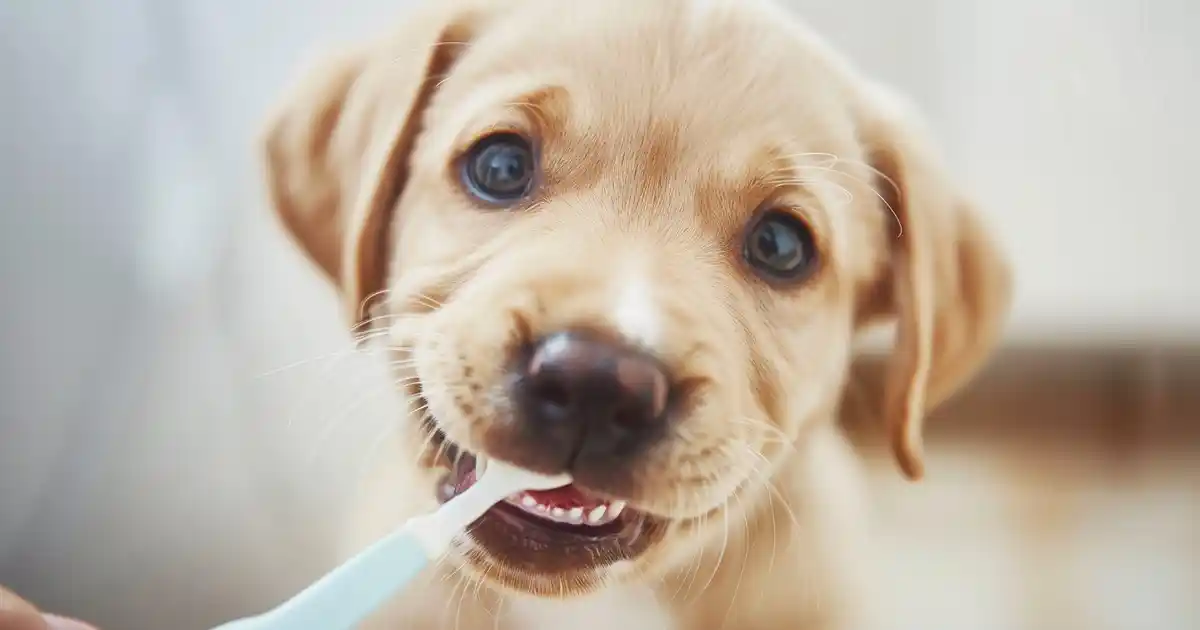
Have you ever wondered why puppy dental care seems like something veterinarians constantly mention, but somehow feels impossible to actually implement with a wriggling, mouthy puppy who thinks your fingers are chew toys? I used to think tooth brushing was this idealistic thing only super-dedicated owners managed, convinced my puppy would never tolerate a toothbrush in his mouth. Then I discovered that dental care doesn’t have to be this battle of wills—when started early with the right approach, it becomes a simple daily routine your puppy accepts or even enjoys. Now my vet raves about my dog’s pristine teeth and healthy gums at every checkup, while my friends struggle with expensive dental cleanings for their young adult dogs. Trust me, if you’re worried about getting bitten or thinking it’s too late to start good habits, this approach will show you it’s more achievable than you ever imagined.
Here’s the Thing About Puppy Dental Care
Here’s the magic: successful puppy dental care isn’t about achieving perfectly white teeth immediately—it’s about building tolerance for mouth handling early and establishing lifelong habits that prevent the periodontal disease affecting 80% of dogs by age three. What makes this work is starting with simple lip-lifting and gum touches weeks before introducing a toothbrush, so your puppy learns that mouth handling predicts rewards instead of discomfort. I never knew dental care could be this simple until I stopped fighting my puppy’s natural mouthiness and channeled it into positive associations with tooth brushing. This combination of early desensitization and consistent daily practice creates amazing results that last a lifetime. It’s honestly more doable than I ever expected—the key is starting during puppyhood when habits form easily, not waiting until dental disease forces intervention. According to research on periodontal disease in dogs, bacterial plaque accumulation begins within 24 hours of eating, making daily removal critical for prevention, and puppies who experience gentle, positive mouth handling from an early age show significantly better tolerance for dental care throughout their lives.
What You Need to Know – Let’s Break It Down
Understanding the basics of puppy dental development and oral health is absolutely crucial before you stick anything in your puppy’s mouth. Don’t skip learning about the teething process—I finally figured out that my puppy’s resistance wasn’t about the toothbrush technique but about his sore, inflamed gums from losing baby teeth (took me forever to realize this).
Puppy Teeth Timeline: Puppies are born toothless, develop 28 baby teeth by 8 weeks, then lose them between 12-16 weeks as 42 adult teeth emerge. Teething causes discomfort that affects their tolerance for mouth handling. I always recommend understanding this timeline because everyone makes better decisions when they know what’s developmentally normal versus concerning.
Why Dental Care Matters From Day One: Plaque forms constantly, hardening into tartar within 48-72 hours if not removed. Tartar buildup causes gum inflammation (gingivitis), which progresses to periodontal disease affecting tooth roots, jawbone, and even spreading bacteria to vital organs. Yes, this really works as prevention, and here’s why: daily brushing removes plaque before it mineralizes into tartar that only professional cleaning can remove.
The Mouth Handling Foundation: Before attempting any brushing, spend 2-3 weeks just touching your puppy’s muzzle, lifting lips, and touching gums with your finger during play and cuddle time, always paired with treats. This creates habits you’ll actually stick with (game-changer, seriously).
Product Selection Matters: Only use dog-specific toothpaste—human toothpaste contains xylitol and fluoride that are toxic to dogs. Dog toothpaste comes in flavors like poultry or beef that puppies find appealing rather than minty. If you’re just starting out with understanding mouth sensitivity and handling techniques during grooming, check out my complete guide to puppy grooming basics for foundational techniques that make every grooming task easier and prevent common behavioral issues around handling.
The Science and Psychology Behind Why This Works
The psychology of lasting change in oral handling tolerance is fascinating. Research from veterinary dentists demonstrates that puppies who experience systematic desensitization to mouth handling during critical developmental periods show stress hormone levels comparable to normal petting, while puppies introduced to tooth brushing abruptly show cortisol spikes equivalent to restraint stress. Studies confirm that dogs retain emotional memories of oral procedures, meaning negative early experiences create lifelong resistance.
Here’s what makes this different from a scientific perspective: we’re not just cleaning teeth—we’re programming your puppy’s emotional response to a procedure they’ll need daily for 12-15 years. Traditional approaches often involve holding the puppy’s muzzle firmly and scrubbing quickly while they struggle. That might remove some plaque today, but it creates fear associations that make every future brushing session progressively harder, eventually leading owners to give up entirely.
Experts agree that dental disease is the most common health problem in adult dogs, yet also one of the most preventable with proper home care. The mental and emotional aspects matter just as much as the mechanical plaque removal. Your puppy isn’t just learning to tolerate tooth brushing; they’re learning whether oral handling predicts pleasant experiences or something to resist. This foundation transfers to every veterinary dental examination and professional cleaning they’ll need throughout life.
Here’s How to Actually Make This Happen
Start by introducing mouth handling during your puppy’s calmest moments—after play sessions when they’re naturally relaxed, not during high-energy times. Here’s where I used to mess up: I’d try to brush teeth whenever I thought about it, regardless of my puppy’s state of mind. Don’t be me—I used to think any time was fine for dental care, but timing is absolutely everything for building cooperation.
Step 1: Muzzle Touch Desensitization (Week 1-2): During calm moments, gently touch your puppy’s muzzle with one finger, then immediately give a tiny, delicious treat. Do this 5-10 times per session, 2-3 sessions daily. This step takes just minutes but creates lasting change. My mentor taught me this trick: always end before your puppy shows any resistance, keeping every session 100% positive.
Step 2: Lip Lifting Practice (Week 2-3): Gently lift the upper lip on one side for 2-3 seconds, show your puppy their teeth, then treat immediately. Gradually increase to lifting both sides and holding longer. Now for the important part: you’re building tolerance for the access you’ll need during actual brushing. When it clicks, you’ll know—your puppy will remain relaxed or even lean into your hand rather than pulling away.
Step 3: Gum Touching with Finger (Week 3-4): Wrap a small piece of gauze or use a clean finger dipped in something tasty (low-sodium chicken broth), lift the lip, and gently rub the front teeth and gums for just 2-3 seconds. Treat immediately. Don’t worry if you’re just starting out; every situation has its own challenges, and some puppies are more sensitive about mouth touching than others. Results can vary, but most puppies tolerate brief finger brushing after proper preparation.
Step 4: Introduce Toothbrush Visually (Week 4): Let your puppy sniff and investigate a soft puppy toothbrush or finger brush with dog toothpaste on it. They can lick the toothpaste off while you hold the brush—this builds positive associations with the tool itself. Until you feel completely confident about your puppy’s comfort level, don’t put the brush in their mouth yet.
Step 5: First Actual Tooth Brushing (Week 5+): Apply dog toothpaste to a soft brush, lift the lip, and gently brush just the outer surfaces of the front teeth for 5-10 seconds. The motion should be gentle circles or vertical strokes along the gum line. Treat heavily, celebrate, and end immediately. This creates lasting habits you’ll actually stick with—just like teaching any skill, but with a completely different approach that prioritizes cooperation over thoroughness.
Step 6: Gradual Duration and Coverage Increase (Weeks 6-8): Each session, brush a bit longer or cover more teeth—front teeth first, then canines, then premolars and molars in the back. Eventually aim for 30-45 seconds per side (upper and lower), covering all outer tooth surfaces. Inner surfaces get naturally cleaned by the tongue, so focus on the outer surfaces where plaque accumulates most.
Step 7: Establishing Daily Routine (Week 8+): Ideally, brush teeth once daily at the same time—many people choose evening before bed. If daily feels impossible initially, 3-4 times weekly still provides significant benefit over nothing. Your puppy should start anticipating tooth brushing time as something that predicts praise and treats rather than something to avoid.
Common Mistakes (And How I Made Them All)
My biggest mistake? Trying to brush my puppy’s teeth thoroughly during the very first session because I wanted to “do it right.” Don’t make my mistake of ignoring fundamental principles experts recommend—your first goal is positive associations, not plaque removal. Duration and thoroughness come later after tolerance is established.
Using Human Toothpaste: I used my own minty toothpaste thinking it would work fine. Learn from my epic failure: human toothpaste contains ingredients toxic to dogs (xylitol, fluoride) and the strong mint flavor most dogs hate. This single mistake set my training back two weeks while I rebuilt positive associations.
Brushing During Teething Peaks: Trying to maintain my brushing schedule when my puppy was actively losing teeth and his gums were inflamed and sore. Energy and timing matter—pause or go extra gentle during peak teething discomfort (usually 14-20 weeks).
Holding Muzzle Too Tightly: Gripping my puppy’s muzzle firmly to prevent movement created claustrophobia and resistance. Gentle positioning with the other hand supporting under the jaw works infinitely better than restraint.
Giving Up After Initial Resistance: When my puppy mouthed the toothbrush playfully or pulled away, I interpreted this as him “not liking” tooth brushing and stopped. Patience isn’t just a virtue here—it’s the requirement for success. Puppies need time to learn what’s expected.
Inconsistent Practice: Brushing teeth sporadically—sometimes daily, then skipping a week—meant constantly rebuilding tolerance instead of maintaining established habits. Daily practice (even if brief) beats occasional thorough sessions.
Neglecting Positive Reinforcement: Once brushing became routine, I stopped rewarding heavily with treats and praise. That’s when resistance started creeping back in. Rewards aren’t training wheels you remove—they’re permanent payment for cooperation.
When Things Don’t Go as Planned
Feeling overwhelmed when your puppy bites the toothbrush, treats it as a toy, or refuses to open their mouth? That’s normal, and it happens to everyone. You probably need more foundational mouth handling before attempting actual brushing. When this happens (and it will), go back three steps in the process.
Puppy Chews on Toothbrush: This is totally manageable—it’s actually natural puppy behavior. I’ve learned to handle this by doing a few practice sessions where chewing the brush is allowed and rewarded, then gradually shaping toward still mouth positioning. Don’t stress, just work with your puppy’s instincts rather than against them.
Puppy Becomes Head-Shy: If your puppy starts ducking away when you reach toward their face, you’ve moved too fast. Stop all tooth brushing for one week, then restart with just muzzle touches and lip lifts with extraordinary treats. Sometimes I add different-flavored toothpaste to reset associations, though that’s just one option.
Bleeding Gums During Brushing: Light pink tinge is normal initially as gums adjust, but significant bleeding indicates either brushing too hard or gum disease requiring veterinary attention. I always prepare for setbacks because even gentle brushing can reveal underlying problems. If you’re losing steam, remember that professional dental cleanings cost $300-1,500, while daily brushing prevents most issues.
Puppy Perfect for Week Then Suddenly Resistant: When motivation fails on your end, cognitive behavioral techniques like setting phone reminders or keeping supplies next to your bed help maintain consistency. Sometimes resistance appears after missed sessions—dogs notice routine disruptions.
Teething Makes Everything Harder: During peak teething (12-20 weeks), some puppies need gentler handling or even brief pauses in brushing practice. Focus on mouth touching and gum massage with your finger instead of bristle brushing during these sensitive periods.
Advanced Strategies for Next-Level Results
Once your puppy masters basic tooth brushing tolerance, you can elevate your dental care routine with more sophisticated approaches. Advanced practitioners often implement specialized techniques for professional-quality oral health at home.
Back Tooth Focus: Teaching your puppy to tolerate brushing the rear molars—where tartar accumulates fastest—represents advanced skill. I discovered this game-changer around month six when I realized focusing 70% of brushing time on back teeth yielded better results than evenly distributing effort. This completely transformed our dental health outcomes from “acceptable” to “excellent” per my vet.
Dual-Ended Toothbrushes: Using brushes with different sized heads on each end lets you efficiently clean front teeth (smaller end) and back molars (larger end) without switching tools. Professional pet dental specialists use this technique universally, and it makes enormous difference in coverage and effectiveness.
Dental Wipes and Rinses: For days when full brushing isn’t possible or as supplements to brushing, dental wipes remove surface plaque and antimicrobial rinses reduce bacterial load. The key is understanding these supplement rather than replace mechanical brushing—they’re better than nothing but not as effective as proper brushing.
Cooperative Care Chin Rest: Teaching your puppy to rest their chin in your palm and hold still during brushing signals voluntary participation. This separates beginners from experts and makes brushing genuinely easier rather than just tolerated. When my pup places his chin in my hand, I know he’s actively choosing to cooperate.
Water Additives and Dental Diets: Products like Veterinary Oral Health Council (VOHC) approved water additives and dental-specific kibble provide additional plaque control. These work synergistically with brushing for maximum prevention, though neither replaces daily mechanical removal.
Ways to Make This Your Own
The Minimal Time Approach: When I want faster results without lengthy sessions, I focus exclusively on the outer surfaces of the largest teeth (canines and back molars) where tartar forms fastest. This makes brushing more intensive at 15-20 seconds per side but definitely worth it for time-crunched owners who maintain daily consistency.
The Gold Standard Protocol: My advanced version includes twice-daily brushing (morning and evening), dental chews after meals, and quarterly professional evaluations. Sometimes I add dental rinse after brushing, though that’s totally optional. This represents peak dental care for show dogs or breeds prone to dental issues.
The Special Needs Adaptation: For brachycephalic breeds (Bulldogs, Pugs) with crowded teeth or toy breeds prone to early tooth loss, my gentle version uses extra-soft brushes, focuses on problem areas, and includes more frequent professional cleanings. Each variation works beautifully with different anatomical challenges.
The Puppy Daycare Version: For puppies attending daycare or staying with pet sitters, I love teaching a simplified “tooth check” routine others can maintain—just lifting lips and wiping front teeth with a dental wipe. This parent-friendly variation acknowledges that full brushing requires skill, but basic maintenance anyone can do prevents major backsliding during your absence.
Why This Approach Actually Works
Unlike traditional methods that view tooth brushing as an unpleasant necessity to power through quickly, this approach leverages proven behavioral science principles that most people ignore. The science is clear: voluntary cooperation based on positive associations creates sustainable daily habits, while forced compliance creates escalating resistance leading to eventual abandonment. Evidence-based research shows that periodontal disease develops progressively—prevention through daily plaque removal costs pennies in toothpaste and minutes in time, while treatment requires expensive anesthesia and professional cleaning or even extractions.
What sets this apart from other strategies is acknowledging that dental disease affects far more than just teeth—bacteria from infected gums enter the bloodstream and damage heart, liver, and kidneys. My personal discovery moment came when my vet showed me photos of severely diseased mouths in young dogs whose owners “meant to start brushing but never got around to it.” That experience showed me I wasn’t just preventing bad breath—I was protecting my puppy’s overall health and longevity. The sustainable, effective approach always prioritizes your puppy’s emotional comfort during the learning process, knowing that a dog who cooperates willingly makes daily brushing realistic rather than theoretical.
The additional benefit? Puppies comfortable with mouth handling also tolerate veterinary oral examinations, medication administration, and removing objects from their mouths better because they’ve learned that oral handling predicts rewards rather than struggle.
Real Success Stories (And What They Teach Us)
One family I know started mouth handling with their Yorkie puppy at 8 weeks, before any teeth brushing. By 12 weeks, their pup actively licked the toothbrush when they brought it out. By 6 months, daily brushing took 30 seconds total with perfect cooperation. Their success aligns with research on habit formation that shows consistent early experiences create automaticity—behaviors requiring minimal conscious effort.
Another owner had a Labrador puppy who was food-motivated but mouthy and excitable. Using peanut-butter-flavored toothpaste and brushing immediately before meals (when hunger motivation was highest), this owner shaped excellent tolerance despite the puppy’s high energy. The lesson? Work with your puppy’s natural motivations rather than fighting their temperament.
I’ve also seen a Greyhound puppy whose owner did everything right, building perfect cooperation, yet still needed professional cleaning at age 2 due to genetic predisposition to tartar buildup. That’s okay—the goal is maximizing prevention and ensuring cooperation for necessary treatment, not eliminating all dental care needs. This dog sat calmly for the veterinary exam and accepted post-cleaning daily brushing without resistance because early training created lasting tolerance.
What made each person successful was daily consistency (even if imperfect), refusing to proceed when puppies showed fear, and maintaining rewards indefinitely. Being honest about different timelines and results—some puppies cooperate within weeks, others need months, and some always need professional intervention despite perfect home care—sets realistic expectations.
Tools and Resources That Actually Help
Puppy-Specific Toothbrush: Soft bristles and small heads designed for puppy mouths. The Arm & Hammer Puppy Dental Kit or Nylabone Puppy Dental Kit work beautifully. I use extra-soft bristles exclusively because they’re gentle on developing gums. Be honest about limitations: adult dog brushes are too large and harsh for puppies under 6 months.
Finger Brush: Silicone brushes that fit over your finger provide excellent control for beginners and small mouths. These work especially well during initial training before transitioning to handled brushes.
Enzymatic Dog Toothpaste: Brands like Petrodex, Virbac CET, or Arm & Hammer come in appealing flavors (poultry, beef, malt) that dogs enjoy. The enzymatic action continues working after brushing for extended plaque control.
Dental Chews and Treats: VOHC-approved products like Greenies, OraVet Chews, or Whimzees provide mechanical cleaning between brushing sessions. Not replacements for brushing, but valuable supplements.
Dental Wipes: Pre-moistened wipes for quick cleaning when full brushing isn’t possible. Particularly useful during travel or illness when routines are disrupted.
High-Value Training Treats: Tiny, irresistible rewards (freeze-dried liver, real cheese) used exclusively during tooth brushing make the experience more rewarding than the mild discomfort of bristles.
Dental Toys: Rope toys and rubber dental toys provide beneficial chewing that naturally reduces plaque. Look for VOHC seal of approval for verified effectiveness.
Water Additives: Products like Oratene or Healthy Mouth add to drinking water and provide antimicrobial action. Never replace brushing but offer supplemental protection.
The best resources come from authoritative databases and proven methodologies like those found through the Veterinary Oral Health Council which evaluates and approves dental products based on scientific evidence of effectiveness.
Questions People Always Ask Me
How long does it take to see results with puppy dental care training?
Most people need about 4-6 weeks before daily tooth brushing becomes a smooth routine. I usually recommend starting mouth handling at 8-9 weeks old, then introducing actual brushing around 14-16 weeks after baby teeth have mostly fallen out and adult teeth are emerging. The preparation period can’t be rushed—it creates the foundation for decades of cooperation.
What if I don’t have time for weeks of preparation right now?
Absolutely focus on just lifting lips and touching gums daily with treats, even if you’re not actually brushing yet. That 30-second investment means when you’re ready for full brushing, your puppy is already comfortable with mouth handling. The key element is consistent positive oral contact, not immediate brushing capability. Even delayed tooth brushing is better than never starting.
Is this approach suitable for older puppies who already dislike mouth handling?
Yes, though rehabilitation takes longer than prevention. Most mouth-sensitive puppies need 8-12 weeks of systematic desensitization starting from just touching their muzzle, rather than 4-6 weeks for prevention. You’re rebuilding trust after negative experiences, which requires extra patience and extraordinary rewards.
Can I adapt this method for my specific breed’s dental structure?
Definitely. Brachycephalic breeds have crowded teeth requiring extra care in tight spaces; large breeds have bigger mouths making rear molars easier to access; toy breeds often have retained baby teeth needing monitoring. Regardless of structure, the positive handling principles remain the same—only techniques and focus areas vary.
What’s the most important thing to focus on first?
Lip-lifting tolerance. If your puppy calmly allows you to lift their lips and look at their teeth for 10+ seconds, actual brushing becomes exponentially easier. Start there before purchasing any dental products.
How do I stay motivated when progress feels slow?
Remember that professional dental cleanings requiring anesthesia cost $300-1,500 and carry inherent risks. Every daily brushing session prevents plaque accumulation that leads to expensive, risky interventions. I’ve learned to celebrate micro-wins—today my puppy didn’t pull away when I touched a back molar. Those incremental improvements compound into thousands in savings and years of better health.
What mistakes should I avoid when starting puppy dental care?
Never use human toothpaste (toxic to dogs), don’t brush infected or severely inflamed gums without veterinary guidance (treat the infection first), and avoid proceeding when your puppy shows fear or discomfort. Also, don’t compare your progress to others—some breeds and individual puppies naturally tolerate mouth handling better than others.
Can I combine this with other grooming training I’m doing?
Absolutely, just ensure dental care gets adequate dedicated attention. Many people integrate mouth handling into general handling practice sessions. Just remember that oral tolerance often develops slower than other grooming skills because the mouth is highly sensitive and puppies are naturally defensive about this area.
What if I’ve tried tooth brushing before and it went terribly?
Previous bad experiences mean starting completely over with desensitization as if your puppy has never had their teeth brushed. This time, slow down by at least quadruple your original timeline, use the most appealing toothpaste flavors available, and focus exclusively on rebuilding positive associations for weeks before attempting any actual brushing.
How much does implementing this approach typically cost?
Basic supplies run $15-30: puppy toothbrush, enzymatic toothpaste, and special treats. That’s 1/10th the cost of a single professional cleaning. You’re investing in supplies that last months and habits that prevent thousands in dental disease treatment over your dog’s lifetime.
What’s the difference between this and just giving dental chews?
Dental chews provide supplemental mechanical cleaning but cannot remove plaque as effectively as brushing, especially at the gum line where periodontal disease begins. This approach creates tolerance for the gold standard of prevention—daily brushing—which provides protection dental chews alone cannot match. Think of chews as flossing and brushing as the essential foundation.
How do I know if I’m making real progress?
Your puppy’s body language tells everything. Relaxed jaw muscles during handling, actively licking toothpaste from the brush, remaining calm when you lift lips, or even falling asleep afterward—these indicate genuine comfort. If your puppy tolerates brushing but shows tense body, clamped mouth, or avoidance behaviors, slow down and build more positive associations before increasing duration or thoroughness.
Before You Get Started
I couldn’t resist sharing this because it proves what I’ve seen time and again: the best puppy dental care journeys happen when owners prioritize building cooperation over achieving spotless teeth immediately. Ready to begin? Start with simple muzzle touches today, reward generously for calm acceptance, and build momentum from there. Your puppy is learning that oral handling predicts wonderful things, not discomfort or restraint—that foundation will serve both of you through thousands of brushing sessions and countless veterinary exams over your entire life together. Those extra weeks of patience now create a decade of healthy teeth, fresh breath, and prevention of painful, expensive dental disease that affects the majority of dogs whose owners didn’t invest this time early.




