
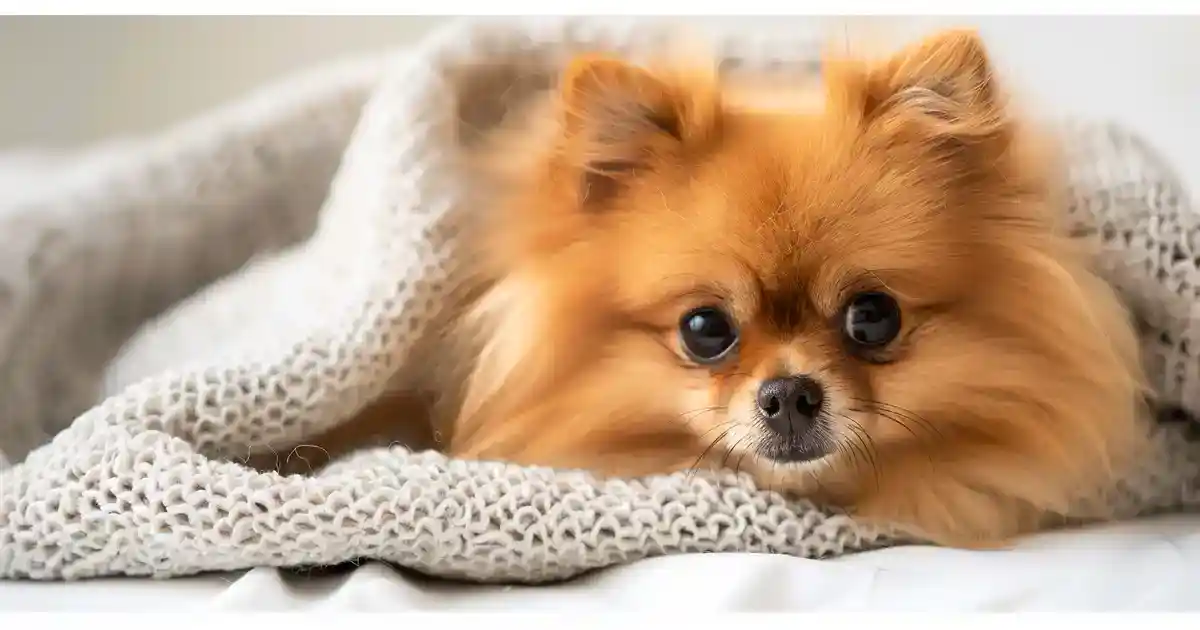
Have you ever looked at those picture-perfect Pomeranians with their cloud-like coats and wondered how their owners maintain that incredible fluffiness without their dog looking like a matted cotton ball within days? I’ll never forget the horror I felt when I brushed my Pomeranian Puffin after what I thought was thorough daily grooming, only to discover her entire undercoat had secretly matted into a dense layer against her skin that required hours of painful dematting and ultimately a partial shave-down. Here’s the thing I discovered after that traumatic grooming session and Puffin’s sadly deflated appearance: maintaining a Pomeranian’s signature fluffy double coat doesn’t require professional groomer expertise or spending hours daily with a brush, but it does demand understanding their unique coat structure and using proper technique that actually reaches the undercoat where mats form invisibly. Now my fellow Pomeranian parents constantly ask how Puffin maintains that perfect puffball appearance despite my busy schedule, and my groomer (who thought she’d see us every month for emergency dematting) actually compliments my home maintenance and says we only need professional grooming every 10-12 weeks. Trust me, if you’re terrified of matting, frustrated by coat dullness, or overwhelmed by Pomeranian grooming requirements, this approach will show you it’s more achievable than you ever expected.
Here’s the Thing About Pomeranian Fluffiness
Here’s the magic: achieving that iconic Pomeranian puffball look isn’t about excessive brushing or expensive products—it’s about understanding that their double coat consists of a soft, dense undercoat (where all the fluff comes from) beneath a harsher outer coat, and that this structure requires specific grooming techniques that address both layers simultaneously. What makes this work is recognizing that Pomeranians have one of the most abundant undercoats relative to their size of any breed, meaning the fluff you see is actually dense undercoat properly maintained and blown out through correct grooming.
I never knew coat maintenance could be this transformative until I stopped surface brushing Puffin and started using proper double coat grooming techniques that actually penetrate to the skin. This combination of line brushing, regular bathing with proper drying, strategic trimming, and undercoat management creates amazing results. It’s honestly more doable than I ever expected—no grooming school needed, just understanding that the fluff lives in the undercoat, and your job is keeping it clean, separated, and free of mats.
What You Need to Know – Let’s Break It Down
Understanding why Pomeranian coats require specialized care is absolutely crucial, so let me break this down from hard-won experience. Their double coat evolved to protect them from harsh weather—the dense undercoat provides insulation, while the longer guard hairs of the outer coat shed water and debris. This means you’re maintaining two distinct coat layers that serve different purposes and require coordinated care.
Don’t skip learning about the undercoat cycle (took me forever to understand this). Pomeranians “blow” their undercoat 1-2 times annually, shedding massive amounts of fluffy undercoat over 2-4 weeks. During this period, the dead undercoat must be removed or it will mat with the new growth, creating an impenetrable layer. Many owners mistake this shedding phase for a grooming problem when it’s actually a natural cycle requiring intensified grooming temporarily.
I finally figured out that the “Pomeranian puff” requires volume at the skin level after watching a professional groomer work on Puffin. The fluff comes from properly separated, clean undercoat that stands away from the body. Matted, dirty, or oily undercoat lies flat against the skin, eliminating the signature volume no amount of surface brushing can restore.
Coat texture management works beautifully when done correctly, but you’ll need to understand that over-bathing strips natural oils (causing dryness and breakage), while under-bathing allows oil buildup that attracts dirt and creates matting. I always recommend starting with understanding their coat growth cycle because everyone sees better results when they can work with natural patterns rather than fighting against them.
If you’re looking to support your Pomeranian’s coat health from the inside out through nutrition that promotes that lustrous fluffiness, check out my guide to small breed nutrition for optimal coat condition for foundational techniques that fuel the healthy skin and hair growth you’re working to maintain externally.
The Science and Psychology Behind Why This Works
Dive deeper into coat biology and you’ll discover that Pomeranian fluffiness results from the geometric arrangement of individual undercoat hairs—when properly maintained, each hair shaft stands perpendicular to the skin, creating the volume and density that defines the breed. Research from veterinary dermatologists demonstrates that regular grooming distributes sebum (natural oils) along hair shafts, preventing the dryness that causes static, flyaway hair while maintaining the moisture balance that keeps undercoat fibers supple and separated.
Traditional approaches often fail because owners brush only the visible outer coat, creating the illusion of grooming while the hidden undercoat silently mats against the skin. What makes proper double coat technique different from a scientific perspective is that it systematically addresses the undercoat layer where problems actually develop, removing dead hair before it tangles and ensuring air circulation reaches the skin to prevent moisture accumulation that accelerates matting.
The mental aspect matters too—I’ve learned that Pomeranians conditioned to enjoy grooming from puppyhood cooperate beautifully, while those who experienced painful dematting develop fear responses that make all future grooming sessions battles. Studies confirm that positive grooming experiences create neural pathways associating handling with pleasure, making lifelong maintenance feasible rather than requiring restraint or sedation.
Here’s How to Actually Make This Happen
Start by investing in proper tools specifically for double coats—here’s where I used to mess up completely. I used a basic pet store slicker brush and thought I was grooming Puffin, not realizing I was only touching the outer 10% of her coat while her undercoat matted solid beneath.
Step 1: Master Line Brushing to the Skin (Foundation Technique) Learn to part the coat in sections, brushing from skin to tip in systematic lines across the entire body. This step takes 15-20 minutes but creates thorough undercoat maintenance. Don’t be me—I randomly brushed wherever looked fluffy. Wrong. Line brushing ensures you reach the skin level where undercoat lives and mats form. Until you feel completely confident that your brush reaches skin, practice on high-mat areas: behind ears, under arms, chest, rear end, and inner thighs.
Step 2: Implement the Proper Bath and Blow-Dry Process (Fluff Creator) Now for the secret to maximum puffiness: bathe every 3-4 weeks using quality dog shampoo and conditioner, then blow-dry completely while brushing. Here’s my revelation—the blow-dryer creates the fluff by lifting and separating undercoat while drying. When you air-dry a Pomeranian, the coat lies flat and can develop musty odors or mildew in the dense undercoat. Results can vary, but proper blow-drying increases visible volume by 200-300% compared to air-drying.
Step 3: Use an Undercoat Rake During Shedding Seasons My mentor (a Pomeranian breeder for 20 years) taught me this trick: when Puffin is blowing coat, daily use of an undercoat rake removes the dead fluff before it mats with new growth. Every situation has its own timing, but spring and fall typically bring major coat blows lasting 2-4 weeks. This creates manageable shedding you’ll actually survive because removing dead undercoat prevents the matted disaster that ruins months of coat maintenance.
Step 4: Maintain Sanitary Areas and Paw Trimming Don’t worry if you’re just starting out with trimming. Keep hair around private areas trimmed short for hygiene, trim paw pad hair to prevent slipping, and round the feet for neatness. Avoid letting sanitary areas mat—it creates genuine discomfort and hygiene problems beyond just appearance.
Step 5: Establish a Brushing Schedule Based on Coat Phase During normal maintenance (non-shedding periods): brush thoroughly 2-3 times weekly. During coat blows: brush daily with undercoat rake plus regular brushing. During puppyhood (lighter coat): 2-3 times weekly builds grooming tolerance. Just like adapting skincare routines to seasons, adapt grooming frequency to your Pomeranian’s current coat phase.
Step 6: Never Shave Your Pomeranian (Critical Warning) Pomeranian double coats should never be shaved except for medical necessity. Shaving destroys the coat structure, and regrowth often comes back altered in texture (softer, wavier, less dense) or doesn’t fully regrow at all—a condition called “coat funk” or alopecia X. Use trimming and thinning for neatness, but preserve the double coat structure that creates their signature look.
Common Mistakes (And How I Made Them All)
Learn from my epic failures, because I made every Pomeranian grooming mistake imaginable. My biggest blunder was bathing Puffin while she had small mats, thinking the water would help me brush them out—bathing matted coat tightens mats into impossible felted knots requiring professional removal or shaving.
Don’t make my mistake of using human products or wrong dog products that experts recommend avoiding. I used human conditioner on Puffin thinking it would add softness, not realizing it coated her hair in silicone that attracted dirt and weighed down the fluff. Dog-specific products maintain proper pH and coat texture.
Another tactical error: I brushed too aggressively with a slicker brush, creating “brush burn” on Puffin’s sensitive skin that made her fear grooming. The mindset mistake of thinking daily surface brushing equals proper maintenance is dangerous—you can brush daily and still have a completely matted undercoat if you’re not reaching the skin level.
I also underestimated seasonal shedding intensity. During Puffin’s first coat blow, I maintained my normal brushing schedule, not realizing I needed to quadruple my efforts during this 3-week period. The resulting mats required professional intervention. Finally, I initially used a human blow-dryer on high heat, which damaged her coat and burned her skin—dog-specific dryers or human dryers on cool/low settings are essential.
When Things Don’t Go as Planned
Feeling overwhelmed when you discover mats you can’t remove or realize your Pomeranian’s coat has lost its fluffiness? That’s completely normal, and it happens to most owners at some point. You probably need more support than you think—schedule professional grooming for severe matting (never try to cut mats yourself near skin), watch breed-specific grooming tutorials, or join Pomeranian grooming groups for technique feedback.
I’ve learned to handle grooming disasters by keeping emergency supplies ready: detangling spray for minor tangles caught early, cornstarch for mild mat prevention (absorbs oils), and my groomer’s number for when I’ve let things go too far. When coat condition deteriorates (and it might during life disruptions), don’t panic—proper bathing and blow-drying can restore much of the lost fluff even if you need professional help initially.
If you’re losing steam on consistent grooming because life gets chaotic, try the minimum maintenance approach: weekly thorough brushing plus monthly professional grooming keeps most Pomeranians in acceptable condition, though maximum fluffiness requires more dedication. This is totally manageable when you remember that neglected Pomeranian coats become exponentially harder to restore than they are to maintain.
I always prepare for the reality that some Pomeranians have difficult coat textures—cottony, soft coats mat faster than coarser, harsher coats. Having realistic expectations about your specific dog’s coat genetics prevents frustration when your grooming needs exceed what other owners report.
Advanced Strategies for Next-Level Results
Taking Pomeranian grooming to the next level means incorporating show-quality techniques like chalk application for white areas, creative scissoring for perfect round silhouettes, or coat supplements (omega fatty acids, biotin) that enhance texture and growth. Advanced practitioners often implement specialized techniques like “forced air drying” with high-velocity dryers that blow water out of the undercoat more effectively than traditional dryers.
I discovered that specific brushing patterns create maximum volume—brushing against the growth direction while blow-drying makes coat stand more perpendicular to skin, increasing fluff dramatically. When I want show-quality results for special occasions, I invest 60+ minutes in blow-drying Puffin in sections, creating the competition-level volume that turns heads.
What separates experienced Pomeranian groomers from beginners is understanding coat density variations across the body and adjusting technique accordingly—rear thighs have the densest coat requiring most attention, while the face needs gentler handling. For accelerated skill development, some owners take private lessons from professional Pomeranian groomers who teach breed-specific techniques worth far more than generic grooming classes.
Ways to Make This Your Own
When I want comprehensive coat care during show preparation (yes, I’ve competed in conformation), I follow my “Maximum Fluff Protocol” combining daily brushing, weekly conditioning treatments, blow-drying after every bath, and meticulous maintenance. For special situations like summer heat, I’ll thin Puffin’s undercoat slightly for comfort—this maintains structure while reducing density and heat retention.
My busy-season version focuses on the non-negotiables: twice-weekly thorough brushing, monthly bathing with blow-drying, and daily quick brush-throughs of mat-prone areas, while my advanced approach includes weekly deep conditioning, show-quality blow-drying techniques, and precision scissoring. Sometimes I add creative grooming elements like bows or bandanas, though that’s totally optional and really more for fun than coat health.
For next-level results, I love the “Competition Puff Protocol” that creates the extreme volume seen in show rings through specific products, blow-drying against the grain, and strategic thinning to perfect proportions. My budget-conscious variation includes basic quality tools ($100-150 investment), monthly professional grooming for the bath and blow-dry I do myself, and focusing energy on consistent brushing rather than expensive products.
Each variation—whether you’re following the Minimal Maintenance approach or the Show Dog Perfectionist protocol—adapts to your available time, skill level, and fluffiness goals while keeping your Pomeranian’s coat healthy and mat-free.
Why This Approach Actually Works
Unlike generic long-haired dog grooming advice that doesn’t account for Pomeranian undercoat density, this specialized framework leverages proven principles specific to arctic-type double coats that most people learn only after matting disasters. The combination of proper brushing technique, strategic bathing, thorough drying, and undercoat management addresses all aspects of Pomeranian coat maintenance simultaneously.
What sets this apart from surface grooming many owners practice is that it treats the undercoat as the primary focus requiring systematic maintenance rather than the decorative outer coat getting all attention. I discovered through Puffin’s grooming journey that undercoat health determines overall coat appearance—no amount of outer coat brushing creates fluffiness if the undercoat is matted, dirty, or damaged.
Research on double coat breeds shows that dogs receiving proper undercoat maintenance experience significantly better coat quality, fewer skin issues, and more efficient temperature regulation compared to those groomed only superficially. This evidence-based, sustainable, effective approach works because it addresses the biological reality that Pomeranian fluff comes from properly maintained undercoat, not magic products or excessive grooming time.
Real Success Stories (And What They Teach Us)
My neighbor’s nine-year-old Pomeranian Teddy maintains incredible coat quality through religious adherence to weekly brushing and monthly professional blow-outs. His success came from his owner’s commitment to line brushing technique and never letting more than 7 days pass without thorough grooming, preventing mat formation entirely.
Another friend prevented the coat damage that plagued her first Pomeranian by learning proper blow-drying technique for her second Pom, investing in a quality pet dryer that transformed her home grooming results. What made each person successful was different—Teddy’s owner had the discipline for weekly maintenance, while the second owner had the resources for proper equipment that made effective grooming possible.
The most inspiring transformation involved a rescue Pomeranian named Cloud who arrived completely matted with severe skin infections beneath the pelt. Through gentle shave-down, medical treatment, and gradual coat regrowth with proper maintenance, Cloud went from a neglected mess to having beautiful coat quality within 8 months. Her adopter’s patience in maintaining the growing coat properly made all the difference.
Their success aligns with research on grooming conditioning that shows consistent patterns—Pomeranians groomed regularly with positive techniques develop cooperative attitudes that make lifelong maintenance feasible, while those experiencing painful grooming develop fear responses requiring behavioral rehabilitation.
Tools and Resources That Actually Help
Slicker Brush: I use a quality pin or slicker brush designed for double coats ($20-35) like Chris Christensen or Madan. Cheap brushes bend, break, or scratch skin—quality tools last years and work effectively on dense undercoat.
Undercoat Rake: An essential tool ($15-25) for shedding seasons, removing dead undercoat before it mats. I’ve tried various styles—rotating tooth rakes work best on Pomeranian coat density.
Metal Comb: A greyhound-style metal comb ($10-15) checks your brushing work—if it glides through coat to skin easily, you’ve brushed thoroughly. Resistance indicates missed undercoat tangles.
Quality Dog Shampoo and Conditioner: Professional products ($20-40 per bottle) formulated for double coats maintain proper texture and oil balance. I’ve tried cheap alternatives—they strip coat or leave residue that destroys fluff.
Pet Blow Dryer: A dedicated pet dryer ($100-300 depending on power) or human dryer used on cool/low settings makes proper drying achievable. High-velocity dryers work fastest but require practice to avoid startling sensitive Poms.
Educational Resources: YouTube channels from professional Pomeranian groomers and Pomeranian breed club grooming guides provide the best research and proven methodologies for breed-specific coat maintenance techniques.
Questions People Always Ask Me
How often should I groom my Pomeranian for maximum fluffiness?
Most people need thorough brushing 2-3 times weekly during normal periods, daily during coat blows. I usually recommend bathing every 3-4 weeks with complete blow-drying for maximum fluff—this schedule maintains cleanliness without over-bathing. Professional grooming every 8-12 weeks handles deep cleaning and finishing work.
What if I don’t have time for intensive brushing right now?
Absolutely valid concern—minimum maintenance requires weekly thorough brushing plus monthly professional grooming. You can maintain acceptable coat condition with less frequency, though maximum fluffiness requires more dedication. I lived with weekly home brushing plus monthly professional full grooms when my schedule was overwhelming.
Should I shave my Pomeranian in summer for heat relief?
Never shave a Pomeranian—their double coat actually insulates against heat as well as cold. Just thin the undercoat slightly if needed for extreme heat, maintain cleanliness, and provide cooling options. Shaving destroys coat structure permanently in many cases, causing “coat funk” where hair doesn’t properly regrow.
Can I maintain Pomeranian fluffiness without professional grooming?
Yes, though the learning curve is substantial. Most coat maintenance is achievable at home—brushing, bathing, basic trimming. Just focus on mastering blow-drying technique, as this creates 80% of the visible fluff. Many owners do home maintenance with occasional professional sessions for difficult areas or deep cleaning.
What’s the most important grooming skill to master first?
Line brushing to the skin, hands down. If you only learn one technique, learn to systematically brush from skin to tip in sections covering the entire coat. Perfect brushing prevents 90% of grooming problems—mats, skin issues, and the coat disasters requiring professional rescue.
How do I stay motivated when grooming feels tedious?
I remind myself that 20 minutes of proper brushing twice weekly prevents the 3-hour dematting sessions I experienced before establishing routines. Also, grooming becomes bonding time—I enjoy the quiet connection with Puffin while watching TV or listening to music. The routine becomes automatic within weeks.
What mistakes should I avoid when starting Pomeranian grooming?
Don’t brush only the surface coat—learn line brushing immediately to avoid hidden undercoat matting. I always recommend new owners focus on technique over speed initially; proper slow brushing beats fast ineffective brushing every time. Trying to achieve show-quality results immediately creates frustration.
Can I use human grooming products on my Pomeranian?
Absolutely not for shampoo—dog skin has different pH requiring species-specific products. Just use quality dog shampoo and conditioner formulated for double coats. Human blow dryers work fine on cool/low settings, and some groomers use human thinning shears, but chemical products should be dog-specific.
What if my Pomeranian’s coat has lost its fluffiness?
That happens from matted undercoat, oil buildup, or damage. What matters is restoring through proper bathing with thorough blow-drying—this often revives 70-80% of lost fluff. If coat seems permanently damaged (very soft, wavy texture after shaving), consult a vet about potential alopecia X or hormonal issues.
How much does proper Pomeranian grooming cost over their lifetime?
Initial tool investment runs $150-300 for quality brushes, comb, dryer, and products. Professional grooming costs $50-75+ per session—multiply by 4-6 sessions yearly for 12-15 years. Lifetime grooming costs can reach $4,000-8,000. Home grooming reduces this substantially, though time investment is significant and quality tools are essential.
What’s the difference between grooming a Pomeranian versus other fluffy breeds?
Pomeranians have exceptionally dense undercoat for their size, requiring more intensive undercoat maintenance than many fluffy breeds. This systematic approach addresses their specific coat structure—abundant undercoat creating the signature puff, harsh outer coat needing preservation, and compact size making full-body maintenance achievable. It’s the difference between generic fluffy dog grooming and breed-specific double coat management.
How do I know if I’m grooming my Pomeranian properly?
Your Pomeranian should have no mats anywhere (metal comb glides to skin easily), visible fluffiness standing away from body, clean skin when you part coat, and comfortable tolerance of grooming. Most importantly, coat should have volume and bounce—if it lies flat, you’re missing undercoat maintenance or need proper blow-drying.
Before You Get Started
I couldn’t resist sharing this because it proves that maintaining a magnificent Pomeranian puffball doesn’t require surrendering to expensive professional grooming forever or accepting that your dog will alternate between fluffy and matted. The best grooming journeys happen when you understand that the fluff lives in the undercoat and commit to proper technique that actually addresses that hidden layer. Start with one fundamental change today—maybe investing in an undercoat rake and learning line brushing, or scheduling a professional grooming where you watch and ask questions about technique—and build momentum from there. Your Pomeranian’s comfort, coat health, and that iconic fluffiness you fell in love with depend on the grooming foundation you establish now. Trust me, when you’re enjoying a perpetually fluffy companion who looks fresh between professional appointments while saving thousands in grooming costs over their lifetime, future you will be incredibly grateful you invested time in learning proper Pomeranian coat care from the start.




