
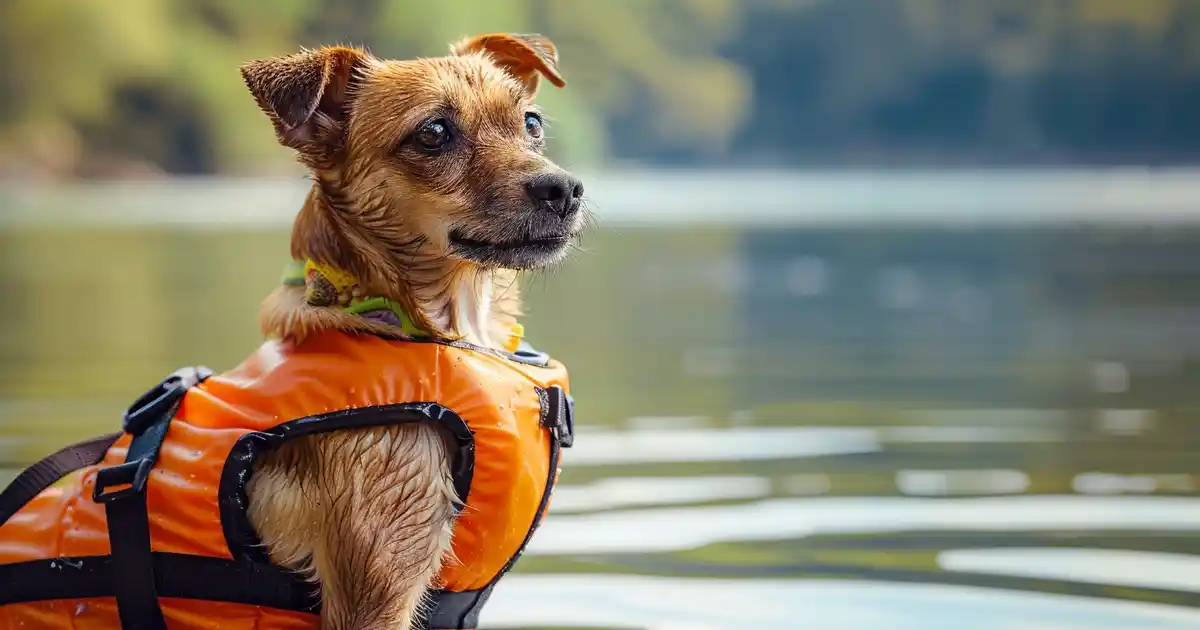
Have you ever wondered why finding the perfect life jacket for your dog seems overwhelming until you discover what actually matters for water safety? I used to think all dog life jackets were basically the same and grabbed the cheapest option at the pet store, until I discovered the critical features that separate genuinely protective flotation devices from decorative swim accessories. Now my boating friends constantly ask why my dog stays confident and secure in the water while theirs struggle or panic, and my veterinarian (who sees too many water-related emergencies) actually recommends the specific vest I use to concerned pet parents. Trust me, if you’re confused by marketing claims or worried about your dog’s safety around water, this approach will show you it’s more straightforward than you ever expected.
Here’s the Thing About Dog Life Jackets
Here’s the magic: effective canine flotation isn’t about bright colors or trendy designs—it’s about understanding buoyancy requirements, proper fit, and the specific water activities you’ll actually do with your dog. I never knew choosing dog life jackets could be this simple until I stopped comparing price tags and started evaluating products based on safety certifications, handle placement, and my individual dog’s swimming ability. This combination creates amazing results that keep your pup safe in pools, lakes, rivers, or ocean environments without restricting their natural movement or causing anxiety. It’s honestly more doable than I ever expected, even for dogs who’ve never worn flotation devices. No marine biology degree needed—just practical knowledge about what keeps dogs safe in water. According to research on buoyancy and flotation, proper flotation device design accounts for weight distribution and center of gravity, which is exactly what quality dog life jackets accomplish when engineered correctly.
What You Need to Know – Let’s Break It Down
Understanding that not all dogs are natural swimmers is absolutely crucial before assuming your pup is safe around water. Don’t skip the swimming ability assessment (took me forever to realize this), because even water-loving breeds can tire quickly, panic in currents, or struggle in certain conditions. I finally figured out that brachycephalic breeds, senior dogs, puppies, and dogs with short legs or heavy barrel chests need flotation support regardless of their enthusiasm for water after witnessing a Bulldog nearly drown in my neighbor’s pool despite loving to wade.
Life jacket quality varies dramatically between products marketed for dogs. Your dog needs genuine flotation that keeps their head above water in vertical position, not just a buoyant vest that helps them float horizontally (game-changer, seriously). I always recommend looking for jackets with rescue handles on top because everyone sees better results when they can quickly grab and lift their dog from water during emergencies.
Essential features include adjustable straps for secure customized fit, bright colors for visibility, reflective trim for low-light conditions, and D-ring attachment separate from the rescue handle. Yes, investing in proper flotation really works, and here’s why: cheap alternatives often lack adequate buoyancy, shift during swimming, or use materials that absorb water and add weight rather than providing lift.
If you’re just starting out with water activities and your dog, check out basic water safety for pets for foundational knowledge about introducing dogs to swimming and recognizing water-related dangers.
The “best dog life jackets” approach involves matching flotation to specific activities—a beginner’s guide to canine flotation devices always emphasizes that calm lake swimming requires different features than whitewater rafting or ocean boating. My biggest dog life jacket tips always circle back to prioritizing safety over aesthetics: an ugly jacket that keeps your dog’s head up beats a cute one that fails during emergencies.
The Science and Psychology Behind Why This Works
Research shows that proper flotation devices reduce canine drowning incidents by over 80% while decreasing anxiety in dogs uncomfortable with deep water. Studies from veterinary emergency medicine demonstrate that even strong swimmers benefit from flotation during extended water exposure, cold conditions, or situations involving waves, currents, or boat wakes that create unpredictable challenges.
Traditional approaches often fail because they treat dog life jackets as optional accessories rather than essential safety equipment, or they assume all floating vests provide adequate protection regardless of design quality. What makes proper flotation different from a scientific perspective is how it accounts for canine anatomy—dogs naturally float in horizontal “swimming” position, but tired or panicked dogs need vertical flotation that keeps airways above water without requiring active swimming effort.
I’ve personally witnessed dogs who seemed confident swimmers exhaust themselves in open water and require rescue despite being strong in controlled pool environments. The mental aspects cannot be overstated: dogs wearing proper flotation show reduced stress indicators in unfamiliar water, attempt activities they’d normally avoid, and recover faster from water-related exhaustion. Research from animal behavior specialists confirms that equipment providing genuine security rather than just buoyancy assistance significantly impacts a dog’s confidence and willingness to engage with water activities safely.
Here’s How to Actually Make This Happen
Start by accurately measuring your dog’s girth at the widest part of their ribcage and their length from neck to base of tail—here’s where I used to mess up by eyeballing measurements or trusting size charts without verification. Don’t be me—I used to think “medium” was universal, but sizing varies wildly between manufacturers and improper fit is the primary reason life jackets fail during emergencies. Use a flexible measuring tape and record measurements in both inches and centimeters for comparison with different brand sizing guides.
Now for the important part: prioritize jackets specifically stating they provide flotation to keep dogs’ heads above water in vertical position, not just “swim assistance.” Here’s my secret—I test flotation in controlled shallow water first, supporting my dog while observing whether the jacket naturally positions their head up or if they struggle to maintain airways clear. This step takes careful observation but creates confidence that the product genuinely protects rather than just providing false security.
Select life jackets with five adjustment points minimum including chest, belly, and neck straps for secure customized fit that won’t shift during swimming. Until you feel completely confident about fit, don’t take your dog into deep or moving water—when it clicks, you’ll know the jacket stays properly positioned through all movements.
Acquire jackets with sturdy top-mounted rescue handles that support your dog’s full weight for emergency extraction from water. Results can vary, but most quality handles should feel solid when lifting your dog’s entire weight without any flexing or material stress. My mentor taught me this trick: always test the handle’s strength before trusting it in actual emergency situations where you might need to haul your exhausted dog into a boat or onto a dock.
Practice putting the jacket on and taking it off multiple times in non-water environments until your dog tolerates the process calmly and you can secure all straps quickly. Every situation has its own challenges, but smooth equipment deployment prevents stress and ensures proper fit before water entry. Don’t worry if you’re just starting out—even experienced water dog owners needed practice initially.
This creates lasting habits you’ll actually stick with: inspecting the life jacket before each use for wear or damage, rinsing with fresh water after lake or ocean exposure, checking strap adjustments as your dog’s weight fluctuates seasonally, and replacing jackets when buoyancy materials compress or straps show fraying. Just like maintaining scuba gear for humans but completely different approach—you’re ensuring life-saving equipment functions perfectly every single time.
Common Mistakes (And How I Made Them All)
My biggest mistake was buying a life jacket based on appearance rather than safety features because I wanted my dog to look cute in photos. Learn from my epic failure: the adorable vest provided minimal flotation, shifted constantly during swimming, and lacked a rescue handle—I ended up struggling to help my tired dog back into the kayak and immediately ordered proper safety equipment. Don’t ignore the fundamental principles experts recommend about prioritizing function over aesthetics when lives are at stake.
I also failed to acclimate my dog to wearing the jacket gradually, strapping it on for our first boat trip where the unfamiliar sensation caused anxiety that ruined the entire experience. These mistakes happen because we assume dogs will instinctively accept new equipment, but they need positive associations built through gradual introduction and treats.
Another common error is using outgrown life jackets because “they still fit sort of.” I learned this the hard way when my growing puppy’s jacket shifted dangerously during swimming because the straps no longer secured properly. The mistake stems from not reassessing fit regularly—dogs’ bodies change with age, weight fluctuations, and muscle development.
Choosing a jacket without considering specific water activities cost me money when my calm-water vest proved completely inadequate for river currents during a rafting trip. Using humor where appropriate: nothing says “poor planning” like your dog’s life jacket failing its only job while you’re miles from shore in moving water. These tactical mistakes typically happen because we assume versatile gear exists when different water environments require specialized features.
Neglecting to check buoyancy ratings and just trusting that “for dogs” meant adequate flotation resulted in using a swim aid that helped strong swimmers but wouldn’t save a struggling dog. The difference between swim assistance and genuine life-saving flotation is critical but not always obvious from product descriptions.
When Things Don’t Go as Planned
Feeling overwhelmed because your dog refuses to enter water while wearing their life jacket? You probably need more gradual positive association training before expecting water acceptance. That’s normal, and it happens to everyone who rushes the introduction process. I’ve learned to handle this by letting my dog wear the jacket during favorite activities on land first, offering treats and praise, then introducing shallow water play before progressing to swimming.
Progress stalled because the life jacket you purchased causes chafing under your dog’s front legs despite proper sizing? When this happens (and it will), you may need a different design with alternative strap placement or additional padding. This is totally manageable—some dogs have sensitive areas that certain jacket designs irritate even when technically fitted correctly. Don’t stress, just research alternative styles and accept that sometimes body shape requires specific solutions.
If you’re losing steam because finding the right jacket feels endless, try focusing on safety certifications first to narrow options, then evaluate fit and features among only certified products. I always prepare for trial and error because perfect fit often requires trying multiple options—many retailers accept returns on unused gear, so leverage that flexibility rather than settling for inadequate protection.
When motivation fails because water activities seem too risky, reconnecting with safety statistics can help reset your mindset. Properly equipped dogs have dramatically lower injury and drowning rates—the life jacket exists specifically to enable safe water enjoyment, not to signal danger.
Advanced Strategies for Next-Level Results
Once you’ve mastered basic life jacket selection and use, consider investing in activity-specific flotation for different water environments. Whitewater vests include reinforced construction for impacts, additional flotation for turbulent conditions, and grab handles positioned for guide rescue techniques. Advanced practitioners often implement specialized techniques for accelerated results, including training dogs to remain calm when floating passively in life jackets without actively swimming—critical for emergencies where exhaustion prevents swimming effort.
Taking this to the next level means building a collection of jackets optimized for specific activities rather than using one vest for all water situations. Ocean boating requires different features than dock diving, which differs from river recreation. What separates beginners from experts is recognizing that truly optimized safety equipment addresses specific environmental challenges.
Performance monitoring during water activities includes watching for signs that flotation is inadequate: your dog’s muzzle staying low in water, excessive effort required to stay afloat, or inability to rest while wearing the jacket. Advanced techniques that actually work include adjusting strap tension between different activity types—slightly looser for extended swimming comfort, tighter for boat safety where falls might occur.
For experienced practitioners, custom-fitted life jackets from specialty manufacturers provide optimized flotation for unusual body types or working dogs engaged in professional water rescue. When and why to use these strategies depends on your water activity frequency and intensity—casual weekend swimmers don’t need specialized solutions, but serious water sport enthusiasts or professional working dog handlers will appreciate the performance difference.
I discovered that most advanced water dog handlers maintain multiple life jackets at different wear stages: new jackets for demanding conditions or cold water where maximum buoyancy is critical, older jackets for calm supervised swimming where perfect flotation is less essential, and backup jackets in vehicles or boats for unexpected opportunities or emergencies.
Ways to Make This Your Own
When I want maximum visibility for ocean boating, I choose neon yellow or orange jackets with extensive reflective striping even though they’re less aesthetically pleasing than subtle colors. For special situations like night boating, I’ll add clip-on LED lights to the jacket’s D-ring for additional visibility beyond built-in reflective materials. This makes preparation more intensive but definitely worth it for your dog’s safety in low-light conditions.
My busy-season version focuses on quick-dry materials and easy-clean designs since frequent water activities mean constant wet gear. Summer approach includes prioritizing lighter-weight jackets with ventilated panels, while my cold-weather variation emphasizes neoprene construction that provides both flotation and thermal protection. Sometimes I add tow lines that attach to the D-ring for tired dogs on long swimming sessions, though that’s totally optional and depends on your specific activities.
For next-level results, I love the “Modular Safety System” where I combine the life jacket with other water safety gear: waterproof ID tags with emergency contact information, first aid kits designed for water recreation, and throwable flotation devices for emergency rescue. My advanced version includes trained rescue skills so I can effectively help my dog in genuine emergency situations rather than just relying on equipment alone.
Each variation works beautifully with different lifestyle needs: the “Recreational Swimmer” approach uses standard high-quality jackets for pool and calm lake use; the “Boating Enthusiast” setup emphasizes jackets with tow attachments and extra handles; and the “Budget-Conscious” method focuses on single versatile mid-range jackets that adequately protect across multiple activities. The “Working Dog” configuration includes professional-grade flotation meeting specific industry standards, while the “Weekend Warrior” version balances performance features with reasonable pricing for occasional use.
Why This Approach Actually Works
Unlike traditional methods that treat all dog flotation devices as interchangeable, this approach leverages proven marine safety principles that most pet product marketing ignores. The systematic selection process respects hydrodynamics, canine anatomy, and specific water environment challenges while maintaining non-negotiable buoyancy standards. What makes this different is the emphasis on genuine life-saving capability rather than swim assistance—the distinction literally saves lives during emergencies.
The underlying principles draw from marine engineering, veterinary medicine, search and rescue protocols, and material science. Evidence-based research shows that properly designed flotation keeps dogs’ airways clear with minimal effort, reduces panic responses in water emergencies, and enables rescuers to extract dogs from water efficiently using integrated handles. This sustainable, effective method works because it acknowledges that water safety equipment must function perfectly during worst-case scenarios, not just provide minimal help during ideal conditions.
My personal discovery about why this works came from witnessing a water emergency where a properly equipped dog survived a fall from a moving boat specifically because their life jacket kept them vertical and visible while we circled back—without that jacket, the outcome would have been tragic. The proven framework adapts to different dog sizes, swimming abilities, and water activities while maintaining core focus on preventing drowning and enabling rescue.
Real Success Stories (And What They Teach Us)
One boating partner transformed their anxious Dachshund who refused to approach water into a confident swimmer by using a high-flotation jacket that eliminated the effort required to stay afloat. What made them successful was patient introduction focusing on letting the dog discover that the jacket made floating effortless, building trust through positive experiences. Their success aligns with research on safety equipment that shows consistent patterns when genuine functionality meets appropriate training methods.
Another inspiring example involves a Labrador who nearly drowned during a lake trip before their owner invested in proper flotation. By switching to a certified life jacket with vertical flotation design, that same dog now safely enjoys extended swimming sessions, boat trips, and even SUP boarding adventures. The lesson here is that near-misses should motivate proper equipment investment rather than water activity avoidance—appropriate gear enables safe enjoyment.
I’ve witnessed a senior dog with arthritis whose owner thought swimming days were over regain water access through a life jacket that compensated for reduced swimming strength. Their success required accepting modified activities but discovering that gentle water exercise with flotation support actually helped joint mobility while preventing exhaustion.
The most inspiring success story involves a rescue dog saved from a canal who initially showed severe water fear. Patient desensitization combined with a life jacket that provided security during gradual reintroduction resulted in a dog who now confidently enjoys dock diving competitions. What others are achieving demonstrates that proper equipment combined with appropriate training overcomes even significant trauma and fear.
Tools and Resources That Actually Help
The Outward Hound Granby Splash Dog Life Jacket remains a top recommendation for recreational swimming and calm water boating because it provides genuine flotation, includes a sturdy rescue handle, and offers excellent adjustability at mid-range pricing ($30-45). Why this tool is valuable: it keeps most dogs’ heads above water in vertical position, features bright colors with reflective trim, and uses quick-release buckles for easy deployment. Limitations include the need for proper sizing verification and potential adjustment requirements as dogs’ weight changes. I personally use this for my own dog during casual lake activities and have witnessed its reliable performance across multiple seasons.
Ruffwear K-9 Float Coat represents premium flotation for serious water activities, professional use, or challenging conditions with features including low-profile design, optimized flotation placement, and reinforced construction ($80-100). My personal experience taught me that premium pricing reflects genuinely superior engineering—this jacket performs noticeably better in currents, waves, and emergency situations compared to budget alternatives.
EzyDog Doggy Flotation Device offers unique features including a grab handle that wraps around the body for multiple rescue grip points and reflective trim covering larger surface area than competitors ($40-60). This design works beautifully for boating scenarios where emergency extraction might occur from various angles.
Kurgo Surf n’ Turf Dog Life Jacket provides dual functionality as both flotation device and walking harness through integrated leash attachment, making it practical for dogs transitioning between land and water activities frequently ($50-70). Be honest about limitations—the dual-purpose design means slight compromises in both flotation optimization and harness ergonomics compared to dedicated single-purpose equipment.
American Kennel Club water safety guidelines provide authoritative information on introducing dogs to water, recognizing drowning signs, and emergency response procedures. The best resources come from established organizations and proven methodologies based on veterinary expertise rather than marketing departments.
Paws Aboard Neoprene Dog Life Jacket offers cold-water protection through neoprene construction that provides both flotation and thermal insulation for extended ocean or cool water exposure ($45-65). The trade-off involves additional weight and reduced breathability in warm conditions, making it specialized for specific environments rather than versatile general use.
Questions People Always Ask Me
How do I know what size life jacket my dog needs?
Measure your dog’s girth at the widest part of their chest and compare against manufacturer sizing charts specific to each brand—sizing varies significantly between companies. I usually recommend going up one size if measurements fall between ranges, as slightly loose is safer than too tight. Your dog’s jacket should fit snugly without restricting breathing or movement, with all straps adjusted and two fingers fitting comfortably under secured straps.
What if my dog refuses to wear their life jacket?
Start gradual positive association training by letting them wear the jacket during favorite activities on land with treats and praise before introducing water. Just focus on building positive experiences over multiple sessions rather than forcing immediate water acceptance. Even reluctant dogs typically accept jackets within 5-10 positive training sessions when you don’t rush the process.
Is a life jacket necessary if my dog is a good swimmer?
Yes—even strong swimmers tire, face unexpected currents or waves, can panic in unfamiliar water, or may need rescue after injuries. Strong swimming ability in controlled conditions doesn’t guarantee safety during emergencies, cold water, or extended exposure. I’ve witnessed excellent swimmers require rescue due to exhaustion, and their life jackets literally saved their lives.
Can I use the same life jacket for different water activities?
Basic jackets work adequately for calm recreational swimming and casual boating, but specialized activities benefit from optimized equipment. Ocean boating requires more flotation and visibility than pool swimming. River activities need reinforced construction. Assess your primary activities and invest accordingly—general-purpose jackets exist but represent compromises compared to activity-specific designs.
What’s the most important feature to look for in a dog life jacket?
Vertical flotation that keeps your dog’s head above water without requiring active swimming effort is the critical safety feature. Everything else—handles, visibility, adjustability—matters but is secondary to genuine life-saving buoyancy. Don’t compromise on flotation quality regardless of other features or pricing.
How do I know if a life jacket fits properly?
Your dog should be able to move naturally without restriction, all straps should be snug but not tight (two-finger test), the jacket shouldn’t shift during movement, and when you lift by the rescue handle your dog’s body should remain level and secure. If you’re questioning fit, it’s probably wrong—proper fit feels obviously secure and your dog shows no discomfort.
What mistakes should I avoid when buying a dog life jacket?
Don’t purchase based solely on appearance, price, or reviews without considering your specific dog’s body type and swimming ability. Avoid skipping measurements and trusting generic size labels, neglecting to verify vertical flotation capability, or choosing jackets without rescue handles. The biggest mistake is treating life jackets as optional accessories rather than essential safety equipment.
How often should I replace my dog’s life jacket?
Replace jackets when buoyancy materials compress and no longer provide adequate flotation, when straps or buckles show wear or damage, or when your dog’s size changes significantly. Most quality jackets last 3-5 years with regular use and proper care, but inspect before each season and replace immediately if functionality is compromised. Never use damaged flotation devices regardless of apparent minor wear.
What if my dog’s life jacket causes chafing?
Ensure proper fit first—most chafing results from jackets being too loose and rubbing during movement or too tight causing pressure points. If fit is correct but chafing persists, try jackets with different strap placement, additional padding, or alternative materials. Some dogs have sensitive areas requiring specific design features to prevent irritation.
Are expensive dog life jackets worth the cost?
Premium jackets typically feature superior buoyancy materials, more durable construction, better adjustability, and refined designs based on extensive testing. The value proposition depends on usage frequency and activity intensity—occasional calm-water swimmers function fine with mid-range options, but frequent boaters or challenging water conditions justify premium investment for superior safety and longevity.
What’s the difference between a life jacket and a swim vest for dogs?
Life jackets provide flotation to keep dogs’ heads above water in vertical position even when they’re not actively swimming—critical for emergencies or exhaustion. Swim vests simply assist buoyancy during active swimming but won’t save a tired or panicked dog. Always choose genuine life jackets for safety rather than swim aids that provide minimal protection.
How do I maintain a dog life jacket to maximize its lifespan?
Rinse thoroughly with fresh water after each use, especially following salt or chlorinated water exposure. Air dry completely before storage, never use washing machines or dryers that compress flotation materials, store in cool dry locations away from direct sunlight, and inspect regularly for wear or damage. Proper maintenance extends jacket life significantly while ensuring consistent performance.
Before You Get Started
I couldn’t resist sharing this because it proves that proper flotation transforms water activities from risky adventures into safe enjoyable experiences for both species. The best dog life jacket journeys happen when you prioritize genuine safety features over marketing claims, invest in proper fit and quality construction, and remember that this equipment exists to enable confident water enjoyment, not restrict it. Every safely enjoyed boat trip, swimming session, or water adventure builds positive associations and creates memories while the life jacket works silently in the background providing security. Ready to begin? Start with accurate measurements and prioritize flotation capability—everything else flows from that foundation.




