
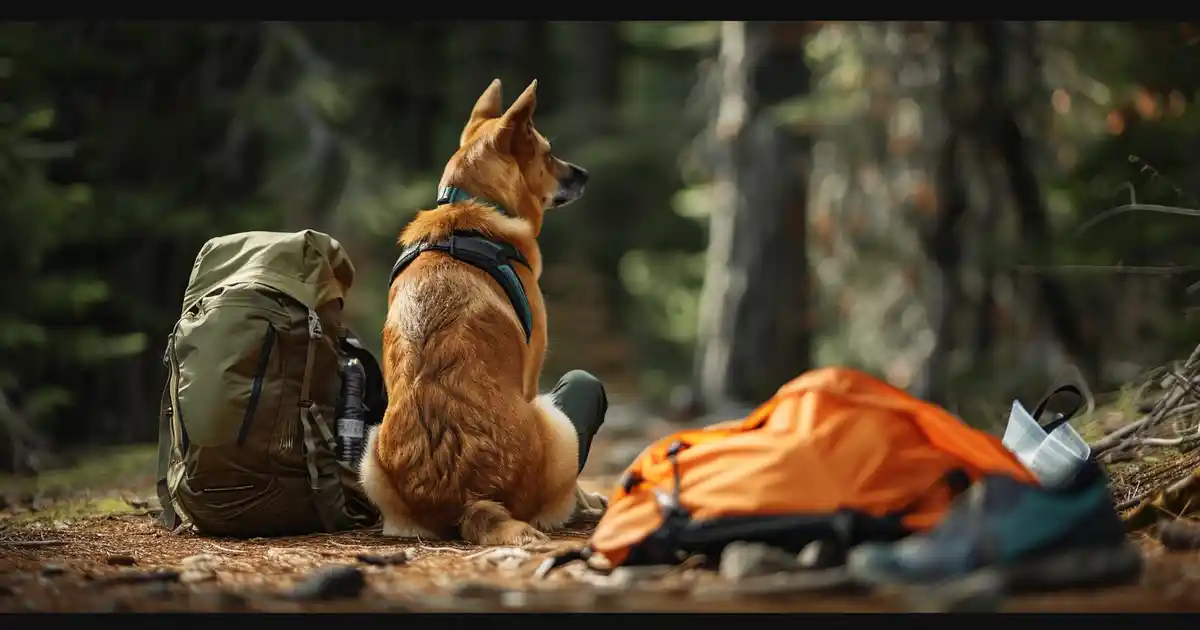
Have you ever wondered why backpacking with your dog seems like an impossible dream until you discover the right preparation strategies? I used to think multi-day wilderness trips with my pup were only for professional outdoor enthusiasts with years of experience, until I discovered these practical techniques that completely transformed our camping adventures. Now my hiking buddies constantly ask how I managed to teach my dog to sleep peacefully in a tent, and my veterinarian (who thought I was overly ambitious with a young rescue) keeps sharing our story with clients planning their own adventures. Trust me, if you’re worried about your dog’s stamina on consecutive hiking days or managing their behavior around wildlife at camp, this approach will show you it’s more achievable than you ever expected.
Here’s the Thing About Backpacking with Dogs
Here’s the magic: successful dog backpacking isn’t about having a perfectly obedient canine or spending thousands on specialized gear—it’s about systematic preparation and understanding how multi-day wilderness travel differs from day hiking. I never knew overnight backpacking with dogs could be this straightforward until I stopped treating it like extended day hikes and started viewing it as a completely unique adventure requiring specific conditioning and training. This combination creates amazing results that make every backcountry experience safer, more enjoyable, and genuinely transformative for your relationship. It’s honestly more doable than I ever expected, even with dogs who’ve never camped before. No complicated certification programs needed—just knowledge, gradual preparation, and realistic planning. According to research on pack animal behavior, dogs naturally adapt to carrying loads and traveling long distances when properly conditioned, which is exactly what this approach accomplishes when implemented correctly.
What You Need to Know – Let’s Break It Down
Understanding the physical demands of consecutive hiking days is absolutely crucial before you book that backcountry permit. Don’t skip the multi-day conditioning phase (took me forever to realize this), because single-day fitness doesn’t automatically translate to sustained endurance over 3-5 days. I finally figured out that building stamina through back-to-back training hikes on weekends creates the foundation your dog needs after months of wondering why my pup struggled on day two of trips.
Backpacking-specific training goes beyond basic trail skills and includes camp behavior protocols. Your dog needs to understand tent etiquette, food storage awareness (bears!), quiet hours respect, and staying calm when encountering other campers. I always recommend starting with car camping practice sessions because everyone sees results faster when they separate backpacking skills from camping skills initially (game-changer, seriously).
Essential backpacking gear for dogs differs significantly from day hiking equipment. Your dog needs a properly fitted pack to carry their own supplies, sleeping gear appropriate for backcountry temperatures, and comprehensive first aid supplies since you’re hours or days from veterinary care. Yes, teaching dogs to carry packs really works, and here’s why: it distributes weight, tires them appropriately for better camp behavior, and gives them a job that most working breeds genuinely enjoy.
If you’re just starting out with multi-day outdoor adventures, check out wilderness camping fundamentals for foundational knowledge about backcountry preparation and leave-no-trace principles.
The “how to backpack with dogs” approach involves route planning that accounts for canine capabilities—a beginner’s guide to dog backpacking always emphasizes that terrain difficulty, water availability, and campsite regulations vary dramatically. My biggest dog backpacking tips always circle back to conservative planning: shorter daily mileage, guaranteed water sources, and bailout options if conditions deteriorate.
The Science and Psychology Behind Why This Works
Research shows that dogs experience profound psychological benefits from multi-day wilderness immersion that single-day outings cannot replicate. The extended time in natural environments without urban stimulation reduces cortisol levels, improves sleep quality, and strengthens pack bonding behaviors between dog and handler. Studies from animal behaviorists demonstrate that dogs participating in overnight wilderness experiences show increased confidence, improved problem-solving abilities, and enhanced trust in their handlers.
Traditional approaches often fail because they underestimate the cumulative fatigue of consecutive hiking days or overlook the camp management skills dogs need beyond trail performance. What makes backpacking different from a scientific perspective is how it engages dogs’ ancestral denning behaviors—the establishment of temporary territory, protection of resources, and extended pack cooperation that their genetics are fundamentally designed for.
I’ve personally witnessed transformations in high-anxiety dogs who seemed impossible to settle at home but found remarkable calm in backcountry camp routines. The mental aspects cannot be overstated: multi-day trips create deep interdependence where your dog genuinely relies on you for every need, naturally reinforcing the handler-dog relationship in ways day trips never achieve. Research from veterinary sports medicine confirms that properly conditioned dogs can sustain multi-day physical activity with appropriate rest and recovery protocols.
Here’s How to Actually Make This Happen
Start by ensuring your dog has mastered day hiking fundamentals including reliable recall, leash manners on varied terrain, and comfort around other hikers and dogs—here’s where I used to mess up by rushing into overnight trips before these basics were solid. Don’t be me—I used to think camping skills would magically appear on the trail, but inadequate foundation training creates dangerous situations and miserable experiences.
Now for the important part: begin pack conditioning with an empty dog backpack, letting your pup wear it on short walks until they completely ignore it. Here’s my secret—I gradually add weight using water bottles (easily removable if needed), starting at 5-10% of body weight and building toward the maximum safe load of 25% over 4-6 weeks. This step takes consistent daily practice but creates the muscle development and mental acceptance that makes loaded backpacking trips possible.
Invest in quality backpacking-specific equipment including a properly fitted dog pack with balanced panniers, insulated sleeping pad for your dog, collapsible bowls, long tie-out cable for camp, and comprehensive wilderness first aid supplies. Until you feel completely confident with overnight logistics, don’t attempt trips longer than one night—when it clicks, you’ll know exactly when you’re ready for extended adventures.
Practice camp behavior at home or in campground settings first: teaching your dog to settle on their designated sleeping pad, respecting food storage boundaries, and remaining calm when you’re cooking or managing camp tasks. Results can vary, but most dogs need 3-5 practice camping sessions before these behaviors become reliable in backcountry settings. My mentor taught me this trick: always establish the same camp routine regardless of location, creating predictable structure your dog can anticipate.
Plan your first backpacking trip meticulously: choose trails with moderate mileage (5-7 miles maximum), guaranteed water sources every 2-3 miles, established campsites to minimize environmental impact, and cell service or emergency exit routes. Every situation has its own challenges, but thorough preparation prevents most problems. Don’t worry if you’re just starting out—even experienced backpackers had chaotic first overnight trips.
This creates lasting habits you’ll actually stick with: consistent pack weight checks to prevent shifting and rubbing, monitoring paw condition multiple times daily, enforcing quiet camp behavior from the start, and maintaining flexible schedules that prioritize your dog’s wellbeing over mileage goals. Just like ultra-marathon training for humans but completely different approach—you’re building multi-day endurance while teaching backcountry camping skills simultaneously.
Common Mistakes (And How I Made Them All)
My biggest mistake was attempting an ambitious three-night trip for our first backpacking experience because I overestimated my dog’s readiness. Learn from my epic failure: we had to cut the trip short after day two when my exhausted, footsore dog could barely walk, and I ended up carrying both my pack and theirs out on an emergency exit trail. Don’t ignore the fundamental principles experts recommend about starting with single overnight trips and gradually building duration.
I also failed to properly break in my dog’s pack, leading to painful rubbing that I didn’t notice until significant chafing had occurred. These mistakes happen because we assume equipment that fits initially will remain comfortable under loaded hiking conditions, but weight distribution and friction points only emerge during actual use.
Another common error is insufficient food planning for your dog’s increased caloric needs. I learned this the hard way when my dog lost noticeable weight after a four-day trip because I’d only packed their normal daily portions. The mistake stems from not accounting for the 20-50% increase in calories dogs require during sustained strenuous activity—they need significantly more fuel than their sedentary routine.
Overlooking weather preparation cost me a sleepless night when temperatures dropped unexpectedly and my dog shivered despite being in the tent. Using humor where appropriate: nothing says “amateur backpacker” like desperately trying to warm your hypothermic dog with your own sleeping bag at 2 AM while questioning all your life choices. These tactical mistakes typically happen because we focus on our own gear while treating our dog’s comfort as an afterthought.
Bringing my dog’s regular city collar instead of a secure harness resulted in a terrifying moment when they slipped out while fixated on a deer. That three-hour search through unfamiliar wilderness while panicking about predators taught me that backcountry gear requirements differ fundamentally from neighborhood equipment.
When Things Don’t Go as Planned
Feeling overwhelmed when your dog refuses to settle at camp and whines constantly? You probably need more foundational camping practice in controlled environments before tackling remote backcountry. That’s normal, and it happens to everyone who underestimates how disorienting wilderness camping feels to dogs accustomed to home routines. I’ve learned to handle this by bringing a familiar blanket or toy that smells like home, establishing predictable camp rituals, and exercising patience during the adjustment period.
Progress stalled because your dog’s paws are getting torn up faster than you anticipated? When this happens (and it will), you need to reassess either your mileage, terrain choices, or paw protection strategy. This is totally manageable—apply protective balm nightly, consider dog booties for rough sections, or plan shorter daily distances with more rest breaks.
If you’re losing steam because backpacking feels more like work than adventure, try easier routes where success is practically guaranteed. I always prepare for setbacks because backcountry life is unpredictable—sudden weather changes, unexpected trail closures, wildlife encounters forcing camp relocations, or your dog having digestive issues are all part of wilderness travel. Don’t stress, just adjust your itinerary and remember that flexibility is essential for backcountry success.
When motivation fails during a tough section with a tired dog, breaking the remaining distance into tiny achievable segments can help reset your mindset. Focus on reaching the next landmark, water source, or rest spot rather than obsessing over total remaining mileage.
Advanced Strategies for Next-Level Results
Once you’ve mastered weekend backpacking trips, consider training for week-long expeditions in genuine wilderness areas without established trails. This requires exceptional navigation skills, comprehensive emergency preparedness, and dogs with proven multi-day endurance. Advanced practitioners often implement specialized techniques for accelerated results, including teaching dogs to navigate by directional commands, training for stream crossings without assistance, and conditioning for high-altitude environments where oxygen levels affect performance.
Taking this to the next level means challenging yourselves with technical terrain: off-trail scrambling, snow travel requiring dog-specific traction devices, or desert environments with extreme temperature management. What separates beginners from experts is the ability to execute contingency plans when original routes become impossible—knowing when to turn back, finding alternative campsites, or managing injuries in remote locations.
Winter backpacking with dogs represents an advanced skill set requiring insulated dog coats, paw protection from ice balls, understanding of cold-weather physiology, and avalanche awareness in mountainous regions. Advanced techniques that actually work include teaching your dog to sleep inside your sleeping bag for shared warmth (space permitting) or training them to wear dog-specific snow gear without resistance.
For experienced practitioners, international backpacking trips with dogs open entirely new adventures but require understanding foreign regulations, vaccination requirements, and cultural attitudes toward dogs on trails. When and why to use these strategies depends on your specific goals—casual weekend warriors don’t need advanced wilderness skills, but serious backcountry enthusiasts will find them essential for safety and confidence in remote areas.
Lightweight backpacking techniques adapted for dogs—where every ounce counts—involve training your dog to eat dehydrated food, using ultralight pack materials, and eliminating non-essential comfort items. I discovered that most advanced backpackers transition to minimalist setups once they’ve identified what’s truly necessary versus what provides marginal benefit.
Ways to Make This Your Own
When I want faster conditioning results, I incorporate weighted pack training on stairs or inclined treadmills between actual trail sessions—the targeted muscle building accelerates readiness. For special situations like backpacking in extreme heat, I’ll shift to higher-elevation routes where temperatures remain moderate, or plan early spring/late fall trips avoiding summer intensity. This makes preparation more intensive but definitely worth it for your dog’s safety and enjoyment.
My busy-season version focuses on strategic long weekends: three-day trips that provide genuine backcountry experience without requiring extensive time off. Summer approach includes prioritizing high-altitude or northern routes where heat is manageable, while my winter variation targets desert environments or lower elevations where snow isn’t a factor. Sometimes I add fishing or foraging elements to trips, though that’s totally optional and depends on whether you want pure hiking focus or mixed activities.
For next-level results, I love the “Advanced Lightweight Backpacking” variation where my dog and I combined carry under 30 pounds total, requiring meticulous planning and minimal-impact camping. My advanced version includes teaching my dog to find water sources independently, an invaluable skill when navigating unfamiliar terrain.
Each variation works beautifully with different lifestyle needs: the “Busy Professional” approach uses accessible trailheads near major cities for quick weekend getaways; the “Family-Friendly” version incorporates kid-safe routes with established campsites and amenities; and the “Budget-Conscious” method focuses on free dispersed camping areas and borrowing specialized gear initially. The “Accelerated Conditioning” program compresses preparation timelines for naturally athletic breeds, while the “Senior Dog Adaptation” extends it with gentler terrain and shorter daily mileage for older companions.
Why This Approach Actually Works
Unlike traditional methods that simply extend day hiking into overnight trips, this approach leverages proven athletic training principles that most people ignore. The systematic conditioning respects canine physiology while building both physical capability and psychological readiness through achievable progressive challenges. What makes this different is the holistic integration of physical training, behavioral preparation, and logistical planning—most failed backpacking attempts result from excellence in one area while neglecting others.
The underlying principles draw from canine sports medicine, positive reinforcement training, wilderness survival skills, and Leave No Trace ethics. Evidence-based research shows that dogs properly prepared for multi-day exertion with adequate rest and nutrition can sustain performance levels that sedentary dogs could never achieve. This sustainable, effective method works because it acknowledges that backpacking success requires partnership—both species need complementary skills, mutual awareness, and shared responsibility.
My personal discovery about why this works came from watching my dog’s confidence bloom during our first successful three-night trip—the combination of physical challenge, problem-solving opportunities, and complete environmental immersion created behavioral improvements that persisted long after returning home. The proven framework adapts to breed differences, age ranges, and experience levels while maintaining core safety and environmental stewardship principles that protect both your dog and wilderness areas.
Real Success Stories (And What They Teach Us)
One backpacking partner transformed their overweight Labrador from struggling on gentle day hikes to completing a 30-mile, four-day backpacking loop through mountainous terrain. What made them successful was six months of dedicated conditioning, weight management through portion control, and conservative trip planning that prioritized their dog’s limits. Their success aligns with research on canine fitness that shows consistent patterns when gradual conditioning meets appropriate nutritional support.
Another inspiring example involves a reactive Australian Shepherd whose owner worried they’d never manage multi-day trips due to aggression issues around other campers. By implementing careful campsite selection during off-peak seasons, maintaining strict management protocols, and building impulse control through specialized training, they’re now completing remote wilderness trips where encounters are rare. The lesson here is that behavioral challenges aren’t automatically disqualifying—thoughtful planning and realistic expectations make backpacking accessible even for dogs with management needs.
I’ve witnessed a senior mixed-breed whose owner assumed backpacking was no longer possible due to age. By implementing the gentle conditioning approach, choosing appropriate terrain without technical challenges, and keeping daily mileage conservative at 4-5 miles, they enjoyed two more years of overnight adventures together. Different timelines and results are normal—this success required accepting limitations and prioritizing quality experiences over impressive statistics.
The most inspiring success story involves a rescue dog with severe anxiety who initially couldn’t handle car camping without constant pacing and whining. Patient systematic desensitization, practicing camp behaviors extensively before backcountry attempts, and celebrating incremental progress resulted in a dog who now sleeps peacefully through entire nights in remote wilderness. What others are achieving demonstrates that this approach works across breeds, backgrounds, and behavioral challenges when applied with consistency and compassion.
Tools and Resources That Actually Help
The Ruffwear Approach Pack remains my top recommendation for dog backpacking because it features proper weight distribution across the shoulders and ribcage, includes multiple adjustment points for custom fitting, and incorporates hydration bladder compatibility. Why this tool is valuable: it prevents the rubbing and pressure points that cheaper packs cause while providing adequate capacity for 2-3 day trips. Limitations include the premium price point around $100-150, though the durability and design justify the investment for serious backpackers.
Ruffwear Highlands Sleeping Pad provides insulation from cold ground and cushioning for your dog’s joints after long hiking days. I personally use this on every trip because I’ve witnessed how much better my dog sleeps with proper insulation—the difference in their energy levels the following day is remarkable. The packed size is reasonable, though it does add bulk to your gear.
Musher’s Secret Paw Wax protects paw pads from rough terrain, prevents cracking, and creates a barrier against irritants. My personal experience taught me that prevention is infinitely easier than treating damaged paws in the backcountry—applying this nightly makes multi-day trips feasible on challenging surfaces. Alternatives include dog booties, though many dogs resist wearing them and they require separate conditioning.
“The Ultimate Guide to Backpacking with Dogs” by veterinarian and backpacker Sarah Hodgson provides comprehensive coverage of conditioning protocols, wilderness first aid, and emergency management specific to overnight trips. The best resources come from professionals who combine veterinary expertise with proven methodologies from thousands of wilderness miles.
Gaia GPS app (subscription-based) offers detailed topographic maps, offline navigation, and the ability to track your route in real-time. I recommend this over free alternatives because backcountry navigation errors can become dangerous quickly, and reliable mapping technology is worth the modest annual cost. The dog-specific feature set is limited, but the core navigation tools are essential.
Outward Hound Trail Pack offers a budget-friendly alternative for beginners testing whether backpacking suits their dog before investing in premium gear. Be honest about limitations—the simplified design lacks the refinement of top-tier packs and may cause rubbing during extended use, but it’s adequate for initial overnight trips.
Questions People Always Ask Me
How long does it take to properly condition a dog for backpacking?
Most people need 3-6 months of systematic training to build adequate fitness and skills for multi-day trips. I usually recommend starting with day hiking proficiency, then adding pack conditioning over 6-8 weeks, followed by practice camping sessions before attempting actual backpacking. Your dog will show readiness through consistent energy across consecutive training days and comfort carrying loaded packs.
What if I don’t have time for months of preparation right now?
Start with single-night trips close to trailheads where you can bail easily if needed. Just focus on the essential safety elements: basic fitness, properly fitted pack with minimal weight, and one practice camping session. Even abbreviated preparation provides valuable learning, and you can progress toward longer trips as your schedule allows.
Is backpacking suitable for all dog breeds?
Not all breeds are ideal backpacking candidates. Brachycephalic breeds (pugs, bulldogs) struggle with sustained exertion due to respiratory limitations. Tiny breeds under 15 pounds can’t carry meaningful loads or maintain pace on rough terrain. However, most medium to large breeds with normal anatomy can backpack successfully when properly conditioned. The method adapts to breed characteristics—what works for a Husky differs from a Labrador’s needs.
Can I adapt backpacking for my specific situation?
Every aspect can be customized for your dog’s capabilities, your experience level, and local wilderness access. The core principles of gradual conditioning, proper equipment, and conservative planning remain constant, but implementation varies dramatically. I’ve successfully adapted this approach for everything from small terriers on gentle overnight loops to large working dogs on week-long wilderness expeditions.
What’s the most important thing to focus on first?
Building genuine multi-day endurance through back-to-back training hikes that simulate trip conditions. Single-day fitness doesn’t translate automatically to consecutive hiking days—the cumulative fatigue is completely different. Don’t skip this foundation, as it prevents the most common failure mode where dogs hit a wall on day two or three.
How do I stay motivated when preparation feels overwhelming?
Break conditioning into specific phases with clear benchmarks rather than viewing it as one enormous task. Celebrate milestones like your dog’s first successful pack carry or completing back-to-back training hikes. Progress isn’t always linear, and comparing your timeline to others creates unrealistic pressure. I remind myself that thorough preparation is the difference between magical wilderness experiences and dangerous disasters.
What mistakes should I avoid when starting backpacking?
Don’t attempt multi-night trips before succeeding with single overnights. Avoid underestimating your dog’s caloric needs or water requirements in backcountry settings. Skip the temptation to cover impressive mileage—conservative daily distances prevent injuries and create enjoyable experiences. The biggest mistake is inadequate pack fitting, which causes rubbing injuries that can end trips prematurely.
Can I combine backpacking training with other activities?
Absolutely—swimming builds endurance without joint stress, agility training improves proprioception valuable for technical terrain, and nose work provides mental stimulation during rest days. The natural conditioning and behavioral skills transfer beautifully. Just ensure combined activities don’t create overtraining—dogs need adequate recovery between intense sessions.
What if previous overnight camping attempts with my dog failed?
Most failures stem from rushing preparation or selecting inappropriate first trips. Start completely fresh with systematic conditioning regardless of past attempts—you’re building proper foundation this time. Many people who had disastrous first experiences become the most successful because they’re motivated to understand what went wrong and address it comprehensively.
How much does getting started with dog backpacking cost?
Essential gear (quality dog pack, sleeping pad, first aid kit, paw protection) runs $150-300 depending on your dog’s size and whether you already own human backpacking equipment. Permits and campground fees vary by location. Budget-conscious options exist—borrowing gear initially or buying used equipment significantly reduces costs. The critical investment is time for proper conditioning, not money.
What’s the difference between backpacking and just camping with my dog?
Backpacking requires carrying all supplies on your back (and your dog’s), typically involves remote locations without facilities, and demands multi-day endurance that car camping never requires. The self-sufficiency, wilderness navigation, and physical demands are fundamentally different. Your dog needs capabilities beyond simple camping manners—they must sustain performance across consecutive strenuous days while carrying gear.
How do I know if my dog is genuinely ready for overnight trips?
Your dog completes back-to-back training hikes without excessive fatigue, carries a loaded pack comfortably for extended periods, demonstrates reliable camp behavior during practice sessions, and shows enthusiasm for outdoor activities. You’ve successfully managed minor issues during training and feel confident troubleshooting problems in remote settings. If you’re questioning readiness, you probably need more preparation—genuine confidence comes from proven performance during realistic practice.
Before You Get Started
I couldn’t resist sharing this because it proves that backpacking with dogs creates transformation that car camping or day hiking never achieves. The best dog backpacking journeys happen when you embrace thorough preparation, respect wilderness environments, and remember that the goal is shared adventure, not proving toughness or covering impressive distances. Every night spent under stars together, every challenging climb conquered as a team, and every peaceful morning at a remote campsite builds connection that transcends normal pet ownership. Ready to begin? Start with foundational conditioning and build systematically toward your first unforgettable overnight adventure.




