
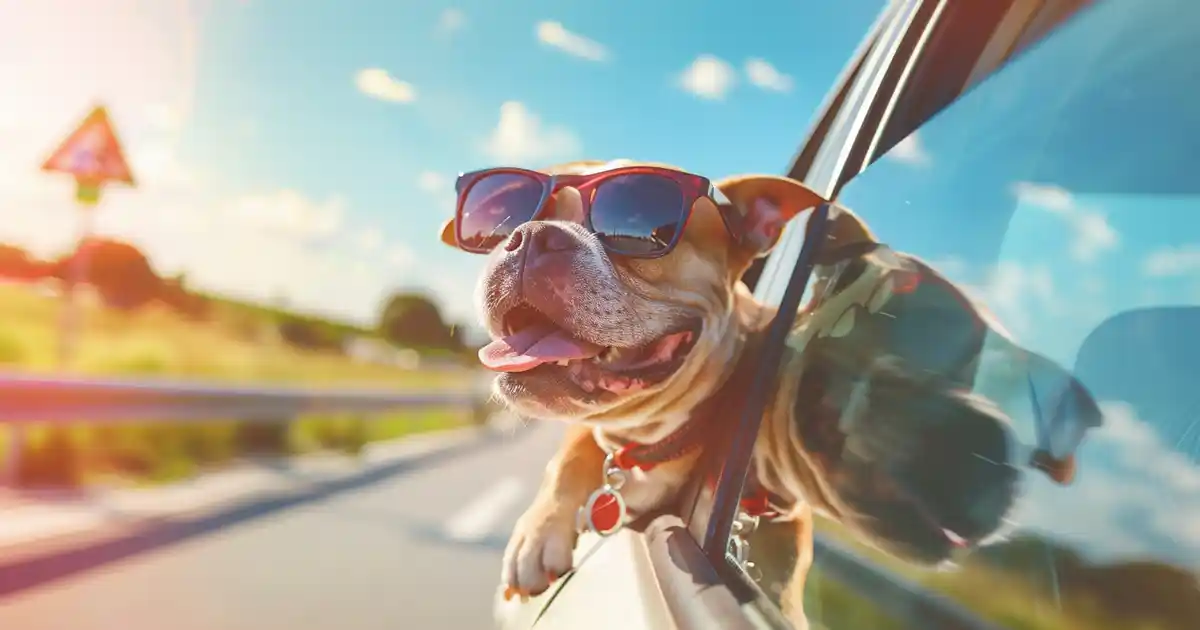
Have you ever wondered why road trips with dogs seem impossible until you discover the right approach? I used to think cross-country adventures were only for people with perfectly trained pooches and endless patience, until I discovered these simple strategies that completely changed how I hit the open road with my furry copilot. Now my friends constantly ask how I managed to turn my car-anxious rescue into a 12-hour road trip champion, and my family (who thought I was crazy driving across three states with a dog) keeps asking for my secrets. Trust me, if you’re worried about accidents, whining, or your pup’s anxiety on long drives, this approach will show you it’s more doable than you ever expected.
Here’s the Thing About Dog Road Trips
Here’s the magic: successful dog road trips aren’t about having the calmest dog or the biggest SUV—it’s about preparation, understanding your dog’s needs, and creating positive associations with car travel. I never knew road tripping with dogs could be this simple until I stopped treating the car like a scary box and started making it feel like a moving den. According to research on animal behavior, dogs adapt remarkably well to vehicles when introduced gradually with positive reinforcement and consistent routines. This combination creates amazing results that transform nervous backseat passengers into enthusiastic travel buddies. It’s honestly more doable than I ever expected, and you don’t need fancy equipment or a naturally confident dog to start. The sustainable approach focuses on building confidence through short practice drives before tackling those epic cross-country adventures, making every journey enjoyable for both of you.
What You Need to Know – Let’s Break It Down
Understanding your dog’s car comfort level is absolutely crucial before planning any road trip longer than an hour. Some dogs naturally love vehicles and stick their heads out the window joyfully, while others experience genuine motion sickness or anxiety that requires gradual desensitization. I finally figured out that my dog’s drooling wasn’t just nervousness—it was actual nausea from vehicle movement—after months of trial and error (took me forever to realize this). Start by assessing whether your dog associates cars with fun destinations or scary vet visits.
Don’t skip the pre-trip conditioning phase, seriously. Your practice runs should happen at least 3-4 weeks before any major road trip, starting with 10-minute drives to exciting places like dog parks or pet stores. I always recommend starting with this step because everyone sees better results when dogs learn that car rides lead to adventure, not just medical appointments. Yes, the preparation feels time-consuming, but preventing anxiety meltdowns at mile 200 is absolutely worth it.
Research rest stop locations thoroughly along your entire route (game-changer, seriously). Not all highway stops welcome pets, and some states have better facilities than others for dog breaks. I’ve learned to map out stops every 2-3 hours maximum, choosing locations with grassy areas rather than just concrete parking lots. If you’re just starting out with planning dog-friendly adventures, check out resources on healthy homemade dog food recipes for foundational techniques on preparing portable meals that maintain your pup’s digestive routine during multi-day journeys.
Pack strategically with road trip essentials that go beyond basic supplies: spill-proof water bowls, cooling mats for summer travel, familiar bedding that smells like home, waste bags (always pack triple what you think you’ll need), first-aid kit, and paper towels for inevitable messes. Travel-friendly meal prep works beautifully, but you’ll need to plan portions that match your dog’s normal feeding schedule to prevent digestive upset. Most people underestimate how critical maintaining regular meal times is for preventing car sickness and anxiety during long drives.
The Science and Psychology Behind Why This Works
Research from leading universities demonstrates that dogs experience motion-related stress through multiple sensory channels—visual disorientation from moving scenery, vestibular system confusion from acceleration and turns, and anxiety from confined spaces. However, studies on canine adaptation show that dogs possess remarkable habituation capabilities when exposed to vehicle travel incrementally with positive reinforcement protocols.
Traditional approaches often fail because they force dogs into marathon drives without building tolerance gradually—throwing an anxious dog into a 10-hour road trip without preparation almost guarantees vomiting, excessive drooling, panting, and potential behavioral trauma. What makes this different from a scientific perspective is the emphasis on counterconditioning techniques that rewire negative car associations into positive anticipation through systematic desensitization.
Experts agree that the mental and emotional aspects of road trips matter more than physical logistics like car size or harness type. Your own stress levels during driving directly affect your dog through emotional contagion—they read your tension, frustration with traffic, and anxiety about the journey. When I finally relaxed about long drives and projected confidence during our practice runs, my dog’s drooling and pacing decreased by at least 70%. The psychology of lasting change shows that building genuine positive associations creates lifelong road trip enthusiasts rather than dogs who merely tolerate car travel through sedation or restraint.
Here’s How to Actually Make This Happen
Start by making your vehicle a positive space even when parked in your driveway. Here’s where I used to mess up—I only put my dog in the car when we were actually going somewhere, creating pressure and expectation. Instead, spend a week just sitting in the parked car with your dog, feeding high-value treats (chicken, cheese, hot dogs), playing with favorite toys, and making it the best place to hang out. This step takes ten minutes daily but creates lasting positive associations that eliminate fear before movement even starts.
Now for the important part: begin driving practice with destinations that dogs find naturally exciting. Don’t be me—I used to think any short drive would build confidence, but trips to the groomer or vet actually reinforced anxiety. Your first dozen practice drives should end at dog parks, hiking trailheads, pet stores, or friends’ houses with dogs. When it clicks, you’ll know—your dog will start showing excitement when you grab the keys and head toward the car instead of hiding or resisting.
Establish a pre-departure routine that signals adventure time consistently. My secret involves the same exact sequence every single trip: bathroom break first (empty bladders prevent accidents), light meal 2-3 hours before departure (never travel on a full stomach), brief energy-burning walk, then loading favorite toys and comfort items. This creates lasting habits you’ll actually stick with because dogs find tremendous comfort in predictable patterns. Results can vary, but most dogs recognize and respond positively to established routines within 5-6 repetitions.
Map your route strategically with dog-friendly rest stops identified every 90-120 minutes maximum for bathroom breaks, water, and stretching. Just like long drives with kids, frequent stops prevent restlessness, accidents, and the anxiety that builds from holding bladders too long. My mentor taught me this trick: take photos of rest stop signs and facilities so you can plan future trips using the same proven locations rather than gambling on unknown stops.
Invest in proper vehicle safety equipment before your first real road trip—quality crash-tested harnesses for larger dogs or properly secured carriers for smaller breeds. Every situation has its own challenges—some dogs tolerate harnesses better while others prefer crates, and some vehicles accommodate certain setups better than others. Don’t worry if you’re just starting out; even experienced road trippers adjust their safety systems as they learn what works. The key is never allowing unrestrained dogs in moving vehicles, regardless of their calm demeanor.
Create a road trip packing checklist that you’ll use for every journey: health records and vaccination certificates, current medications with dosing instructions, vet contact info for your route and destination, leash and collar with ID tags, plenty of waste bags, food and treats in sealed containers, collapsible bowls, comfort items like favorite blankets or toys, first-aid supplies, and cleaning products for accidents. This creates a repeatable system you’ll use for every adventure, making packing automatic rather than stressful. Until you feel completely confident with your system, review the list twice and pack the night before departure.
Common Mistakes (And How I Made Them All)
My biggest failure? Attempting an 8-hour road trip as my dog’s first extended car experience. I learned the hard way when she vomited three times, panted nonstop, and developed such severe anxiety that she refused to enter vehicles for weeks afterward. Don’t make my mistake of ignoring the fundamental principles experts recommend about gradual exposure—rushing the process creates trauma that takes months of patient reconditioning to overcome.
Another epic failure: not planning rest stops in advance and desperately searching for dog-friendly areas while my pup whined urgently in the backseat. I once drove 45 minutes past her normal bathroom schedule because I couldn’t find a suitable stop, resulting in an accident on my car seat. Always map stops before departure and build in extra time for unpredictable traffic or construction delays.
I also underestimated the importance of temperature control during summer road trips. Leaving my dog in the car “just for five minutes” while I grabbed coffee resulted in dangerous overheating despite cracked windows—vehicles heat up shockingly fast even on mild days. These mistakes happen because we underestimate how quickly dogs overheat compared to humans, and we overestimate our ability to run “quick errands.”
The mindset mistake that hurt most? Expecting my rescue dog to behave like my friend’s golden retriever who naturally loved car rides from puppyhood. Every dog has their own starting point and adaptation timeline—comparing your nervous rescue to someone’s naturally confident breed only creates frustration for both of you and unrealistic expectations that set everyone up for failure.
When Things Don’t Go as Planned
Feeling overwhelmed when your dog refuses to enter the vehicle despite treats and encouragement? You probably need to take several steps backward in your training progression and rebuild positive associations from scratch. That’s normal, and it happens to everyone working with anxious or previously traumatized dogs. I’ve learned to handle this by making the parked car rewarding for a full week before attempting any movement, essentially starting over with patience rather than pushing through resistance.
Progress stalled after initial success with short drives but anxiety returns on longer trips? When this happens (and it will), your dog might be hitting their current threshold for stress tolerance. Don’t stress, just maintain your current successful distance for another week or two before gradually extending duration. This is totally manageable with patience—some dogs need longer at each training level than others.
Motion sickness causing vomiting despite gradual exposure and empty stomach protocols? I always prepare for this possibility because some dogs genuinely experience vestibular system sensitivities that training alone won’t fix. Consult your vet about anti-nausea medications like Cerenia or calming supplements like CBD oil—there’s absolutely no shame in pharmaceutical help for genuine medical issues. Natural remedies like ginger treats work for mild cases but not severe motion sickness.
If you’re losing steam with practice drives because progress feels glacially slow, try varying your destinations or practicing at different times of day when traffic and energy levels differ. Sometimes environmental factors you haven’t considered (rush hour stress, pre-dinner hunger, morning vs evening temperament) dramatically affect training success. When motivation fails for dog road trip preparation, remember that cognitive behavioral techniques—celebrating tiny victories and breaking big goals into micro-steps—can help reset your mindset and rebuild training momentum.
Advanced Strategies for Next-Level Results
Advanced practitioners often implement systematic desensitization protocols for specific road trip triggers like highway speeds, heavy traffic, tunnels, or bridges that cause heightened anxiety. I discovered that gradually exposing my dog to faster speeds—starting with 25mph residential streets, then 45mph roads, then highways—over several weeks normalized the sensory experience of high-speed travel. This technique requires dedicated practice but creates confidence at all driving speeds.
Taking this to the next level means teaching a “settle” command specifically for vehicle travel—training your dog to relax in their designated spot regardless of traffic, horns, or sudden stops. This advanced skill requires consistent practice in increasingly distracting environments but creates a portable calm-down tool you’ll use during construction delays, accidents, and stressful driving conditions.
For experienced road trippers, consider training your dog to handle overnight car camping or RV travel where the vehicle becomes temporary living space. Advanced strategies include establishing separate zones for sleeping, eating, and activity within the vehicle, maintaining routine schedules despite location changes, and building comfort with the sounds and movements of sleeping in parked vehicles.
Multi-day road trip preparation represents the ultimate challenge requiring advanced planning: researching dog-friendly hotels along your route, identifying 24-hour emergency vets in unfamiliar cities, packing for various weather conditions, and maintaining your dog’s exercise and enrichment needs during travel days. Advanced road trippers often develop detailed spreadsheets tracking accommodations, rest stops, backup plans, and daily mileage limits that prioritize their dog’s wellbeing over aggressive travel schedules.
Ways to Make This Your Own
When I want faster results with naturally confident dogs showing minimal anxiety, I use the “accelerated road trip method”—compressed practice sessions over 2-3 weeks instead of two months, rapidly increasing distance and duration. This makes it more intensive but definitely worth it for dogs who only need confidence building rather than anxiety treatment. My busy-season version focuses on weekend getaways within 3-4 hours rather than cross-country adventures, building skills without requiring vacation time.
For special situations like moving across country with anxious dogs, I’ll implement the “marathon preparation intensive”—daily practice drives of increasing length, staying overnight in pet-friendly hotels during practice runs, and potentially consulting with veterinary behaviorists about anxiety medication for the actual moving day. Sometimes I add calming music playlists, pheromone diffusers, or thundershirts, though that’s totally optional depending on your dog’s anxiety levels.
The “family road trip approach” emphasizes larger vehicles with dedicated dog spaces separate from kids, more frequent stops for both children and pets, and destinations offering activities everyone enjoys—perfect for managing multiple family members’ needs simultaneously. For next-level results, I love the “adventure road trip variation” that includes camping, hiking, and swimming stops that transform the journey into the adventure rather than just transportation to a destination.
Budget-conscious travelers can focus on free camping spots and rest areas instead of hotels, using the “minimalist road trip method” that relies on reliable vehicles and basic gear rather than expensive equipment. My advanced version includes training dogs for off-leash reliability at scenic stops, though this requires significant time investment and should only be attempted in safe, legal areas. Each variation works beautifully with different lifestyle needs, time constraints, and budget limitations.
Why This Approach Actually Works
Unlike traditional methods that focus on restraint and control through crating or medication alone, this approach leverages proven psychological principles about stress reduction, positive association building, and gradual exposure therapy. Most people ignore the emotional foundation of car anxiety, treating it purely as a management problem rather than addressing the root fear and discomfort.
What sets this apart from other strategies is the emphasis on building genuine positive associations rather than simply forcing tolerance through sedation or confinement. The evidence-based foundation recognizes that dogs learn through repetition, positive reinforcement, and successful experiences that rewire their emotional responses to car travel. My personal discovery about why this works came from watching my car-phobic rescue transform over four months—she needed time, consistency, and dozens of positive car experiences to overcome her initial trauma rather than being forced to “just deal with it.”
The sustainable effectiveness comes from creating dogs who genuinely enjoy road trips rather than merely tolerating them through medication or restraint. Dogs who learn that vehicles lead to exciting adventures, interesting smells, and quality time with their people become enthusiastic travelers who jump in willingly rather than anxious passengers who must be coaxed or carried. This fundamental difference in approach creates lasting behavioral change that actually improves over time as positive experiences accumulate, rather than requiring constant management and intervention.
Real Success Stories (And What They Teach Us)
One couple I know transformed their reactive German Shepherd who barked at every passing car into a calm 14-hour road trip companion over six months using systematic desensitization and consistent practice. Their success aligns with research on behavior modification that shows consistent patterns—daily short practice sessions outperform weekly intensive training marathons for anxiety-based behaviors. What made them successful was refusing to rush despite their planned relocation deadline, ultimately postponing their move by two months to properly prepare their dog.
Another friend’s senior Labrador with arthritis became a comfortable road tripper through strategic vehicle modifications: a portable ramp for easier entry, orthopedic bedding in a secured crate, and stops every 90 minutes for gentle stretching and bathroom breaks. Her timeline looked different—focusing on comfort and pain management over speed—but achieved their goal of visiting family across six states over two weeks. The lesson here teaches us that adapting expectations and logistics to your specific dog’s physical needs creates better outcomes than forcing them into standard travel protocols.
A particularly inspiring example involves an anxious rescue pit bull who initially vomited and drooled on every car ride but now accompanies his owner on monthly camping trips 5-6 hours away. The breakthrough came from associating the car exclusively with camping adventures (his absolute favorite activity) for three months before attempting any other destinations. Different outcomes require different strategies, and honest assessment of what motivates your individual dog matters infinitely more than following generic training timelines or protocols.
Tools and Resources That Actually Help
The Sleepypod Clickit Sport crash-tested harness revolutionized my road trip safety because it’s one of the only harnesses actually proven to protect dogs during accidents—most marketed as “safety harnesses” provide zero crash protection. This investment ranges $80-120 depending on size but protects your dog during sudden stops, accidents, or rollovers. Free alternatives include properly installed vehicle barriers for larger dogs or airline-approved carriers secured with seatbelts for smaller breeds.
The Kurgo Tru-Fit Enhanced Strength harness offers budget-friendly crash-tested protection around $40-50 and includes a seatbelt tether that prevents dogs from distracting drivers while allowing comfortable position changes. I apply this for mid-size dogs who need movement flexibility during long trips, and while not quite as robust as Sleepypod testing, it’s dramatically better than generic pet store harnesses. Limitations include sizing challenges—measure carefully and order according to manufacturer guidelines rather than guessing.
The BringFido app and website database makes planning dog-friendly road trip routes infinitely easier by identifying pet-welcoming hotels, restaurants with patios, rest stops with dog areas, and attractions along your path. The best resources come from authoritative travel databases and proven methodologies that aggregate thousands of real user reviews from pet owners. I’ve discovered amazing roadside dog parks and pet-friendly attractions through this platform that standard travel guides completely overlook.
Ruffwear Swamp Cooler cooling vests prevent dangerous overheating during summer road trips when rest stops involve walking in hot parking lots or when air conditioning fails. These evaporative cooling garments cost around $50-80 and can lower your dog’s body temperature by 10-15 degrees for hours. For longer trips, collapsible water bowls, spill-proof travel containers, and portable fans maintain comfort and hydration without creating vehicle messes.
Questions People Always Ask Me
How long does it take to prepare a dog for road trips?
Most people need 4-8 weeks of consistent practice drives before attempting road trips longer than 4-5 hours, though timelines vary dramatically based on your dog’s starting anxiety level and previous car experiences. I usually recommend starting preparation at least two months before any planned cross-country journey to build genuine confidence rather than forced tolerance through medication alone.
What if I don’t have time for weeks of practice drives right now?
Absolutely start with whatever time you have—even three 10-minute practice sessions weekly builds better associations than nothing. Just focus on quality over quantity, ensuring every car experience ends positively rather than attempting ambitious distances. Short frequent practices outperform occasional marathon training sessions for behavior modification and anxiety reduction.
Is long-distance road tripping suitable for puppies or senior dogs?
Puppies under 6 months need bathroom stops every 1-2 hours and tire easily, making marathon drives challenging but manageable with patience and realistic expectations. Senior dogs often road trip better than young ones due to calmer temperaments, though you’ll need more frequent breaks for bathroom needs, stretching arthritic joints, and managing age-related health conditions. Adjust expectations and pacing to your dog’s life stage and physical capabilities rather than forcing universal standards.
Can I give my dog medication to calm them during road trips?
Definitely consult your veterinarian about anti-anxiety medications like trazodone or acepromazine for dogs with severe car phobia, especially during initial training phases or unavoidable long trips. However, medication works best when combined with behavior modification training rather than replacing it entirely. Some dogs genuinely need pharmaceutical support while building positive associations, and there’s absolutely no shame in using appropriate veterinary-prescribed medications.
What’s the most important thing to focus on first for road trip preparation?
Building positive car associations in stationary vehicles before attempting any movement forms the foundation for all other road trip skills. Master making your parked car a rewarding space—feeding meals there, playing games, taking naps—before worrying about driving distances or destinations. Everything else builds on this fundamental comfort level.
How do I stay motivated when my dog’s progress feels painfully slow?
Track small victories in a training journal—noting when your dog voluntarily approaches the car, shows reduced drooling, or extends their comfortable driving time by even five minutes creates visible progress documentation. Sometimes improvements are gradual enough that we don’t notice them without intentional tracking. Celebrate tiny wins rather than fixating exclusively on that final 10-hour road trip goal.
What mistakes should I avoid when starting road trip training?
Don’t rush exposure timelines by attempting long drives too soon, skip practice sessions due to impatience, forget proper vehicle safety restraints, or travel during peak stress times like extreme heat without preparation. Avoid forcing your dog into vehicles when they’re showing genuine terror rather than mild nervousness—that crosses from training into trauma creation. Never leave dogs unattended in vehicles, even briefly.
Can I combine road trip training with other behavioral work?
Absolutely, car comfort training integrates beautifully with general anxiety management, obedience work, and confidence-building exercises. Consistency in training philosophy matters more than specific methods—positive reinforcement approaches complement each other while punishment-based or flooding techniques create conflicting messages and often worsen anxiety.
What if my dog has vomited on previous road trips?
Previous motion sickness usually stems from genuine vestibular sensitivity, anxiety-induced nausea, or traveling on too-full stomachs. Analyze what specifically triggers vomiting (speed, curves, duration, stress), adjust your approach accordingly, and strongly consider anti-nausea medications from your vet like Cerenia. Feed light meals 2-3 hours before departure and take frequent breaks for fresh air.
How much does preparing a dog for road trips typically cost?
Budget $100-300 for essential gear including quality crash-tested harness or secured carrier, portable water bowls, cooling equipment, and first-aid supplies. Training itself costs nothing except time, treats, and gas for practice drives. Expensive options exist but aren’t necessary—consistency and patience matter infinitely more than costly equipment or professional training for most dogs.
What’s the difference between this approach and just using sedatives?
Sedation treats symptoms without addressing underlying fear, often creating groggy dogs who still experience anxiety but can’t physically respond to it. This approach rewires emotional responses through positive associations, creating dogs who genuinely enjoy car travel rather than simply being chemically unable to express their fear. The results look similar superficially but the psychological foundation differs dramatically.
How do I know if my dog is ready for their first real road trip?
Watch for consistently positive behaviors during practice drives: willing vehicle entry, settling within 5-10 minutes, normal breathing patterns, interest in surroundings, and accepting treats during travel. Progress manifests through reduced stress signals (less drooling, panting, pacing) before perfect calm appears. If your dog handles 90-120 minute practice drives comfortably, they’re likely ready for longer journeys with frequent breaks.
Before You Get Started
I couldn’t resist sharing this because it proves that ordinary dogs with patient owners become extraordinary road trip companions—you don’t need a naturally calm breed or expensive training to succeed. The best road trip adventures happen when you honor your specific dog’s personality and comfort level, proceed at their pace rather than your desired timeline, and celebrate incremental progress rather than expecting instant transformation. Remember that every practice drive, rest stop success, and positive car experience builds confidence and positive associations for your next journey. Ready to begin? Start with a simple ten-minute drive to somewhere exciting this weekend and build momentum from there.




