
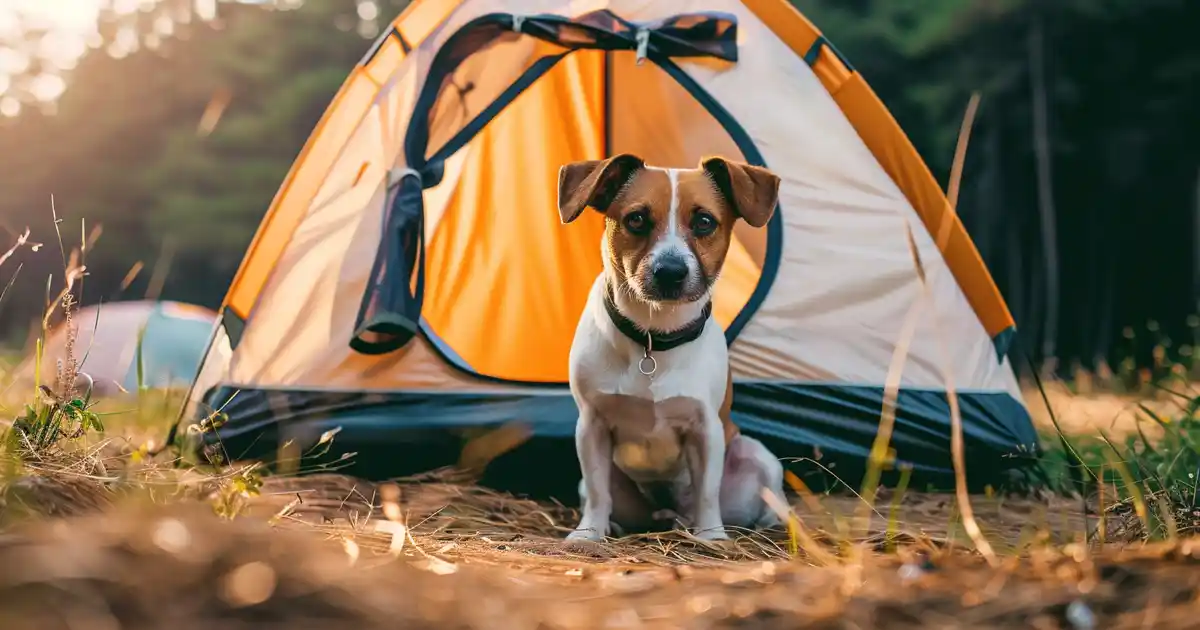
Have you ever wondered why camping with dogs seems overwhelming until you discover the right approach? I used to think outdoor adventures with pets required tons of expensive gear and complicated logistics, until I discovered these essential strategies that completely changed how I explore the wilderness with my furry companion. Now my friends constantly ask how I make camping with my dog look so effortless, and my family (who thought tent camping with pets was impossible) keeps joining our outdoor adventures. Trust me, if you’re worried about keeping your dog safe, comfortable, and happy in the wilderness while maintaining your own camping enjoyment, this guide will show you exactly how to create incredible outdoor experiences for your entire pack.
Here’s the Thing About Dog Camping
Here’s the magic: successful dog camping isn’t about having the most outdoor-savvy dog or the fanciest equipment—it’s about thorough preparation, understanding wilderness safety for dogs, and creating positive experiences that build your dog’s confidence and outdoor skills progressively. I never knew camping with dogs could be this rewarding until I stopped treating them like camping afterthoughts and started planning trips specifically around canine needs and capabilities. According to research on animal behavior, dogs benefit tremendously from outdoor experiences through increased physical exercise, mental stimulation from novel environments, reduced anxiety from natural settings, and strengthened human-animal bonds through shared adventures away from daily routines. This combination creates amazing experiences that transform ordinary camping trips into extraordinary adventures both you and your dog will remember. It’s honestly more accessible than I ever expected, and you don’t need wilderness expertise or perfectly trained dogs to start. The sustainable approach focuses on starting with short easy trips building skills gradually, prioritizing safety through proper gear and knowledge, and matching camping difficulty to your dog’s current abilities rather than forcing challenging situations they’re unprepared to handle.
What You Need to Know – Let’s Break It Down
Understanding that dog camping success depends on gradual skill building rather than jumping straight into challenging wilderness adventures is absolutely crucial before planning your first trip. Some dogs naturally adapt to outdoor environments with minimal preparation, while others need extensive conditioning to basic camping elements like sleeping in tents, being tied near campsites, encountering wildlife, and tolerating weather variations. I finally figured out that my dog’s campground anxiety stemmed from never experiencing outdoor sleeping or strange nighttime sounds, requiring backyard tent practice before attempting actual campground stays (took me forever to realize training happens at home first). Start by assessing your dog’s current outdoor experience level and building foundational skills through progressive exposure rather than expecting instant wilderness readiness.
Don’t skip the comprehensive gear preparation phase, seriously. Essential dog camping equipment includes appropriate restraint systems (long tie-outs, stake cables, or portable fencing), insulated sleeping arrangements (elevated cots, sleeping pads, or blankets), collapsible food and water bowls, sufficient food for trip duration plus extras, first-aid kit with dog-specific supplies, LED collar lights or reflective gear for visibility, waste disposal bags and trowels, current vaccination records, and emergency contact information for nearest veterinary clinics. I always recommend creating a dedicated dog camping kit that stays packed because everyone sees fewer forgotten essentials when gear is organized and ready rather than gathering items individually before each trip. Yes, initial gear investment feels substantial, but quality equipment lasts years and dramatically improves camping safety and comfort for both you and your dog.
Research campground pet policies thoroughly because “pet-friendly” encompasses enormous variation from genuinely welcoming to barely tolerating (game-changer, seriously). Critical details include pet fees ($5-25 per night typically), maximum number of pets allowed (usually 1-2), leash requirements and length restrictions, quiet hours and bark policies, off-leash areas if available, designated pet relief zones, and specific breed restrictions occasionally enforced. I’ve learned that calling campgrounds directly to discuss policies provides far better information than website descriptions, revealing unstated expectations about dog behavior, size preferences, or seasonal restriction variations. If you’re just starting out with outdoor adventures planning, check out resources on dog nutrition and meal planning for camping for foundational techniques on maintaining feeding routines and appropriate caloric intake during increased activity levels outdoors.
Identify which camping style best suits your dog’s temperament and your experience level because car camping, backpacking, RV camping, and primitive camping require dramatically different preparations and suit different dog personalities. Car camping at established campgrounds with amenities provides easiest entry point with vehicle access to gear and emergency resources, backpacking demands exceptional dog fitness and training plus weight considerations, RV camping offers climate control and familiar spaces, and primitive camping requires advanced outdoor skills for both you and your dog. Most people underestimate how much camping type affects success—starting with car camping at developed campgrounds before attempting backcountry adventures builds skills progressively rather than creating overwhelming first experiences.
The Science and Psychology Behind Why This Works
Research from leading universities demonstrates that dogs experience significant psychological and physical benefits from outdoor camping through increased exercise improving cardiovascular health and muscle tone, exposure to novel environments providing mental stimulation and enrichment, reduced cortisol levels from natural settings and decreased urban stress, and strengthened social bonds with owners through shared activities and adventures. However, studies on canine stress responses show that camping also presents specific challenges including exposure to unfamiliar sounds causing anxiety, temperature extremes risking hypothermia or heatstroke, wildlife encounters creating danger or prey drive activation, and separation from familiar home environments potentially triggering stress.
Traditional camping approaches often fail when applied to dogs because owners focus exclusively on their own camping comfort and logistics without adequately preparing for canine-specific needs—assuming dogs will naturally adapt to camping without training or that enthusiasm compensates for lack of preparation creates preventable problems. What makes this different from a scientific perspective is the emphasis on systematic preparation addressing dogs’ physiological needs (appropriate shelter, temperature regulation, hydration), psychological needs (familiar comfort items, consistent routines, security), and safety requirements (restraint systems, wildlife protection, emergency preparedness) rather than treating dogs as passive camping accessories.
Experts agree that the preparation quality matters infinitely more than destination impressiveness or gear expense. Dogs camping with thoroughly prepared owners who’ve practiced camping skills, assembled appropriate gear, and researched specific environmental hazards show dramatically lower stress levels and more positive experiences than those brought on spontaneous trips by enthusiastic but unprepared owners. When I finally invested time in preparation including backyard tent nights, daytime outdoor tie-out practice, and gradual exposure to camping sounds and situations, my dog’s camping behavior transformed from anxious and difficult to relaxed and enjoyable. The psychology of environmental adaptation shows that dogs prepared through gradual exposure develop genuine comfort with camping rather than merely tolerating it through submission or exhaustion.
Here’s How to Actually Make This Happen
Start by implementing progressive camping preparation at home weeks before attempting actual camping trips. Here’s where I used to mess up—I’d pack the car, drive to a campground, and expect my dog to instantly adapt to sleeping in a tent, being tied outside, and tolerating nighttime sounds without any prior exposure. Instead, set up your tent in the backyard and have your dog sleep inside it with you multiple nights, practice stake tie-outs during daytime supervision building positive associations, play recordings of camping sounds (wind, owls, rustling, distant voices) at gradually increasing volumes, and establish camping-specific routines your dog will recognize. This step takes dedicated preparation time but creates lasting comfort with camping elements preventing first-trip disasters.
Now for the important part: select your first camping destination strategically by choosing developed campgrounds with amenities, facilities, and emergency resources rather than remote wilderness locations. Don’t be me—I used to think authentic camping meant remote backcountry sites, creating unnecessary stress when my inexperienced dog struggled with challenging conditions. Start with car-accessible campgrounds offering bathrooms, water sources, camp hosts for assistance, cell phone coverage for emergencies, and proximity to veterinary clinics. When it clicks, you’ll know—your dog will show relaxation and enjoyment at established campgrounds before you attempt more challenging primitive camping requiring advanced skills and self-sufficiency.
Establish comprehensive camping routines that maintain normalcy despite environmental changes by keeping feeding times consistent with home schedules, maintaining regular potty break patterns, bringing familiar bedding or toys providing comfort through scent, and using the same verbal cues and commands as at home. My secret involves creating such consistent routines that camping feels like home-in-different-location rather than completely foreign experience. This creates lasting security you’ll both benefit from because predictability reduces stress exponentially more than novelty alone. Results can vary, but most dogs adapt better when 70% of routines remain familiar despite 30% environmental change.
Implement proper campsite management by setting up designated dog areas including secured tie-out zones, bedding locations, and feeding stations before allowing your dog to explore freely. Just like organizing your home, creating structure and boundaries at campsites prevents confusion and establishes clear expectations. My mentor taught me this trick: never allow off-leash exploration during campsite setup because distracted owners miss escape opportunities and dogs establish bad habits thinking arrival means freedom rather than supervised setup time.
Practice leave-no-trace principles specific to dogs by properly disposing of all waste (pack out poop bags or bury waste 6-8 inches deep 200 feet from water sources), preventing your dog from harassing wildlife or other campers, keeping dogs on leash in all areas where required, and leaving campsites cleaner than you found them. Every situation benefits from conscientious behavior preserving camping access for future dog owners because irresponsible behavior leads to pet ban implementation. Don’t worry if you’re just starting out; even basic courtesy like quiet hours compliance and immediate waste pickup makes substantial difference in maintaining pet-friendly campground policies.
Create comprehensive emergency preparedness protocols including researching nearest 24-hour emergency veterinary clinics before trips, carrying first-aid supplies specific to common camping injuries (cut pads, insect stings, snake bites, heat exhaustion), maintaining current photos of your dog for lost pet reports, ensuring collar ID tags and microchip information is current, and having emergency evacuation plans if weather or wildlife situations require rapid departure. This thorough preparation enables calm effective response rather than panicked reaction when problems arise. Until you feel completely confident about wilderness emergency response, maintain conservative trip choices prioritizing safety over adventure ambition.
Common Mistakes (And How I Made Them All)
My biggest failure? Attempting backcountry backpacking as my first camping trip with my untested dog, creating a nightmare scenario when she refused to sleep in the tent, barked at every nighttime sound, and pulled constantly on trail making the hike miserable for everyone. I learned the hard way that progression matters—starting with challenging trips guarantees overwhelming experiences rather than building confidence through achievable successes. Don’t make my mistake of skipping foundation building—start with easy car camping at developed campgrounds before attempting primitive or backcountry camping requiring advanced skills from both you and your dog.
Another epic failure: forgetting to bring enough water for my dog during a hot summer camping trip, resulting in severe dehydration requiring emergency veterinary care and ending our trip prematurely. Dogs need significantly more water during camping than at home due to increased activity, heat exposure, and stress—I now carry at least one gallon per dog per day minimum, double that in hot weather. These water emergencies happen because we focus on our own hydration without calculating increased canine needs during outdoor activities.
I also underestimated wildlife dangers and allowed my dog off-leash exploration in areas with active bear, mountain lion, and porcupine populations, nearly resulting in tragic encounters that could have been fatal. Wildlife poses serious risks including predator attacks on dogs (especially smaller breeds appearing as prey), dogs chasing and harassing protected species leading to legal consequences, defensive wildlife attacks when dogs approach babies or dens, and porcupine quills or skunk spray requiring veterinary intervention. Always research specific wildlife hazards at your camping destination and maintain appropriate leash control preventing dangerous encounters.
The mindset mistake that hurt most? Assuming my dog’s enthusiasm and energy meant she was prepared for challenging camping without proper training, conditioning, or gradual skill building. Enthusiasm doesn’t equal readiness—even excited dogs need systematic preparation building specific camping skills, fitness for anticipated activity levels, and psychological adaptation to outdoor sleeping and environments. Mistaking excitement for preparedness creates situations where dogs struggle physically or psychologically despite their initial enthusiasm.
When Things Don’t Go as Planned
Feeling overwhelmed when your dog shows severe anxiety during your first camping night with constant whining, pacing, or refusal to settle despite preparation efforts? You probably need to retreat to car sleeping or even cut the trip short, accepting that some dogs require more extensive gradual preparation than others before achieving camping comfort. That’s normal, and it happens to everyone when dogs’ adaptation timelines exceed owner expectations despite reasonable preparation. I’ve learned to handle this by maintaining flexibility with backup plans including car sleeping, booking nearby pet-friendly hotels as emergency exits, or shortening trips when dogs show genuine distress rather than forcing continued camping creating traumatic experiences.
Weather conditions deteriorate unexpectedly into dangerous situations with severe storms, extreme temperatures, or flooding threatening safety? When this happens (and it will eventually), prioritize safety over stubbornness about completing planned trips. Don’t stress, just maintain vigilance monitoring weather forecasts and conditions, recognize when situations exceed safe camping parameters, and evacuate proactively rather than reactively when conditions become dangerous. This is totally manageable through conservative decision-making that errs toward caution—disappointing shortened trips are infinitely preferable to dangerous emergency situations resulting from continuing camping in unsafe conditions.
Your dog encounters wildlife causing injury, consumes toxic plants, or sustains camping-related injuries requiring medical attention? I always prepare for this possibility by maintaining current first-aid knowledge through pet first-aid courses, carrying comprehensive emergency supplies, identifying emergency veterinary resources before trips, and recognizing when situations require professional medical care versus field treatment. Common camping injuries include cut or burned paw pads, insect stings or bites, snake encounters, foxtails or plant material embedded in fur or skin, and gastrointestinal issues from consuming inappropriate materials—knowing how to provide initial care and when to seek professional help prevents minor issues from becoming emergencies.
If you’re losing motivation for dog camping because initial experiences proved more stressful than enjoyable, try starting with shorter day-trip hikes building outdoor skills without overnight complications, choosing campgrounds with cabin rentals providing indoor sleeping while maintaining outdoor adventures, or camping during ideal weather seasons avoiding extreme temperatures or precipitation. Sometimes dogs simply need longer adaptation periods or different camping approaches matching their specific comfort levels. When motivation fails for dog camping adventures, remember that success looks different for different dogs—some thrive on challenging backcountry camping while others prefer comfortable car camping with short nature walks, making it essential to match camping style to your dog’s actual enjoyment rather than forcing idealized wilderness experiences they don’t enjoy.
Advanced Strategies for Next-Level Results
Advanced dog campers often implement comprehensive wilderness training including reliable recall commands working even with wildlife distractions, “leave it” commands preventing consumption of dangerous materials, trail etiquette for encounters with horses, mountain bikers, and other trail users, and advanced first-aid skills enabling field treatment of serious injuries in remote locations. I discovered that investing months in advanced training before tackling challenging camping opened opportunities for true backcountry adventures impossible with basic obedience alone. This technique requires dedicated consistent practice but enables off-leash hiking and expanded wilderness access that poorly-trained dogs can never safely enjoy.
Taking this to the next level means pursuing canine wilderness certifications through organizations offering specialized training and testing including Canine Wilderness Search and Rescue training, Working Pack Dog certifications, or Trail Dog Good Citizen programs demonstrating advanced outdoor skills. Advanced certifications provide structured skill development while opening opportunities for specialized activities like joining search and rescue teams, participating in working dog events, or accessing restricted areas requiring demonstrated training and control.
For experienced dog campers, consider multi-day backpacking trips where dogs carry their own gear in properly fitted dog packs reducing owner load while providing dogs purpose and exercise. Advanced backpacking with dogs requires extensive conditioning building strength and endurance, pack fitting ensuring proper weight distribution and comfort, and gradual weight increases starting at 10-15% of body weight working toward maximum 25% for conditioned dogs. This transforms dogs from passive hiking companions to active pack team members sharing load responsibilities.
Winter camping represents the ultimate challenge requiring advanced skills including understanding canine cold tolerance and hypothermia risks, providing appropriate insulation and shelter, protecting paws from snow, ice, and salt, and managing increased caloric needs for thermoregulation. Advanced winter camping demands extensive preparation and experience but opens year-round outdoor opportunities in seasonal destinations avoiding summer crowds.
Ways to Make This Your Own
When I want accessible frequent camping without elaborate trip planning, I use the “local weekend warrior method”—identifying nearby campgrounds within 1-2 hours enabling Friday evening arrivals and Sunday departures without excessive travel time. This makes camping more spontaneous but definitely worth establishing because regular exposure provides more cumulative benefits and skill development than rare elaborate trips. My busy-season version focuses on single-night outings fitting into weekends without vacation time, maximizing outdoor experiences while minimizing schedule disruption.
For special situations like extended camping road trips or summer-long adventures requiring sustained outdoor living with dogs, I’ll implement the “mobile basecamp strategy”—using RVs, camper vans, or truck campers providing climate-controlled sleeping and familiar spaces while maintaining camping adventure through day hiking and outdoor activities. Sometimes I add portable solar panels for off-grid camping, outdoor showers for dog washing, and extensive first-aid supplies for remote locations, though that’s totally optional depending on trip duration and remoteness.
The “adventure breed approach” emphasizes high-energy breeds naturally suited to outdoor activities—Australian Shepherds, Border Collies, Huskies, Vizslas—pursuing challenging hiking, trail running, and extended backpacking trips maximizing their athletic capabilities and mental stimulation needs. For next-level results, I love the “senior dog gentle camping variation” focusing on accessible campgrounds with minimal hiking requirements, comfortable sleeping arrangements addressing arthritis or mobility issues, and moderate weather avoiding extreme temperatures stressing older dogs.
Budget-conscious campers can focus on free dispersed camping on public lands rather than fee-based campgrounds, using existing gear creatively rather than purchasing dog-specific equipment, and camping during shoulder seasons avoiding peak-rate periods. The “minimalist camping method” emphasizes lightweight simple setups requiring minimal gear investment while providing authentic wilderness experiences. My advanced version includes combining camping with other free outdoor activities like swimming, fishing, or foraging creating comprehensive outdoor adventures without significant costs. Each variation works beautifully with different budgets, dog breeds, experience levels, and personal preferences.
Why This Approach Actually Works
Unlike casual camping approaches treating dogs as afterthoughts requiring minimal special consideration, this comprehensive methodology leverages systematic preparation principles ensuring dogs receive appropriate training, suitable gear, progressive skill building, and safety prioritization throughout camping experiences. Most people ignore how significantly proper preparation affects camping success, assuming dogs naturally adapt to wilderness environments when actually they require intentional training and gradual exposure building confidence and skills.
What sets this apart from other strategies is the emphasis on matching camping difficulty to current dog capabilities rather than forcing challenging experiences based on owner ambitions—starting with achievable trips building success and confidence creates foundation for progressively challenging adventures rather than traumatizing dogs through overwhelming first experiences. The evidence-based foundation recognizes that camping success depends on gradual exposure, positive experiences, and skills developed over multiple trips rather than expecting instant wilderness readiness.
My personal discovery about why this works came from realizing that my most memorable camping trips happened not at remote dramatic destinations but at simple nearby campgrounds where my well-prepared dog was genuinely comfortable and relaxed, enabling both of us to enjoy experiences rather than managing constant anxiety and problems. She needed camping to feel secure and manageable rather than constantly challenging and stressful, fundamentally changing how I select and plan camping trips.
The sustainable effectiveness comes from building camping expertise through repeated experiences at appropriate difficulty levels, each trip adding skills and confidence enabling progressively adventurous camping rather than random trial-and-error hoping for success. This systematic progression approach creates reliable camping competence and enjoyment rather than hit-or-miss experiences depending on luck.
Real Success Stories (And What They Teach Us)
One family I know transformed their anxious rescue who was terrified of outdoors into an enthusiastic camper over 18 months through patient progression starting with backyard tent sleeping, advancing to daytime campground visits, then overnight car camping, and eventually comfortable multi-night trips. Their success aligns with research on systematic desensitization showing consistent patterns—gradual positive exposure at sub-threshold intensity enables dogs to overcome fears and build new skills without traumatic forcing. What made them successful was accepting their dog’s individual timeline needed patience measured in seasons rather than weeks, prioritizing positive experiences over rapid advancement.
Another friend’s high-energy Australian Shepherd who was destructive and anxious at home became a completely different dog through regular camping adventures providing adequate physical exercise and mental stimulation that suburban life couldn’t offer. His timeline looked different—immediately embracing camping with enthusiasm—but achieved their goal of addressing behavioral problems through appropriate environmental enrichment and activity levels. The lesson here teaches us that some dogs genuinely need outdoor adventure levels impossible in typical home environments, with camping providing essential outlets preventing behavioral problems stemming from chronic understimulation.
A particularly inspiring example involves a senior Labrador whose camping experiences extended his quality of life years through low-impact activities including gentle swimming in mountain lakes and moderate trail walks maintaining mobility and interest when home life became boring due to activity limitations. The breakthrough came from adapting camping style to senior needs through shorter trips, comfortable sleeping arrangements, and accessible locations rather than forcing continued challenging camping as mobility declined. Different life stages require different camping approaches, and adapting experiences to current capabilities matters infinitely more than maintaining past camping intensities that no longer suit dogs’ changing needs.
Tools and Resources That Actually Help
The Ruffwear Front Range or Web Master dog harness revolutionized my camping experiences because they’re specifically designed for outdoor activities with durable construction, reflective trim for visibility, handle for lift assists over obstacles, and comfortable padding preventing chafing during all-day wear. This investment costs $40-80 depending on size and style but provides superior control and safety versus collar-only attachment during hiking and camping. Alternative options include Julius-K9 harnesses ($30-50) offering good value though slightly less outdoor-specific design, or budget options like PetSafe Easy Walk ($20-25) providing basic functionality for less demanding camping.
Ruffwear Highlands sleeping pad provides insulated cushioning keeping dogs comfortable and warm during tent camping by preventing heat loss through cold ground contact—critical for maintaining proper body temperature overnight. The best outdoor gear comes from field-tested brands with proven durability in real camping conditions. I’ve discovered that dogs sleeping on insulated pads versus bare ground sleep better and show less stiffness morning after, making $60-80 investment worthwhile for regular camping. Budget alternatives include foam sleeping pads cut to size ($15-30) or heavy blankets providing basic insulation though less packable and durable.
Four Paws Tie-Out Cable provides secure campsite restraint keeping dogs safely contained while allowing movement freedom within designated areas, essential for campgrounds requiring leashed dogs at all times. These cost $15-30 depending on length (typically 10-30 feet) and weight rating, vastly superior to rope tie-outs that dogs can chew through creating escape and injury risks. For proper use, always attach to harness rather than collar preventing tracheal damage, ensure stake or anchor point can withstand pulling force, and supervise to prevent tangling around obstacles.
Kurgo Collaps-a-Bowl collapsible silicone bowls pack flat for easy carrying while providing full-size feeding and water capacity when deployed, essential for minimalist camping where space matters. These cost around $10-15 each and last years despite repeated use, dramatically more convenient than hard bowls or makeshift containers. For comprehensive camping checklists and planning guides, resources like REI’s dog camping guides provide detailed equipment lists and preparation strategies from outdoor retailer expertise.
Questions People Always Ask Me
How do I know if my dog is ready for camping?
Dogs showing reliable recall obedience, comfort sleeping in new environments, calm behavior around other dogs and people, and ability to walk on leash for several hours are generally ready for basic car camping at developed campgrounds. I usually recommend assessing these fundamental skills plus conducting backyard tent sleeping tests before attempting actual camping trips. Some dogs show readiness within months while others need year-long preparation depending on age, temperament, and training history.
What if my dog has never been camping before?
Start with backyard practice camping in your tent, progress to daytime visits at nearby campgrounds without overnight stays, then attempt single-night car camping at developed campgrounds with amenities before advancing to more challenging camping. Just focus on building positive associations gradually through systematic exposure rather than expecting instant camping comfort. First-time campers benefit from extra-familiar comfort items, shorter trips allowing early departure if problems arise, and conservative campground selection prioritizing facilities over wilderness remoteness.
Can I bring multiple dogs camping?
Multiple dogs increase camping complexity through additional gear requirements, more challenging control during hikes and campsite management, and potential for dog-dog conflicts in stressful environments, but many people successfully camp with 2-3 dogs through thorough preparation and realistic expectations. Definitely assess whether you can physically manage all dogs simultaneously during emergencies, whether all dogs have sufficient training for camping, and whether campground policies permit multiple pets before planning multi-dog camping trips.
What if campgrounds near me don’t allow dogs?
Many national parks and some state parks prohibit or severely restrict dogs due to wildlife protection, though surrounding areas typically offer dog-friendly alternatives including national forests, BLM land, and private campgrounds with more flexible policies. Definitely research dog-friendly camping areas in your region, consider traveling to more accommodating destinations, or explore alternative outdoor activities like day hiking on dog-friendly trails. Respect restrictions since violations harm all dog owners through increased enforcement and expanded ban implementation.
What’s the most important camping skill for dogs?
Reliable recall commands that work even with major distractions like wildlife, other dogs, or interesting smells form the absolute foundation for safe camping since off-leash situations inevitably arise and emergency responses require immediate obedience. Master this fundamental skill through extensive practice in increasingly distracting environments before attempting camping where failure has serious consequences. Everything else builds on this critical control enabling safe outdoor experiences.
How do I stay motivated when camping with dogs feels overwhelming?
Start with extremely easy trips at developed campgrounds with facilities reducing stress, keep initial outings brief (one night maximum) preventing overwhelming exhaustion, and bring supportive camping companions who can help with dog management. Sometimes overwhelming feelings stem from attempting too-difficult camping too soon rather than building skills gradually through appropriate progression. Focus on small successes like one peaceful camping night rather than fixating on eventual backpacking goals requiring advanced skills not yet developed.
What mistakes should I avoid when camping with dogs?
Don’t skip progressive preparation hoping dogs naturally adapt, attempt challenging camping before mastering car camping basics, allow off-leash exploration in unfamiliar areas without reliable recall, forget adequate water supplies and hydration monitoring, or ignore weather forecasts risking dangerous exposure. Avoid leaving dogs unattended at campsites where they might escape or disturb neighbors, assuming enthusiasm equals readiness, or bringing aggressive or reactive dogs to crowded campgrounds where conflicts are inevitable.
Can puppies go camping safely?
Puppies under 16 weeks with incomplete vaccinations risk disease exposure at campgrounds frequented by numerous dogs, requiring veterinary clearance before camping. Definitely confirm vaccination completion, wait for adequate physical development (puppies’ bones and joints remain vulnerable), and recognize that young puppies lack stamina, temperature regulation, and judgment requiring extra supervision preventing exhaustion or dangerous situations. Start camping after 4-6 months age minimum, ensuring vaccination completion and basic training foundation.
What if my dog gets injured or sick while camping?
Carry comprehensive first-aid supplies including bandages, antiseptic, tweezers for removing plant material, emergency contact information for nearest veterinary clinics, and basic first-aid knowledge from pet first-aid courses. Analyze injury severity determining whether field treatment is adequate or professional care is necessary, prioritize stabilization and comfort, and don’t hesitate to cut trips short when injuries or illnesses require veterinary attention. Prevention through careful campsite management and activity monitoring prevents most camping injuries.
How much does dog camping typically cost?
Budget $10-35 per night for campground fees including pet surcharges, $200-500 for initial gear investment (tent, sleeping pad, harness, tie-out, bowls, first-aid), and $50-100 per trip for food, fuel, and incidentals though costs vary dramatically by camping style and destination. Dispersed camping on public lands offers free alternatives though requiring more gear self-sufficiency, while RV camping increases costs substantially but provides more comfort. Most gear provides years of use, making per-trip costs decrease over time.
What’s the difference between car camping and backpacking with dogs?
Car camping at developed campgrounds allows bringing extensive gear, maintaining vehicle access for emergencies or shelter, and typically features amenities like water and bathrooms with less strenuous hiking requirements. Backpacking requires carrying all supplies limiting gear to essentials, demands excellent dog fitness and training, restricts locations to areas accessible via hiking only, and requires advanced self-sufficiency skills. The distinction matters dramatically for difficulty level and appropriate dog capabilities—car camping suits most dogs while backpacking requires exceptional conditioning and training.
How do I know if camping conditions are safe for dogs right now?
Check weather forecasts for extreme temperatures, precipitation, or severe weather before trips, research recent wildlife activity or hazard reports for your destination, assess your dog’s physical condition and fitness level honestly, and maintain conservative decision-making that prioritizes safety over destination achievement. Progress toward safe camping happens through continuous condition monitoring using available resources rather than assuming conditions match expectations. If conditions seem questionable for you, they’re definitely concerning for dogs requiring more protection from environmental extremes.
Before You Get Started
I couldn’t resist sharing this because it proves that extraordinary camping adventures with dogs are accessible when you invest time in proper preparation, progressive skill building, and realistic assessment of your dog’s current capabilities—you don’t need wilderness expertise or athletic high-drive breeds to enjoy camping together. The best dog camping experiences happen when you start with achievable trips building confidence and skills gradually, prioritize safety through appropriate gear and knowledge, and match camping difficulty to your dog’s demonstrated readiness rather than forcing ambitious adventures beyond current capabilities. Remember that every successful camping trip builds expertise and confidence enabling progressively adventurous outings, while every challenge encountered teaches valuable lessons about preparation, safety, and realistic planning. Ready to begin? Start by setting up your tent in your backyard this week and having your dog sleep inside with you, then research nearby developed campgrounds for your first actual camping adventure once backyard practice establishes comfort with outdoor sleeping.




