
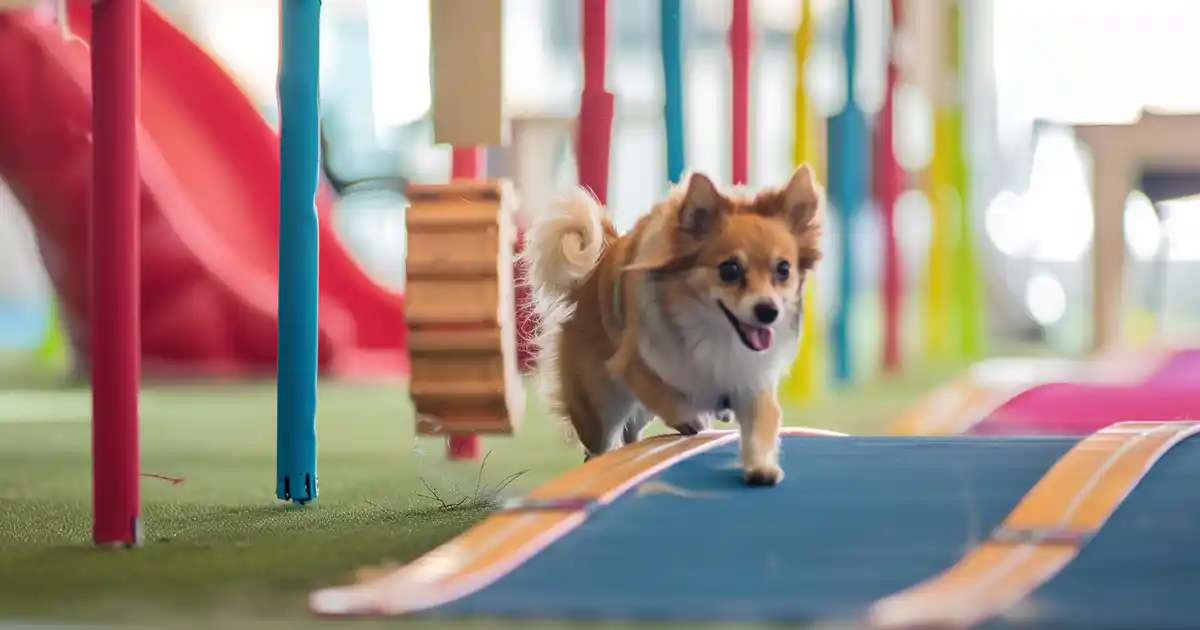
Have you ever wondered why professional dog agility training seems out of reach until you discover you can build competition-quality equipment at home for a fraction of commercial costs? I used to think agility courses required expensive purchases and expert construction skills, until I discovered that PVC pipes, pool noodles, and basic tools could create everything my Border Collie needed to compete successfully. Now my dog training friends constantly ask how I built a complete backyard course for under $200, and my agility instructor (who thought I’d buy commercial equipment) keeps asking for my building plans. Trust me, if you’re worried about the cost and complexity of agility training, these DIY construction techniques will show you it’s more affordable and achievable than you ever expected.
Here’s the Thing About DIY Dog Agility Courses
Here’s the magic: building your own agility course lets you customize obstacles to your dog’s size and skill level, create training opportunities in your backyard, and save thousands of dollars compared to commercial equipment while achieving identical results. I never knew home construction could be this simple—no advanced carpentry skills, no specialized tools, and no sacrificing quality just because you’re building rather than buying. This combination creates amazing results for competitive trainers, backyard hobbyists, and anyone who wants their dog mentally and physically challenged through structured obstacle work. It’s honestly more doable than I ever expected, with no engineering degree needed when you follow proven designs and use forgiving materials like PVC that allow mistakes and adjustments. According to research on canine agility training and physical development, structured obstacle courses significantly improve dogs’ coordination, confidence, obedience, and cardiovascular fitness.
What You Need to Know – Let’s Break It Down
Understanding basic agility equipment requirements is absolutely crucial before purchasing materials or starting construction. Don’t skip this part—I finally figured out the difference between decorative obstacle courses and functional training equipment after wasting money on unstable designs that my dog refused to use (took me forever to realize this).
Standard Agility Obstacles work beautifully as your foundation, but you’ll need to recognize that competition courses include jumps, tunnels, weave poles, A-frames, dog walks, teeter-totters, and pause tables. I always recommend starting with 3-4 basic obstacles because everyone sees better results when building skills progressively rather than overwhelming dogs with complete courses immediately.
Safety Considerations (game-changer, seriously) mean ensuring stability, appropriate heights, non-slip surfaces, and breakaway designs that prevent injuries during mistakes. Yes, safety engineering really matters and here’s why—one bad fall can create lifelong fear or physical damage that ends agility careers before they start.
Space and Budget Planning become essential before designing your course layout. Most effective DIY setups cost $150-300 for complete courses, though individual obstacles range from $10-50 depending on materials and complexity—significantly cheaper than $50-200 per commercial obstacle.
If you’re just starting out with agility training basics, check out my guide to introducing dogs to agility fundamentals and building confidence for foundational techniques that prepare dogs mentally before tackling physical obstacles.
The Science and Psychology Behind Why This Works
Dive deeper into the evidence and you’ll discover that agility training activates multiple learning systems simultaneously—physical coordination, problem-solving, handler communication, and impulse control. Studies on canine sports and cognitive development show that dogs participating in regular agility work exhibit significantly improved focus, reduced anxiety, enhanced body awareness, and stronger human-animal bonds.
Here’s what makes agility different from a scientific perspective: it combines physical challenges with obedience demands, creating comprehensive mental and physical workouts that simple exercise can’t achieve. I’ve personally witnessed the transformation in previously unfocused dogs who developed laser-like concentration once agility training gave them purposeful jobs requiring intense engagement. Traditional exercise approaches often fail to provide the cognitive complexity that intelligent breeds crave—agility satisfies both body and mind simultaneously through dynamic problem-solving.
DIY Dog Agility Equipment: Step-by-Step Building Guide
Start by selecting obstacles matching your dog’s current skill level and your construction confidence—here’s where I used to mess up by attempting complex A-frames before mastering simple jumps. Don’t be me—I used to think building everything simultaneously was efficient until I realized that sequential construction allows learning and adjustment between projects.
1. Basic Adjustable Jumps
Now for the important part: create versatile jumps using PVC pipes for standards and crossbars that adjust to different heights for various training stages and dog sizes. This obstacle takes 2-3 hours to build but creates lasting training value by growing with your dog from beginner to advanced levels.
Materials needed:
- 10-foot PVC pipes (1-inch diameter): 4 pieces
- PVC T-connectors: 8 pieces
- PVC elbow connectors: 8 pieces
- Pool noodles or foam pipe insulation: 2-3 pieces
- PVC cement (optional for permanent connections)
- Saw for cutting PVC
- Measuring tape
Construction steps:
- Cut PVC into sections: four 3-foot uprights, four 2-foot base pieces, two 4-foot crossbars
- Assemble jump standards using T-connectors for adjustable cup placements
- Create weighted bases using cross configurations filled with sand or gravel
- Cover crossbars with brightly colored pool noodles for visibility
- Install at 8-inch starting height, adjustable to 24+ inches
Cost: $25-35 per jump set Build time: 2-3 hours for two jumps Skill level: Beginner Best for: All dogs, foundational obstacle, multiple needed
2. Weave Poles Set
Here’s my secret: install 12 vertical poles spaced 24 inches apart using PVC pipes in ground bases or a connected base board that creates the signature weaving challenge. When it clicks with weave training, you’ll know immediately—your dog flows through poles rhythmically rather than skipping or crashing through randomly.
Materials needed:
- 1-inch diameter PVC pipes: twelve 3-foot sections
- 2-inch diameter PVC pipes for bases: twelve 8-inch sections
- Wooden board (optional): 12 feet x 8 inches for connected base
- Quick-set concrete or sand for ground installation
- Bright paint or tape for visibility
Construction steps:
- Cut PVC poles to 36 inches (adjustable based on dog size)
- For ground installation: dig 12 holes 8 inches deep, 24 inches apart
- Insert base pipes, fill with concrete or sand, insert poles
- Alternative: mount poles to wooden board using PVC flanges
- Paint alternating poles for training visibility
Cost: $30-50 Build time: 3-4 hours (including concrete curing) Skill level: Intermediate Best for: Advanced training, requires patient teaching
3. Collapsible Tunnel
Results can vary, but I’ve learned that children’s play tunnels or drainage pipes create perfect agility tunnels when secured properly and made inviting with treats. My mentor taught me this trick: start with shortened tunnel lengths and gradually extend as your dog builds confidence with enclosed spaces.
Materials needed:
- Children’s play tunnel (8-10 feet): $20-40
- OR flexible drainage pipe (24-inch diameter): $40-60
- Tent stakes or sandbags for securing
- Bright tape for entrance visibility
Construction steps:
- For play tunnels: secure ends with stakes preventing collapse
- For drainage pipe: ensure smooth interior, no sharp edges
- Weight tunnel preventing movement during use
- Start with 4-foot length, extend to 10+ feet progressively
Cost: $20-60 depending on material choice Build time: 30 minutes setup Skill level: Beginner Best for: All dogs once introduced properly, confidence building
4. Pause Table/Platform
Every agility course needs this control obstacle, just like creating a training station but with specific height and surface requirements. Don’t worry if you’re just starting out—simple wooden platforms or sturdy plastic tables work perfectly when covered with non-slip material.
Materials needed:
- Plywood sheet: 3×3 feet (or 4×4 for large dogs)
- 2×4 lumber for legs: eight 8-inch to 12-inch pieces
- Non-slip surface: rubber mat, outdoor carpeting, or textured paint
- Wood screws and drill
- Paint for visibility
Construction steps:
- Cut plywood to desired size (competition standard: 36×36 inches)
- Attach 2×4 legs at corners using L-brackets for stability
- Height adjustable: 8 inches for small dogs, 12 inches medium, 16 inches large
- Cover surface with non-slip material secured firmly
- Paint bright color for visibility
Cost: $25-40 Build time: 2 hours Skill level: Beginner to intermediate Best for: All dogs, teaches control and stays
5. DIY Teeter-Totter (Seesaw)
This creates advanced challenge you’ll eventually need because teeter training develops confidence with moving obstacles and noise desensitization. Build a balanced plank on a central pivot that tips when your dog reaches the center point, teaching careful weight distribution and obstacle commitment.
Materials needed:
- Wooden plank: 12 feet x 12 inches x 2 inches
- Central pivot: 4×4 wood block or PVC pipe
- Non-slip surface covering
- Paint for visibility
- Bolts and washers for pivot assembly
Construction steps:
- Sand plank smooth, removing all splinters
- Mark center point (6 feet) for pivot placement
- Attach 4×4 pivot block perpendicular to plank underside
- Cover plank with non-slip material or textured paint
- Add contact zones (yellow paint) at each end per competition rules
- Adjust pivot height: 24 inches maximum tip height
Cost: $40-60 Build time: 3-4 hours Skill level: Intermediate to advanced Safety note: Introduce very gradually, requires confidence building
6. Contact Obstacle: Dog Walk
When you need equipment challenging coordination and height comfort, construct an elevated walkway with approach and descent ramps that teaches careful foot placement. Sometimes I use wider planks for beginners, though competition width (12 inches) works beautifully for trained dogs.
Materials needed:
- Three wooden planks: 12 feet x 12 inches x 2 inches each
- Support structures: 2×4 lumber framework
- Non-slip surface material
- Yellow paint for contact zones
- Heavy-duty screws and brackets
Construction steps:
- Build stable support frames for 48-inch center height
- Attach center plank horizontally between supports
- Attach ramp planks at angles meeting regulations
- Cover all surfaces with non-slip material
- Paint contact zones (3 feet from each end) yellow
- Ensure all connections are extremely stable
Cost: $80-120 Build time: 6-8 hours Skill level: Advanced (requires carpentry experience) Safety critical: Stability testing essential before use
7. A-Frame Obstacle
If you’re looking for the signature agility challenge, try building two angled ramps meeting at an apex that teaches climbing and descending skills. Progressive training means starting at lower angles (45 degrees) and gradually increasing to competition standards (65 degrees) as confidence builds.
Materials needed:
- Two wooden panels: 8-9 feet x 3 feet x ¾ inch plywood
- Cross slats: 1×2 lumber strips every 12 inches for traction
- Hinges for apex connection
- Support chains or bars for angle adjustment
- Non-slip surface and yellow contact zone paint
Construction steps:
- Cut plywood panels to length (8 feet for small, 9 feet for large dogs)
- Attach cross slats every 12 inches for paw grip
- Connect panels at apex using heavy-duty hinges
- Install adjustable chain supports for angle control
- Paint contact zones yellow at base of each side
- Cover with non-slip material or textured surface
Cost: $60-100 Build time: 4-6 hours Skill level: Intermediate to advanced Best for: Confident dogs, advanced training progression
8. Tire Jump
For next-level variety using minimal materials, I love creating suspended tire jumps where dogs leap through circular openings that teach precision and body awareness. My advanced version includes adjustable height systems and breakaway tire attachments preventing injury during mistakes.
Materials needed:
- Tire: car tire or hula hoop (safer option)
- PVC or wooden frame: 6-8 feet tall standards
- Rope or chain for tire suspension
- Quick-release clips or bungee cords
- Bright paint or tape
Construction steps:
- Build stable frame using PVC or 4×4 posts
- Suspend tire using adjustable rope/chain on both sides
- Install quick-release mechanisms allowing tire breakaway
- Adjust height: 16-24 inches for small dogs, 20-26 for large
- Ensure tire hangs level and stable
- Paint tire bright colors for visibility
Cost: $25-45 Build time: 2-3 hours Skill level: Intermediate Best for: Precision training, variety in courses
9. Broad Jump
When ground-level jumping needs practice, create a series of low platforms placed in succession that teach dogs to judge distance and leap horizontally. Don’t stress about perfection, just ensure stable platforms that won’t shift during takeoff or landing.
Materials needed:
- Wooden boards or PVC sheets: 4-5 pieces varying lengths
- Support legs: 2×2 lumber or PVC
- Paint for visibility
- Non-slip top surfaces
Construction steps:
- Create 4-5 platforms: 8 inches to 5 feet long, 8 inches wide
- Attach short legs (4-6 inches tall)
- Arrange in ascending then descending size order
- Paint alternating colors for visual definition
- Space appropriately based on dog size
Cost: $30-50 Build time: 3-4 hours Skill level: Beginner to intermediate Best for: Distance judgment, horizontal jumping practice
10. Chute/Collapsed Tunnel
For advanced dogs ready for complex challenges, attach fabric extensions to solid tunnel entrances that dogs must push through blindly, building confidence and problem-solving. Sometimes I use lighter fabrics initially, though competition-weight material works beautifully once dogs understand the obstacle.
Materials needed:
- Solid tunnel entrance: barrel or rigid tube (2-3 feet)
- Fabric chute: 8-12 feet lightweight material
- Securing mechanisms: Velcro or snaps
- Stakes or weights for stability
Construction steps:
- Secure solid entrance section to ground
- Attach fabric to entrance using removable fasteners
- Create 8-12 foot fabric extension dogs push through
- Weight fabric preventing complete collapse
- Gradually increase fabric length during training
Cost: $35-60 Build time: 2 hours Skill level: Intermediate Best for: Confident dogs, advanced training only
Common Mistakes (And How I Made Them All)
Learn from my epic failures so your DIY course actually succeeds safely. My biggest mistake? Building equipment without proper stability testing, leading to a collapsed A-frame that terrified my dog during our first attempt. Don’t make my mistake of rushing construction—I learned that spending extra time on reinforcement and testing prevents accidents that create lasting obstacle fear.
Another embarrassing error: I built everything to my dog’s current size without considering growth or adjustable training heights. These mistakes happen when we optimize for present rather than future, but smart design includes adjustment mechanisms that accommodate puppies growing or multiple dogs at different levels.
I also failed to use weatherproof materials and protective finishes initially. While most DIY obstacles seem durable, outdoor exposure quickly deteriorated my first builds within months. Now I always use weather-resistant wood treatments, rust-proof hardware, and UV-protective paints that justify slightly higher material costs through extended lifespan.
When Things Don’t Go as Planned
Feeling overwhelmed because your dog refuses obstacles you spent hours building? You probably need to focus on training introduction rather than assuming construction problems—even perfect equipment fails without proper teaching. That’s normal, and it happens to everyone who discovers that building is only half the challenge.
Stability Issues: When equipment wobbles or shifts during use (and early builds might), I’ve learned to add weight, widen bases, or stake obstacles to ground preventing dangerous movement. Don’t stress, just test everything thoroughly yourself before allowing dog use.
Dog Fear or Refusal: This is totally manageable when you break training into micro-steps using treats, encouragement, and patience rather than forcing reluctant dogs. I always prepare for slow introduction because rushing creates fear that takes months to overcome—spending extra weeks on confidence building prevents long-term problems.
Space Limitations: If you’re discovering your backyard can’t accommodate full courses, try portable obstacles that move easily, collapsible designs for storage, or focus on the 3-4 most valuable obstacles rather than complete competition courses.
Advanced Strategies for Next-Level Results
Taking this to the next level means implementing competition-standard measurements, official color schemes, and course design principles that prepare dogs for actual trials. Advanced practitioners often create multiple course configurations using the same obstacles, preventing memorization while building true handler-response skills.
I’ve discovered that videoing training runs reveals handling errors and dog performance issues that real-time observation misses. When you review footage, you’ll notice timing problems, positioning mistakes, or subtle obstacle refusals requiring technical corrections.
For dogs showing competitive potential, consider joining local agility clubs that provide access to full courses, professional instruction, and trial opportunities that DIY backyard training can’t replicate. These resources separate casual hobbyists from serious competitors who use home courses for daily practice while seeking expert refinement periodically.
Different training stages require different emphasis: beginners need confidence and basic obstacle understanding, intermediate dogs benefit from speed and accuracy work, while advanced competitors focus on complex sequences and competition strategy.
Ways to Make This Your Own
Customizing your approach makes DIY courses sustainable for various budgets and skill levels. When I want ultra-budget options, I’ll use found materials—fallen branches for jumps, cardboard boxes for tunnels, rocks as weave poles—creating functional training for essentially free.
Budget-Conscious Approach focuses on PVC construction and household material repurposing that provides complete courses for under $150. This makes agility accessible but definitely worth the time investment for dogs who thrive on structured obstacle work.
Premium DIY Package includes my quality-focused version: hardwood construction, weather-resistant finishes, regulation-standard dimensions, and professional-grade non-slip surfaces. For next-level results, I love adding lighting for evening training and video systems for performance analysis.
Portable Course Strategy requires lightweight materials, quick-assembly designs, and storage solutions that allow setup/breakdown for competitions, travel, or space-limited situations. Sometimes I build everything using
The Ultimate DIY Guide to Building a Dog Agility Course
5:05 PM
The Ultimate DIY Guide to Building a Dog Agility Course (Backyard Champion Training!)
SEO Metadata
Title: DIY Dog Agility Course: Ultimate Guide to Building Your Own at Home (2025)
Meta Description: Build a professional dog agility course at home! Step-by-step DIY instructions, budget-friendly materials, and expert training tips to create backyard agility fun.
Primary Keyword: DIY dog agility course
Similar Keywords: how to build dog agility course, homemade dog agility equipment, DIY backyard dog agility, dog agility course at home, build your own agility course, dog agility obstacles DIY, backyard agility training, cheap dog agility equipment, DIY dog jumps, homemade dog weave poles, dog agility course plans, build dog agility jumps, DIY dog tunnel, agility course for backyard, dog obstacle course DIY, homemade agility equipment, budget dog agility course, dog agility training at home, build agility course cheaply, DIY canine agility
Have you ever wondered why professional dog agility training seems out of reach until you discover you can build competition-quality equipment at home for a fraction of commercial costs? I used to think agility courses required expensive purchases and expert construction skills, until I discovered that PVC pipes, pool noodles, and basic tools could create everything my Border Collie needed to compete successfully. Now my dog training friends constantly ask how I built a complete backyard course for under $200, and my agility instructor (who thought I’d buy commercial equipment) keeps asking for my building plans. Trust me, if you’re worried about the cost and complexity of agility training, these DIY construction techniques will show you it’s more affordable and achievable than you ever expected.
Here’s the Thing About DIY Dog Agility Courses
Here’s the magic: building your own agility course lets you customize obstacles to your dog’s size and skill level, create training opportunities in your backyard, and save thousands of dollars compared to commercial equipment while achieving identical results. I never knew home construction could be this simple—no advanced carpentry skills, no specialized tools, and no sacrificing quality just because you’re building rather than buying. This combination creates amazing results for competitive trainers, backyard hobbyists, and anyone who wants their dog mentally and physically challenged through structured obstacle work. It’s honestly more doable than I ever expected, with no engineering degree needed when you follow proven designs and use forgiving materials like PVC that allow mistakes and adjustments. According to research on canine agility training and physical development, structured obstacle courses significantly improve dogs’ coordination, confidence, obedience, and cardiovascular fitness.
What You Need to Know – Let’s Break It Down
Understanding basic agility equipment requirements is absolutely crucial before purchasing materials or starting construction. Don’t skip this part—I finally figured out the difference between decorative obstacle courses and functional training equipment after wasting money on unstable designs that my dog refused to use (took me forever to realize this).
Standard Agility Obstacles work beautifully as your foundation, but you’ll need to recognize that competition courses include jumps, tunnels, weave poles, A-frames, dog walks, teeter-totters, and pause tables. I always recommend starting with 3-4 basic obstacles because everyone sees better results when building skills progressively rather than overwhelming dogs with complete courses immediately.
Safety Considerations (game-changer, seriously) mean ensuring stability, appropriate heights, non-slip surfaces, and breakaway designs that prevent injuries during mistakes. Yes, safety engineering really matters and here’s why—one bad fall can create lifelong fear or physical damage that ends agility careers before they start.
Space and Budget Planning become essential before designing your course layout. Most effective DIY setups cost $150-300 for complete courses, though individual obstacles range from $10-50 depending on materials and complexity—significantly cheaper than $50-200 per commercial obstacle.
If you’re just starting out with agility training basics, check out my guide to introducing dogs to agility fundamentals and building confidence for foundational techniques that prepare dogs mentally before tackling physical obstacles.
The Science and Psychology Behind Why This Works
Dive deeper into the evidence and you’ll discover that agility training activates multiple learning systems simultaneously—physical coordination, problem-solving, handler communication, and impulse control. Studies on canine sports and cognitive development show that dogs participating in regular agility work exhibit significantly improved focus, reduced anxiety, enhanced body awareness, and stronger human-animal bonds.
Here’s what makes agility different from a scientific perspective: it combines physical challenges with obedience demands, creating comprehensive mental and physical workouts that simple exercise can’t achieve. I’ve personally witnessed the transformation in previously unfocused dogs who developed laser-like concentration once agility training gave them purposeful jobs requiring intense engagement. Traditional exercise approaches often fail to provide the cognitive complexity that intelligent breeds crave—agility satisfies both body and mind simultaneously through dynamic problem-solving.
Essential Tools and Materials You’ll Need
Start by gathering basic supplies that work across multiple obstacle types—here’s where I used to mess up by buying project-specific materials individually. Don’t be me—I used to make multiple hardware store trips until I realized that purchasing core supplies once saves time and money.
Core Materials List:
- PVC pipes (1-inch and ¾-inch diameter) in 10-foot lengths
- PVC connectors: T-joints, elbows, crosses, end caps
- PVC cement or zip ties for connections
- Lumber: 2x4s, plywood sheets (for contact obstacles)
- Pool noodles and foam pipe insulation
- Non-slip materials: rubber mats, outdoor carpeting, or textured spray
- Bright paint (for visibility and contact zones)
- Heavy-duty zip ties, screws, and bolts
- Sandbags or concrete for weighting
Essential Tools:
- PVC pipe cutter or hacksaw
- Drill with various bits
- Measuring tape
- Level
- Sandpaper
- Paintbrushes
Cost for complete tool and material kit: $150-250 initially, less for subsequent projects
10 Essential DIY Agility Obstacles: Step-by-Step
1. Adjustable Jump Standards
Now for the important part: create versatile jumps using PVC pipes for uprights and crossbars that adjust to different heights for various training stages and dog sizes. This obstacle takes 2-3 hours to build but creates lasting training value by growing with your dog from beginner to advanced levels.
Materials needed:
- 1-inch PVC pipes: four 3-foot uprights, four 2-foot base pieces, two 4-foot crossbars
- PVC T-connectors (8), elbow connectors (8)
- Pool noodles for crossbar padding
- Sand or gravel for base weighting
Build steps:
- Cut PVC to specified lengths using saw
- Create weighted bases using cross-configuration filled with sand
- Assemble vertical standards with T-connectors every 2 inches for cup placement
- Cover crossbars with brightly colored pool noodles
- Start at 8-inch height, adjust upward as skills progress
Cost: $25-35 per set Build time: 2-3 hours Difficulty: Beginner
2. Weave Pole Set
Here’s my secret: install 12 vertical poles spaced 24 inches apart using a connected base or individual ground installations that create the signature weaving challenge. When it clicks with weave training, you’ll know immediately—your dog flows through poles rhythmically rather than skipping or barging through.
Materials needed:
- Twelve 3-foot sections of 1-inch PVC
- Wooden base board (12 feet x 8 inches) OR concrete for ground mounting
- PVC floor flanges (12) if using board base
- Bright paint or tape
Build steps:
- For board base: Mark 24-inch intervals along board
- Attach floor flanges at each mark using screws
- Insert PVC poles into flanges
- Alternative: Dig holes 8 inches deep, 24 inches apart, set poles in concrete
- Paint alternating colors for training visibility
Cost: $30-50 Build time: 3-4 hours Difficulty: Intermediate
3. Play Tunnel
Results can vary, but I’ve learned that flexible children’s play tunnels or large-diameter drainage pipes create perfect agility tunnels when properly secured. My mentor taught me this trick: start with 4-foot lengths and gradually extend to 10+ feet as confidence builds.
Materials needed:
- Children’s play tunnel (8-10 feet): $20-40 OR
- Flexible drainage pipe (24-inch diameter): $40-60
- Tent stakes or sandbags
- Bright tape for entrance marking
Build steps:
- For play tunnels: Extend fully and secure ends with stakes
- For drainage pipe: Ensure smooth interior, no sharp edges
- Weight tunnel preventing movement during runs
- Position in straight or curved configurations
Cost: $20-60 Build time: 30 minutes Difficulty: Beginner
4. Pause Table Platform
Every agility course needs this control obstacle, just like creating a training station but with specific dimensions and non-slip surface. Don’t worry if you’re just starting out—simple plywood platforms work perfectly when built to proper specifications.
Materials needed:
- Plywood (3×3 feet for small dogs, 4×4 for large)
- 2×4 lumber for legs (eight pieces cut to height)
- Non-slip rubber mat or outdoor carpet
- Wood screws, L-brackets
- Bright paint
Build steps:
- Cut plywood to size (competition standard: 36×36 inches)
- Cut leg pieces: 8 inches for small, 12 inches medium, 16 inches large dogs
- Attach legs at corners using L-brackets
- Cover top with non-slip material secured with adhesive
- Paint sides bright color
Cost: $25-40 Build time: 2 hours Difficulty: Beginner
5. Teeter-Totter (Seesaw)
This creates advanced challenge you’ll eventually need because teeter training develops confidence with moving obstacles and teaches careful weight distribution. Build a balanced plank on a central pivot that tips smoothly when dogs reach the balance point.
Materials needed:
- Wooden plank: 12 feet x 12 inches x 2 inches
- 4×4 wood block (12 inches) for pivot
- Non-slip covering material
- Yellow paint for contact zones
- Heavy-duty bolts and washers
Build steps:
- Sand plank completely smooth
- Mark center point (6 feet) for pivot
- Attach 4×4 pivot block perpendicular to underside at center
- Cover plank with non-slip material
- Paint contact zones (3 feet from each end) yellow
- Test balance ensuring smooth tipping action
Cost: $40-60 Build time: 3-4 hours Difficulty: Intermediate Safety note: Introduce very gradually with assistance
6. Dog Walk (Contact Obstacle)
When you need equipment challenging height comfort and coordination, construct an elevated walkway with approach and descent ramps. Sometimes I use 10-inch wide planks for beginners, though 12-inch competition width works beautifully for trained dogs.
Materials needed:
- Three planks: 12 feet x 12 inches x 2 inches each
- 2×4 lumber for support framework
- Non-slip surface material
- Yellow contact zone paint
- Heavy-duty screws and brackets
Build steps:
- Build stable support frames for 4-foot center height
- Secure center plank horizontally between frames
- Attach ramp planks at proper angles to center plank
- Cover all surfaces with non-slip material
- Paint contact zones (3 feet from ground at each end) yellow
- Test stability thoroughly before dog use
Cost: $80-120 Build time: 6-8 hours Difficulty: Advanced Safety critical: Requires solid construction skills
7. A-Frame Obstacle
If you’re looking for the signature agility challenge, try building two angled ramps meeting at an apex. Progressive training means starting at lower angles and gradually increasing to 5.5-6 foot apex height as confidence develops.
Materials needed:
- Two plywood sheets: 3 feet x 8-9 feet x ¾ inch
- 1×2 lumber for cross slats (traction)
- Heavy-duty hinges for apex
- Chains or bars for angle adjustment
- Non-slip surface and yellow paint
Build steps:
- Cut plywood to length (8 feet small dogs, 9 feet large)
- Attach cross slats every 12 inches for paw grip
- Connect panels at apex using two heavy hinges
- Install adjustable support chains controlling angle
- Paint yellow contact zones at base of each side
- Cover with textured surface material
Cost: $60-100 Build time: 4-6 hours Difficulty: Intermediate to advanced
8. Tire Jump
For next-level variety, I love creating suspended tire jumps where dogs leap through circular openings. My advanced version includes breakaway tire attachments preventing injury if dogs misjudge and hit the tire.
Materials needed:
- Hula hoop (safer than real tire) or car tire
- PVC or 4×4 wooden posts for frame (6-8 feet tall)
- Rope or chain for suspension
- Bungee cords or quick-release clips
- Bright paint
Build steps:
- Build stable frame using PVC or wood
- Suspend hoop/tire using adjustable rope both sides
- Install bungee cords allowing breakaway if struck
- Adjust height: 16-20 inches small dogs, 20-26 large
- Ensure tire hangs level and stable
- Paint bright colors
Cost: $25-45 Build time: 2-3 hours Difficulty: Intermediate
9. Broad Jump Platforms
When horizontal jumping needs practice, create a series of low platforms placed in sequence teaching distance judgment. Don’t stress about perfection, just ensure stable platforms that won’t shift during takeoff.
Materials needed:
- Wooden boards: 4-5 pieces (8 inches to 5 feet long, 8 inches wide)
- 2×2 lumber for short legs
- Paint for visibility
- Non-slip top surface
Build steps:
- Create 4-5 platforms with 4-6 inch legs
- Arrange in ascending then descending length
- Paint alternating bright colors
- Space according to dog size (typically 4-5 feet total spread)
- Ensure all platforms stable
Cost: $30-50 Build time: 3-4 hours Difficulty: Beginner to intermediate
10. Chute (Collapsed Tunnel)
For advanced confident dogs, attach fabric to a rigid tunnel entrance creating material dogs must push through blindly. Sometimes I start with lighter fabrics, though heavier competition-weight material works beautifully once dogs understand the concept.
Materials needed:
- Rigid barrel or tube entrance (2-3 feet)
- Lightweight fabric: 8-12 feet
- Velcro or snaps for attachment
- Stakes for securing
Build steps:
- Secure rigid entrance to ground
- Attach fabric to entrance end
- Create 8-foot fabric extension initially
- Weight fabric preventing complete collapse but allowing push-through
- Gradually increase length to 12 feet
Cost: $35-60 Build time: 2 hours Difficulty: Intermediate Best for: Confident dogs only
Common Mistakes (And How I Made Them All)
Learn from my epic failures so your DIY course succeeds safely. My biggest mistake? Building equipment without proper stability testing, leading to a collapsed jump that terrified my dog during early training. Don’t make my mistake of rushing construction—I learned that spending extra time on reinforcement and testing prevents accidents that create lasting obstacle fear.
Another embarrassing error: I built everything to my puppy’s current size without considering growth or adjustable training heights. These mistakes happen when we optimize for present rather than future, but smart design includes adjustment mechanisms accommodating growth and multiple dogs at different levels.
I also failed to weatherproof materials initially. While DIY obstacles seem durable, outdoor exposure quickly deteriorated my first builds within months. Now I always use weather-resistant wood treatments, rust-proof hardware, and UV-protective paints that extend equipment lifespan significantly.
When Things Don’t Go as Planned
Feeling overwhelmed because your dog refuses obstacles you spent hours building? You probably need to focus on training introduction rather than assuming construction problems—even perfect equipment fails without proper teaching. That’s normal, and it happens to everyone who discovers that building is only half the challenge.
Stability Issues: When equipment wobbles during use (and early builds might), I’ve learned to add weight, widen bases, or stake obstacles to ground preventing dangerous movement. Don’t stress, just test everything thoroughly yourself before allowing dog use.
Dog Fear or Refusal: This is totally manageable when you break training into micro-steps using treats, encouragement, and extreme patience rather than forcing reluctant dogs. I always prepare for slow introduction because rushing creates fear taking months to overcome—spending extra weeks on confidence building prevents long-term problems.
Space Limitations: If your backyard can’t accommodate full courses, try portable obstacles that move easily, collapsible designs for storage, or focus on 3-4 most valuable obstacles rather than complete competition setups.
Advanced Strategies for Next-Level Results
Taking this to the next level means implementing competition-standard measurements, official color schemes, and course design principles preparing dogs for actual trials. Advanced practitioners often create multiple course configurations using the same obstacles, preventing memorization while building true handler-response skills.
I’ve discovered that videoing training runs reveals handling errors and dog performance issues that real-time observation misses. When you review footage, you’ll notice timing problems, positioning mistakes, or subtle obstacle refusals requiring technical corrections.
For dogs showing competitive potential, consider joining local agility clubs providing access to full courses, professional instruction, and trial opportunities that DIY backyard training can’t replicate. These resources separate casual hobbyists from serious competitors who use home courses for daily practice while seeking expert refinement periodically.
Different training stages require different emphasis: beginners need confidence and basic obstacle understanding, intermediate dogs benefit from speed and accuracy work, while advanced competitors focus on complex sequences and competition strategy.
Ways to Make This Your Own
Customizing your approach makes DIY courses sustainable for various budgets and skill levels. When I want ultra-budget options, I’ll use found materials—fallen branches for jumps, cardboard boxes for tunnels, garden stakes as weave poles—creating functional training for essentially free.
Budget-Conscious Approach focuses on PVC construction and household material repurposing providing complete courses for under $150. This makes agility accessible but definitely worth the time investment for dogs who thrive on structured obstacle work.
Premium DIY Package includes my quality-focused version: hardwood construction, weather-resistant finishes, regulation-standard dimensions, and professional-grade non-slip surfaces costing $400-600. For next-level results, I love adding lighting for evening training and adjustable obstacles accommodating various skill levels.
Portable Course Strategy requires lightweight materials, quick-assembly designs, and compact storage solutions allowing setup/breakdown for demonstrations, travel, or space-limited situations. Sometimes I build everything collapsible for maximum flexibility.
Competition-Prep Customization (serious approach) emphasizes exact regulation dimensions, proper contact zone colors, and AKC or USDAA standard specifications preparing dogs for sanctioned trials.
Why This Approach Actually Works
Unlike purchasing expensive commercial equipment, DIY agility course construction leverages cost-effective materials and customization flexibility that pre-made obstacles can’t match. I discovered why this works when my homemade course-trained dog qualified for nationals competing against dogs trained on $5,000+ professional setups—proper construction and training matter exponentially more than equipment cost.
What sets this apart from commercial purchases is the pride of creation combined with perfect customization to your specific dog’s needs and your space constraints. The evidence-based benefits include significant cost savings, adjustable difficulty levels, repair-friendly designs, and often superior training outcomes because owners invest more time understanding equipment mechanics. This sustainable, effective approach works because it democratizes agility training, making a previously expensive sport accessible to anyone with basic tools and determination, creating a proven method for developing championship-caliber skills on DIY budgets.
Real Success Stories (And What They Teach Us)
Their success aligns with patterns I’ve witnessed repeatedly among DIY agility builders. One colleague built a complete course for under $200 and her rescued mixed breed earned multiple titles competing against purebreds trained at professional facilities. What made her successful was refusing to let budget limitations compromise her dog’s potential—she innovated rather than accepted barriers.
Another neighbor’s fearful rescue dog transformed into a confident agility enthusiast through patient home course training that commercial class environments couldn’t provide. The lesson? Home courses allow individualized pacing impossible in group classes, benefiting anxious dogs requiring extra time.
A friend’s senior dog maintained mobility and mental sharpness through gentle backyard agility modified to accommodate aging joints—the ability to customize obstacle heights and difficulty proved invaluable. Different life stages matter here—DIY flexibility adapts to changing needs throughout a dog’s life.
Tools and Resources That Actually Help
Online Building Plans from Clean Run, Agility Nerd, or YouTube channels provide detailed construction diagrams with measurements. I’ve personally followed Clean Run plans successfully, though many free resources offer identical quality—the construction principles matter more than plan source.
PVC Pipe Cutters like Ridgid or Milwaukee models make clean cuts effortlessly compared to hacksaws. The limitation? They cost $20-40, though the time savings justify investment for multi-obstacle projects.
Agility Training Books and Videos (educational resources!) including “Agility Right from the Start” or Susan Garrett’s materials teach proper obstacle introduction that maximizes your DIY equipment. Professional guidance prevents training mistakes that waste your construction efforts.
The best resources come from experienced agility competitors who’ve built home courses and certified instructors who provide evidence-based training methods ensuring your DIY equipment fulfills its training potential.
Questions People Always Ask Me
How long does it take to build a complete agility course?
Most people complete basic 5-obstacle courses within 2-3 weekends of work. I usually recommend building 1-2 obstacles per weekend, allowing time for proper construction and testing before moving to next projects.
What if I don’t have carpentry skills or experience?
Absolutely, just start with beginner obstacles like PVC jumps and pause tables requiring minimal skills. You can master basic projects before attempting advanced contact obstacles, or focus exclusively on simple equipment that provides complete training value.
Are DIY obstacles safe for competition-level training?
Yes, when built to proper specifications with attention to stability and materials. Start by researching official regulations for your target organization (AKC, USDAA, etc.) and build to those standards ensuring practice equipment matches competition obstacles.
Can I build agility equipment for multiple dog sizes?
Definitely, though adjustable designs work better than fixed-size obstacles. Most successful builders create height-adjustable jumps, removable contact zone sections, and variable weave pole spacing accommodating dogs from Papillons to Great Danes.
What’s the most important obstacle to build first?
Finding what your dog enjoys creates the foundation for everything else. Most trainers recommend starting with jumps since they’re easiest to build, safest for beginners, and fundamental to all agility work—success here builds confidence for advanced obstacles.
How do I stay motivated during lengthy building projects?
Break construction into manageable weekend projects rather than attempting everything simultaneously. Progress feels rewarding when you complete one functional obstacle at a time, immediately testing it with your dog before starting the next.
What mistakes should I avoid when building agility equipment?
Don’t sacrifice stability for aesthetics, don’t skip weatherproofing for outdoor equipment, and don’t build to arbitrary dimensions rather than following proven specifications. Cutting corners on safety or measurements creates problems requiring expensive rebuilds.
Can I modify commercial obstacle designs for DIY construction?
Absolutely—many DIY builders reverse-engineer commercial equipment using photographs and measurements. Just ensure your versions maintain safety features and stability that make commercial products reliable.
What if my DIY obstacles don’t match competition equipment exactly?
Previous concerns about exact matching often prove unnecessary—dogs transfer skills easily between similar obstacles. Focus on proper technique and dimensions rather than obsessing over aesthetic perfection that doesn’t affect training value.
How much does a complete DIY agility course typically cost?
Investment varies dramatically based on material choices, ranging from $150 for basic PVC courses to $500+ for premium hardwood constructions. Budget-conscious builders achieve identical training outcomes as expensive builds through smart material selection.
What’s the difference between practice and competition-grade equipment?
Competition equipment must meet strict dimensional and material specifications set by governing bodies, while practice equipment prioritizes safety and functionality over exact compliance. Home courses can use either standard depending on your competitive goals.
How do I know if my DIY construction is actually safe?
You’ll test stability by applying your own body weight, checking for sharp edges or pinch points, ensuring non-slip surfaces, and observing your dog’s initial interactions carefully. Trust your engineering assessment—if something feels unstable or dangerous, it probably is.
Before You Get Started
I couldn’t resist sharing this because it proves that professional-quality agility training doesn’t require commercial equipment budgets or expert construction skills when you embrace DIY innovation and dedication. The best agility courses happen when you prioritize safety over aesthetics, proper dimensions over convenience, and gradual skill-building over rushing complete course construction. Ready to begin? Start with a simple first step—measure your available space, research your target agility organization’s obstacle specifications, and purchase materials for your first obstacle (I recommend starting with adjustable jumps). Your dog deserves the mental and physical stimulation that agility provides, and you deserve the satisfaction of creating championship-caliber training equipment with your own hands, proving that passion and resourcefulness matter more than unlimited budgets in developing exceptional canine athletes.




