
Let Me Tell You Why This Works
Here’s the thing about this turkey and vegetable jerky—I was desperately searching for portable, shelf-stable treats for camping trips with my Australian Shepherd when I discovered this low-and-slow dehydration method that creates the perfect travel nutrition. I used to stress about keeping treats fresh during long outdoor adventures until I learned how to make jerky that combines complete protein with vegetables in a format that lasts for weeks without refrigeration. Now my adventure pup literally does the “hiking dance” every time she sees me spreading this mixture on dehydrating trays, and knowing I’m creating lightweight, nutrient-dense fuel for our expeditions makes this dog parent feel pretty accomplished about wilderness nutrition. Plus, watching her energy stay consistent during long hikes while enjoying these chewy strips feels like I’ve mastered outdoor feeding.
Here’s the Thing About This Dog Recipe
The secret to driving dogs wild is that lean ground turkey provides high-quality protein in concentrated form while mixed vegetables add essential vitamins and natural binding properties that create perfect jerky texture. What makes this irresistible to pups is the intensely concentrated flavor that develops during the long dehydration process, plus the satisfying chewy texture that keeps dogs engaged for extended periods. Here’s the magic—the low-temperature dehydration preserves all nutrients while removing moisture that causes spoilage, creating treats that are both shelf-stable and incredibly nutritious. It’s honestly safer than commercial jerky because you control the sodium content and know there’s no artificial preservatives or questionable meat sources.
What You’ll Need (And My Dog-Safe Shopping Tips)
Good lean ground turkey is absolutely crucial for this jerky, and I always buy the freshest, highest-quality available because jerky concentrates flavors and any off-notes become magnified during dehydration (learned this after my vet explained about protein quality in dehydrated treats). Don’t skip the vegetable preparation—I always use a food processor to ensure uniform, fine chopping that integrates perfectly with the protein.
Mixed dog-safe vegetables work beautifully, and I love using carrots for natural sweetness, green beans for fiber, and peas for additional protein (completely safe for dogs and they provide amazing nutritional variety). Good low-sodium chicken broth adds moisture and familiar flavor that helps bind everything together while enhancing the turkey taste.
Quality olive oil provides essential fats that improve texture and help with the dehydration process. I always make large batches when I’m planning outdoor adventures because homemade jerky stores so well, and my neighbor’s German Shorthaired Pointer somehow knows when I’m making these and shows up at my door ready for taste-testing. For detailed information about safe dehydration for dogs, check out the American Kennel Club’s food preservation guide.
Here’s How We Create This Dog-Approved Magic
Preheat your oven to 200°F and line a baking sheet with parchment paper—the low temperature is crucial for proper dehydration without cooking the proteins too rapidly. Here’s where I used to mess up jerky making: I’d try to rush the process with higher temperatures and end up with tough, overcooked results instead of perfect chewy texture.
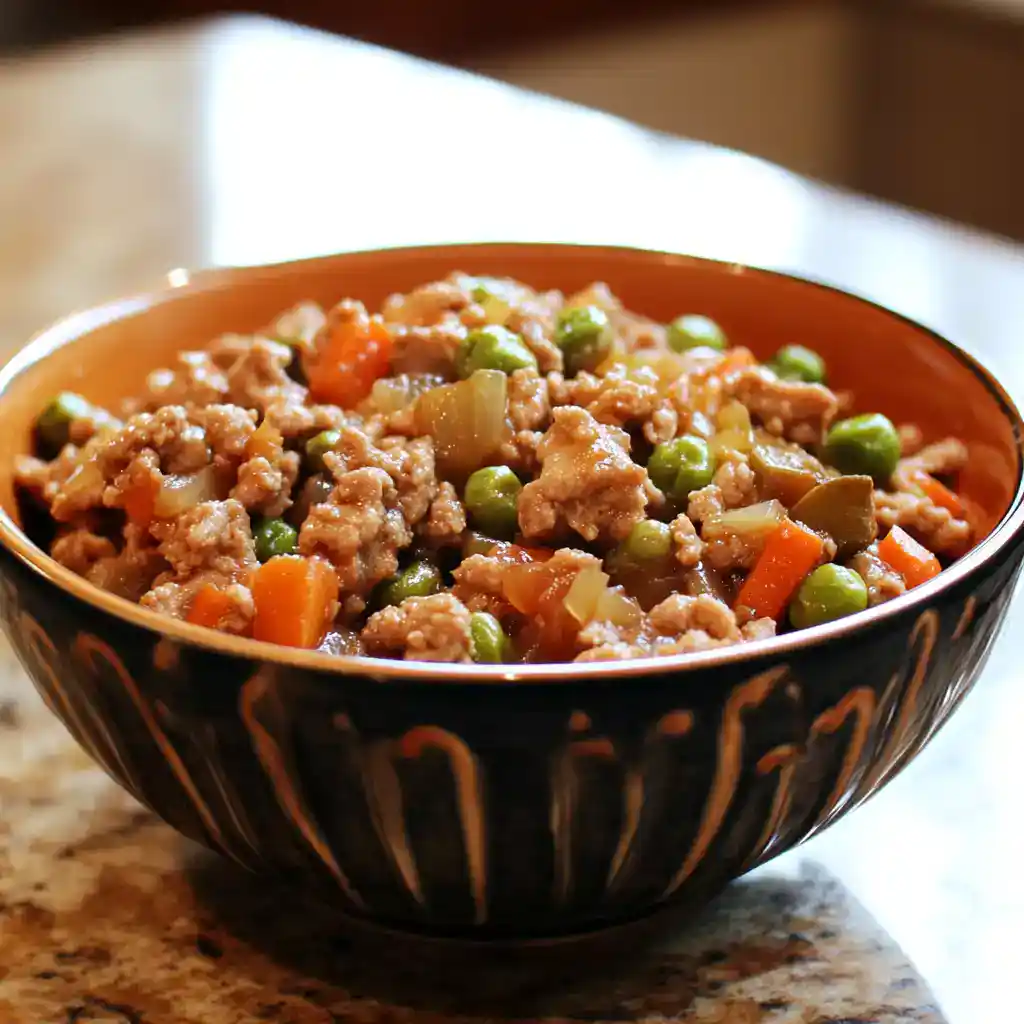
In your food processor, blend the mixed vegetables until they’re finely chopped but not pureed—you want small, uniform pieces that will integrate seamlessly with the turkey (your dog will start getting excited from the fresh, garden-like aroma as you prep). The vegetables should look like confetti-sized pieces that will distribute evenly throughout the protein.
Mix the lean ground turkey with the blended vegetables, low-sodium chicken broth, and olive oil in a large bowl until everything’s thoroughly combined. Here’s my secret for perfect turkey jerky: the mixture should be moist enough to spread but not so wet that it won’t dehydrate properly. Add more vegetables if too wet, more broth if too dry.
Spread the mixture evenly on your prepared baking sheet to about 1/4 inch thickness—don’t worry if you’re new to making jerky, just aim for uniform thickness so it dehydrates evenly. The surface should look smooth and consistent with visible vegetable flecks throughout.
Bake for 2-3 hours until the mixture is completely dried out and has that perfect jerky-like texture. My outdoor adventure friend taught me this trick: proper jerky should feel leathery but not brittle, and should bend without breaking. Always let it cool completely before cutting into strips or squares for easy serving!
For more portable treats, try our Chicken Liver Dehydrated Treats.
If This Happens, Don’t Panic
Jerky came out too tough or brittle? You probably dehydrated it too long or at too high a temperature—that’s common with lean proteins, and it happens to everyone. I’ve learned to check the texture every 30 minutes during the last hour of dehydration.
Mixture won’t spread evenly? When this happens (and it will), you either didn’t process the vegetables fine enough or the mixture is too dry. Don’t stress, just add a bit more broth gradually until it spreads smoothly. This is totally fixable with patience.
If your dog seems to find the jerky too chewy, try cutting it into smaller pieces or storing it in a slightly humid environment to soften the texture. Every dog has different preferences with jerky consistency—some love it tough, others prefer it more tender.
Ways to Mix It Up
When my endurance dog needs extra calories for ultra-long hikes, I’ll add a tiny bit more olive oil to the mixture (though that makes the jerky richer but provides concentrated energy for working dogs). For dogs with sensitive stomachs, I sometimes use chicken instead of turkey for gentler digestion during adventures.
My seasonal version includes adding different vegetables based on what’s available—sweet potatoes in fall, zucchini in summer—creating these colorful jerky strips that have my dog doing happy spins at the trailhead. Sometimes I make these extra thin for faster dehydration when I’m in a hurry to hit the trail.
The Secret Behind This Dog-Approved Recipe
This turkey and vegetable jerky combination works so well because the dehydration process concentrates all nutrients while creating the perfect portable format for active adventures. What sets this apart from other jerky recipes is using vegetables that complement the protein while adding essential vitamins and natural binding properties that create superior texture.
My personal discovery about adventure nutrition is that homemade jerky provides sustained energy and satisfaction in ways that commercial treats simply can’t match. This recipe is honestly better than expensive trail treats because you’re getting fresh ingredients with complete control over texture, flavor, and nutritional density.
Things People Ask Me About Dog Treats
How long does homemade jerky stay fresh?
This will keep at room temperature for up to 3 weeks in airtight containers, or up to 6 months in the freezer. The low moisture content naturally prevents spoilage without refrigeration.
Can I make this without a food processor?
You can chop vegetables very finely by hand, but the food processor ensures uniform size that integrates better with the turkey for optimal jerky texture.
What if I don’t have a dehydrator?
The low oven method works perfectly! Just maintain consistent low temperature and check progress regularly for the best texture results.
How thick should I spread the mixture?
About 1/4 inch thick is perfect—thinner dries faster but can become brittle, thicker takes longer and may not dehydrate evenly throughout.
Can I use different proteins?
Yes! Lean chicken, beef, or even fish work well. Just ensure the protein is lean enough to dehydrate properly without becoming greasy.
What’s the best way to store jerky for travel?
I use airtight containers or vacuum-sealed bags for camping trips. The low moisture content makes it incredibly portable and shelf-stable.
Are there vegetables I should avoid for jerky?
Stick to low-moisture vegetables like carrots, green beans, and peas. Avoid high-water content vegetables like tomatoes or cucumbers that don’t dehydrate well.
One Last Thing
I couldn’t resist sharing this turkey and vegetable jerky recipe because watching adventure dogs maintain energy and enthusiasm during long expeditions while getting concentrated nutrition is pure outdoor magic. The best dog treat days are when you can create portable nutrition that supports epic adventures while providing the sustained energy they need for peak performance. Your furry family member deserves jerky that works like wilderness fuel but tastes like gourmet adventure cuisine!
Print
Turkey and Vegetable Jerky
Description
This shelf-stable jerky combines lean turkey with nutritious vegetables for the perfect portable adventure nutrition that keeps without refrigeration.
Prep Time: 15 minutes | Dehydrate Time: 3 hours | Total Time: 3 hours 15 minutes | Makes: 20-30 strips
Ingredients
- 1 lb lean ground turkey (concentrated protein for sustained energy)
- 1 cup mixed dog-safe vegetables (carrots, green beans, peas – vitamins and natural binding)
- 2 tbsp low-sodium chicken broth (moisture and flavor enhancement)
- 1 tsp olive oil (healthy fats and dehydration assistance)
Instructions
- Preheat oven to 200°F and line baking sheet with parchment paper—low temperature is crucial for proper dehydration texture.
- Process mixed vegetables in food processor until finely chopped but not pureed—your dog will get excited from the fresh, adventure-prep aroma.
- Mix lean ground turkey with processed vegetables, chicken broth, and olive oil until thoroughly combined and moldable.
- Spread mixture evenly on prepared baking sheet to 1/4 inch thickness—uniform thickness ensures even dehydration throughout.
- Bake for 2-3 hours until completely dried and jerky-like—proper texture should be leathery but not brittle.
- Cool completely before cutting into strips or squares—these need proper texture development for perfect adventure fuel!
Notes:
- Maintain consistent low temperature for best texture results
- Check progress every 30 minutes during final hour of dehydration
- Proper jerky should bend without breaking when done
Storage Tips:
- Store at room temperature for up to 3 weeks in airtight containers
- Vacuum seal for maximum portability and freshness
- Freeze for up to 6 months (maintains texture perfectly)
- Perfect for camping, hiking, and travel adventures
What Makes This Recipe Special:
Low-temperature dehydration concentrates nutrients while creating shelf-stable treats that require no refrigeration. The combination of lean turkey with finely processed vegetables provides complete nutrition in the most portable format possible for active adventures.
Mix It Up (Dog-Safe Variations):
High-Energy: Add extra olive oil for concentrated calories during ultra-long adventures
Chicken Version: Substitute turkey with lean ground chicken for different flavor profile
Quick Strips: Spread thinner for faster dehydration when time is limited




