
Let Me Tell You About This Multi-Step Marvel
Ever wonder what makes a Golden Retriever completely lose his mind over homemade jerky? I discovered this incredible combination of lean turkey and vitamin-rich sweet potato that had my 8-year-old Golden Retriever Amber literally doing reverent bows when he caught the aroma of slow-cooking jerky filling our kitchen, then carrying these precious strips around like golden treasures before finally settling down to savor every fiber with pure devotion. Here’s the thing—I used to feel intimidated by complex jerky-making processes with multiple steps and long cooking times, until I realized I could create restaurant-quality treats that provide both protein and anti-inflammatory benefits while filling our home with the most amazing smells. Now these layered jerky strips are our weekend project that brings us together, with Amber serving as quality control supervisor throughout the entire multi-hour process. Plus, I love knowing he’s getting lean protein, beta-carotene, and turmeric’s anti-inflammatory compounds instead of processed jerky with questionable preservatives and artificial flavors.
Here’s the Magic Behind This Layered Recipe
Here’s what makes these irresistible to even the most discerning canine palates—lean ground turkey provides complete protein with lower fat content than beef while sweet potato delivers beta-carotene and complex carbohydrates that support sustained energy and immune function. What makes this combination create the perfect artisanal jerky experience is how the slow dehydration process concentrates flavors while the turmeric adds genuine anti-inflammatory benefits that support joint health in active and aging dogs. I never knew such methodical preparation could make Amber this excited about both the process and the results, but watching him monitor every step tells me this technique creates treats that satisfy both his taste preferences and nutritional needs. It’s honestly safer and more beneficial than any commercial jerky, because you control every ingredient and cooking stage while creating treats that actually support long-term health.
Gathering Your Multi-Step Ingredients (Quality Matters!)
High-quality lean ground turkey is absolutely crucial for both safety and optimal protein content—choose organic, free-range when possible because it has better flavor concentration and cleaner nutrient profiles that dogs can really appreciate. Look for ground turkey that’s bright pink with no off odors, and always buy from reputable sources that understand food safety (learned this after cheaper turkey created jerky with inconsistent texture that Amber approached cautiously). I finally found a reliable butcher who grinds fresh turkey specifically for my jerky projects and even provides preparation advice.
Fresh sweet potatoes add essential nutrients and natural sweetness that balances the savory turkey while contributing fiber and beta-carotene for immune support. Choose sweet potatoes that feel firm and heavy with smooth skin—avoid any with soft spots or sprouting that might indicate aging (completely safe for dogs and naturally appealing). I always buy extra because the slicing process requires uniform pieces and some always end up as “quality control” samples for Amber.
Quality olive oil helps with seasoning adherence and contributes healthy fats that support coat health while ensuring even coating of the beneficial spices. Extra virgin olive oil works beautifully for this artisanal recipe, though regular olive oil is perfectly acceptable (way more beneficial than processed oils). A little goes a long way, so don’t overdo it—just enough to help seasonings stick properly.
Dried parsley provides natural vitamins and breath-freshening benefits while adding appealing color contrast to the finished jerky strips. Choose organic dried parsley when possible for maximum potency, though regular dried parsley works perfectly for this recipe (completely safe for dogs and naturally beneficial). Fresh parsley works too, but dried creates better texture in the final jerky.
Ground turmeric adds powerful anti-inflammatory compounds that support joint health and overall wellness, especially important for senior dogs who benefit from natural inflammation management. Choose high-quality turmeric with vibrant color and strong aroma—organic when possible for maximum curcumin content (completely safe for dogs in these small amounts). Start with less if your dog hasn’t tried turmeric before, as some need gradual introduction to new spices.
For more information on safe spices and preparation methods for dogs, check out the American Kennel Club’s guide to cooking for dogs.
Here’s How We Create This Artisanal Magic
Preheat your oven to 200°F and line a large baking sheet with parchment paper for easy cleanup and even heat distribution during the long, slow cooking process. Here’s where I used to mess up jerky making—I thought higher temperatures would work faster, but low heat is essential for proper dehydration without overcooking.
Start by preparing your sweet potato slices because uniform thickness is crucial for even cooking and consistent final texture. Peel your sweet potato completely and slice into thin, uniform pieces about 1/8 inch thick for optimal dehydration results.
In a mixing bowl, toss sweet potato slices with olive oil, dried parsley, and turmeric until every piece is evenly coated with the beneficial seasonings. Now for the first phase (Amber will start doing his jerky-supervision dance at this point)—the coating should be light but thorough, creating appealing color and ensuring even seasoning distribution.
Arrange seasoned sweet potato slices on your prepared baking sheet in a single layer with no overlapping to ensure proper air circulation during the initial baking phase. I’ve learned that overcrowding creates uneven cooking and some pieces being perfectly done while others remain underdone.
Bake for 2 hours until sweet potato slices are partially dehydrated but still pliable enough to support the turkey layer. Multi-step jerky requires patience at each phase, so resist the urge to rush even though the kitchen smells amazing.
While sweet potatoes bake, cook your ground turkey thoroughly in a skillet over medium heat, breaking it into small, uniform pieces that will distribute evenly over the sweet potato base. Make sure turkey reaches 165°F internal temperature for food safety.
Shred the cooked turkey into small pieces that will adhere well to the sweet potato slices and create the perfect protein-to-vegetable ratio in each bite. The pieces should be small enough to stay attached during the final drying phase.
Remove sweet potatoes from oven and top each slice with shredded turkey, distributing evenly for consistent flavor and nutrition in every strip. This layering technique creates visual appeal and ensures optimal protein distribution.
Return to oven for additional 1-2 hours until both layers are properly dehydrated and the jerky feels firm but still slightly pliable. Artisanal jerky can go from perfect to overcooked quickly toward the end, so check frequently during the final hour.
Cool completely before cutting into strips because proper cooling allows flavors to settle and creates the ideal chewy texture that makes these jerky strips so satisfying. Trust me on this patience—it’s worth the wait. For more artisanal dog treats, check out our gourmet jerky collection.
When Multi-Step Things Go Sideways (And They Will)
Sweet potato slices came out too crispy or turkey won’t adhere properly? You probably over-baked the initial phase or sliced too thin, and that happens when you’re learning the timing for multi-step processes. This is totally fixable—just reduce initial baking time by 15-30 minutes next batch and slice sweet potatoes slightly thicker.
Jerky seems too dry or tough for comfortable chewing? That’s common when the final drying phase goes too long, and different ovens can vary significantly in dehydration rates. When this happens (and it will), just reduce final baking time and check texture more frequently during the last hour.
Dog seems hesitant about the turmeric flavor like Amber did initially? This is normal for dogs who aren’t used to anti-inflammatory spices, and some pups need gradual introduction to new seasonings. Don’t stress, just use less turmeric next time or let dogs sample smaller pieces to build acceptance for beneficial spices.
Ways to Mix It Up
When Amber needs extra joint support during his senior years, I’ll add a tiny pinch of ginger (safe for dogs) along with the turmeric for enhanced anti-inflammatory benefits. This makes them extra special for mobility support but requires the same careful multi-step process.
For special artisanal occasions, I’ll create different shaped cuts using cookie cutters or varying the sweet potato shapes for more interesting presentation. My weekend luxury version uses duck instead of turkey for even more sophisticated flavor profiles.
Sometimes I add finely chopped fresh herbs like rosemary (safe for dogs) to the turkey layer for additional antioxidants and aromatic complexity, though that’s totally optional and depends on your dog’s appreciation for complex herbal flavors.
The Secret Behind This Artisanal-Approved Recipe
The protein and anti-inflammatory combination specifically targets multiple health systems unlike simple single-ingredient jerky—turkey provides complete amino acids for muscle maintenance while turmeric contributes curcumin compounds that support joint health and reduce inflammation. This beats commercial jerky because you’re delivering therapeutic nutrition alongside high-quality protein rather than empty calories with artificial preservatives.
What makes this artisanal technique so effective is how the layered construction creates complex flavor development while the slow dehydration process preserves nutrients and creates the kind of satisfying texture that addresses dogs’ natural need to work for their food. I discovered that Amber’s overall joint comfort and energy levels improved when I started making these regularly, probably from consistent anti-inflammatory support and high-quality protein intake.
The nutritional approach is brilliant because you’re addressing multiple wellness needs—muscle maintenance, joint health, and immune support—all through one carefully crafted treat that dogs see as artisanal rewards rather than medicine.
Things People Ask Me About Artisanal Jerky
Can puppies have these turkey sweet potato strips?
Absolutely, just cut them into much smaller pieces appropriate for puppy mouths and introduce new spices gradually to ensure developing systems can handle the anti-inflammatory compounds. I usually make puppy-sized portions and monitor for any sensitivity to turmeric.
How long do these artisanal strips stay fresh?
Most homemade jerky stays good for up to 2 weeks in the refrigerator or can be frozen for up to 3 months. I usually make monthly batches because the flavor and anti-inflammatory benefits are best when recently made with fresh ingredients.
What if my dog has never tried turmeric?
Start with much less turmeric and focus more on the familiar turkey and sweet potato flavors, then gradually increase the anti-inflammatory spice as they develop tolerance. Some dogs need several exposures to appreciate beneficial seasonings.
Can I make these jerky strips ahead of time?
That’s actually perfect for special occasion preparation—the multi-step process works well for weekend projects when you have time to monitor each phase properly. I usually make large batches during cooler weather when the oven heat is more comfortable.
How many jerky strips can I give per day?
These count as both treats and therapeutic nutrition due to the anti-inflammatory benefits, so I follow the 10% rule but also consider their joint health support. For Amber’s size, he gets 2-3 strips during normal times, more during periods when his joints need extra support.
What’s the best way to store artisanal jerky?
Store them in airtight containers in the refrigerator to maintain texture and preserve the anti-inflammatory compounds. Don’t leave them out at room temperature for more than a few hours—they’ll lose their ideal chewiness.
Are these strips safe for senior dogs?
Perfect question since Amber is 8 years old! The chewy texture is excellent for dental health while the anti-inflammatory properties become especially important as dogs age and their joints need extra support.
Before You Head to the Kitchen
I couldn’t resist sharing this recipe because watching Amber’s anticipation build throughout the entire multi-hour process—followed by his obvious reverence for these artisanal strips and the subtle improvements in his mobility and energy—reminds me that some of the best things in life require patience and multiple steps to create properly. The best artisanal days are when you can give your furry family member something that tastes like gourmet jerky but actually delivers therapeutic benefits through ingredients that support their long-term health and vitality.
Print
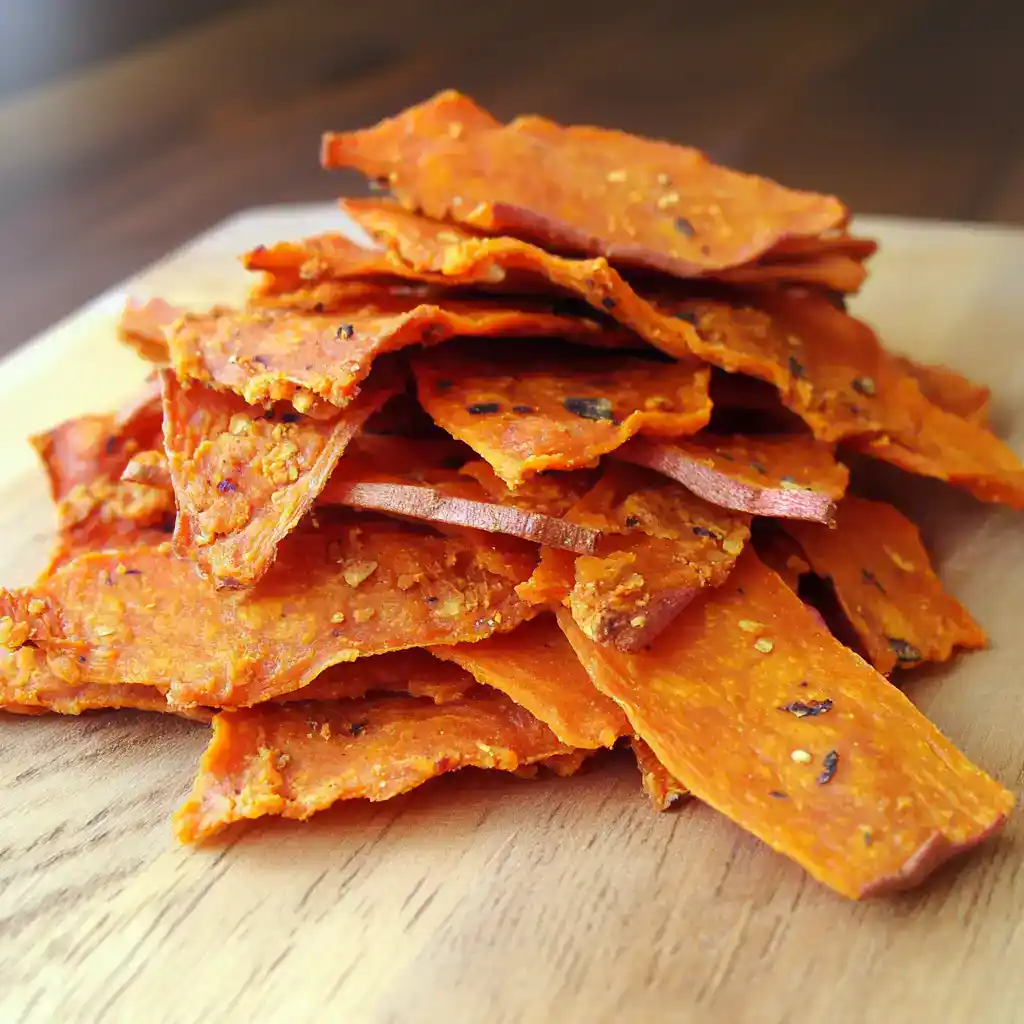
Turkey and Sweet Potato Jerky
Description
Artisanal layered jerky that combines lean protein with anti-inflammatory support—gourmet nutrition requiring patience but delivering superior results
Prep Time: 15 minutes | Cook Time: 3-4 hours | Total Time: 4 hours 15 minutes | Makes: 20-25 jerky strips
Ingredients
- 1 lb lean ground turkey (provides complete protein with lower fat content)
- 1 large sweet potato, peeled and thinly sliced (adds beta-carotene and natural sweetness)
- 1 tbsp olive oil (helps seasoning adherence and contributes healthy fats)
- 1 tsp dried parsley (provides vitamins and natural breath-freshening benefits)
- 1/2 tsp ground turmeric (adds powerful anti-inflammatory compounds for joint health)
Instructions
- Preheat oven to 200°F and line baking sheet with parchment paper for even heat distribution during the long, slow artisanal process.
- Peel and slice sweet potato into uniform thin pieces about 1/8 inch thick for optimal dehydration and consistent texture (if your dog starts getting excited at the preparation sounds, you’re creating something special).
- Toss sweet potato slices with olive oil, parsley, and turmeric until evenly coated with beneficial seasonings and appealing color.
- Arrange seasoned slices on baking sheet in single layer with no overlapping for proper air circulation during initial baking phase.
- Bake for 2 hours until sweet potatoes are partially dehydrated but still pliable enough to support turkey layer.
- Cook ground turkey thoroughly in skillet over medium heat until it reaches 165°F internal temperature, then shred into small, uniform pieces.
- Top each sweet potato slice with shredded turkey, distributing evenly for consistent protein-to-vegetable ratio in every strip.
- Return to oven for additional 1-2 hours until both layers are properly dehydrated and jerky feels firm but slightly pliable.
- Cool completely before cutting into strips to allow flavors to settle and achieve ideal chewy texture that makes these strips so satisfying.
Notes
- Always use lean ground turkey and cook to proper temperature for food safety
- Perfect for dogs needing anti-inflammatory support or high-quality protein rewards
- The multi-step process creates superior flavor development and nutrition integration
- Amber prefers these stored properly where they maintain perfect chewiness and therapeutic benefits
Storage Tips
- Store in airtight containers in the refrigerator for up to 2 weeks maximum
- Can be frozen for up to 3 months if individually wrapped for longer storage
- Don’t leave at room temperature for more than 4 hours—they’ll lose ideal texture
- Keep in cool, dry conditions to maintain anti-inflammatory compound potency
What Makes This Recipe Special
The combination of lean protein with anti-inflammatory sweet potato and turmeric creates jerky that delivers both immediate satisfaction and long-term joint health benefits. Unlike commercial jerky with artificial preservatives, this artisanal approach preserves nutrients while creating superior texture and therapeutic value.
Mix It Up (Dog-Safe Variations)
Enhanced Joint Support: Add a tiny pinch of ginger along with turmeric for additional anti-inflammatory benefits, perfect for senior dogs like my 8-year-old Amber.
Luxury Protein Version: Substitute duck for turkey to create even more sophisticated flavor profiles while maintaining excellent nutritional benefits.
Herb-Enhanced Alternative: Add finely chopped fresh rosemary to the turkey layer for additional antioxidants and aromatic complexity, ideal for dogs who appreciate gourmet flavors.




