
Here’s My Story With This Gentle Protein Winner
Let me tell you about the day my Boxer’s chronic digestive issues led me to discover these turkey and pumpkin meatballs that transformed his problematic eating into enthusiastic mealtime joy. Now he actually gets excited about food again instead of approaching his bowl with hesitation, and honestly, his digestive regularity has improved so dramatically that we haven’t had a stomach upset incident in months. Plus, the lean turkey protein has helped him maintain perfect muscle mass while the pumpkin fiber keeps everything moving smoothly through his sensitive system.
Here’s the Thing About These Digestive-Friendly Treats
The magic behind these meatballs is combining lean, easily digestible turkey with fiber-rich pumpkin in a format that’s both substantial and gentle on sensitive stomachs. What makes this irresistible to pups is how the turkey provides familiar protein satisfaction while the pumpkin adds natural sweetness and digestive support that dogs with stomach issues desperately need. The secret to driving dogs wild is using ground turkey that’s naturally lean and less likely to cause digestive upset than richer proteins, while the pumpkin acts as both a binding agent and digestive aid. It’s honestly safer than commercial digestive treats because you control every ingredient and avoid artificial additives that could trigger sensitivities.
What You’ll Need (And My Sensitive Stomach Shopping Tips)
Fresh ground turkey is absolutely crucial—I finally found a butcher who grinds turkey fresh daily because quality matters for dogs with digestive sensitivities (so worth building that relationship for the cleanest protein possible). Don’t skip checking that it’s purely turkey with no added seasonings or fillers that could upset sensitive stomachs.
Plain canned pumpkin puree should be 100% pumpkin with no pie spice added—the spiced versions contain nutmeg and cinnamon levels that aren’t appropriate for dogs with digestive issues. Rolled oats provide gentle fiber and act as a perfect binder that’s easier on sensitive systems than wheat-based ingredients.
Fresh eggs help everything stick together while adding easily digestible protein. Fresh parsley not only adds antioxidants but helps with breath freshening and digestive support. Ground cinnamon should be used sparingly—just enough to add warmth without overwhelming sensitive systems.
Yes, turkey is completely safe for dogs and often recommended for sensitive stomachs because it’s lean and hypoallergenic. Pumpkin is also safe and actually recommended by veterinarians for digestive support. Here’s a helpful guide about digestive-friendly ingredients for dogs that really opened my eyes to gentle nutrition options.
Let’s Make These Pup-Perfect Digestive Meatballs Together
Preheat your oven to 375°F and line a baking sheet with parchment paper—here’s where I used to mess up lean protein meatballs by thinking turkey wouldn’t stick (spoiler: lean meats definitely stick without proper preparation). The slightly higher temperature helps create that perfect browned exterior while keeping the inside moist and digestible.
In a large bowl, mix your ground turkey with canned pumpkin puree, rolled oats, egg, fresh parsley, and ground cinnamon until everything is well combined and holds together nicely (your dog will probably start drooling from the turkey and pumpkin aroma mixing together). Don’t worry if you’re new to making meatballs for dogs with sensitive stomachs; this mixture is forgiving and actually quite therapeutic to work with.
Now for the satisfying part—roll the mixture into small meatballs about 1 inch in diameter and place them on your prepared baking sheet. Here’s my secret for perfect digestive meatballs: make them uniform size so they cook evenly and are easy for sensitive dogs to digest without overwhelming their systems.
My vet taught me this trick—slightly smaller meatballs are better for dogs with digestive issues because they’re easier to break down and process. The turkey will shrink slightly during cooking, creating that perfect firm texture.
Bake for 20-25 minutes until the meatballs are cooked through and lightly browned on the outside. Lean turkey can go from perfect to overcooked quickly, so check them at 20 minutes with a gentle press test. Always let them cool completely before serving (make sure they’re room temperature and have developed that perfect firm but tender texture that’s easy on sensitive stomachs).
For more digestive-friendly options, check out this chicken and rice dog meatball recipe that pairs perfectly with these turkey meatballs for dogs who need gentle, easily digestible nutrition.
Common Sensitive Stomach Meatball Oops Moments (And How to Fix Them)
Meatballs falling apart during baking? You probably need more pumpkin puree or another egg—that’s common with lean turkey, and it happens to everyone. I’ve learned that lean proteins need more binding agents than fattier meats.
Mixture seems too wet to form balls? Don’t stress, just add more rolled oats until you get the right consistency. When this happens (and it might), pumpkin can vary in moisture content, so adjusting the oats helps achieve proper texture.
Turkey cooking unevenly? This is totally normal with ground poultry—just ensure all meatballs are the same size for consistent cooking throughout the batch.
I always double-check that turkey is completely cooked through because poultry needs proper cooking for safety, especially for dogs with compromised digestive systems. If your dog seems hesitant about the pumpkin flavor initially, try offering smaller meatballs first to build acceptance of this digestive-supporting ingredient.
Ways to Mix It Up
When my sensitive dog needs extra digestive support, I’ll add a tiny bit more pumpkin to increase the fiber content gradually. For special recovery days after stomach upset, I make them smaller for easier digestion and portion control. My probiotic-boost version includes a tablespoon of plain Greek yogurt mixed in, though that’s totally optional.
Sometimes I substitute ground chicken when turkey isn’t available—this maintains the lean protein benefits while providing variety for dogs who get bored with single proteins. For dogs who need grain-free options, I replace the rolled oats with coconut flour or sweet potato puree for binding.
What Makes This Digestive Recipe Special
These turkey and pumpkin meatballs deliver lean, easily digestible protein combined with soluble fiber that supports healthy digestion and regular bowel movements in dogs with sensitive stomachs or digestive issues. What sets this apart from commercial digestive treats is using whole food ingredients that provide both nutrition and therapeutic benefits rather than processed ingredients with artificial additives.
The combination of lean turkey protein with pumpkin’s natural digestive enzymes creates meatballs that are both satisfying and gentle on compromised digestive systems. The added herbs and spices provide antioxidant benefits while remaining mild enough for sensitive dogs.
Let’s Clear Up Some Digestive Meatball Confusion
Can dogs with pancreatitis eat these turkey meatballs?
Turkey is often recommended for pancreatitis because it’s very lean, but always consult with your vet first about appropriate fat levels and portion sizes for dogs with this condition.
How long do these homemade digestive meatballs stay fresh?
Most homemade turkey treats need to be refrigerated and used within 5-7 days since poultry spoils faster than other proteins. I usually make smaller batches twice a week for maximum freshness.
What if my dog has never tried pumpkin before?
Start with meatballs that have less pumpkin mixed in and gradually increase the amount. Most dogs love the natural sweetness, and pumpkin is one of the easiest vegetables for dogs to accept and digest.
Can I use ground turkey that’s been frozen?
Yes! Just ensure it’s completely thawed and patted dry before mixing. Frozen ground turkey works just as well as fresh for these digestive-friendly meatballs.
How many turkey meatballs should I give my dog with digestive issues per day?
I usually start with 1-2 meatballs per day for medium dogs and monitor their digestive response. Dogs with sensitive stomachs should have new foods introduced gradually.
What’s the best way to store homemade turkey meatballs?
Store in airtight containers in the fridge for up to a week. These actually taste better after sitting overnight as the flavors meld together beautifully.
Are these meatballs safe for puppies with sensitive stomachs?
Absolutely! The lean protein and digestive support from pumpkin are perfect for puppies with developing digestive systems. Just ensure meatballs are appropriately sized for small mouths.
Before You Head to the Kitchen
I couldn’t resist sharing this because watching dogs with digestive issues finally find foods they can enjoy without consequences never gets old—especially when you see their confidence around mealtime return after months of stomach troubles. The best digestive meatball days are when you realize you’ve found a solution that provides both nutrition and healing for your sensitive pup’s system. Your digestive-sensitive furry family member deserves this kind of gentle, therapeutic nutrition!
Print
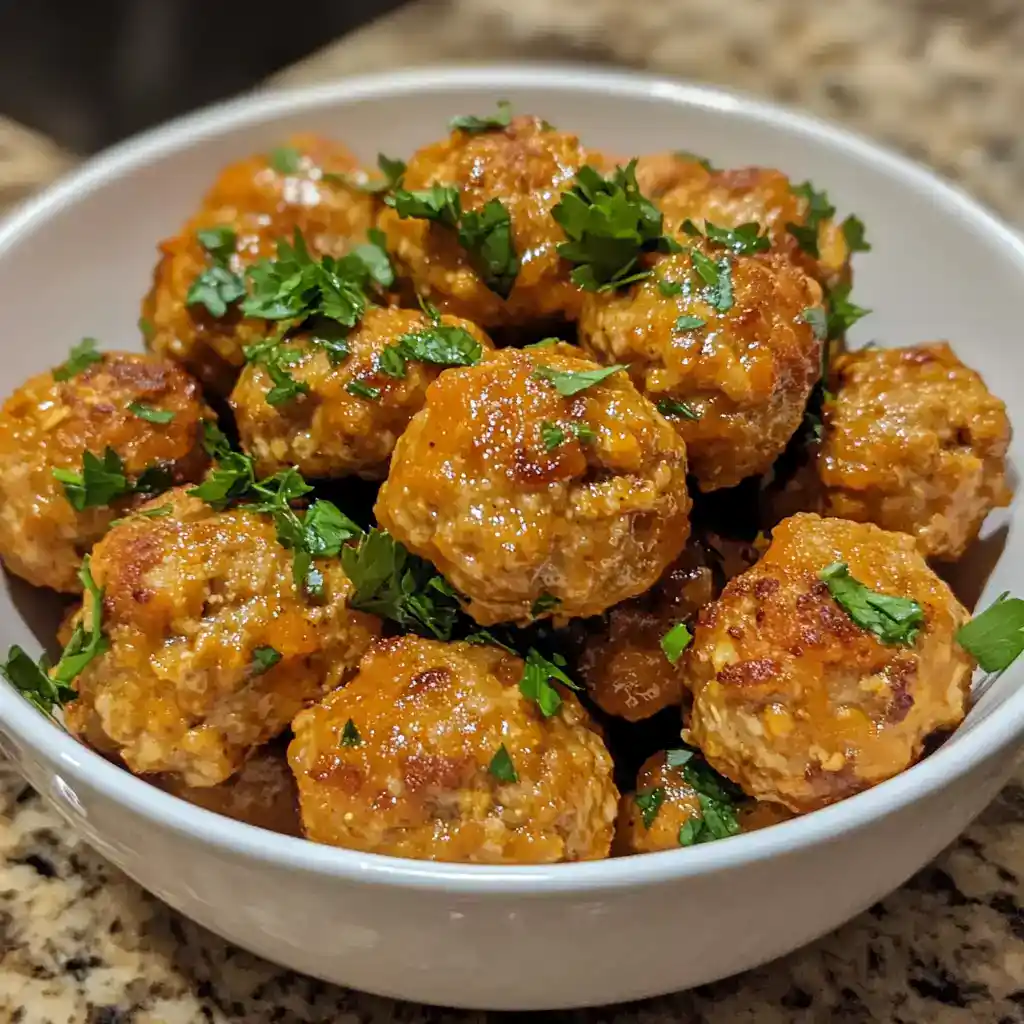
Turkey and Pumpkin Meatballs
Description
Digestive-friendly meatballs that combine lean turkey protein with fiber-rich pumpkin—perfect for dogs with sensitive stomachs who need gentle, nutritious comfort food!
Prep Time: 20 minutes | Cook Time: 25 minutes | Total Time: 45 minutes | Makes: 20-24 meatballs
Ingredients
- 1 lb (16 oz) ground turkey (fresh, no added seasonings)
- 1 cup canned pumpkin puree (100% pumpkin, no pie spice)
- 1/2 cup rolled oats (gentle fiber and binding)
- 1 egg (for perfect binding and digestible protein)
- 2 tbsp fresh parsley, chopped (digestive support and breath freshening)
- 1/2 tsp ground cinnamon (anti-inflammatory properties—use sparingly)
Instructions
- Preheat oven to 375°F (190°C) and line baking sheet with parchment paper—lean turkey needs proper non-stick surface.
- In large bowl, mix ground turkey, pumpkin puree, rolled oats, egg, chopped parsley, and cinnamon until well combined and mixture holds together.
- Roll mixture into small meatballs about 1 inch in diameter—uniform size ensures even cooking and easier digestion.
- Place meatballs on prepared baking sheet with space between each one for proper heat circulation.
- Bake 20-25 minutes until meatballs are cooked through and lightly browned—check at 20 minutes since lean turkey cooks quickly.
- Cool completely before serving—meatballs firm up as they cool and develop perfect texture for sensitive stomachs.
Notes:
- Use fresh ground turkey without any added seasonings or fillers
- Pumpkin provides both moisture and digestive support
- These are gentle on sensitive systems—perfect for dogs with stomach issues
- Smaller size makes them easier to digest than large meatballs
Storage Tips:
- Refrigerate in airtight containers for up to 7 days maximum
- Turkey spoils faster than other proteins—don’t push storage timeline
- These actually improve in flavor after sitting overnight in fridge
- Can be frozen individually for up to 3 months for longer storage
What Makes This Recipe Special:
Turkey provides lean, easily digestible protein that’s gentle on sensitive stomachs, while pumpkin delivers soluble fiber that supports healthy digestion and regular bowel movements. The combination creates meatballs that are both nutritionally complete and therapeutically beneficial for dogs with digestive sensitivities.
Mix It Up (Dog-Safe Variations):
- Extra Gentle: Add more pumpkin for increased digestive support and fiber content
- Chicken Substitute: Use ground chicken for similar lean protein benefits
- Probiotic Boost: Add tablespoon of plain Greek yogurt for additional digestive support
- Grain-Free Option: Substitute rolled oats with coconut flour or sweet potato puree
- Recovery Size: Make smaller meatballs for dogs recovering from digestive upset




