
Here’s My Story With This Recipe
Let me tell you about the day I discovered these game-changing training treats—my Border Collie mix used to get distracted by everything during training sessions. I was spending a fortune on those tiny high-value commercial treats until my dog trainer mentioned that tuna-based rewards work like magic for focus. The first time I made these, my pup ignored squirrels, other dogs, and even the neighbor’s cat during our entire training walk. Now my agility instructor actually asks other dog parents what treats I’m using because my dog’s attention span has improved so dramatically. Plus, I know exactly what’s going into his rewards (no weird preservatives or mystery fish byproducts).
Here’s the Magic Behind This Training Winner
The secret to driving dogs wild during training is combining that irresistible fishy aroma of tuna with the creamy richness of melted cheese. What makes this so effective for training sessions is how the strong tuna scent cuts through all distractions while the cheese adds that extra motivation factor dogs can’t resist. I never knew tuna treats could be this easy to make until I started batch-cooking these—it’s honestly more cost-effective than buying those expensive training pouches. This combo creates the perfect high-value reward that’s small enough for rapid-fire training but delicious enough to keep dogs engaged for hours.
What You’ll Need (And My Dog-Safe Shopping Tips)
Good canned tuna in water is absolutely crucial for this recipe—I always grab the chunk light variety packed in water, never oil (learned this after my vet explained that excess oils can upset sensitive stomachs). Five ounces gives you the perfect protein base, and I honestly buy extra because my neighbor’s Golden Retriever somehow knows when I’m making these.
Low-fat mozzarella cheese works beautifully here—don’t skip the low-fat part because regular mozzarella can be too rich for training sessions. A quarter cup provides that irresistible melty factor without overwhelming their digestive system (way safer than I expected for frequent training use).
Dog-safe vegetables are your nutrition boosters—I love using finely chopped carrots and peas because they add color and crunch. Make sure everything’s chopped tiny so these stay perfect bite-size for training. Never use onions or anything from the allium family (completely toxic to dogs).
Plain low-fat yogurt acts as our creamy binder—this is where I used to mess up by grabbing flavored varieties until my vet scolded me about added sugars during training. Quarter cup adds moisture and probiotics that support digestion.
Oat flour provides the perfect structure without being too heavy—you can grind your own oats or buy it pre-made. This keeps treats from falling apart during intense training sessions.
One fresh egg brings everything together naturally—completely safe for dogs when cooked properly. According to Veterinary Partner, eggs provide excellent protein and essential amino acids for active dogs.
Let’s Make This Training Magic Together
Preheat your oven to 350°F and line a baking sheet with parchment paper. Here’s where I used to mess up fish-based dog treats—I’d skip the parchment and spend forever scraping cheesy bits off the pan (not fun when you’re trying to make perfect training-sized portions).
In a large bowl, mix together your drained tuna, mozzarella cheese, chopped vegetables, yogurt, oat flour, and egg until well combined. Now for the fun part (your dog will start drooling from the tuna smell before you even start baking)—the mixture should hold together nicely but not be too wet or dry.
Here’s my secret for perfect training treat size: use a small cookie scoop or teaspoon to portion out uniform pieces about the size of a small grape. This ensures consistent reward value during training sessions. Place them on your prepared baking sheet and gently flatten each scoop with the back of a spoon.
My dog trainer taught me this trick—slightly flattened treats bake more evenly and are easier for dogs to chew quickly during rapid training sequences. Don’t worry if you’re new to making training treats; these are pretty forgiving.
Bake for 15-20 minutes until the treats are firm and golden brown. Training treats can go from perfect to overdone quickly, so keep an eye on them after the 15-minute mark. They’re ready when they hold their shape but aren’t rock-hard.
Make sure they cool completely before training sessions—hot treats can distract from learning and potentially burn eager mouths. Every dog has different preferences for texture, so some might prefer these slightly softer while others like them more well-done.
If This Happens, Don’t Panic
Treats came out too soft for training? You probably needed more oat flour, and that’s common with tuna’s natural moisture (happens to everyone working with canned fish). When this happens (and it will), I’ve learned to add a tablespoon more oat flour next time or bake for a few extra minutes.
Mixture seems too fishy-smelling? That’s actually perfect for training—dogs love strong scents! If it bothers you during prep, just remember that this intensity is what makes them so effective for getting attention during distracting situations.
If your dog seems too excited and won’t focus, try using smaller pieces initially. I always remind new trainers that high-value treats need to be introduced gradually so dogs don’t get overstimulated during learning sessions.
When I’m Feeling Creative
When my dog needs extra brain power for complex training, I’ll add a tablespoon of plain pumpkin puree for additional nutrients—it makes them slightly softer but adds great fiber. For outdoor training sessions, I make them extra small and pack them in treat pouches (perfect for agility work and recall training).
Sometimes I substitute salmon for half the tuna, though that changes the flavor profile and can be more expensive. My competition version includes a tiny bit of liver powder for ultimate high-value appeal, but that’s only for special training goals.
Why This Works So Well for Training
What makes this recipe so effective for training is the combination of high-value protein, irresistible aroma, and perfect size for rapid reward delivery. Tuna provides lean protein that supports muscle development in active dogs, while the cheese adds calcium for strong bones—crucial for dogs doing agility or intensive training. The small size means you can give frequent rewards without filling up your dog or disrupting their focus. Unlike commercial training treats with artificial flavors and preservatives, these offer pure nutrition that actually supports the physical demands of training while maintaining that motivational appeal dogs crave.
Things People Ask Me About Training Treats
Are these treats suitable for all training sessions?
Absolutely! The high protein content and strong aroma make them perfect for both basic obedience and advanced training. I use smaller pieces for rapid-fire training and slightly larger ones for major breakthroughs.
How long do these homemade training treats stay fresh?
Most homemade fish-based treats need refrigeration. These keep for about one week in the fridge or up to two months frozen. I usually make weekly batches for consistent training.
Can puppies use these for training?
Yes, but make them extra small and introduce gradually. Puppies need high-value rewards for motivation, but their digestive systems are still developing. Always check with your vet for puppy training treat guidelines.
What if my dog has fish allergies?
You can substitute cooked chicken breast for the tuna while keeping all other ingredients. The cheese and vegetables will still provide that high-value appeal dogs need for training motivation.
How many treats should I use during training sessions?
I follow the 10% rule, but during intensive training, I use tiny pieces to avoid overfeeding. These are rich in protein, so a little goes a long way for motivation.
What’s the best way to store training treats?
Keep them in the refrigerator in an airtight container for freshness. For training sessions, I transfer daily portions to treat pouches to maintain quality and prevent spoilage.
Are these good for reactive dog training?
Perfect for reactive dog work! The strong tuna scent helps redirect attention from triggers, and the high protein content supports the energy demands of counter-conditioning training.
Before You Head to the Kitchen
I couldn’t resist sharing this recipe because watching dogs achieve training breakthroughs with the right motivation is pure magic. The best training days are when your dog chooses to focus on you over every distraction because the reward is just that good. Your training partner deserves treats that fuel their success while satisfying their taste buds.
Print
Tuna Melt Training Treats
Description
High-value, protein-packed training rewards that combine irresistible tuna with creamy cheese—perfect for breakthrough training sessions!
Prep Time: 10 minutes | Cook Time: 15-20 minutes | Total Time: 30 minutes | Makes: 48 training treats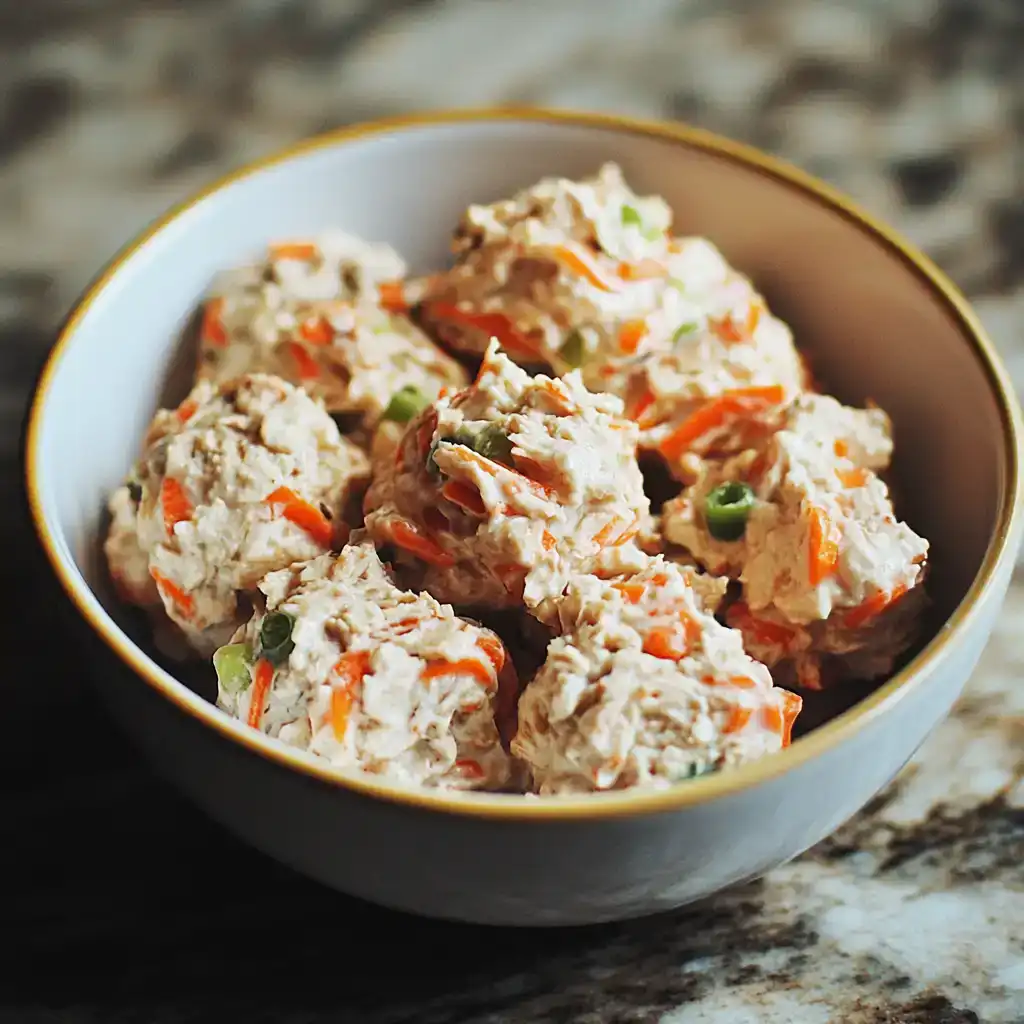
Ingredients
- 5 oz canned tuna in water, drained (chunk light variety works best)
- 1/4 cup grated low-fat mozzarella cheese (never regular—too rich for training)
- 1/4 cup finely chopped dog-safe vegetables (carrots and peas are perfect)
- 1/4 cup plain low-fat yogurt (completely safe for dogs)
- 1/4 cup oat flour (grind your own or buy pre-made)
- 1 fresh egg (natural binder and protein boost)
Instructions
- Start with your oven at 350°F and line that baking sheet with parchment—these fishy treats can stick without proper prep.
- Mix all ingredients in a large bowl until well combined. The tuna smell will drive your dog crazy with anticipation (if they can contain themselves).
- Portion into training-size treats using a small cookie scoop or teaspoon. Think grape-sized for perfect training rewards that won’t overfeed during sessions.
- Flatten slightly with the back of a spoon for even baking and easy chewing during rapid training sequences.
- Bake for 15-20 minutes until firm and golden brown. Keep checking after 15 minutes—training treats need to be firm but not rock-hard.
- Cool completely before training sessions—this prevents burns and lets flavors develop fully. Always let cool completely for safety.
Notes:
- Always let cool completely—hot fishy treats can burn mouths and distract from training focus
- My dogs prefer these slightly firm rather than soft, which makes them perfect for quick reward delivery
- Start with tiny pieces during training to prevent overfeeding and maintain motivation throughout sessions
Storage Tips:
- Store in refrigerator for up to one week in an airtight container
- Freeze for up to 2 months in training-sized portions for convenience
- Transfer daily portions to treat pouches to maintain freshness during sessions
- Toss if you smell anything off—fish-based treats spoil faster than other homemade options
What Makes This Recipe Special:
These training treats combine the irresistible appeal of tuna with the motivational power of cheese, creating high-value rewards that cut through distractions. The lean protein supports muscle development in active dogs, while the calcium promotes strong bones for agility work. The perfect training size allows for rapid reward delivery without overfeeding, while the strong aroma maintains focus even in challenging environments.
Mix It Up (Dog-Safe Variations):
Intensive Training Version: Make extra tiny for rapid-fire reward sequences during complex training like agility or advanced obedience work.
Sensitive Stomach Version: Substitute cooked chicken breast for tuna while maintaining the cheese and vegetables for high-value appeal.
Competition Ready Version: Add a pinch of freeze-dried liver powder for ultimate high-value rewards during critical training milestones.




