
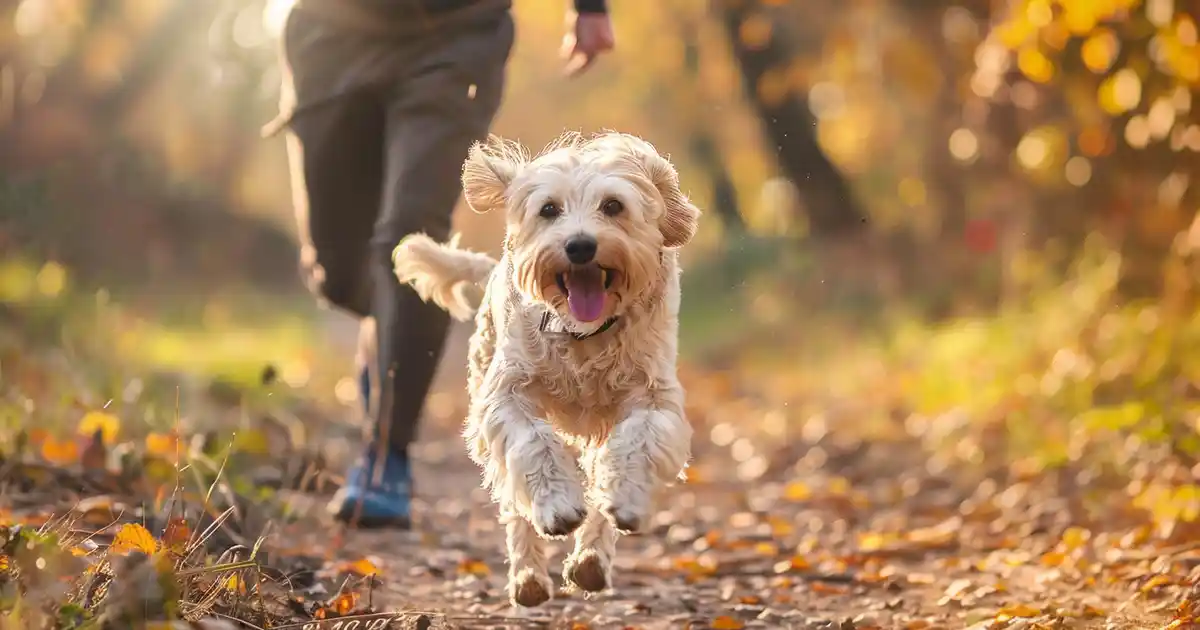
Have you ever wondered why your jogging sessions with your dog feel chaotic and exhausting rather than the energizing healthy workout you imagined? I used to think bringing my enthusiastic Labrador along would naturally motivate us both toward better fitness, until I discovered the critical differences between effective dog jogging and the frustrating pulling-filled struggles most people experience. Now my fitness friends constantly ask how my dog maintains such consistent pace and focus during our morning jogs while theirs zigzag erratically or lose interest halfway through, and my veterinarian (who champions appropriate canine exercise) actually shares my jogging routine as a model for clients seeking sustainable fitness activities with their dogs. Trust me, if you’re struggling with inconsistent pace, behavioral issues during jogs, or worry about whether you’re exercising your dog safely, this approach will show you it’s more achievable than you ever expected.
Here’s the Thing About Dog Jogging
Here’s the magic: successful dog jogging isn’t just about moving faster than walking—it’s about establishing rhythm, teaching jog-specific behaviors, and understanding your dog’s physiological needs at moderate sustained pace. I never knew jogging with dogs could be this enjoyable until I stopped treating it as casual activity and started implementing structured preparation addressing pace control, environmental awareness, and physical readiness. This combination creates amazing results that transform jogging from solo cardio into quality partnership time while providing your dog healthy moderate-intensity exercise that benefits both cardiovascular health and mental wellbeing. It’s honestly more rewarding than I ever expected, even for dogs who seemed too energetic or distracted for controlled exercise. No athletic background needed—just practical knowledge about canine fitness and jogging-specific training techniques. According to research on aerobic exercise, moderate-intensity sustained activity provides optimal cardiovascular benefits while minimizing injury risk, which is exactly what proper jogging delivers when implemented correctly for both species.
What You Need to Know – Let’s Break It Down
Understanding that jogging differs from both walking and running in important ways is absolutely crucial before starting a program. Don’t skip the intensity distinction phase (took me forever to realize this), because jogging occupies the middle ground requiring different training, conditioning, and expectations than either extreme. I finally figured out that jogging’s moderate sustainable pace makes it ideal for most dogs and handlers compared to high-intensity running that only suits specific athletic breeds after watching too many people struggle with running programs that exceeded their dogs’ capabilities.
Essential jogging prerequisites include basic leash manners, reliable recall in distracting environments, appropriate physical conditioning, and understanding of pace consistency. Your dog needs to differentiate jogging from walking—maintaining forward momentum without constant stopping to investigate smells, which is natural and appropriate during walks (game-changer, seriously). I always recommend establishing this behavioral distinction because everyone sees better results when dogs understand that jogging time follows different rules than exploration time.
Physical readiness assessment ensures your dog can safely sustain moderate activity. Veterinary clearance becomes essential especially for breeds prone to joint issues, heart conditions, or respiratory challenges. Yes, professional evaluation really matters, and here’s why: seemingly healthy dogs can have underlying conditions that moderate exercise exacerbates into serious problems without proper screening.
Jogging-appropriate equipment differs from walking or running gear. You need harnesses that don’t restrict movement at moderate pace, leashes providing control without constant tension, visibility gear for dawn or dusk jogging, and paw protection for your typical jogging surfaces. If you’re just starting out with establishing regular exercise routines with your dog, check out canine fitness foundations for foundational knowledge about building exercise habits safely and effectively.
The “best dog jogging tips” approach involves treating jogging as a distinct activity with specific requirements rather than just “slow running” or “fast walking.” My biggest jogging advice always circles back to consistency over intensity—regular moderate jogging provides better long-term health benefits than sporadic intense running or daily walking that never elevates heart rate adequately.
The Science and Psychology Behind Why This Works
Research shows that moderate-intensity aerobic exercise like jogging provides optimal cardiovascular conditioning while minimizing injury risk compared to high-intensity running. Studies from exercise physiologists demonstrate that jogging’s sustained moderate effort improves heart health, aids weight management, reduces anxiety, and builds endurance without the joint stress that running creates over time.
Traditional approaches often fail because they either underestimate preparation requirements assuming jogging needs no training, or they confuse jogging with running and apply inappropriate high-intensity protocols to moderate activity. What makes proper jogging different from a scientific perspective is how it balances effort and sustainability—intense enough to provide cardiovascular adaptation but moderate enough to maintain for extended periods without exhaustion.
I’ve personally witnessed sedentary dogs transform into enthusiastic joggers once their handlers implemented appropriate conditioning and established consistent routines. The mental aspects cannot be overstated: jogging provides mental stimulation through environmental exposure while the rhythmic moderate activity has calming effects reducing anxiety and hyperactivity. Research from veterinary behaviorists confirms that regular moderate exercise significantly improves behavior, reduces destructive tendencies, and enhances overall quality of life for active breeds while preventing the behavioral issues that under-exercised dogs commonly develop.
Here’s How to Actually Make This Happen
Start by establishing baseline fitness through veterinary assessment confirming your dog can safely engage in sustained moderate exercise—here’s where I used to mess up by assuming my young energetic dog was automatically ready for regular jogging. Don’t be me—I discovered through veterinary exam that my dog had a minor heart murmur requiring monitoring, making medical clearance essential rather than optional bureaucracy. Schedule comprehensive physical examination including cardiovascular assessment before beginning any jogging program.
Now for the important part: begin with interval training alternating 3-5 minutes of jogging with 2-3 minutes of walking, gradually increasing jog segments while decreasing walk breaks over 6-8 weeks. Here’s my secret—I maintain conversational pace where I could talk normally if needed, ensuring the effort remains moderate rather than intense. This step takes disciplined pacing but creates the aerobic foundation that makes sustained jogging possible.
Teach jogging-specific commands including “jog time” signaling transition from walking to jogging pace, “with me” for maintaining position beside you, “easy” for slowing without stopping, and “walk” for returning to recovery pace. Until you feel completely confident about pace control and behavioral reliability, don’t attempt routes with heavy distractions or technical terrain—when it clicks, you’ll know your dog maintains consistent effort regardless of environmental stimuli.
Acquire proper jogging equipment including a padded Y-harness distributing pressure comfortably, a 4-6 foot leash providing control without restriction (or hands-free waist system for experienced joggers), LED visibility collar for dawn/dusk jogging, and protective paw balm for your primary jogging surfaces. Results can vary, but most dogs need 8-12 weeks of consistent conditioning before they’re ready for continuous 30+ minute jogs. My mentor taught me this trick: always conclude jogs before your dog shows significant fatigue, building positive associations rather than exhaustion memories that create reluctance.
Establish consistent hydration practices including carrying water for your dog during jogs exceeding 20 minutes, offering drinks during walk breaks in your interval training, and recognizing increased panting or pace reduction as potential dehydration signals. Every situation has its own challenges, but inadequate hydration remains one of the most common preventable problems during canine exercise. Don’t worry if you’re just starting out—even experienced joggers needed practice balancing their own effort with their dogs’ needs.
This creates lasting habits you’ll actually stick with: conducting brief paw pad inspections before and after jogs, monitoring weather conditions and avoiding temperature extremes, maintaining consistent jogging schedules so your dog anticipates and prepares mentally, and incorporating rest days allowing muscular and cardiovascular recovery. Just like balanced training programs for human joggers but completely different specific application—you’re building sustainable fitness that lasts years while preventing the burnout or injuries that inappropriate programs create.
Common Mistakes (And How I Made Them All)
My biggest mistake was starting with overly ambitious duration because my dog seemed enthusiastic at the beginning. Learn from my epic failure: I took my unconditioned dog on a 45-minute jog during our first week, and he developed severe muscle soreness limiting activity for days afterward. Don’t ignore the fundamental principles experts recommend about gradual progression—initial enthusiasm doesn’t indicate physical readiness, and excitement masks discomfort during activity that appears as soreness and reluctance afterward.
I also failed to differentiate jogging pace from running pace, starting too fast and exhausting both of us within 15 minutes. These mistakes happen because jogging requires disciplined moderate effort that feels almost too easy initially, but this sustainable intensity enables extended duration that faster running cannot maintain. The goal is conversational pace, not maximum speed.
Another common error is jogging on exclusively hard surfaces like concrete or asphalt without incorporating softer terrain. I learned this when my dog developed paw pad sensitivity and joint stiffness from repetitive pavement pounding. The mistake stems from prioritizing convenient routes over joint-protective surfaces—grass, dirt trails, or rubberized tracks provide better impact absorption.
Choosing inappropriate times resulted in dangerous heat exposure when I jogged during midday summer despite moderate pace. Using humor where appropriate: your dog’s temperature regulation doesn’t care that you’re “just jogging” rather than running—heat stress develops based on ambient temperature and humidity, not exercise intensity labels. These tactical mistakes typically happen because we underestimate moderate exercise’s heat generation.
Neglecting to teach jog-specific behaviors before starting meant my dog constantly stopped to sniff, pulled toward distractions, and zigzagged across my path making early jogs frustrating chaos. The assumption that walking manners automatically transfer to jogging ignores how pace change and sustained forward movement create different behavioral challenges.
When Things Don’t Go as Planned
Feeling overwhelmed because your dog can’t maintain consistent pace and constantly surges ahead or falls behind? You probably need more foundational pace training, practicing “with me” positioning during walks before adding jogging complexity. That’s normal, and it happens to everyone whose dogs haven’t learned steady positioning. I’ve learned to handle this by dedicating separate training sessions to consistent pace matching during walking, building the skill before expecting it during jogging’s higher arousal.
Progress stalled because you or your dog seem exhausted after just 15 minutes despite weeks of conditioning? When this happens (and it will sometimes), verify your pace remains truly moderate—many people unconsciously creep into running pace making effort unsustainable. This is totally manageable through conscious pace monitoring and accepting slower speeds that feel almost too easy but enable extended duration.
If you’re losing steam because jogging with your dog feels like work rather than enjoyable exercise, try incorporating more interesting routes providing environmental variety your dog enjoys. I always prepare for motivation dips by exploring new neighborhoods or trails rather than repeating identical routes that become boring for both species. Novel environments create engagement that repetitive routes cannot sustain.
When motivation fails because your dog seems reluctant at jog time despite previous enthusiasm, reconnecting with their physical condition can help identify issues. Reluctance often signals developing soreness, paw pad problems, or overtraining requiring rest rather than pushing through discomfort. Respect communication and investigate rather than forcing continued activity.
Advanced Strategies for Next-Level Results
Once you’ve mastered basic jogging partnership, consider implementing progressive training targeting specific fitness improvements. Tempo jogs at slightly elevated pace for shorter duration build cardiovascular capacity, while long slow distance jogs develop aerobic endurance. Advanced practitioners often implement specialized techniques including hill training building strength and power, or fartlek (speed play) training incorporating natural pace variations developing fitness across intensity ranges.
Taking this to the next level means tracking metrics like distance, pace, and heart rate (for both species if using monitors) to objectively measure fitness progression and ensure training load remains appropriate. What separates beginners from experts is systematic progression following training principles rather than random workout selection—periodization balancing stress and recovery creates superior results to constant identical efforts.
Performance optimization includes analyzing your jogging form and your dog’s gait, identifying efficiency improvements reducing energy waste and injury risk. Advanced techniques that actually work include core strengthening exercises for you improving running economy, and proprioceptive training for your dog enhancing coordination and joint stability.
For experienced practitioners, participating in organized dog-friendly jog events or running clubs provides community motivation while challenging both partners appropriately. When and why to use these strategies depends on your goals—casual fitness joggers don’t need structured progressive training, but people seeking continuous improvement appreciate systematic advancement toward measurable objectives.
I discovered that most advanced jogging partnerships develop specializations—some teams excel at sustained moderate pace over long distances, while others incorporate interval variations or challenging terrain. Matching training to your combined strengths and preferences creates better experiences than forcing approaches that don’t suit your partnership’s natural characteristics.
Ways to Make This Your Own
When I want maximum calorie burn for weight management (both species), I incorporate gentle hills or stairs into jogging routes elevating intensity without increasing pace excessively. For special situations like recovering from injury where full jogging isn’t possible, I’ll use a bike allowing my dog to jog at appropriate pace while I cycle beside them maintaining companionship without impact stress. This makes participation possible when full jogging isn’t personally appropriate.
My busy-season version emphasizes shorter more frequent jogs maintaining consistency when time is limited rather than attempting fewer longer sessions that become easy to skip. Summer approach includes early morning or late evening jogging avoiding dangerous midday heat, while my winter variation incorporates reflective gear and routes with adequate lighting for dark-hour jogging. Sometimes I add exploration elements like geocaching or photo stops during jogs, though that’s totally optional and depends on whether you want pure fitness focus or mixed-purpose outings.
For next-level results, I love the “Social Jogging Partnership” where I coordinate schedules with other dog joggers, creating accountability and variety through group sessions. My advanced version includes cross-training activities like swimming or cycling on alternate days providing fitness maintenance while preventing repetitive stress injuries from daily jogging.
Each variation works beautifully with different lifestyle needs: the “Morning Routine” approach uses consistent dawn jogging establishing reliable daily habits; the “Flexible Fitness” setup adapts jogging to varying schedules maintaining consistency despite life demands; and the “Weight Management” method emphasizes regular moderate jogging supporting healthy weight for both species. The “Nature Explorer” configuration prioritizes trail jogging through varied environments, while the “Urban Jogger” version focuses on convenient neighborhood routes maximizing accessibility.
Why This Approach Actually Works
Unlike traditional methods that treat dog jogging as simple leashed exercise requiring no preparation, this approach leverages proven fitness principles that casual approaches ignore. The systematic progression respects both human and canine physiology while building behavioral reliability and sustainable habits. What makes this different is the emphasis on moderate sustainable intensity rather than maximum effort—jogging’s sweet spot provides health benefits while minimizing injury risk and creating enjoyable experiences that sustain long-term adherence.
The underlying principles draw from exercise science, veterinary sports medicine, behavioral training, and cardiovascular physiology. Evidence-based research shows that regular moderate aerobic exercise provides optimal health benefits including cardiovascular protection, weight management, mood enhancement, and longevity extension for both species. This sustainable effective method works because it acknowledges that consistency matters more than intensity—regular moderate jogging beats sporadic intense running for long-term health outcomes.
My personal discovery about why this works came from tracking fitness metrics over months and recognizing that sustainable moderate jogging created better results than my previous sporadic intense running attempts—both my dog and I showed improved cardiovascular markers, maintained healthier weight, and actually enjoyed the activity enough to maintain consistency. The proven framework adapts to changing fitness levels, aging, or evolving goals while maintaining core focus on moderate sustainable effort.
Real Success Stories (And What They Teach Us)
One jogging partner transformed their overweight Beagle from sedentary couch potato into fit enthusiastic jogger through patient systematic conditioning over four months. What made them successful was accepting slow progression without rushing toward ambitious goals, and celebrating incremental fitness improvements rather than fixating on destination metrics. Their success aligns with research on weight management that shows consistent moderate exercise combined with appropriate nutrition creates sustainable results better than extreme approaches.
Another inspiring example involves a busy professional who struggled to maintain personal fitness while meeting their high-energy Border Collie’s exercise needs. By establishing consistent morning jogging routine, they solved both challenges simultaneously—their dog’s behavioral problems from under-exercise disappeared while they achieved fitness goals previously impossible to maintain. The lesson here is that jogging partnerships create efficiency solving multiple problems through single integrated solution.
I’ve witnessed a senior handler concerned that age precluded jogging discover that moderate pace perfectly matched their capabilities while providing their middle-aged Labrador ideal exercise. Their success required accepting slower speeds and shorter distances than younger joggers, but discovering that appropriate jogging remained perfectly accessible with realistic expectations.
The most inspiring success story involves someone managing anxiety who found that regular jogging with their dog provided more effective symptom relief than medication alone. The combination of cardiovascular exercise, outdoor exposure, routine establishment, and canine companionship created therapeutic benefits that single interventions couldn’t match. What others are achieving demonstrates that jogging partnerships provide physical, mental, and emotional benefits extending far beyond basic fitness.
Tools and Resources That Actually Help
The Ruffwear Front Range Harness ($40-60) remains my top recommendation for jogging because it provides excellent fit without restricting shoulder movement at moderate pace, includes multiple adjustment points ensuring custom fit, and features reflective trim plus sturdy top handle. Why this tool is valuable: it distributes any pulling pressure across the chest rather than the throat, accommodates various body types reliably, and includes attachment points suitable for hands-free leash systems. Limitations include the moderate price point, though durability across years of regular jogging justifies investment. I personally use this for my jogging dog and have witnessed reliable performance across hundreds of jogging sessions.
Tuff Mutt Hands-Free Dog Leash ($30-40) enables natural arm swing and proper jogging form through waist belt attachment, features dual control handles for quick intervention when needed, and includes shock-absorbing bungee section reducing jerking impacts. My personal experience taught me that hands-free systems dramatically improve jogging efficiency and enjoyment while preventing the shoulder and arm tension that hand-held leashes create during sustained moderate effort.
Kurgo Quantum Leash ($20-30) offers budget-friendly versatility serving as hands-free jogging leash, standard walking leash, or car restraint making it economical for multiple uses. Be honest about limitations—it’s not as refined as dedicated jogging leashes but provides adequate performance for recreational jogging at attractive pricing.
Nathan SpeedDraw Plus Insulated Flask ($25-35) provides convenient hydration carrying for both you and your dog during jogs through insulated handheld bottle with comfortable grip strap and easy-drink valve. The attached storage pocket holds essentials like keys or waste bags.
Noxgear LightHound ($40-50) creates 360-degree illuminated visibility through multicolor LED vest making you and your dog highly visible during early morning or evening jogging. This innovative product significantly improves safety during low-light jogging compared to standard reflective materials.
Musher’s Secret Paw Protection ($15-20) prevents paw pad damage from varied jogging surfaces through protective wax barrier applied before exercise, particularly valuable for dogs jogging on pavement or rough trails.
American Kennel Club exercise guidelines provide authoritative information on appropriate exercise by breed, age considerations, and health precautions from veterinary professionals.
Questions People Always Ask Me
What’s the difference between jogging and running with my dog?
Jogging maintains moderate conversational pace you could sustain for 30+ minutes, typically 5-7 mph for humans, while running involves faster intense effort sustainable for shorter duration. Jogging emphasizes aerobic endurance at moderate intensity, while running includes anaerobic components requiring different conditioning. Most dogs and handlers benefit more from regular jogging than sporadic intense running.
How often should I jog with my dog?
Start with 3 days weekly allowing recovery days between sessions, progressing to 4-5 days weekly once conditioning is established. Most dogs benefit from at least one full rest day weekly regardless of fitness level. Listen to your dog’s signals—persistent reluctance or soreness indicates excessive frequency requiring more recovery time.
What’s the ideal jogging duration for dogs?
Begin with just 10-15 minutes total including walk intervals, gradually building toward 30-45 minutes of continuous jogging over 8-12 weeks. Well-conditioned dogs can eventually handle 60+ minute jogs, though most benefit optimally from 30-45 minute sessions. Individual capability varies enormously based on breed, age, and fitness—some dogs max out at 20 minutes while others handle extended duration easily.
Can small dogs be jogging partners?
Yes, though with adaptations—shorter distances, potentially slower pace, and recognition that their higher stride frequency makes identical distance more taxing. Some small breeds like Jack Russell Terriers excel at jogging, while others have limited aptitude. Assess individual capability rather than making breed-based assumptions, but accept that small dogs typically max out at 2-3 miles compared to larger dogs’ potential for 5+ miles.
What age can puppies start jogging?
Wait until growth plates close—typically 12-18 months for most breeds, though giant breeds need 18-24 months. Premature jogging damages developing joints potentially causing lifelong problems. Short play-based activity is appropriate for puppies, but sustained jogging should wait for skeletal maturity verified by veterinary examination.
How do I teach my dog to jog at consistent pace?
Practice “with me” positioning during walks rewarding steady pace matching, use consistent verbal cues distinguishing jogging from walking, start jogs after brief warm-up walking reducing initial excitement, and maintain truly moderate pace your dog can sustain comfortably. Consistency over weeks builds the habit—most dogs require 4-6 weeks of regular jogging before pace steadiness becomes reliable.
What temperature is too hot for jogging with my dog?
Above 70°F, consider heat carefully depending on humidity and breed heat sensitivity. Above 75-80°F, jogging becomes risky for most dogs. Early morning or evening jogging during summer provides safer temperatures. Never jog in heat that feels uncomfortable to you—if you’re overheating, your dog definitely is since they regulate temperature less efficiently.
Do I need to give my dog water during jogs?
For jogs under 20 minutes in moderate weather, pre-jog hydration usually suffices. For longer duration or warm conditions, offer water every 15-20 minutes during walk breaks. Carry collapsible bowl and water bottle, or train your dog to drink from squeeze bottles. Adequate hydration significantly impacts performance and safety.
How do I know if I’m jogging too fast for my dog?
Watch for excessive panting with difficulty recovering during walk breaks, lagging behind with reluctance to resume jogging, attempting to slow or stop frequently, or lack of enthusiasm at next jog time. Your dog should maintain pace with moderate panting, recover quickly during breaks, and show eagerness for jogging sessions.
Can senior dogs still jog?
Many seniors can continue modified jogging with veterinary approval, appropriate pace adjustment, and reduced duration or frequency. Arthritis, heart conditions, or other age-related issues may preclude jogging, requiring substitution with swimming or gentle walking. Individual health assessment determines capability—some seniors jog comfortably while others need different exercise approaches.
What’s the best surface for jogging with dogs?
Soft natural surfaces like dirt trails, grass, or rubberized tracks provide optimal impact absorption protecting joints. Vary surfaces preventing repetitive stress—some pavement builds paw toughness, but exclusive hard-surface jogging causes joint problems over time. Avoid consistently jogging on concrete which provides hardest impact with minimal shock absorption.
How do I stop my dog from pulling during jogs?
Train loose-leash jogging separately from building fitness—practice “with me” positioning during walks first, reward proper position consistently, stop immediately when pulling occurs resuming only when tension releases, and ensure your pace is sustainable so excitement doesn’t cause surging. Most pulling stems from excitement or pace mismatch rather than intentional misbehavior.
Before You Get Started
I couldn’t resist sharing this because it proves that jogging partnerships genuinely transform daily exercise from isolated activity into shared experience enriching both lives. The best dog jogging journeys happen when you prioritize sustainable moderate pace over impressive speed or distance, establish consistent routines your dog anticipates and prepares for mentally, and remember that the purpose is mutual health and enjoyment rather than athletic achievement. Every morning jog completed together, every fitness milestone reached as a team, and every tail-wagging enthusiasm when your dog recognizes jogging preparation validates the program investment while building habits that enhance both your lives for years. Ready to begin? Start with veterinary clearance and realistic baseline fitness assessment—proper jogging partnership development flows from respecting those foundational factors and progressing patiently through systematic conditioning.




