
Here’s My Story With This Recipe
Let me tell you about the day these sweet potato chew strips literally saved my furniture from a teething terror. I had a 6-month-old Border Collie mix who was determined to chew everything in sight, and those expensive rawhide alternatives from the pet store were disappearing in minutes. Honestly, I was desperate when my vet suggested trying homemade sweet potato chews, but watching him settle down for a solid 20-minute chew session with just one strip convinced me I’d found pure gold. Now he actually sits patiently while I slice sweet potatoes, and my couch legs have survived puppyhood intact. Plus, knowing he’s getting natural fiber and vitamins instead of mystery preservatives and chemicals gives me that peace of mind every dog parent with a power chewer craves.
What Makes This So Tail-Wagging Good
Here’s the magic behind these chew strips—sweet potatoes naturally dehydrate into this perfect chewy texture that satisfies dogs’ need to gnaw while providing sustained entertainment. The secret to driving dogs wild is how the natural sweetness intensifies during the slow-baking process, creating these irresistible strips that taste like candy to dogs but are packed with nutrition. I never knew something so simple could be this effective, but the combination of natural fiber and that satisfying chew factor creates the perfect alternative to expensive store-bought chews. It’s honestly safer and more nutritious than those processed rawhides that can cause digestive issues.
The Lineup – Let’s Talk Dog-Safe Ingredients
Let me walk you through what makes these strips so amazingly simple yet effective—you’ll be shocked at how few ingredients create such perfect chews.
Medium sweet potatoes are absolutely crucial here, and the quality really matters. Good firm sweet potatoes are the foundation of perfect chew strips, and I always grab extra because my neighbor’s dog somehow knows when I’m making these. Choose ones without soft spots or sprouting—you want them dense and fresh for the best texture after dehydrating.
Coconut oil is my secret weapon for creating that perfect chew consistency. Good quality coconut oil is absolutely crucial for helping the strips maintain flexibility while adding healthy fats for coat shine. I finally found organic coconut oil that melts beautifully and doesn’t add any weird flavors (learned this after trying cheaper versions that made everything taste off).
Cinnamon might seem unusual, but it’s the flavor enhancer that makes dogs go absolutely bonkers for these strips. Just a tiny amount adds warmth and natural sweetness while providing anti-inflammatory benefits (yes, cinnamon is completely safe for dogs in small amounts and actually recommended by many holistic vets).
That’s it! Three simple ingredients create the most satisfying, long-lasting chews you’ll ever make. The simplicity is what makes this perfect for busy dog parents who want to give their pups something healthy and engaging without complicated prep work.
For more detailed information about sweet potato benefits for dogs, check out this helpful guide from the American Kennel Club.
The Step-by-Step (Your Dog Will Thank You!)
Don’t worry if you’re new to making dehydrated dog treats—this recipe is super forgiving and perfect for beginners, though it does require patience.
Start by preheating your oven to 250°F (this low temperature is crucial for proper dehydration) and lining a baking sheet with parchment paper. Here’s where I used to mess up dog chew making: I’d try to rush with higher temperatures and end up with burnt outsides and soggy middles.
Wash and peel your sweet potatoes, then slice them lengthwise into strips about 1/4 to 1/2 inch thick. Here’s my secret for perfect chew strips—consistency is key, so try to make all strips roughly the same thickness so they dehydrate evenly. Too thin and they’ll get crispy, too thick and they won’t dry properly.
In a large bowl, toss your sweet potato strips with melted coconut oil until they’re lightly coated (you don’t need much—just enough to help the cinnamon stick). Sprinkle with cinnamon and toss again until everything looks beautifully golden and smells like autumn heaven.
Arrange the strips on your prepared baking sheet in a single layer—don’t overlap them or they won’t dry evenly. This is where patience becomes your friend because proper spacing makes all the difference.
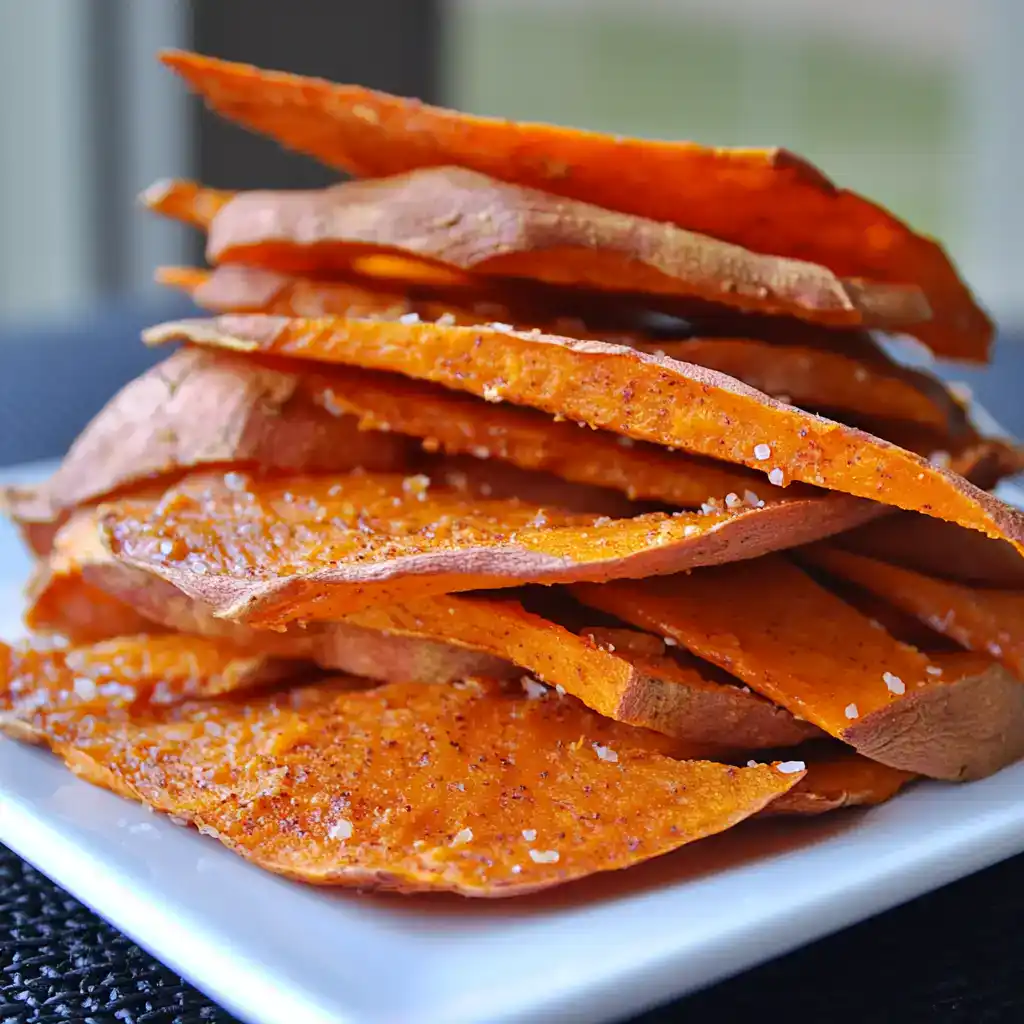
Slide these into the oven and bake for 2-3 hours, flipping them once halfway through. They’re done when they feel leathery and chewy but not crispy. The timing depends on thickness and your oven, so keep an eye on them during the last hour. They should bend without breaking but not feel soft or squishy.
The most important part: let these cool completely before giving them to your pup. They’ll continue to firm up as they cool, and hot chews can burn their mouth.
You might also enjoy these homemade carrot chew sticks for another natural chewing option your pup will love.
If This Happens, Don’t Panic
Strips came out too crispy and snap when bent? You probably baked them too long or at too high a temperature. That’s totally common when you’re learning the timing, and it happens to everyone. They’re still safe to eat, just not as satisfying for chewing. Next time, reduce the time by 30 minutes and check more frequently.
Chews seem too soft and squishy after cooling? They need more time in the oven. Don’t stress—just pop them back in for another 30 minutes and check again. This is completely normal with different sweet potato moisture levels.
If your strips are browning too quickly on the edges, your oven might run hot. Try reducing the temperature to 225°F and extending the time. I always use an oven thermometer now because temperature accuracy is crucial for proper dehydration.
If your dog isn’t interested (rare, but it happens), try adding a tiny bit more cinnamon next time. Some pups need that extra flavor boost to get excited about natural chews.
Ways to Mix It Up
When I’m feeling creative, I’ll make different variations that keep my Border Collie interested. For special occasions, I’ll add a tiny pinch of turmeric along with the cinnamon for joint support (completely safe for dogs and adds that golden color). My winter comfort version uses a small amount of ginger instead of cinnamon for digestive benefits.
Sometimes I’ll make thinner strips for smaller dogs or older pups who need easier chewing, though they finish them faster. For my power chewer friends, I’ll make extra-thick strips that provide longer entertainment. The puppy version gets made slightly softer by reducing baking time for developing teeth.
Why This Works So Well for Dogs
What sets this recipe apart from expensive store-bought chews is the perfect balance of natural nutrition and satisfying texture that dogs instinctively crave. Sweet potatoes provide fiber for digestive health and vitamins A, C, and B6 for overall wellness, while the slow dehydration process creates that ideal chewy consistency that keeps dogs engaged for extended periods. The coconut oil supports skin and coat health, and cinnamon offers anti-inflammatory benefits—nutrition you just won’t find in most commercial chews.
This has been a total game-changer in our house because these chews actually last, providing both mental stimulation and nutritional benefits. No more expensive trips to the pet store for mystery-ingredient chews that disappear in five minutes. I know exactly what my pup is getting, and the long-lasting nature means better value and happier dogs.
Things People Ask Me About These Chews
Can puppies eat these sweet potato chew strips?
Absolutely! They’re actually perfect for teething puppies. Just make them slightly softer by reducing baking time by about 30 minutes, and supervise young puppies to ensure they’re chewing appropriately. The natural texture is much safer than rawhide for developing digestive systems.
How long do these homemade dog chews stay fresh?
Properly dehydrated chews keep beautifully in airtight containers at room temperature for up to two weeks, or in the refrigerator for up to one month. I usually make big batches and store them in sealed jars—they never go bad before getting eaten in our house.
What if my dog has sensitive digestion?
Sweet potatoes are actually great for sensitive stomachs because they’re easily digestible and provide gentle fiber. Start with smaller pieces to see how your dog handles them, and always introduce new treats gradually. The simple ingredient list makes these ideal for dogs with food sensitivities.
Can I make these without coconut oil?
You could skip the oil, but it really helps with texture and adds beneficial fats. If your dog can’t have coconut oil, try a tiny amount of olive oil instead, though the strips might not be quite as chewy. The oil also helps the cinnamon stick to the strips.
How many chew strips can I give my dog per day?
These are pretty high in natural sugars, so moderation is key. For most medium-sized dogs, one or two strips per day is plenty. My 60-pound Border Collie gets one as his evening entertainment chew. Always factor treats into their daily caloric intake.
What’s the best way to store homemade dog chews?
I use airtight glass containers at room temperature for short-term storage, or sealed bags in the refrigerator for longer keeping. They should feel leathery and bend without breaking when properly stored. Toss them if they develop any mold or off smells.
Are these chews safe for senior dogs?
Yes! You can make them softer by reducing baking time, and the natural fiber actually helps with digestion in older dogs. The chewing action can also help maintain dental health in seniors, just adjust the firmness based on their chewing ability.
Before You Head to the Kitchen
I couldn’t resist sharing this because watching a high-energy dog settle down with a natural, homemade chew is honestly one of the most satisfying things as a dog parent. The best dog treat days are when you find something that provides both entertainment and nutrition while actually lasting longer than five minutes. Your furry family member is going to absolutely love these sweet potato chew strips—and you’re going to love having a constructive outlet for all that chewing energy while knowing they’re getting healthy, natural nutrition.
Print
Sweet Potato Chew Strips
Description
Naturally dehydrated chews that provide hours of healthy entertainment and nutrition
Prep Time: 15 minutes | Cook Time: 2-3 hours | Total Time: 3+ hours | Makes: About 12-15 chew strips
Ingredients
- 2 medium sweet potatoes (firm and fresh, no soft spots)
- 1 tablespoon coconut oil, melted (supports healthy skin and coat)
- 1/2 teaspoon ground cinnamon (anti-inflammatory and naturally sweet)
Instructions
- Preheat your oven to 250°F (low temperature is crucial for proper dehydration) and line a baking sheet with parchment paper.
- Wash and peel sweet potatoes, then slice lengthwise into strips about 1/4 to 1/2 inch thick—consistency is key for even drying.
- In a large bowl, toss strips with melted coconut oil until lightly coated, then sprinkle with cinnamon and toss again until beautifully golden.
- Arrange strips on prepared baking sheet in a single layer with no overlapping (proper spacing is crucial for even dehydration).
- Bake for 2-3 hours until strips are leathery and chewy but not crispy, flipping once halfway through—they should bend without breaking.
- Let cool completely before serving—they’ll continue to firm up as they cool and hot chews can burn your dog’s mouth.
Notes:
- Always let cool completely—the texture continues to develop as they cool
- Consistency in strip thickness is crucial for even dehydration
- They should feel leathery and bend without snapping when properly done
- Supervise dogs while chewing, especially puppies or aggressive chewers
Storage Tips:
- Store in airtight containers at room temperature for up to 2 weeks
- Refrigerate in sealed containers for up to 1 month for longer freshness
- They should remain leathery and flexible when properly stored
- Toss if they develop any mold, off smells, or become too hard
What Makes This Recipe Special:
Sweet potatoes provide natural fiber for digestive health plus vitamins A, C, and B6 for immune support, while the slow dehydration process creates that perfect chewy texture dogs crave. Coconut oil adds healthy fats for skin and coat wellness, and cinnamon offers anti-inflammatory benefits—way more nutritious than processed rawhide or mystery-ingredient commercial chews.
Mix It Up (Dog-Safe Variations):
Joint Support Version: Add a tiny pinch of turmeric along with cinnamon for anti-inflammatory benefits
Puppy Version: Reduce baking time by 30 minutes for softer texture suitable for developing teeth
Power Chewer Version: Make extra-thick strips for longer-lasting entertainment
Digestive Support Version: Replace cinnamon with a small amount of fresh grated ginger




