
Can We Talk About This High-Value Training Game-Changer?
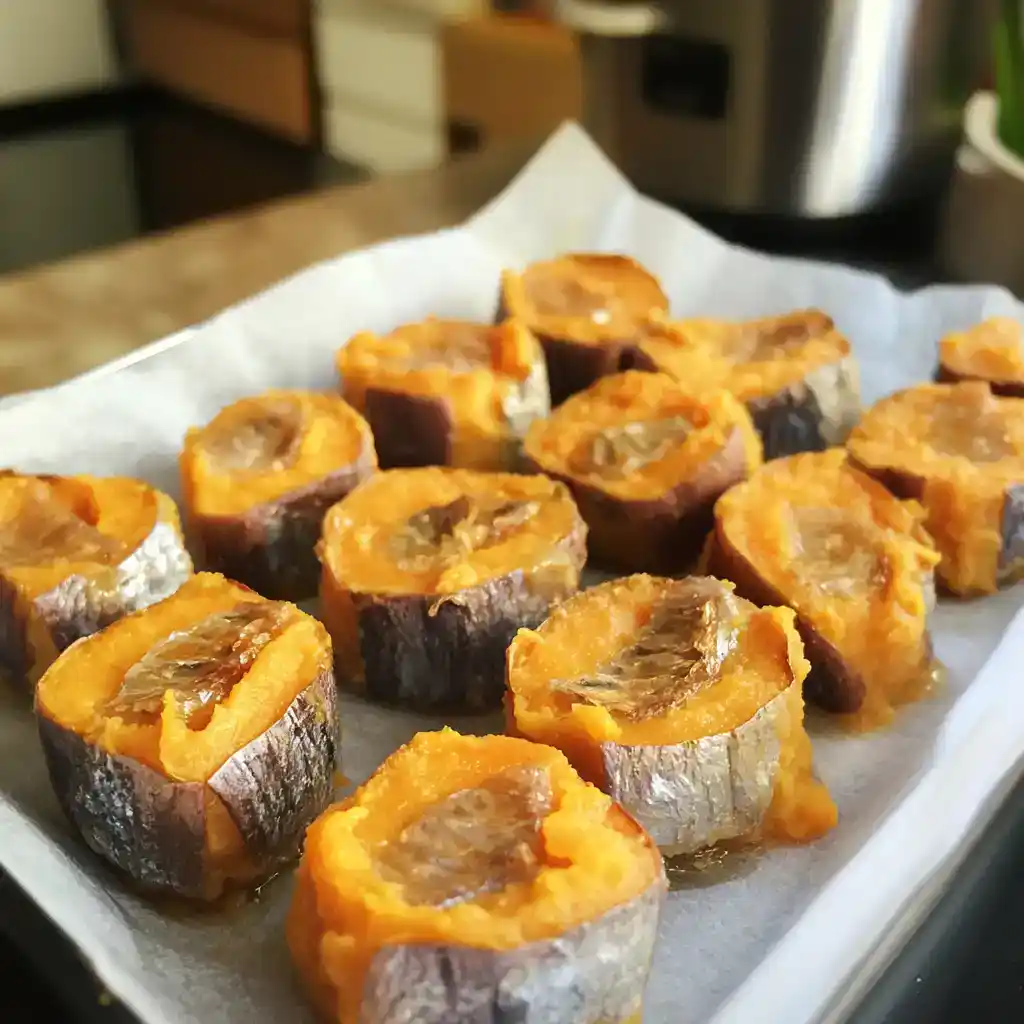
Here’s the thing about food-motivated Beagles and training distractions—I used to struggle with my hound’s selective hearing until I discovered these sardine and sweet potato training treats that cut through even the most interesting squirrel scents. Now he locks eyes with me the moment I pull out these orange-colored treats, and honestly, our training sessions have transformed from frustrating battles of wills to eager cooperation that makes me look like a professional dog trainer. Plus, the omega-3s from the sardines have given his coat such an incredible shine that other dog parents ask what fish oil supplements I use.
Here’s the Magic Behind These High-Value Rewards
The secret to driving dogs absolutely wild is combining sardines—nature’s omega-3 powerhouse—with naturally sweet sweet potato in a format that’s perfect for rapid-fire training rewards. What makes this irresistible to pups is how the fish oils create that savory richness dogs instinctively crave while the sweet potato provides natural sweetness and beautiful color that makes treats visually appealing. Here’s the magic—sardines are low in mercury but high in concentrated nutrition, while sweet potato delivers complex carbohydrates for sustained energy during long training sessions. It’s honestly safer than commercial fish training treats because you’re using whole sardines with their natural oils rather than processed fish meal.
The Lineup – Let’s Talk High-Value Ingredients
Canned sardines in water are absolutely crucial—I finally learned to avoid sardines in oil because dogs don’t need the extra fats, plus water-packed versions create cleaner training treats (so worth reading labels carefully). Don’t skip draining them thoroughly; excess liquid will make your dough too wet to roll and cut properly.
Cooked sweet potato should be mashed until completely smooth—any chunks will make cutting difficult and create uneven treat sizes. Coconut flour is perfect for binding because it’s grain-free and absorbs moisture well, plus many dogs with grain sensitivities can handle training treats made with coconut flour.
Fresh eggs help everything stick together while adding more protein that training dogs need. Pure coconut oil adds healthy fats and helps with the rolling process—melted but cooled works best for mixing.
Yes, sardines are completely safe for dogs and actually one of the best fish choices because they’re sustainably caught and low in mercury. Sweet potatoes are also completely safe and provide vitamins A and C plus fiber. Here’s a helpful guide about fish for dog training treats that really opened my eyes to using seafood for high-value rewards.
Here’s How We Create These Training-Perfect Rewards
Preheat your oven to 350°F and line a baking sheet with parchment paper—here’s where I used to mess up training treats by thinking small treats wouldn’t stick (spoiler: fish-based treats definitely need proper lining). The moderate temperature ensures even baking without burning these small, delicate pieces.
In a bowl, mash your drained sardines completely—you want them broken down so there are no large chunks that could make cutting difficult (your dog will probably start hovering around the kitchen from the amazing fish aroma). Don’t worry if you’re new to working with canned fish; sardines mash easily and smell appealing to dogs even if it’s strong to human noses.
Mix in your mashed sweet potato until well combined, then add coconut flour and egg, stirring until you have a dough that holds together but isn’t too sticky. Here’s my secret for perfect training treat dough—it should be firm enough to roll but soft enough that the fish oils keep it pliable.
Roll out the dough on a floured surface to about 1/4-inch thickness and cut into small training-sized pieces. My dog trainer taught me this trick—training treats should be small enough that dogs can consume them quickly without losing focus on the training session.
Place the treats on your prepared baking sheet and bake for 15-20 minutes until firm and lightly golden around the edges. Fish training treats can go from perfect to overcooked quickly, so check them at 15 minutes. Always let them cool completely before testing (make sure they’ve developed that perfect firm texture that won’t crumble in your treat pouch).
For more fish-based training options, check out this salmon quinoa training bite recipe that pairs perfectly with these sardine treats for dogs who respond best to seafood motivation.
Common Fish Training Treat Oops Moments (And How to Fix Them)
Dough too wet to roll? You probably didn’t drain the sardines well enough—that’s common with canned fish, and it happens to everyone. I’ve learned to press sardines with paper towels after draining to remove excess liquid.
Treats crumbling during cutting? Don’t stress, just add another egg or a bit more coconut flour until the dough holds together better. When this happens (and it might), the fish oils sometimes need more binding agents.
Sweet potato chunks making cutting difficult? This is totally normal—just mash the sweet potato more thoroughly next time until it’s completely smooth. Lumpy sweet potato creates uneven textures that don’t cut cleanly.
I always double-check that sardines are completely mashed because large pieces can make treats fall apart during training sessions. If your dog seems hesitant about the fish flavor initially, try making them smaller and mixing with their current favorite training treats.
When I’m Feeling Creative
When my high-energy working dog needs extra motivation during difficult training, I make these extra small for rapid-fire rewards that keep momentum going. For special competition prep, I dehydrate them slightly longer to make them crunchier and more shelf-stable in treat pouches. My omega-boost version includes a sprinkle of ground flaxseed, though that’s totally optional.
Sometimes I substitute canned salmon for the sardines when it’s on sale—this creates different flavor profiles and keeps dogs interested during long training sessions. For dogs who need lower-sodium options, I rinse the sardines before draining and mashing.
Why This High-Value Training Recipe Works So Well
These sardine and sweet potato training treats deliver premium omega-3 fatty acids that support brain function and coat health while providing the concentrated nutrition that creates laser focus during training sessions. What sets this apart from commercial fish training treats is using whole sardines with their natural oils and nutrients rather than processed fish meal or artificial fish flavoring.
The sweet potato provides complex carbohydrates that give sustained energy during long training sessions while the small size allows for frequent rewards without filling up the dog. This combination creates treats that are both nutritionally beneficial and irresistibly motivating for even the most distracted dogs.
Things People Ask Me About Fish Training Treats
Can puppies eat these sardine training treats?
Absolutely! The omega-3s are crucial for puppy brain development, making these perfect for early training. Just ensure pieces are appropriately sized for tiny mouths and developing teeth.
How long do these homemade fish treats stay fresh?
Most homemade fish training treats need to be refrigerated and used within 5-7 days since fish spoils faster than other proteins. I usually make smaller batches twice a week during intensive training periods.
What if my dog has never tried sardines before?
Start with tiny pieces mixed with their current favorite treats. Most dogs love the rich, savory flavor immediately, but some need gradual introduction to fish flavors.
Can I make these treats ahead of time for training classes?
Yes! These are perfect make-ahead training treats. I usually batch-make them on weekends and store in daily portions for the week’s training sessions.
How many fish training treats can I give during a session?
You can give quite a few during active training since they’re small and high in protein. I usually break them into rice-sized pieces for rapid-fire rewards during complex training.
What’s the best way to store training treats?
Store in airtight containers in the fridge for maximum freshness. Fish treats benefit from refrigeration even more than meat treats to prevent spoilage and maintain palatability.
Are these treats safe for dogs with fish allergies?
No—these are fish-based, so they’re not suitable for dogs with fish sensitivities. Consider novel protein alternatives like venison or duck for allergic dogs.
One Last Thing
I couldn’t resist sharing this because watching distracted dogs suddenly develop laser focus when they smell these fish treats never gets old—that moment when training becomes enjoyable instead of frustrating makes every batch worth the effort. The best training treat days are when you realize you’ve found the key to unlocking your dog’s potential through proper motivation. Your training partner deserves this kind of high-value, brain-building nutrition!
Print
Sardine and Sweet Potato Training Treats
Description
Omega-3 rich training treats that combine protein-packed sardines with naturally sweet sweet potato—perfect for high-value training rewards that support brain function!
Prep Time: 20 minutes | Cook Time: 20 minutes | Total Time: 40 minutes | Makes: 40-50 small treats
Ingredients
- 1 can (3.75 oz) sardines in water, drained (not oil-packed)
- 1 small sweet potato, cooked and mashed (completely smooth)
- 1/2 cup (60g) coconut flour (grain-free binding agent)
- 1 egg (for perfect binding and extra protein)
- 1 tbsp (15ml) coconut oil (for healthy fats and easy rolling)
Instructions
- Preheat oven to 350°F (175°C) and line baking sheet with parchment paper—fish treats need proper non-stick surface for easy removal.
- Drain sardines thoroughly and press with paper towels to remove excess liquid for proper dough consistency.
- In bowl, mash sardines completely until no large chunks remain that could interfere with cutting clean training-sized pieces.
- Mix in mashed sweet potato until well combined, then add coconut flour and egg, stirring until dough holds together firmly.
- Roll out dough on floured surface to 1/4-inch thickness—consistent thickness ensures even baking and uniform treat sizes.
- Cut into small training-sized pieces (about 1/2 inch) for quick consumption during training sessions without losing focus.
- Place treats on prepared baking sheet and bake 15-20 minutes until firm and lightly golden around edges.
- Cool completely before storing—treats should be firm enough not to crumble in treat pouches during training.
Notes:
- Drain sardines thoroughly to prevent overly wet dough that won’t cut cleanly
- Sweet potato must be completely smooth for easy rolling and cutting
- Small size is crucial for effective training—dogs should consume quickly
- These are high-value treats—perfect for challenging training situations
Storage Tips:
- Refrigerate in airtight containers for up to 7 days maximum
- Fish treats spoil faster than meat treats—don’t push storage timeline
- Perfect for weekly batch-making during intensive training periods
- Keep portions in small containers for daily training sessions
What Makes This Recipe Special:
Sardines provide the highest concentration of omega-3 fatty acids available in training treat form, supporting brain function and learning capacity during training sessions. The sweet potato adds natural sweetness and complex carbohydrates for sustained energy, while the small size allows for frequent rewards without overfeeding.
Mix It Up (Dog-Safe Variations):
- Competition Grade: Make extra small for rapid-fire rewards during complex training sequences
- Salmon Substitute: Use canned salmon instead of sardines for different omega-3 profile and flavor
- Dehydrated Version: Bake longer at lower temperature for crunchier, more shelf-stable treats
- Grain-Free Boost: Add ground flaxseed for additional omega-3s and fiber benefits
- Low-Sodium Option: Rinse sardines before draining for dogs with sodium restrictions




