
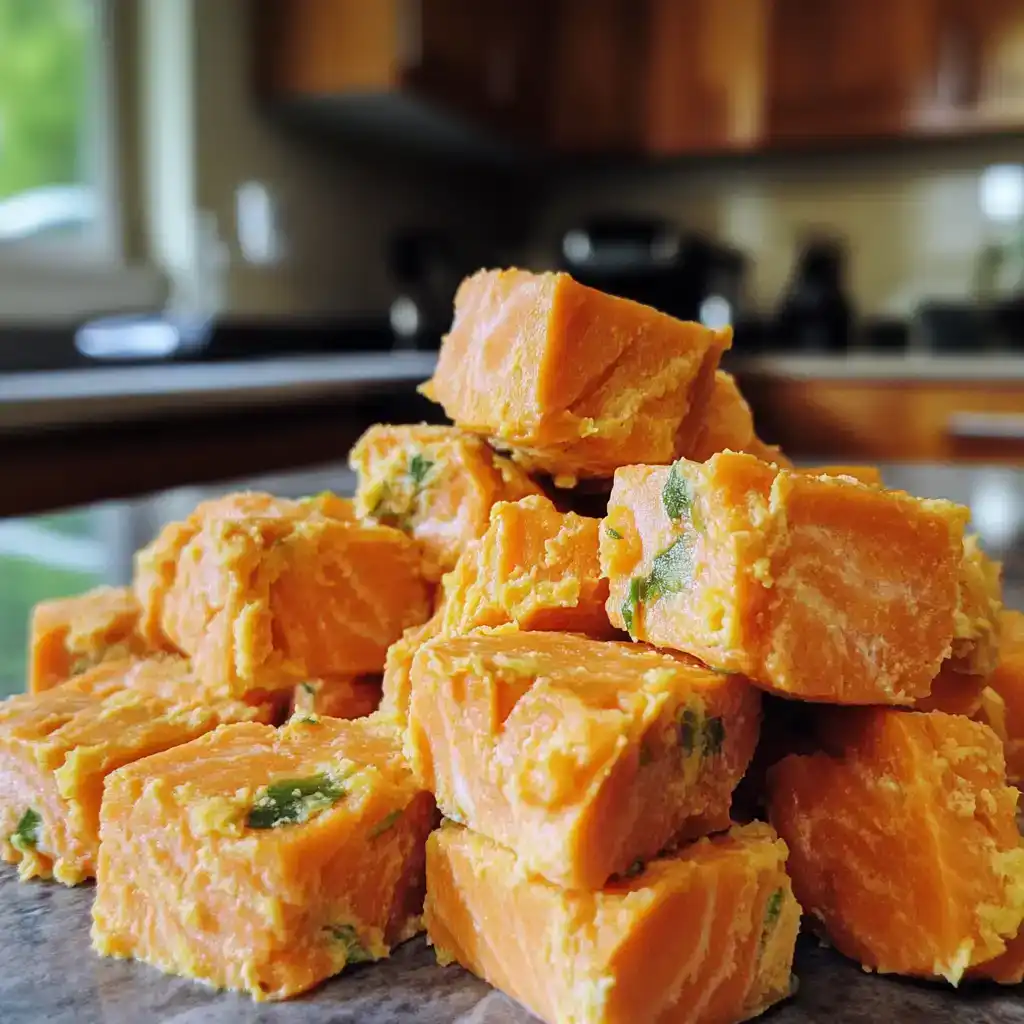
Here’s My Story With This Recipe
Ready to become your dog’s favorite human with one simple recipe? I discovered these incredible salmon and sweet potato training treats during a particularly frustrating week when my 8-year-old Golden Retriever Amber decided he’d forgotten every command he’d ever learned. Here’s the thing—store-bought training treats were either too big, too crumbly, or full of ingredients that made his stomach upset during long practice sessions. Let me tell you, nothing’s more embarrassing than your dog having digestive issues in the middle of obedience class! These bite-sized beauties changed everything, and now Amber actually gets excited when I pull out his training pouch instead of trying to hide behind the couch.
Here’s the Thing About This Dog Recipe
The secret to driving dogs wild is that irresistible salmon smell combined with naturally sweet potato goodness. What makes this absolutely perfect for training is the small, firm texture that doesn’t crumble in your pocket or training pouch. Here’s the magic—coconut flour creates the ideal chewy consistency that dogs can gulp down quickly without losing focus on their training. I never knew grain-free could be this appealing to pups, and it’s honestly way gentler on sensitive stomachs than those store-bought options loaded with fillers.
The Lineup – Let’s Talk Dog-Safe Ingredients (Safety First!)
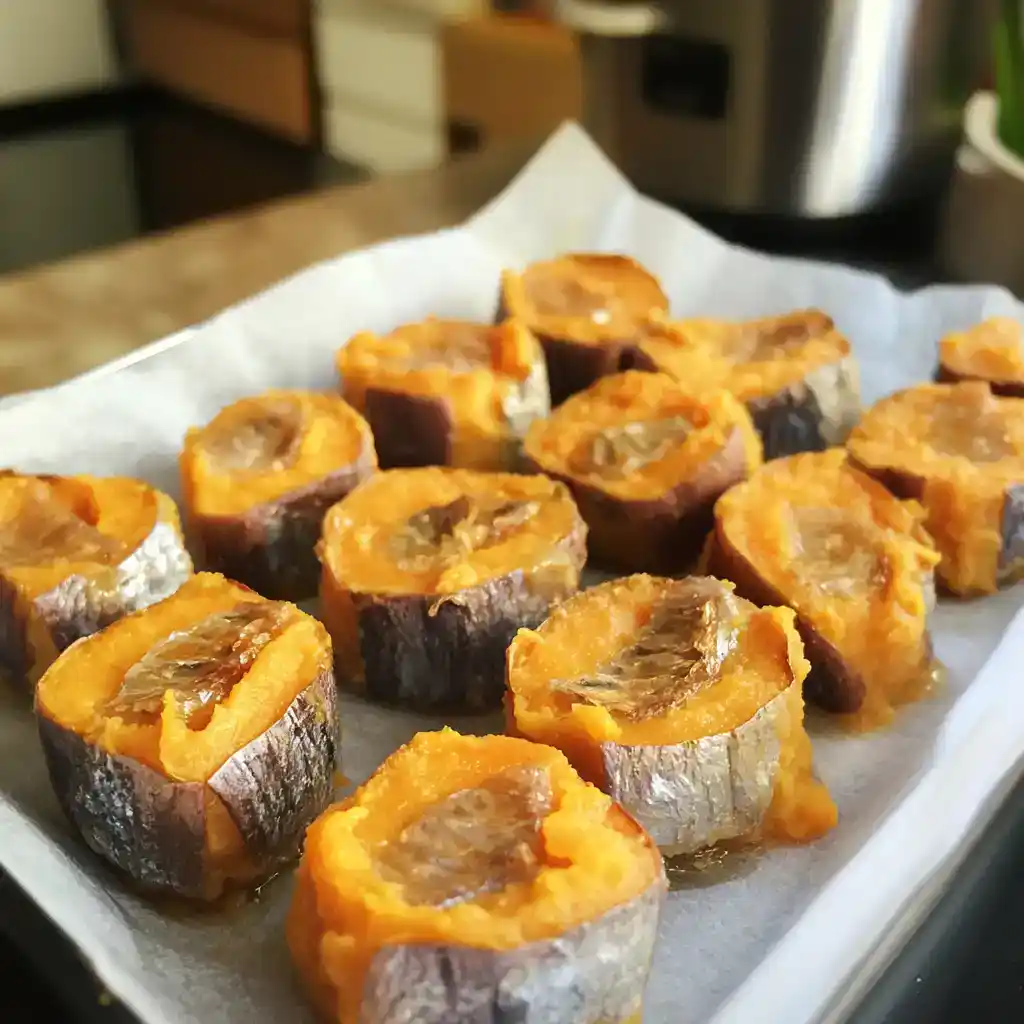
Good cooked salmon is absolutely crucial—I always use wild-caught when possible and make sure there are absolutely no bones (learned this after my vet gave me the serious safety talk). Don’t skip the sweet potato; I usually bake mine ahead of time because microwaved ones get too watery for training treat consistency.
For the low-sodium chicken broth, I finally found a brand with no onion or garlic after checking labels at three different stores (way safer than I expected once you know what to avoid). Plain coconut flour works beautifully and is perfect for dogs with grain sensitivities—just make sure it’s unsweetened and nothing fancy added (Amber somehow knows when I try to use the baking blend).
The egg should be fresh and I always crack it into a separate bowl first because broken shells are the worst surprise when you’re mixing dough. I always grab extra salmon because Amber starts doing his “helpful” kitchen dance the moment he smells fish cooking, and yes, this coconut flour is completely safe for dogs and actually easier to digest than wheat.
Here’s How We Create This Dog-Approved Magic
Preheat your oven to 350°F and line a baking sheet with parchment paper—here’s where I used to mess up training treat making by going too hot and getting rock-hard results. In your mixing bowl, combine that flaked salmon, mashed sweet potato, and chicken broth until it looks like the most appetizing fish mixture (Amber will start drooling at this point, guaranteed).
Now for the fun part—stir in coconut flour and egg until a workable dough forms. Here’s my secret for perfect training treats: the dough should hold together but not be sticky. Don’t be me from last year; I used to think wetter was better, but my dog trainer taught me this trick about firm consistency being crucial for training success.
Roll out your dough on a lightly floured surface to about 1/4 inch thick—this creates the perfect bite-sized thickness that won’t break apart in your training pouch. Cut into small squares or use a tiny cookie cutter (about 1/2 inch pieces work perfectly for most dogs). Every Golden Retriever has different preferences, but Amber loves these small enough to swallow quickly and get back to learning.
Bake for 20-25 minutes until they’re firm and slightly golden—training treats can go from perfect to burnt quickly, so check after 18 minutes. The smell will have your dog doing their full repertoire of tricks without being asked! Make sure they’re completely cool before using for training sessions (this is critical for safety and prevents burned tongues during excited treat time).
Don’t worry if you’re new to making homemade dog treats—these are incredibly forgiving, and even slightly imperfect shapes work great for training.
If This Happens, Don’t Panic
Dough came out too wet? You probably had extra moisture in your sweet potato—that’s common with freshly cooked ones, and it happens to everyone. I’ve learned to let sweet potatoes cool completely and even pat them dry with paper towels before mashing.
Treats seem too crumbly? When this happens (and it will), just add a tiny bit more chicken broth, one teaspoon at a time. Don’t stress, just work with what you’ve got—this is totally fixable, and dogs honestly don’t care about perfect texture as long as it tastes amazing.
If your dog seems uninterested like Amber did with my first batch, try flaking the salmon smaller next time. I always double-check that my salmon is completely cooked because raw fish isn’t safe for regular feeding, though these ingredients are all perfectly dog-approved.
When I’m Feeling Creative
When Amber needs extra brain power during advanced training sessions, I’ll add a tablespoon of plain Greek yogurt to the mix for extra protein. For special occasions like competition prep, I make mini versions using a 1/4 inch cutter—this makes them extra special but takes more time to cut.
My summer training version gets frozen in ice cube trays for hot weather sessions (perfect for outdoor agility practice). Sometimes I add a pinch of dried parsley for fresher breath during close training work, though that’s totally optional. For extra joint support (great for senior dogs like my 8-year-old Amber), I love adding a teaspoon of coconut oil to my training batch.
Why This Works So Well for Dogs
What sets these salmon training treats apart from other dog treat recipes is the perfect balance of high-value protein with easily digestible carbs. The omega-3 fatty acids in salmon don’t just make coats shiny—they actually support brain function, which is crucial during learning sessions.
This technique creates treats that are firm enough to not crumble during active training but soft enough for quick consumption between commands. The sweet potato provides natural energy without the sugar crash you get from commercial training treats, and coconut flour is incredibly gentle on sensitive stomachs during repeated feeding.
Things People Ask Me About Training Treats
Can puppies use these for training?
Absolutely! Just make them extra small (about 1/4 inch) and introduce gradually. The soft texture is perfect for young teeth, and the high-value ingredients help with focus during puppy training sessions.
How long do these training treats stay fresh?
I usually store these in the fridge for up to one week in an airtight container. They actually work better for training after day one when they firm up slightly.
What if my dog has fish allergies?
Check with your vet first, but you can substitute the salmon with cooked chicken breast. The sweet potato and coconut flour combination works with any lean protein.
Can I make these treats ahead of training class?
Definitely! I make a big batch every Sunday for the week’s training sessions. They freeze beautifully for up to two months—just thaw what you need the night before.
How many treats should I use during training?
Remember the 10% rule for treats, but during active training sessions, use tiny pieces. For Amber’s size, I break each treat into 2-3 pieces during intensive training to avoid overfeeding.
Are these treats good for dogs with sensitive stomachs?
Perfect for sensitive tummies! The coconut flour is grain-free and gentler than wheat, while salmon is easily digestible. Just introduce slowly like any new food.
How small should training treats be?
Think pea-sized or smaller—you want your dog to swallow quickly and refocus on training. These are rewards, not meals!
Before You Head to the Kitchen
I couldn’t resist sharing this because watching Amber finally nail that perfect “stay” command with these high-value treats was honestly one of my proudest dog parent moments. The best training treat days are when you see your dog’s focus improve and realize you’ve found that magic combination of delicious and functional that makes learning actually fun for both of you.
Print
Salmon and Sweet Potato Training Treats
Description
High-value, bite-sized training rewards packed with brain-boosting omega-3s and gentle coconut flour—perfect for focused training sessions
Prep Time: 15 minutes | Cook Time: 20-25 minutes | Total Time: 40 minutes | Makes: About 100 small training treats
Ingredients
- 6 oz cooked salmon, flaked and bone-free (completely safe for dogs)
- 1 small sweet potato, cooked and mashed (about 1/2 cup)
- 1/4 cup (60ml) low-sodium chicken broth (no onion or garlic)
- 1/4 cup (30g) coconut flour (unsweetened)
- 1 large egg
Instructions
- Preheat your oven to 350°F and line a baking sheet with parchment paper—perfect temperature for firm training treats.
- Mix salmon, sweet potato, and chicken broth until combined and your dog starts begging from the amazing smell.
- Stir in coconut flour and egg until a workable dough forms (about 2 minutes of mixing).
- Roll dough to 1/4 inch thickness on lightly floured surface and cut into 1/2 inch squares for training.
- Place treats on baking sheet and bake 20-25 minutes until firm and slightly golden—if your pup can wait!
- Let cool completely before using for training sessions (crucial for safety and texture).
Notes:
- Always let cool completely—hot treats can burn eager mouths during training
- Amber prefers these firm enough to not crumble in my training pouch
- Make them small—training treats should be quick rewards, not meal replacements
Storage Tips:
- Store in fridge up to one week in airtight container for freshness
- Freeze extras up to 2 months—thaw overnight for training sessions
- Don’t leave out during long training sessions—they can spoil in heat
What Makes This Recipe Special:
These training treats combine high-value salmon protein with brain-supporting omega-3 fatty acids, making them perfect for focused learning sessions. The coconut flour creates an ideal texture that won’t crumble in training pouches while being gentle on sensitive stomachs during repeated feeding.
Mix It Up (Dog-Safe Variations):
Chicken Training Version: Substitute cooked chicken breast for salmon (same protein benefits)
Freeze-Dried Power: Add 1 tablespoon freeze-dried liver for extra high-value appeal during challenging training
Competition Prep: Make extra small (1/4 inch) for rapid-fire reward sessions during advanced training




