
Here’s My Story With This Novel Protein Game-Changer
Let me tell you about the day my Border Collie’s elimination diet led me to discover rabbit as a protein source—these rabbit and sweet potato jerky treats completely transformed her chronic skin allergies and digestive issues. Now she has beautiful, itch-free skin and energy levels that remind me why Collies are such amazing working dogs, and honestly, making these jerky treats has become my weekly ritual because seeing her thrive makes every minute worth it. Plus, the dehydrated sweet potato provides sustained energy for our long hiking adventures without triggering any of her food sensitivities.
Here’s the Thing About This Novel Protein Jerky
The magic behind this jerky is combining rabbit—one of the most hypoallergenic proteins available—with fiber-rich sweet potato in a dehydrated format that concentrates flavors and nutrition. What makes this irresistible to pups is how the slow dehydration process creates that perfect chewy texture with intense flavors that satisfy even the pickiest dogs with multiple allergies. The secret to driving dogs wild is using rabbit meat that most dogs have never encountered, making it incredibly novel and appealing. It’s honestly safer than commercial novel protein jerky because you control every aspect from fresh meat to finished product, with no cross-contamination from common allergens.
What You’ll Need (And My Novel Protein Shopping Tips)
Fresh rabbit meat is absolutely crucial—I finally found a specialty butcher who orders whole rabbits for me, though many farmers’ markets carry rabbit too (so worth the search for dogs with severe allergies). Don’t skip slicing it thinly; uniform thickness is essential for even dehydration and safe jerky texture.
Medium sweet potatoes should be firm and fresh—avoid any with soft spots that won’t dehydrate properly. Pure olive oil helps with the dehydration process and adds healthy fats that support coat health. The key is using minimal ingredients to maintain the novel protein integrity.
Good sharp knife skills matter for this recipe since consistent slicing creates professional jerky results. Yes, rabbit meat is completely safe for dogs and often recommended by veterinary dermatologists for severe food allergies. Sweet potatoes are also completely safe and provide complex carbohydrates for sustained energy. Here’s a helpful guide about novel proteins for dog allergies that really opened my eyes to alternative protein sources.
Let’s Make This Pup-Perfect Novel Protein Jerky Together
Preheat your oven to 200°F and line a baking sheet with parchment paper—here’s where I used to mess up dehydrated treats by using too high heat and basically cooking them instead of slowly dehydrating for that perfect jerky texture.
Peel your sweet potato and slice into thin rounds, about 1/8 inch thick for optimal dehydrating. Toss the sweet potato slices in olive oil until lightly coated—this helps with even dehydration and adds healthy fats (your dog will probably start showing interest from the sweet potato aroma).
Place the oiled sweet potato slices on your prepared baking sheet in a single layer and bake for 2 hours until they start to dry out but aren’t completely crispy yet. Don’t worry if you’re new to making jerky; the sweet potatoes are forgiving and provide a good base for learning dehydration timing.
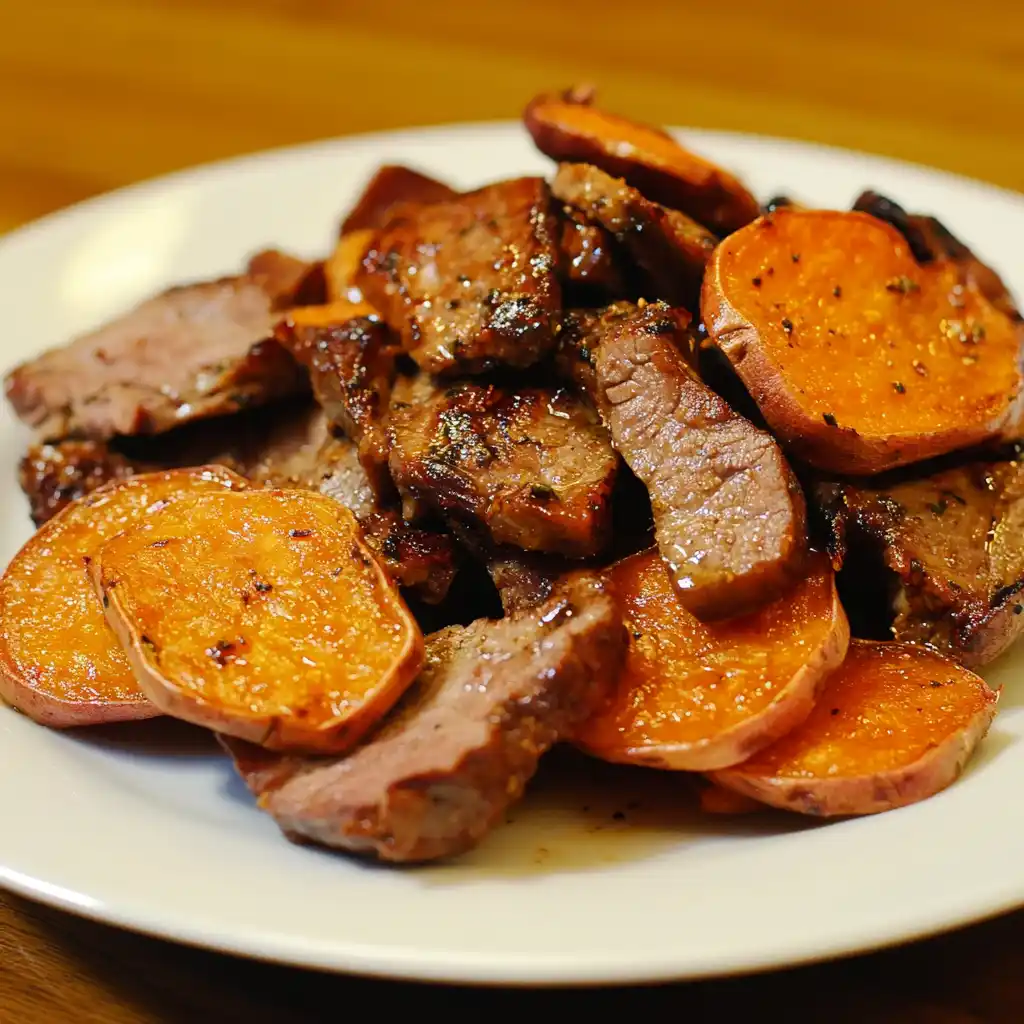
Now for the protein part—slice your rabbit meat into thin strips and add them on top of the partially dehydrated sweet potatoes. Here’s my secret for perfect rabbit jerky: the meat benefits from the moisture still in the sweet potatoes during the first part of dehydration.
Bake for an additional 2-3 hours until both the rabbit and sweet potato are fully dried and jerky-like in texture. My vet taught me this trick—properly dehydrated jerky should be leathery and flexible, not crispy or still soft.
The total time can vary based on thickness and humidity, so check every 30 minutes after the 4-hour mark. Always let them cool completely before testing texture (make sure they’ve reached that perfect chewy consistency that dogs find irresistible).
For more novel protein options, check out this venison and pumpkin dog jerky recipe that pairs perfectly with this rabbit jerky for dogs with multiple protein sensitivities.
When Things Go Sideways (And They Will)
Jerky still soft after 5 hours? You probably sliced it too thick—that’s common with lean meats like rabbit, and it happens to everyone. I’ve learned to slice thinner next time or give it more dehydrating time until it reaches proper jerky texture.
Sweet potatoes over-dried and brittle? Don’t stress, those pieces are still perfectly safe, just break them into smaller treats. When this happens (and it might), it’s usually because sweet potatoes vary in moisture content.
Rabbit meat seems tough? This is totally normal—rabbit is naturally lean and becomes chewy when dehydrated. The toughness actually makes it perfect for dogs who love to gnaw and helps with dental health.
I always double-check that both rabbit and sweet potato are properly dehydrated because under-dried jerky can spoil quickly. If your dog seems hesitant about the rabbit flavor initially, try offering tiny pieces first to build familiarity with this novel protein.
Ways to Mix It Up
When my working dog needs extra energy for long training days, I cut the jerky into larger strips for more substantial chewing sessions. For special allergy management, I make batches using only rabbit with no sweet potato for the most limited ingredient option possible. My joint-support version includes a light dusting of turmeric before dehydrating, though that’s totally optional.
Sometimes I substitute duck or venison when I can find them fresh—this creates variety in novel proteins for dogs with extensive allergies. For senior dogs with sensitive teeth, I dehydrate for slightly less time to maintain a softer chew.
What Makes This Novel Protein Recipe Special
This rabbit and sweet potato combination delivers complete amino acids from a hypoallergenic protein source while providing complex carbohydrates and fiber that support sustained energy and healthy digestion. What sets this apart from commercial novel protein jerky is using fresh, whole ingredients with no cross-contamination from common allergens like chicken, beef, or grain-based facilities.
The slow dehydration process preserves maximum nutritional value while creating the ideal texture for dogs who need both mental stimulation and clean nutrition. This jerky provides the purest possible protein source for elimination diets and long-term allergy management.
Questions I Always Get
Can dogs with severe food allergies eat this rabbit jerky?
This is actually perfect for severe food allergies since rabbit is considered one of the most hypoallergenic proteins available. Always introduce gradually and consult with your vet during elimination diets.
How long does homemade novel protein jerky stay fresh?
Properly dehydrated rabbit jerky can last 2-3 weeks stored in airtight containers at room temperature, or up to 2 months refrigerated. The key is ensuring complete dehydration for shelf stability.
What if my dog has never tried rabbit before?
Start with tiny pieces and introduce over several days. Most dogs love the gamey flavor immediately, but some need time to accept new proteins during allergy elimination periods.
Can I use frozen rabbit meat for this recipe?
Yes! Just ensure it’s completely thawed and patted dry before slicing. Frozen rabbit works just as well as fresh for jerky making and is often more affordable.
How many pieces of rabbit jerky should I give my dog per day?
Novel protein jerky is very rich, so I usually limit it to 2-3 pieces per day for medium dogs. During elimination diets, your vet can guide appropriate quantities.
What’s the best way to store homemade rabbit jerky?
Store in airtight containers away from moisture and light. Properly dehydrated jerky doesn’t need refrigeration but benefits from it in humid climates for maximum freshness.
Are these treats safe for puppies with allergies?
Absolutely! Novel proteins are often introduced to puppies with early allergy signs. Just ensure pieces are appropriately sized and introduce gradually under veterinary guidance.
Before You Head to the Kitchen
I couldn’t resist sharing this because watching dogs with severe allergies finally find a protein they can safely enjoy never gets old—especially when you see their skin clear up and energy return after months of struggling. The best novel protein jerky days are when you realize you’re not just making treats, you’re providing medicine in the form of safe, clean nutrition. Your allergy-prone furry family member deserves this kind of pure, hypoallergenic goodness!
Print
Rabbit and Sweet Potato Jerky
Description
Hypoallergenic jerky treats that combine novel rabbit protein with fiber-rich sweet potato—perfect for dogs with food allergies who need clean, safe nutrition!
Prep Time: 30 minutes | Cook Time: 5 hours | Total Time: 5 hours 30 minutes | Makes: 20-30 pieces
Ingredients
- 8 oz rabbit meat, thinly sliced (novel protein perfect for allergies)
- 1 medium sweet potato, peeled and sliced into thin rounds
- 1 tbsp olive oil (for healthy fats and dehydration aid)
Instructions
- Preheat oven to 200°F (95°C)—low temperature is crucial for proper dehydration without cooking the proteins.
- Line baking sheet with parchment paper for easy removal and prevent sticking during long dehydration process.
- Slice sweet potato into thin rounds (about 1/8 inch thick) and toss with olive oil until lightly coated for even dehydration.
- Place sweet potato slices on prepared baking sheet in single layer and bake for 2 hours until they start to dry but aren’t crispy.
- Slice rabbit meat into thin strips and place on top of partially dehydrated sweet potatoes—they benefit from residual moisture.
- Bake for additional 2-3 hours until both rabbit and sweet potato are fully dried and jerky-like in texture.
- Check every 30 minutes after 4-hour total time—properly dehydrated jerky should be leathery and flexible, not soft or crispy.
- Cool completely before cutting into bite-sized pieces appropriate for your dog’s size.
Notes:
- Slice uniformly for even dehydration—consistent thickness is key
- Low temperature dehydration is essential—don’t rush with higher heat
- Properly dehydrated jerky feels leathery and bends without breaking
- These are novel protein treats—perfect for dogs with common protein allergies
Storage Tips:
- Store in airtight containers at room temperature for 2-3 weeks
- Refrigerate for up to 2 months for maximum freshness
- Keep away from moisture to maintain proper jerky texture
- Label clearly since this is novel protein for allergy management
What Makes This Recipe Special:
Rabbit provides complete amino acids in a hypoallergenic protein that most dogs have never encountered, making it perfect for elimination diets and severe allergy management. The sweet potato adds complex carbohydrates and fiber for sustained energy while the dehydration process creates shelf-stable treats with concentrated nutrition.
Mix It Up (Dog-Safe Variations):
- Pure Protein Version: Make rabbit-only jerky for most restrictive elimination diets
- Duck Substitute: Use duck meat instead of rabbit for different novel protein option
- Venison Alternative: Substitute venison when rabbit isn’t available
- Joint Support: Light dusting of turmeric before dehydrating for anti-inflammatory benefits
- Training Size: Cut into smaller pieces for high-value training rewards during allergy management




