
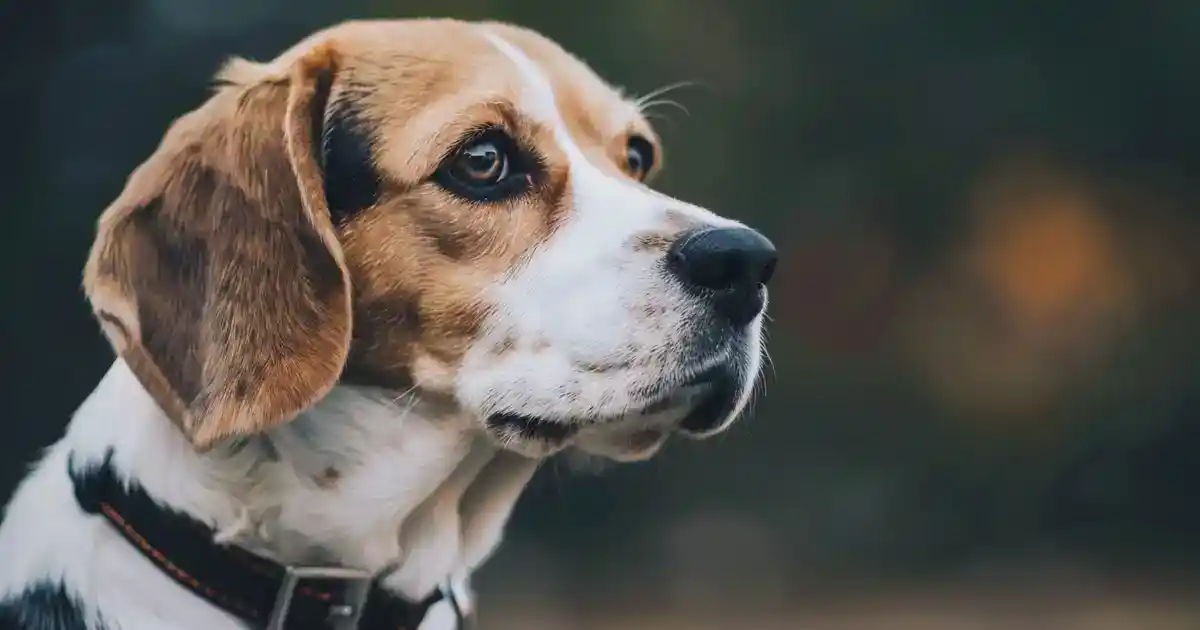
Have you ever wondered why Beagle training seems impossible until you discover techniques that work with their hound instincts instead of against them?
I used to think my Beagle was untrainable and just “being stubborn,” until I discovered that understanding their scent-driven nature and legendary food motivation creates absolutely game-changing training breakthroughs. Now my Beagle responds reliably to commands even with distractions around (yes, really—even squirrels and interesting smells), and other hound owners constantly ask how I transformed my “selectively deaf” dog into such a well-behaved companion. Trust me, if you’re frustrated that your Beagle ignores you the moment they catch an interesting scent, acts like they’ve never heard their name when something exciting appears, or seems perfectly trained at home but completely unreliable outdoors (I’ve been there chasing my dog through the neighborhood), this approach will show you that successful Beagle training is far more achievable than those discouraging breed descriptions suggest. The secret isn’t fighting their hound nature or accepting that Beagles “just can’t be trained”—it’s understanding what actually motivates them, using their incredible nose as a training asset rather than obstacle, working with their food obsession strategically, and implementing techniques specifically designed for scent hounds rather than generic methods that work for biddable breeds like retrievers.
Here’s the Thing About Beagle Training
Here’s the magic: Beagles are incredibly intelligent, food-motivated dogs who can absolutely learn complex behaviors when training approaches respect their hound heritage rather than treating them like generic dogs. What makes this knowledge so powerful is understanding that Beagles aren’t stubborn or untrainable—they’re independent thinkers bred for centuries to make decisions while following scent trails, which means traditional obedience training designed for biddable breeds often fails spectacularly with hounds. I never knew training could work this well until I stopped comparing my Beagle to my friend’s Border Collie and started using techniques that leverage rather than fight against scent-driven instincts and food motivation. This combination of high-value rewards, scent work integration, realistic expectations about off-leash reliability, and training methods respecting hound nature creates incredible results without requiring your Beagle to become something they’re not. According to research on dog breed behavior and genetics, Beagles were selectively bred for independent hunting requiring decision-making without constant human direction, which means their “stubbornness” is actually the independence that made them excellent hunting companions for generations. It’s honestly more straightforward than those “most difficult to train” breed rankings suggest—no special magic needed, just educated understanding of what makes hounds tick and practical techniques designed specifically for scent-driven, food-motivated, independent-thinking dogs who genuinely want to cooperate when given proper motivation and training approaches that make sense to their hound brains.
What You Need to Know – Let’s Break It Down
Understanding scent drive as Beagle’s primary motivator is absolutely crucial because their nose literally rules their world in ways non-hound owners can’t comprehend (took me forever to realize this). Beagles have approximately 220 million scent receptors compared to humans’ 5 million, and I finally figured out that when they’re “ignoring” you, they’re genuinely overwhelmed by olfactory information that’s exponentially more interesting than your commands after watching how my dog’s entire focus would shift the instant an interesting smell appeared. Don’t skip accepting that you’re working with a scent hound whose breeding purpose was following their nose independently—fighting this nature creates frustration while working with it creates cooperation. If you’re navigating overall Beagle health and wellness supporting their active lifestyle, check out my guide to nutrition for active sporting dogs for foundational strategies ensuring your training efforts are supported by optimal physical health and energy levels.
Food motivation is your superpower with Beagles because this breed is famously food-obsessed to a degree that exceeds most other breeds. Here’s what surprised me: this isn’t greed or bad behavior—it’s genetic programming from hunting dogs who needed to maintain energy during long working days, making food the ultimate training currency when used strategically. Mental preparation about using food motivation effectively rather than viewing it as “bribing” prevents so much training frustration.
Realistic expectations about recall and off-leash reliability save enormous disappointment because even expertly trained Beagles may never achieve Border Collie-level off-leash reliability when strong scents are present. Understanding this isn’t failure—it’s respecting breed characteristics and keeping your dog safe through appropriate management rather than unrealistic expectations leading to dangerous situations.
Independence and selective hearing require specific training approaches because Beagles genuinely assess whether complying with commands benefits them, unlike biddable breeds who obey primarily to please their owners. [Positive reinforcement methods] work beautifully for Beagles, but you’ll need to understand that making cooperation more rewarding than alternatives creates reliability rather than demanding obedience through corrections or intimidation that backfire with independent hounds.
The Science and Psychology Behind Why This Works
Beagles respond exceptionally well to positive reinforcement training because their intelligence and food motivation create perfect conditions for operant conditioning when approached correctly. Research from leading universities demonstrates that scent hounds show different learning patterns than herding or retrieving breeds, requiring training methods that account for their independent decision-making and distractibility around scents, showing that breed-specific approaches produce better outcomes than generic obedience training. These dogs were bred for centuries to work semi-independently while following scent trails, making decisions about which trail to pursue and when to vocalize findings—this requires intelligence and initiative that manifests as “stubbornness” when applied to obedience contexts.
What makes Beagles different from a scientific perspective is their extraordinary olfactory capability combined with genetic programming prioritizing scent investigation over human direction. Understanding this neurological reality—that their brains process scent information as overwhelmingly salient—transforms frustration about “disobedience” into practical strategies for managing scent-driven distractions.
Traditional punishment-based approaches catastrophically fail with Beagles because their independent nature means harsh corrections create wariness or shutdown rather than reliable obedience. The psychological aspect matters tremendously—Beagles need to believe cooperation benefits them rather than fearing consequences of non-compliance. I’ve watched positive methods create enthusiastic, reliable Beagles while punishment creates dogs who avoid their owners, work only under duress, or become more creative about avoiding detection while doing exactly what they want.
Here’s How to Actually Make This Happen
Start by establishing yourself as the source of everything wonderful in your Beagle’s life—consistency matters more than dominance here. Here’s where I used to mess up: I’d hand over food, toys, and attention freely without requiring any cooperation, then wonder why my Beagle ignored me when more interesting things appeared. Now everything good (food, toys, outdoor access, play) comes through cooperation with me, which my Beagle learned beautifully within days means I’m worth paying attention to even when distractions exist. Use “nothing in life is free” approach requiring simple behaviors (sit, eye contact, come) before receiving anything your Beagle wants.
Now for the important part: building rock-solid recall using the most high-value rewards you can possibly find. Start training indoors with zero distractions using premium treats (real meat, cheese, hot dogs—not regular kibble), practice calling your Beagle from very short distances, throw a huge party with multiple treats and praise every single time they respond. This step requires making coming to you the absolute best thing that ever happens in your dog’s life, creating positive associations so powerful they override even interesting scents. Don’t be me—I used to practice recall with mediocre treats in distracting environments, then felt frustrated when my dog ignored me for squirrels that were obviously more rewarding than my boring training treats.
Here’s my secret for managing scent distraction: train a “check-in” behavior where your Beagle voluntarily looks at you during walks or outdoor time, heavily rewarding every instance with premium treats. Practice this extensively in gradually more distracting environments, building your Beagle’s habit of checking in with you even when interesting smells are present. My mentor taught me that you can’t eliminate scent drive, but you can train competing behaviors that become strong enough to interrupt scent obsession temporarily—and that’s sufficient for real-world reliability. Every dog has unique thresholds—some can check in around mild distractions while others struggle with even moderate scent interest requiring more management.
Leash training requires patience because Beagles’ noses pull them in every direction creating that characteristic hound pulling behavior. Use front-clip harnesses distributing pressure and discouraging pulling, stop completely whenever your Beagle pulls (standing still until leash relaxes), and heavily reward walking near you with loose leash using continuous treat delivery during good behavior. When proper leash walking clicks, you’ll know—your Beagle will start checking in voluntarily and maintaining loose leash because they’ve learned it produces constant treat flow while pulling produces nothing.
Teaching reliable “leave it” and “drop it” commands protects Beagles from their tendency to eat everything interesting they encounter. Build these commands systematically starting with low-value items, progressing to increasingly tempting objects as reliability improves, and always rewarding compliance with something even better than what they’re leaving. Don’t worry if progress feels slow—these are genuinely difficult commands for food-obsessed hounds requiring extensive practice. Results can vary, but most Beagles develop adequate impulse control with consistent training, though supervision remains important given their opportunistic nature.
Crate training and confinement management prevent the destructive behaviors and escape artistry that under-exercised, inadequately supervised Beagles develop. Properly introduced crates become safe spaces preventing household destruction when you can’t actively supervise, while secured fencing prevents the Beagle tendency to follow interesting scents right out of yards. Consistent management prevents rehearsal of problem behaviors while training develops reliable alternatives.
Common Mistakes (And How I Made Them All)
My biggest mistake was expecting Border Collie-style obedience from my Beagle, then feeling frustrated and blaming my dog for “stubbornness” when she didn’t demonstrate that level of biddability. I thought all dogs should respond the same way to training—instead I learned that hounds require different approaches respecting their breeding purpose. Learn from my epic failures: Beagles can be trained to high levels of reliability for their breed, but comparing them to herding or retrieving breeds sets everyone up for disappointment and creates unfair expectations.
I also used inadequate rewards trying to train with regular kibble or mediocre treats, not understanding that Beagles’ legendary food motivation means you need premium rewards creating genuine excitement. This resulted in my dog being moderately interested in training rather than enthusiastically engaged, making progress painfully slow. Don’t make my mistake of ignoring fundamental principles experts recommend about using rewards that actually motivate your individual dog—what works for some breeds is inadequate for food-obsessed hounds requiring truly special treats during training.
Another massive mistake was practicing recall in off-leash areas before my Beagle’s response was completely reliable, thinking “real-world practice” would solidify training. This allowed her to learn that ignoring recall has no consequences and following scents is more rewarding than coming to me—essentially training exactly what I didn’t want. Now I only practice off-leash in secured areas until reliability is rock-solid, and I use long training leads for “off-leash” practice in open areas, preventing rehearsal of ignoring recall.
I underestimated the importance of mental stimulation through scent work and puzzle toys, treating exercise as purely physical. This created a dog who was physically tired but mentally bored, leading to destructive behaviors and obsessive scent-seeking. Beagles need jobs for their noses—providing appropriate outlets for scent drive reduces problematic scent-following during regular activities.
Finally, I used neck collars for leash attachment despite Beagles’ tendency to pull, creating constant pressure on throat and potentially damaging trachea during their enthusiastic pulling. Front-clip harnesses transformed walks by making pulling uncomfortable for my dog while protecting her physical health—this simple equipment change made leash training progress exponentially faster.
When Things Don’t Go as Planned (And They Will)
Facing complete recall failure when scents appear? You probably need to increase reward value dramatically, practice in less distracting environments building stronger foundation, or accept that off-leash time requires secured areas for this breed. That’s frustrating, and it happens to virtually every Beagle owner discovering that hound recall has inherent limitations regardless of training quality. I’ve learned to handle this by using long training leads (20-30 feet) allowing freedom while maintaining ultimate control, finding fully fenced areas for off-leash play, and accepting that my Beagle’s safety requires management not just training.
Training progress stalled despite consistent effort? Don’t stress, just evaluate whether your rewards are truly high-value enough and whether you’re progressing too quickly before foundational behaviors are solid. Beagles learn perfectly well when motivated appropriately—slow progress usually indicates inadequate motivation or moving to distractions before simple environment training is bulletproof. This is totally manageable once you accept that hound training requires more repetitions and higher rewards than many other breeds.
If you’re losing motivation because training feels like endless work without the results other breeds achieve quickly, try connecting with hound-specific training communities who understand these unique challenges. I always prepare for slower progress because Beagle training genuinely requires more patience than training biddable breeds—some behaviors that Border Collies learn in dozens of repetitions require hundreds for scent hounds. The goal isn’t comparing your Beagle to other breeds; it’s creating the best-trained version of your individual hound possible.
Escape attempts and fence jumping will occur with under-stimulated Beagles who catch interesting scent trails. When this happens (and it sometimes will), securing your environment with appropriate fencing height (5-6 feet minimum), checking for dig spots under fences, ensuring gates latch securely, and providing adequate mental stimulation preventing boredom-driven escape attempts becomes essential safety management.
When motivation fails, cognitive behavioral techniques can help reset your mindset. Remember that every training session strengthens your bond and improves your Beagle’s reliability even if they’ll never achieve off-leash obedience champion status. Some days are harder than others—that’s completely normal and doesn’t mean your Beagle is untrainable or you’re a bad owner.
Advanced Strategies for Next-Level Results
Advanced practitioners often implement specialized techniques producing impressive results with hounds. Once you’ve mastered fundamental obedience, consider adding formal scent work training that channels your Beagle’s natural abilities into structured activities—nose work, tracking, or detection games provide mental stimulation while building focus and handler engagement. These activities let your Beagle use their incredible nose in ways that enhance rather than compete with your training relationship.
Competition obedience with Beagles represents ultimate training challenge requiring extensive work overcoming breed-typical distractibility. Some owners successfully compete with hounds in obedience, rally, or agility—this requires far more training investment than competing with naturally biddable breeds but demonstrates that determined owners can achieve impressive results. When to pursue competitive training depends on your goals, time commitment, and whether you genuinely enjoy the process rather than just pursuing titles.
Emergency recall training creates separate command (different word than regular recall) used only for genuine emergencies and always paired with jackpot rewards—entire handful of amazing treats or favorite toy. Practice this extremely sparingly to maintain novelty and motivation, reserve for situations where regular recall fails and you need ultimate response. What separates good recall from emergency recall is reward intensity and scarcity of use maintaining its special power.
Long-line training allows “off-leash” freedom while maintaining safety through 30-50 foot training leads. This provides Beagles appropriate exercise and exploration while preventing them from following scents into dangerous situations—ideal compromise for hounds who can’t be safely off-leash in unfenced areas. Advanced long-line work includes recall practice at distance, building check-in behaviors, and teaching your Beagle that the line means they need to maintain awareness of your location even while investigating.
Understanding Beagle communication and body language allows reading when your dog is shifting into “scent mode” becoming less responsive to commands. Advanced owners recognize the specific posture, ear position, and focus change indicating their Beagle has caught an interesting trail, allowing proactive redirection before their dog becomes completely absorbed. They know when pushing for compliance is productive versus when management and distraction are more effective approaches.
Ways to Make This Your Own
When I want optimal results for recall reliability, I’ll implement comprehensive protocols including daily practice with premium rewards, “check-in” behavior training, emergency recall conditioning, long-line work building distance reliability, and environmental management limiting opportunities for rehearsing recall failure. This makes training more intensive but definitely worth it when you want maximum possible reliability (while accepting hound limitations) creating safer, more enjoyable off-leash opportunities.
For special situations like hunting work or field trials, I’ll adapt training while maintaining core obedience fundamentals. Hunting training enhances natural scent-following abilities while adding handler responsiveness and control—professional trainers experienced with hounds create programs developing working Beagles. My competition version focuses on precision behaviors and proofing against extreme distractions that trial environments present.
Sometimes I add trick training or other activities providing variety beyond basic obedience, though that’s totally optional fun rather than essential training. This might include teaching entertaining tricks, participating in barn hunt or nose work, or exploring other activities that engage Beagle intelligence. For next-level results, I love incorporating scent discrimination work teaching my Beagle to identify specific scents—this provides incredible mental stimulation while building focus and handler engagement.
Each variation works beautifully with different goals:
Basic Pet Obedience: For owners wanting well-behaved house companions—fundamental commands, reliable indoor behavior, manageable leash walking, adequate recall in controlled environments, crate training, prevention of nuisance behaviors.
Advanced Obedience Program: For owners pursuing high-level training—precision heeling, distance commands, extensive proofing, competition preparation, professional instruction, significant time investment.
Hunting/Field Training: For working Beagles—scent trailing development, pack work skills, handler responsiveness during hunting, specific commands for field work, professional hunting dog training.
Activity/Sport Focus: For Beagles in dog sports—agility training, rally obedience, barn hunt, nose work, competition conditioning, sport-specific skills development.
Problem Behavior Modification: For Beagles with established issues—addressing excessive barking, escape attempts, food stealing, aggression, separation anxiety through systematic behavior modification protocols.
Why This Approach Actually Works
Unlike methods that fight Beagle nature demanding immediate obedience and treating scent interest as disobedience, this approach leverages proven principles about hound psychology and motivation that most generic training ignores. The breed’s scent-driven focus and food motivation mean training methods using these characteristics as assets rather than obstacles produce dramatically better outcomes.
What sets this apart from other strategies is recognizing that Beagles can absolutely be trained to high reliability for their breed when expectations are realistic and methods respect their hound heritage. Perfect off-leash obedience in any environment isn’t achievable for most scent hounds, but excellent household manners, reliable recall in controlled environments, and manageable leash behavior absolutely are—setting appropriate goals prevents viewing training as failure when your Beagle acts like the hound they are.
The science behind this method comes from understanding operant conditioning as it applies to independent-thinking, scent-driven breeds. When you use sufficiently high-value rewards and build behaviors systematically, you’re creating neural pathways strong enough to compete with scent distraction—not eliminate it, but provide competing motivation powerful enough to interrupt it temporarily when needed.
Evidence-based approaches consistently show that positive reinforcement produces better results, stronger bonds, and more reliable behavior in all breeds but especially independent hounds who shut down or become avoidant under punishment-based training. For Beagles specifically, this isn’t just more humane—it’s dramatically more effective at creating dogs who choose to cooperate because they’ve learned it’s worthwhile.
This sustainable approach prevents the frustration and relationship damage that punishment-based hound training creates. By working with rather than against breed characteristics, you’re making training enjoyable for both yourself and your Beagle rather than constant battle of wills where nobody wins.
Real Success Stories (And What They Teach Us)
One owner I know committed to using truly premium rewards (real chicken, steak, cheese) from the beginning despite thinking it seemed excessive. Her Beagle developed remarkably reliable recall even around moderate scent distractions by age two—the investment in appropriate motivation created results that “being tougher” or “demanding respect” never would have achieved with this independent breed. What made her successful was accepting that hounds require extraordinary rewards for behaviors that biddable breeds perform for simple praise.
Another family struggled for years with their Beagle’s leash pulling and scent obsession making walks miserable. Switching to front-clip harness, implementing “check-in” training with continuous reinforcement, and accepting that walks would be slow sniff-filled adventures rather than brisk exercise transformed their experience. Their success came from changing expectations to match their dog’s nature rather than fighting to make their Beagle walk like a Labrador.
A rescue adopter inherited an adult Beagle with zero training and terrible recall. Through systematic long-line practice, emergency recall conditioning, and environmental management accepting off-leash time required secured areas, that dog went from completely unreliable to having functional recall in appropriate settings within six months. This demonstrated that even adult Beagles with poor training history can learn when approached with methods respecting their breed characteristics.
A competitor worked with professional trainer experienced with hounds, invested hundreds of hours in training, and successfully competed with her Beagle in rally obedience earning multiple titles. What she teaches us is that Beagles absolutely can achieve impressive training accomplishments when owners commit to extensive work and accept that it requires more effort than training breeds naturally disposed to obedience work.
Their success aligns with research on breed-specific training showing consistent patterns: methods respecting genetic predispositions, rewards matching individual motivation, realistic expectations, and patient persistence create well-trained dogs across all breeds including independent scent hounds.
Tools and Resources That Actually Help
Premium training treats make enormous differences in Beagle training effectiveness. I personally keep multiple options available—freeze-dried liver, real chicken, cheese, hot dogs—rotating to maintain novelty and matching reward value to task difficulty. These high-value rewards ($15-30 monthly) produce dramatically better results than training with kibble or standard dog treats that simply don’t excite food-obsessed Beagles enough to overcome scent distraction.
Front-clip harnesses designed for pulling dogs transform leash walking from wrestling match to manageable activity. The front attachment point makes pulling uncomfortable while redirecting your Beagle toward you rather than allowing them to use their considerable strength pulling forward. Quality harnesses ($25-50) make training progress exponentially faster by making pulling itself discourage the behavior.
Long training leads (20-50 feet) allow safe “off-leash” practice and exercise while maintaining ultimate control. These leads provide Beagles appropriate freedom to explore and follow scents while preventing them from running into dangerous situations when scent drive overwhelms training. Quality long lines ($15-40 depending on length) are essential safety equipment for hound owners.
Treat pouches worn at waist allow instant reward delivery maintaining critical timing during training. Quick access without fumbling in pockets makes marking correct behavior precisely when it occurs—timing matters enormously in training, and awkward treat delivery destroys that timing. Quality pouches ($10-25) improve training effectiveness through better mechanics.
The best resources come from hound-specific training experts and proven methodologies designed for scent-driven breeds. Books like “Training the Hard to Train Dog” specifically address working with independent hounds, while trainers experienced with scent hounds understand unique challenges that generic obedience instructors may not recognize or know how to address effectively.
Puzzle toys and scent enrichment items provide mental stimulation channeling your Beagle’s need to use their nose appropriately. Snuffle mats, food puzzle toys, and hide-and-seek games tire Beagles mentally while satisfying scent-driven investigation urges—this prevents boredom-driven problem behaviors and makes your Beagle more receptive to training by meeting their mental needs.
Questions People Always Ask Me
How long does it take to train a Beagle to come reliably?
Most people need about 6-12 months of consistent daily practice to develop reasonably reliable recall in moderately distracting environments—significantly longer than many other breeds. I usually recommend starting with zero distractions and building very gradually, practicing multiple times daily with premium rewards. The timeline varies dramatically based on individual dog, scent distraction intensity in practice environments, reward value, and owner consistency. Absolutely, just focus on systematic practice and exceptional rewards, but accept that hound recall will always have limitations compared to retrievers or herding dogs even with perfect training.
What if my Beagle completely ignores me when they catch a scent?
This is normal hound behavior reflecting their breeding purpose—you’re competing with millions of years of evolutionary programming and centuries of selective breeding for scent obsession. Increase reward value dramatically, practice “check-in” behaviors extensively before scent appears, use long lines preventing your Beagle from learning that ignoring you works, and accept that environmental management (leashes, fences) provides safety that training alone can’t guarantee with scent hounds. Honestly, every Beagle owner faces this—it’s managing reality rather than training failure.
Can Beagles ever be trusted off-leash reliably?
Some Beagles with exceptional training, extraordinary motivation to stay with their owners, and relatively low prey drive can achieve reasonable off-leash reliability in familiar areas with moderate distraction levels. However, most Beagles cannot be completely trusted off-leash near roads or unfenced areas because even well-trained hounds may follow compelling scents into dangerous situations. The key is knowing your individual dog’s reliability limits and managing environment appropriately—secured fenced areas and long training leads provide safe alternatives to risky off-leash freedom.
What mistakes should I avoid when training my Beagle?
Don’t compare your Beagle’s trainability to non-hound breeds expecting the same quick results and eager-to-please obedience. Avoid using inadequate rewards—premium treats aren’t optional with food-motivated hounds, they’re training necessities. Don’t practice off-leash recall before it’s rock-solid as this teaches your dog that ignoring you has no consequences. Never use punishment-based methods that shut down independent hounds rather than creating cooperation. Finally, don’t skip providing adequate mental stimulation through scent work—bored Beagles are nightmares to train.
How do I stop my Beagle from pulling on leash?
Use front-clip harness redirecting pulling attempts back toward you, stop completely every time your Beagle pulls (only moving when leash is loose), and heavily reward walking near you with continuous treat delivery during good behavior. This requires patience—Beagles pulling toward interesting smells need to learn that pulling produces nothing while loose-leash walking produces constant reinforcement. Most dogs show improvement within 2-4 weeks of consistent practice, though complete loose-leash walking may take months of reinforcement.
Are Beagles really as stubborn as people say?
Beagles aren’t stubborn—they’re independent thinkers bred to make decisions while following scent trails. What appears as stubbornness is actually your Beagle assessing whether complying with commands benefits them more than whatever alternative they’re considering. This isn’t defiance; it’s decision-making based on centuries of breeding for independent work. Understanding this distinction transforms training from frustrating battle into strategic game where you make cooperation more rewarding than alternatives—and Beagles absolutely respond when properly motivated.
What’s the best age to start training a Beagle puppy?
Start immediately—Beagle puppies as young as 8 weeks can begin learning basic behaviors, socialization, and positive training associations. Early training during critical socialization period (8-16 weeks) shapes lifelong learning attitudes and prevents problem behaviors from establishing. Don’t wait thinking puppies are “too young”—earlier is better for building foundations, though training continues throughout life as behaviors are refined and new skills added. Puppy kindergarten classes around 10-12 weeks provide structured socialization and training under professional guidance.
Can food motivation become a problem with Beagles?
Food motivation is your most powerful training tool, not a problem when managed appropriately. The key is using food strategically for training rather than free-feeding or giving treats without purpose. Some concerns about “bribing” versus rewarding are semantic—you’re using food as payment for desired behaviors, which is legitimate training technique. Eventually you’ll transition to variable reinforcement reducing treat frequency once behaviors are solid, but food remains valuable training tool throughout your Beagle’s life.
What if my Beagle has already learned to ignore recall?
You’ll need to essentially re-train from scratch, never practicing in situations where your Beagle can ignore recall successfully, using exponentially better rewards than previously, and building reliability in controlled environments before attempting any distraction. Consider working with professional trainer experienced with hounds to troubleshoot specific issues. This takes longer than training properly from the beginning, but many dogs can overcome poor initial training when owners commit to systematic retraining with appropriate methods.
How much training does a Beagle need daily?
Short, frequent sessions work best—three to five 5-10 minute training sessions daily produce better results than one long session. Total active training time of 20-30 minutes daily plus incorporating training into daily life (requiring sits before meals, door manners, etc.) provides adequate mental stimulation and skill development. Remember that mental stimulation through training is as important as physical exercise for preventing problem behaviors—bored Beagles become destructive and obsessive about scent-following.
What’s the difference between training Beagles and training other breeds?
Beagles require significantly higher-value rewards, more repetitions before behaviors become reliable, greater patience with distraction management around scents, and realistic expectations about off-leash reliability compared to biddable breeds like Golden Retrievers or Border Collies. Training methods must work with their scent drive and food motivation rather than expecting natural eagerness to please—hounds train beautifully when approached correctly but fail miserably with methods depending on inherent biddability they simply don’t possess.
How do I find a trainer experienced with Beagles and hounds?
Ask for recommendations from Beagle breed clubs, hound rescue organizations, and hunting dog trainers in your area. Look for trainers specifically mentioning scent hound experience or listing Beagles among breeds they’ve successfully trained. During consultations, ask about their approach to scent-driven distraction, realistic expectations for hound recall, and whether they use positive reinforcement methods (essential for independent breeds). Avoid trainers using primarily punishment-based methods or making unrealistic promises about perfect off-leash reliability—these indicate lack of real hound experience.
Before You Get Started
I couldn’t resist sharing this because it proves that Beagle training creates incredibly rewarding relationships when approached with breed-appropriate methods, realistic expectations, and appreciation for their unique hound personality. The best Beagle training journeys happen when owners accept that hounds aren’t defective Border Collies but rather intelligent, independent dogs requiring different approaches—and decide that their affectionate nature, entertaining personality, and moderate size make the training investment absolutely worthwhile. Your Beagle doesn’t need to achieve perfect off-leash obedience or immediate response to every command—they need consistent training respecting their scent-driven nature, exceptional rewards motivating cooperation with their excellent nose, environmental management keeping them safe when instincts override training, and an owner who celebrates their hound heritage rather than fighting against it. Start with appropriate expectations, use rewards that truly excite your food-motivated Beagle, and trust that the reliable, well-behaved companion you’re creating is absolutely achievable when you work with rather than against their breeding purpose. Every Beagle deserves an owner who understands that their independence and scent obsession are features of their breed rather than training failures—sounds like that’s exactly the educated, patient owner you’re becoming through learning hound-specific training solutions.




