
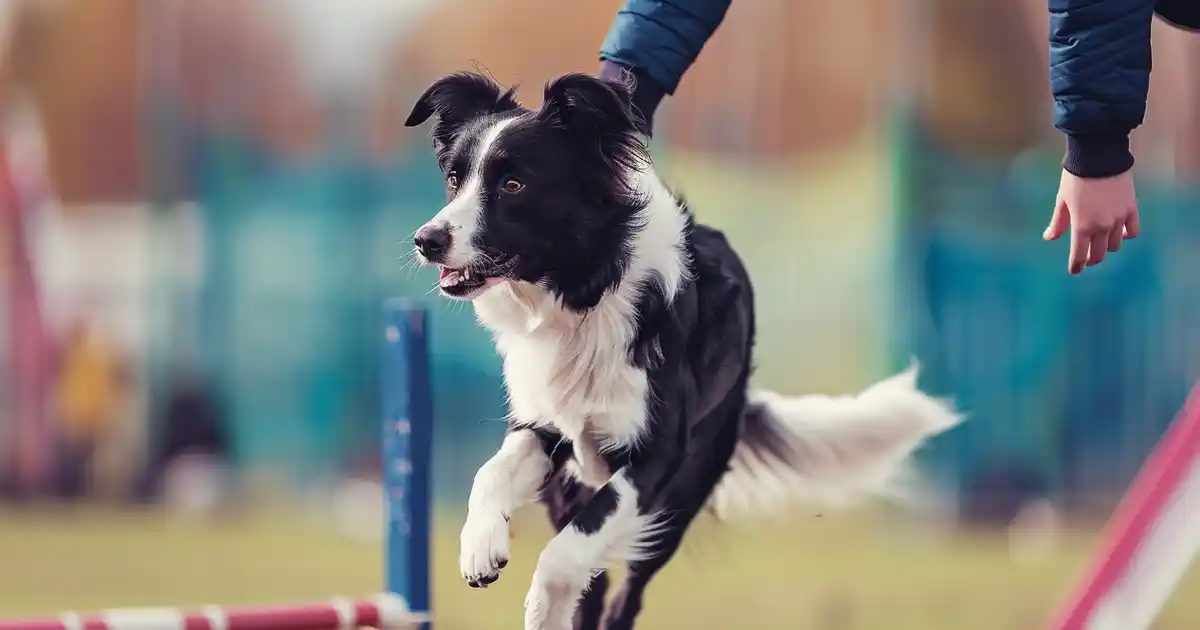
Have you ever wondered why rally obedience seems overwhelming with all those signs and courses until you discover the systematic approach that makes it accessible and fun? I used to think navigating numbered stations while maintaining heeling and performing various exercises was only for experienced trainers with perfectly obedient dogs, until I discovered these progressive methods that completely demystified how rally skills develop from basic to excellent levels. Now fellow competitors constantly ask how I managed to go from confused novice to confidently running advanced courses with my dog, and friends (who thought rally was too complicated or stressful) keep requesting guidance after seeing how this sport builds obedience through enjoyable, conversational teamwork. Trust me, if you’re worried about memorizing dozens of signs or performing perfectly under judge observation, this comprehensive approach will show you it’s more achievable and relationship-building than you ever expected. The best part? You’ll develop practical obedience skills that transfer to everyday life while enjoying a sport specifically designed to be fun, encouraging, and accessible for handlers at all skill levels.
Here’s the Thing About Rally Obedience
Here’s the magic: successful rally obedience isn’t about robotic precision or silent commands—it’s about you and your dog working as a team through numbered courses, performing exercises at stations while maintaining communication, encouragement, and forward motion throughout. What makes this work is the combination of traditional obedience exercises presented in rally format where you can talk to your dog, repeat commands, and use body language freely while navigating courses that change with every trial. I never knew rally could be this handler-friendly until I stopped comparing it to formal obedience (where silence and perfection dominate) and started appreciating rally’s emphasis on teamwork and real-world communication (game-changer, seriously). According to research on dog obedience training, rally obedience provides structured skill development in more forgiving format that encourages handler-dog communication, making it ideal for building confidence before attempting traditional obedience or simply enjoying as standalone sport. This combination creates amazing results because you’re building reliable responses to cues while maintaining the relationship and joy that makes training sustainable. It’s honestly more accessible than I ever expected—no perfect heel position or absolute silence required, just solid skills performed willingly with clear communication between partners.
What You Need to Know – Let’s Break It Down
Understanding the rally level progression and requirements is absolutely crucial before starting training. Don’t skip this foundation—I finally figured out that Novice level uses on-leash exercises with 10-15 stations and relatively simple skills, Advanced requires off-leash work with more complex exercises and 12-17 stations, while Excellent adds even more difficulty with 15-20 stations including combinations and tighter course designs (took me forever to realize each level builds systematically on previous skills). Your training approach needs to match which level you’re working toward, though foundational skills apply across all levels.
The concept of “continuous motion” represents rally’s defining characteristic that separates it from traditional obedience. I always recommend understanding that unlike formal obedience where you stop, command, wait for performance, then continue, rally emphasizes flowing movement where you and your dog move continuously through the course except when specific signs require halts. Yes, you perform exercises at stations, but the overall feel should be forward-moving teamwork rather than stop-and-start commands. This flowing quality makes rally more natural and conversational than formal obedience.
Sign recognition and performance requirements must be learned systematically—there are 50+ different rally signs covering everything from simple turns to complex combinations, and each has specific performance criteria judges evaluate. I used to think I could wing it or figure out signs during courses, but really you must study each sign’s requirements, practice the movements until automatic, and understand scoring deductions for common errors. Your success depends on knowing exactly what each sign requires before ever stepping into a competition ring.
If you’re just starting out with basic obedience and heeling fundamentals, check out my complete guide to foundation obedience training for essential skills that complement this rally training approach perfectly.
The Science and Psychology Behind Why This Works
Modern dog training research reveals something fascinating: allowing verbal communication and body language during performance actually strengthens obedience reliability by maintaining the positive association and clear communication that force-silent methods can damage. This isn’t just more pleasant—studies from applied animal behavior programs demonstrate that dogs trained with conversational handling show better stress resilience, higher motivation, and more reliable performance under pressure compared to those trained through compulsion or in silence.
What makes rally particularly effective for building obedience is the variable reinforcement through course variety. Your dog doesn’t just drill the same exercises in the same order repeatedly; every course presents familiar skills in novel sequences and combinations, requiring thinking and generalization rather than rote memorization. Traditional drilling often fails to create genuine understanding because dogs learn patterns rather than concepts. The psychological principle at work here is discrimination learning, which means dogs must identify which cue applies in each moment rather than anticipating sequences.
I discovered the confidence-building aspects matter just as much as technical skills. When training emphasizes progress through levels, earning titles, and handler encouragement throughout, both partners develop self-assurance that transfers beyond rally. Research from dog sport organizations confirms that rally participants report higher training enjoyment, stronger bonds, and better real-world obedience than those pursuing only traditional competition obedience. The accessible, positive nature of rally literally makes obedience training sustainable and joyful.
Here’s How to Actually Make This Happen
Start by mastering foundational heeling with attention, including loose-leash walking on left side with frequent check-ins, smooth turns in both directions, and automatic sits when you stop—and here’s where I used to mess up: I’d assume my dog’s casual following was sufficient heeling, when really rally requires attentive, willing teamwork where your dog actively watches you and responds smoothly to direction changes. Spend 2-4 months building solid heeling fundamentals before worrying about specific rally signs because everything in rally happens while heeling or moving together.
Now for the important part: learn and practice 5-7 basic rally signs at a time, mastering their performance before adding more to your repertoire. Don’t be me—I used to try learning all 50+ signs simultaneously and just created confusion about which exercise went with which sign. Start with simple signs like “Halt,” “Halt-Sit,” “Right Turn,” “Left Turn,” “About Turn,” “Slow Pace,” and “Fast Pace” that teach basic concepts. When it clicks, you’ll know, because you’ll smoothly perform these core exercises without conscious thought about mechanics.
Build position skills including front (dog sitting directly facing you) and finish (dog moving from front to heel position on your left) that appear in multiple rally signs throughout all levels. My mentor taught me these transitions are fundamental building blocks—solid fronts and finishes make dozens of signs easier because they’re components within larger exercises. Every rally dog needs reliable, straight sits in front and smooth finishes to both left and right sides.
Practice individual signs in isolation until performance becomes automatic, then begin chaining 3-5 signs together to simulate course flow while maintaining continuous motion between stations. Until you feel completely confident performing each sign correctly, don’t attempt full-length courses because mistakes practiced repeatedly become habits harder to break than teaching correctly from start. The progression should feel methodical, with 80-90% success before adding complexity.
Walk and study full rally courses either at trials (as a spectator), from course maps online, or set up in training classes to understand how courses flow, where judges position themselves, and how stations connect. The course-reading here requires specific skill—you must efficiently plan your path from start to finish, identifying potential challenges and determining optimal positioning for each sign. Don’t worry if you’re just starting out with course reading; you’ll develop this through experience walking multiple course layouts.
Simulate trial conditions during practice including single run-throughs (no do-overs), judge observation, novel environments, time pressure, and performing with ring crew/spectators present. This creates competition-ready performance rather than just training-environment capability (weird but true—dogs who perform perfectly in class can fall apart in trial environments without systematic exposure to competition pressures). I always prepare through progressive environmental challenges, though nothing fully replicates your first actual trial experience.
Common Mistakes (And How I Made Them All)
My biggest mistake? Drilling signs repetitively without maintaining enthusiasm and willing partnership, creating mechanical performance that looked correct but lacked the teamwork judges reward. I’d practice the same signs 20 times in a row until my dog looked bored and disconnected. Learn from my epic failure: keep training sessions brief and varied, mixing new signs with known ones, and always maintaining your dog’s enthusiasm through praise, play, and ending on success. Rally should look fun and engaged, not robotic.
Another classic error: not understanding the specific performance requirements for each sign, causing unnecessary deductions for errors I didn’t know I was making. I used to perform signs “close enough” without studying exact criteria like whether sits must be straight, how close to signs we should be, or which direction turns should go. Don’t make my mistake of ignoring the rulebook and sign descriptions—study the AKC Rally Regulations, watch videos of correct performance, and understand exactly what judges are evaluating.
I also fell into the trap of using the same command/cue every single time, not realizing that rally allows and even encourages verbal communication and variety. Here’s the truth: you can talk to your dog throughout the course, use different cues, repeat commands, and provide encouragement freely in rally (unlike formal obedience). Those teams who look conversational and connected? They’re using rally’s flexibility to maintain engagement rather than enforcing silence that creates stress.
Failing to practice in various locations and with different course layouts created location-dependency where my dog performed brilliantly in our training building but struggled in novel trial environments. Rally courses constantly change, and dogs must generalize skills across any configuration in any location. Training only in familiar settings with memorized patterns prevented the genuine skill development that rally requires.
When Things Don’t Go as Planned
Feeling overwhelmed by the sheer number of signs to learn and exercises to master? You probably need to slow down dramatically, focusing on just 3-5 signs per week until completely mastered before adding more. That’s normal, and it happens to everyone—rally contains 50+ signs across all levels, which is genuinely a lot to learn. I’ve learned to handle this by creating study groups of related signs (all the halt variations together, all the turns together, all the position changes together) rather than random memorization. When this happens (and it does), just remember that you don’t need to know every sign to start competing—Novice level uses only a subset of the total.
Your dog performs signs correctly in training but makes errors or seems stressed in the trial ring? Your dog might be experiencing ring stress, handler tension transmission, or insufficient generalization to competition environments. Don’t stress about this incredibly common phenomenon—it signals the need for more exposure to trial-like settings including practicing at actual trials (in the practice ring), training in novel locations, and managing your own stress that dogs absolutely detect and mirror. I always prepare for ring stress by entering “fun matches” (low-pressure practice trials) before official competitions.
If you’re losing confidence in your ability to remember courses or perform under judge observation, try practicing course memorization through visualization, walking courses multiple times before runs, and developing pre-run routines that calm your nerves. Sometimes the handler’s stress affects performance more than the dog’s training. When anxiety creeps in about competition, remembering that rally is specifically designed to be welcoming and encouraging—judges want you to succeed, not fail—can help reset your perspective.
Advanced Strategies for Next-Level Results
Taking rally to the next level means pursuing advanced and excellent level titles that require off-leash performance, complex combination exercises, and tighter course navigation with more stations. Advanced practitioners often implement specialized techniques where they practice difficult sign combinations repeatedly, develop strategies for tricky course layouts, and refine their handling to minimize wasted steps or confusing body language. For example, I mastered the “Call Front-Finish Right-Forward Right” combination through hundreds of repetitions until the three-part sequence flowed as smoothly as a single exercise.
Developing course-walking strategies including identifying the most challenging stations, planning optimal paths between signs, and visualizing complete runs before entering the ring creates confidence and reduces errors. I discovered that spending 5-10 minutes really studying the course map and physically walking the path (without your dog) before your run prevents most navigation errors and allows you to focus on performance rather than “where do I go next?”
Understanding scoring and common deduction points allows strategic training focus on areas where points are most commonly lost. What separates qualifying from non-qualifying scores (which require 70+ points from a possible 100) is avoiding major mistakes like missing stations, wrong exercises, or handler errors. Minor imperfections like crooked sits or wide turns cost fewer points—knowing where to focus precision efforts maximizes your qualifying chances.
For competitive success beyond just qualifying, try pursuing advanced titles like Rally Advanced Excellent (RAE) that requires qualifying in both Advanced and Excellent on the same day for 10 trials, or the Rally Master program requiring 25+ qualifying scores at Excellent level. Your goals can scale from simply achieving one title per level to becoming a nationally-ranked rally team through extensive competitive participation.
Ways to Make This Your Own
When I want maximum success with eager, motivated dogs, I use the Enthusiasm-First Method—maintaining high energy and engagement throughout training even if it means slightly less precision initially. Before worrying about perfect heel position, ensure your dog shows obvious joy and willingness during all exercises. This makes training more playful but definitely worth it because judges reward willing, happy performance over reluctant precision.
For special situations with less motivated or fearful dogs, I’ll use the Confidence-Building Protocol approach. This version focuses on making every sign ridiculously easy and heavily rewarded, progressing at whatever pace maintains your dog’s emotional comfort and enthusiasm. Sometimes I add extra rewards between stations or use life rewards (sniffing, play) for completing exercises (think heavy positive reinforcement), though this gradually fades as confidence builds.
My busy-season version when life gets hectic focuses on the Skills Maintenance Plan: practice just 3-4 core signs and heeling work through brief daily sessions without attempting full courses or new learning. Summer approach includes more outdoor training preparing for outdoor trial venues, while winter shifts focus to indoor work when weather limits options.
For next-level competitive achievement, I love the Title Pursuit Progression where you systematically work through the rally title ladder—Rally Novice, Rally Advanced, Rally Excellent, Rally Advanced Excellent, and potentially Rally Master—with specific training goals for each level. My advanced version includes competing regularly to maintain trial experience, training with competitive teams to learn strategies, and potentially pursuing perfect scores (100 points) that earn special recognition. Each variation works beautifully with different goals—recreational enjoyment, basic title achievement, or competitive excellence all adapt to these core rally principles.
Why This Approach Actually Works
Unlike traditional obedience that can feel rigid and stressful, this approach leverages proven positive training principles that casual trainers ignore: systematic skill progression, variable practice through changing courses, communication-friendly rules, and emphasis on teamwork over dominance. The science shows that dogs trained through rally methods develop more reliable obedience with better stress resilience than those trained through compulsion because the conversational, encouraging format maintains positive associations with working together.
What sets rally apart from other obedience formats is the explicit design priority on accessibility and handler-dog relationship. You’re not just training your dog to execute commands; you’re developing a partnership where communication flows freely and your dog works with you willingly because it’s enjoyable, not because they’re forced. I discovered through experience that this relationship-first approach makes obedience sustainable long-term because both partners genuinely enjoy the work rather than enduring it.
The underlying principle is elegantly simple: when obedience exercises are presented in variable, conversational format where communication is encouraged and progress is systematically rewarded through titles and levels, the resulting skills are both more reliable and more joyful than those built through punishment or rigid silence. This evidence-based foundation explains why rally has become one of the fastest-growing dog sports—it achieves practical obedience while maintaining the bond and fun that makes dog training rewarding. It’s effective precisely because it respects both learning science and the human-animal relationship.
Real Success Stories (And What They Teach Us)
One handler transformed their rescue dog who’d never had any training into a Rally Excellent titleholder within three years through patient, positive progression from Novice through the levels. What made them successful? They focused on building confidence and skill at each level before rushing to the next, ensuring solid foundations that made advanced work achievable. The lesson here: rally’s level system allows appropriate pacing for every team—rushing serves no one, while methodical progression creates sustainable success.
Another person struggled with ring nerves that caused handling errors despite their dog’s perfect training until they developed pre-run routines and entered numerous fun matches to desensitize themselves to competition pressure. Their breakthrough came when they recognized their stress was the limiting factor, not their dog’s skills. Different outcomes happen because handler mental preparation matters as much as dog training in competitive settings.
I watched someone earn their Rally Advanced Excellent title with a senior dog who started rally at age 9, proving this sport serves dogs at any age when training respects physical capabilities. Their success aligns with rally’s accessibility—the sport welcomes all ages, breeds, and sizes without requiring athletic prowess or perfect physical condition. What they taught me is that rally provides meaningful goals and mental stimulation for any dog capable of basic obedience work.
Tools and Resources That Actually Help
Rally sign knowledge requires study materials including flashcards, sign charts, or apps that allow you to learn sign recognition and requirements systematically—I personally use AKC’s official rally sign descriptions combined with video examples showing correct performance. Your specific learning style might prefer written descriptions, visual demonstrations, or hands-on practice, but thorough sign knowledge is non-negotiable for rally success.
Practice equipment including rally signs (purchased sets or DIY printed versions), cones for course layout, and ideally access to a training space where you can set up full courses enhances your preparation. These allow realistic practice rather than just theoretical knowledge. My personal experience shows that physically walking and running practice courses creates muscle memory and navigation skills that studying alone cannot provide.
AKC Rally Regulations (the official rulebook) becomes your essential reference for understanding rules, scoring, level requirements, and sign descriptions. This free download from AKC’s website answers virtually every rally question and should be studied thoroughly before competing.
The best resources come from authoritative organizations like the American Kennel Club (AKC), which provides official regulations, sign descriptions, and trial information for rally obedience nationwide. Local rally classes through training clubs offer hands-on instruction and practice course experience, while online communities like Rally Obedience Facebook groups provide peer support, course-walking advice, and celebration of achievements at all levels.
Questions People Always Ask Me
How long does it take to train a dog for rally competition?
Most people need 6-12 months of consistent training before their dog is truly ready for Novice level competition, assuming you start with basic obedience foundations and progress systematically. I usually recommend planning for at least six months because rally requires reliable responses to numerous exercises, not just one or two commands. That said, dogs with solid obedience backgrounds might be ready in 3-4 months, while those starting from zero might need a year or more. Every team’s timeline reflects their starting point and training consistency.
What if my dog already knows basic obedience—can we skip to Advanced?
Absolutely not! Even dogs with excellent obedience must start at Novice level in competition to earn the three qualifying scores required for the Rally Novice title before advancing to Advanced. The progression is mandatory regardless of your dog’s skills. However, your training can certainly work on Advanced-level exercises while competing at Novice—many teams train multiple levels ahead of where they compete. The requirement ensures everyone experiences each level and demonstrates competency before advancing.
Are certain dog breeds better suited for rally obedience?
While traditional obedience breeds (Golden Retrievers, Border Collies, German Shepherds, Poodles) excel in rally due to biddability and handler focus, literally any breed or mix can succeed in rally because the sport is designed to be inclusive and accessible. Small breeds, large breeds, hounds, terriers, toy dogs—all compete successfully. The individual dog’s trainability and your dedication matter infinitely more than breed. Rally truly is one of the most breed-diverse dog sports.
Can I start rally training with a puppy or senior dog?
The whole approach adapts beautifully to any age! Whether you’re building foundation skills with puppies (8+ weeks) through play-based training, working through the levels with adult dogs, or enjoying rally with seniors at appropriate pace, the sport suits all life stages. When working with puppies, keep sessions brief and fun, focus on foundations without drilling, and don’t compete until they’re physically and mentally mature. Seniors can enjoy rally with accommodations for physical limitations—judges can be informed of mobility issues.
What’s the most important thing to focus on first in rally training?
Building solid heeling with attention and reliable position changes (front and finish) is the foundation everything else depends on. Before worrying about specific rally signs, develop your dog’s willingness to walk attentively on your left, sit automatically when you stop, and move smoothly from front position to heel position. These foundational behaviors appear throughout rally courses at all levels. Trust me, teams with perfect heeling and positions can learn signs quickly; teams without foundations struggle regardless of sign knowledge.
How do I stay motivated when progress seems slow or we keep NQ-ing (not qualifying)?
Keep perspective by celebrating partial successes—improved attention, mastering difficult signs, or cleaner performances even if scores don’t yet qualify. When progress feels slow (and it sometimes does), reviewing video from early training versus current performance reveals growth invisible day-to-day. I also recommend connecting with rally communities for support and reminder that everyone struggles and improves at different rates. The journey and learning matter as much as the titles.
What mistakes should I avoid when starting rally training?
Avoid drilling signs repetitively without maintaining enthusiasm, not studying official sign requirements, enforcing silence when rally allows conversation, and training only in familiar locations with same course layouts. Don’t fall into the trap of comparing your Novice team to Excellent champions—every expert was once a beginner. Also skip the mistake of competing before truly ready; entering trials prematurely creates ring stress and negative associations that undermine long-term success.
Can I do rally training without competing in trials?
As long as you enjoy the training structure and skill development, absolutely practice rally purely for obedience building and mental stimulation! Many people train through rally levels without ever entering trials. The systematic progression, varied exercises, and communication emphasis provide exceptional training benefits regardless of competition participation. Rally exercises transfer directly to real-world obedience needs.
What if my dog makes mistakes during our trial run?
Previous mistakes during runs are normal and expected—no one runs perfect courses every time. The beauty of rally is that minor errors cost small point deductions but don’t necessarily prevent qualifying (you need 70+ points from 100 possible). Major errors like missing stations or wrong exercises can result in non-qualifying scores, but you still finish your run and learn from the experience. Most successful rally teams have multiple NQ performances in their history—perseverance and learning from mistakes creates eventual success.
How much does getting started with rally obedience typically cost?
You can start with minimal investment beyond basic obedience class costs ($100-200 for 6-8 weeks). Rally sign sets cost $50-150 if you want home practice equipment, though many people print DIY versions or train in classes with equipment provided. Trial entry fees run $20-30 per class. Total first-year costs including training, trial entries, and basic equipment might be $300-600. Rally is remarkably affordable compared to equipment-intensive sports.
What’s the difference between AKC Rally and other rally organizations?
Different rally organizations (AKC, UKC, C-WAGS, WCRL) have varying rules, signs, and title progressions. AKC (American Kennel Club) is the largest offering standardized nationwide trials; UKC allows more handler interaction; C-WAGS and WCRL focus on cooperative teamwork with inclusive rules. The difference shows up in sign requirements, verbal allowances, and competition atmosphere. Many teams compete in multiple organizations, while others focus on one based on their preferences and goals.
How do I know when my dog is ready to compete in rally trials?
Real readiness shows up as consistent performance in practice including reliable sign execution (80%+ accuracy), sustained attention throughout 2-3 minute courses, ability to focus despite distractions, and both partners showing comfort with trial-like settings. Your dog should perform Novice-level exercises reliably in novel locations with distractions present. I measure readiness by whether our worst practice run would likely still qualify in competition—if your bad days score 70+, you’re ready to enter trials.
Before You Get Started
I couldn’t resist sharing this because it proves that transformation is possible for any handler-dog team willing to commit to systematic, enjoyable obedience training through rally’s progressive, communication-friendly format. The best rally journeys happen when you approach this as building a working partnership through clear communication and mutual enjoyment rather than just achieving obedience perfection. Remember, you’re not just teaching commands—you’re developing a sport where talking to your dog is encouraged, where teamwork matters more than precision, and where the bond between partners is celebrated as much as the performance itself. Ready to begin? Start with foundation heeling and position work today, study basic rally signs systematically, practice in varied locations to build genuine understanding, and enter your first trial when you’re both ready to experience the welcoming, supportive community that makes rally obedience one of the most accessible and relationship-building dog sports available. Your future self (and your rally-trained dog) will thank you for starting now with patience, positivity, and focus on the journey through the levels rather than rushing to advanced titles before foundations are solid.




