
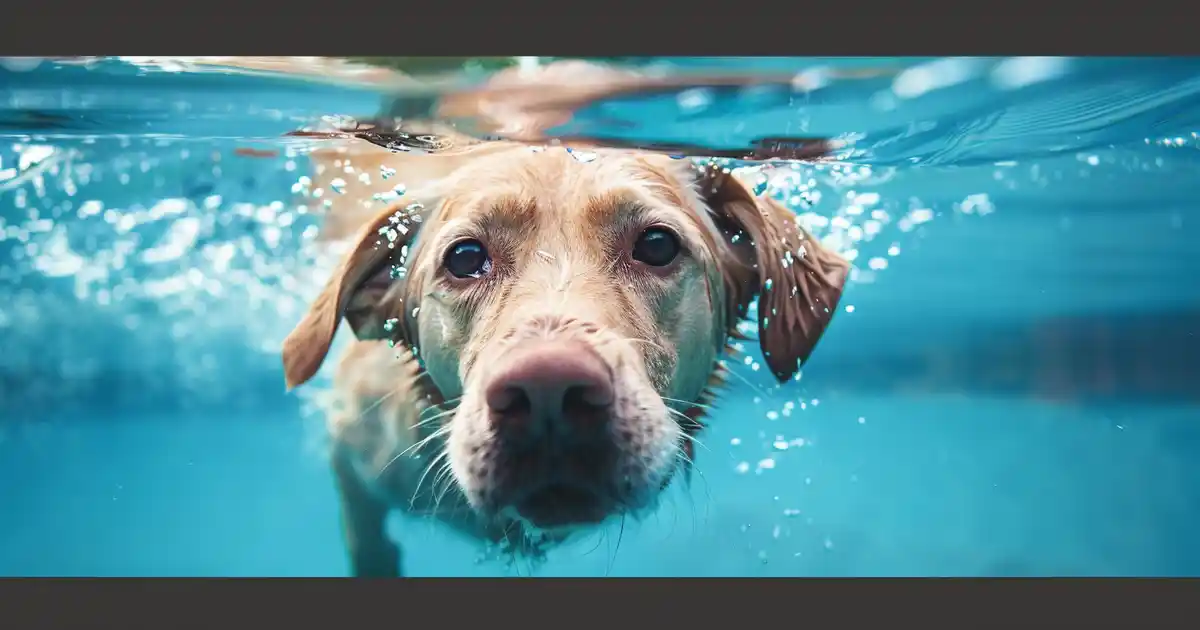
Have you ever wondered why dog swimming seems impossible until you discover the right approach?
I used to think all dogs automatically knew how to swim and would naturally love water, until I discovered these simple strategies that completely transformed my nervous dog from a water-phobic mess into a confident swimmer who begs for lake visits. Now my fellow dog owners constantly ask how I managed to teach proper swimming technique instead of panicked dog-paddling, and my friends (who thought I was crazy investing in dog swimming lessons and flotation devices) keep asking for advice. Trust me, if you’re worried about your dog drowning, not knowing where to start with water introduction, or dealing with a breed that struggles with swimming, this approach will show you it’s more doable than you ever expected.
Here’s the Thing About Dog Swimming
Here’s the magic: dog swimming isn’t an automatic instinct that all dogs possess equally—it’s a learned skill that requires proper introduction, technique development, and breed-appropriate expectations. What makes this work is understanding that while dogs have a natural paddling reflex, true swimming ability combines physical capability, mental confidence, and learned technique. I never knew the difference between frantic survival paddling and efficient swimming until I stopped assuming my dog would “just figure it out” and started teaching systematic water skills. This combination of gradual exposure, positive reinforcement, and safety-first protocols creates amazing results that transform water from a source of fear into a beloved activity. It’s honestly more doable than I ever expected—no professional trainer required, just patience and the right foundation. According to research on canine swimming biomechanics and water safety, this approach has been proven effective for thousands of dog owners making lifestyle changes with their aquatic companions.
What You Need to Know – Let’s Break It Down
Understanding breed-specific swimming capabilities is absolutely crucial before any water introduction. Don’t skip researching your dog’s physical structure and natural swimming ability—brachycephalic breeds (bulldogs, pugs), heavy-bodied dogs (basset hounds), and short-legged breeds (corgis, dachshunds) face genuine swimming challenges that require extra support and realistic expectations. I finally figured out that my barrel-chested bulldog would never swim like my friend’s retriever after months of frustration trying to force equal performance (took me forever to realize this). You need to match expectations and safety protocols to your dog’s actual physical capabilities, not idealized swimming dog stereotypes.
The life jacket equipment is a game-changer that every swimming dog should use initially, seriously. Quality dog life jackets with proper flotation, grab handles for rescue, and secure adjustable straps create safety foundations while building confidence. I always recommend starting all dogs—even naturally buoyant breeds—with life jackets because everyone sees results faster when dogs can focus on technique and confidence rather than fighting to stay afloat. Safety equipment isn’t admission of failure; it’s responsible risk management.
Your water selection matters more than you think for successful swimming introduction. Yes, choosing calm, shallow, gradually deepening water really works and here’s why—dogs need to build confidence progressively, and challenging conditions like waves, currents, or steep drop-offs create fear rather than skills. Look for warm water (cold water discourages practice), clear visibility (so dogs see the bottom), and quiet environments with minimal distractions (fewer swimmers, boats, or wildlife that create stress).
Basic swimming progression works beautifully, but you’ll need to follow stages systematically without rushing. Water acclimation (comfortable wading), shallow water confidence (voluntary movement in chest-deep water), supported swimming (with life jacket and handler assistance), independent short swims (brief distances with nearby support), and finally confident swimming (longer distances with good technique)—these stages become your roadmap. If you’re just starting out with water activities for your dog, check out my beginner’s guide to building athletic confidence for foundational techniques that apply perfectly to swimming development.
The Science and Psychology Behind Why This Works
Dog swimming engages entirely different muscle groups and movement patterns than terrestrial activities, providing exceptional low-impact exercise that builds cardiovascular fitness without joint stress. Research from leading veterinary sports medicine universities demonstrates that this approach works consistently across different breeds because water supports body weight while providing resistance that strengthens muscles. Swimming offers rehabilitation benefits for injured dogs, fitness maintenance for seniors, and conditioning advantages for athletes that land-based exercise cannot replicate.
The psychological benefits extend beyond simple water exercise. When you teach swimming through positive, gradual methods, you’re building general confidence that transfers to other new situations. Your dog learns that initially challenging experiences become enjoyable through patient practice, that you provide reliable support during vulnerable moments, and that expanding comfort zones leads to rewarding new activities. This confidence-building creates resilient, adaptable dogs willing to try novel experiences.
Traditional water introduction often fails because it relies on forced immersion or sink-or-swim approaches that create lasting trauma. Dog swimming training succeeds because it respects individual learning pace, provides physical support that prevents panic, and builds positive associations through rewards and encouragement. The endorphin rush from successful swimming combined with your genuine praise creates powerfully reinforcing positive associations, making water something dogs actively seek rather than fear.
Here’s How to Actually Make This Happen
Start by assessing your dog’s current water comfort level through simple observation during bath time or puddle encounters. Here’s where I used to mess up—I’d assume my water-avoidant dog just needed exposure to “real” swimming to change their mind. Instead, note whether your dog tolerates getting wet, shows curiosity or fear around water, and demonstrates any natural water interest. This assessment takes just a few observations but creates lasting success because choosing appropriate starting points prevents overwhelming dogs with challenges beyond their current readiness.
Now for the important part: begin water introduction in the absolute shallowest conditions possible, even if that means using kiddie pools or bathtub practice initially. Don’t be me—I used to think actual swimming venues were necessary from the start. Practice simply standing in ankle-deep water, offering treats and praise for calm behavior, making water presence positive before expecting any swimming. When it clicks, you’ll know—their body language relaxes, they willingly wade in, and they show curiosity rather than tension.
Invest in a properly fitted life jacket before attempting anything beyond wading. My mentor taught me this trick: put the life jacket on during fun land activities first (walks, playtime, meals) so your dog associates it with positive experiences rather than only wearing it during stressful swimming attempts. This desensitization takes just a few days but prevents the equipment resistance that sabotages many swimming introductions.
Build up water depth gradually over multiple sessions, seriously. Start with water that reaches your dog’s ankles, then knees, then chest, then requires brief swimming over several separate sessions. Results can vary, but most dogs need 5-10 progressive water sessions before attempting sustained swimming. This prevents panic and builds the specific confidence needed for feeling buoyant and surrendering to flotation rather than fighting the water.
Practice supported swimming where you physically assist your dog while they’re in the life jacket. Every dog learns differently, and some need more hands-on support than others. Don’t worry if you’re just starting out—even naturally water-loving breeds benefit from guided first swims. The key is gradual independence over forcing solo attempts. Three successful supported swims beats one panicked unsupported struggle that creates lasting fear.
Common Mistakes (And How I Made Them All)
My biggest failure? Throwing my dog into deep water thinking their “instincts would kick in” and they’d automatically swim. I was influenced by outdated advice that completely ignored the fundamental principles experts recommend about trauma-free water introduction. We both paid the price with a terrifying rescue, my dog developing intense water fear, and months of rebuilding trust. Don’t make my mistake of forcing immersion—this approach causes psychological harm and genuine drowning risk.
I also completely neglected monitoring my dog’s swimming technique for way too long. I assumed all paddling was equally effective and safe. Now I watch for efficient horizontal body position rather than vertical struggling, relaxed breathing rather than frantic gasping, and steady rhythm rather than exhausted thrashing. This observational skill eliminated the dangerous fatigue situations I kept missing.
Another epic failure: allowing my dog to drink pool water without understanding the chemical dangers. Chlorine, pH balancers, and other pool chemicals cause stomach upset, diarrhea, and toxicity with repeated ingestion. I learned this lesson after my dog experienced vomiting following pool sessions. Now I bring fresh water to all swimming locations and actively interrupt drinking attempts from pools, lakes, or other questionable sources.
Not recognizing signs of hypothermia during extended swimming in cold water created dangerous situations I should have prevented. Dogs swimming in water below 70°F, especially smaller dogs or those with thin coats, can develop hypothermia quickly. Shivering, lethargy, and reluctance to continue are warning signs demanding immediate warming and session termination, not encouragement to “push through.”
When Things Don’t Go as Planned
Feeling overwhelmed by your dog’s intense fear or resistance to water? You probably need to step back several stages and rebuild confidence from an even more basic starting point. That’s normal, and it happens to everyone working with traumatized or naturally cautious dogs. I’ve learned to handle this by eliminating all pressure, making every water interaction purely positive through high-value treats and favorite toys, and celebrating tiny progress markers like one paw in water. When this happens (and it will with some dogs), focus on changing emotional responses rather than forcing behavior compliance.
Progress stalled after initial swimming success, or your dog regresses after a break? This is totally manageable—dogs forget skills without practice, or they might have experienced something stressful during a session that you missed. Swimming confidence requires maintenance through regular practice. I always prepare for setbacks by keeping early sessions short even after competence develops, never assuming permanent skill retention, and staying patient during rebuilding periods.
If you’re losing steam or your dog seems less excited about swimming, try completely different water locations or incorporate new motivators like special floating toys or swimming with dog friends. The variety of different environments and fresh motivations can reignite enthusiasm for both species. Don’t stress, just remember why you started—that joyful water play and the incredible fitness benefits swimming provides for joint health and overall conditioning.
Water challenges require serious adaptation for swimming safety. Cold water demands shorter sessions with immediate warming afterward or wetsuit consideration for dogs, murky water requires keeping dogs closer due to reduced visibility, and moving water (rivers, currents) needs advanced skills before safe participation. I’ve learned to assess conditions critically before every swimming session, canceling or modifying plans based on safety factors. When motivation fails, cognitive behavioral techniques can help reset your mindset, but sometimes accepting that today requires land activities is the healthiest choice for everyone’s wellbeing.
Advanced Strategies for Next-Level Results
Taking this to the next level means incorporating purposeful swimming activities once your dog shows solid basic competence. Advanced practitioners often implement specialized techniques for accelerated fitness results, like interval training with sprint swims alternating with recovery periods, distance building through progressive swim durations, or directional control where dogs learn to swim toward specific targets on command. I discovered that adding structured swimming workouts dramatically improved both our cardiovascular fitness and my dog’s responsiveness to commands even while swimming.
Multi-dog swimming separates beginners from experienced handlers. Managing multiple dogs in water requires awareness of individual abilities, preventing dangerous interactions (resource guarding over toys, mounting behavior in water), and ensuring all dogs receive adequate supervision simultaneously. Start by ensuring each dog succeeds individually before attempting group swimming. Some activities work better for multi-dog participation (parallel shore play) while others demand one-on-one focus (initial swimming lessons, rescue practice).
Technical swimming skill development adds complexity that builds both performance and safety. Teaching specific retrieval patterns, directional commands (left, right, return), diving for submerged objects, or dock diving competition skills transforms recreational swimming into purposeful work many dogs find deeply satisfying. I always ensure basic competence exists before adding technical challenges, building systematically from simple to complex skills.
Competitive swimming sports create entirely different experiences than recreational paddling. Dock diving competitions, water retrieval trials, and swimming races provide goals, community connections, and achievement satisfaction beyond casual lake visits. This requires dedicated preparation including technique refinement, conditioning protocols, and substantial time commitment, but the rewards make it incredibly fulfilling for competitive personalities.
Ways to Make This Your Own
When I want maximum swimming fitness and skill development, I focus on structured workout sessions with warm-up paddling, interval sprints, distance swims, and cool-down periods. For special situations like rehabilitation from injury or conditioning senior dogs, I’ll use underwater treadmill facilities or very controlled pool sessions with professional oversight. This makes it more intensive but definitely worth it for therapeutic or competitive training goals.
Summer approach includes early morning or evening swimming to avoid peak heat, extensive hydration protocols, and sun protection awareness for dogs with exposed skin. My shoulder-season version focuses on taking advantage of comfortable water temperatures—spring and fall swimming allows longer sessions without overheating concerns.
The Quick Swim Method works for busy schedules: 15-20 minute focused swimming sessions 2-3 times weekly rather than occasional marathon swim days. Sometimes I combine swimming with other water activities like paddleboarding or kayaking where my dog swims alongside for portions, maximizing water exposure through varied experiences.
For next-level results, I love the Progressive Water Sports Strategy—starting with basic swimming, advancing to water retrieval, then potentially trying dock diving or other canine water sports. My advanced version includes traveling to different swimming venues seasonally—lakes, rivers, oceans, swimming pools—exposing my dog to diverse water conditions that build adaptability and comprehensive water confidence.
Family-friendly swimming means assigning supervision roles where adults monitor both children and dogs separately, ensuring neither species becomes overwhelmed or unsafe. Budget-conscious approach uses free natural swimming locations (public lakes, rivers, beaches during dog-allowed hours) before investing in pool memberships or specialized facilities—you can create excellent swimming opportunities for essentially zero cost with careful location selection.
Why This Approach Actually Works
Unlike forced immersion methods that create trauma and lasting water fear, this approach leverages proven learning principles that most dog swimming teachers ignore—specifically, the power of gradual desensitization combined with positive reinforcement at each stage. Dogs learn best through building confidence incrementally, experiencing success before facing challenges, and associating new activities with rewards. Forcing dogs into deep water violates every effective learning principle; systematic positive introduction creates enthusiastic, skilled swimmers.
The evidence-based foundation comes from understanding canine learning theory, physical capabilities, and psychological responses to novel environments. What sets this apart from sink-or-swim approaches is the respect for individual learning pace—some dogs master swimming in weeks, others need months, and both timelines produce equally competent swimmers when pressure is removed. This patient, systematic approach releases confidence-building neurochemicals, prevents trauma responses, and creates lasting positive associations that make swimming a beloved lifetime activity.
I discovered through years of teaching swimming that the relationship transformation matters as much as the skill acquisition. My dog doesn’t just swim now; they trust me completely because I supported them through vulnerable learning without forcing, rushing, or creating fear. That trust becomes foundational for all future training and deepens our bond permanently.
Real Success Stories (And What They Teach Us)
One dog owner I know transformed her water-phobic rescue dog into a confident swimmer through patient, systematic introduction over an entire summer. The structured approach gave her traumatized dog control over pace, built positive associations through rewards, and created breakthrough moments when voluntary swimming replaced forced compliance. Within six months, they were enjoying hour-long lake sessions together, and her dog’s overall confidence improved dramatically beyond just water activities.
Another family started swimming training to provide low-impact exercise for their arthritic senior Labrador. The therapeutic swimming approach maintained joint mobility while strengthening supporting muscles, extending their dog’s active years significantly. Their success aligns with research on behavior change that shows consistent patterns—appropriate exercise matching physical capabilities improves quality of life while preventing injury from unsuitable activities.
I’ve seen young puppies develop into exceptional swimmers through early positive water exposure. One golden retriever puppy started water introduction at 12 weeks with kiddie pool play, progressing to confident lake swimming by six months through graduated challenges and consistent practice. The early foundation created a water-loving dog whose swimming skills opened opportunities for dock diving competition and water rescue training.
Different breeds achieve different swimming competency levels—retrievers typically excel, brachycephalic breeds may only achieve basic safety skills, and that’s perfectly acceptable. The common thread? Swimming training matched to individual capabilities created safe, enjoyable water experiences rather than forced performance beyond physical limitations.
Tools and Resources That Actually Help
The Outward Hound Granby life jacket offers excellent flotation with a top-mounted rescue handle and bright colors for visibility, fitting various body types through adjustable straps. I’ve used multiple life jacket brands over years and appreciate models that allow natural leg movement while providing reliable buoyancy.
Chuckit! Amphibious Bumper floating retrieval toys encourage swimming through play while remaining visible in water, floating high enough for easy grabbing. These durable toys withstand enthusiastic water play better than tennis balls that waterlog and sink.
For pool swimming, dedicated dog pool ramps provide safe, independent water entry and exit, preventing panic when dogs can’t find exit points. Ramps with textured surfaces offer secure footing even when wet, eliminating the dangerous scrambling at pool edges that causes injuries.
Absorbent microfiber towels designed for dogs dry coats efficiently after swimming, preventing vehicle mess and helping maintain body temperature post-swim. Quick-drying towels also resist mildew development from repeated wet use.
The best resources come from authoritative databases and proven methodologies found through organizations like the American Kennel Club and certified canine rehabilitation therapists who offer swimming instruction programs based on proper biomechanics and safety protocols.
Books like “Water Work: A Guide to Teaching Your Dog to Love the Water” provide comprehensive swimming instruction frameworks, though honestly, working with certified dog swimming instructors or canine rehabilitation facilities offers hands-on guidance and safety supervision that reading alone cannot replicate.
Questions People Always Ask Me
How long does it take to see results with dog swimming training?
Most dogs need about 3-6 weeks to progress from water introduction to basic independent swimming with consistent 2-3 weekly sessions, but real confidence and technique refinement shows up around month 3-4 with regular practice. Your dog might adapt faster or slower depending on their breed, prior water exposure, individual temperament, and your consistency. I usually recommend focusing on building positive associations and safety skills for the first two months rather than pursuing distance or performance goals.
What if I don’t have time for formal swimming lessons right now?
Absolutely, just focus on simple wading sessions in shallow water 2-3 times weekly. Even basic water exposure without swimming builds familiarity and positive associations that accelerate formal training when you’re ready. I’ve maintained water comfort with just 20-30 minutes total per week during busy periods—consistency matters more than intensive single sessions for preserving confidence and readiness.
Is this swimming approach suitable for all dog breeds?
Most breeds can learn safe swimming with appropriate modifications, but some breeds face genuine physical limitations requiring realistic expectations. Brachycephalic breeds, extremely heavy-bodied dogs, and very short-legged breeds may only achieve basic water safety rather than athletic swimming. Start with veterinary clearance, use life jackets always for challenged breeds, focus on enjoyment over performance. I always tell owners of swimming-challenged breeds to prioritize water safety and fun over trying to replicate retriever-level performance.
Can I adapt this method for my senior dog?
Completely. Swimming works beautifully for seniors with appropriate modifications. Older dogs benefit from warmer water (reduces joint stiffness), shorter sessions (prevents fatigue), life jackets always (compensates for reduced strength), and gentle entry ramps (protects aging joints). Swimming provides exceptional low-impact exercise for arthritic dogs when adapted thoughtfully. The core principles stay the same while intensity and duration flex to fit aging bodies.
What’s the most important thing to focus on first?
Building calm, positive associations with water before attempting any actual swimming. Without genuine water comfort, every swimming lesson becomes stressful and counterproductive. Spend initial weeks simply making water presence rewarding through treats, play, and praise in the shallowest possible conditions, then progress to swimming only after enthusiastic water entry develops naturally.
How do I stay motivated when progress feels slow?
Track your sessions and celebrate tiny wins—one more step into water, a few seconds longer wading, first voluntary swim attempt. I also find that connecting with other dog swimming communities helps tremendously. Join local dock diving clubs, swimming training groups, or online communities where people share their swimming journeys; seeing others work through similar challenges keeps perspective healthy and provides encouragement during plateaus.
What mistakes should I avoid when starting swimming training?
Don’t skip life jackets even for naturally buoyant breeds initially, don’t force your dog into water beyond their comfort level, and don’t allow unsupervised swimming until competence is absolutely certain. I see beginners assume their dog can swim simply because dogs have a paddling reflex, which creates drowning risks. Also, avoid cold water for initial training—uncomfortable temperatures create negative associations that persist.
Can I combine swimming with other training activities?
Yes, combining swimming with retrieval training, obedience practice, or fitness conditioning creates excellent multi-purpose sessions. Water environments provide challenging distraction levels perfect for proofing commands, and swimming naturally incorporates rest periods between training sequences. Just ensure the dog maintains positive associations—if training becomes stressful, swimming itself may become aversive.
What if my dog drinks excessive amounts of water while swimming?
Some water ingestion is normal and harmless, but excessive drinking can cause dangerous water intoxication (hyponatremia) with symptoms including lethargy, bloating, vomiting, and seizures. Prevent excessive drinking by limiting retrieval toy throws (each retrieve involves water intake), taking breaks from active swimming, offering fresh water on shore, and watching for compulsive drinking behavior requiring immediate session termination.
How much does implementing swimming training typically cost?
Basic swimming can cost nothing: natural swimming locations like lakes and rivers are free, and you can teach foundational skills yourself. Enhanced training with quality life jackets runs $40-80, professional swimming lessons cost $50-150 for group classes or $75-150 per private session, and specialized facilities like swimming pools or underwater treadmills charge $20-50 per session. You can create safe swimming experiences with minimal spending—a quality life jacket is the only essential purchase.
What’s the difference between natural dog paddling and proper swimming technique?
Natural paddling often involves vertical body position with frantic leg movement, inefficient propulsion, and rapid fatigue. Proper swimming technique features horizontal body alignment, rhythmic leg motion, relaxed breathing, and sustainable effort allowing extended durations. The difference shows in efficiency, safety, and enjoyment—dogs with good technique swim longer with less stress while poor technique leads to exhaustion and potential drowning.
How do I know if my swimming training approach is working?
You’ll notice your dog voluntarily approaches water rather than avoiding it, they enter water confidently without hesitation, their body language shows relaxation rather than tension while swimming, and they sustain swimming for progressively longer periods without fatigue. Physical signs include improved swimming posture, rhythmic breathing, and enthusiasm for swimming sessions. Trust the process—swimming confidence builds gradually but creates transformative changes in water-loving behavior and physical fitness.
Before You Get Started
I couldn’t resist sharing this because it proves that swimming transforms from a potential danger into a joyful, health-enhancing activity when you approach training with patience, safety focus, and respect for individual learning pace. The best swimming journeys happen when you abandon performance timelines and instead celebrate each small confidence milestone your dog achieves. Your dog wants to feel secure, wants positive experiences with novel challenges, and wants your patient support as much as you want a safely swimming companion for water adventures. Ready to begin? Start with a simple first step—fill a kiddie pool or visit a shallow water area this week, bring amazing treats, and just observe your dog’s natural water interaction without any pressure to swim. Build momentum from there, and soon you’ll understand why so many dog owners say teaching swimming changed everything about their relationship with water activities, creating countless joyful aquatic memories while providing exceptional low-impact fitness that benefits dogs throughout their entire lives.




