
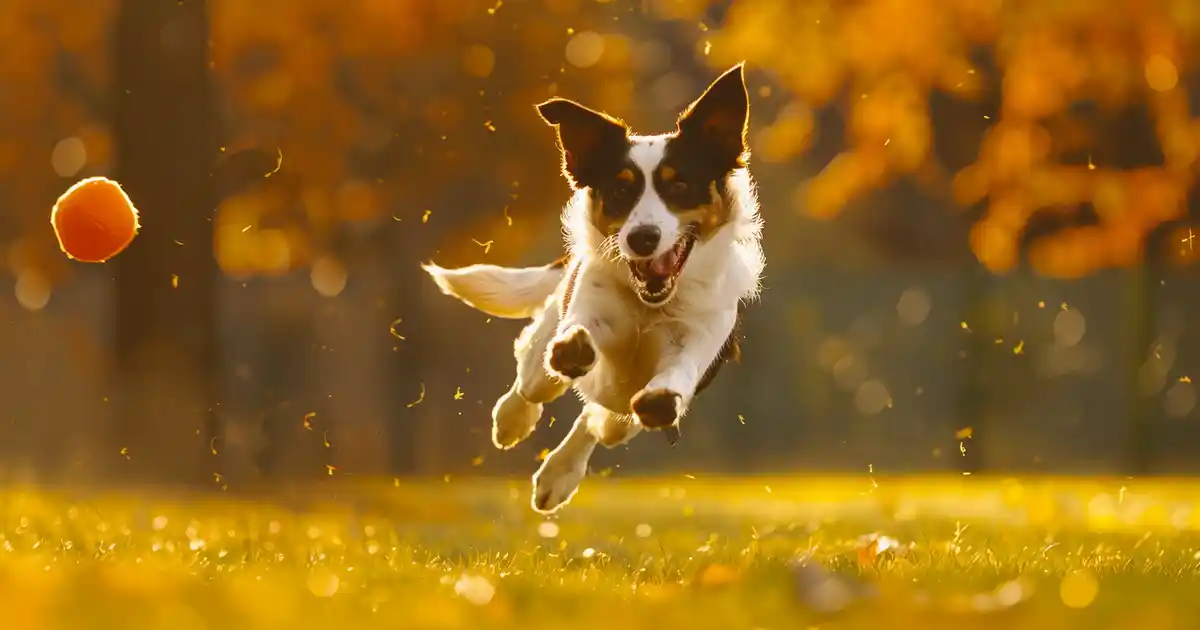
Have you ever wondered why dog sports training seems overwhelming until you discover the right approach that develops skills systematically while keeping training fun and your dog injury-free? I used to think succeeding in dog sports required expensive equipment, professional coaching, and dogs with perfect genetics, until I discovered these game-changing training principles that completely transformed my rescue mixed-breed from a hyperactive handful into a confident multi-sport competitor earning titles in three different venues. Now my training facility friends constantly ask how I managed to develop such versatile athletic ability and maintained enthusiasm across multiple sports without the burnout that’s sidelined their dogs, and my veterinarian (who sees countless sports-related injuries) keeps praising the conditioning program preventing the problems plaguing other competitors. Trust me, if you’re worried about whether you can succeed in dog sports or if training will become an expensive frustrating time-sink, this comprehensive approach will show you it’s more achievable than you ever imagined—when you understand that systematic skill-building, proper conditioning, and strategic training matter far more than expensive equipment or perfect breeding.
Here’s the Thing About Dog Sports Training
Here’s the magic that makes dog sports training truly successful—it’s not about drilling skills endlessly or pushing your dog into advanced work before they’re ready, but understanding that excellence emerges from systematic progression combining physical conditioning, mental preparation, technical skill development, and strategic competition preparation all working together. According to research on canine athletic performance, dogs competing successfully in demanding sports require coordinated development across multiple domains: cardiovascular fitness supporting sustained effort, strength and power for explosive movements, flexibility preventing injury, technical skills executed correctly, mental focus maintaining performance under pressure, and recovery protocols preventing burnout and injury accumulation. I never knew dog sports could be this rewarding until I stopped randomly training whatever seemed fun and started implementing structured programs building each component systematically, creating dogs who perform consistently at high levels while remaining sound and enthusiastic throughout long competitive careers. This combination creates amazing results whether you’re pursuing agility, flyball, disc dog, dock diving, rally obedience, nose work, or multiple sports simultaneously, while maintaining dogs who love training and competing rather than viewing it as stressful obligation. It’s honestly more accessible than I ever expected, and while serious competition requires commitment, recreational enjoyment of dog sports demands surprisingly modest investment in time, money, and facilities.
What You Need to Know – Let’s Break It Down
Understanding the fundamentals of dog sports training is absolutely crucial before you start teaching specific skills or entering competitions. Don’t skip building a rock-solid foundation in basic fitness, obedience, and body awareness, because I’ve seen so many talented teams plateau or experience injuries simply because they rushed into sport-specific training without adequate foundation. The basic components include physical conditioning (cardiovascular endurance, strength, flexibility, coordination appropriate for chosen sports), foundation obedience (reliable basic commands supporting all sports), body awareness and proprioception (dogs understanding where their bodies are in space), technical skills specific to chosen sports (obstacle performance in agility, retrieve mechanics in flyball, aerial awareness in disc), mental conditioning (focus, confidence, stress management during competition), handler skills (timing, communication, course strategy), and most importantly, that sustainable training approach balancing challenge with recovery preventing burnout and injury that end careers prematurely.
I finally figured out that most dog sports training failures happen because people either specialize too early without building general athletic foundation or spread efforts across too many sports without mastering fundamentals in any after watching countless teams cycle through frustration and injury. Start with honest assessment of your dog’s physical capabilities, temperament, and natural aptitudes, because different sports suit different dogs—high-drive intense dogs thrive in fast-paced sports like flyball or agility, while calmer methodical dogs excel in precision sports like rally obedience or nose work (took me forever to accept that my dog’s strengths dictated which sports we’d succeed in rather than just pursuing what I found interesting, seriously). Your dog needs adequate physical maturity before intensive training (growth plates close at 12-18+ months depending on breed), sufficient drive and focus for the sport’s demands, and temperament handling the specific stressors each sport presents.
Foundation obedience deserves special attention because it’s the communication system underlying all dog sports and determines whether you can direct your dog effectively during training and competition. I always recommend achieving reliable off-leash obedience in distracting environments before beginning serious sport-specific training, because everyone sees better results when basic communication already exists. Yes, physical conditioning really does require systematic development before intensive sport training, because unconditioned dogs lack the strength, endurance, and body control needed for safe athletic performance regardless of how well they understand the sport skills.
If you’re just starting out with dog sports, check out my beginner’s guide to choosing dog sports for your dog for essential knowledge about matching dogs to sports and assessing readiness for athletic training. The injury prevention focus matters just as much as skill development, and understanding proper conditioning, appropriate progression, and recovery protocols prevents those devastating situations where promising careers end due to preventable injuries.
The Science and Psychology Behind Why This Works
Dive deeper into what research actually shows about canine athletic development, and you’ll discover why systematic progressive training addressing physical conditioning, technical skills, and mental preparation together produces dramatically better outcomes than sport-specific skill focus alone. Studies on athletic dogs demonstrate that comprehensive training programs developing cardiovascular fitness, muscular strength, flexibility, sport-specific skills, and mental conditioning simultaneously create dogs showing superior performance, faster skill acquisition, lower injury rates (40-60% reduction), and longer competitive careers compared to dogs receiving skill training without adequate conditioning or mental preparation, which explains why elite competitors increasingly emphasize holistic training over pure skill drilling.
The psychology of sustainable dog sports participation revolves around maintaining enthusiasm and confidence through training that creates success experiences, appropriate challenge levels, and variety preventing boredom. When dogs enjoy training, understand what’s expected, experience regular success, and receive adequate recovery preventing exhaustion, their motivation remains high, their confidence grows, and their longevity in sports extends significantly. Traditional approaches often fail because they either bore dogs through excessive repetition, frustrate them through excessive difficulty, or burn them out through inadequate recovery and excessive pressure.
What makes this different from a scientific perspective is understanding that dog sports excellence requires integrating multiple training domains—physical capabilities enabling performance, technical skills executed correctly, mental focus maintaining consistency, and handler skill providing clear communication and strategic decision-making. Research from canine sports medicine demonstrates that this integrated approach works consistently across breeds and sports because it addresses all limiting factors rather than assuming technical skill alone determines success. I’ve personally witnessed the transformation when handlers shift from pure skill focus to comprehensive athletic development, and the performance improvement, injury reduction, and sustained enthusiasm speak to the critical importance of holistic training.
Here’s How to Actually Make This Happen
Start by conducting comprehensive assessment of your dog’s current athletic capabilities, temperament, and training foundation—here’s where I used to mess up by jumping straight into sport training without understanding my dog’s starting point or limitations. Your baseline evaluation needs veterinary clearance (especially for high-impact sports), body condition assessment (muscle development, body fat, structural soundness), fitness testing (cardiovascular capacity, strength, flexibility), obedience foundation evaluation, and temperament assessment for sport suitability.
Build general athletic conditioning through progressive fitness program before sport-specific intensive training. Now for the important part that most people skip: spend 8-12 weeks developing cardiovascular base, core strength, body awareness, and general athleticism through varied activities like walking/jogging, swimming, cavaletti work, balance exercises, and basic strengthening before adding sport-specific demands. This foundation period seems to delay sport progress but actually accelerates ultimate success because conditioned dogs learn faster, perform better, and stay sound longer.
Introduce sport-specific skills using systematic progression starting with foundation elements before combining into complete performances. Here’s my secret—I break complex skills into component parts teaching each element separately before chaining together (agility: teach individual obstacles separately before sequencing; disc: teach catching, jumping, and tricks separately before aerial combinations; flyball: teach box turn, retrieve, and jumping separately before full runs). Don’t be me—I used to try teaching complete complex behaviors from the start, creating confusion and slow progress that breaking skills into teachable components would have prevented.
Develop technical proficiency through deliberate practice emphasizing quality over quantity with immediate feedback and correction. When building sport skills, prioritize correct execution even if slower initially—speed comes naturally as skill solidifies, but incorrect technique practiced at speed becomes difficult-to-fix bad habits until you feel completely confident your dog performs correctly. This creates lasting technical foundation supporting advanced performance because proper mechanics allow maximum performance while minimizing injury risk.
Add mental conditioning through exposure to competition-like conditions, distraction training, confidence building through success experiences, and stress management teaching dogs to perform despite environmental pressures. Results vary, but most dogs need 6-12 months of progressive training before showing reliable performance in competition environments. Every dog handles pressure differently—some thrive on competition excitement while others need extensive preparation managing stress—so adjust mental preparation to individual temperament.
Proof skills under varying conditions and distractions rather than only training in familiar comfortable environments. My mentor taught me this principle: dogs trained only in single locations often fail when conditions change, so practice in multiple facilities, outdoor and indoor settings, various times of day, and with different distraction levels creating dogs who perform reliably regardless of environment. Use progressive challenge where each training session includes novel elements preventing over-familiarity while building adaptability.
Work on handler skills simultaneously with dog training because handler errors cause more performance problems than dog mistakes in most sports. Don’t worry if you’re just starting out—even experienced handlers began with poor timing, unclear cues, and strategic mistakes before developing through practice and feedback, so video analysis, lessons with experienced instructors, and patient skill building improve your contribution to team performance.
Common Mistakes (And How I Made Them All)
Learn from my epic failures instead of repeating them yourself. My biggest mistake was starting intensive agility training with my young dog before adequate physical maturity, thinking enthusiasm meant she could handle the physical demands when actually her developing joints and growth plates needed protection from repetitive high-impact activity. What actually happened was my dog developed repetitive stress injuries in her shoulders requiring months of rest and rehabilitation, all preventable with appropriate age-appropriate conditioning and delayed introduction to jumping and impact work.
I also made the dangerous error of insufficient warm-up before training and competition, jumping straight into high-intensity work when muscles and joints needed preparation. Dogs warming up properly show better performance and dramatically reduced injury rates, and ignoring fundamental principles experts recommend about preparation cost me several soft tissue injuries that proper warm-ups would have prevented.
Another huge mistake was overtraining in single sport without adequate recovery or cross-training variety, creating repetitive stress injuries from identical movement patterns repeated excessively. Some athletic development requires strategic variety preventing overuse, and assuming more training always equals better performance created breakdown from accumulated stress rather than the improvement I sought.
I also neglected handler skill development, assuming that if my dog understood behaviors my execution didn’t matter. The truth is that handler errors—late cues, unclear body language, poor positioning—undermine even perfectly trained dogs. Don’t make my mistake of 100% dog focus while neglecting the human half of the team—your skills matter enormously.
When Things Don’t Go as Planned
Feeling overwhelmed by the complexity of dog sports training or seeing performance plateau despite continued training? You probably need to honestly reassess whether your training addresses all components (physical, technical, mental, handler skills) or whether focusing on single domain while neglecting others limits progress. That’s normal, and it happens to everyone who either overlooks important training aspects or expects linear improvement when actually plateaus are natural learning phases.
When your dog shows declining performance, reduced enthusiasm, or behavioral changes despite training efforts, I’ve learned to handle this by immediately evaluating for overtraining, physical issues requiring veterinary attention, mental burnout from excessive pressure, or handler relationship problems from training stress. This comprehensive assessment allows identification of root causes rather than assuming more training will fix problems potentially caused by excessive training. When this happens (and setbacks occur even in excellent programs), resist the urge to push harder—often rest, reduced pressure, or complete training breaks resolve issues better than increased intensity.
If your dog starts showing pain, lameness, or reluctance for activities previously enjoyed, stop immediately and seek veterinary evaluation before continuing training. I always prepare for potential injuries because even well-designed programs sometimes create issues, and having veterinary sports medicine support, rehabilitation resources, and modified training plans prevents minor problems from becoming career-ending injuries. Try rest, appropriate treatment, modified activities avoiding problem movements, or temporary sport breaks allowing healing without complete inactivity.
Don’t stress when competition performance doesn’t match training—just remember that competition environment creates pressures and distractions absent during training, and expecting immediate perfect competition performance creates unrealistic expectations. Your anxiety about competition performance affects your dog’s stress levels, so managing your own emotions directly impacts team success. This is totally manageable with exposure to competition environments, mental preparation, and realistic expectations about learning curves.
Advanced Strategies for Next-Level Results
Taking this to the next level requires understanding subtle details that separate good competitors from championship-caliber teams. Advanced practitioners often implement specialized techniques for performance optimization like video analysis identifying technical flaws invisible during real-time performance, sport-specific strength and conditioning programs targeting exact demands of chosen sports, mental skills training including visualization and focus exercises, and strategic training periodization coordinating intensity cycles with competition schedules peaking for important events.
My personal discovery about advanced dog sports is that developing your dog’s problem-solving and independent thinking rather than micro-managing every movement creates far more reliable competition performance. When you build your dog’s confidence to adapt to unexpected situations, recover from mistakes, and make appropriate decisions within their training framework, you create resilience that holds up when things don’t go perfectly during competition.
Consider implementing cross-training using complementary sports that develop different physical qualities or mental skills while preventing repetitive stress from single-sport specialization. This variety builds well-rounded athleticism, maintains mental engagement, and reduces injury risk, but requires time management balancing multiple training focuses without overload.
For championship competition, advanced techniques include detailed competition analysis studying top competitors, course strategy development in technical sports like agility, understanding judging criteria optimizing presentation, and mental preparation protocols managing competition stress. Work on reading your individual dog’s stress signals and arousal levels optimizing performance state rather than accepting whatever state appears naturally.
Different sports require different advanced specializations—agility needs speed handling systems and technical discrimination training, flyball requires maximum speed development and box turn mechanics, disc demands aerial timing and complex trick sequences, while rally or obedience need precision heeling and technical accuracy. Understanding which advanced skills matter for your chosen sports prevents wasted training effort on irrelevant abilities.
Ways to Make This Your Own
Each variation works for different goals, dog capabilities, and lifestyle situations. When I want maximum competitive performance targeting national championships or world team selection, I use the Elite Athlete Method incorporating daily training, professional coaching, sport-specific conditioning, competition travel, and complete lifestyle optimization around sport success. This makes dog sports all-consuming but definitely worth it for those seeking highest achievement levels.
For special situations like training with physical limitations (your own or your dog’s), multiple dogs, or demanding work schedules, I’ll use the Efficient Approach emphasizing quality over quantity with focused 15-20 minute sessions, cross-training efficiency, and recreational rather than elite competition goals. My family-friendly version balances dog sports with other life priorities, choosing sports and competition schedules accommodating rather than dominating family life.
Sometimes I add multiple sport participation creating versatile dogs with diverse skills (though this requires careful time management), developing well-rounded athletes while maintaining enthusiasm through variety, but spreading across too many sports prevents mastery in any single venue. For enhanced results, I love incorporating technology like video analysis apps, fitness tracking devices, or online training resources expanding access to expertise beyond local availability.
My advanced version includes detailed training journals tracking every session across all training domains, regular assessment testing documenting progress objectively, and coordination with sports medicine professionals optimizing conditioning and preventing injury. Each dog has unique requirements, so young dogs need development-appropriate low-impact training while mature athletes handle intensive sport-specific work, and individual dogs show varying aptitudes requiring sport selection matching their natural strengths.
Year-round approach maintains training consistency while adjusting intensity and focus for competition seasons versus off-season development, preventing total breaks causing deconditioning while allowing recovery periods. The key is sustainable lifelong enjoyment of dog sports rather than brief intense participation followed by burnout and abandonment.
Why This Approach Actually Works
Unlike approaches focusing exclusively on sport-specific skills or assuming natural athleticism automatically translates to sport performance, this comprehensive method leverages proven principles about integrated athletic development addressing all performance-limiting factors simultaneously. The science behind effective dog sports training demonstrates that dogs receiving coordinated programs developing physical fitness, technical skills, mental conditioning, and handler competence show measurably superior performance, 40-60% lower injury rates, longer competitive careers, and sustained enthusiasm compared to dogs receiving fragmented training or pure skill focus.
What makes this different is recognizing that dog sports excellence requires system optimization—physical capabilities enabling performance, technical skills executed correctly, mental state supporting focused effort, handler ability providing clear communication, and recovery protocols preventing breakdown. Evidence-based comprehensive training creates sustainable success because it addresses all components determining outcomes rather than assuming technical skill alone suffices.
The underlying principles involve understanding canine athletic physiology designing appropriate conditioning, using learning theory teaching skills efficiently, recognizing individual variation adapting training to specific dogs, and maintaining long-term perspective prioritizing sustainable participation over short-term results regardless of consequences. Research shows that comprehensively trained dog sport teams show dramatically better outcomes across all metrics with differences compounding over time as proper training prevents problems while poor training accumulates damage.
My personal discovery moments about why this works came from watching my properly trained mixed-breed rescue outperform many purebreds from championship lines, demonstrating that systematic comprehensive training often matters more than genetics—performances that judges and competitors recognize as exceptional despite my dog’s humble origins. That capability proving training trumps breeding separates comprehensive programs from those relying on natural talent alone.
Real Success Stories (And What They Teach Us)
One competitor I worked with struggled with talented Border Collie showing declining performance and increasing injuries despite intensive training, experiencing frustration despite significant time investment. After implementing comprehensive program reducing training volume, adding systematic conditioning, incorporating recovery protocols, and improving handler timing, their dog not only resolved injury issues but achieved championship titles and maintained sound performance into age 10. Their success aligns with research on training methodology showing consistent patterns—when we address all limiting factors including overtraining rather than just skill deficits, performance dramatically improves.
Another handler came to dog sports with adult rescue showing moderate drive and significant behavioral baggage, skeptical about competition potential. By implementing patient systematic foundation program emphasizing confidence-building alongside skill development, their dog not only overcame anxiety issues but earned titles in three different sports demonstrating that proper training matters more than perfect starting points. The lesson here is that comprehensive training succeeds with diverse dogs when approaches match individual needs.
I’ve also seen complete novices with zero dog training background achieve remarkable results through commitment to systematic learning, quality instruction, and patience allowing adequate development time, proving that dedication matters more than previous experience. Different timelines work for different teams—some earn first titles within months while others need years developing foundations before trialing successfully, and both paths create rewarding participation.
What made successful programs effective was commitment to comprehensive development across all domains rather than pure skill focus, willingness to adapt training based on response rather than rigidly following plans, flexibility reducing intensity or taking breaks when needed, and long-term perspective valuing sustainable participation over immediate results.
Tools and Resources That Actually Help
The best resources come from sport-specific organizations, certified professional trainers with competition experience in your chosen sports, and science-based training methodologies rather than generic pet training advice. My personal toolkit varies by sport but generally includes basic training equipment (appropriate sport equipment like jumps, tunnels, dumbbells, discs), fitness conditioning tools (cavaletti poles, balance equipment, strength training aids), training facilities or safe practice spaces, and technology like video cameras for analysis, though starting costs remain surprisingly modest for most sports.
Access to appropriate training facilities matters significantly—agility needs access to obstacles, flyball requires lanes and boxes, dock diving needs pools, though many sports like rally obedience, nose work, or disc need minimal specialized facilities. I train through club memberships providing equipment access, rent facility time, or create home training setups depending on sport and resources.
Professional instruction through private lessons, group classes, or training clubs provides invaluable expertise accelerating learning and preventing mistakes. I invested in initial professional evaluation and ongoing periodic lessons providing sport-specific guidance, and this investment pays through faster progress and injury prevention.
For ongoing education, I recommend joining sport-specific organizations (US Dog Agility Association, North American Flyball Association, United States Disc Dog Association), attending seminars and workshops, and reading sport-specific training resources. Online training platforms increasingly provide quality instruction from top competitors accessible regardless of location.
Video analysis equipment or apps allow reviewing training sessions identifying subtle technical issues invisible during real-time work. I record sessions regularly reviewing independently or with instructors, and objective documentation reveals patterns guiding intelligent training adjustments.
Questions People Always Ask Me
How long does it take to train a dog for competitive dog sports?
Most dogs need 12-18 months of foundation and sport-specific training before reaching competition-ready reliability in their first sport, though timeline varies dramatically based on sport complexity, training frequency, dog’s aptitude and prior training, and handler experience. Simple sports like intro-level rally might achieve trial-readiness within 6 months while complex sports like agility typically need 18-24 months. Continued development happens throughout competitive career—basic titles may come quickly but advanced levels require years of progressive training. Starting additional sports after mastering first typically progresses faster due to transferable skills and training foundation.
What if my dog doesn’t show interest in sports I’ve chosen?
Dogs show individual preferences and aptitudes making some sports better matches than others—lack of interest often indicates mismatch rather than training failure. Perhaps your dog finds chosen sport’s activities unrewarding, lacks physical aptitude for specific demands (jumping, swimming, retrieving), or shows temperament unsuited to sport’s requirements. Try varied sports discovering what genuinely engages your individual dog rather than forcing participation in sports suiting your preferences but not theirs. Some dogs lack drive for formal sports but enjoy recreational training, while others need specific sport matching their natural inclinations.
Can I train for multiple dog sports simultaneously?
Yes, many competitors successfully train multiple sports, though this requires careful management preventing overtraining, skill confusion from conflicting training, or inadequate depth in any single sport. Start with solid foundation in one sport before adding others, ensure sports complement rather than conflict (agility and flyball work well together; agility and obedience require careful cue differentiation), and monitor total training volume preventing excessive stress. Benefits include variety maintaining enthusiasm, well-rounded athletic development, and multiple competition opportunities. Risks include diluted focus preventing mastery and excessive training volume creating burnout.
How much does dog sports training cost?
Costs vary dramatically by sport, competition level, and location. Basic participation might cost $500-2,000 annually including training classes, equipment, trial entries, and club memberships. Serious competition adds travel expenses, professional training, more entries, and potentially specialized conditioning or veterinary care totaling $3,000-10,000+ annually. Initial equipment investment varies by sport—$200-500 for basic agility, $100-300 for flyball, $50-200 for disc, $100-300 for rally/obedience. Many participants minimize costs through DIY training, local competitions only, and basic equipment while others invest significantly pursuing national competition.
What’s the best dog sport for beginners?
Rally obedience, nose work, and barn hunt offer accessible entry points with minimal equipment, lower physical demands, and welcoming communities. Rally emphasizes precision obedience in course format, nose work leverages natural scenting abilities, while barn hunt combines scenting with moderate physical activity. These sports allow learning competition basics with lower pressure than fast-paced sports like agility or flyball. However, “best” sport depends on your dog’s temperament and drives—high-energy dogs might find rally boring while thriving in agility, whereas methodical dogs excel in precision sports.
How old must my dog be before starting sports training?
Foundation training (basic obedience, body awareness, fitness) can begin at any age including puppies 8+ weeks, but intensive sport-specific training requiring impact (jumping, tight turns, speed) should wait until physical maturity—typically 12-18 months for most breeds, 18-24 months for giant breeds. Growth plates must close before repetitive high-impact activity to prevent developmental orthopedic problems. Introduce sport concepts and skills at young ages using modified low-impact versions, but delay full-height jumping and intensive training until appropriate maturity. Senior dogs can often begin sports using modifications protecting aging bodies.
Can mixed breed dogs compete in dog sports?
Absolutely—most dog sports welcome all dogs regardless of breeding with mixed breeds excelling in many venues. Organizations like AKC offer Canine Partners program allowing mixed breeds to compete in most performance events, USDAA agility has always welcomed all dogs, and sports like disc, dock diving, and barn hunt are completely open. Some breed-specific venues restrict participation, but vast majority of competitive opportunities accept mixed breeds. Many top competitors across sports prove training and teamwork matter more than pedigree.
How do I prevent injuries in dog sports training?
Injury prevention requires: adequate physical conditioning before intensive sport training, appropriate warm-up and cool-down protocols, proper technique in sport-specific skills, progressive difficulty increases allowing adaptation, adequate recovery between training sessions, cross-training providing variety preventing repetitive stress, regular veterinary evaluation including sports medicine screening, attention to training surfaces (avoiding excessively hard or slippery surfaces), and immediate response to any pain or lameness. Despite best prevention efforts, some injuries occur—early detection and proper treatment minimize severity and duration.
What if my dog shows fear or anxiety about training or competition?
Fear or anxiety requires systematic desensitization and confidence-building rather than pushing through hoping dogs “get over it.” Perhaps training methods create stress through excessive correction, competition environment overwhelms, or previous negative experiences created associations. Address through: positive reinforcement-based training emphasizing success, gradual exposure to stressors with controlled intensity, confidence-building through achievable challenges, potentially professional behavioral consultation for severe anxiety, and honest evaluation whether sport participation serves your dog’s wellbeing. Some dogs genuinely dislike competition pressure—respecting individual preferences matters more than competition goals.
How do I know if we’re ready for competition?
Competition readiness indicators include: reliable performance of all required skills in varied environments with distractions, appropriate physical conditioning for sport demands, confidence and enthusiasm during training, successful run-throughs of complete performances, ability to recover from mistakes continuing effort, handler competence executing sport-specific skills, and both team members showing positive attitudes about participation. Start with lower-level competition gaining experience before advancing. Remember perfect training performance doesn’t guarantee perfect competition performance—ring experience itself develops through participation. Entry-level competitions specifically designed for beginners provide supportive environments for first experiences.
Can dog sports training help with behavioral problems?
Appropriate dog sports provide excellent outlets for energy and mental stimulation often reducing behavioral problems stemming from boredom or insufficient challenge. However, sports aren’t therapy for serious behavioral issues—underlying problems like aggression, severe anxiety, or compulsive behaviors need professional behavioral intervention before sport participation. Sports can complement behavioral modification providing structure, confidence-building, and appropriate energy outlets, but shouldn’t replace proper treatment for significant problems. Many “problem dogs” transform through discovering activities engaging their drives appropriately, though sports alone rarely cure true behavioral disorders.
How do I balance dog sports with the rest of my life?
Sustainable participation requires realistic goal-setting matching available resources—choose sports, training intensity, and competition schedules fitting your lifestyle rather than trying to make lifestyle accommodate elite competition demands unless truly committed. Set boundaries about training time, competition travel, and expense preventing sports from overwhelming other priorities. Many participants enjoy recreational competition without pursuing championships, training a few times weekly and competing occasionally creating rewarding participation without life domination. Remember dog sports should enhance your life and relationship with your dog rather than creating stress and resentment.
Before You Get Started
I couldn’t resist sharing this because it proves that dog sports success stems from comprehensive systematic training addressing physical conditioning, technical skills, mental preparation, and handler development rather than just drilling sport-specific skills or relying on natural talent—the best dog sports partnerships happen when handlers commit to holistic development, maintain long-term perspective valuing sustainable participation over immediate results, and prioritize their dog’s physical and mental wellbeing alongside performance goals. Ready to begin? Start by honestly assessing your dog’s current fitness, temperament, and training foundation today, research sports matching your dog’s natural strengths and your interests, and connect with local training resources providing expert guidance and supportive community. The journey you’ll begin extends far beyond ribbons and titles into profound partnership created through working together toward shared goals, the joy of watching your dog excel at challenging activities, and the remarkable community of fellow enthusiasts who understand the unique satisfaction of canine athletic achievement—making dog sports among the most rewarding activities you can share with your remarkable canine athlete.




