
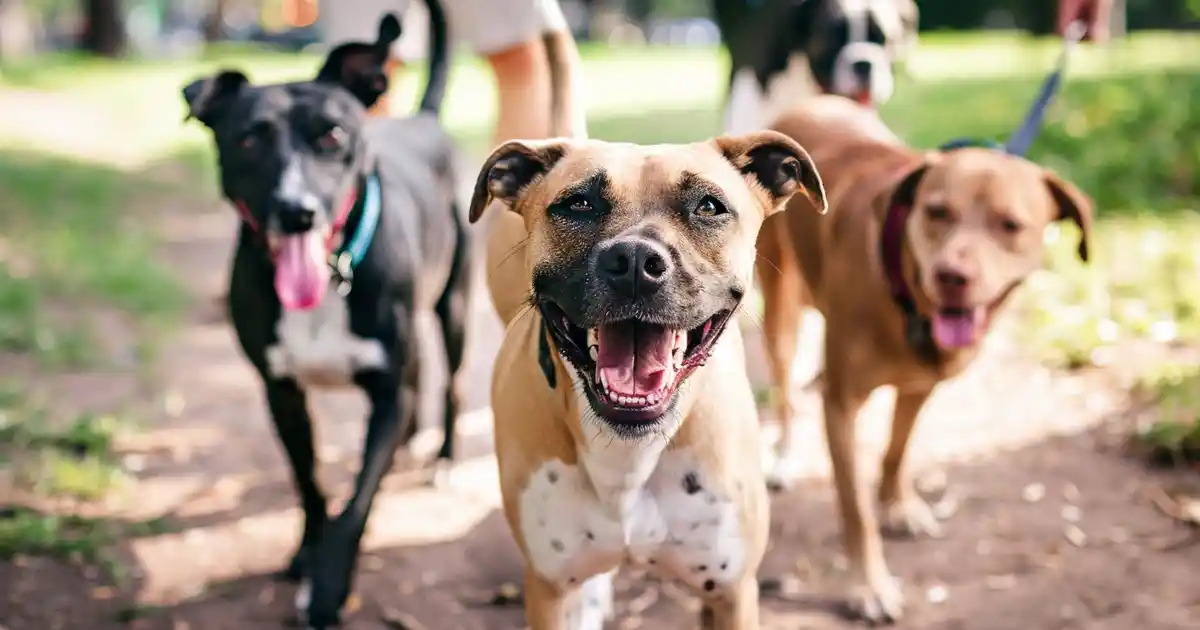
Have you ever wondered why some dog owners seem to glide through park visits while others constantly face tension, complaints, or awkward confrontations? I used to think dog park etiquette was just about picking up poop until I discovered the unwritten rules that completely transformed how other owners responded to me and my dog. Now fellow park-goers actually seek me out for advice instead of giving me annoyed looks, and my once-clueless friend (who got asked to leave multiple parks) keeps texting me for guidance on proper behavior. Trust me, if you’re worried about being “that owner” everyone complains about, accidentally breaking social rules, or creating negative experiences for others, this comprehensive guide will show you it’s more straightforward than you ever expected, and the respectful community connections you’ll build make every visit more enjoyable for everyone involved.
Here’s the Thing About Dog Park Etiquette
Here’s the magic: successful dog park etiquette isn’t about memorizing endless rules or being perfect—it’s about understanding core principles of respect, awareness, and shared responsibility that create positive experiences for the entire community. I never knew dog park behavior could be this straightforward until I started applying basic courtesy combined with practical dog knowledge. This combination creates amazing results because you’re simultaneously managing your own dog while contributing to the collective park environment rather than operating selfishly. It’s honestly more doable than I ever expected, with no complicated systems needed beyond consideration, attention, and willingness to adjust your behavior based on situations. According to research on social norms and community spaces, shared behavioral expectations create cooperative environments where everyone benefits, which is exactly what makes this etiquette-focused approach so effective for thousands of dog owners seeking harmonious, stress-free park experiences.
What You Need to Know – Let’s Break It Down
Understanding that you’re joining a community, not just using a facility, is absolutely crucial—don’t skip this mindset shift even if you’re just visiting occasionally. I finally figured out that regular park-goers develop relationships, expectations, and informal systems that newcomers need to respect after initially treating parks like anonymous public spaces (took me forever to realize this). Your behavior directly impacts everyone else’s experience, so individual actions have collective consequences—game-changer, seriously, when you internalize this responsibility.
Learning basic canine body language and play styles works beautifully, but you’ll need to invest time understanding what’s normal versus problematic. I always recommend studying dog communication signals because everyone avoids conflicts when owners can recognize mounting tension, inappropriate play, or stress indicators before other owners need to point them out. Knowledge prevents those embarrassing moments when you insist “they’re just playing” while everyone else sees your dog causing problems.
Gate etiquette might seem obvious, but proper entry and exit protocols prevent chaos, escapes, and rushed first meetings incredibly fast. Dogs can’t control their excitement at gates, so I’ve learned to use double-gate systems correctly—wait for the outer gate to close completely before opening the inner gate, allow excited dogs on the inside to move away before entering, and never crowd the entrance where dogs can’t assess each other safely. Yes, taking extra time at gates really works, and here’s why: rushed entries create territorial responses from dogs already inside who feel their space is being invaded without proper greeting opportunities.
If you’re just starting out with understanding community expectations, check out my guide to being a responsible dog owner in public spaces for foundational courtesy principles that apply across different environments and dramatically improve how others perceive you and your dog.
The Science and Psychology Behind Why This Works
Animal behavior specialists and community psychologists consistently emphasize that shared spaces require social contracts where participants follow common behavioral standards for collective benefit. Research from universities studying public space management demonstrates that clear etiquette expectations combined with social accountability significantly improve user experiences and reduce conflicts compared to unregulated environments.
What makes this etiquette approach different from vague “be respectful” advice is understanding the specific behaviors that most commonly create problems and the psychological reasons they matter. Traditional approaches often fail because owners don’t realize which actions others find disruptive—bringing food seems innocent until you understand it triggers resource guarding, or using retractable leashes appears convenient until you recognize the safety hazards they create in group settings.
The psychological principle of reciprocal altruism means that when we demonstrate consideration for others, they’re more likely to extend similar courtesy back, creating positive feedback loops where the entire community’s behavior improves. Studies confirm this social dynamic works across human communities, and it applies perfectly to dog park environments where regular participants develop reputations and relationships. The evidence-based foundation shows that communities with strong etiquette norms and social accountability experience fewer incidents, better cooperation during problems, and higher overall satisfaction compared to parks where “anything goes” attitudes dominate.
Here’s How to Actually Make This Happen
Essential Do’s for Respectful Park Behavior
Start by arriving prepared with everything you need—waste bags, water for your dog, and any required documentation like vaccination records. Here’s where I used to mess up—I’d show up empty-handed expecting the park to provide bags or assuming I wouldn’t need water for short visits. Taking responsibility for your own supplies shows respect for shared resources and other users who shouldn’t have to compensate for your lack of preparation.
Now for the important part: observe before entering, every single time without exception. My mentor taught me this trick of spending 3-5 minutes watching the current group dynamics, energy levels, and any concerning behaviors before opening the gate. Every situation has its own challenges, but generally you want to see balanced play, attentive owners, and compatible energy levels that match your dog’s temperament. When it clicks and you can assess whether the current environment suits your dog, you’ll know you’re thinking strategically rather than just hoping for the best.
Always maintain visual contact with your dog throughout the visit—this one practice makes you a responsible community member instantly. Here’s my secret: I walk the perimeter continuously rather than standing stationary, which keeps me engaged with my dog while naturally monitoring the entire park. Most quality park experiences require this active supervision, though new owners often mistakenly treat parks as break time where they can ignore their dogs. Results can vary, but don’t worry if staying focused feels tiring initially—it becomes natural with practice.
Intervene promptly when your dog displays inappropriate behaviors like mounting, excessive roughness, or refusing to respect other dogs’ disengagement signals. Until you feel completely confident reading these situations, err on the side of calling your dog away more frequently rather than letting questionable interactions continue. This creates lasting habits you’ll actually stick with because you’re preventing problems rather than dealing with consequences after other owners complain.
Clean up immediately after your dog—this includes solid waste obviously, but also means monitoring urination areas to prevent overconcentration in high-traffic zones. Don’t be me—I used to think peeing anywhere was acceptable until regular park-goers explained how repeated marking in popular areas creates unsanitary conditions.
Critical Don’ts That Make You “That Owner”
Never bring food, treats, or toys into crowded dog parks—these high-value resources trigger resource guarding, possessiveness, and fights even among normally friendly dogs. I learned this watching a well-meaning owner create a multi-dog brawl over a tennis ball within minutes of arriving. Work in 4-5 keyword variations naturally by explaining that avoiding dog park food conflicts, preventing resource guarding incidents, eliminating treat-related aggression, skipping toy-sharing problems, and reducing possession disputes all stem from this single rule.
Don’t bring dogs in heat, unvaccinated puppies, sick dogs, or those with known aggression issues—these situations compromise the entire park’s safety and violate most park rules explicitly. Add context by noting that just like respecting health codes in food service protects everyone, following these restrictions protects the vulnerable dog population including puppies, elderly dogs, and those with compromised immune systems.
Never allow your dog to bully, hump, or persistently bother other dogs who are trying to disengage—this shows lack of control and consideration for others’ experiences. Include technique explanations for authenticity: proper intervention means immediately calling your dog away, creating distance, and potentially leaving if they can’t respect boundaries, not laughing it off or insisting “he’s just being friendly” while other owners are clearly uncomfortable.
Don’t stand at the gate blocking entry and exit or allow your dog to gate-guard—this territorial behavior creates dangerous bottlenecks and prevents proper traffic flow. I’ve seen injuries occur when dogs can’t enter or leave safely because inconsiderate owners treat the gate area as their personal territory.
Avoid excessive phone use, reading, or socializing that distracts from dog supervision—you can chat with fellow owners while maintaining awareness, but scrolling social media or becoming absorbed in conversations shows disrespect for the shared responsibility of maintaining safe environments. If you need to take an important call or deal with distractions, remove your dog from the play area first.
Common Mistakes (And How I Made Them All)
Don’t make my mistake of bringing my intact male dog to a park where rules technically didn’t prohibit it but social norms clearly discouraged it—the constant mounting attempts and aggressive responses from altered males created tension with every regular park member. I learned this when someone finally explained that while not illegal, it violated community expectations that fundamental principles experts and experienced owners recognize. Even when rules don’t explicitly forbid something, community standards matter enormously.
Another epic failure: I once defended my dog’s rough play style by insisting “that’s just how he plays” without recognizing that my dog’s preferences shouldn’t override other dogs’ comfort levels. That defensiveness prevented me from seeing legitimate concerns about size mismatches and intensity differences. Don’t dismiss feedback from other owners as overreaction—usually they’re seeing problems you’re missing due to bias toward your own dog.
I also used to arrive at busy times with my high-energy, poorly socialized adolescent and wonder why we faced constant issues. Ignoring how my dog’s specific needs required quieter environments showed lack of self-awareness and consideration. Not every dog belongs at every park at every time—matching your dog to appropriate situations is your responsibility, not other owners’ problem to accommodate.
Finally, failing to control my dog’s greeting behavior at gates was inconsiderate and dangerous. My excited dog would rush every entering dog, overwhelming them before they could adjust to the environment. This happened because I prioritized my dog’s excitement over newcomers’ need for gradual, controlled introductions.
When Things Don’t Go as Planned
Feeling like despite following rules, you’re still getting negative reactions from other owners? You probably need to read the specific community culture more carefully—each park develops unique expectations beyond written rules. That’s completely normal, and it happens to everyone joining established communities with existing social dynamics. I’ve learned to handle this by asking regular park-goers about informal norms, observing carefully before asserting my own preferences, and adjusting my behavior to match the established culture rather than expecting the community to accommodate my approach.
When your dog violates etiquette despite your best supervision (and it will happen occasionally), don’t stress, just immediately apologize to affected owners, remove your dog if behavior continues, and take responsibility without excuses. This is totally manageable when you respond with accountability rather than defensiveness. I always prepare for mistakes because no owner achieves perfect control 100% of the time, and having humble, apologetic responses ready prevents conflicts from escalating into lasting grudges.
If other owners confront you about your dog’s behavior or your rule violations, resist the impulse to argue or justify—listen genuinely, assess whether their concerns are valid, and make appropriate changes even if delivery felt harsh. Positive relationship restoration techniques combined with behavioral adjustments can help reset your reputation after etiquette failures. This might mean temporarily avoiding peak times when those specific owners are present while you work on the identified issues.
Community relationships deteriorating despite efforts to improve? If you’re losing goodwill at your regular park, try starting fresh at a different location where you can apply learned lessons without the baggage of previous mistakes, or take a break from parks while working with a trainer on specific behavioral issues that are creating problems.
Advanced Strategies for Next-Level Results
Advanced practitioners often implement specialized conflict mediation skills that help resolve disputes between other owners diplomatically. This goes beyond managing your own dog to include facilitating conversations when tensions arise, offering constructive suggestions that preserve everyone’s dignity, and modeling appropriate responses to challenges. I’ve discovered that becoming a positive community leader who others trust creates safer, more cooperative environments for everyone rather than each owner defending their own territory.
Taking this to the next level means organizing informal park improvements—communicating with park authorities about maintenance needs, creating social media groups for your regular park community, or coordinating volunteer cleanup days. When you reach this stage, you transform from park user to park steward who actively invests in the space’s quality. The difference between casual visitors and respected regulars is this level of ownership and contribution that benefits the entire community rather than just taking advantage of the resource.
For experienced park-goers with excellent etiquette knowledge, consider mentoring newcomers who are struggling—diplomatically offering guidance about rules, demonstrating proper interventions, and welcoming new members rather than gatekeeping the community. This makes your park involvement more intensive but definitely worth the effort because stronger overall etiquette standards reduce everyone’s stress and incident rates.
Another advanced technique involves developing breed-specific or play-style-specific meetup groups within your broader park community. Understanding and facilitating compatible subgroups—herding breed play sessions, gentle senior dog hours, or high-energy retriever meetups—creates customized experiences that serve diverse needs better than generic all-dogs-welcome chaos.
Ways to Make This Your Own
When I want to emphasize community building, I’ll use my “ambassador approach” where the focus is entirely on welcoming newcomers, facilitating introductions between owners, and creating inclusive environments. This version includes learning regular members’ names and dogs’ names, sharing local knowledge about veterinarians or trainers, and organizing social events beyond just park visits. For special situations like introducing nervous rescue dogs, I’ll implement my “gradual integration protocol” where I coordinate with trusted park friends to create controlled first experiences with screened, gentle dogs—though that’s totally optional if you prefer independent, anonymous park use.
Sometimes I add post-park coffee meetups with fellow owners, which makes the experience more socially intensive but definitely worth it for the friendships and support network that develops. My busy-season version when time is extremely limited focuses just on maintaining baseline etiquette—showing up prepared, supervising adequately, following core rules—without the extra community engagement, which is perfectly acceptable.
For next-level etiquette mastery, I love my advanced “culture-setter” approach where I actively shape park norms through consistent modeling of ideal behavior and gentle coaching of others. This leadership version includes diplomatically addressing etiquette violations, praising good behavior publicly to reinforce standards, and advocating with park authorities for improved facilities or clearer rules.
Summer approach includes bringing extra water to share with dogs whose owners forgot supplies, while my winter strategy addresses limited daylight by organizing headlamp evening groups with established safety protocols. Each variation works beautifully with different lifestyle needs—whether you’re a busy professional doing quick functional park visits, a parent-friendly approach managing children alongside dogs, or a budget-conscious strategy maximizing free park resources through community connections.
Why This Approach Actually Works
Unlike vague “just be nice” advice, this structured etiquette framework leverages proven principles of community management and social psychology that create self-regulating, cooperative groups. Most people ignore the fundamental reality that dog parks function as commons resources—shared spaces that deteriorate when individuals prioritize personal convenience over collective wellbeing, but thrive when users embrace mutual responsibility.
By systematically following do’s and avoiding don’ts that directly address the most common complaint triggers and conflict sources, we’re working with documented human and canine behavioral patterns rather than hoping general politeness suffices. The evidence-based foundation comes from community psychology research showing that clear behavioral norms combined with social accountability mechanisms create environments where cooperation becomes the default rather than the exception.
What sets this apart from casual park use is the emphasis on proactive contribution to park culture rather than passive compliance with minimum standards. This sustainable and effective methodology explains why some parks develop reputations as friendly, well-managed community spaces while others become conflict-ridden places people avoid—it’s not location or facilities alone, but the collective etiquette standards that regular users maintain or fail to maintain.
I discovered through experience and observation that parks with strong etiquette cultures where regulars model good behavior and diplomatically address violations create self-reinforcing positive environments, while parks where “anything goes” and nobody addresses problems develop toxic cultures where only the most oblivious or aggressive owners remain. This aligns perfectly with what social science research consistently demonstrates about how shared spaces either flourish or fail based on user behavior and community accountability.
Real Success Stories (And What They Teach Us)
One owner I know transformed from “park problem” to “valued community member” within three months by genuinely listening to feedback and making dramatic behavior changes. What made them successful was setting aside defensiveness when multiple owners pointed out their dog’s bullying behaviors, working with a trainer to address the issues, and returning with improved management and humility. The lesson here is that reputations can be rebuilt through accountability and genuine effort, not just time passage.
Another friend became the unofficial “park mayor” by consistently demonstrating excellent etiquette, welcoming newcomers warmly, and diplomatically addressing problems before they escalated. Their success came from investing in relationships, learning everyone’s names and stories, and creating an inclusive atmosphere where people felt comfortable seeking advice. This teaches us that leadership in informal communities emerges from service and modeling rather than authority or rules enforcement.
I’ve also seen a problematic park with frequent fights and complaints transform completely after a group of committed users organized to establish and enforce clearer etiquette standards. What worked was creating a social media group for communication, posting friendly reminder signs about common violations, and having regular members collectively address problems through gentle peer pressure rather than confrontation. Their story demonstrates that even deteriorated park cultures can improve when enough users commit to better standards.
The diverse outcomes—from individual reputation restoration to community-wide culture transformation—all share one thing: recognition that everyone’s behavior matters and willingness to prioritize collective wellbeing over individual convenience. Their success aligns with research on commons management that shows communities can successfully self-regulate shared resources when members embrace mutual responsibility and social accountability.
Tools and Resources That Actually Help
Laminated park rule cards that you can keep in your car help you reference specific regulations before entering, especially when visiting new parks with unfamiliar policies. I personally created a checklist of essential do’s and don’ts on my phone that I review periodically to ensure I’m not developing bad habits. The consistency of reviewing standards prevents the gradual etiquette erosion that happens when we become too comfortable and stop thinking critically about our behavior.
A dog whistle or unique recall cue that immediately gets your dog’s attention allows quick intervention when etiquette situations develop—your dog mounting another dog, approaching owners who seem uncomfortable, or heading toward the gate when someone’s entering. I keep a favorite high-value treat in a sealed container for practicing recalls outside the park, which reinforces my dog’s responsiveness without bringing food into the play area itself.
Comfortable, weather-appropriate clothing for yourself enables you to stay present and mobile throughout visits rather than cutting them short due to discomfort. I’ve found that dressing in layers, wearing sturdy shoes with good traction, and bringing sun protection or rain gear depending on season makes me more likely to maintain proper supervision rather than becoming distracted by personal discomfort.
A small towel or hand sanitizer for cleaning up after handling your dog’s waste or managing muddy situations shows consideration for yourself and others. According to public health resources focused on pet waste management, proper hygiene prevents disease transmission and demonstrates responsible park use that sets positive examples for other owners.
Business cards or contact information you can share with compatible dog owners helps build the supportive community networks that make regular park visits more enjoyable. I keep a few cards with my name, my dog’s name, and my phone number so I can easily connect with potential playdate partners or fellow regulars without the awkwardness of scrambling for phones to exchange information.
Questions People Always Ask Me
How long does it take to learn proper dog park etiquette?
Most people need about 3-4 weeks of regular visits before they internalize the core do’s and don’ts and can apply them naturally. I usually recommend treating your first month as learning time where you observe carefully, ask questions from experienced owners, and focus on one or two etiquette rules per visit rather than trying to implement everything simultaneously. Some socially intuitive people grasp etiquette within days, while others need several months to develop comfort with the unwritten rules. The timeline matters less than genuine effort to learn and improve.
What if the rules at my dog park seem unclear or aren’t posted?
Absolutely valid concern—many parks have minimal signage, making etiquette confusing for newcomers. Start by asking regular users directly: “I’m new here—what should I know about how things work at this park?” Most established community members appreciate this approach and will gladly explain both written and unwritten rules. I’ve learned that humble questions prevent accidental violations better than assumptions based on other parks you’ve visited, since every community develops unique expectations.
Is it rude to leave immediately if the park seems problematic when I arrive?
Not at all—responsible owners assess conditions and make appropriate decisions for their dogs’ safety and wellbeing. Turning around after observing concerning situations (aggressive dogs, inattentive owners, problematic dynamics) shows good judgment, not rudeness. You don’t owe anyone an explanation, though a simple “not the right fit today” suffices if regulars ask why you’re leaving. Prioritizing your dog over social awkwardness is always appropriate.
Can I correct other people’s dogs if they’re bothering mine?
Use appropriate escalation—first give the other dog a firm verbal correction like “no” or “off,” then immediately notify the owner so they can intervene. Never physically discipline someone else’s dog unless it’s actively attacking and the owner isn’t responding, as this creates liability and conflict issues. I’ve found that clear communication like “can you please call your dog—mine needs space” works better than trying to manage other dogs directly, which many owners perceive as overstepping boundaries.
What’s the most important etiquette rule if I only remember one?
Active supervision of your own dog—this single practice prevents the vast majority of etiquette violations because you’re present to intervene before your dog creates problems. If you’re watching your dog continuously, you’ll catch inappropriate behaviors, prevent conflicts, and respond to situations as they develop. Without supervision, even well-intentioned owners unknowingly allow their dogs to violate multiple etiquette standards simultaneously.
How do I politely tell someone their dog is being problematic?
Use objective descriptions rather than judgments: “Your dog seems very focused on mine—can you call him over?” works better than “Your dog is being aggressive.” I’ve learned that starting with neutral observations, expressing your concern for both dogs’ safety, and assuming good intentions from the other owner prevents defensive reactions. If they don’t respond appropriately, you’re justified in removing your dog and potentially reporting the situation to park authorities rather than escalating into arguments.
What mistakes should new dog park users avoid?
Don’t assume your dog will behave the same off-leash in groups as they do on leashed walks—the dynamics are completely different and surprises happen frequently. Avoid arriving during absolute peak times for your first visits since overwhelming crowds and energy make learning proper etiquette nearly impossible. Never dismiss concerns from other owners as overreaction without genuinely considering whether they’re seeing problems you’re missing due to bias. Finally, avoid treating the park as drop-off daycare where you can zone out—this fundamental misunderstanding of parks as requiring active participation causes most etiquette failures.
Can I ask someone to leave if their dog is causing problems?
Individual park users don’t have authority to remove others—that responsibility belongs to park management or animal control. What you can do is clearly state your concerns to the problematic owner, remove your own dog if they don’t respond appropriately, and report violations to proper authorities if patterns continue. I’ve seen vigilante attempts to police parks backfire badly, creating more conflict than the original problems. Work within official channels rather than trying to enforce rules yourself.
What if my dog’s play style differs from the majority at my local park?
Either find parks or times where compatible playmates gather, or accept that your dog may not be suited for that particular park environment. Not every dog fits every community, and that’s okay—forcing incompatible matches creates stress for everyone. I’ve learned that seeking breed-specific meetups, size-appropriate parks, or arranging private playdates often works better than struggling to fit into established communities where your dog’s style consistently clashes with others’.
How much socializing should I do versus focusing on my dog?
Balance is key—brief friendly conversations with other owners build community and make visits more enjoyable, but these should happen while maintaining peripheral awareness of your dog. I aim for about 70% attention on my dog and 30% on social interaction, adjusting based on how actively my dog is engaging with others. If my dog is resting calmly, I can chat more; if she’s in active play, my focus stays primarily on her. Never become so absorbed in adult conversation that minutes pass without checking on your dog.
What’s the difference between being conscientious and being too rigid about rules?
Conscientious owners understand both letter and spirit of rules, applying them thoughtfully based on context—for example, toys might be acceptable in empty parks even if generally discouraged in crowds. Overly rigid owners enforce every rule inflexibly regardless of circumstances, creating unnecessary conflict over minor technical violations that aren’t causing actual problems. I assess whether behaviors are genuinely impacting others’ experiences versus just violating preferences. If nobody’s bothered by your dog’s behavior except that it technically breaks a rule, you’re probably fine; if people are clearly uncomfortable, the rule exists for good reason.
How do I know if I’m successfully following proper etiquette?
Track objective indicators: Are other owners relaxed and friendly around you? Do regulars greet you warmly rather than avoiding you? Are you receiving positive feedback or questions about your dog-handling? Real success means other owners seek you out for conversation, ask advice about their own dogs, or specifically mention appreciating how you manage situations. I monitor whether I’m being included in regular park social networks—invited to social media groups, included in playdate arrangements, or recognized as a valued community member. If people actively enjoy your presence rather than tolerating it, you’re absolutely succeeding with etiquette.
Before You Get Started
I couldn’t resist sharing this because it proves that thoughtful etiquette creates dog park experiences where everyone benefits from cooperative, respectful community dynamics rather than constant tension and conflict. The best dog park etiquette practices happen when you recognize that your actions ripple throughout the entire community, embrace shared responsibility for maintaining positive environments, and balance your dog’s needs with consideration for other users. Ready to begin? Start with a simple first step—spend one full visit focusing exclusively on observation, noting what works well and what creates problems—and build momentum from there, knowing that every etiquette improvement you make enhances not just your own experience but everyone’s collective enjoyment of this valuable shared resource.




