
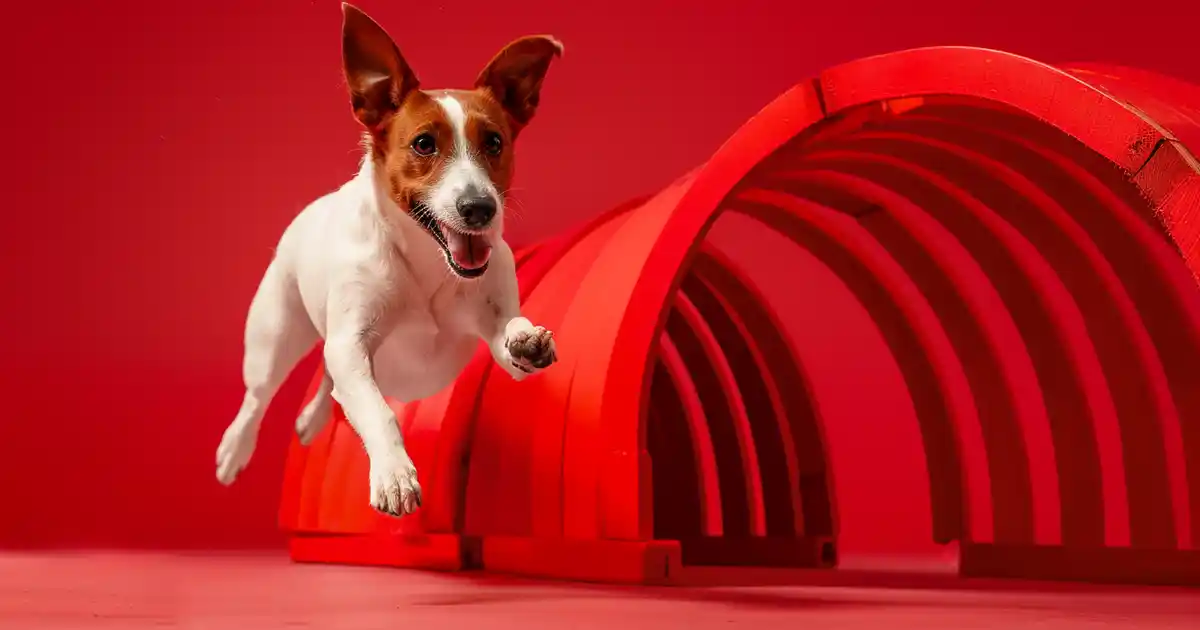
Have you ever wondered why dog agility training seems impossibly complex until you discover the systematic foundation-building approach? I used to think navigating obstacles at speed was only for people with athletic dogs, expensive equipment, and professional instruction, until I discovered these progressive methods that completely transformed my understanding of how agility skills develop. Now fellow dog owners constantly ask how I managed to go from confused beginner to confidently running courses with my dog, and friends (who thought agility was too complicated or dangerous) keep requesting guidance after seeing how much joy this sport brings to both of us. Trust me, if you’re worried about where to even start or whether your dog is “right” for agility, this comprehensive approach will show you it’s more accessible and rewarding than you ever expected. The best part? You’ll build an incredible athletic partnership while providing the ultimate combination of mental and physical exercise that creates genuinely happy, fulfilled dogs.
Here’s the Thing About Dog Agility Training
Here’s the magic: successful dog agility training isn’t about forcing your dog over obstacles or racing for speed from day one—it’s about systematically building confidence, understanding, and communication through foundation skills before ever attempting a full course. What makes this work is the layered progression from basic obstacle introduction to complex sequencing, all while developing the handler-dog teamwork that makes agility uniquely bonding. I never knew agility could be this methodical until I stopped rushing to run courses and started focusing on teaching each obstacle with patience and precision (game-changer, seriously). According to research on dog sports and enrichment, agility training provides exceptional mental stimulation combined with physical exercise, creating one of the most comprehensive enrichment activities available for active dogs. This combination creates amazing results because you’re building both athletic skills and problem-solving abilities rather than just physical conditioning. It’s honestly more structured than I ever expected—no throwing dogs at obstacles and hoping for the best, just proven progressions applied consistently with safety and confidence as top priorities.
What You Need to Know – Let’s Break It Down
Understanding the different agility obstacles and their specific training requirements is absolutely crucial before starting. Don’t skip this foundation—I finally figured out that contact obstacles (A-frame, dog walk, teeter) require completely different training than jumps, which differ from tunnels, which differ from weave poles (took me forever to realize each obstacle type needs specialized introduction methods). Your training approach must match the specific physical and psychological challenges each obstacle presents.
The foundation skills that precede obstacle work matter more than most beginners acknowledge. I always recommend spending 4-8 weeks on focus, impulse control, directional cues, basic obedience, and play-based motivation before ever introducing obstacles because everyone sees results faster when communication systems are established first. Yes, you’re eager to see your dog jumping and weaving, but you’ll need solid attention, reliable recall, understanding of “go,” “come,” “left,” and “right” cues, and drive to work with you before obstacles make sense. Skipping foundations creates confusion and safety issues (harsh truth, but essential).
Safety considerations and proper physical conditioning prevent the injuries that plague rushed agility training. I used to think any energetic dog could immediately start jumping and climbing, until I learned that growth plates, joint health, muscle development, and conditioning timelines absolutely cannot be rushed without risking permanent damage. Your dog needs appropriate age (generally 12-18 months minimum depending on breed), veterinary clearance, and gradual conditioning before attempting full-height obstacles or high-impact sequences.
If you’re just starting out with basic obedience and building drive for training, check out my essential guide to building focus and engagement for foundational skills that complement this agility training approach perfectly.
The Science and Psychology Behind Why This Works
Modern canine sports science research reveals something fascinating: agility training creates unique neurological benefits by requiring dogs to simultaneously process directional cues, navigate physical challenges, and maintain handler focus—a cognitive demand unmatched by most other activities. This isn’t just fun exercise—studies from leading veterinary sports medicine programs demonstrate that properly conditioned agility dogs develop superior proprioception (body awareness), problem-solving abilities, and stress resilience compared to dogs with only basic exercise or training.
What makes agility training particularly effective for overall wellbeing is the partnership element. Your dog doesn’t just follow commands; they learn to read your body language, anticipate your movements, and work as an athletic team where communication flows both directions. Traditional exercise often fails to create this deep collaboration because it doesn’t require the constant two-way communication that agility demands. The psychological principle at work here is cooperative achievement, which means shared challenges create stronger bonds than individual activities—you’re literally solving problems together in real-time.
I discovered the confidence-building aspects matter just as much as the physical skills. When training emphasizes your dog overcoming challenges at their own pace with your support, fearfulness decreases and boldness develops that transfers to other life areas. Research from animal behavior specialists confirms that agility-trained dogs show improved confidence in novel situations, reduced anxiety, and better emotional regulation—benefits that persist long after training sessions end. The mastery your dog experiences conquering obstacles literally rewires their approach to challenges.
Here’s How to Actually Make This Happen
Start by establishing rock-solid foundation skills before introducing any obstacles—and here’s where I used to mess up: I’d rush straight to jumps and tunnels thinking foundations were boring preliminaries to skip. Spend 4-8 weeks building focus despite distractions, reliable directional cues (left/right, come/go), enthusiastic play drive, impulse control around exciting stimuli, and comfortable body handling for safety checks. This groundwork creates the communication system that makes obstacle training exponentially easier and safer.
Now for the important part: introduce obstacles individually in order of difficulty, starting with tunnels (easiest, most naturally appealing) before progressing to jumps, then contact obstacles, finally weave poles (hardest, requiring the most training). Don’t be me—I used to introduce everything simultaneously and just confused my dog about which skills applied to which obstacles. Master tunnel confidence and enthusiasm completely before adding jumps. When it clicks, you’ll know, because your dog shows eager obstacle commitment rather than hesitation or confusion.
Teach each obstacle using the “two-on-two-off” contact method for safety on A-frames, dog walks, and teeters—just like teaching musical notes before attempting songs but completely different from rushing dogs across obstacles at speed. Until you feel completely confident that your dog will stop with two front paws on the ground and two back paws still on the contact zone at the bottom of every contact obstacle, don’t increase height or speed. This stopping behavior literally prevents injuries from dogs launching off obstacles dangerously.
Build jump skills systematically starting at 4-8 inches height regardless of your dog’s ultimate jump class, gradually increasing over months as muscle conditioning develops. My mentor taught me this crucial progression, and it prevented the repetitive stress injuries common in rushed programs: low jumps for weeks while perfecting approach, jumping arc, and landing mechanics. Every dog needs this conditioning period, but this patient approach means joints stay healthy throughout their agility career. Results can vary, but most dogs need 3-6 months of progressive jump training before attempting full competition heights.
Introduce weave poles using either channel method (poles separated creating a channel dogs run through, gradually narrowing) or 2×2 method (starting with just two poles, adding pairs as understanding develops). The training here requires significant patience—weaves are the most difficult obstacle and take months to master. Don’t worry if you’re just starting out with weaves; you’ll develop teaching skills through hundreds of repetitions that eventually create the muscle memory for this complex behavior.
Practice course sequences and handling maneuvers in short 3-5 obstacle combinations before attempting full courses. This creates sustainable skills through gradual complexity rather than overwhelming your dog with 20-obstacle sequences before they understand course flow, handling cues, or how to maintain focus through extended sequences (weird but true—running full courses too early creates frantic, out-of-control dogs rather than thinking partners). I always prepare simple sequences first, though full course confidence requires months of progressive complexity building.
Common Mistakes (And How I Made Them All)
My biggest mistake? Starting agility training before my dog was physically mature enough for impact activities. I’d rush puppies through jump grids and contact obstacles, not understanding the permanent joint damage I risked. Learn from my epic failure: consult your veterinarian about appropriate age to begin agility based on your specific dog’s breed and size, and never train full-height obstacles before growth plates close (generally 12-18 months minimum). Patience with physical development prevents disabilities that haunt dogs for life.
Another classic error: prioritizing speed over understanding and safety in early training. I used to encourage rushing through obstacles thinking speed was the goal, when really agility requires controlled, thoughtful performance where dogs understand proper technique before attempting competition pace. Don’t make my mistake of ignoring fundamental principles experts emphasize—speed develops naturally once understanding is solid; forcing it early creates dangerous habits and injuries.
I also fell into the trap of inconsistent handling and unclear directional cues that confused my dog about where to go next. Here’s the truth: your handling skills matter as much as your dog’s obstacle performance, and developing clear, consistent body language and verbal cues takes deliberate practice. Those handlers whose dogs flow smoothly through courses? They’ve trained themselves as rigorously as their dogs, practicing footwork, timing, and communication until it’s second nature.
Using inappropriate equipment or setting obstacles at wrong heights/configurations was perhaps my most dangerous mistake early on. Home agility equipment must meet safety standards—stable, properly weighted, correct dimensions, and appropriate for your dog’s size. Makeshift obstacles that tip, collapse, or injure dogs create fear and physical harm that can end agility careers before they start.
When Things Don’t Go as Planned
Feeling frustrated because your dog refuses a specific obstacle despite weeks of training? You probably need to back up to a much easier version, address underlying fear or confusion, or completely change your training approach for that obstacle. That’s normal, and it happens to everyone—some dogs have obstacle-specific challenges requiring creativity and patience. I’ve learned to handle this by removing all pressure, making the obstacle ridiculously easy and rewarding, then rebuilding confidence at whatever glacial pace my dog needs. When this happens (and it will), just remember that forcing never works; patience and positive association always do.
Progress excellent in training but nonexistent at trials or new locations? Your dog might be experiencing ring stress, environmental overwhelm, or insufficient generalization training across diverse settings. Don’t stress about this incredibly common issue—just practice sequences in 10+ completely different locations including busy, distracting environments that simulate trial conditions. I always prepare for extensive environmental proofing because agility skills must work despite chaos, novel equipment, and competition pressure—home training alone cannot prepare dogs for this reality.
If you’re losing enthusiasm during the long skill-building process before you can run actual courses, try attending trials as a spectator to reignite your passion or joining agility communities online for inspiration and support. Sometimes watching accomplished teams or connecting with others in the journey reminds you why this hard work matters. When motivation wanes, remembering the joy of partnership and your dog’s happiness during training can help reset your perspective. This is totally manageable when you focus on the journey and relationship rather than just competition results.
Advanced Strategies for Next-Level Results
Taking agility to the next level means mastering advanced handling maneuvers like front crosses, rear crosses, blind crosses, and serpentines that allow you to direct your dog through complex sequences efficiently. Advanced practitioners often implement specialized techniques where they practice handling footwork without their dog, using props or cones to simulate obstacle positions while perfecting their timing and body positioning. For example, I spend dedicated time practicing crosses and turns until muscle memory allows split-second decisions during actual runs—something impossible without deliberate handler training separate from dog training.
Developing distance handling where you can direct your dog through obstacles while you’re 15-20 feet away creates flexibility for courses where handler cannot physically keep pace or where strategic positioning requires distance work. I discovered that teaching “go on” cues, obstacle discrimination at distance, and trust in your directional commands transforms your capability to handle challenging course designs. Start with single obstacles at gradually increasing distances before attempting distance sequences.
Analyzing course maps and walking courses strategically maximizes your handling efficiency and your dog’s flow through sequences. What separates beginners from competitive handlers is the ability to look at a course map, identify the most challenging sequences, determine optimal handling strategy for each section, and walk the course visualizing every step and cue before ever running with your dog. This strategic planning prevents on-course mistakes and creates smoother, faster runs.
For competition success, try videoing every run for detailed analysis of handling timing, missed cues, and your dog’s striding and collection issues imperceptible during the chaos of running. Your improvement accelerates dramatically when you can review performances objectively, identifying patterns in mistakes and celebrating improvements. This video analysis process prevents the common problem where handlers repeat the same errors indefinitely because they’re unaware they’re happening.
Ways to Make This Your Own
When I want maximum fun with high-drive, athletic dogs, I use the Speed and Enthusiasm Method—building drive and speed from day one while maintaining control through strong foundation skills. Before worrying about perfection, focus on making obstacles the most exciting thing in your dog’s world. This makes training more energetic but definitely worth it because high-drive dogs need outlets for their intensity, and channeled correctly, that drive becomes competitive advantage.
For special situations with fearful or cautious dogs, I’ll use the Confidence-First Progression approach. This version focuses on making every obstacle introduction ridiculously easy and heavily rewarded, progressing at whatever snail’s pace your dog needs to remain confident and eager. Sometimes I add extensive shaping where I reward looking at obstacles, sniffing them, touching them, and only after weeks attempt actual performance (think extreme patience), though that’s completely necessary for dogs with fear or anxiety issues.
My busy-season version when life gets hectic focuses on the Foundation Maintenance Plan: practice just directional cues, focus work, and single-obstacle confidence through brief daily sessions while pausing complex sequencing. Summer approach includes more outdoor training in varied environments perfect for generalization, while winter shifts focus to indoor facility work or basement foundation practice when weather limits options.
For next-level competitive success, I love the Trial Simulation Training where you recreate every aspect of trial day—early morning sessions, practicing in unfamiliar locations, running courses just once with no repeats, and introducing trial-day routines and equipment setup. My advanced version includes entering “fun matches” (low-pressure practice trials) before actual competitions and videoing all performances for coaching feedback. Each variation works beautifully with different goals—casual backyard fun, competition titles, or simply bonding through athletic partnership all adapt to these core agility principles.
Why This Approach Actually Works
Unlike throwing untrained dogs at obstacles hoping they’ll figure it out, this approach leverages proven athletic conditioning principles that casual trainers ignore: systematic skill progression, foundational communication, gradual physical conditioning, and confidence-building through appropriate challenge levels. The science shows that dogs trained through patient, positive methods develop superior obstacle commitment, fewer injuries, and longer competitive careers than those rushed through improper progressions.
What sets this apart from other training philosophies is the dual focus on both physical skills and partnership communication. You’re not just teaching your dog to jump; you’re developing a system where you can direct your dog through any obstacle configuration using clear, consistent cues they’ve learned to trust. I discovered through experience that this communication foundation makes agility sustainable and joyful long-term because both partners understand their roles and work together rather than fighting for control.
The underlying principle is elegantly simple: when obstacles are introduced safely at appropriate developmental stages with clear communication and positive associations, dogs develop both capability and eagerness that make agility self-reinforcing. This evidence-based foundation explains why properly trained agility dogs literally pull their handlers to training sessions—they genuinely love this work because it’s been built on confidence, success, and partnership rather than force and confusion. It’s effective precisely because it honors both canine physical development and learning psychology.
Real Success Stories (And What They Teach Us)
One handler transformed their rescue mix from fearful of new things to confidently competing at AKC agility trials within two years through patient foundation-building and obstacle-specific confidence work. What made them successful? They never rushed their dog’s timeline, spending six months just building drive and confidence before introducing any obstacles at all. The lesson here: respecting your individual dog’s emotional readiness matters more than following arbitrary training timelines—confidence cannot be rushed regardless of how eager you are to compete.
Another person struggled with weave poles for eighteen months before finally achieving reliable, fast performance by switching from channel method to 2×2 method that better matched their dog’s learning style. Their breakthrough came when they stopped assuming one training method works for all dogs and instead experimented until finding the approach their specific dog understood. Different outcomes happen because flexibility in methodology prevents the frustration of endlessly repeating failed approaches.
I watched someone take their senior dog up through Master level agility titles starting at age eight, proving that agility isn’t just for young, athletic dogs when introduced properly with appropriate conditioning and lower jump heights. Their success aligns with research on canine fitness showing that appropriate exercise maintains physical and cognitive health well into senior years. What they taught me is that agility serves dogs at any life stage when adapted to their current capabilities—the partnership and enrichment matter more than speed or competition level.
Tools and Resources That Actually Help
Quality agility equipment appropriate for home training makes consistent practice possible—I personally use regulation-size tunnels, adjustable jumps, a contact trainer (low dog walk), and either channel weaves or 2×2 pole setup for home work. Your specific space and budget might require different choices—even just jumps and tunnels provide substantial training value. Be honest about safety though: equipment must be stable, properly weighted, and meet safety standards; cheap, unstable obstacles create injuries and fear that end agility careers.
Access to training facilities or classes with experienced instructors accelerates learning dramatically. I prefer working with certified agility instructors who can assess my handling, provide course design challenges, and offer feedback on my dog’s performance. Both group classes and private lessons work, though the key is finding instructors who emphasize safety, positive methods, and systematic skill-building rather than just running dogs on courses before they’re ready.
Proper footwear and athletic clothing for handlers ensures you can move quickly and safely while directing your dog. These prevent the slips, trips, and movement restrictions that cause handling errors. My personal experience shows that appropriate gear—running shoes with good traction, athletic pants without restricting movement—improves my handling performance by allowing focus on my dog rather than my footing.
The best resources come from authoritative organizations like the United States Dog Agility Association (USDAA), which provides evidence-based training standards, rule books, and proven methodologies used by competitive agility teams worldwide. Books like “Agility Right from the Start” by Eva Bertilsson and Emelie Johnson Vegh provide systematic foundation protocols, while online training platforms like OneMind Dogs offer video courses with professional instruction for handlers at all levels.
Questions People Always Ask Me
How long does it take to train a dog for agility competition?
Most people need 12-18 months of consistent training before their dog is truly ready for novice-level competition, assuming you start with appropriate age and foundation skills. I usually recommend planning for at least one full year because rushing creates gaps in understanding and risks injuries. That said, your timeline varies dramatically based on starting age, training frequency, your handling skill development, and your dog’s natural aptitude. Every team’s journey reflects their unique situation—focus on genuine readiness rather than arbitrary timelines.
What if I don’t have access to agility equipment or classes?
Absolutely, just focus on foundation skills at home using household items as props—broomsticks on blocks as jump bars, cardboard boxes as tunnel substitutes, chalk lines as contact zone markers. Foundation work including directional cues, focus, impulse control, and play drive requires zero special equipment. The investment comes later when you’re ready for actual obstacles. Many successful agility teams started with completely improvised home equipment before accessing formal training.
Are certain dog breeds better suited for agility training?
While herding breeds (Border Collies, Australian Shepherds, Shelties) dominate competitive agility due to breeding for speed, athleticism, and biddability, any healthy, sound dog can enjoy and excel at agility at appropriate levels. Mixed breeds compete successfully alongside purebreds in many organizations. The individual dog’s drive, physical soundness, and size (determining jump heights) matter more than breed. I’ve seen every imaginable breed and mix succeed in agility when training matches their capabilities and handler commits to proper progression.
Can I start agility training with a puppy?
The whole approach requires careful age-appropriate modification for puppies! Whether you’re doing foundation work (perfect for puppies 8 weeks+), introduction to low obstacles (12+ months for most breeds), or full-height training (18-24+ months depending on breed), never train impact activities before growth plates close. When working with puppies, focus exclusively on foundation skills, play, and confidence-building with zero jumping or contact work. The timeline protects their developing bodies while building drive and understanding.
What’s the most important thing to focus on first in agility training?
Building engagement, focus, and drive to work with you is the foundation everything else depends on. Before touching any obstacles, develop your dog’s desire to interact with you, responsiveness to directional cues, and enthusiasm for training sessions. This relationship foundation matters exponentially more than obstacle skills initially. Trust me, a dog who adores working with you will learn obstacles easily; a dog without drive or focus will struggle regardless of natural athleticism.
How do I stay motivated through the long foundation-building process?
Keep training playful and celebrate every tiny progression rather than focusing only on distant competition goals. When the foundation phase feels endless (and it sometimes will), attending trials as a spectator or watching videos of accomplished teams reminds you where you’re headed. I also recommend setting micro-goals—master tunnels this month, introduce jumps next month—that provide frequent achievement feelings. The process itself becomes rewarding when you focus on today’s small wins rather than just the ultimate destination.
What mistakes should I avoid when starting agility training?
Avoid starting before physical maturity, rushing obstacle progressions, prioritizing speed over understanding, using unclear or inconsistent handling, and training with unsafe equipment. Don’t fall into the trap of comparing your timeline to others’—every dog develops differently and comparisons create harmful pressure. Also skip the mistake of training only at home; agility skills must generalize to novel environments including trial settings with chaos and distractions.
Can I do agility training without competing in trials?
As long as you’re enjoying the training process and your dog benefits from the enrichment, absolutely practice agility purely for fun! Many people do agility as bonding activity and exercise without any competition interest. The sport serves recreational participants beautifully—the physical and mental benefits exist regardless of whether you ever enter a trial. Backyard agility or local classes provide all the enrichment value without competition pressure.
What if my dog gets injured during agility training?
Previous injuries require immediate veterinary assessment, complete rest as prescribed, and thorough rehabilitation before returning to agility. This signals the need to evaluate your training progression—most agility injuries result from inadequate conditioning, premature height increases, or poor technique. Most people discover that proper warm-ups, gradual conditioning, and appropriate progression prevent injuries entirely. Some injuries end agility careers, while others heal completely with proper care—veterinary guidance determines your path forward.
How much does getting started with agility training typically cost?
You can start with almost nothing for foundation work—just household items, treats, and your time (under $20). Basic home equipment like jumps and a tunnel costs $200-500 for quality items. Group classes run $100-200 for 6-8 week sessions, while private lessons cost $50-100 per hour. Trial entry fees are $20-35 per dog per class once you’re competing. The investment scales with your goals—casual backyard fun requires minimal expense while serious competition involves ongoing costs for training, equipment, and entries.
What’s the difference between agility organizations like AKC, USDAA, and NADAC?
Different agility organizations have varying rules, course designs, jump heights, and qualification requirements. AKC (American Kennel Club) offers widely accessible trials with standardized courses; USDAA emphasizes international-style courses with more challenges; NADAC focuses on speed and distance with simpler courses and lower jumps. The difference shows up in competition atmosphere, difficulty level, and advancement requirements—research which organization’s philosophy matches your goals and your dog’s strengths before choosing where to compete.
How do I know when my dog is ready to compete in agility trials?
Real readiness shows up as reliable obstacle performance in distracting environments, consistent response to handling cues under pressure, ability to run full course sequences enthusiastically, and stress-free behavior in novel locations. Your dog should perform obstacles correctly 90%+ of the time in training before trialing. I measure readiness by whether my dog maintains focus and enthusiasm despite significant distractions and whether I can handle a standard course without major errors—both partners must be truly prepared for the trial environment’s unique pressures.
Before You Get Started
I couldn’t resist sharing this because it proves that transformation is possible for any handler-dog team willing to commit to systematic, patient, safety-focused training over the months required to build genuine capability. The best agility journeys happen when you approach this as developing an athletic partnership built on trust, communication, and mutual joy rather than just teaching your dog to navigate obstacles. Remember, you’re not just training for competition—you’re creating the ultimate bonding experience while providing comprehensive enrichment that satisfies both your dog’s physical and mental needs in ways few activities can match. Ready to begin? Start with foundation skills today focusing on engagement, directional cues, and play drive before ever touching an obstacle, then progress systematically through proper obstacle introductions at your individual dog’s pace with safety and confidence as non-negotiable priorities. Your future self (and your agility partner dog) will thank you for starting now with patience, proper progression, and dedication to building skills that last a lifetime.




