
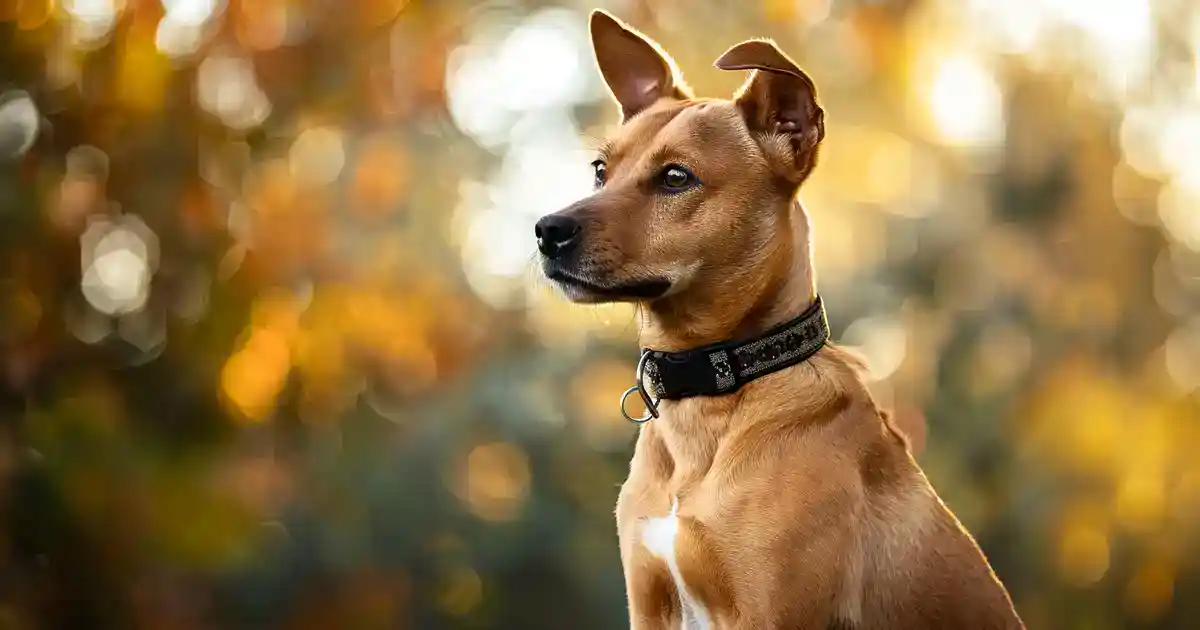
Have you ever wondered why some dogs walk into a room radiating calm confidence while others seem perpetually anxious or uncertain about their surroundings? I used to think body language was just about wagging tails and perked ears until I started working with reactive rescue dogs and discovered that confident posture involves dozens of subtle signals most owners completely miss. My first foster dog—a timid German Shepherd who transformed from cowering to confident within months—changed everything about how I understand canine communication. Now my friends constantly ask how I can tell what a dog is feeling just by watching them move across a room, and honestly, once you understand the complete picture of confident dog posture, you’ll prevent behavioral issues before they start. Trust me, if you’re worried about misreading your dog’s emotional state, this comprehensive approach will show you it’s more intuitive than you ever expected.
Here’s the Thing About Confident Dog Posture
The magic behind understanding canine confidence isn’t about memorizing isolated signals—it’s actually about reading the complete picture of how dogs hold their entire bodies. Dogs communicate primarily through body language, and confident posture reflects an emotional state of security, comfort, and appropriate assertiveness in their environment. According to research on dog behavior, canines have evolved remarkably sophisticated nonverbal communication systems involving ears, tails, body position, facial expressions, and movement patterns working together. What makes recognizing confident posture so valuable is that it helps you understand your dog’s emotional state, predict behavior, and intervene before stress escalates into problems. I never knew reading dogs could be this simple once you understand that posture reveals emotions as clearly as words reveal thoughts (took me forever to realize this). This combination of observation skills and behavioral knowledge creates deeper relationships with genuinely well-adjusted companions, and honestly, it’s more rewarding than I ever expected.
What You Need to Know – Let’s Break It Down
Understanding confident dog posture starts with recognizing that confidence is absolutely crucial for your dog’s wellbeing—it’s the foundation of emotional health, appropriate social behavior, and stress resilience. Don’t skip this part because it’ll help you identify when your dog feels secure versus when they need support.
I finally figured out after observing hundreds of dogs that confident posture isn’t one static position—it’s a flexible, context-appropriate body language that shifts based on the situation (took me forever to realize this wasn’t about rigidity). A confident dog at home looks different from a confident dog meeting strangers, and that’s completely normal.
First, you’ll want to understand the key components of confident posture. These include a relaxed, neutral body position (not tense or cowering), ears in a natural position for the breed, tail carried in a breed-appropriate manner (not tucked or rigidly high), soft eyes without hard staring, smooth and fluid movements, balanced weight distribution on all four legs, and an overall appearance of being comfortable in their own skin. The key is recognizing that all these elements work together—one signal alone doesn’t tell the complete story.
Second, context matters enormously (game-changer, seriously). A confident dog adjusts their posture based on their environment and social situation. They might display more reserved body language when meeting unfamiliar dogs (appropriate caution, not fear) while showing more open, relaxed postures with familiar family members. I always recommend observing your individual dog’s baseline confident posture in safe, comfortable situations because everyone sees better results when they understand what “normal” looks like for their specific dog.
Third, confident posture exists on a spectrum between fearful/submissive and aggressive/overaroused extremes. Yes, truly confident dogs really navigate social situations beautifully without falling into either extreme, but you’ll need to recognize the subtle differences. If you’re just starting your journey with understanding canine body language, check out my beginner’s guide to reading dog behavior signals for foundational techniques that complement this guide.
The Science and Psychology Behind Why This Works
Research from leading animal behavior universities demonstrates that body language provides the most reliable window into a dog’s emotional state because it’s largely involuntary and harder to misinterpret than vocalizations. Studies from institutions like the University of Lincoln and research published in Applied Animal Behaviour Science show that dogs with confident body language experience lower stress hormones, better immune function, and more successful social interactions than anxious or reactive dogs.
What’s fascinating is that traditional approaches to dog training often focused on obedience without considering the dog’s underlying emotional state. A dog performing a “sit-stay” with tense, fearful body language isn’t truly well-trained—they’re complying under stress. The psychological principle at work here is simple: emotional states drive behavior, and body language reveals emotional states with remarkable accuracy.
I’ve personally experienced how understanding posture transforms training and behavior modification. My reactive rescue who lunged at other dogs wasn’t aggressive—her tense, forward-leaning posture combined with whale eyes (showing whites of eyes) and stiff movement revealed fear-based reactivity. Addressing her emotional state through confidence-building exercises rather than just suppressing the lunging created lasting behavior change. The mental and emotional aspects matter just as much as the physical signals—when you recognize that posture reflects how safe your dog feels, everything about your training approach shifts toward building security rather than demanding compliance.
Here’s How to Actually Make This Happen (Recognizing and Building Confident Posture)
Start by honestly observing your dog in various contexts without making assumptions about what you think you’re seeing. Here’s where I used to mess up—I’d interpret a wagging tail as always meaning happiness, missing the tension in the rest of the body that indicated stress. Don’t be me—learn to read the complete picture before jumping to conclusions.
Step 1: Learn Your Dog’s Baseline Confident Posture Some dogs naturally carry themselves differently based on breed characteristics and individual personality. A confident Greyhound has a different natural stance than a confident Bulldog. Spend time watching your dog during their most relaxed moments—playing with favorite toys, settling after a good walk, interacting calmly with beloved family members. This step takes observation but creates lasting understanding of what confident looks like specifically for your individual dog.
Step 2: Identify the Key Confidence Signals Now for the important part—recognize the elements working together. Watch for: relaxed muscle tone (loose, fluid movement versus stiff, jerky motion), neutral ear position (not pinned back in fear or rigidly forward in high arousal), appropriate tail carriage (mid-height, gentle wag, not tucked or rigidly vertical), soft facial expression (relaxed mouth, normal eye shape), balanced stance (weight evenly distributed, not leaning away or rigidly forward), and exploratory behavior (willingness to investigate new things calmly). Results can vary, but learning to spot these elements creates reliable assessment skills. When it clicks, you’ll know—you’ll instantly recognize whether a dog feels secure or stressed just by how they hold themselves.
Step 3: Understand What Different Postures Mean My mentor taught me this trick: compare what you’re seeing to the extremes of fear (lowered body, tucked tail, pinned ears, averted gaze, weight shifted back) and aggression/overarousal (forward-leaning, rigid body, hard stare, raised hackles, tense facial muscles). Confident posture exists in the middle—neither fearful withdrawal nor tense confrontation. This understanding takes practice but prevents misinterpreting normal confident behavior as problematic.
Step 4: Build Confidence Through Environmental Management Every dog develops more confident posture when they feel safe and successful. Create situations where your dog can succeed, gradually introduce new experiences at their pace, provide adequate exercise and mental stimulation, establish predictable routines, and use positive reinforcement to reward brave exploration. Don’t worry if you’re just starting out—confidence builds gradually through accumulated positive experiences.
Step 5: Address Underlying Causes of Poor Posture Just like improving human posture requires addressing why someone slouches, improving dog posture means identifying what’s undermining confidence. Pain, fear, inadequate socialization, punishment-based training, insufficient exercise, medical issues, or traumatic experiences all create defensive, tense, or fearful postures. This requires honest assessment of your dog’s complete situation and addressing root causes rather than just trying to force confident body language.
Common Mistakes (And How I Made Them All)
Don’t make my mistake of assuming confident posture means a dog who’s never cautious or reserved. I once pushed a shy rescue dog into overwhelming situations because I thought confidence meant always being outgoing and bold. True confidence actually includes appropriate caution in genuinely uncertain situations—confident dogs assess new experiences thoughtfully rather than rushing in recklessly or cowering fearfully.
Another epic failure: interpreting breed-specific body language through a generic lens. I misread a sighthound’s naturally reserved, graceful posture as lacking confidence when she was actually perfectly comfortable—sighthounds just don’t express confidence the same way Golden Retrievers do. I learned this the hard way when my training approach for building “confidence” actually stressed her out by pushing behaviors that felt unnatural for her breed (not my finest moment).
The biggest mistake people make is ignoring fundamental principles experts recommend: body language signals must be read in context, considering the whole dog, the environment, and what just happened. That photo of a dog with a “confident” stance might actually show a stressed dog frozen in defensive posture if you could see what was outside the frame. Research from veterinary behaviorists shows that misreading body language is the primary reason people get bitten—they miss the warning signs of stress and fear that precede defensive aggression.
I’ve also watched friends try to force confident posture by physically manipulating their dogs—pulling up tucked tails, forcing tense dogs into “confident” positions. This accomplishes nothing except increasing fear and damaging trust. Learn from my community’s collective mistakes: confident posture emerges from confident emotions, and emotions can’t be forced through physical manipulation.
When Things Don’t Go as Planned (And It Will)
Feeling overwhelmed by your dog’s persistently fearful or tense posture despite your confidence-building efforts? You probably need professional help from a certified behavior consultant who can assess underlying issues like fear, anxiety, past trauma, or medical problems affecting how your dog feels and moves. That’s completely normal, and it happens to everyone working with dogs who’ve had difficult backgrounds or genetic predispositions toward anxiety. I’ve learned to handle this by recognizing that some dogs need systematic desensitization, counterconditioning, or even behavior medication alongside training. When this happens (and it will), don’t stress—just acknowledge when you need expert support.
Progress stalled with building your dog’s confidence? This is totally manageable. Some dogs require more time, smaller steps, or different approaches than others. I always prepare for confidence-building setbacks because life is unpredictable, and one scary experience can temporarily undo weeks of progress. If you’re losing steam with confidence work, try breaking goals into smaller increments or reassessing whether you’re inadvertently pushing too fast. Science-based behavior modification techniques—basically systematic desensitization and counterconditioning—can help reset your approach when your dog’s posture isn’t improving.
Dealing with sudden changes in your dog’s posture? Many shifts in body language indicate pain, illness, or injury rather than emotional issues. A dog who suddenly develops tense, guarded posture might have arthritis, digestive discomfort, or other medical problems making them physically uncomfortable. When standard confidence-building approaches aren’t working, try scheduling a thorough veterinary examination to rule out physical causes.
The reality is that some dogs will never display the bold, outgoing posture of naturally confident breeds—and that’s okay. A shy dog who develops relaxed, comfortable posture in familiar environments and appropriate caution with new experiences has achieved healthy confidence even if they’ll never be the social butterfly at the dog park. My approach combines acceptance of individual personality with efforts to expand comfort zones gradually.
Advanced Strategies for Next-Level Results
Once you’ve mastered basic body language reading, taking this to the next level involves understanding micro-expressions and subtle shifts that predict behavioral changes before they happen. Advanced practitioners often implement specialized techniques like reading calming signals (subtle behaviors dogs use to self-soothe and communicate peaceful intent), recognizing stress ladders (the progression from mild discomfort to severe stress), and spotting the tiny warning signs that precede reactivity.
I’ve discovered that video analysis matters enormously for improving observation skills. Recording your dog during various activities and watching in slow motion reveals posture elements you completely miss in real-time. When you start spotting the split-second ear flicks, subtle weight shifts, or minor muscle tension changes that predict your dog’s next move, you’ve reached an advanced level of reading canine communication.
Advanced techniques that actually work include understanding displacement behaviors (normal activities done out of context as stress relief, like sudden scratching or sniffing during tense situations), recognizing the difference between confident stillness and fearful freezing, and reading social skills through how dogs adjust their posture during interactions with other dogs. This works particularly well for predicting how dog-dog greetings will unfold—confident dogs use play bows, loose body language, and turn-taking during play, while tense dogs show stiff approaches and lack the fluid give-and-take of healthy interaction.
For experienced dog owners, understanding how your own body language influences your dog’s posture elevates your relationship. Dogs mirror human emotional states—your tension creates theirs, your confidence supports theirs. Learning to maintain calm, confident body language yourself while handling your dog literally changes their physical and emotional responses.
What separates beginners from experts is recognizing that confident posture isn’t just absence of fear—it’s active emotional security, appropriate arousal levels for the context, social competence, and resilience to mild stressors. Mastering these distinctions helps you support genuine confidence rather than just suppressing fear symptoms.
Ways to Make This Your Own (Customizing Your Approach)
When I want to build confidence faster in outgoing dogs, I lean toward adventure-based training incorporating novel experiences, agility courses, nosework, and controlled exposure to diverse environments. This makes the process more intensive but definitely worth it if you have a naturally bold dog who just needs experience and skills to channel their confidence appropriately.
For special situations where dogs struggle with specific confidence deficits, I’ll recommend targeted protocols. Dogs fearful of strangers benefit from Look at That (LAT) training teaching them to observe people calmly. Dogs lacking confidence on different surfaces need systematic desensitization to textures, sounds, and substrates. My busy-season version focuses on incorporating confidence-building into daily routines—letting dogs make choices about routes during walks, practicing voluntary cooperation during grooming, and rewarding brave investigation of household changes.
Sometimes I suggest breed-specific confidence expectations, though that’s totally optional. Herding breeds often display intense, focused postures that might look tense but actually indicate engaged confidence in their work. Guardian breeds naturally show more reserved, watchful postures with strangers that shouldn’t be mistaken for fear. For next-level results, I love working with trainers who understand breed-typical body language variations and help you set appropriate goals.
My advanced version includes understanding how confidence changes across your dog’s lifespan. Puppy confidence looks different from adult confidence, and senior dogs may develop more cautious postures due to declining senses and physical capabilities rather than emotional insecurity. Each variation works beautifully with different needs:
- Accelerated Confidence Building: Intensive socialization and novel experiences for young, resilient dogs (puppies, naturally bold temperaments)
- Gentle Rehabilitation Approach: Slow, patient protocols for fearful or traumatized dogs (rescue dogs, abuse survivors)
- Maintenance Strategy: Sustaining existing confidence through ongoing enrichment (already confident dogs, preventive approach)
- Breed-Specific Customization: Respecting breed-typical posture variations while building appropriate confidence (breed-specific traits, working dogs)
Why This Approach Actually Works
Unlike simply demanding obedience regardless of emotional state, this approach leverages proven psychological principles about the connection between emotions, body language, and behavior. The science is clear: dogs who feel confident display confident posture, and building genuine confidence (rather than just suppressing fear) creates lasting behavioral wellness.
What makes this different from traditional obedience training is the focus on emotional states driving body language rather than trying to force postural changes through physical manipulation or commands. Research in veterinary behavioral science shows that dogs with naturally confident postures have better stress resilience, healthier cortisol patterns, stronger immune function, and more successful social relationships than anxious dogs—even when anxious dogs have been trained to suppress fearful behaviors.
I discovered through years of behavior modification work that dogs displaying confident posture navigate life’s challenges more successfully because their body language both reflects and reinforces their emotional security. When a dog holds themselves confidently, they’re more likely to explore novel situations calmly, recover quickly from startling events, and interact appropriately with other dogs and people. This creates a positive feedback loop where confident posture supports confident emotions, which reinforces confident posture.
The approach is sustainable because it’s built on creating genuine emotional security rather than just managing symptoms. It’s not about forcing dogs to “act confident”—it’s about building the actual confidence that naturally produces relaxed, balanced body language without conscious effort.
Real Success Stories (And What They Teach Us)
One rescue I worked with came from a hoarding situation displaying severely fearful posture—lowered body, tucked tail, pinned ears, and complete avoidance of eye contact or interaction. Within six months of systematic confidence-building through positive reinforcement, environmental management, and gradual exposure, her posture transformed completely. She developed a relaxed, neutral stance, carried her tail naturally, made appropriate eye contact, and moved fluidly rather than slinking fearfully. The lesson? Confident posture emerges when dogs feel genuinely safe and supported.
Another success story involves a reactive dog whose tense, forward-leaning, hard-staring posture toward other dogs indicated fear-based reactivity rather than aggression. Through systematic desensitization and counterconditioning, his owner taught him to feel safe around other dogs, which naturally changed his body language. His posture softened, he began offering calming signals like looking away and sniffing, and his overall demeanor shifted from tense vigilance to relaxed awareness. Their success aligns with research on behavior change that shows consistent patterns: changing emotions changes body language more effectively than trying to suppress physical symptoms.
I’ve watched fearful puppies blossom into confident adults when their owners recognized subtle stress signals and adjusted socialization pace accordingly. One puppy who initially showed whale eyes, lip licking, and tense posture during training classes thrived when her owner slowed down, used higher-value rewards, and kept sessions shorter. Within weeks, her posture relaxed, she began offering playful behaviors, and her overall body language radiated appropriate puppy confidence.
Different timelines exist for different dogs and issues. Some dogs develop confident posture quickly with basic environmental security, while others—especially those with significant trauma or genetic anxiety predispositions—require months or years of patient work. Results vary based on individual circumstances, but the pattern remains consistent: genuine confidence emerges from feeling safe, successful, and supported.
Tools and Resources That Actually Help
The Ladder of Aggression resource from Doggone Safe illustrates how dogs escalate stress signals when early warnings go unheeded, helping owners recognize subtle posture changes before they progress to serious problems. I personally use this when teaching clients to read their dogs because it shows the progression from minor discomfort to defensive aggression clearly.
For understanding specific body language signals, I always recommend books by certified experts like Brenda Aloff’s “Canine Body Language: A Photographic Guide,” Turid Rugaas’s “On Talking Terms with Dogs: Calming Signals,” and Patricia McConnell’s “For the Love of a Dog” (includes excellent sections on posture and emotion). These provide visual references showing real dogs displaying various emotional states through body language.
Online courses like the Fenzi Dog Sports Academy’s courses on canine body language and confidence building offer structured learning with video examples. YouTube channels from certified behavior consultants demonstrate real-world examples of confident versus stressed postures during various activities.
The Tellington TTouch method offers specific bodywork techniques that can help anxious dogs develop more relaxed posture by reducing physical tension. While not a replacement for behavior modification, these techniques complement confidence-building programs.
For assessing whether posture changes indicate medical issues, thorough veterinary examinations including orthopedic assessments can identify pain or discomfort affecting how dogs carry themselves. Many behavioral issues resolve when underlying medical problems get treated.
Questions People Always Ask Me
How long does it take for a fearful dog to develop confident posture?
Timeline varies dramatically based on the dog’s history, genetics, and severity of fear. Some dogs show noticeable improvement within weeks of systematic confidence-building, while severely traumatized dogs may need months or years to develop truly relaxed body language. I usually recommend focusing on small incremental improvements rather than expecting dramatic transformations overnight—celebrate when your dog’s tail rises slightly or their ears relax marginally, as these tiny changes predict larger shifts.
What if my dog’s posture looks confident but they still show problem behaviors?
Confident posture doesn’t guarantee perfect behavior—it just indicates comfortable emotional state. A confident dog can still have inadequate training, be overly aroused, or lack impulse control. Alternatively, what looks like confidence might actually be overarousal or inappropriate boldness. Examine the complete context and consider whether the posture truly indicates relaxed confidence or something else entirely.
Is confident posture something all dogs can develop regardless of temperament?
Most dogs can develop appropriate confidence for their individual personality and breed, but that doesn’t mean all dogs will look the same. A naturally reserved dog developing relaxed, comfortable posture in familiar settings represents successful confidence-building even if they’ll never be boldly outgoing with strangers. The goal is helping each dog reach their optimal confidence level, not forcing all dogs into identical expression.
Can I help my dog develop more confident posture through specific exercises?
Absolutely. Confidence-building activities include teaching new skills (success builds confidence), nosework (dogs find scent games inherently confidence-boosting), controlled socialization (positive experiences with novel things), choice-based training (allowing dogs to make decisions), and systematic desensitization to things causing fear. These activities address the emotional foundation producing confident posture.
What’s the most important thing to focus on first when trying to improve my dog’s posture?
Start by ensuring your dog feels physically safe and secure in their primary environment. Before working on confidence in public or with strangers, make certain your dog displays relaxed posture at home. If they don’t feel secure in their base environment, you’re building on unstable foundations. Address home security, predictable routines, and basic needs first.
How do I know if my dog’s tense posture is fear-based or pain-related?
This requires veterinary assessment. Dogs experiencing pain often show similar postural changes to fearful dogs—tense muscles, lowered body, reluctance to move. However, pain-based tension usually includes specific behaviors like reluctance to jump, difficulty with stairs, changes in sleeping positions, or sensitivity to touch in specific areas. When in doubt, rule out medical causes before assuming behavioral issues.
What mistakes should I avoid when working to improve my dog’s body language?
Avoid flooding (forcing your dog into overwhelming situations expecting them to “get over it”), physical manipulation (forcing posture changes), punishment for fearful behaviors, moving too quickly through desensitization protocols, and misreading signs of stress as confidence. Most importantly, don’t ignore subtle stress signals hoping your dog will adjust—intervene early when you notice tense posture before fear escalates.
Can breed characteristics affect what confident posture looks like for my specific dog?
Absolutely. Sighthounds naturally carry themselves differently than mastiffs. Herding breeds often display intense focus that might look tense but actually indicates engaged confidence. Spitz breeds may show more independent, aloof postures with strangers that don’t indicate fear. Learn what’s typical for your dog’s breed and assess confidence within that framework rather than using generic standards.
What if my dog’s posture varies dramatically in different contexts?
That’s completely normal and actually indicates good social skills. Confident dogs adjust their body language based on context—showing more relaxed posture with familiar people, more reserved posture with strangers, playful postures with dog friends, and calm neutral postures during quiet time. Rigid posture that doesn’t adjust to context may indicate stress or poor social skills.
How much does working with a behavior consultant to improve confidence typically cost?
Initial consultations range from $150-400, with follow-up sessions $100-200 each. Comprehensive behavior modification programs for severe fear issues can cost $1000-3000+ depending on complexity. However, investing in proper behavior modification prevents expensive problem behaviors, improves quality of life, and may literally save dogs’ lives when fear-based aggression is involved.
What’s the difference between a naturally reserved dog and a fearful dog in terms of posture?
Reserved dogs maintain relatively neutral, balanced posture—they’re not showing active fear signals like tucked tail, lowered body, or pinned ears, but they’re also not rushing to interact. Fearful dogs actively avoid, show tension, display calming signals, and may freeze or try to escape. Reserved dogs are comfortable with their choice to observe rather than engage; fearful dogs are uncomfortable but managing their fear.
How do I know if my confidence-building approach is actually improving my dog’s wellbeing?
Track posture changes over time—is your dog’s tail carried higher, body more relaxed, movement more fluid? Monitor behavior changes—is your dog exploring more willingly, recovering from stress faster, showing more playfulness? Assess physiological signs—is your dog’s breathing calmer, are stress behaviors like panting and lip licking decreasing? If these indicators improve, your approach is working even if progress seems slow.
Before You Get Started
I couldn’t resist sharing this final insight because it proves what thousands of behavior professionals already know—the best relationships with dogs happen when you understand that body language reveals emotional truth, and building genuine confidence through safety, success, and support creates naturally relaxed posture that no amount of physical manipulation or commands could force. Ready to transform how you understand and support your dog? Start by simply observing without judgment, learning to see what your dog is actually communicating through how they hold themselves, then work systematically to help them feel secure enough to display the confident posture that reflects true emotional wellbeing.




