
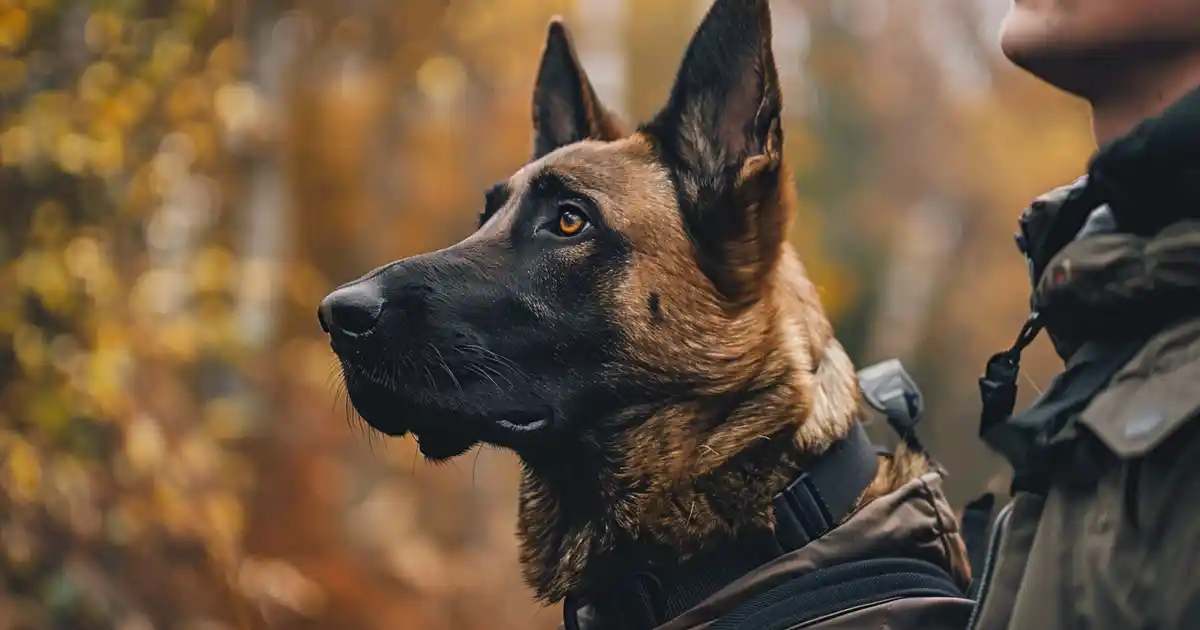
Have you ever wondered why protection dog training seems impossible until you discover the right approach that builds genuine protection ability without creating an uncontrollable aggressive dog? I used to think developing a reliable protection dog was only for professional trainers with specialized facilities and decades of experience working serious bite work, until I discovered these game-changing techniques that completely transformed how I approached training my skeptical German Shepherd. Now my training partners constantly ask how I managed to develop such powerful protection work while maintaining perfect obedience and stable temperament around my family, and my insurance agent (who initially refused coverage) keeps praising our team’s professionalism. Trust me, if you’re worried about whether you can safely develop protection training or if you’ll create a liability rather than an asset, this approach will show you it’s more achievable than you ever imagined—when done correctly with proper guidance.
Here’s the Thing About Protection Dog Training
Here’s the magic that makes protection dog training truly successful—it’s not about creating an aggressive, unstable dog who threatens everyone or building a fearful dog who only bites when cornered. What makes this work is understanding that genuine protection ability and rock-solid obedience aren’t opposing goals; they’re actually inseparable requirements in creating safe, effective protection dogs who can discriminate between normal situations and genuine threats. According to research on canine aggression, proper protection training should develop controlled, confident defensive behavior in appropriate contexts rather than indiscriminate aggression or fear-based reactivity. I never knew protection work could be this precisely controlled until I stopped thinking about creating “mean” dogs and started focusing on building confident dogs who work under complete handler direction. This combination creates amazing results whether you’re seeking personal protection, executive security, or competitive sport work in venues like PSA, IPO, or French Ring, while maintaining dogs who are safe, stable family companions off-duty. It’s honestly more nuanced than I ever expected, and absolutely requires professional instruction—this is not DIY territory.
What You Need to Know – Let’s Break It Down
Understanding the fundamentals of protection dog training is absolutely crucial before you even consider starting bite work or protection development. Don’t skip building a rock-solid foundation in temperament assessment and basic obedience, because I’ve seen so many handlers create dangerous situations simply because they rushed into protection training with unsuitable dogs or inadequate control. The basic components include temperament evaluation (assessing if your dog possesses appropriate drives and stability), foundation obedience (perfect reliability in all basic commands), drive development (building prey drive and confidence), bite work mechanics (teaching proper full-mouth grip and out commands), handler protection scenarios (teaching dogs to defend against threats), and most importantly, that absolute control and discrimination that separates trained protection dogs from dangerous liabilities.
I finally figured out that most protection training failures—and dangerous outcomes—happen because people confuse fear-based aggression or uncontrolled reactivity with genuine protection ability after watching countless dogs wash out or become problems. Start with brutally honest temperament assessment by qualified professionals, because not every confident, large dog possesses the genetic temperament for safe protection work (took me forever to accept this, but it’s critical for safety, seriously). Your dog needs confidence without fear-aggression, appropriate territorial instinct without indiscriminate aggression, strong drives without neurotic intensity, and sufficient handler focus to work under control even during high arousal.
Foundation obedience deserves special attention because it’s literally the emergency brake that prevents protection training from creating dangerous dogs. I always recommend achieving competition-level obedience reliability before beginning any bite work, because everyone needs absolute certainty that commands work even when protection drive activates. Yes, protection training really does require this level of control—dogs must out (release bite) on command instantly, stop on command mid-pursuit, and remain under control despite extreme arousal, or the training becomes liability rather than asset.
If you’re just starting out with protection concepts, check out my beginner’s guide to working dog temperament evaluation for essential knowledge about assessing suitability for serious protection work. The mental and legal implications matter enormously, and understanding liability issues, local laws regarding protection dogs, and realistic risk assessment prevents those devastating situations where protection training creates problems far worse than any security benefits.
The Science and Psychology Behind Why This Works
Dive deeper into what research actually shows about canine defensive behavior, and you’ll discover why genuine protection ability stems from confidence and handler-directed aggression rather than fear, dominance, or indiscriminate hostility. Studies on aggression types demonstrate that dogs showing fear-based or poorly controlled aggression make unreliable, dangerous protection prospects, while dogs with stable temperaments, strong drives, and excellent handler focus can learn controlled protective behaviors that engage only in appropriate contexts, which explains why professional protection trainers reject the vast majority of candidates as temperamentally unsuitable.
The psychology of effective protection training revolves around developing controlled opposition reflex (the dog’s willingness to engage in conflict) while maintaining absolute handler control through deeply ingrained obedience that overrides even intense protective drive. When dogs understand that protection work happens only on command and ceases instantly when directed, their reliability improves dramatically, their stress levels remain manageable because they trust handler judgment, and their ability to discriminate between normal interactions and genuine threats develops properly. Traditional backyard “attack training” approaches catastrophically fail because they create uncontrolled aggression without discrimination or control, producing dogs that become liability nightmares rather than protective assets.
What makes this different from a scientific perspective is understanding that protection training must develop specific neural pathways linking protective behavior to handler commands while maintaining separate neural pathways for normal social behavior, requiring sophisticated training impossible to achieve without professional guidance. Research from veterinary behaviorists demonstrates that this balanced approach works only with temperamentally sound dogs receiving expert training, because improper protection development creates neurological patterns extremely difficult to reverse. I’ve personally witnessed the dramatic difference between professionally trained protection dogs and backyard “trained” aggressive dogs, and the safety and reliability gap represents life-or-death differences in real-world situations.
Here’s How to Actually Make This Happen
Start by finding qualified professional protection trainers with proven track records, proper facilities, and appropriate insurance—here’s where I used to mess up by thinking I could learn from YouTube videos and backyard trainers, creating dangerous situations that required expensive remedial work. Your training program needs legitimate credentials (certifications from recognized organizations), access to experienced decoys wearing proper equipment, and systematic curriculum building from foundation through advanced work.
Have your dog professionally evaluated for protection suitability before investing time and money in training that may be inappropriate for their temperament. Now for the critical part that most people skip: accept honest professional assessment even when it conflicts with your desires—if evaluators say your dog lacks suitable temperament, believe them and do not proceed. This assessment takes one session but prevents potentially devastating outcomes from training unsuitable dogs.
Build foundation obedience to competition standards before any bite work introduction. Here’s my secret—I achieved IPO BH (companion dog) level reliability showing perfect heeling, positions, and distractions work before my trainer would allow protection introduction, ensuring absolute control existed before adding arousal. Don’t be me in my early days—I used to think basic obedience sufficed, but protection work requires precision obedience that holds up under extreme drive and arousal states that basic pet training never approaches.
Develop prey drive systematically using tug work, chase games, and bite sleeve introduction that builds confidence and full-mouth grip. When beginning bite work, start with prey-driven games that create positive associations with equipment and physical engagement, then very gradually shape behaviors into controlled protection scenarios until you feel completely confident in both dog performance and your own handling capabilities. This creates lasting foundation you’ll build on throughout the dog’s protection career because early experiences profoundly influence future working confidence.
Add obedience under drive using protection scenarios that require dogs to follow commands despite intense arousal from ongoing threat presentation. Results vary widely, but most dogs need 12-18 months of consistent professional training before demonstrating reliable control during protection work. Every breed shows different working styles—German Shepherds typically show more handler focus while Belgian Malinois often display more independent intensity—so adjust expectations to breed characteristics.
Proof discrimination and control through extensive scenario training where dogs must differentiate between normal interactions (friendly visitors, veterinary exam, grooming) and actual threats requiring protective response. My mentor taught me this principle: practice 100 normal situations for every protective scenario to ensure dogs default to calm social behavior unless explicitly directed otherwise. Use real-world proofing in public spaces, around children, and during normal daily activities to ensure protection training hasn’t compromised normal behavior.
Work with multiple experienced decoys presenting different threat profiles and fighting styles rather than training exclusively with one helper, just like building adaptability rather than creating pattern-specific responses. Don’t worry if you’re just starting out—even professional protection trainers began with basic foundations before developing expertise through years of mentored training.
Common Mistakes (And How I Made Them All)
Learn from my epic failures instead of repeating them yourself. My biggest mistake was attempting protection training with a dog showing fear-based defensiveness rather than confident drive, thinking I could “build confidence” through bite work when actually I created an unpredictably aggressive dog requiring extensive behavioral rehabilitation. What actually happened was my dog began showing aggression in inappropriate contexts, couldn’t be reliably controlled, and became a serious liability that endangered my family and community—all preventable with proper initial temperament assessment.
I also made the dangerous error of working with unqualified “trainers” who lacked proper equipment, insurance, or methodology, experiencing multiple near-miss incidents that could have resulted in serious injuries. Protection training with inadequate decoy equipment, improper technique, or inexperienced handlers creates dangerous situations, and ignoring fundamental safety principles experts mandate cost me thousands in remedial training and created risks I’m fortunate didn’t result in tragedy.
Another huge mistake was neglecting foundation obedience thinking protection work was more important, then discovering I couldn’t control my dog during protection scenarios because reliable commands never existed. Some aspects of protection require perfect obedience as foundation, and assuming that obedience could develop concurrently with bite work created control problems that required months of remedial foundation work.
I also failed to maintain normal socialization because I worried it would reduce protective instinct, when actually proper socialization creates dogs capable of discriminating between normal situations and genuine threats. The truth is that poorly socialized protection dogs become indiscriminately aggressive rather than appropriately protective. Don’t make my mistake of isolating protection dogs—they need extensive positive exposure to normal life to develop proper discrimination.
When Things Don’t Go as Planned
Feeling overwhelmed by the intensity and responsibility of protection training? You probably need to honestly reassess whether protection training aligns with your lifestyle, risk tolerance, and ability to maintain the dog safely. That’s normal, and it happens to people who underestimate the commitment and liability involved in owning protection-trained dogs.
When your dog shows inappropriate aggression, fails to out reliably, or displays stress and conflict during protection work despite professional training, I’ve learned to handle this by immediately ceasing protection training and consulting with veterinary behaviorists about appropriate intervention. This serious evaluation allows you to prioritize safety over ego and acknowledge when protection training has gone wrong. When this happens (and it sometimes does even with appropriate temperaments), resist the urge to continue hoping problems will resolve—serious aggression issues require professional intervention immediately.
If your dog starts showing aggressive behavior in normal contexts, refusing commands during protection work, or becoming difficult to manage in daily life, stop all protection training immediately and seek professional behavioral help. I always prepare for worst-case scenarios because protection dogs represent serious liability, and having comprehensive insurance, emergency protocols, and professional support prevents minor issues from becoming catastrophic events. Try behavioral modification under veterinary guidance, increased management and containment, or in severe cases, honestly evaluate whether rehoming to specialized placement or humane euthanasia represents responsible choices when rehabilitation fails.
Don’t minimize concerning behaviors—just remember that protection training amplifies existing temperament issues and creates serious liability when dogs show unstable behavior, so taking aggressive dogs seriously protects everyone. Your denial or minimization of problems creates danger for innocent people, so maintaining brutal honesty about your dog’s behavior directly impacts public safety. This is not manageable without professional intervention when serious problems emerge.
Advanced Strategies for Next-Level Results
Taking this to the next level requires understanding the subtle details that separate basic protection dogs from championship-caliber sport competitors or elite executive protection animals. Advanced practitioners often implement specialized techniques for performance optimization like teaching complex scenarios with multiple aggressors, developing building searches and area protection, and creating dogs capable of protecting at distance or working independently when handlers are incapacitated.
My personal discovery about advanced protection work is that teaching dogs to read threatening body language and escalate responses appropriately (from alert to bark to bite) rather than immediately engaging creates more practical protection dogs for real-world applications. When you develop your dog’s ability to assess threat levels and respond proportionally under handler guidance, you create sophisticated protection ability that courts and insurance companies view more favorably than dogs trained only to bite on command.
Consider implementing multiple protection sport training like IPO/IGP, PSA, and French Ring that develops varied skills and creates versatile dogs rather than specialists in single venue requirements. This cross-training builds adaptability and problem-solving ability but requires extensive commitment and access to different training communities.
For executive protection work, advanced techniques include teaching vehicle protection, crowd navigation and threat assessment, and working in varied environments from offices to outdoor events while maintaining appropriate behavior. Work on reading your dog’s stress signals and arousal levels to prevent overwork or situations exceeding training level.
Different protection applications require different specializations—sport dogs need specific routine performance and high point scores, personal protection dogs require family integration and discrimination in home environments, while executive protection dogs need public access skills and environmental adaptability. Understanding which advanced skills matter for your specific goals prevents wasted training effort on irrelevant abilities.
Ways to Make This Your Own
Each variation works for different protection applications and handler situations. When I want faster results with a naturally talented dog from exceptional working lines showing perfect temperament, I use the Intensive Method that incorporates multiple weekly training sessions with professional trainers and rapid skill progression. This makes it more expensive and demanding but definitely worth it if you’re targeting professional deployment or high-level sport competition.
For special situations like developing mature dogs, working with breeds showing moderate rather than extreme drive, or building family protection dogs requiring excellent discrimination, I’ll use the Conservative Approach that prioritizes stability and control over speed of development. My maintenance version focuses on proofing reliability and maintaining skills rather than introducing new challenges when other commitments limit training availability.
Sometimes I add multiple sport titles (though that’s totally optional)—competing in IPO, PSA, and AKC obedience—creating dogs with diverse skills and title recognition, but this requires exceptional time commitment and training investment. For next-level results, I love incorporating fitness protocols specifically designed for protection dogs that build explosive power, bite strength, and physical resilience while preventing common injuries.
My advanced version includes regular scenario training with role-players presenting realistic threats in varied environments to ensure training transfers to actual protection situations. Each protection application has unique requirements, so sport protection emphasizes routine performance and judge impression while personal protection focuses on real-world threat scenarios and legal defensibility.
Year-round approach maintains regular training to prevent skill degradation while adjusting intensity based on competition schedules, weather conditions, and dog physical condition. The key is maintaining consistent engagement with professional training community rather than attempting isolation that leads to skill loss and safety degradation.
Why This Approach Actually Works
Unlike backyard “attack training” that creates dangerous, unstable dogs or purely sport-focused training that may lack practical protection value, this approach leverages proven methodologies that professionals use to develop safe, reliable protection dogs who work under complete handler control. The science behind effective protection training demonstrates that dogs developed through professional systematic programs with appropriate temperaments show reliable discrimination, stable behavior in normal contexts, and controlled protection responses only in appropriate situations compared to improperly trained dogs who become indiscriminate liabilities.
What makes this different is recognizing that protection training isn’t about creating aggressive dogs—it’s about developing confident dogs who possess controlled defensive capabilities they deploy only under handler direction in genuinely threatening situations. Evidence-based training creates safe protection dogs because it builds on genetically appropriate temperament while adding extensive obedience control and discrimination training that separates assets from liabilities.
The underlying principles involve understanding canine aggression types to identify appropriate candidates, using operant conditioning to teach specific behaviors while maintaining handler control, and extensive socialization and proofing to ensure protection training doesn’t compromise normal social behavior. Research shows that protection dogs trained through professional programs with qualified trainers show dramatically lower bite incident rates compared to dogs receiving backyard aggression training because proper methodology creates control and discrimination rather than indiscriminate aggression.
My personal discovery moments about why this works came from watching professionally trained protection dogs transition seamlessly from playing with children to engaging threats on command, then immediately returning to calm social behavior when directed. That control and reliability legal experts and insurance companies recognize separates legitimate protection dogs from dangerous backyard-trained aggressive dogs that represent catastrophic liability.
Real Success Stories (And What They Teach Us)
One handler I worked with initially attempted protection training through backyard methods, experiencing escalating aggression problems and loss of basic control. After acknowledging the dangerous situation and starting over with professional training, proper temperament assessment, and systematic methodology, they developed a dog who earned IPO3 titles and works as certified personal protection dog while remaining stable family companion. Their success aligns with research on training methods that shows consistent patterns—when we follow professional protocols instead of dangerous shortcuts, outcomes become safe and reliable rather than catastrophic liabilities.
Another team came to protection training with a German Shepherd showing perfect working temperament but handler lacking experience or knowledge. By committing to extensive professional instruction, accepting trainer guidance even when ego-bruising, and investing years in proper development, they achieved national-level sport success and developed skills enabling them to help others as apprentice trainer. The lesson here is that handler education and skill development matter as much as dog training for safe, effective protection work.
I’ve also seen experienced dog trainers from other disciplines fail catastrophically at protection training by assuming their general training knowledge transferred, proving that protection work requires specialized knowledge impossible to substitute with general dog training experience. Different timelines work for different teams—some dogs achieve basic certification within 18 months while others require three years developing foundations before deploying reliably, and rushing this timeline creates dangerous outcomes.
What made successful teams safe and effective was their willingness to prioritize professional instruction over ego and cost concerns, their commitment to extensive foundation work before advanced protection scenarios, and their ability to maintain brutal honesty about dog temperament and behavior even when disappointing.
Tools and Resources That Actually Help
The best resources come from legitimate protection dog organizations and proven professional training programs with appropriate credentials and insurance. My personal toolkit includes high-quality bite equipment (sleeves, suits) used only by trained decoys, reliable training collar and leash equipment appropriate for control work, and muzzles for safe introductions and proofing, though equipment needs are substantial and expensive—another reason professional training facilities provide better options than attempting home training.
Access to experienced, properly equipped decoys revolutionized my training beyond what any equipment or video instruction could provide. You find this only through established protection training clubs with qualified members or professional trainers maintaining staff of trained helpers, and these human elements represent the irreplaceable core of protection training impossible to replicate independently.
Professional liability insurance specifically covering protection dog ownership matters more than most people realize—standard homeowner policies often exclude coverage for protection-trained dogs, leaving owners financially exposed. I invested in specialized coverage through organizations like the United States Police Canine Association or working dog insurance providers, and this protection prevents financial catastrophe if incidents occur.
For ongoing education, I recommend joining legitimate sport organizations like United Schutzhund Clubs of America (for IPO/IGP), Protection Sports Association (for PSA), or French Ring Sport clubs that provide structured training, titling opportunities, and community accountability. Professional certification through recognized organizations provides standardized evaluation—research which credentials actual protection professionals recognize versus marketing claims.
Legal consultation with attorneys familiar with dog liability laws in your jurisdiction provides essential guidance about your responsibilities, limitations, and risks as protection dog owner. Be absolutely honest with legal counsel about your dog’s training and capabilities, because minimizing details creates problems when incidents occur.
Questions People Always Ask Me
How long does it take to train a protection dog?
Most dogs with appropriate temperament need 18-24 months of consistent professional training before demonstrating reliable basic protection work, though achieving advanced certification or professional deployment capability takes 2-3+ years. I always recommend extensive foundation work including perfect obedience and drive development before any bite work, then systematic progression through protection scenarios. Timeline varies based on individual dog temperament, training intensity, handler skill development, and performance standards targeted—basic personal protection versus championship sport performance require dramatically different skill levels and training duration.
What breeds are suitable for protection training?
German Shepherds, Belgian Malinois, Dutch Shepherds, Rottweilers, Doberman Pinschers, and Giant Schnauzers represent traditional protection breeds with appropriate temperament when from quality working lines. However, breed alone never guarantees suitability—individual temperament assessment by qualified professionals determines actual protection aptitude, and many dogs within appropriate breeds lack necessary drives, stability, or handler focus. Conversely, some dogs from non-traditional breeds possess excellent protection temperament. Never select dogs based solely on breed reputation without professional evaluation.
Is protection training safe for family dogs?
Protection training CAN be safe for family dogs when performed by qualified professionals on temperamentally appropriate dogs, but it absolutely increases liability and requires extensive discrimination training and management. Whether you’re developing personal protection dogs who live with families or sport dogs maintained as companions, success requires dogs with stable temperaments, professional training methodology, and excellent household management. Core principle remains that protection dogs require completely reliable control and discrimination—dogs who cannot differentiate between normal interactions and genuine threats should never receive protection training regardless of living situation.
Can I train my own protection dog without professional help?
Absolutely not—this represents the most dangerous misconception in dog training. Protection training without professional guidance, proper equipment, experienced decoys, and systematic methodology creates unpredictably aggressive dogs who become serious liabilities rather than protective assets. Perhaps you lack understanding of temperament assessment, bite mechanics, scenario development, or legal implications—any of these knowledge gaps creates dangerous outcomes. Attempting DIY protection training endangers you, your family, your community, and your dog who may face euthanasia after bite incidents resulting from improper training.
What’s the most important temperament trait for protection dogs?
Confidence without fear-aggression forms the foundation for all genuine protection work—dogs who bite from fear, instability, or poor impulse control make dangerously unreliable protection prospects. Start with professional temperament evaluation and don’t proceed with protection training on any dog showing fear-based defensive behavior, indiscriminate aggression, handler aggression, or significant behavioral instability regardless of other attractive qualities. Protection training amplifies existing temperament, so unstable foundation creates catastrophically dangerous outcomes.
How much does professional protection dog training cost?
Professional protection training typically costs $1,500-3,000 monthly for board-and-train programs or $100-200 per private lesson with most handlers training 2-4 times weekly, representing $15,000-50,000+ investment for fully trained protection dogs over 18-24 months. Pre-trained protection dogs from professional programs cost $20,000-80,000+ depending on training level and dog quality. Sport titling adds entry fees, travel, and equipment costs. Liability insurance specifically covering protection dogs adds $500-2,000+ annually. This represents substantial investment beyond most dog ownership, reflecting the specialized expertise, facilities, and liability involved in legitimate protection dog development.
What’s the legal liability of owning a protection-trained dog?
Protection-trained dogs create significantly increased liability compared to untrained dogs—owners may face criminal charges if dogs bite inappropriately, civil lawsuits for injuries with settlements potentially reaching six or seven figures, insurance policy cancellations, and housing restrictions in many jurisdictions. Some locations regulate or prohibit protection-trained dogs entirely. Laws vary tremendously by jurisdiction regarding use of protection dogs, so research local regulations thoroughly and maintain comprehensive liability insurance with coverage specifically for protection-trained dogs. Maintain detailed training records demonstrating professional methodology and dog control in case legal defense becomes necessary.
How do I maintain protection training once achieved?
Protection skills require ongoing maintenance training throughout the dog’s career to prevent deterioration—most handlers train at minimum 1-2 times monthly with professional decoys to maintain bite quality, control, and scenario reliability. Just understand that protection training represents permanent commitment requiring continued professional engagement rather than one-time achievement. Balance maintenance work with adequate rest and variety rather than creating single-minded obsession, and adjust intensity as dogs age or physical condition changes.
What if my protection dog bites someone inappropriately?
Immediately secure the dog safely, provide medical assistance to bite victim, contact emergency services and your attorney, document circumstances thoroughly, and cooperate with authorities while protecting your legal rights. Perhaps the situation represented genuine threat justifying protective response, training failure allowing inappropriate engagement, or victim behavior provoking defensive reaction—qualified legal representation helps navigate these complex situations. Understand that inappropriate bites may result in euthanasia orders, criminal charges, substantial financial liability, and loss of insurance coverage regardless of circumstances, which is why discrimination training and management protocols remain absolutely critical throughout dog’s life.
Can protection-trained dogs be safe around children?
Properly trained protection dogs with stable temperaments can be safe around children when extensively proofed and carefully managed, though protection training always increases risk requiring enhanced supervision and management. Whether you’re integrating protection dogs into families with children or working executive protection dogs around principals’ families, success requires dogs with exceptional temperament, extensive discrimination training specifically including children, and adults who never allow complacency about management. Protection dogs should never be left unsupervised with children regardless of training quality or previous reliability.
What organizations certify protection dogs?
Legitimate protection dog certification comes from recognized sport organizations (United Schutzhund Clubs of America for IPO/IGP, Protection Sports Association for PSA), working dog organizations (North American Police Work Dog Association, United States Police Canine Association), or professional protection dog training facilities with established reputations. Be wary of self-created “certifications” lacking independent evaluation, online certificates requiring no hands-on assessment, or credentials from organizations without verifiable history and qualified evaluators. Research organization credibility, evaluator qualifications, and what specific certification actually measures before accepting credentials as meaningful.
How do I know if my training program is legitimate and safe?
Evaluate training programs based on: trainer credentials from recognized organizations, comprehensive liability insurance covering protection training activities, proper bite equipment in good condition, experienced decoy staff with appropriate skills, systematic curriculum building from foundations through advanced work, emphasis on control and discrimination alongside bite development, willingness to reject temperamentally unsuitable dogs, and established reputation in protection community. Red flags include: resistance to provide credentials or insurance proof, inadequate or improvised equipment, single decoy without backup, rushing bite work before adequate foundation, promising quick results, accepting obviously unsuitable dogs for revenue, and isolation from recognized protection dog community. Trust your instincts—if program feels unsafe or unprofessional, find alternatives.
Before You Get Started
I couldn’t resist sharing this because it proves that protection dog training demands professional guidance, appropriate dog temperament, and serious commitment that most people underestimate—the best protection dog partnerships happen when handlers prioritize safety, control, and discrimination over aggressive displays or ego satisfaction. Ready to begin? Start by honestly evaluating whether protection training aligns with your lifestyle, risk tolerance, and commitment level, find qualified professional trainers with proper credentials and insurance, and have your dog professionally assessed for temperament suitability before proceeding. The partnership you’ll potentially develop creates serious responsibility alongside protection benefits, and maintaining perspective that protection dogs represent significant liability requiring lifelong management prevents the devastating outcomes that result when people approach this training casually or inappropriately.




